Cochineal

Cochineal occupies a spare, converted space on San Antonio Street in Marfa, Texas, operating at a register well above the town's casual taco-and-coffee norm. The restaurant has become a reference point for what serious dining looks like in the far Trans-Pecos, drawing visitors who plan their Marfa trips around a reservation here as much as around the Chinati Foundation.
Pearl is the En Primeur Club membership app — saves, bookings, and concierge access live there. Same editors, same standards.
- Address
- 107 W San Antonio St, Marfa, TX 79843
- Phone
- +14327293300
- Website
- cochinealmarfa.com
- Directions
- Get directions
 Saves & bookings on Pearl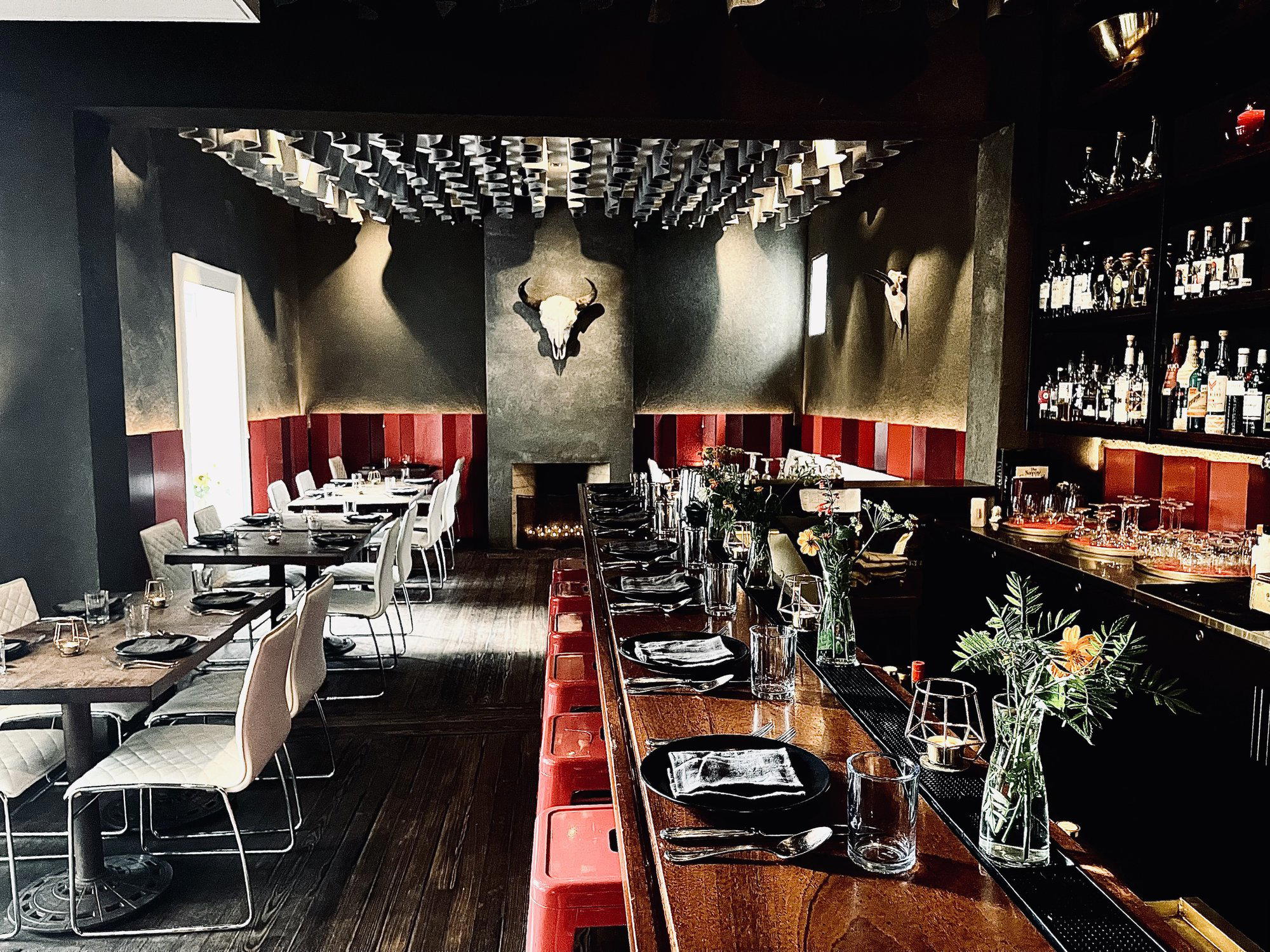
Fine Dining at the Edge of the Chihuahuan Desert
West Texas doesn't soften its edges for anyone. The drive into Marfa along US-90 is flat, immense, and largely featureless until the town appears with an abruptness that feels almost theatrical. That same quality of stark contrast defines the dining experience at Cochineal, located at 107 W San Antonio Street in a converted historic building that reads quietly from the street. Inside, the proportions open up: the kind of spare, considered space that serious restaurant design produces when it decides understatement is the point. The physical environment does the atmospheric work that other restaurants assign to dim lighting and thumping soundtracks.
Marfa has long occupied a peculiar position in American cultural geography. A town of roughly 1,800 people in Presidio County, it became a serious destination for contemporary art when Donald Judd relocated his practice there in the 1970s, eventually establishing the Chinati Foundation. That act reshaped what kind of visitor Marfa attracts, and by extension, what kind of dining those visitors expect. Cochineal sits at the top of that expectation, functioning as the town's reference point for a certain category of meal: long, considered, and unlikely to be replicated elsewhere in a 200-mile radius.
What Cochineal Represents in the Trans-Pecos
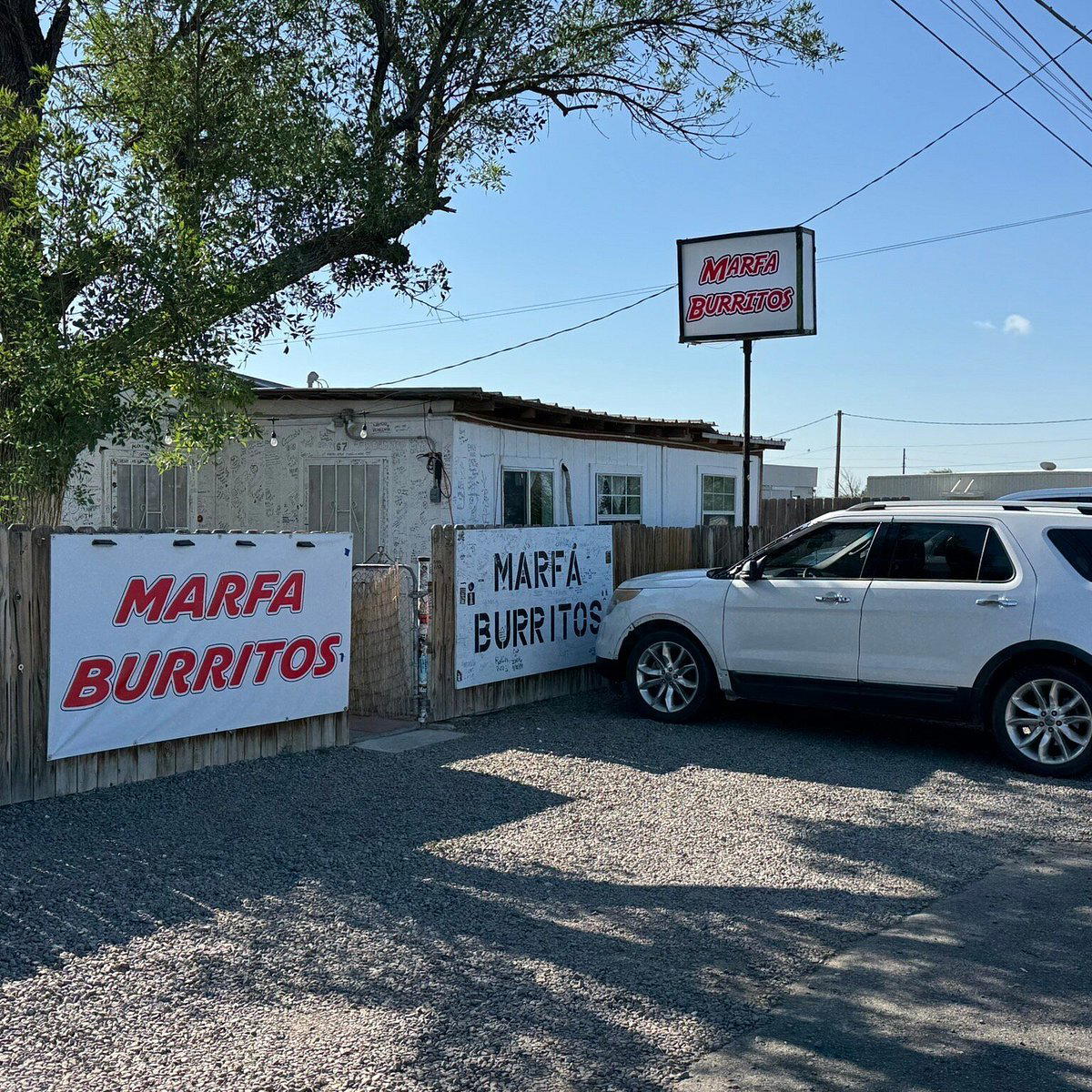
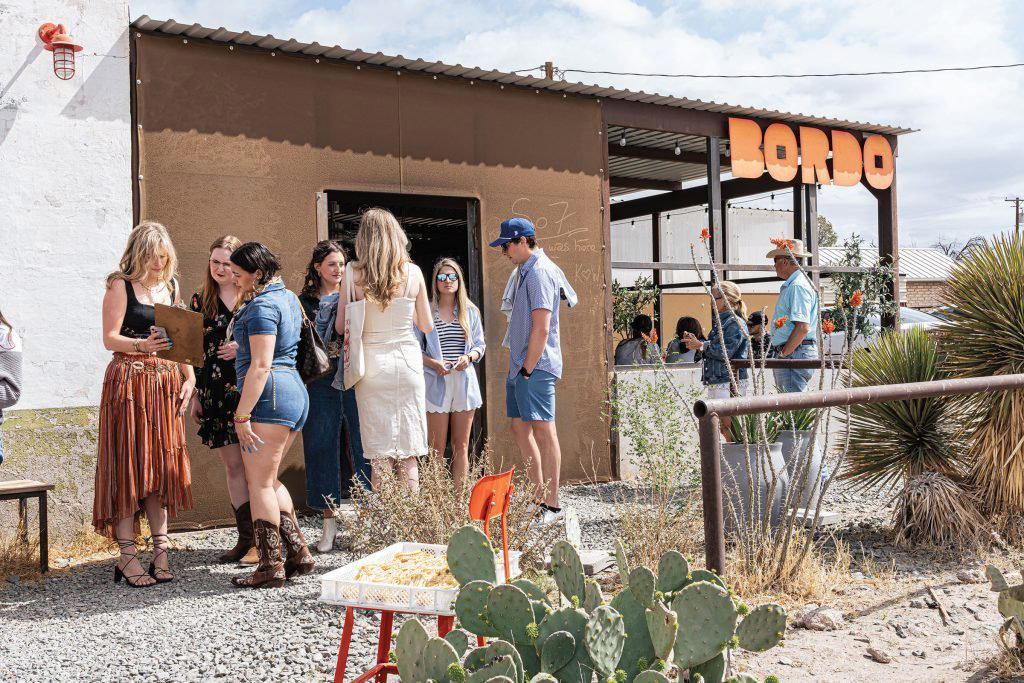
The restaurant occupies a tier that has no direct local competition. Where Marfa Burritos and Convenience West handle the town's everyday rhythm with direct, beloved formats, and where Bordo occupies a more casual register, Cochineal operates in a different register entirely. It is the kind of place that invites comparison not with its Marfa neighbors but with destination restaurants in cities where fine dining has deep infrastructure: think Single Thread Farm in Healdsburg or Blue Hill at Stone Barns in Tarrytown, both of which have built their identities around the idea that serious cooking can happen far from metropolitan centers.
The American model for that kind of remoteness-as-credential is well established. The Inn at Little Washington made rural Virginia a culinary destination over decades of sustained commitment. The French Laundry in Napa operates in a town of under 6,000 people yet prices and performs against the country's metropolitan elite. What these places share is a conviction that the distance a guest travels becomes part of the experience itself, that remoteness is not an obstacle but a framing device. Cochineal works with the same logic: getting to Marfa requires intent, and the meal rewards that intent.
Cultural Roots and Culinary Context
Trans-Pecos sits at a genuine cultural crossroads. This is borderland cuisine territory, where the influences of northern Mexico's ranchero traditions, the cattle culture of the Chihuahuan grasslands, and the high-desert ingredient palette of the Southwest all converge. That convergence isn't decorative; it shapes what can be sourced, what flavors read as authentic, and what a thoughtful kitchen in this geography owes to its surroundings.
Cochineal's name is itself a signal. Cochineal is a crimson dye extracted from scale insects that live on prickly pear cacti, used for centuries by indigenous peoples across Mesoamerica and later traded globally as one of the most valuable commodities of the colonial era. Choosing it as a restaurant name places the operation in explicit conversation with the deep material and culinary history of this region, a history that runs long before any contemporary fine dining movement arrived in West Texas.
That kind of cultural grounding matters more in Marfa than it might in, say, a major metropolitan restaurant. In cities with dense dining ecosystems, individual restaurants can afford to operate in a kind of cultural vacuum, their identity defined by the chef's biography or a particular European tradition. Here, the geography is too present and too powerful to ignore. The leading restaurants working in this mode, from Frasca Food and Wine in Boulder to Atelier Moessmer Norbert Niederkofler in Brunico, treat regional identity not as a constraint but as a discipline that produces sharper, more specific cooking.
Cochineal Among Its National Peers
Destination restaurants that operate outside major metropolitan areas face a particular structural challenge: they must build a reputation strong enough to motivate travel, then maintain enough consistency to justify the trip for returning visitors and first-timers who've heard secondhand accounts. The restaurants that do this well, including Smyth in Chicago, Lazy Bear in San Francisco, and Addison in San Diego, have in common a format discipline and a clearly legible point of view that survives word-of-mouth transmission. Cochineal has built that kind of reputation in a town where the margin for error is almost nonexistent: with a limited number of tables and a visitor base that has often planned weeks or months in advance, the gap between expectation and execution is unforgiving.
For comparison, urban restaurants like Le Bernardin in New York City, Emeril's in New Orleans, Providence in Los Angeles, Atomix in New York City, and The Wolf's Tailor in Denver operate inside dense competitive ecosystems where a single off night can be absorbed by the noise of a hundred alternatives. Cochineal has no such buffer. Its position at the top of Marfa's dining order is both its advantage and its pressure.
Planning a Visit
Marfa rewards visitors who treat it as a primary destination rather than a stop on a larger itinerary. The nearest commercial airport is in Midland, roughly 160 miles east, making the journey a genuine commitment. That commitment shapes the entire visit: travelers who make it to Marfa typically spend several days, and the rhythm of those days, art foundation in the morning, the high desert in the afternoon, Cochineal in the evening, has become a recognizable template for how serious visitors engage with the town.
Advance planning is not optional. The restaurant's capacity is limited, and Marfa's appeal as a cultural destination has grown steadily, meaning reservations should be secured well before arrival. The broader dining scene is covered in our full Marfa restaurants guide, which maps the town's range from casual to considered and helps visitors structure their days around what's available and worth the time.
Recognition history
Dated appearances from independent guides and award organizations, with the underlying list record or original source where available.
James Beard Award Semi Finalist
James Beard Award
Continue exploring
More in Marfa
Restaurants in Marfa
Browse all →
Bars in Marfa
Browse all →
Hotels in Marfa
Browse all →
At a Glance
- Intimate
- Rustic
- Elegant
- Date Night
- Special Occasion
- Open Kitchen
- Courtyard
- Extensive Wine List
- Farm To Table
- Local Sourcing
Current opening hours
- Monday
- Closed
- Tuesday
- Closed
- Wednesday
- Closed
- Thursday
- 5–10 PM
- Friday
- 5–10 PM
- Saturday
- 5–11 PM
- Sunday
- Closed
Hours can change for holidays and private events. Last verified .
Intimate courtyard with lit trees and serene al fresco dining, contrasted with a cozy interior dining room.
Know Before You Go
- Getting there
- 107 W San Antonio St, Marfa, TX 79843