Bordo

Bordo occupies a spare address on West San Antonio Street in one of the most discussed small towns in the American West. Marfa's dining scene runs thin by most urban measures, which makes any serious kitchen here worth tracking. Bordo sits in that conversation alongside a handful of other destinations drawing visitors who treat the drive as part of the point.
Pearl is the En Primeur Club membership app — saves, bookings, and concierge access live there. Same editors, same standards.
- Address
- 1210 W San Antonio St, Marfa, TX 79843
- Website
- bordomarfa.com
- Directions
- Get directions
 Saves & bookings on Pearl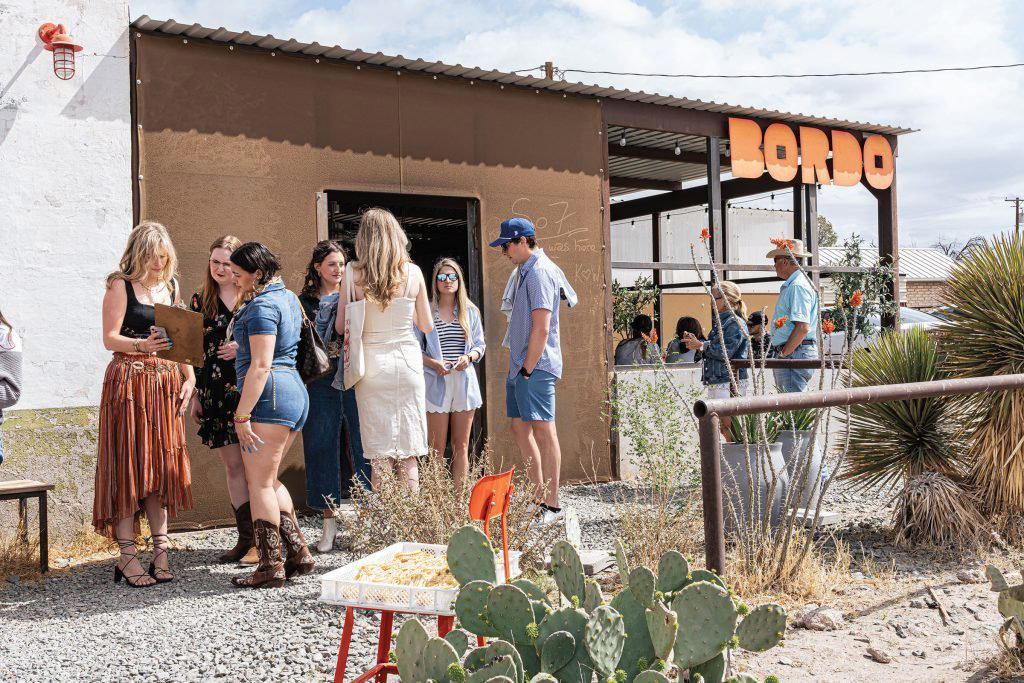
West Texas Light and What It Does to a Dining Room
There is a specific quality to late-afternoon light in the Trans-Pecos that architects and painters have tried to describe for decades. It arrives flat and amber across the high desert, cuts through west-facing windows without softening, and makes interiors feel simultaneously exposed and intimate. On West San Antonio Street, Bordo sits inside that light. The address, 1210 W San Antonio St, places it on a corridor that Marfa residents use as a practical throughway and visitors slow down to examine. The approach is unhurried by design or by geography, depending on how far you drove to get here.
Marfa is not a city where restaurants exist in clusters. The town of roughly 1,700 people supports a dining scene held together by a small number of serious operators and a tourist economy that runs hottest in spring and fall. That structure matters when reading any individual address here. A kitchen that works in this context is working against significant logistical headwinds: supply chains that require planning, a labor pool that does not replenish easily, and a clientele split between local regulars and destination visitors with very different expectations. Bordo occupies that environment at 1210 W San Antonio St, and its presence on the street says something about the current state of that scene.
Ingredient Sourcing in the Chihuahuan Desert
The question of where food comes from matters more in Marfa than in most American cities, and not for ideological reasons. It matters because the practical answer is genuinely complicated. The nearest metropolitan produce hub is roughly four hours away in either direction. San Antonio and El Paso both serve as distribution points for the region, and kitchens that rely on standard broadline distribution accept a certain ceiling on freshness and specificity. The restaurants in Marfa that have earned repeat visitors tend to be the ones that treat sourcing as a constraint to work around rather than ignore.
West Texas ranching country produces beef and lamb of genuine quality, and the Chihuahuan Desert's agricultural margins, while narrow, do yield specific ingredients. Chefs operating in this region who source regionally are making an argument about place that restaurants with easier logistics simply cannot make. The farm-to-table framing that has become almost meaningless in urban contexts retains actual weight here, because the alternative, relying entirely on distant distribution, is so much more visible. When a kitchen in Marfa commits to regional sourcing, it is a structural decision, not a marketing position.
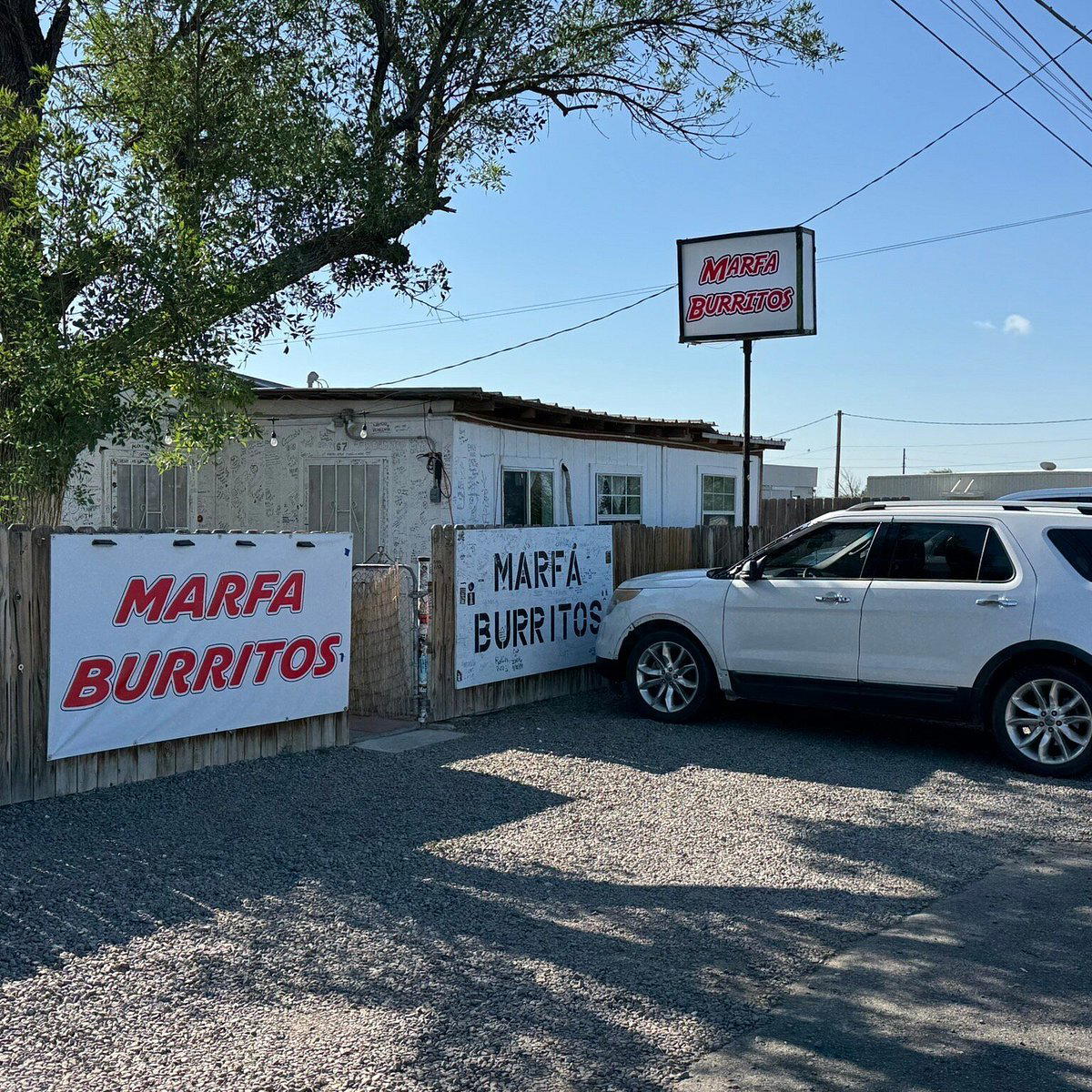
This is the frame through which Bordo sits most usefully in the broader Marfa dining conversation. Alongside Cochineal, which has built a reputation as the most formally ambitious kitchen in town, and more casual operations like Marfa Burritos and Convenience West, Bordo represents the town's interest in serious eating without necessarily replicating the format expectations of a major metropolitan dining room. For a fuller map of where Bordo sits in relation to its peers, our full Marfa restaurants guide covers the scene in detail.
The National Context: Remote Kitchens and What They Prove
American fine dining has spent the last decade arguing about whether place-specific sourcing produces demonstrably better food or whether it is primarily a story told at the table. The most convincing cases for the former tend to come from kitchens where geography made the sourcing decision unavoidable. Single Thread Farm in Healdsburg built its entire format around the argument that a working farm changes what a kitchen can do. Blue Hill at Stone Barns in Tarrytown made that case more visibly than any other American restaurant of the last twenty years. Both operate in agricultural regions with considerably easier logistics than the Trans-Pecos.
The comparison is not about equivalence of ambition or execution. It is about what remote kitchens reveal: that sourcing decisions are always made against a backdrop of what is available and what the kitchen is willing to work for. Restaurants with simpler access to premium ingredients can deflect that question. Kitchens in places like Marfa cannot. That constraint, handled well, is its own form of credential.
Other American kitchens that have built reputations around ingredient provenance and regional specificity include Bacchanalia in Atlanta, Brutø in Denver, and Addison in San Diego. The scale and ambition vary considerably. What links them is a willingness to let the sourcing question shape the menu rather than the reverse. Restaurants where sourcing is window dressing tend to look like that in the plate. Restaurants where it is structural tend to look like that too.
Planning a Visit to Bordo
Marfa operates on rhythms that reward advance planning. The shoulder seasons, roughly March through May and September through November, bring the heaviest visitor traffic, and accommodations along with the better restaurant tables move faster than the town's small footprint might suggest. Anyone driving from Austin or San Antonio is looking at six to seven hours of travel, which shifts the calculus of an evening out considerably. Dinner here is rarely a last-minute decision.
Bordo's address at 1210 W San Antonio St is on the western end of one of the town's main arteries, accessible by car without difficulty. Marfa has no meaningful public transit, so arrival by vehicle is the working assumption for almost every visitor. This applies to any Marfa restaurant during busy season: confirmation matters more here than in cities where alternatives are a short walk away.
Recognition history
Dated appearances from independent guides and award organizations, with the underlying list record or original source where available.
James Beard Award Semi Finalist
James Beard Award
James Beard Award Semi Finalist
James Beard Award
Continue exploring
More in Marfa
Restaurants in Marfa
Browse all →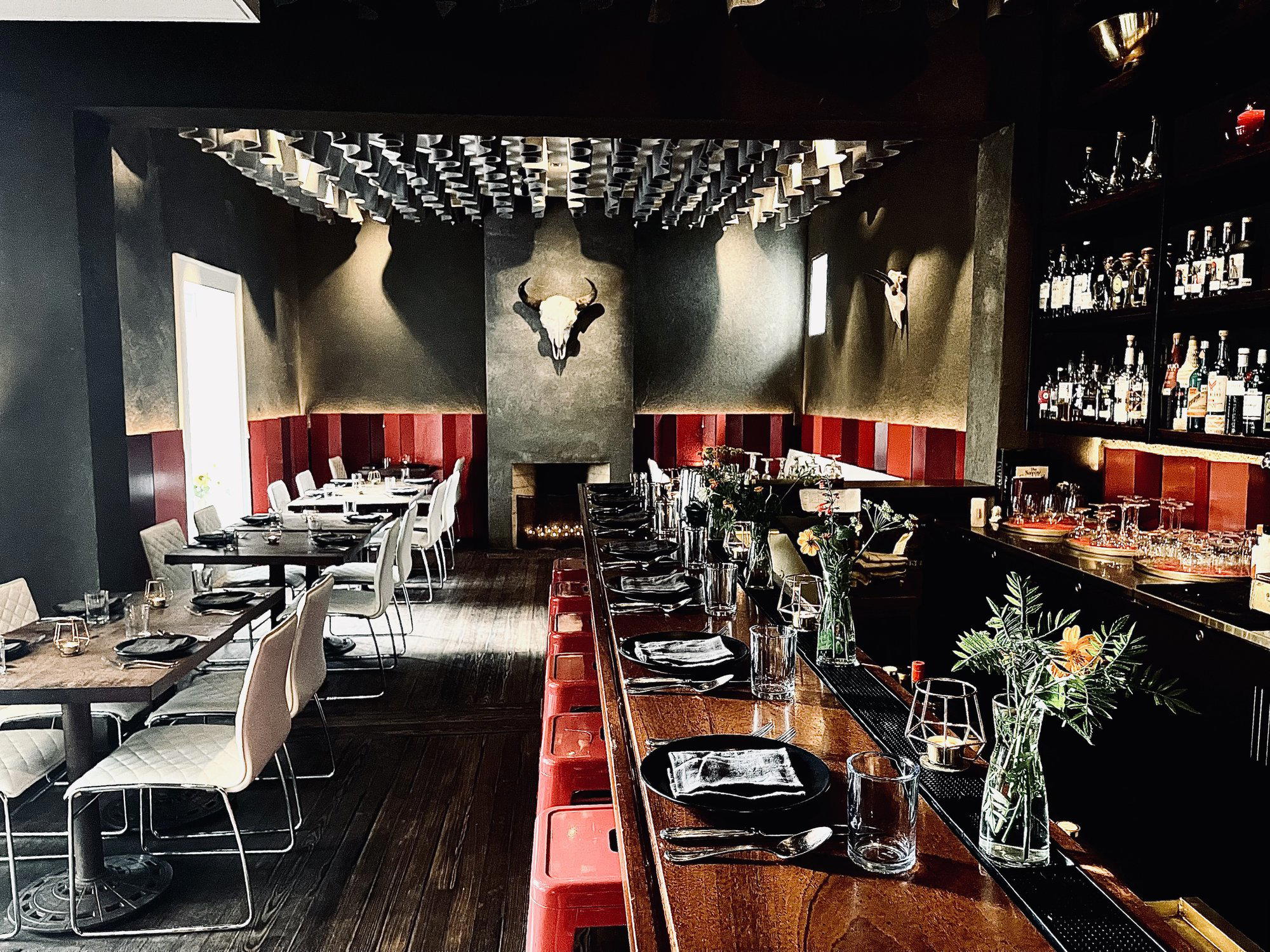
Bars in Marfa
Browse all →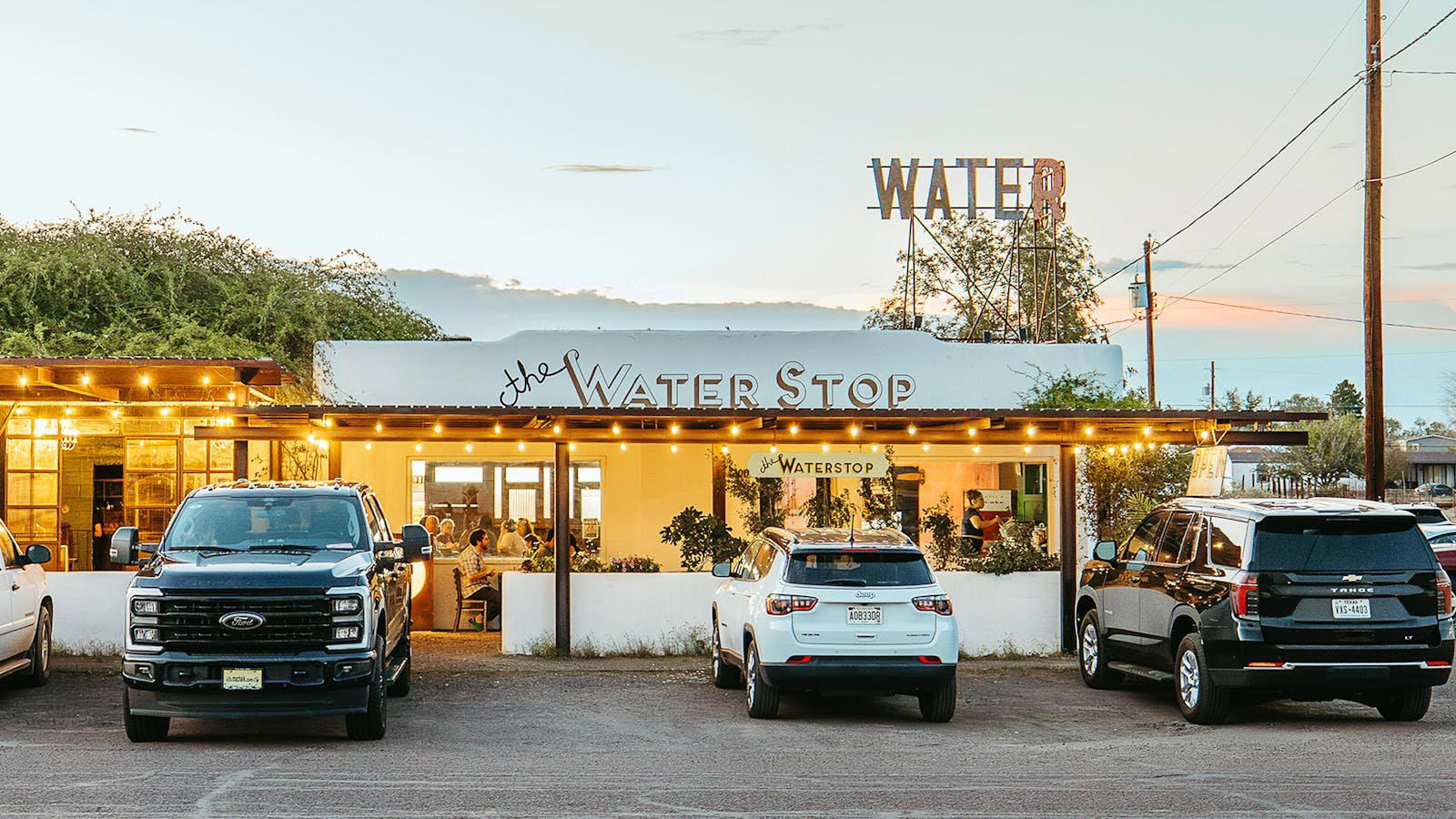
Hotels in Marfa
Browse all →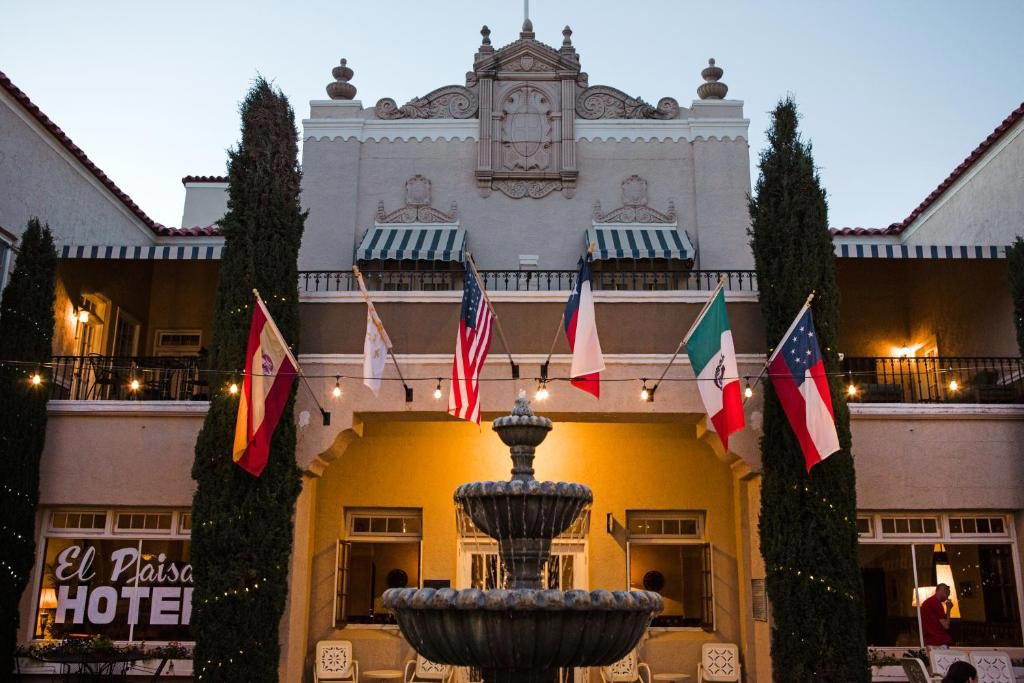
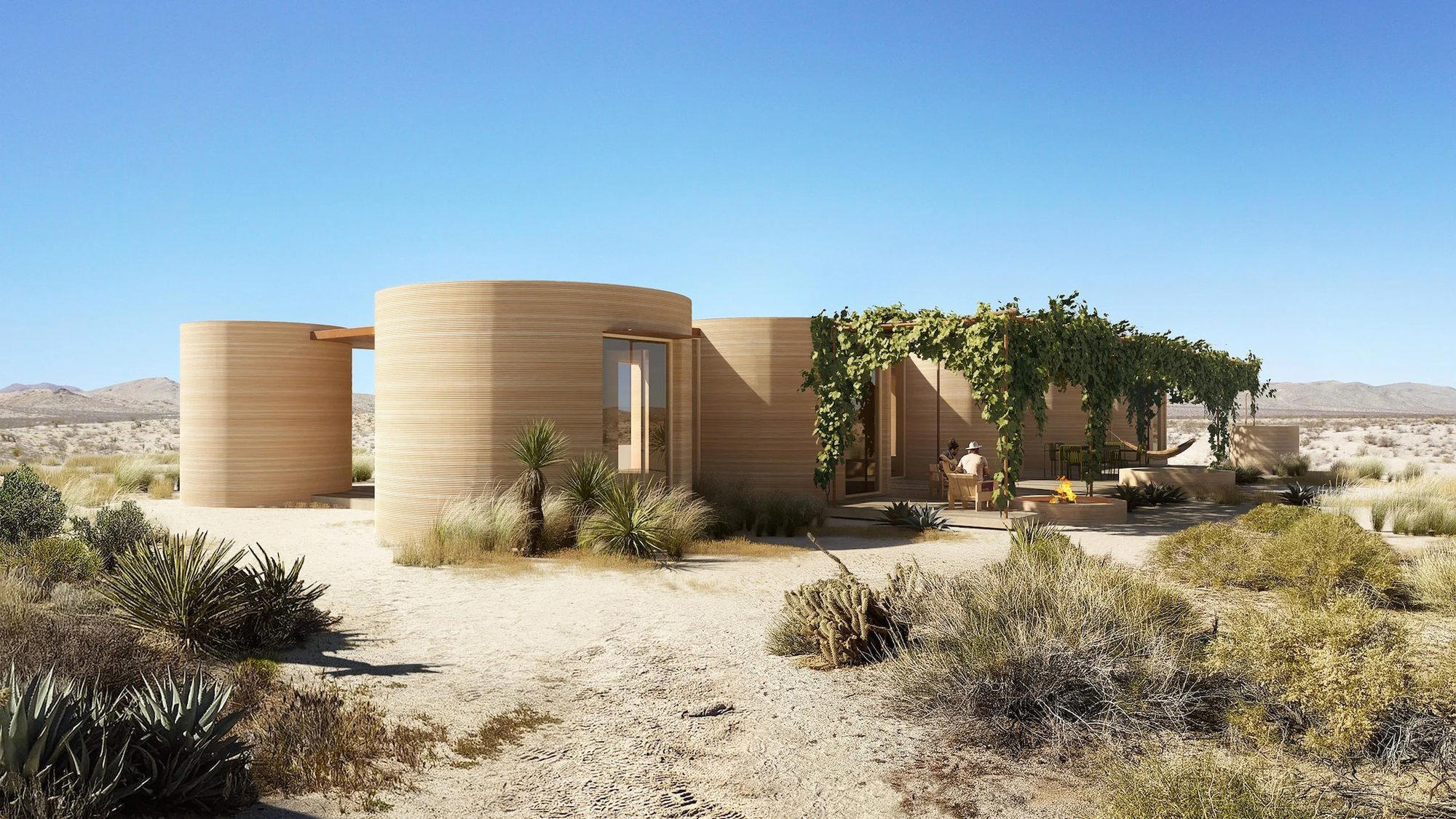
At a Glance
- Rustic
- Cozy
- Casual Hangout
- Open Kitchen
Current opening hours
- Monday
- Closed
- Tuesday
- Closed
- Wednesday
- Closed
- Thursday
- 11 AM–3 PM
- Friday
- 11 AM–3 PM
- Saturday
- 11 AM–3 PM
- Sunday
- 11 AM–3 PM
Hours can change for holidays and private events. Last verified .
Casual, groovy outdoor covered patio seating with a simple, unassuming atmosphere focused on fresh, high-quality food.
Know Before You Go
- Getting there
- 1210 W San Antonio St, Marfa, TX 79843