El Cosmico

El Cosmico occupies a stretch of the high Chihuahuan Desert outside Marfa, Texas, where the accommodation format — tents, trailers, and yurts spread across open land — is the design statement. It sits in a niche of American hospitality that prizes landscape immersion over interior amenity, placing it alongside properties like Amangiri rather than conventional hotel peers. Book well ahead; Marfa's reputation precedes it.
Pearl is the En Primeur Club membership app — saves, bookings, and concierge access live there. Same editors, same standards.
- Address
- 802 S Highland Ave, Marfa, TX 79843
- Phone
- +1 432 729 1950
- Website
- elcosmico.com
- Directions
- Get directions
 Saves & bookings on Pearl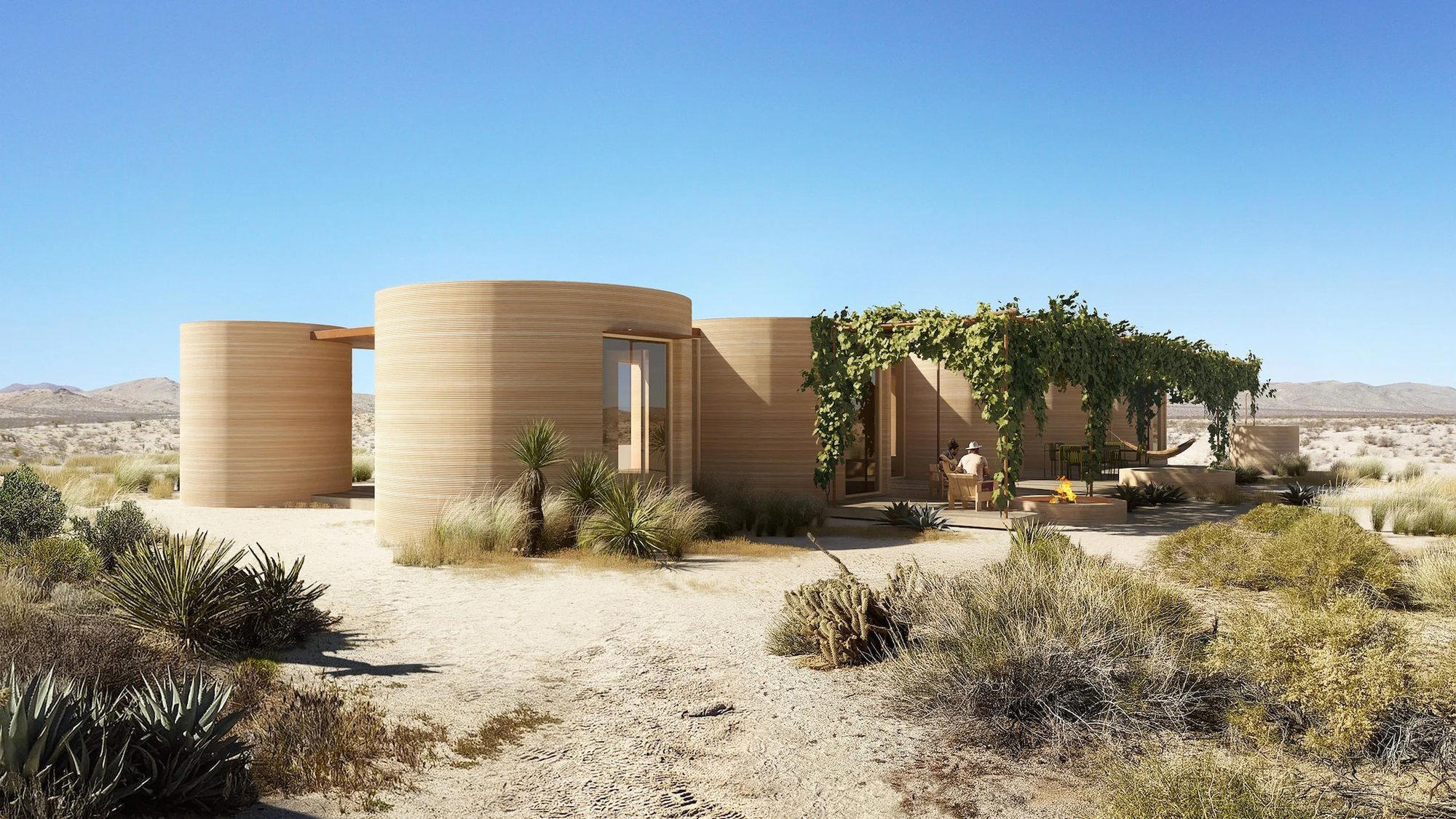
Where the Desert Is the Architecture
In most hospitality contexts, design means what happens inside the building. At El Cosmico, located on South Highland Avenue in Marfa, Texas, the building is almost beside the point. The property sits on open Chihuahuan Desert terrain at roughly 4,600 feet elevation, where the land itself — flat, enormous, ringed by distant mountain ridges — sets the spatial logic. Accommodation units are distributed across this terrain rather than consolidated around a central structure, which means that moving between your tent or trailer and any shared facility is an act of experiencing the site. That is not an accident of layout; it is the layout's purpose.
This approach to property design belongs to a category that has grown more defined over the past decade in American hospitality. The model prioritizes landscape immersion over interior finish: lower infrastructure density, open-air common areas, and accommodation formats that sit lightly on the land. Amangiri in Canyon Point occupies a similar philosophical position in the Utah canyon country, orienting every architectural decision around the surrounding geology. Ambiente, A Landscape Hotel in Sedona takes the same premise into red-rock terrain. El Cosmico does the same thing with the spare, high-altitude Chihuahuan Desert, but in a deliberately rougher register, the aesthetic is closer to a well-curated campsite than a resort.
The Accommodation Formats and What They Signal
El Cosmico offers several distinct accommodation types: vintage trailers, safari-style tents, teepees, and yurts. Each format carries a different spatial relationship with the outdoors, but all share the same design logic, the exterior environment is not something to be screened out but something to be present with. The trailers, a collection of restored mid-century units, represent the most enclosed option and carry a specific American roadside-culture reference that situates the property in a vernacular design tradition rather than a luxury hotel one. The tents and yurts push further toward permeability, with canvas walls that register wind and temperature shifts in ways that masonry never would.
This is where El Cosmico diverges most sharply from the interior-focused design programs at properties like The Fifth Avenue Hotel in New York City or Raffles Boston, where the architecture is a container for curated objects, finishes, and service rituals. At El Cosmico, the architecture is deliberately thin. The design investment went into site selection and unit placement rather than interior specification. For guests whose measure of a successful stay runs through thread-count and marble bath, this is the wrong property. For guests whose measure runs through sky scale and silence, it addresses something that indoor luxury cannot.
Marfa as Context
The town of Marfa has occupied an unusual position in American cultural geography since Donald Judd established his Chinati Foundation there in the 1970s, transforming a remote high-desert ranching town into an internationally recognized site for minimalist art. That foundation, which presents permanent large-scale installations in converted military buildings on the edge of town, continues to draw a specific type of visitor: one with an appetite for scale, emptiness, and sustained attention. El Cosmico sits downstream of that gravitational pull and benefits from it. Marfa now supports a small concentration of galleries, restaurants, and design-conscious businesses that would be implausible in a town of its size anywhere that didn't have Chinati as an anchor.
The practical context matters for planning: Marfa is genuinely remote. The nearest commercial airport with regular service is in Midland, roughly two and a half hours by car. El Paso is about three hours. Fly-drive is the standard approach, and the drive across the Trans-Pecos region, through Balmorhea, Fort Davis, and Alpine, is itself part of the arrival experience. Guests arriving from properties like Bowie House in Fort Worth should budget most of a day for the westward transit. That friction is not incidental; it is part of what preserves the character of the place.
Remoteness also calibrates expectations around dining and programming. Marfa's food scene is small by urban standards, though it punches meaningfully above its population weight. Guests at El Cosmico should approach the stay as they would a landscape-first property, with a plan for meals and a tolerance for the limited infrastructure that makes the setting possible. For readers planning broader Texas itineraries, our full Presidio County restaurants guide covers where to eat across the region.
Seasonal and Temporal Considerations
Chihuahuan Desert runs hot in summer, afternoon temperatures regularly exceed 95°F from June through August, and the tent and yurt formats offer limited insulation from that heat. Spring (March through May) and fall (September through November) are the periods when the canvas-wall accommodations work leading, and when the Marfa Lights Viewing Area and surrounding landscape are most hospitable for extended outdoor time. Winter nights drop sharply; the elevation means frost is possible from December through February, which changes the character of the open-air common areas considerably. The Chinati Foundation's major open-house weekend, typically held in October, draws significant visitor volume to the area and affects accommodation availability across all Marfa properties.
El Cosmico does not compete in the same tier as resort properties. The comparison set is a specific strand of American experiential hospitality: properties where the landscape is the primary amenity and the accommodation format is chosen to maximize exposure to it rather than insulate guests from it. Sage Lodge in Pray occupies a similar position against the Absaroka Range in Montana. Post Ranch Inn in Big Sur sits in the same peer conversation for coastal California, though at a significantly higher price point and finish level. Alpine Falls Ranch in Superior applies a comparable logic to Montana ranch terrain.
What distinguishes El Cosmico within that grouping is the deliberate informality, the vintage trailers and communal kitchen infrastructure signal a specific value system that resists the drift toward resort-scale amenity. Properties like Blackberry Farm in Walland or SingleThread Farm Inn in Healdsburg use agrarian aesthetics as a frame for very high-specification food and service programs. El Cosmico holds its position closer to the unmediated end of that spectrum.
For readers who want the landscape-immersion premise with more interior finish, Amangani in Jackson Hole and Canyon Ranch Tucson represent the same broad category at higher service density. Bernardus Lodge in Carmel Valley, Auberge du Soleil in Napa, and Little Palm Island Resort in Little Torch Key serve readers whose threshold for comfort sits higher than canvas-wall accommodation allows. None of those, however, put you to sleep under a West Texas sky with the Davis Mountains on the horizon.
Planning Your Stay
El Cosmico operates as a bookable property with multiple accommodation categories; advance reservation is advisable, particularly around the Chinati Foundation open-house weekend in October and during the spring shoulder season when Marfa receives concentrated visitor attention. The property's website carries current availability and rate information. Given the remoteness of Presidio County, guests should arrive with provisions if they plan meals on-site, as access to grocery retail in Marfa is limited in scale. A car is not optional, it is how you reach the property and how you move around the surrounding area, including the Chinati Foundation, Prada Marfa, and the Marfa Lights Viewing Area, each of which adds a layer of context to what makes this particular patch of West Texas worth the journey.
A Quick Peer Check
| Venue | Cuisine |
|---|---|
| El CosmicoThis venue — the venue you are viewing | This venue |
| Aman New York | Michelin 3 Key, World's 50 Best |
| Amangiri | Michelin 3 Key, World's 50 Best |
| Hotel Bel-Air | Michelin 3 Key, World's 50 Best |
| The Beverly Hills Hotel | Michelin 3 Key, World's 50 Best |
| The Carlyle, A Rosewood Hotel | Michelin 2 Key, World's 50 Best |
Recognition history
Dated appearances from independent guides and award organizations, with the underlying list record or original source where available.
Michelin Selected
Michelin
Continue exploring
More in Marfa
Hotels in Marfa
Browse all →
Bars in Marfa
Browse all →
Restaurants in Marfa
Browse all →
At a Glance
- Bohemian
- Rustic
- Scenic
- Whimsical
- Weekend Escape
- Group Retreat
- Destination Wedding
- Celebration
- Garden
- Terrace
- Panoramic View
- Design Destination
- Bar
- Garden
- Bicycle Rental
- Bar
- Garden
- Bicycle Rental
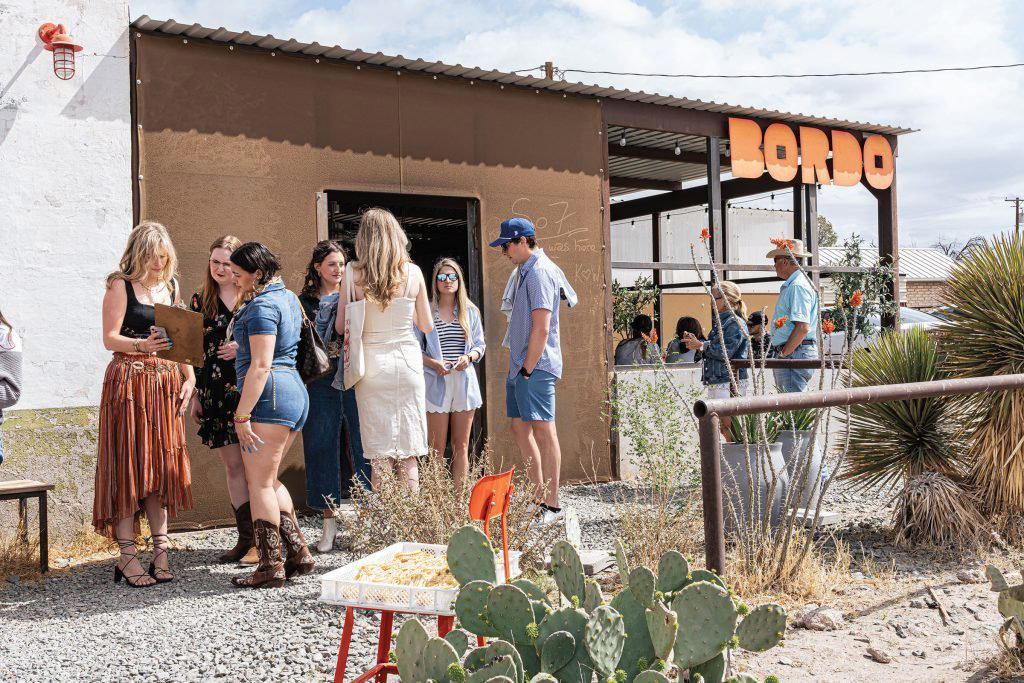
Open, expansive desert atmosphere with communal gathering spaces including hammock groves, outdoor kitchens, and stages; rustic and bohemian with emphasis on natural starlight and wide-open high plains vistas.
Know Before You Go
- Getting there
- 802 S Highland Ave, Marfa, TX 79843