Bohème Hotel
Austin’s hotel scene has split between large convention-scale properties, members-club lodging, restored estates, and small design-led addresses. Bohème Hotel belongs in that last conversation, though public data is limited: room rates, star rating, awards, address, phone, website, and room categories are not listed in the available record, so travelers should treat it as a design-context pick to verify directly before planning around it.
Pearl is the En Primeur Club membership app — saves, bookings, and concierge access live there. Same editors, same standards.
- Address
- Austin, United States
- Website
- stayatboheme.com
 Saves & bookings on Pearl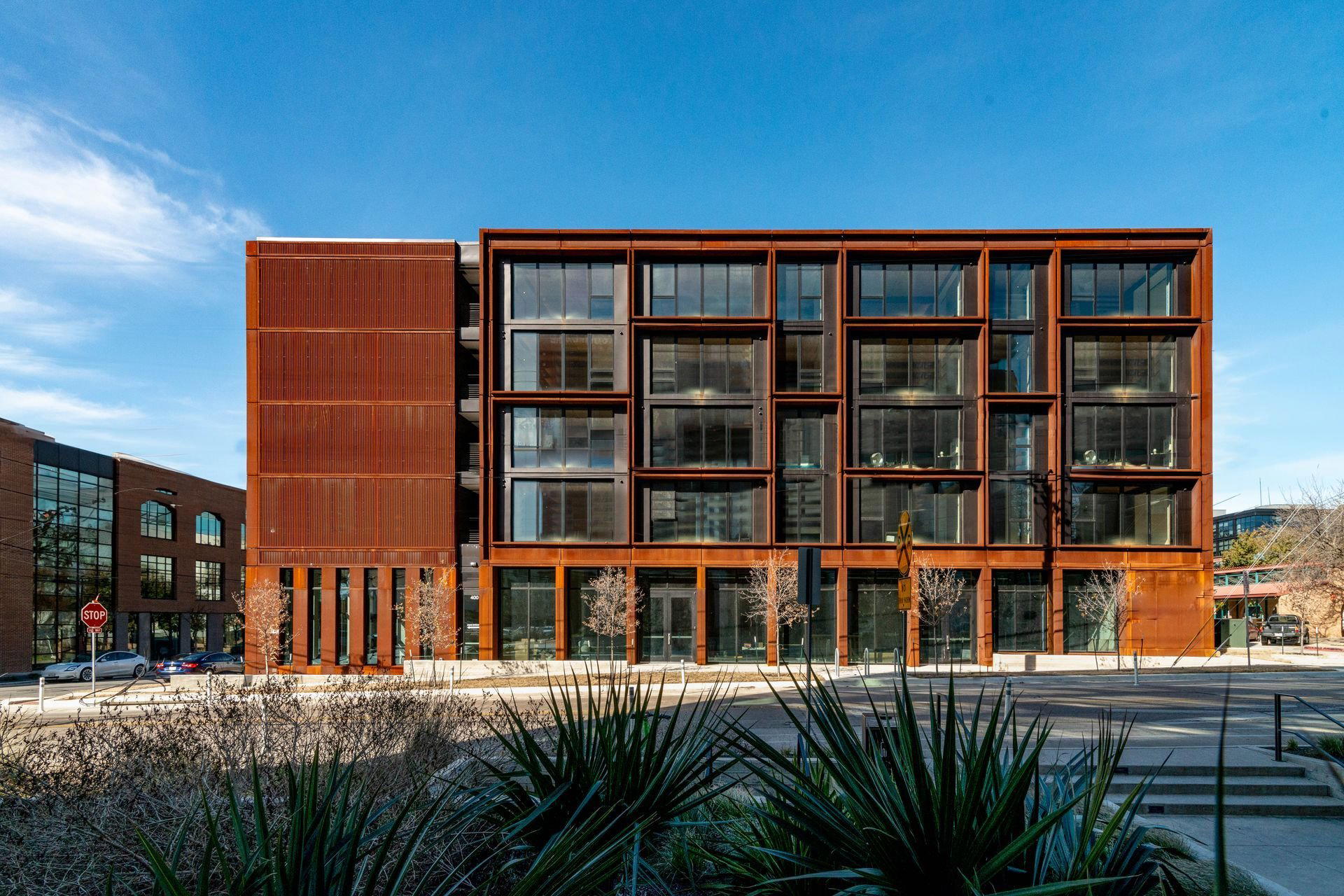
Design-led lodging in an Austin market that keeps changing
Approaching a small hotel in Austin is often less about a grand lobby reveal than about reading the block: the scale of the street, the shade line, the sound of traffic giving way to patio conversation, the way a building either joins the city or tries to overpower it. Austin hospitality has grown quickly enough that those choices matter. The city now has tower hotels built for conference traffic, lifestyle properties tied to nightlife districts, restored residential-scale stays, and estate-style retreats that feel removed from the downtown grid. Bohème Hotel enters that discussion as a design-first hotel name rather than a data-heavy luxury flag, and that distinction shapes how it should be assessed.
The available record for the hotel is unusually spare. No star rating, awards, room count, address, website, phone number, price range, design firm, or hotel group is listed. In Austin, where hotel identity is often sold through music references, club access, pool scenes, or restaurant partnerships, a hotel with limited public-facing database detail should be judged cautiously against the city’s better-documented comparable set. The right question is not whether it can be ranked against a resort collection property or a branded downtown tower.
Design is the useful lens here because Austin’s lodging culture is built around competing versions of place. Commodore Perry Estate, Auberge Resorts Collection represents the manicured estate model, where historic grounds and resort service create separation from the city. Austin Proper Hotel belongs to the urban lifestyle tier, where interiors, dining, and downtown proximity carry the argument. Fairmont Austin Gold Experience serves a larger-scale luxury need, especially for travelers who value club-level structure and the logistics of a major hotel. A smaller, design-oriented hotel has to work differently: scale, tone, and neighborhood fit become the selling points, not sheer amenity count.
The Austin hotel scene: estates, clubs, towers, and smaller design addresses
Austin’s accommodation market is not one category. Downtown and Rainey Street skew toward size, event access, and predictable service systems. South Congress leans toward cultural shorthand: music, retail, restaurants, and the kind of stay where the hotel functions as part of a neighborhood circuit. East Austin has become the city’s shorthand for smaller independent lodging, bars, and restaurants with a more residential edge. That does not mean every hotel in those areas behaves the same way, but it explains why travelers now compare Austin properties by mood and district before they compare thread counts.
The design-led tier is where the city has developed its clearest personality. Hotel Saint Cecilia uses a private-compound model tied to South Austin’s music and bungalow culture. The Heywood Hotel speaks to the smaller East Austin stay, where a limited footprint can feel more locally scaled than a downtown tower. ARRIVE Austin sits closer to the contemporary neighborhood-hotel model, with East Austin as a major part of the pitch. Hotel ZaZa Austin takes a more theatrical route, while Soho House Austin folds lodging into a members-club ecosystem. Against that range, Bohème Hotel is leading read as a name for travelers interested in atmosphere and design identity, provided they verify the basics that are not supplied in the record.
That verification matters in Austin because price can swing sharply by week. Major music, technology, film, university, and Formula 1 demand patterns can change room rates across the city, and a hotel without listed pricing should not be evaluated in isolation. A room that feels sensible on a quiet summer weekday may sit in a different competitive set during South by Southwest, Austin City Limits, a University of Texas football weekend, or the October Grand Prix. Travelers comparing design hotels should check the rate against documented alternatives in the same district and against larger hotels that may offer more predictable services during compression periods.
Architecture as the filter, not decoration
In Austin, hotel architecture often works as a declaration about how close the property wants to sit to daily city life. A large downtown hotel announces itself through arrival sequence, porte cochere, vertical scale, and meetings infrastructure. A smaller hotel usually has to earn attention through proportion, material choices, public-room restraint, and the relationship between indoor and outdoor space. This is why design-led hotels can be more rewarding for some travelers and less suitable for others. The appeal comes from specificity; the tradeoff can be fewer disclosed amenities, less standardized service, or a need to confirm details directly.
Responsible travel writing should stop there rather than invent a palette, a scent, a lobby soundtrack, or a room detail. The editorial point is still useful: in Austin, hotels that rely on aesthetic identity need to provide enough practical clarity to let travelers understand the value proposition. When those details are not public in a given record, the burden shifts to pre-arrival research.
For a design-minded traveler, the meaningful comparison may extend beyond Austin. The Fifth Avenue Hotel in New York City uses historic architecture and maximal interior language as a city-hotel argument. Troutbeck in Amenia turns country-house scale into its core identity. Four Seasons at The Surf Club in Surfside pairs heritage architecture with resort service systems, while Raffles Boston in Boston uses a full-service urban luxury framework. Those examples show why design alone is not enough as a buying signal. It has to be matched by location, service scope, and verified room information.
Who should consider it
The hotel is likely to make sense for travelers who already know Austin’s geography, prefer smaller-scale stays, and are comfortable confirming practical details before arrival. It is less suited to those who need a published star rating, a listed hotel group, an award trail, or a clearly described amenity set before choosing. That is not a criticism of independent hotels; it is a recognition that Austin has enough strong alternatives that vague information should be treated as a planning variable.
Travelers coming for dining should map the hotel decision around reservations and neighborhood movement rather than judging the stay in isolation. Austin’s restaurant scene now rewards advance planning, particularly for smaller rooms and nationally watched kitchens. Use Our full Austin restaurants guide to decide whether the trip is centered on East Austin, South Congress, downtown, or a wider circuit. For drinking, Our full Austin bars guide gives a better read on late-night geography, while Our full Austin experiences guide is useful for pairing hotel location with music, culture, and outdoor time. Wine travelers should use Our full Austin wineries guide, since the Hill Country question often changes what counts as a convenient base.
For travelers comparing hotels first, Our full Austin hotels guide is the cleaner starting point. The city rewards segmentation: estate retreat, downtown luxury, South Congress lifestyle, East Austin neighborhood stay, or membership-club social base. If the rate aligns with better-documented peers, ask what verified design, location, and service details justify the choice. If the rate sits below them, the tradeoff may be acceptable for travelers who value atmosphere over extensive facilities.
Planning notes for a sparse public record
That means travel planning should avoid assumptions. Confirm the exact location through a direct, reliable source before building an itinerary around walking distance. Confirm the booking channel before sending payment. Confirm arrival procedures, parking, accessibility, cancellation terms, and any resort or service fees before comparing the rate with Austin peers.
Advance planning is still sensible in Austin. The city’s hotel demand can tighten around major events, and smaller independent properties may have less inventory than large downtown hotels. Travelers who value service predictability should compare the property with larger documented options. Travelers who value lower-key design character may accept a narrower information set once the essentials are confirmed.
For a broader design-hotel benchmark, the comparison set can move well beyond Texas. Desert minimalism at Amangiri in Canyon Point, California glamour at The Beverly Hills Hotel in Los Angeles, farm-inn precision at SingleThread Farm Inn in Healdsburg, and restored village-scale hospitality at Kona Village, A Rosewood Resort in Kailua Kona show how architecture, setting, and operations can align at different price levels. Mountain and alpine hotels add another model: Sage Lodge in Pray, Hôtel de Paris Monte-Carlo in Monte Carlo, Badrutt's Palace Hotel in St. Moritz, and Aman Venice in Venice all demonstrate that design prestige is strongest when the guest can see clear evidence before arrival. Austin’s smaller hotels deserve the same standard.
Reputation & Price
Comparable venues nearby, for context on price, style, and recognition.
| Venue | Cuisine | Price | Notes |
|---|---|---|---|
| Bohème HotelThis venue — the venue you are viewing | Not listed | $$$ | Not listed |
| Austin Motel | South River City, retro motor court | $$ | Not listed |
| HOTEL VEGAS | Not listed | $ | Central East Austin, historic music venue repurposed from former hotel |
| The Standard, Austin | Not listed | $$$$ | South Congress, cultural playground with social wellness focus |
| Jester King Brewery | Not listed | $ | Hill Country, rustic farmhouse brewery on expansive farmland |
| The Inn at Green Pastures | Not listed | $$$$ | Bouldin Creek, Distinguished and refined modern venue on storied historic grounds. |
Continue exploring
More in Austin
Hotels in Austin
Browse all →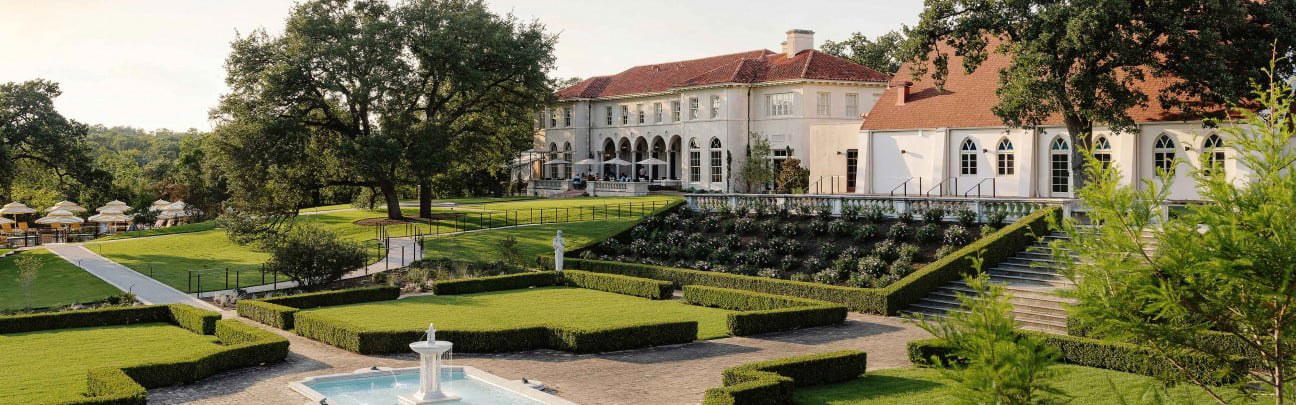
Bars in Austin
Browse all →
Restaurants in Austin
Browse all →
At a Glance
- Bohemian
- Trendy
- Industrial
- Whimsical
- Modern
- Intimate
- Weekend Escape
- Romantic Getaway
- Business Trip
- Celebration
- Group Retreat
- Design Destination
- Terrace
- Rooftop Pool
- Historic Building
- Wi Fi
- Street Scene
- Wi Fi
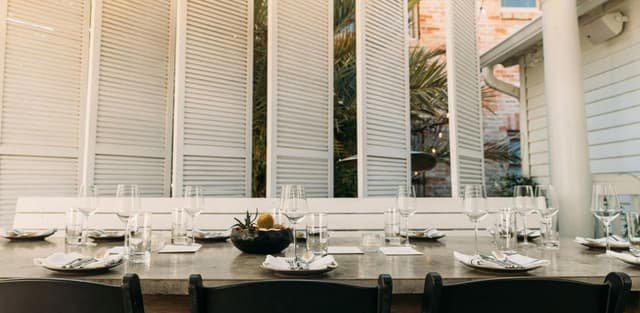
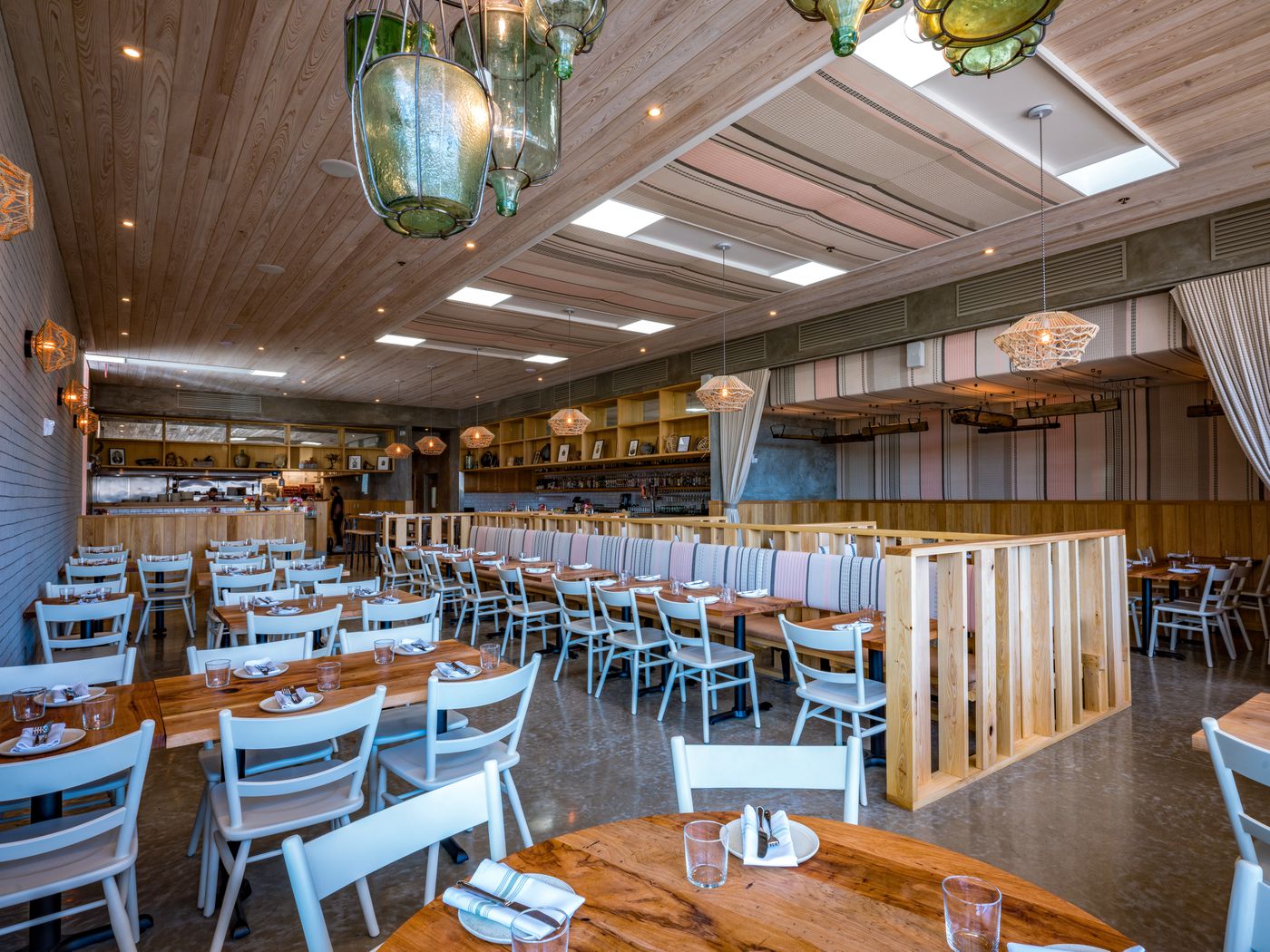
Eclectic yet luxurious, with rust-colored industrial architecture, large windows, and suites themed around Austin’s creative culture, blending moody, retro, and minimalist elements into a polished boutique setting.