Graduate Austin
Graduate Austin is an Austin hotel entry with limited public-facing detail in public sources, so the useful reading is comparative: how it fits into a city where hotel dining ranges from estate-style restaurants to design-led neighborhood bars. Treat it as a planning anchor, then compare it with Austin’s stronger-documented hotel dining and bar options before committing a night around the property.

Pearl is the En Primeur Club membership app — saves, bookings, and concierge access live there. Same editors, same standards.
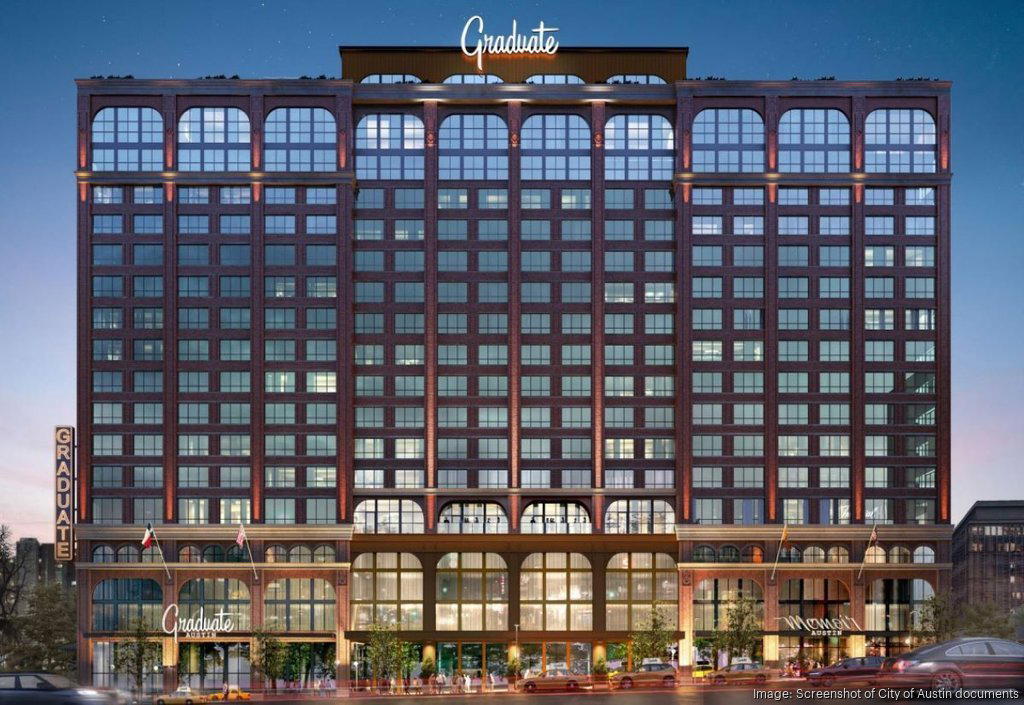
The Austin hotel question starts at the table
Approaching an Austin hotel with dinner in mind means reading the room before reading the menu. The city’s hotel scene is shaped by patios, lobby bars, late music schedules, and restaurants that have to serve two audiences at once: travelers looking for an easy evening and locals who will not return unless the cooking and drinks justify the trip. Graduate Austin enters that conversation in a city where the hotel restaurant is rarely just a convenience. In Austin, a credible hotel dining programme has to compete with stand-alone barbecue rooms, masa-driven kitchens, natural-wine bars, steakhouse expense accounts, and breakfast tacos eaten from paper wrappers before 10 a.m.
Graduate Austin is a hotel in Austin, Texas. The available confirmed data does not list restaurant names, chef, cuisine type, awards, price range, booking method, phone, website, address, or operating hours. That absence matters. In a hotel market where dining has become a major differentiator, missing public detail changes the planning logic. The hotel can be considered as an Austin stay, but its restaurants and bars should not be treated as the main reason to choose it until current venue-level details are confirmed through official channels.
That is not a dismissal. It is a useful filter. Austin rewards travelers who separate hotel atmosphere from dining certainty. A property can have the right mood for a weekend base and still require off-property reservations for the meals that define the trip. Graduate Austin sits inside that broader decision: pick the hotel for location, design, rate, or access if those facts suit the itinerary, then build the food and drink plan with stronger evidence from Austin’s restaurant and bar scene.
Why Austin hotels now need a serious food-and-drink point of view
Austin’s hospitality market has changed because the city’s dining expectations have changed. The old division between “good hotel restaurant” and “good restaurant” has narrowed. Locals now use hotels for cocktails, brunches, wine dinners, and late-week social traffic, while visitors use restaurants to choose neighborhoods. A hotel dining programme has to explain where it belongs: polished resort dining, neighborhood casual, chef-led destination room, rooftop bar, poolside service, private-club energy, or breakfast-and-lobby convenience.
The stronger Austin hotel comparisons make the segmentation clear. Commodore Perry Estate, Auberge Resorts Collection belongs to the estate-resort side of the market, where grounds, architecture, and a slower restaurant rhythm shape the stay. Austin Proper Hotel sits closer to the urban design-hotel lane, where dining and bar spaces are part of the social fabric. Hotel Saint Cecilia speaks to a smaller, mood-driven South Austin tradition, while Hotel ZaZa Austin fits the city’s polished downtown entertainment circuit. These are not interchangeable choices, and Graduate Austin should be evaluated against the same question: does the hotel’s food-and-drink offer define the stay, support it, or simply sit beside it?
For travelers using hotels as dining platforms, that distinction is practical. A property with an acclaimed restaurant can absorb a full evening. A property with a reliable bar can serve as a first or final stop. A property without documented culinary detail needs a separate restaurant plan. The current record does not place Graduate Austin in that category. The safer editorial position is to treat it as a hotel base in Austin and let the city’s wider dining map carry the culinary weight.
Where Graduate Austin fits in the city's dining geography
Austin is not a single dining district. Downtown handles convention traffic, steakhouses, hotel bars, and performance-night schedules. East Austin has pushed the city’s independent restaurant conversation forward through smaller rooms, cocktail bars, and chef-owned formats. South Congress and the surrounding South Austin corridors mix hotel glamour, retail foot traffic, music history, and weekend crowd pressure. North and Central Austin hold older neighborhood institutions, campus traffic, and everyday eating that rarely behaves like a hotel concierge list.
That leaves the reader with a broader Austin rule: choose restaurants by district rather than by hotel name alone. If the evening is built around central nightlife, use Austin bars guide before defaulting to the nearest lobby. If the itinerary is built around dinner, Austin restaurants guide gives a cleaner way to compare cuisine, booking difficulty, and meal style. For a broader stay decision, Austin hotels guide is the better companion, because hotel selection in Austin depends heavily on where the trip’s nights will actually happen.
The same logic applies to travelers who treat Austin as more than a dining city. Wine lists, brewery culture, live music, and day programming often shape the schedule as much as dinner. Austin wineries guide and Austin experiences guide help test whether a hotel is convenient to the trip being planned rather than merely attractive in isolation.
The dining-programme test: what confirmed data can and cannot say
For a hotel feature framed through restaurants and bars, the missing fields are not minor. Cuisine type, chef name, signature dishes, price range, awards, hours, booking method, and dress code are the evidence that normally anchors a serious assessment. Without them, any claim about a restaurant’s cooking style, cocktail identity, reservations, or local following would be guesswork. The useful stance is stricter: when those details are unavailable, the page should redirect the reader toward verifiable comparison.
That makes the hotel a case study in planning discipline. The hotel may work well for travelers who want an Austin base and intend to eat across the city. It is a weaker fit for travelers who want the hotel itself to provide the defining dinner, the destination bar, and the entire evening’s rhythm without outside planning. In Austin, those two use cases lead to different hotel choices. ARRIVE Austin and The Heywood Hotel point toward a neighborhood-hotel reading of the city, while Fairmont Austin Gold Experience belongs to a larger-service model. Soho House Austin adds the private-club variable, where food, drinks, work, and social access often blur into one extended stay pattern.
The practical takeaway is simple: do not over-read the name. The hotel can be on a hotel shortlist, but the dining programme should be verified before the stay is built around it. If current restaurant names, bar hours, menu scope, or reservation rules are decisive, confirm them directly with the property or compare against Austin hotels with clearer published culinary identities.
How it compares with destination hotels elsewhere
The national hotel market has trained travelers to expect food and drink to carry more weight than the room alone. In New York, The Fifth Avenue Hotel in New York City belongs to a city where dining can define a property’s public reputation as much as design. In Los Angeles, The Beverly Hills Hotel in Los Angeles operates within a long-established social dining tradition. In Utah, Amangiri in Canyon Point is shaped by remoteness, where the resort has to carry a larger share of the guest’s eating schedule.
Those comparisons clarify Austin’s difference. This is a city where off-property dining is often a strength, not a compromise. A hotel does not need to contain the entire trip if it places the traveler in reach of the right neighborhoods and leaves room for restaurants, bars, music, and late-night food. Rural and resort examples such as Troutbeck in Amenia, Sage Lodge in Pray, SingleThread Farm Inn in Healdsburg, and Kona Village, A Rosewood Resort in Kailua Kona rely more heavily on the property as the center of the day. Austin is looser. The city invites movement.
International grand-hotel comparisons tell the same story from another angle. Hôtel de Paris Monte-Carlo in Monte Carlo, Badrutt's Palace Hotel in St. Moritz, and Aman Venice in Venice sit in destinations where hotel ritual, dining formality, and property history can be central to the trip. Four Seasons at The Surf Club in Surfside and Raffles Boston in Boston show the American city-hotel version of that expectation. The hotel should be judged by a different measure: whether it makes sense as an Austin platform, not whether it behaves like a self-contained palace hotel.
Planning the stay around food, bars, and timing
With no confirmed price range, booking method, address, phone, website, room category, dress code, or hours in public sources, the planning sequence should be conservative. First, decide which Austin neighborhoods matter for the trip. Second, secure any high-demand dinner reservations independently. Third, confirm the hotel’s current restaurant and bar details through official property channels before assigning it a role in the evening. That order prevents a common Austin mistake: choosing a hotel for an assumed social scene, then discovering that the meals that matter are a ride away.
Timing also matters. Austin weekends can compress availability across restaurants, bars, live-music venues, and hotel common spaces. Conference periods and festival weeks add pressure, especially around central corridors. If food and drink are central to the stay, the safer plan is to treat the hotel as lodging until its current programme is confirmed.
Room choice cannot be specified from the available record because no categories, views, floor plans, or rates are listed. Choose a room based on noise tolerance, mobility needs, and proximity to the parts of Austin that define the itinerary. If the trip is restaurant-led, a quieter room and a short route to evening transport matter more than a vague lifestyle label. If the trip is work-led, lobby and bar convenience may matter more. If the stay is built around campus, music, or weekend social plans, confirm the property’s exact location and transport pattern before choosing.
Comparable venues nearby, for context on price, style, and recognition.
| Venue | Cuisine | Price | Awards | Notes |
|---|---|---|---|---|
| Graduate AustinThis venue — the venue you are viewing | Collegiate-inspired boutique tower hotel integrated into a mixed-use development near the UT Austin campus. | Not listed | Not listed | Not listed |
| HOTEL VEGAS | historic music venue repurposed from former hotel | $ | Not listed | Central East Austin |
| Austin Motel | retro motor court | $$ | Not listed | South River City |
| Carpenter Hotel | Mid-century utilitarian repurposed into contemporary boutique hotel with industrial-modern aesthetic | $$ | 3-Star | Zilker |
| East Austin Hotel | Locally owned boutique hotel blending retro motor court charm with contemporary urban design and eclectic global influences. | $$ | 3-Star | East Austin |
| The Standard, Austin | cultural playground with social wellness focus | $$$$ | Not listed | South Congress |
Continue exploring
More in Austin
Hotels in Austin
Browse all →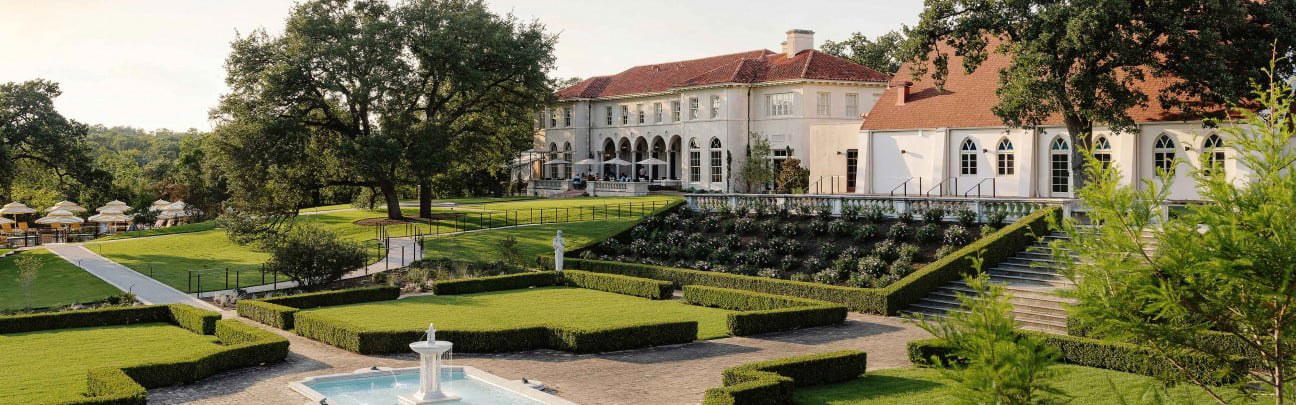
Bars in Austin
Browse all →
Restaurants in Austin
Browse all →
At a Glance
- Modern
- Trendy
- Whimsical
- Energetic
- Weekend Escape
- Business Trip
- Group Retreat
- Celebration
- Rooftop Pool
- Panoramic View
- Terrace
- Design Destination
- Pool
- Fitness Center
- Business Center
- Skyline
- Street Scene
- Pool
- Fitness Center
- Business Center
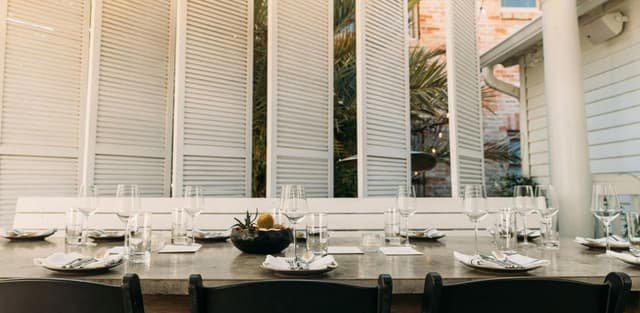
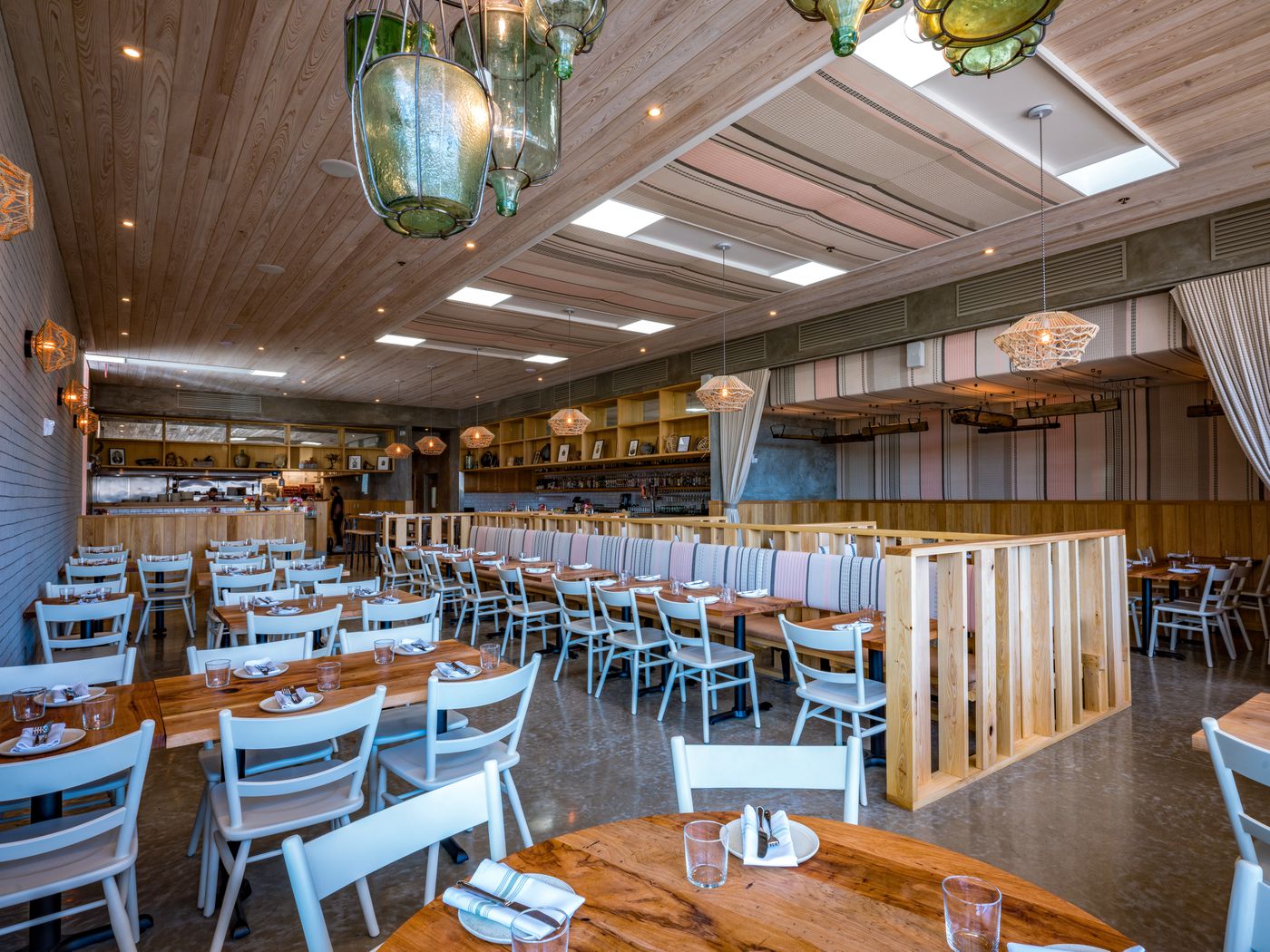
Planned as a collegiate-minded boutique city hotel that reflects Austin’s creative, story-driven Graduate design language, with lively public spaces like a lobby bar, rooftop pool deck, and skyline-view restaurant.