

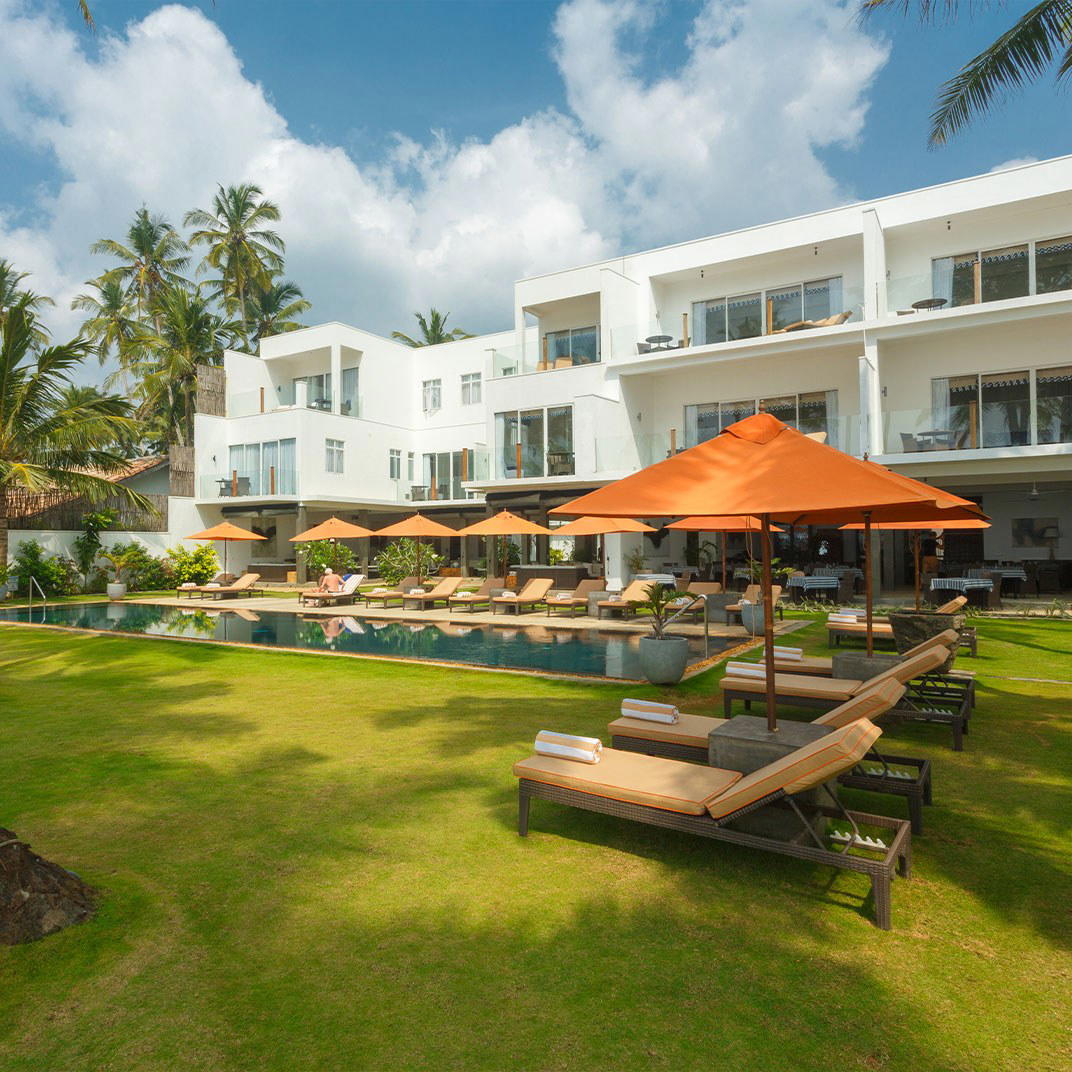
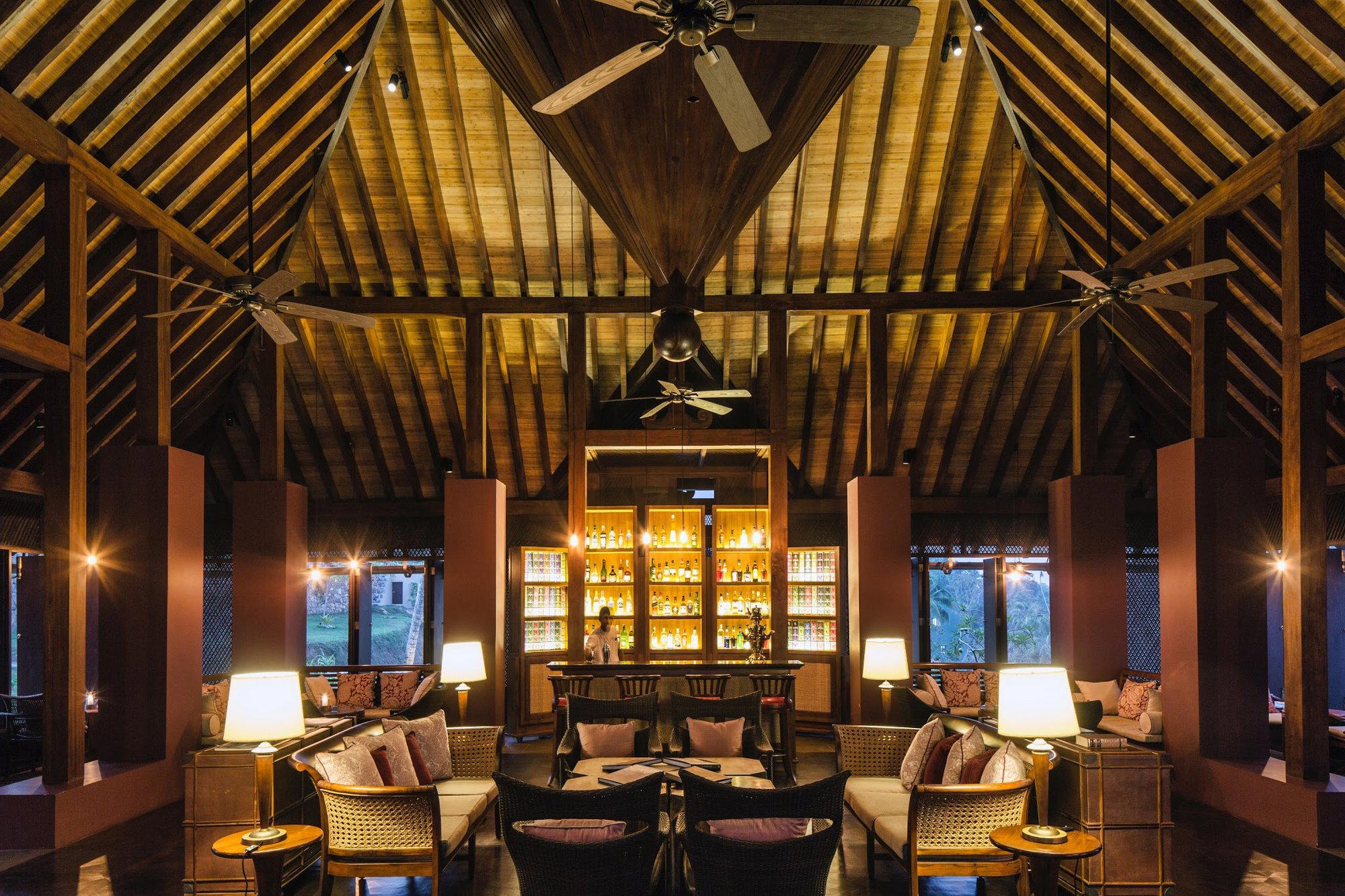
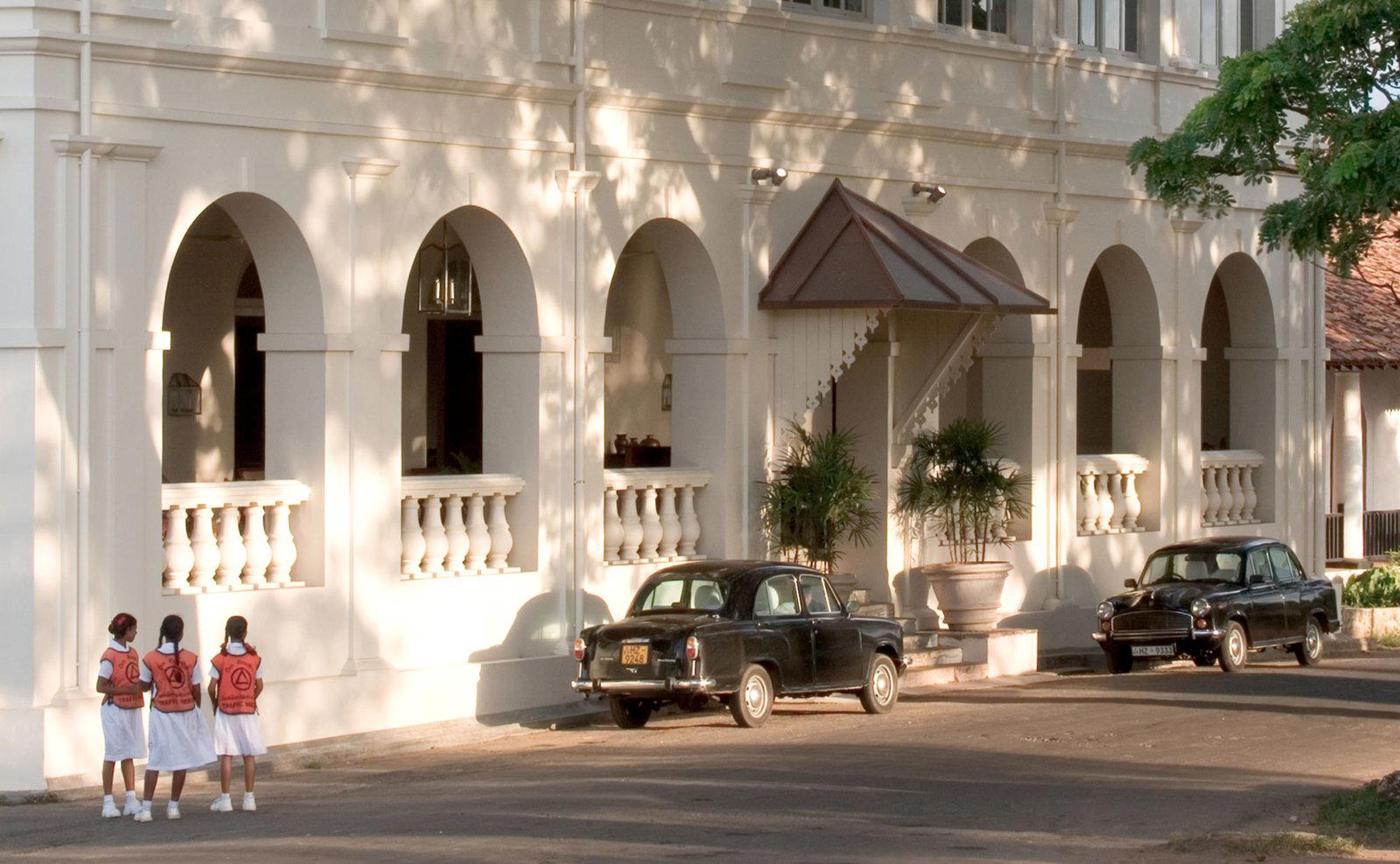
Set behind amber-coloured walls on the Koggala coastline south of Galle, The Fortress Resort and Spa is built around an Ayurvedic spa program, a yoga pavilion, and a beach-facing garden compound designed to mirror the architecture of a historic fort. The property sits in a quieter stretch of Sri Lanka's southern coast, positioning it as a deliberate retreat rather than a town-centre address.
Pearl is the En Primeur Club membership app — saves, bookings, and concierge access live there. Same editors, same standards.
- Address
- Koggala, Habaraduwa, Galle 80000
- Phone
- +94 914 389 400
- Website
- fortressresortandspa.com
- Directions
- Get directions
 Saves & bookings on Pearl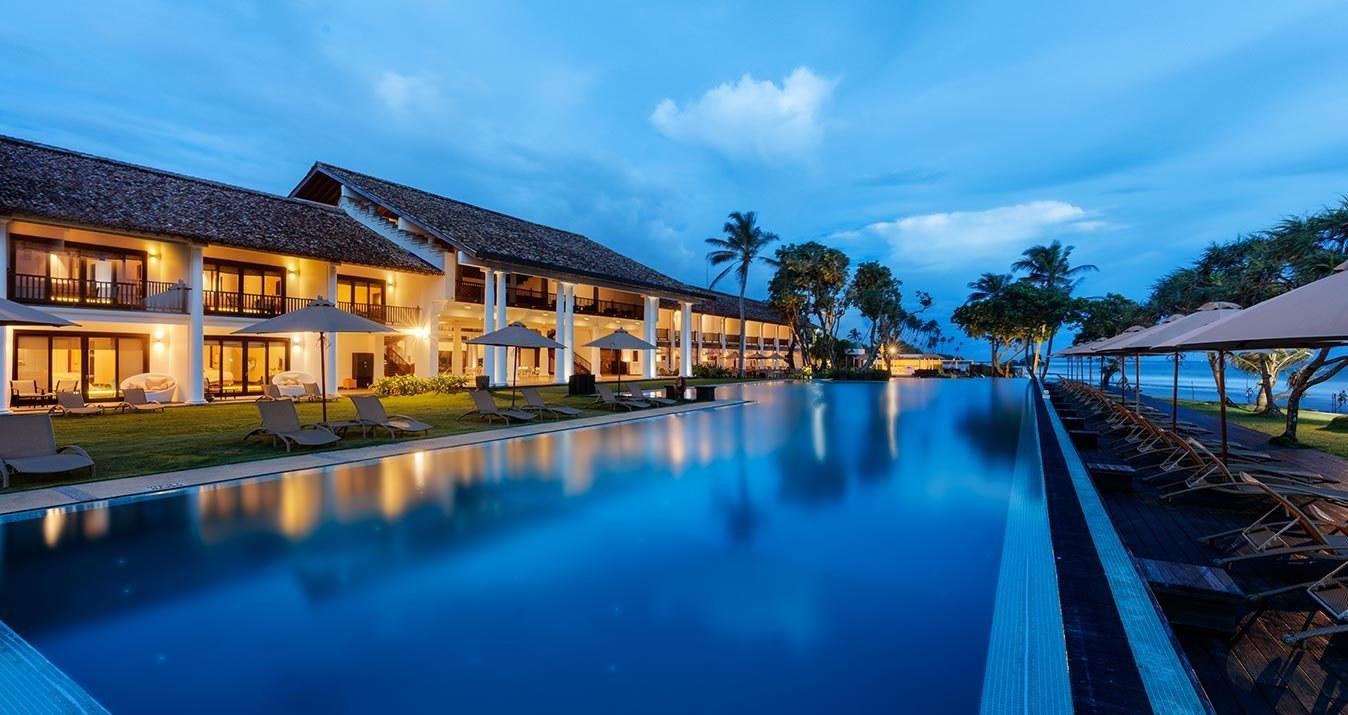
The Southern Coast Retreat Model
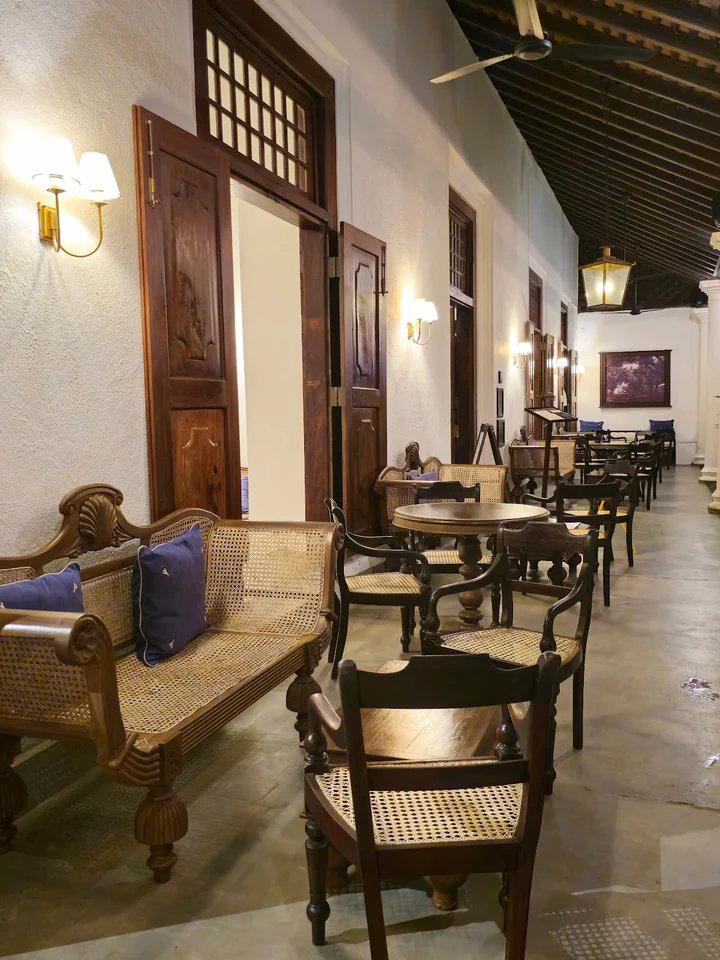
Sri Lanka's southern coast has developed a recognisable hospitality pattern over the past two decades: properties that use Galle's Dutch-colonial heritage and the surrounding coastline as a backdrop while keeping the actual experience contained within their own walls. The Fortress Resort and Spa, located at Koggala in the Habaraduwa area outside the city, belongs to this category. It is a 5-star hotel in Koggala, Habaraduwa, Galle 80000, with 53 rooms and a smart casual dress code, set on Sri Lanka's southern coast. Instead, The Fortress draws on that architectural language from a distance, using amber-coloured walls and a fort-style compound design to frame a beach-facing retreat that is primarily organised around wellness.
That positioning matters when comparing properties across the region. The Postcard Galle takes a design-minimal approach. Tabula Rasa Resort and Spa and Villa Sielen Diva each occupy a different register of intimacy and scale. The Fortress operates in a tier that prioritises programmatic depth, specifically the spa and wellness offering, over boutique minimalism or historic provenance alone. For guests whose primary decision criterion is wellness infrastructure, that distinction shapes the choice.
What the Property Is Actually Organised Around
The architectural conceit, walls that recall a historic fortification, contains a compound built for a particular rhythm of days. The Ayurveda spa sits at the centre of that rhythm. Ayurvedic treatment in Sri Lanka sits within a well-established regional tradition: the island has offered formalised Ayurvedic programmes since at least the 1980s, and southern Sri Lanka properties have integrated the practice with varying degrees of rigour, from brief spa-menu add-ons to structured therapeutic retreats with consultation protocols. The Fortress positions its offering within the more serious end of that spectrum, pairing the spa with a dedicated yoga pavilion that functions as its own programme anchor rather than an afterthought.
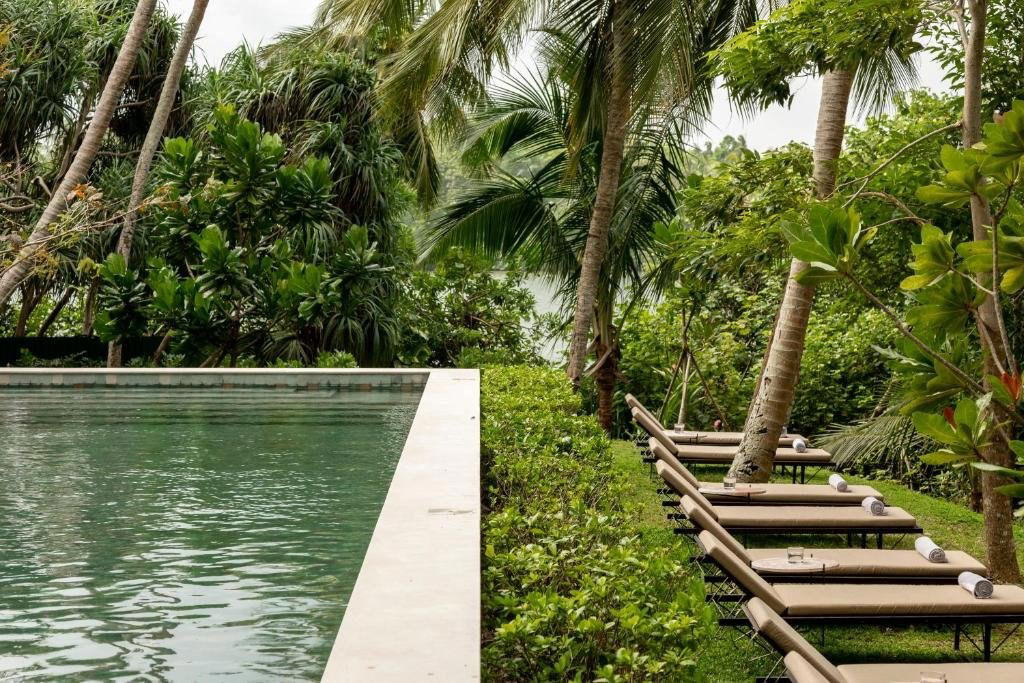
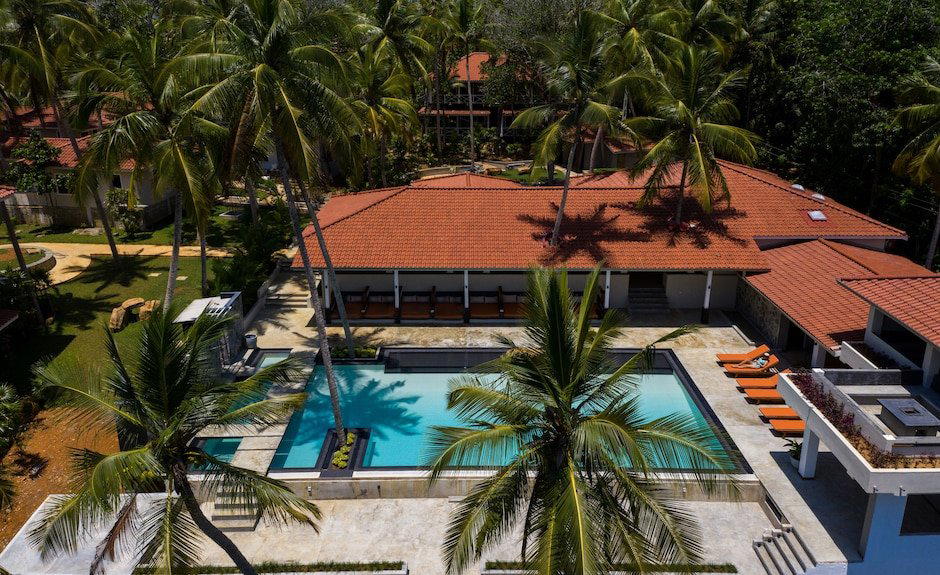
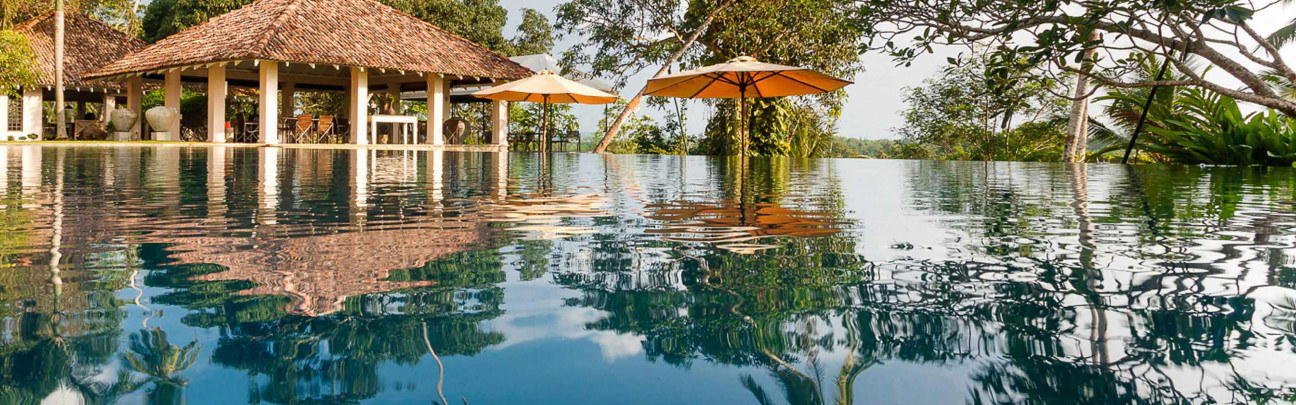
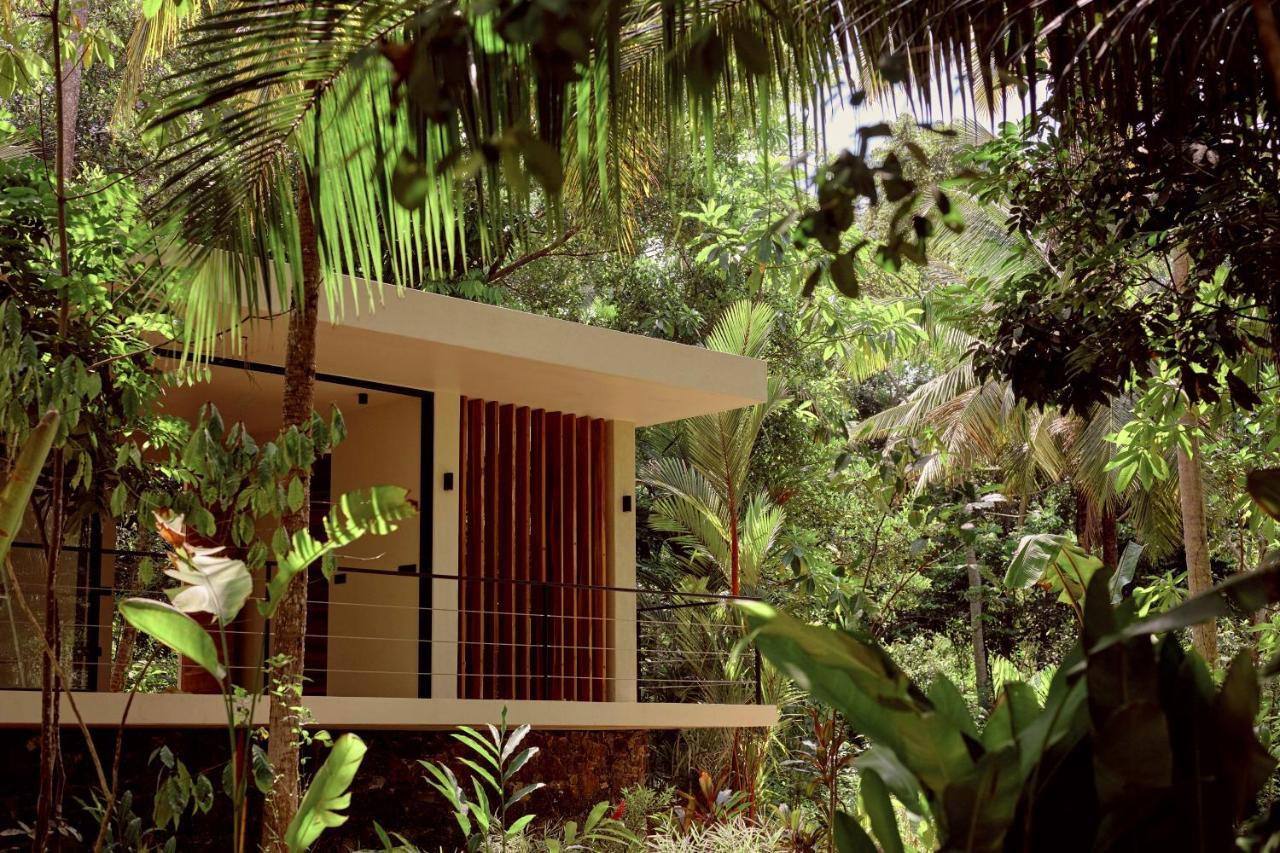
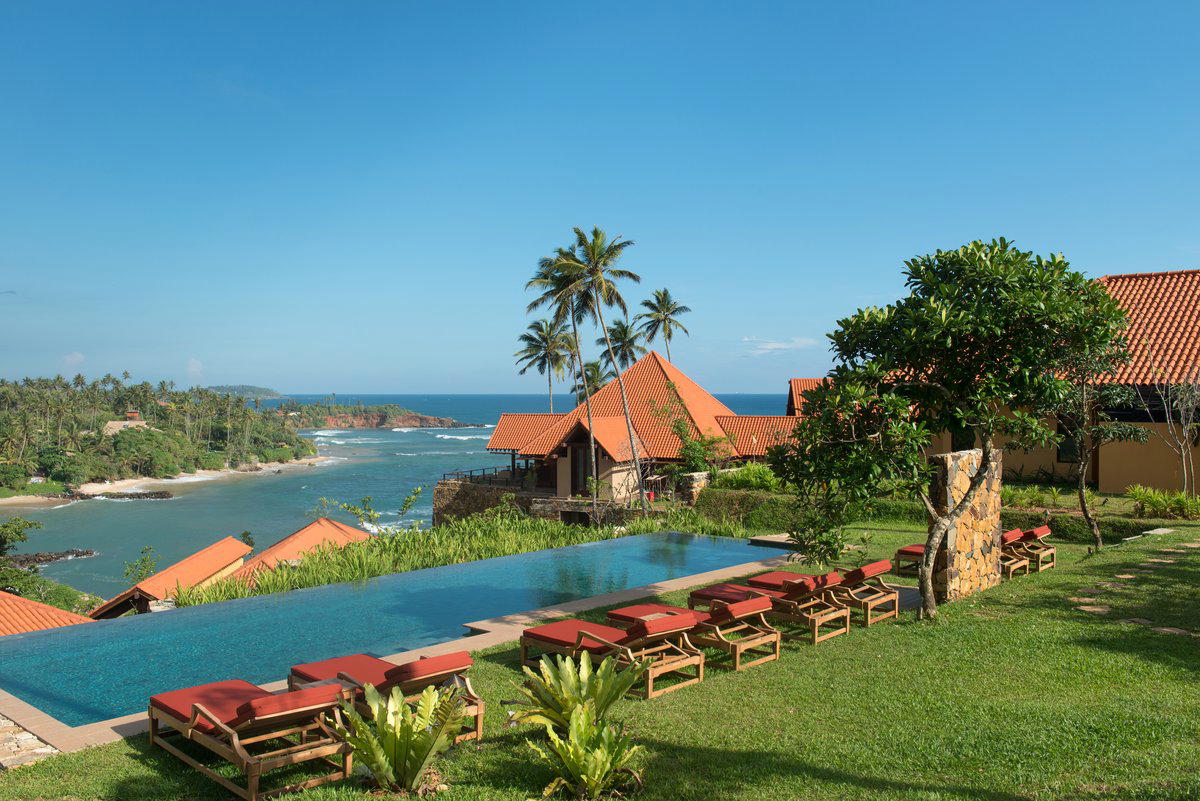
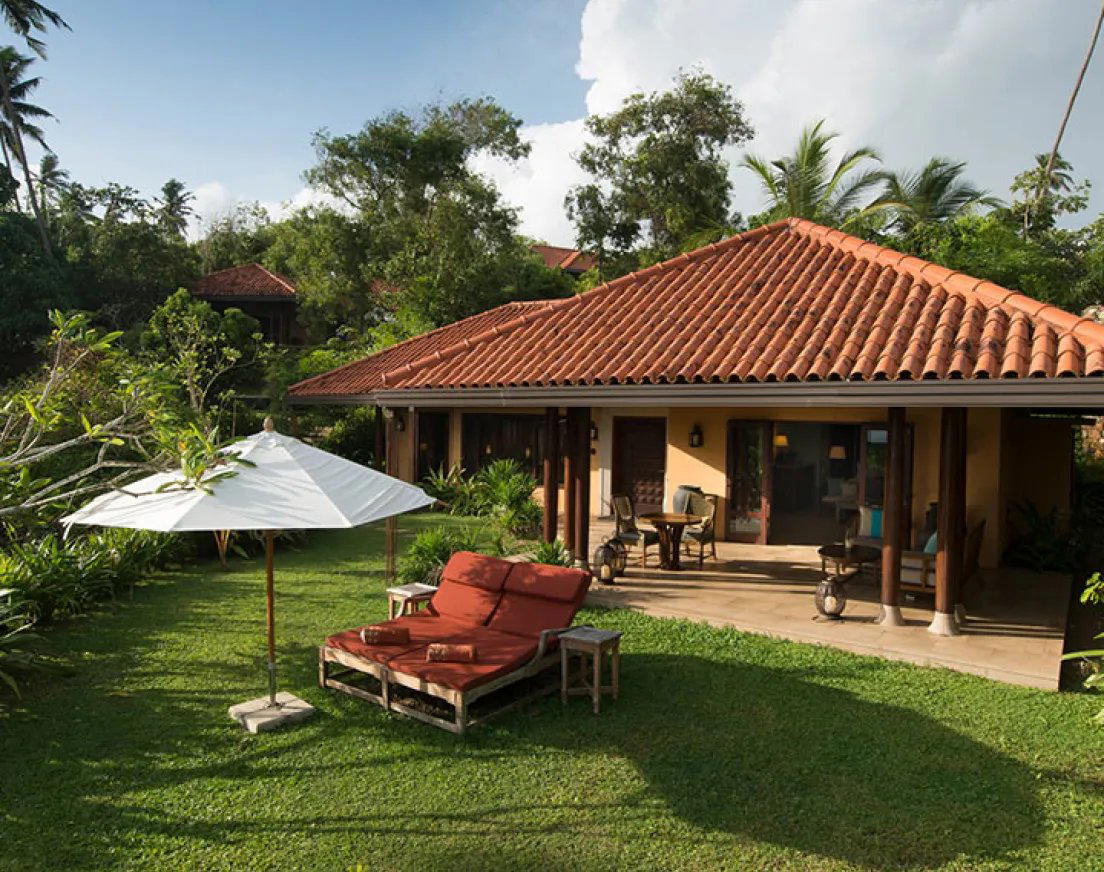
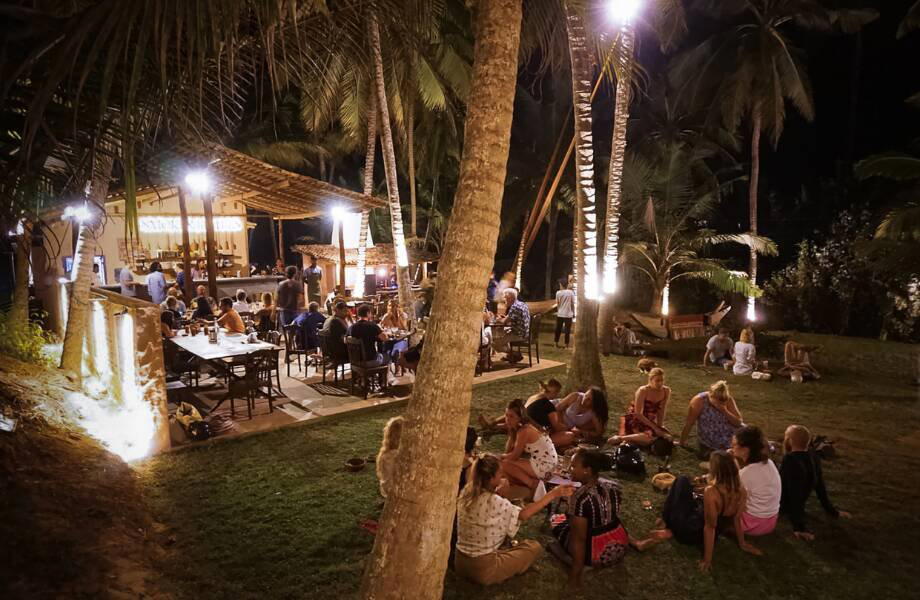
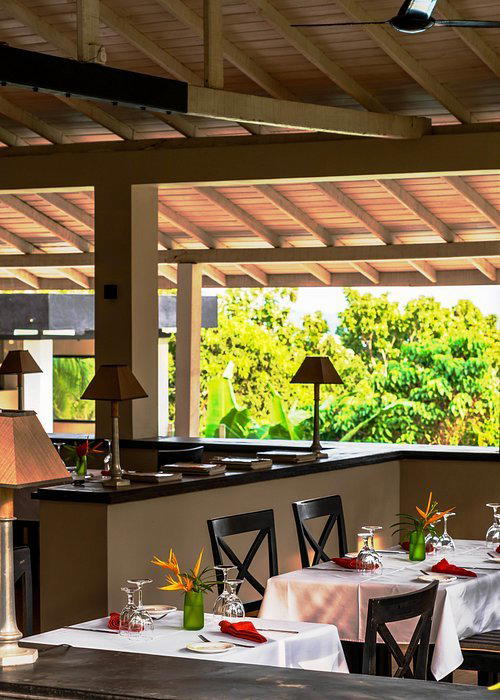
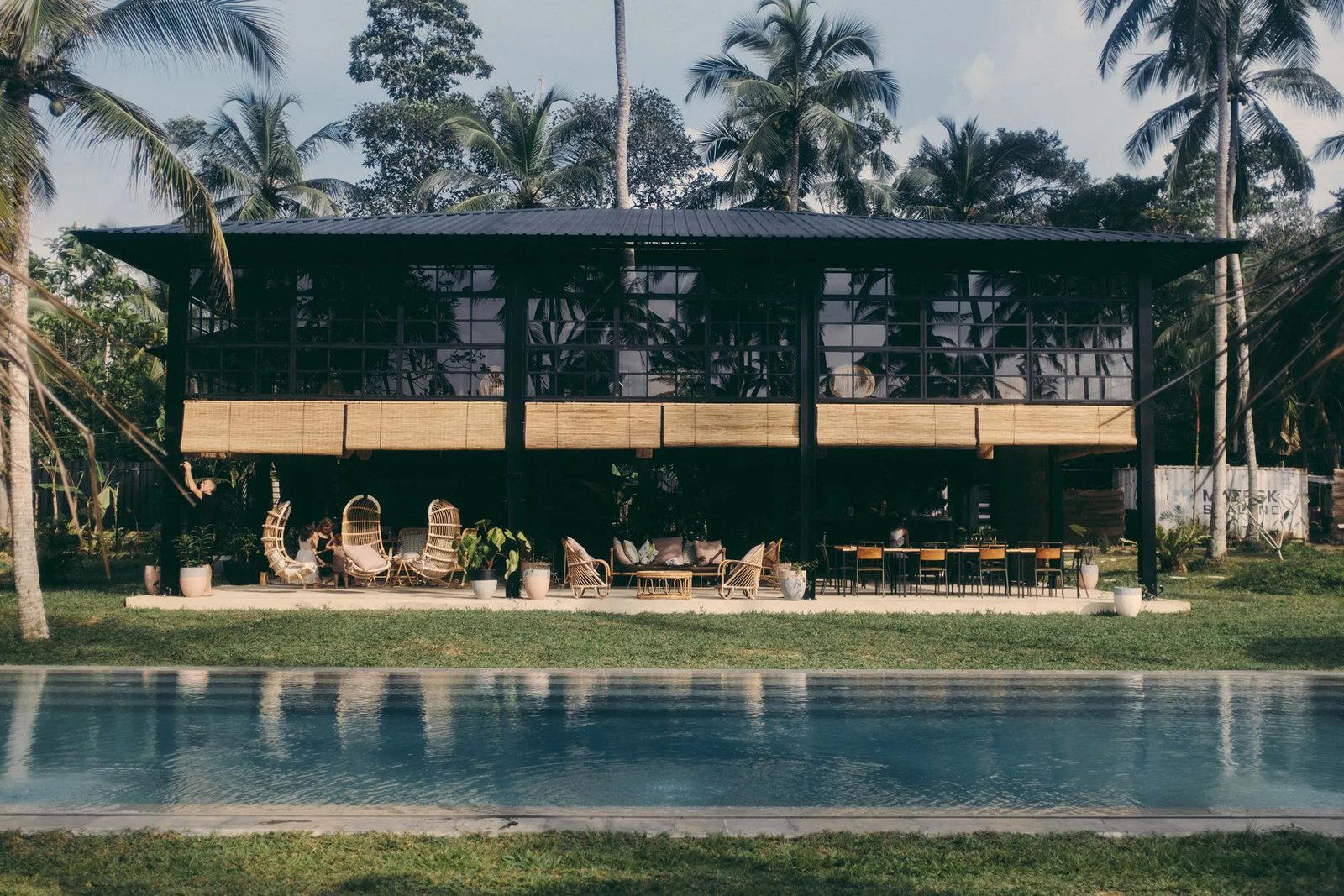
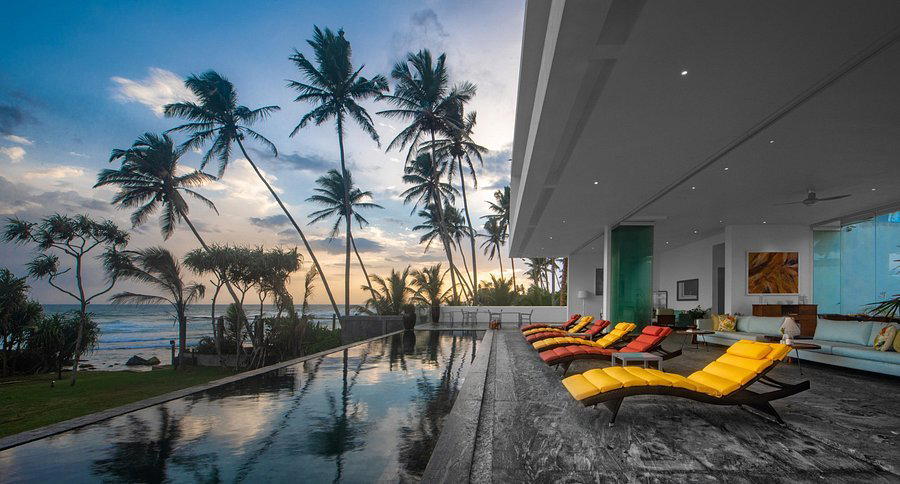
The free-flowing pool design and lush garden interior are consistent with the retreat logic of the property: the experience is meant to be largely contained, with the gardens and pool reinforcing the sense of a walled compound where the outside pace of the Galle highway doesn't reach. That insularity is a feature rather than a limitation for guests seeking genuine disconnection. Properties that offer Ayurvedic programming of any depth typically ask guests to stay a minimum number of nights to see treatment effects, and the compound design at The Fortress supports that kind of extended engagement rather than a single-night stopover format.
Koggala as a Setting
Specific location, Koggala rather than Galle town, places the property on a stretch of coastline that is quieter than the areas immediately around the Fort but not as remote as properties further south along the coast toward Tangalle, where Amanwella operates. Koggala is best known externally for its lake, which sits inland from the coast and is a reference point for the area's broader geography. The beach access at properties along this stretch tends to be calmer than at points further around the bay, though seasonal variation affects all southern Sri Lanka beaches and the May-to-October southwest monsoon period typically reduces usable beach days considerably at properties along this coastline.
Guests coming from Colombo face a drive of roughly two to two and a half hours along the Southern Expressway, with the final approach to Koggala adding time depending on traffic. The Bandaranaike International Airport at Colombo remains the primary entry point for international arrivals. Those already based in Galle town will find The Fortress a short drive south, making it plausible as a day-use wellness destination, though the retreat format clearly favours multi-night stays. For comparison, coastal properties like Kumu Beach in Balapitiya and Kurulu Bay in Ahangama sit at different points along the same general coastal corridor, offering a sense of the range available between Colombo and the deeper south.
The Wellness Positioning in Regional Context
Ayurvedic wellness has become a significant differentiator among Sri Lanka's premium beach properties, but the quality of delivery varies considerably. Properties that list 'Ayurveda' as an offering range from operations with one or two massages on a generic spa menu to those with resident Ayurvedic physicians, individualised dosha assessments, and dietary protocols integrated into the kitchen programme. The Fortress, by emphasising both the spa and the yoga pavilion as structural features of the property rather than supplementary services, signals intent toward the more serious end of that spectrum. Whether the depth of delivery matches that positioning is a question that specific booking enquiries and recent guest reporting would answer more precisely than the property's stated design can.
This kind of wellness focus connects The Fortress to a broader shift in how premium travellers use beach resorts in South and Southeast Asia. Properties that combine beachfront access with credible wellness programming, rather than treating one as primary and the other decorative, now occupy a distinct market position. The international comparison set for this format would include certain resort types in Bali, Thailand's Koh Samui, and parts of the Maldives, though Sri Lanka's Ayurvedic tradition gives the local version a different cultural grounding. For travellers exploring Sri Lanka's interior wellness tradition, Ceylon Tea Trails and Nine Skies in Demodara offer a completely different setting, hill country rather than coastal, with their own character.
Planning a Stay
The Galle-area property set spans a considerable range, from the intimacy of Angel Beach Resort to the historic weight of Amangalla inside the Fort. The Fortress sits in a distinct lane: beachfront, wellness-led, architecturally self-contained, and oriented toward guests who want structure in their days rather than proximity to Galle's restaurants, galleries, and street life.
Those interested in comparing coastal hotel formats further afield might reference Heritance Ahungalla to the north or Cape Weligama in Weligama to the south as reference points for the range of approaches operating along Sri Lanka's southwestern coast. Guests arriving from Colombo may also use the Galle Face Hotel as a city night before making the drive south.
Recognition Snapshot
Comparable venues nearby, for context on price, style, and recognition.
| Venue | Cuisine | Price | Awards | Notes |
|---|---|---|---|---|
| The Fortress Resort and SpaThis venue — the venue you are viewing | Colonial-inspired luxury beach resort with modern interiors | $$$$ | 5-Star | Not listed |
| Tabula Rasa Resort & Spa | Nature-inspired luxury boutique resort set in jungle hillside | $$$$ | 5-Star | Habaraduwa |
| Jetwing Lighthouse | Colonial-influenced luxury heritage hotel designed by renowned architect Geoffrey Bawa, blending Moorish, Oriental, and Dutch architectural elements with contemporary minimalist design. | $$$$ | 5-Star | Dadella, Galle |
| Angel Beach Resort | beachfront boutique luxury resort | $$$$ | 5-Star | Unawatuna |
| The Postcard Galle, Sri Lanka | Tropical modern luxury boutique resort with colonial architectural influences and contemporary design elements, emphasizing personalized hospitality and intimate scale. | $$$$ | 5-Star | Gintota, Galle |
| Kahanda Kanda | Contemporary boutique on tea plantation | $$$$ | 5-Star | Angulugaha |
Recognition history
Dated appearances from independent guides and award organizations, with the underlying list record or original source where available.
Michelin Selected
Michelin
Small Luxury Hotels of the World Member
Small Luxury Hotels of the World
At a Glance
- Elegant
- Sophisticated
- Scenic
- Quiet
- Romantic
- Honeymoon
- Romantic Getaway
- Wellness Retreat
- Anniversary
- Beachfront
- Infinity Pool
- Destination Spa
- Spa
- Pool
- Wi Fi
- Room Service
- Concierge
- Fitness Center
- Sauna
- Beach Access
- Butler Service
- Waterfront
- Garden
- Spa
- Pool
- Wi Fi
- Room Service
- Concierge
- Fitness Center
- Sauna
- Beach Access
- Butler Service
Serene and tranquil beachfront atmosphere with immaculate cleanliness, spacious soundproofed rooms, and soothing ocean waves, well-suited for relaxation amid elegant colonial-modern interiors.