The Distillery
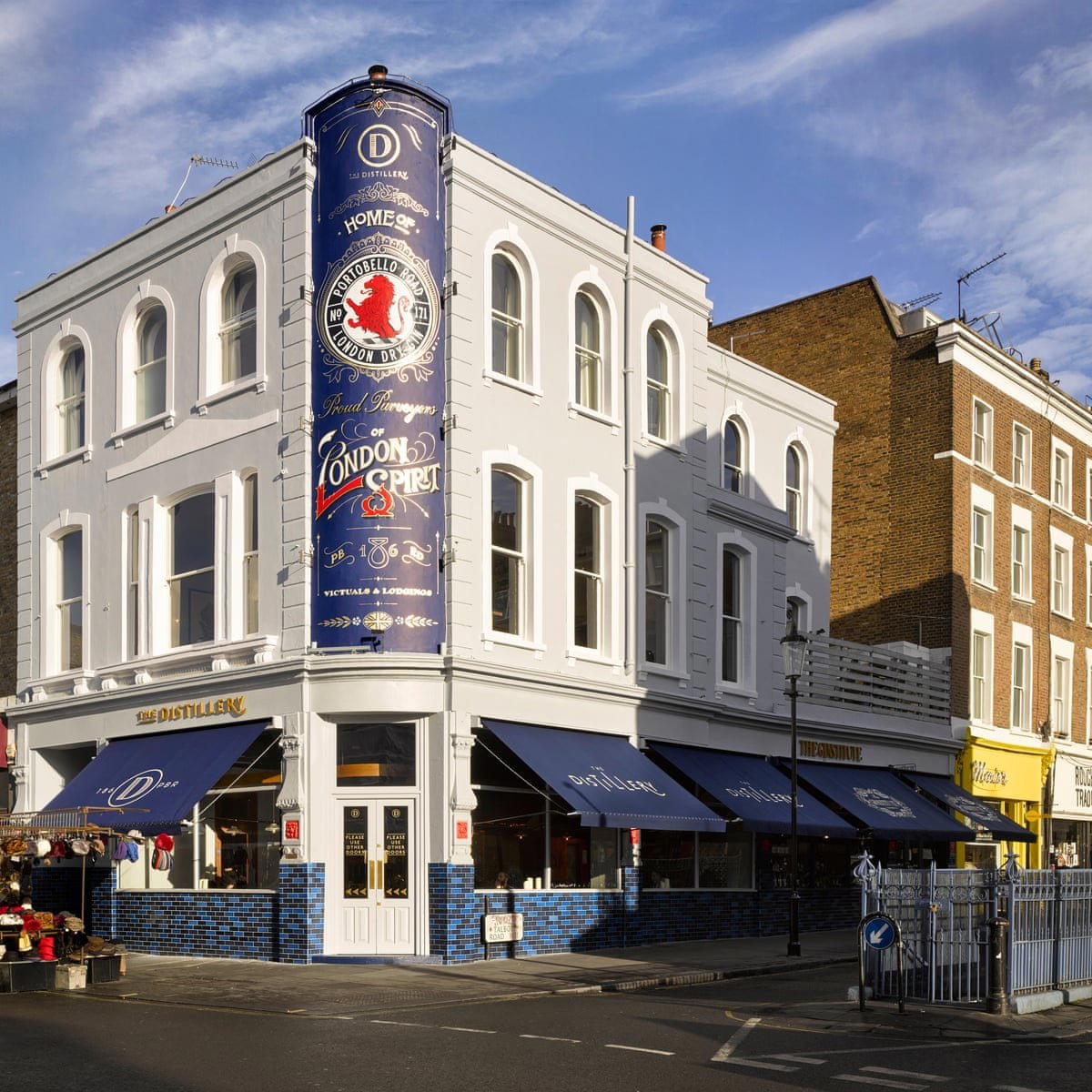
On Portobello Road in Notting Hill, The Distillery occupies one of West London's most character-rich addresses, sitting inside a converted Victorian building that reflects the neighbourhood's layered, market-driven identity. The venue draws on the area's tradition of craft and independent spirit, placing it in a different register from the Mayfair and Belgravia hotel bars that dominate London's premium drinking circuit.
- Address
- 186 Portobello Rd, London W11 1LA, United Kingdom
- Phone
- +44 20 3034 2233
- Website
- the-distillery.london
- Directions
- Get directions
Portobello Road and the Geography of Independent London
The Distillery is a 3-star hotel at 186 Portobello Rd, London W11 1LA, in Notting Hill. Portobello Road is one of London's most documented thoroughfares: a mile-long corridor that transitions from the antique dealers of Notting Hill Gate through the bustle of the Saturday market and into the record shops and café counters of Golborne Road. It is a street built on the logic of the independent operator, and The Distillery at number 186 sits squarely inside that tradition. The address places it at the northern end of the market stretch, where the crowds thin and the buildings shift from Georgian terraces to the grittier, more eclectic fabric that characterises the transition into Ladbroke Grove.
This is not the London of Claridge's or The Connaught. Those institutions operate in a Mayfair context where prestige is signalled by discretion, doormen, and a postcode that does much of the editorial work. Portobello Road operates on different terms. Here, the buildings have history written into their brickwork, and a venue earns its place by fitting the grain of the street rather than by interrupting it.
A Victorian Shell and What It Signals
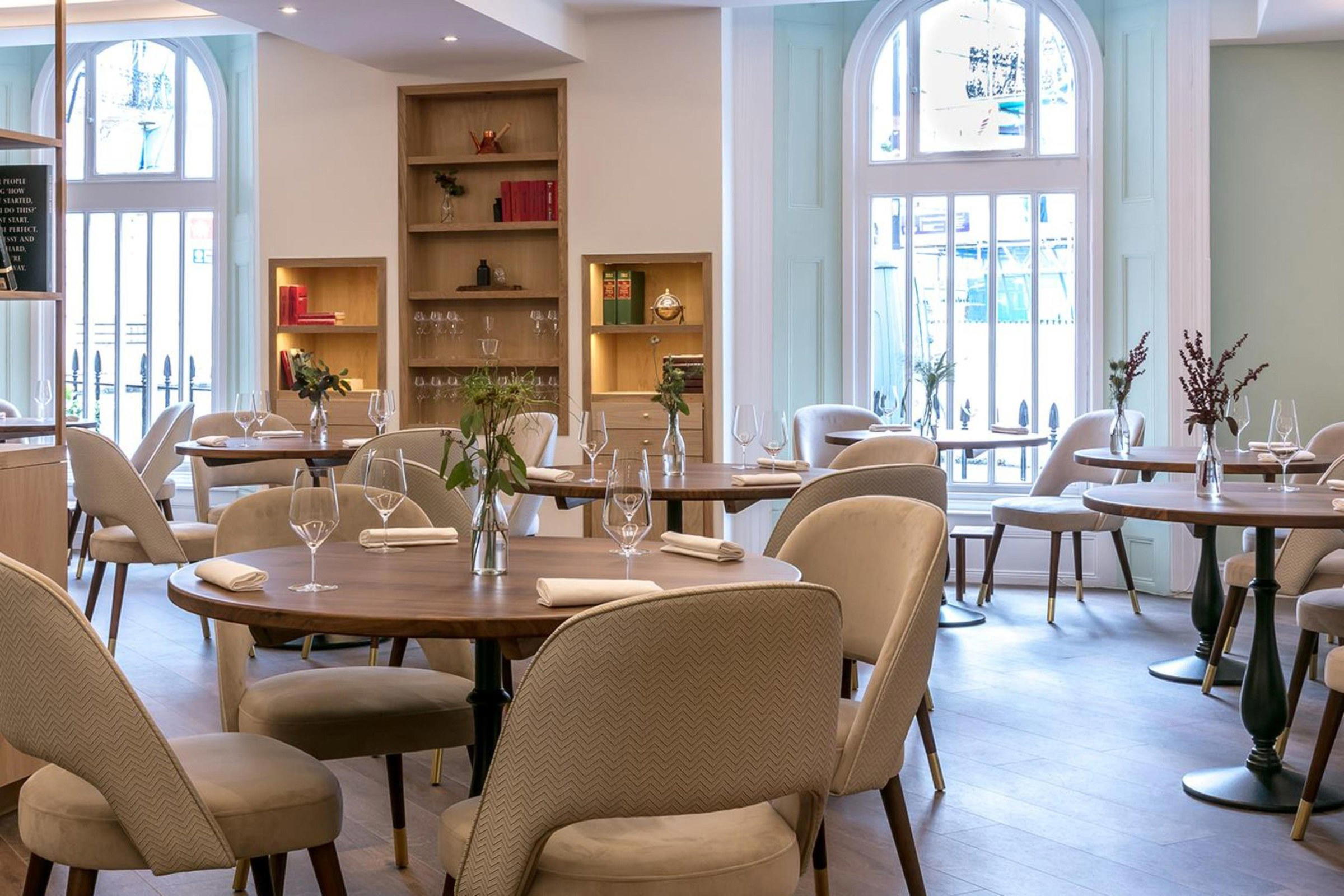
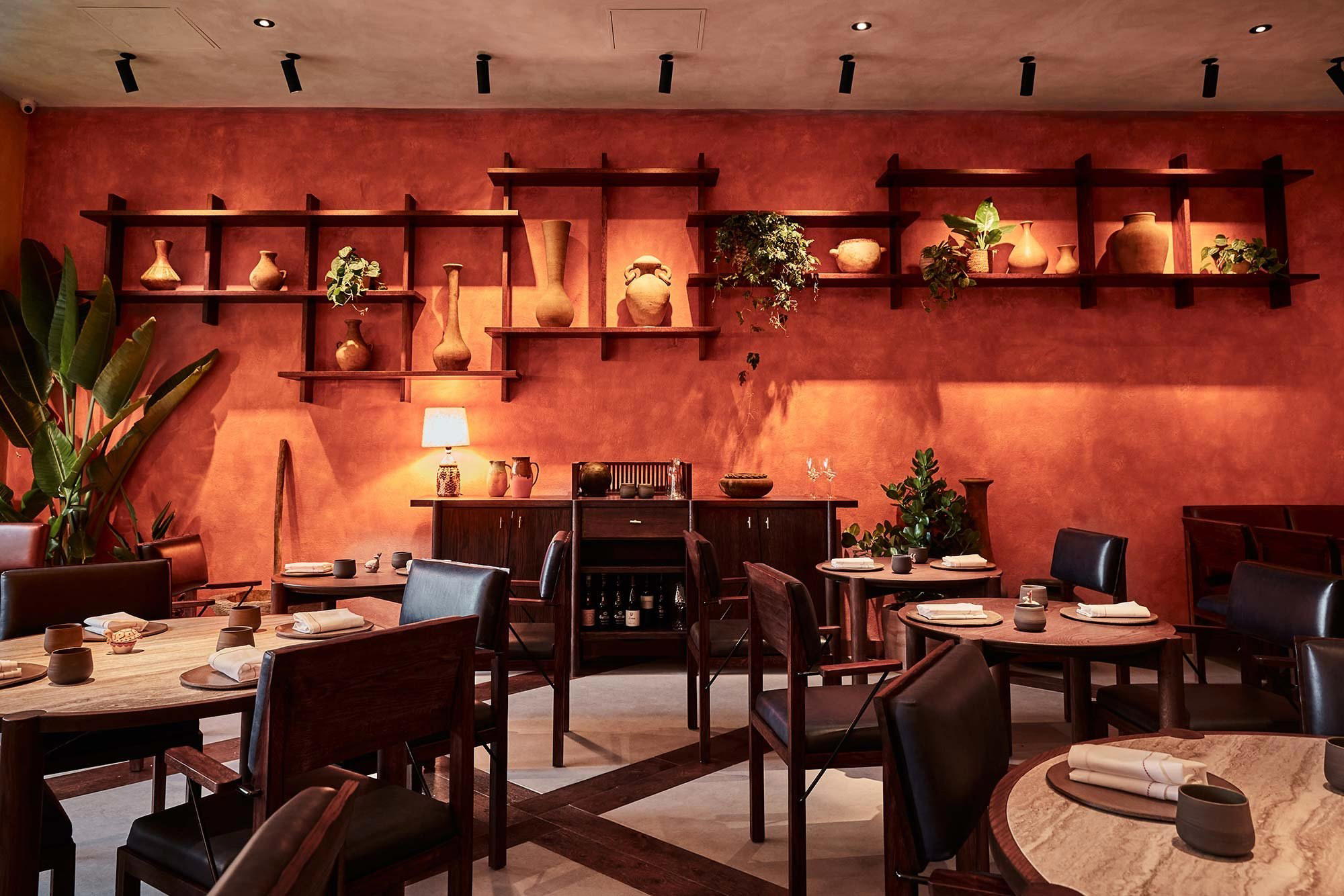
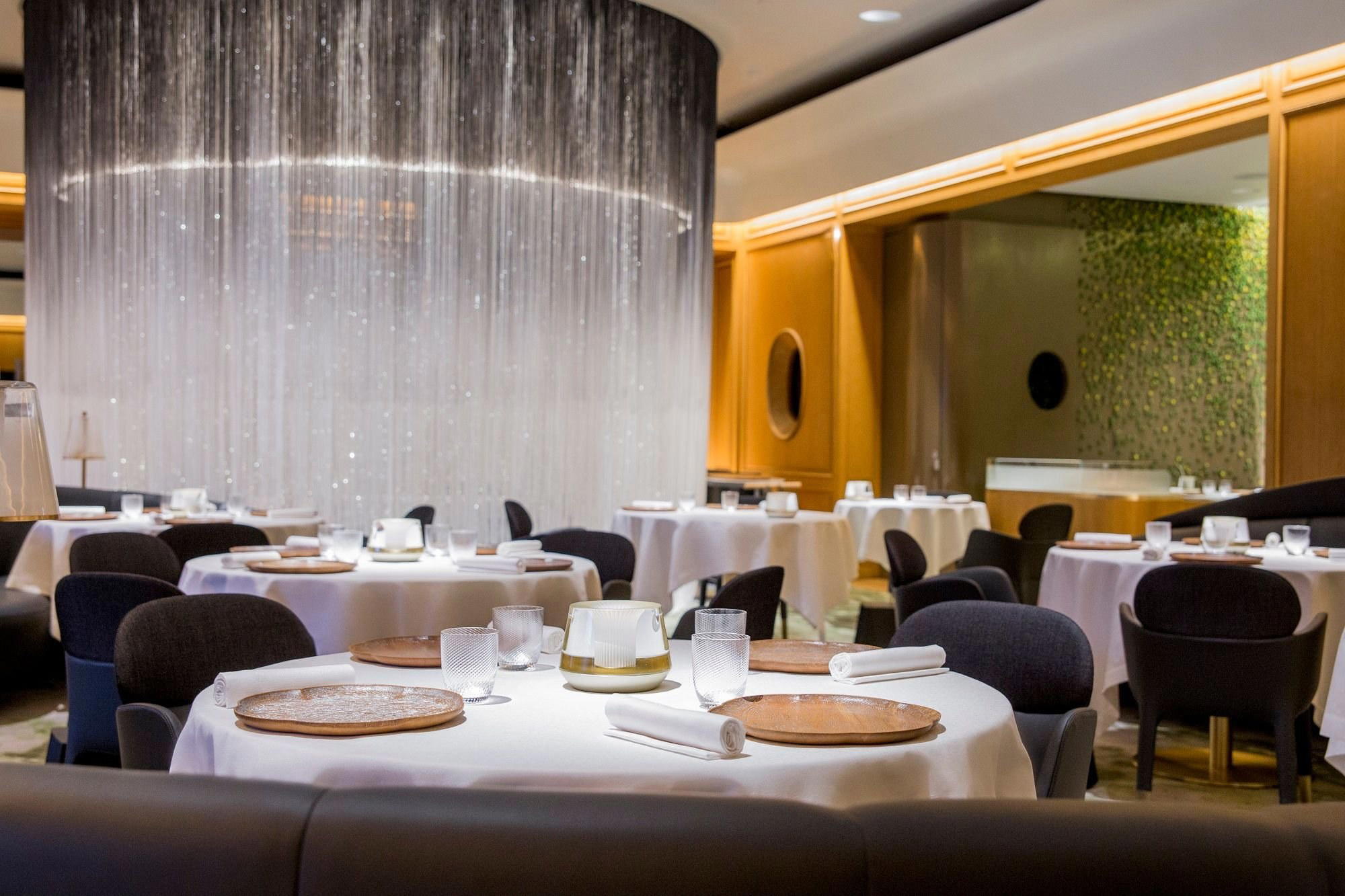
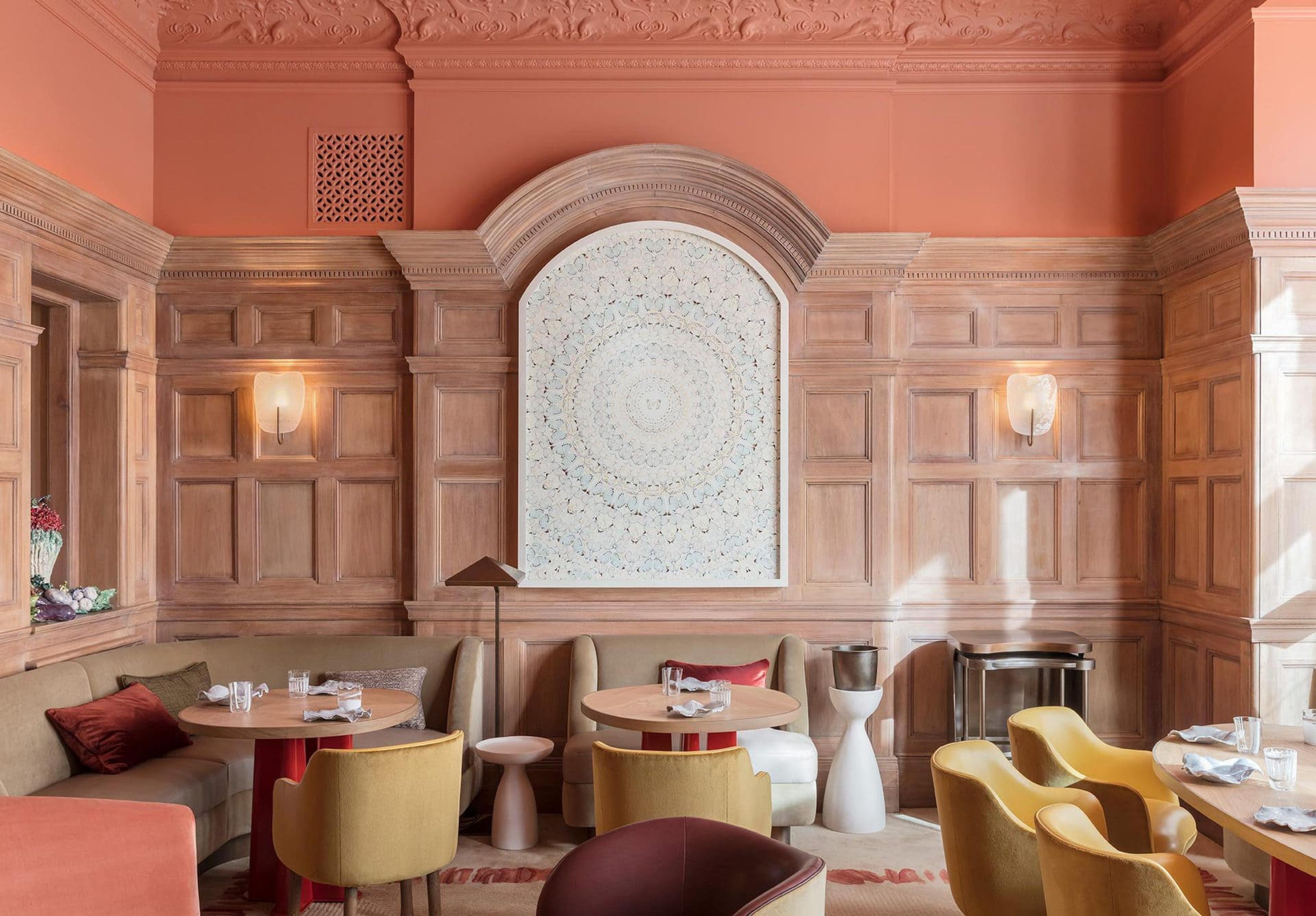
The Distillery occupies a converted Victorian building. London's premium drinking and hospitality market has split across two broad templates over the past decade: the purpose-built contemporary space, all poured concrete and recessed lighting, and the adaptive reuse of older buildings where the architecture carries its own atmosphere without needing to be manufactured. The hotel belongs to the second category, and Portobello Road is a street where that approach has particular resonance. The antiques trade that made the road famous operates on the same principle: that age and provenance add value rather than subtract it.
The neighbourhood context is part of what the hotel is selling, and the address at 186 Portobello Road is as much a statement of editorial positioning as it is a logistical fact.
Notting Hill as a Drinking Neighbourhood
Notting Hill's hospitality scene has long operated in the shadow of its own mythology. The neighbourhood's international profile, shaped by years of cultural export, tends to flatten its actual texture into a postcard version of pastel-fronted houses and photogenic market stalls. The drinking and dining scene that exists at street level is more considered than that image suggests. Independent wine bars, specialist spirits retailers, and neighbourhood restaurants with genuine cooking have built a circuit that rewards those who look past the tourist itinerary.
The craft spirits movement, which began reshaping British drinking culture in the early 2010s, found natural footing in areas like Notting Hill and Ladbroke Grove, where independent retail had long been the dominant commercial model. A venue dedicated to gin and spirits production in this postcode sits within that broader shift in how Londoners think about what they drink and where it comes from. The same logic that drives someone to buy a specific single-estate coffee in Golborne Road or a particular natural wine in a Blenheim Crescent cellar applies to the gin counter on Portobello Road.
The hotel targets a visitor who has chosen to travel to W11 specifically, which changes the dynamic of the experience before anyone has ordered a drink.
The Distillery in Its comparable set
Within the London craft spirits scene, distillery-led venues that combine production, retail, and drinking space represent a smaller and more specific category than the general cocktail bar market. The model requires investment in equipment, licensing complexity around production, and a physical space large enough to accommodate both operational and hospitality functions. Victorian commercial buildings on Portobello Road, with their generous ceiling heights and multi-floor configurations, are well suited to this kind of programme.
The competitive set here is not the West End hotel bar. It is the handful of London venues that have made spirits provenance the organising principle of the experience: places where what is in the glass connects directly to what is happening in the building. That is a different and more specialist offer than the curated cocktail list, however well executed, and it positions the hotel within a niche that the broader London market has not yet saturated.
1 Hotel Mayfair and 11 Cadogan Gardens both sit within reasonable distance and represent the design-led, independent-minded end of London's hotel market, making them natural starting points for a visit to Portobello Road. For those travelling from further afield across the UK, King Street Townhouse Hotel in Manchester, Hope Street Hotel in Liverpool, and Gleneagles in Auchterarder serve as useful regional reference points for the same sensibility of craft-focused independent hospitality.
The hotel on Portobello Road is making a different argument: that a Victorian urban building on a market street can carry equivalent weight of place.
At a Glance
Comparable venues nearby, for context on price, style, and recognition.
| Venue | Price | Notes |
|---|---|---|
| The DistilleryThis venue — the venue you are viewing | $$$ | Not listed |
| The Pilgrm | $$$ | Paddington, Victorian-era buildings reinterpreted as a modern cafe-with-rooms boutique hotel |
| High Road House | $$$ | Turnham Green, Members' club hotel hybrid with Georgian townhouse architecture and French-inspired interiors |
| Hotel Saint | $$$ | Aldgate, Contemporary city hotel with skyline views |
| The Caesar Hotel | $$$ | Bayswater, Renovated Victorian building blending classic English facade with modern minimalist interiors |
| The Waterside Inn | $$$$ | Bray on Thames, Classic French fine dining establishment positioned as a 'restaurant with rooms' rather than a traditional hotel; heritage property emphasizing gastronomic excellence over hospitality amenities. |
Continue exploring
More in London
Hotels in London
Browse all →
Bars in London
Browse all →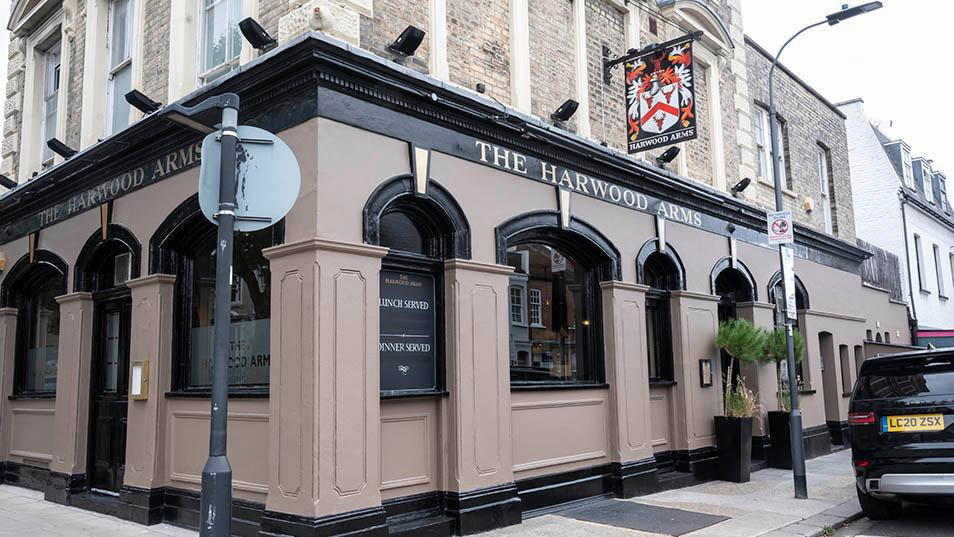
Restaurants in London
Browse all →

At a Glance
- Trendy
- Industrial
- Lively
- Weekend Escape
- Historic Building
- Wi Fi
- Restaurant
- Street Scene
- Wi Fi
- Restaurant
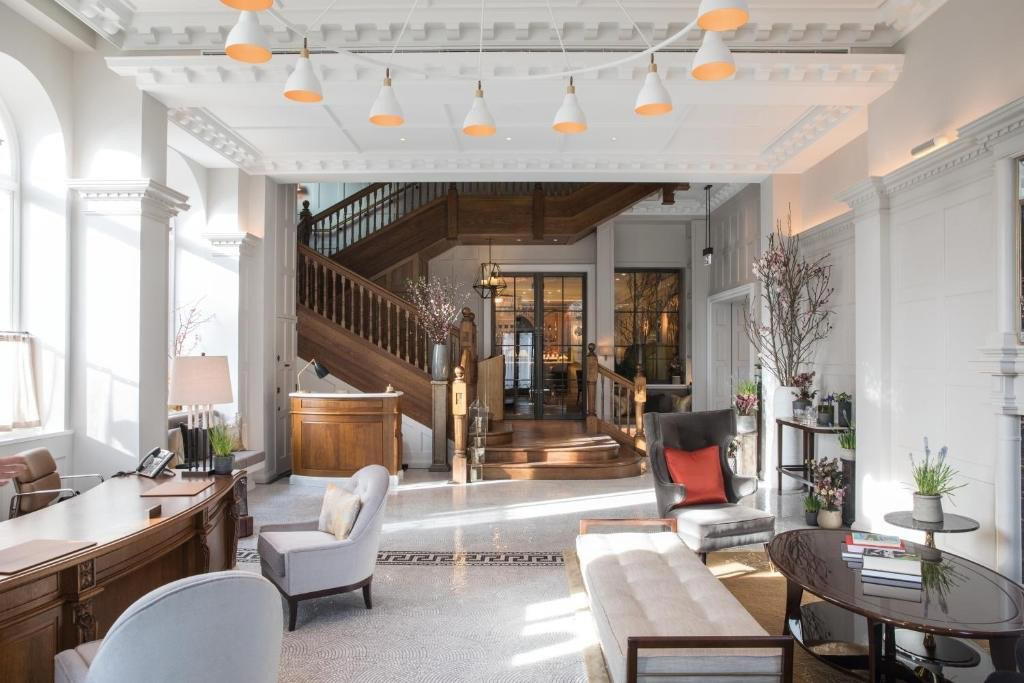
Light and airy art deco-inspired spaces with a lively gin-focused atmosphere.