The Clift Royal Sonesta San Francisco
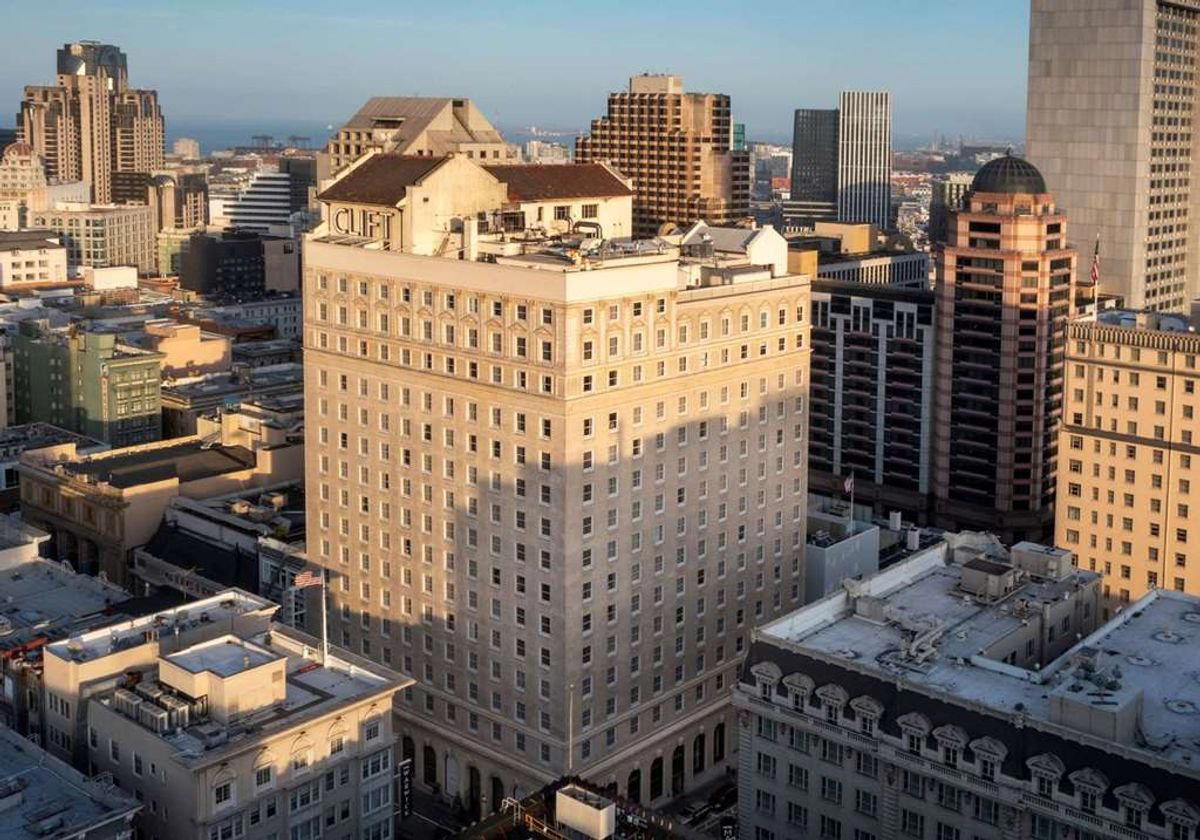
The Clift Royal Sonesta occupies a century-old building on Geary Street in San Francisco's Union Square corridor, where its Redwood Room bar, panelled in a single ancient redwood slab, has defined the city's hotel bar conversation for decades. The property sits at the intersection of Beaux-Arts architecture and mid-century theatrical design, placing it in a distinct tier among downtown San Francisco hotels.

Pearl is the En Primeur Club membership app, where members save venues, book tables and use the concierge.
A Theater District Address With a Design Pedigree
San Francisco's Union Square hotel corridor runs a wide range of registers, from glass-tower business properties to heritage buildings that carry genuine architectural weight. The Clift Royal Sonesta at 495 Geary Street sits closer to the latter end of that spectrum. The address puts guests one block from the Theater District and a short walk from the main shopping grid, but the building's identity is less about location convenience than about what happened to its interiors over the course of its history. Few downtown San Francisco hotels carry the kind of design provenance the Clift does, and that provenance shapes the experience from the lobby onward.
For broader context on how the Clift compares to San Francisco's other significant hotel addresses, our full San Francisco restaurants and hotels guide maps the city's accommodation tiers in detail.
The Redwood Room: Why It Still Matters
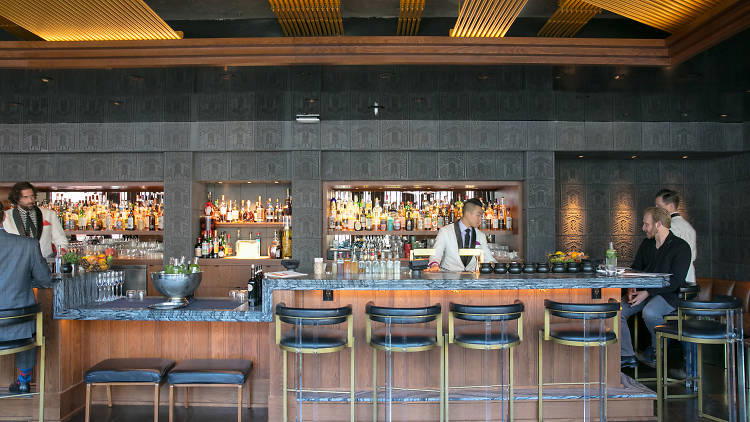
Hotel bars in San Francisco have cycled through formats over the decades: rooftop concepts, speakeasy-adjacent hideaways, lobby activations designed to photograph well on social media. The Redwood Room operates on a different principle. The bar is lined with panels cut from a single ancient redwood tree, a material choice that would be impossible to replicate today given logging restrictions on old-growth timber. That constraint makes the room a genuinely fixed artifact rather than a design concept that could be refreshed or relocated.
The Redwood Room's history runs through multiple ownership and renovation cycles, including a high-profile redesign in the early 2000s that introduced digital art projections and a more contemporary atmosphere while preserving the wood panelling itself. That tension between the room's original material integrity and its periodic stylistic updates is part of what makes it a useful lens for understanding how American hotel bars balance heritage and relevance. In the San Francisco context, the Redwood Room occupies a different tier from younger, more programmatic bar concepts, its claim on attention is archival as much as experiential.
Among downtown San Francisco hotels with notable bars or public spaces, the Clift's Redwood Room is one of the few where the design element predates the current operator by several decades. Properties like the Fairmont San Francisco on Nob Hill carry comparable historical weight, though from a different architectural tradition. The Four Seasons Hotel San Francisco and the Four Seasons at the Embarcadero operate on a more contemporary luxury model where the public spaces reflect current design thinking rather than inherited material.
Design Philosophy: Theatricality as Structure
The lobby of the Clift has, at various points in its history, incorporated oversized furniture and surrealist-inflected design elements associated with Philippe Starck's early 2000s redesign for Ian Schrager Hotels. That intervention established an aesthetic register that prioritised visual provocation over conventional hospitality comfort, a deliberate choice that positioned the property within a specific moment in boutique hotel history when hotels were competing on design as primary differentiator.
That approach to hotel design has since been adopted broadly enough that it no longer reads as radical, but the Clift's interiors retain the proportional logic of that original vision: spaces scaled for effect, materials chosen for texture and contrast, public areas that function as performance spaces as much as transitional zones. This places the Clift in a different category from the understated, materials-forward approach taken by properties like 1 Hotel San Francisco, which uses reclaimed and natural materials to signal a different kind of considered design. Both represent deliberate positions; they are simply different ones.
Smaller, character-led properties in San Francisco operate on yet another register. Hotel Drisco in Pacific Heights and The Battery pursue intimacy and neighbourhood specificity that a 372-room Union Square property structurally cannot. The Clift's scale and central position make it a different kind of proposition: a hotel where the public spaces and design history do significant work, and where the address delivers access to the city's main commercial and arts geography.
Positioning Within the San Francisco Hotel Market
The San Francisco upper-midscale and premium hotel market clusters heavily around Union Square, the Embarcadero, and Nob Hill. The Clift's Geary Street address puts it within the Union Square concentration, competing with properties that include the Hotel Adagio on the boutique-Autograph Collection side and the Marriott and Hyatt full-service towers on the volume business travel side. Within that cluster, the Clift's distinguishing asset is its design legacy and the Redwood Room specifically, rather than room count, meeting space, or amenity scope.
Travellers who use San Francisco as a base for wider California travel will find the Clift's location useful for ground-level access to the city before heading to destinations like Auberge du Soleil in Napa, SingleThread Farm Inn in Healdsburg, or Post Ranch Inn in Big Sur. Those properties operate at a different scale and in different environments, but they represent the kind of itinerary the Clift's guest profile tends to anchor.
For travellers comparing this kind of design-heritage urban hotel against peers in other American cities, relevant reference points include The Fifth Avenue Hotel in New York City and Raffles Boston, both of which operate at the intersection of architectural history and contemporary hotel programming.
Planning Your Stay
The Clift sits on Geary Street between Taylor and Mason, a block that puts the Theater District immediately accessible and Union Square's retail concentration within a few minutes on foot. San Francisco's main transit options, including BART at Powell Street, are close enough to make the address functional for both leisure and business visitors. The hotel operates within the Royal Sonesta portfolio, which means booking runs through standard channels with the availability and rate structure that entails. Given the Redwood Room's standing as one of the city's most architecturally notable bar spaces, visiting during weekday evenings tends to offer a calmer experience than weekends, when the bar draws a broader San Francisco crowd alongside hotel guests.
A Pricing-First Comparison
| Venue | Price | Awards |
|---|---|---|
| The Clift Royal Sonesta San FranciscoThis venue (the venue you are viewing) | Not listed | Not listed |
| Four Seasons Hotel San Francisco at Embarcadero | Not listed | 2 Michelin Keys · La Liste Top Hotels |
| Four Seasons Hotel Silicon Valley at East Palo Alto | $500–750 | Star Wine List · Forbes 4-Star |
| JW Marriott San Francisco Union Square | Not listed | Forbes Recommended · Preferred Hotels Member |
| Palace Hotel, a Luxury Collection Hotel, San Francisco | Not listed | Michelin Selected · Forbes Recommended |
| Taj Campton Place | $300–500 | Michelin Selected · Virtuoso Luxury Hotel Partner |
Continue exploring
More in San Francisco
Hotels in San Francisco
All hotels in San Francisco →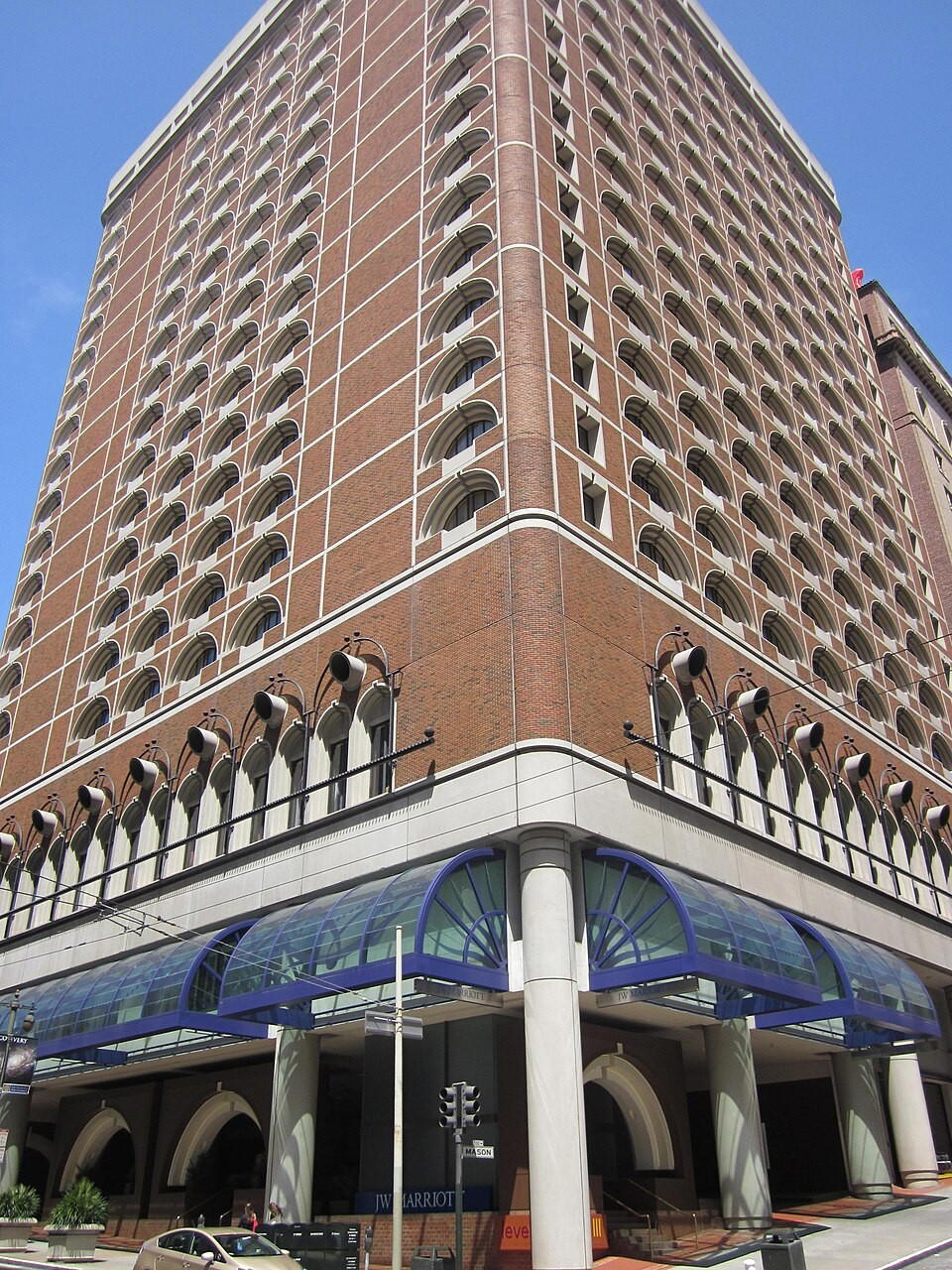
Bars in San Francisco
All bars in San Francisco →


Details
- Elegant
- Sophisticated
- Modern
- Classic
- Well Known
- Business Trip
- Weekend Escape
- Historic Building
- Design Destination
- Wi Fi
- Fitness Center
- Room Service
- Concierge
- Business Center
- Valet Parking
- Street Scene
- Wheelchair Accessible
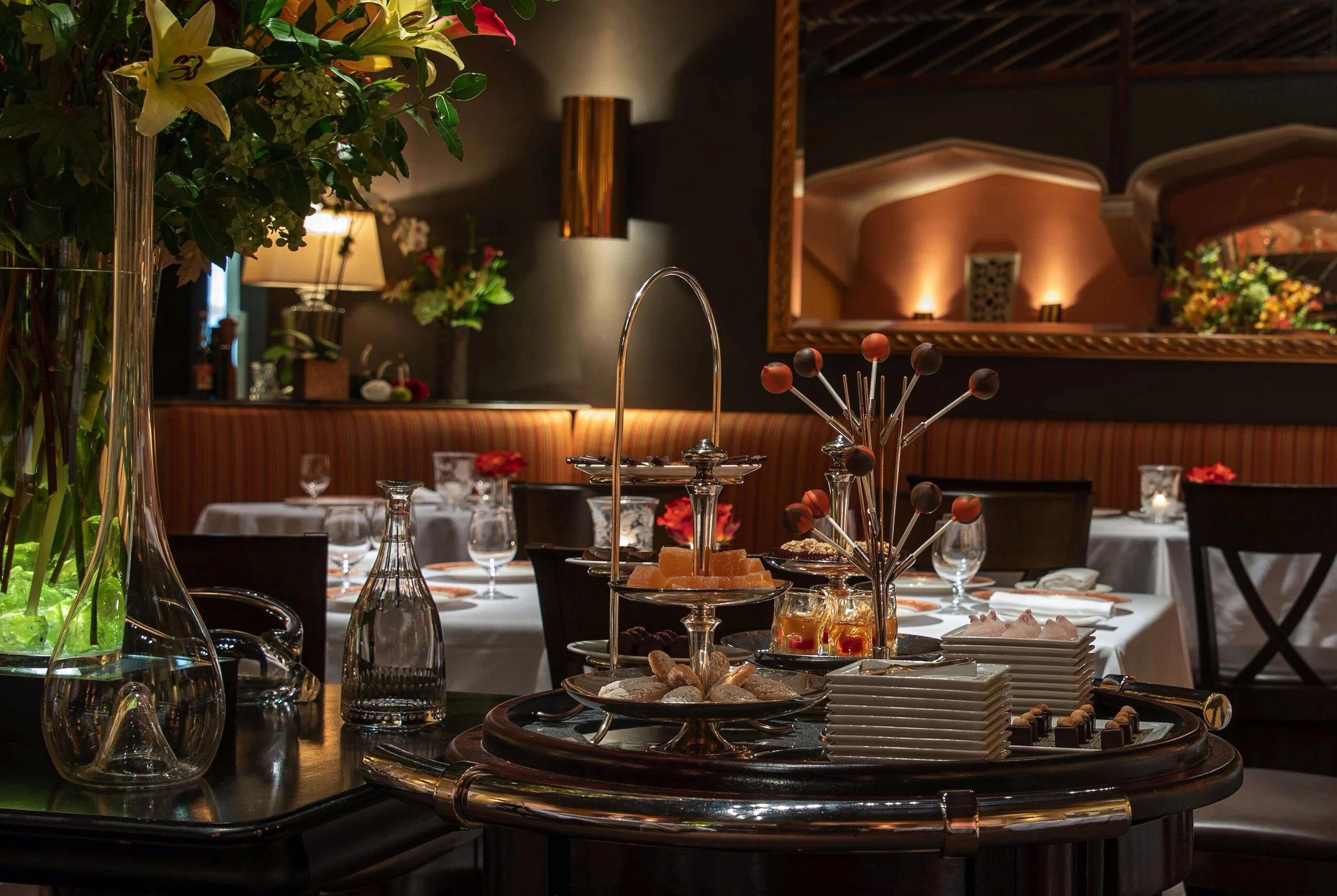
Moody, luxurious lobby with Art Deco elements and recessed lighting contrasts with bright, serene, modern guest rooms evoking San Francisco fog and Golden Gate hues.