InterContinental San Francisco
Positioned in SoMa at 888 Howard Street, InterContinental San Francisco occupies a district where the city's tech economy and convention culture converge. The hotel operates at a scale that suits business travelers and groups, with proximity to Moscone Center making it a practical anchor for San Francisco's conference circuit. For leisure visitors, its SoMa address puts Hayes Valley dining and the Embarcadero within reach.
Pearl is the En Primeur Club membership app — saves, bookings, and concierge access live there. Same editors, same standards.
- Address
- 888 Howard St, San Francisco, CA 94103
- Phone
- +1 415-616-6500
- Website
- icsanfrancisco.com
- Directions
- Get directions
 Saves & bookings on Pearl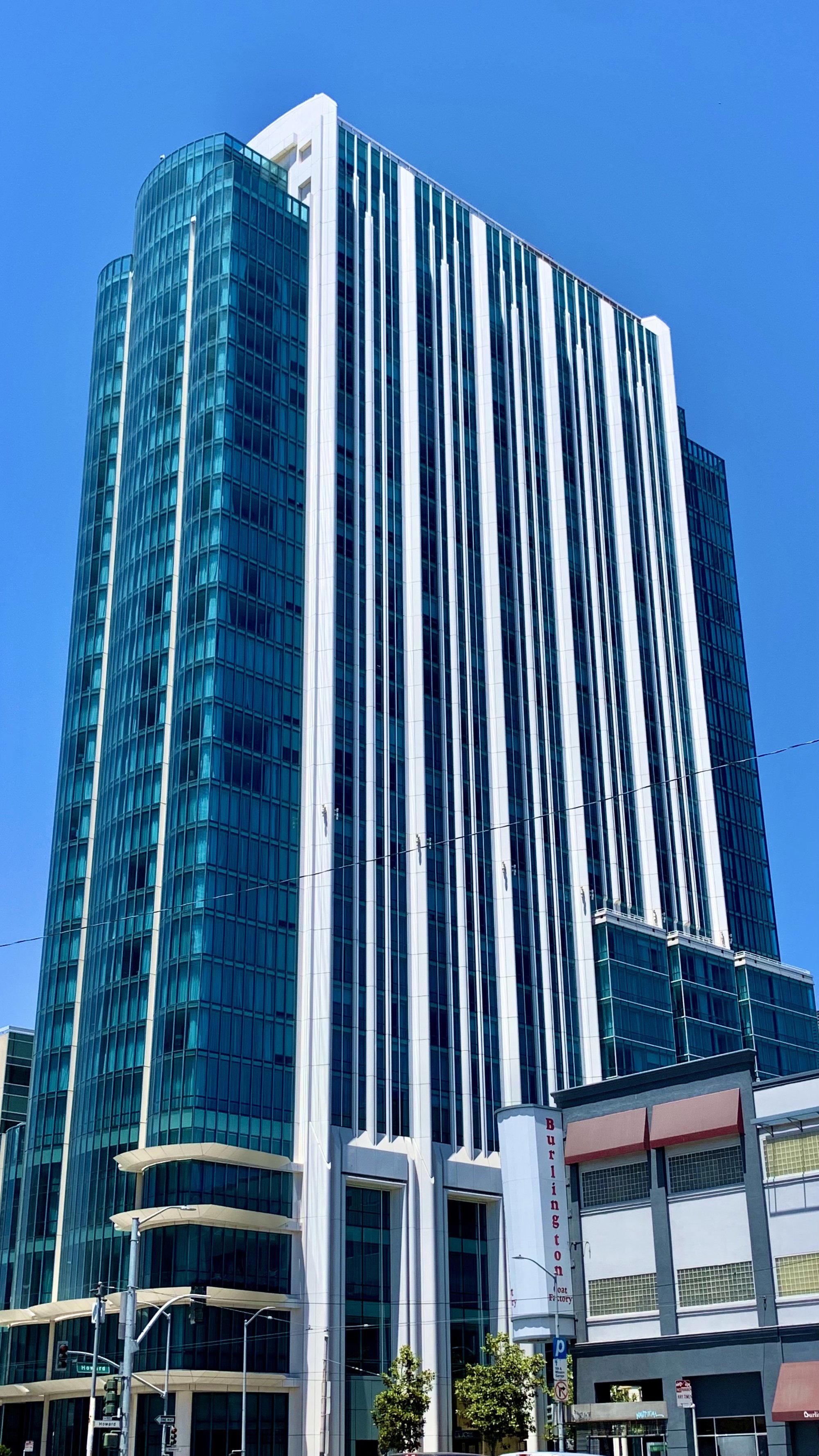
SoMa's Convention Corridor and What It Means for a Hotel Stay
San Francisco's South of Market district has undergone several identities since the dot-com era: light-industrial, gallery-dense, tech-office heavy, and now a mixed zone where Moscone Center's convention calendar sets much of the neighborhood's rhythm. Hotels that position themselves in this corridor are making a clear bet on that calendar. The InterContinental San Francisco is a 4-star hotel at 888 Howard Street, San Francisco, in SoMa near Moscone Center. Its location, a short walk from Moscone's main entrances, means the hotel's occupancy patterns track closely with the city's major trade shows, medical conferences, and tech summits rather than leisure travel peaks like summer weekends or the holiday corridor.
That context matters when evaluating the hotel against alternatives. A guest comparing it to, say, the Four Seasons Hotel San Francisco at Embarcadero or the Fairmont San Francisco is comparing different urban propositions: the Embarcadero Four Seasons anchors the financial district's waterfront, the Fairmont commands Nob Hill's ceremonial weight, and the InterContinental serves the convention corridor. None of these is a substitute for the others.
The SoMa Approach: What Arrives Before You Do
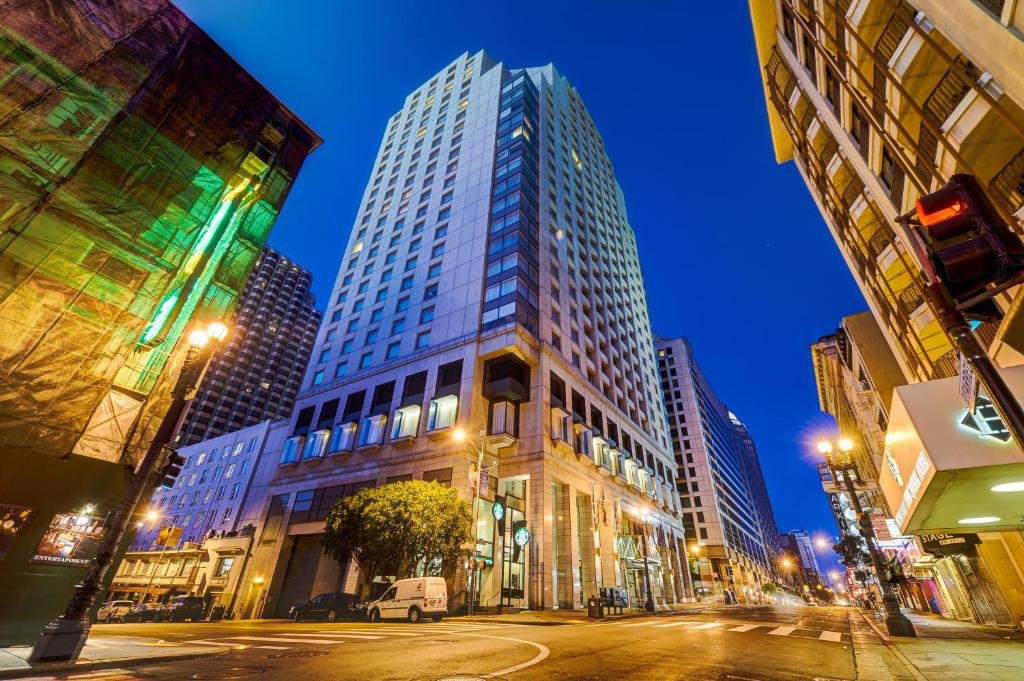
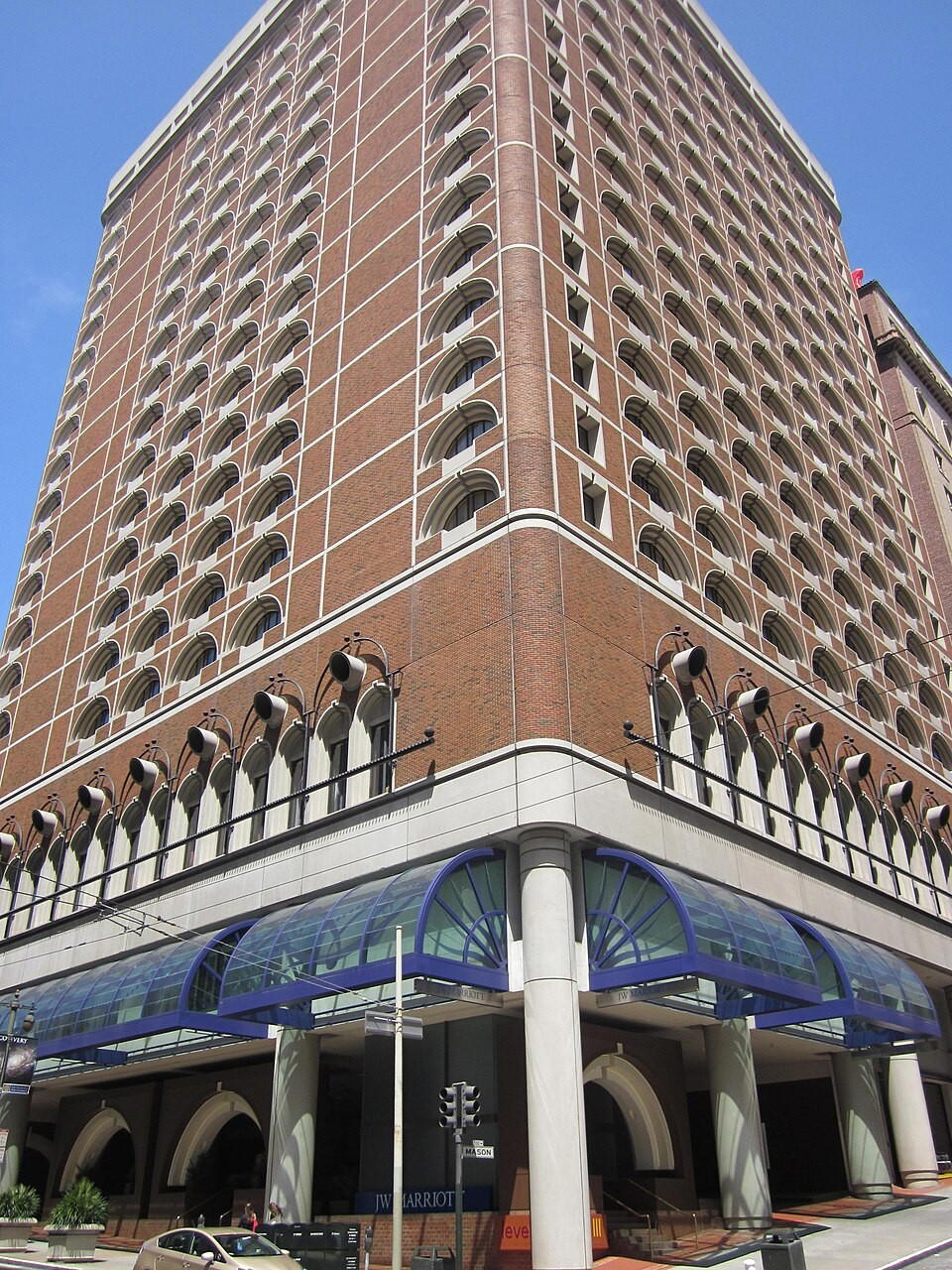
Approaching the hotel along Howard Street, the scale reads immediately. The tower format, which defines the InterContinental's physical presence, is common to the convention-hotel tier and reflects the capacity those event clients require. The lobby registers the logic of a property designed to process groups efficiently while maintaining a credible standard for the individual business traveler arriving after a cross-country flight. In San Francisco's hotel market, this positions the InterContinental in a specific functional tier, distinct from the boutique scale of a property like The Battery or the residential character of Hotel Drisco in Pacific Heights.
The distinction isn't a hierarchy so much as a segmentation. Travelers who need proximity to Moscone, reliable meeting infrastructure, and a room that functions as a productive base will find the property does what it's designed to do. Travelers seeking neighborhood immersion or a hotel whose character reflects San Francisco's culinary and design culture will likely find more alignment elsewhere, whether that's the Hotel Adagio, Autograph Collection in the Theater District or the 1 Hotel San Francisco with its sustainability-forward positioning on the Embarcadero.
San Francisco's Sourcing Culture and What Convention Hotels Do With It
California's ingredient sourcing tradition is, by global standards, a serious competitive advantage for any kitchen operating in the state. The Bay Area sits within reach of the Central Valley's produce, the Sonoma and Napa wine regions, Dungeness crab from the Pacific, and dairy from the Marin headlands. What distinguishes properties at the higher end of San Francisco's hotel dining scene is how deliberately they connect their kitchens to that supply chain. The SingleThread Farm Inn in Healdsburg operates its own farm as the explicit center of its hospitality model. At the other end of the spectrum, hotel restaurants in the convention tier frequently use California sourcing as a general frame rather than a defining operational commitment.
For a property like the InterContinental San Francisco, the relevant question isn't whether it matches the sourcing depth of a Michelin-tracked destination restaurant. It's whether the kitchen uses the state's ingredient advantage credibly enough to make hotel dining worth choosing over the SoMa restaurant scene outside. SoMa itself has a reasonable dining density, and guests willing to walk a few blocks access a different tier of sourcing-conscious cooking than most hotel dining rooms produce. That calculus is worth making explicitly before defaulting to in-house dining. For those exploring what the broader city offers, our full San Francisco restaurants guide maps the options by neighborhood and format.
Positioning Against the comparable set
Within San Francisco's full-service hotel tier, the InterContinental competes against several properties that serve overlapping demand. The JW Marriott San Francisco Union Square, the Palace Hotel, and the Taj Campton Place each occupy different neighborhood positions with different design philosophies, but all draw from the corporate and conference traveler pool. The InterContinental's Howard Street address is its clearest differentiator within that set, as pure proximity to Moscone is not something any of those alternatives can match.
For travelers whose itinerary extends beyond the Bay Area, the context of where the InterContinental sits in the broader IHG portfolio is worth noting. The brand's properties range from limited-service formats to upscale full-service hotels, and the San Francisco property operates in the upper register of that range. Guests accustomed to the positioning of properties like Aman New York or Raffles Boston will find the InterContinental operates in a different segment: reliable international-brand full-service rather than ultra-luxury design-led. That's a meaningful distinction in expectation-setting.
For domestic US comparisons at the high end, properties like Amangiri in Canyon Point, Post Ranch Inn in Big Sur, or Hotel Bel-Air in Los Angeles illustrate how differently the luxury hotel market segments when location, scale, and ownership model shift. The InterContinental San Francisco's value proposition is volume, location, and brand reliability, not the kind of singular sense of place those properties trade on.
Planning a Stay: Practical Considerations
The SoMa location gives good access to Caltrain at Fourth and King for Peninsula travel, and BART's Powell and Civic Center stations are walkable, making airport transfers from SFO direct by public transit. Howard Street itself is a transit and delivery corridor rather than a pedestrian-friendly retail street, so guests expecting the streetscape character of Union Square or Hayes Valley will need to adjust expectations. Room rates in the immediate vicinity track closely with major conventions, and pricing during Salesforce's annual Dreamforce conference or major medical conventions can differ substantially from quieter periods. Booking well in advance for those windows is the consistent pattern across all SoMa-adjacent hotels.
For a city-only stay where the convention schedule is the primary driver, the InterContinental's address removes the logistical friction that any other San Francisco hotel introduces.
Where It Fits
Comparable venues nearby, for context on price, style, and recognition.
| Venue | Cuisine | Price | Awards | Notes |
|---|---|---|---|---|
| InterContinental San FranciscoThis venue — the venue you are viewing | Modern high-rise luxury tower in downtown San Francisco | $$$$ | 4-Star | Not listed |
| The Clift Royal Sonesta San Francisco | Historic icon with modern restoration blending classic craftsmanship and contemporary sophistication | $$$$ | 4-Star | Tenderloin |
| Hotel Spero | Historic boutique hotel blending Spanish Colonial Revival architecture with modern San Francisco design. | $$$$ | 4-Star | Union Square |
| JW Marriott San Francisco Union Square | Contemporary urban luxury tower | $$$$ | 4-Star | Nob Hill |
| Axiom Hotel | Tech-savvy boutique in historic building with post-modern makeover. | $$$ | 4-Star | Union Square |
| LUMA Hotel San Francisco | Contemporary design hotel with a lifestyle, business-friendly positioning. | $$$ | 4-Star | Mission Bay |
Continue exploring
More in San Francisco
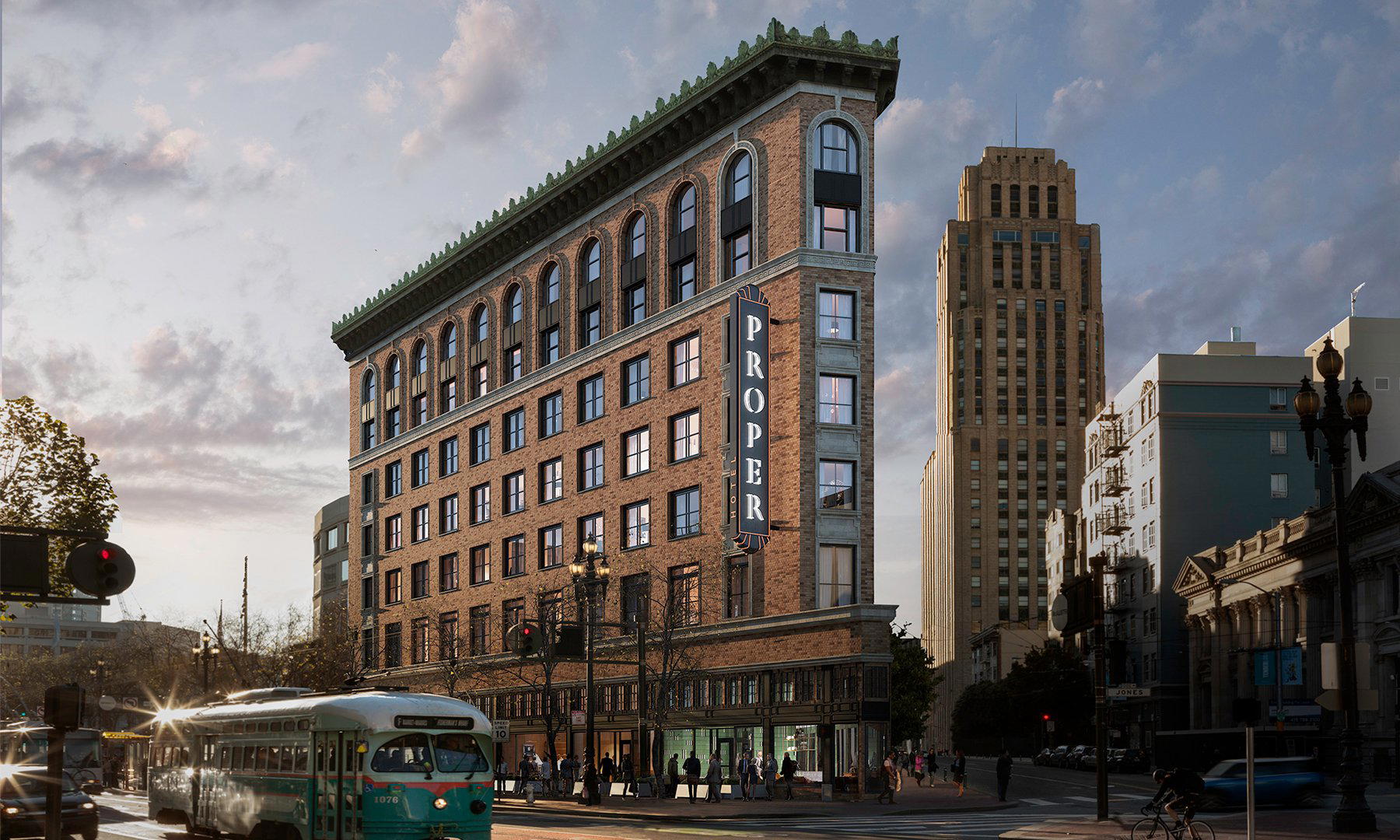
Hotels in San Francisco
Browse all →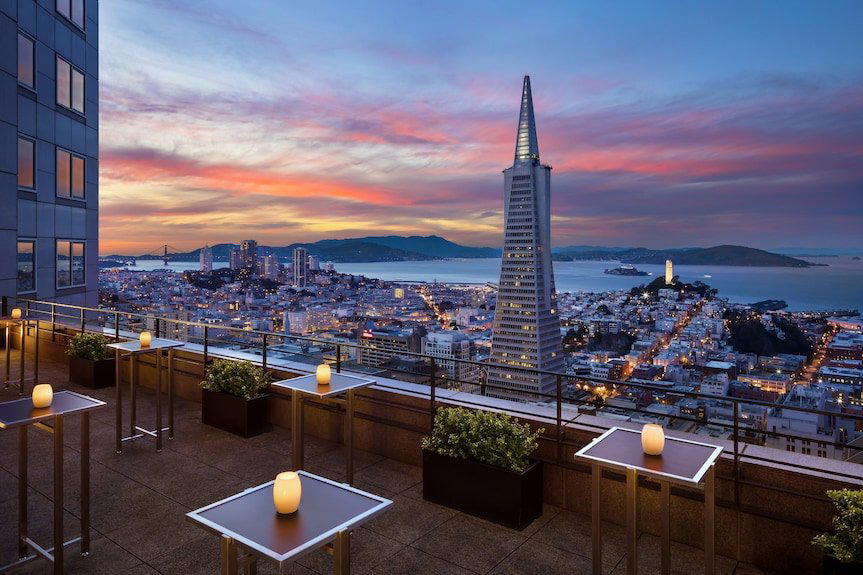
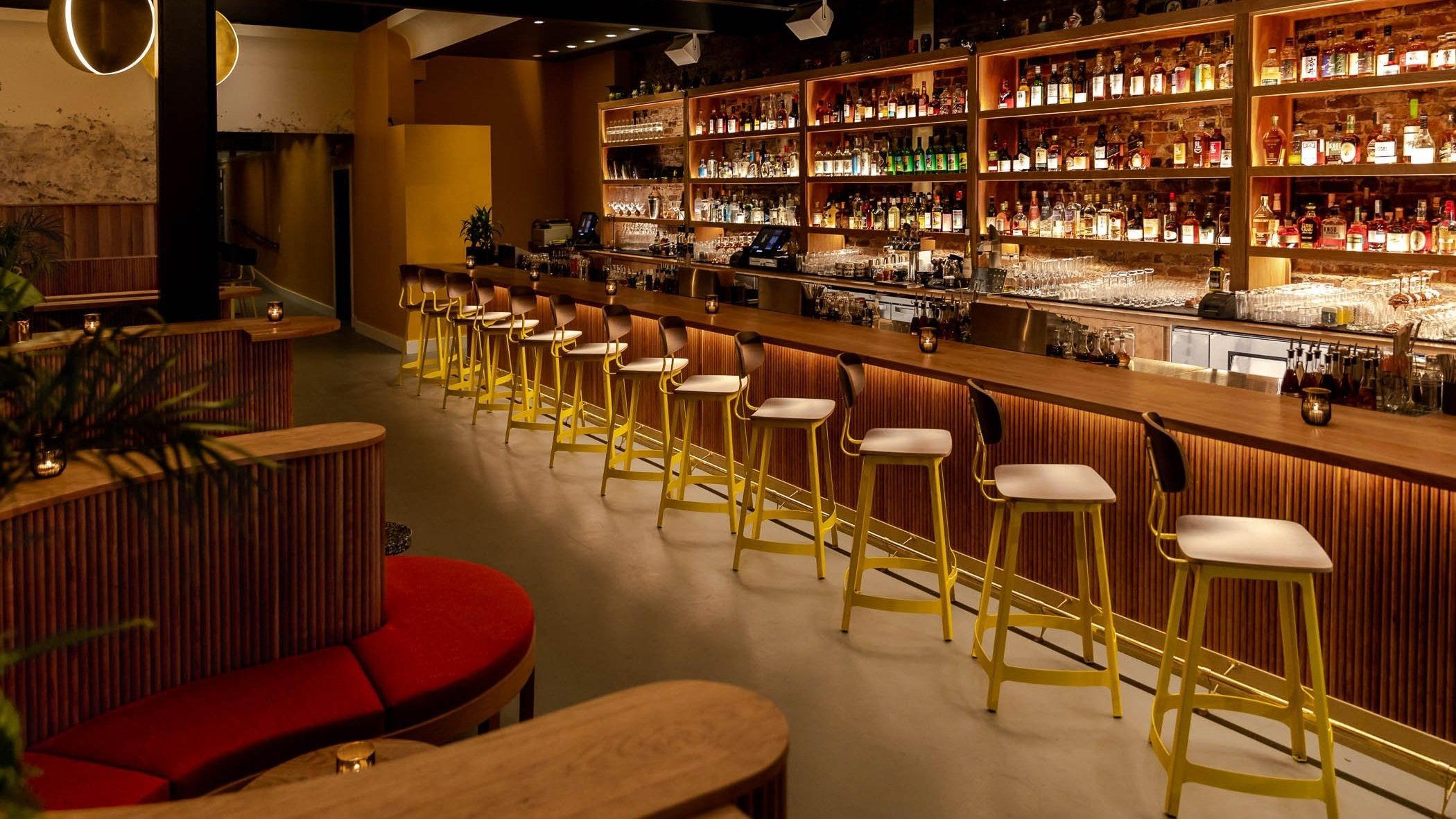
Bars in San Francisco
Browse all →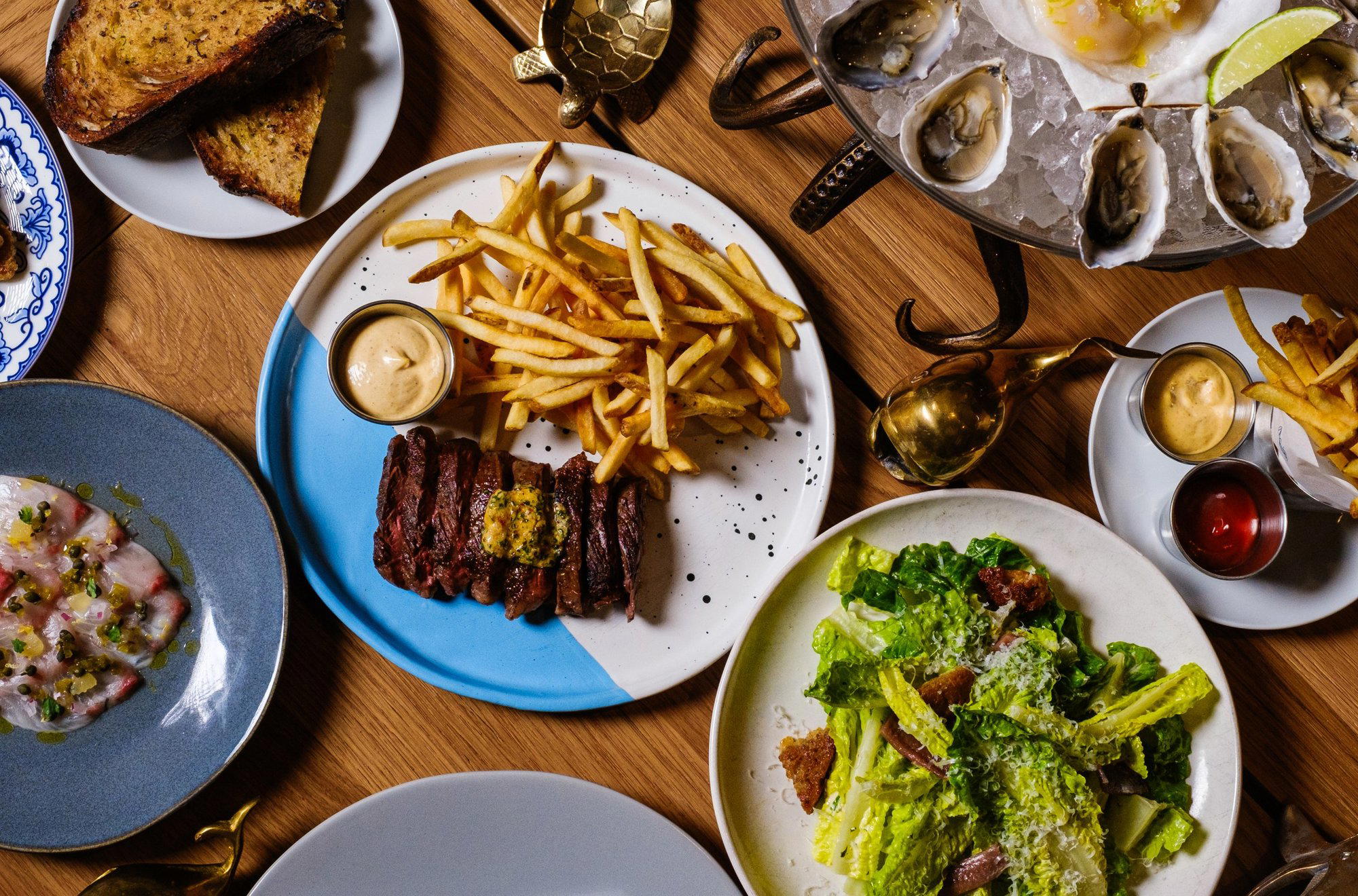
Restaurants in San Francisco
Browse all →
At a Glance
- Sophisticated
- Modern
- Elegant
- Business Trip
- Weekend Escape
- Rooftop Pool
- Panoramic View
- Pool
- Spa
- Fitness Center
- Room Service
- Concierge
- Business Center
- Valet Parking
- EV Charging
- Skyline
- Pool
- Spa
- Fitness Center
- Room Service
- Concierge
- Business Center
- Valet Parking
- EV Charging
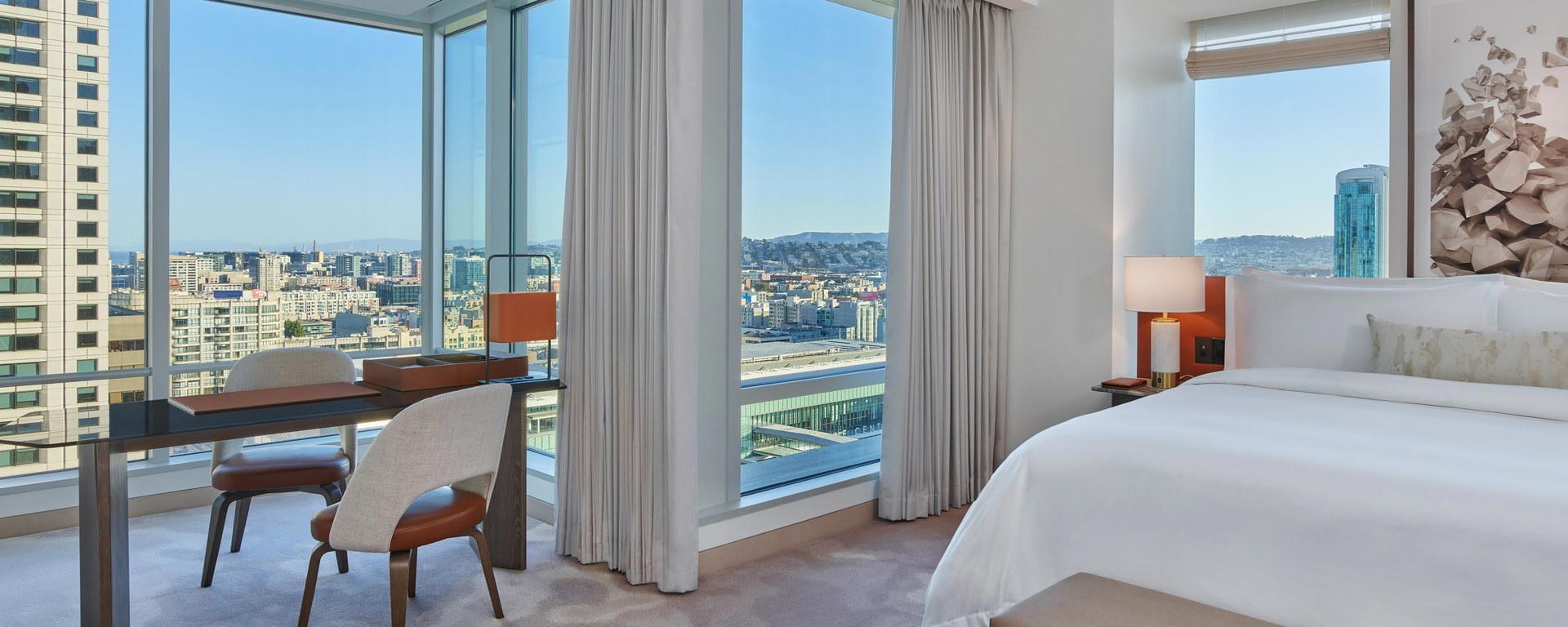
Sophisticated atmosphere with floor-to-ceiling windows offering sweeping city skyline views, modern lighting, and attentive club lounge service.