Takatu Lodge & Vineyard
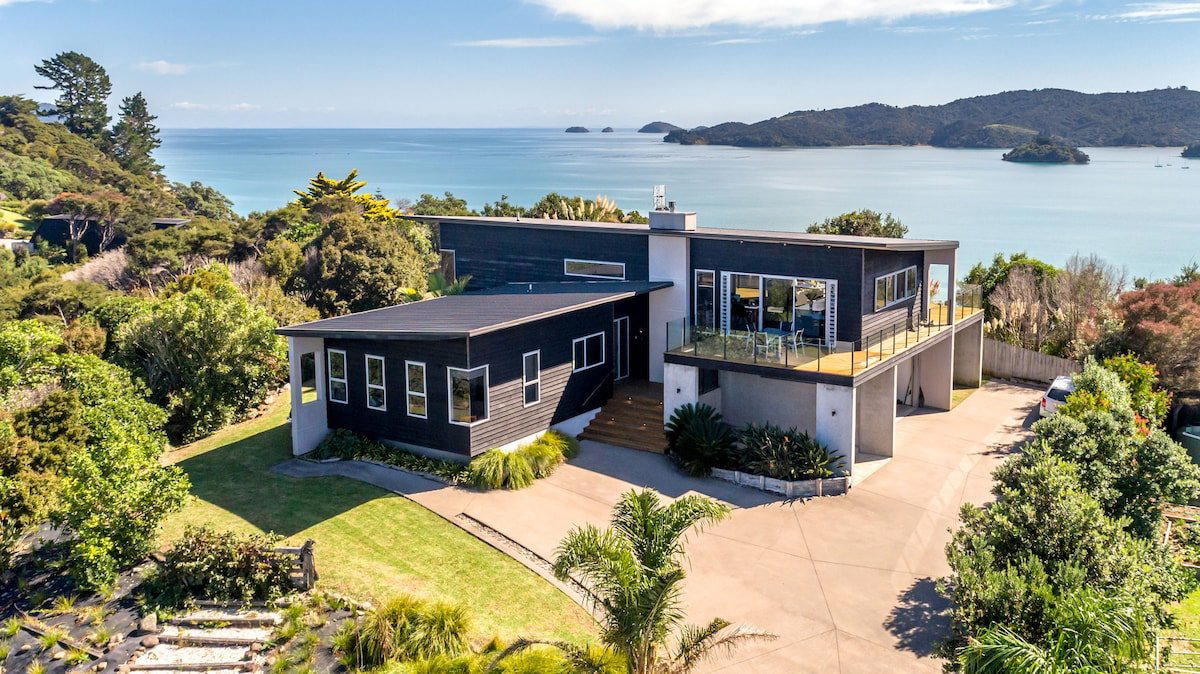
Set on the Tāwharanui Peninsula north of Auckland, Takatu Lodge and Vineyard occupies a working wine property where accommodation and landscape are inseparable. The setting places it in a small category of New Zealand lodge experiences where the land itself is the primary design element, drawing travellers who want distance from the city without distance from quality.

Pearl is the En Primeur Club membership app — saves, bookings, and concierge access live there. Same editors, same standards.
- Address
- 518 Whitmore Road, Laly Haddon Place, Tāwharanui Peninsula 0986, New Zealand
- Phone
- +64 9 423 0299
- Website
- takatulodge.co.nz
- Directions
- Get directions
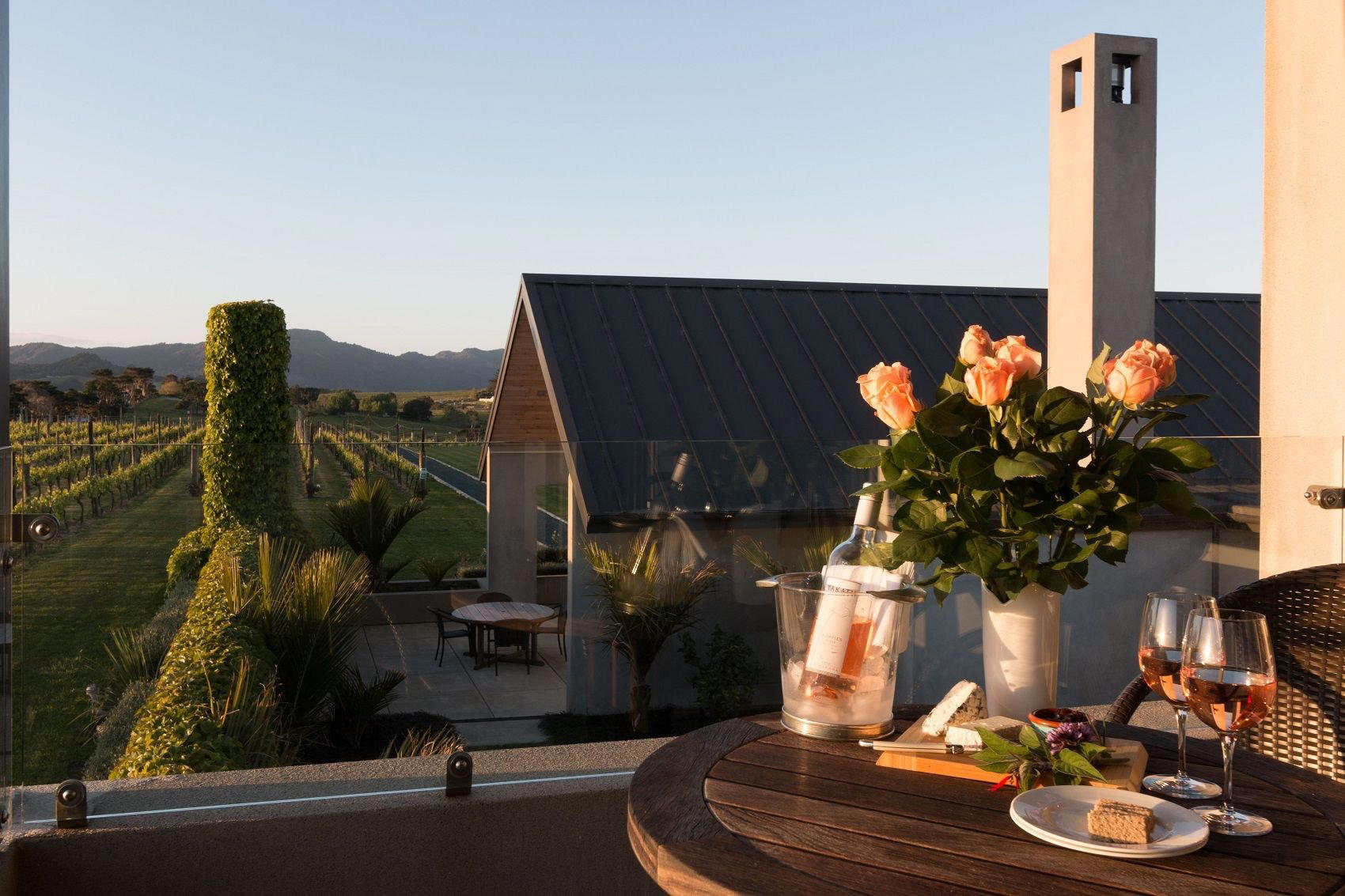
Peninsula Logic: Why the Tāwharanui Setting Changes the Calculus
New Zealand's premium lodge category has long divided between two spatial types: the drama-first property that uses a mountain range or coastal escarpment as its primary credential, and the land-integrated retreat where the working property — vineyard, farm, high-country station — is both context and experience. Takatu Lodge and Vineyard belongs to the second type, positioned on the Tāwharanui Peninsula roughly an hour and a half north of Auckland. That geography matters more than it might initially appear: the peninsula is not a drive-through region. You come here deliberately, which filters the guest profile toward those who have already decided that proximity to a working vineyard and the particular quality of northern Auckland light is the point, not an incidental detail.
The Tāwharanui Peninsula sits alongside one of New Zealand's more carefully managed marine and ecological reserves, a designation that keeps development density low and gives the surrounding land a preserved character that older, more trafficked wine regions cannot replicate. For context on how New Zealand's lodge market has organised itself around distinctive natural assets, see our full Tāwharanui Peninsula guide.
The Architecture of Restraint
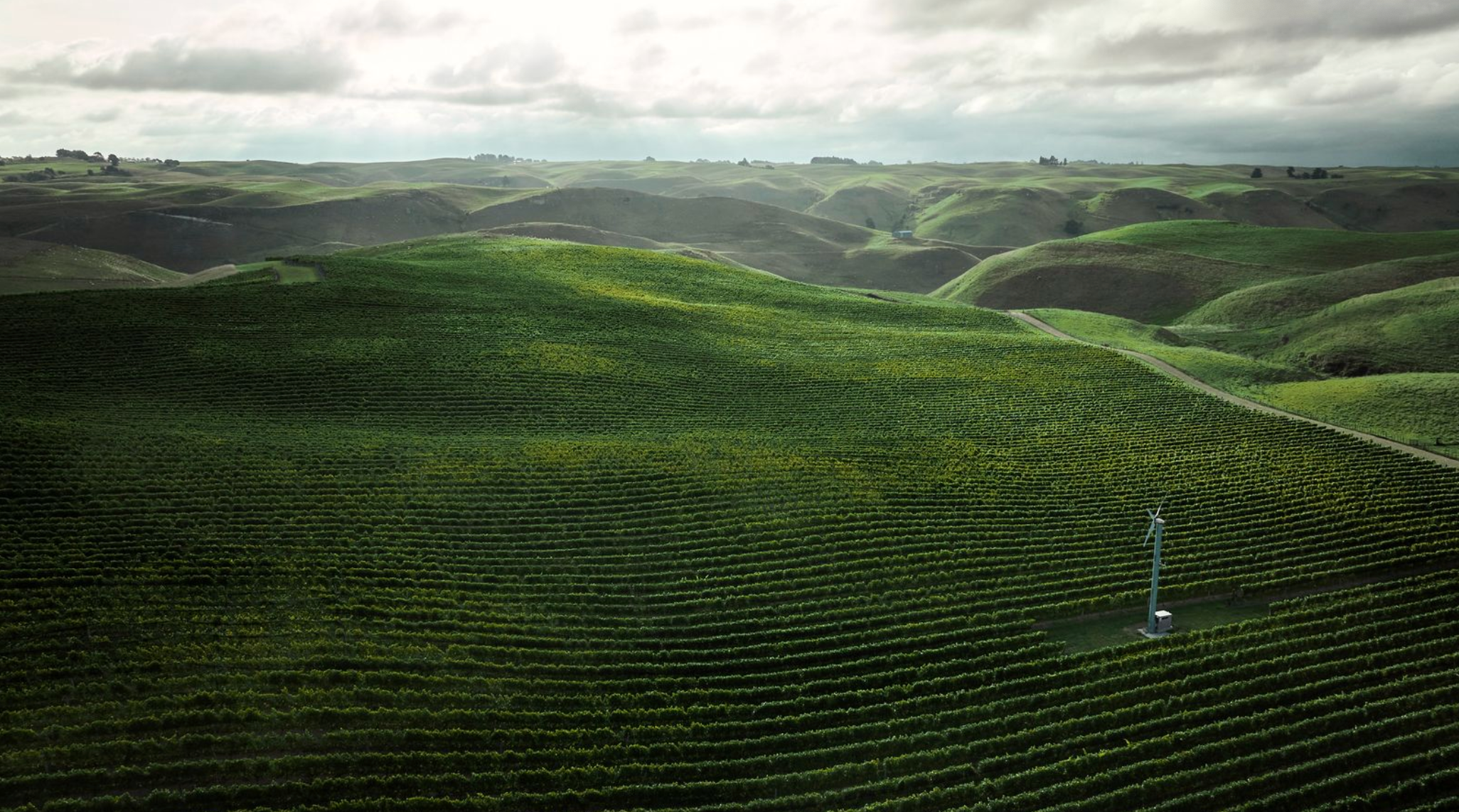
Lodge properties in New Zealand's premium tier have developed a recognisable architectural grammar over the past two decades: local materials, sight lines designed to dissolve the boundary between interior and exterior, and a preference for scale that keeps the property intimate rather than resort-like. The design philosophy running through this category, seen at properties such as Hapuku Lodge and Tree Houses in Kaikoura or Blanket Bay in Glenorchy, prioritises the relationship between built structure and landscape over interior elaboration for its own sake. At Takatu, the vineyard rows themselves function as a form of landscape architecture: the geometry of a working wine property imposes a visual order on the land that most rural retreats have to manufacture through garden design.
This vineyard-as-architecture approach places Takatu in a niche that comparatively few New Zealand lodges occupy. Properties like Annandale Villas in Pigeon Bay use pastoral farm land as their spatial frame; Wharekauhau Country Estate in Featherston operates on a working sheep station. What distinguishes the vineyard lodge format is that the seasonal rhythm of viticulture, pruning, canopy management, harvest, gives guests a visible, time-specific relationship with the property that a farm or mountain setting cannot offer in quite the same way.
Where It Sits in the Northern New Zealand Lodge Market
Auckland's premium accommodation offer has historically concentrated either in the city itself or on Waiheke Island, where Omana represents the wine-estate lodge model in a more accessible, day-trip-adjacent location. The Northland and upper Auckland Peninsula lodges occupy a different position: further from the city, more committed to seclusion, and competing less on convenience than on the quality of what the land itself offers.
Within that northern cohort, Takatu's closest conceptual peers include Eagles Nest in Russell and Helena Bay Lodge, both of which operate small-capacity formats where the staff-to-guest ratio and landscape access define the rate rather than room count or amenity lists. Huka Lodge remains the benchmark for the category nationally, but it operates at a different scale and price architecture than a property like Takatu, which presumably keeps its accommodation count low enough to function as a true private retreat rather than a lodge-hotel hybrid.
For travellers calibrating their options across the South Island's comparable tier, properties such as Otahuna Lodge in Tai Tapu, Fiordland Lodge in Te Anau, and Minaret Station Alpine Lodge in Wānaka illustrate the range of landscape types and spatial scales available at the premium end, with each commanding its rate primarily through natural asset rather than brand affiliation.
The Vineyard Dimension
New Zealand's wine identity outside Marlborough and Hawke's Bay has been slower to consolidate internationally, but the Matakana and Tāwharanui area has maintained a small, quality-focused wine scene for long enough that a working vineyard here carries genuine regional credibility. The northern Auckland wine corridor does not compete with Marlborough on volume or name recognition, but it offers a different proposition: wines made in quantities small enough that they rarely appear outside the region, in a climate that pushes toward aromatic whites and Bordeaux varieties rather than the Sauvignon Blanc monoculture that defines the South Island's wine export story.
A lodge positioned on a working vineyard in this region gains a specificity that general rural retreats cannot: the on-property wine becomes an argument about place rather than a convenient add-on. This is the same logic that drives the appeal of properties like Rosewood Cape Kidnappers in Hawke's Bay or Rosewood Kauri Cliffs in Matauri Bay, where the landscape's production capacity is woven into the hospitality offer rather than treated as backdrop.
Planning a Stay
The Tāwharanui Peninsula sits approximately ninety minutes north of Auckland's CBD under normal driving conditions, making it accessible as a multi-night escape without requiring a domestic flight. The region's productive season runs through the warmer months, with harvest typically falling between February and April depending on variety, which represents the most visually active period on a working vineyard property. Shoulder season visits in late spring or early autumn offer better availability and the particular light quality that the northern Auckland coast produces in those months. Travellers building a broader New Zealand itinerary will find natural sequencing with Northland coastal properties before heading south to the South Island lodge circuit via Auckland. Those looking for city-adjacent luxury before or after the peninsula stay should consider Hotel DeBrett in Auckland Central as a calibrated urban counterpoint to the rural register of Takatu.
Side-by-Side Snapshot
| Venue | Price | Awards |
|---|---|---|
| Takatu Lodge & VineyardThis venue — the venue you are viewing | Not listed | Not listed |
| Huka Lodge | $2,500+ | 2 Michelin Keys · World's 50 Best #82 |
| Blanket Bay | $500–750 | 2 Michelin Keys · La Liste Top Hotels |
| Cordis, Auckland | $200–300 | Michelin Guide New Hotels New Hotel · Michelin Selected |
| Delamore Lodge | Not listed | 2 Michelin Keys · La Liste Top Hotels |
| Otahuna Lodge | $750–1,000 | 2 Michelin Keys · Relais Chateaux Award |
Continue exploring
More in Tawharanui Peninsula
Hotels in Tawharanui Peninsula
Browse all →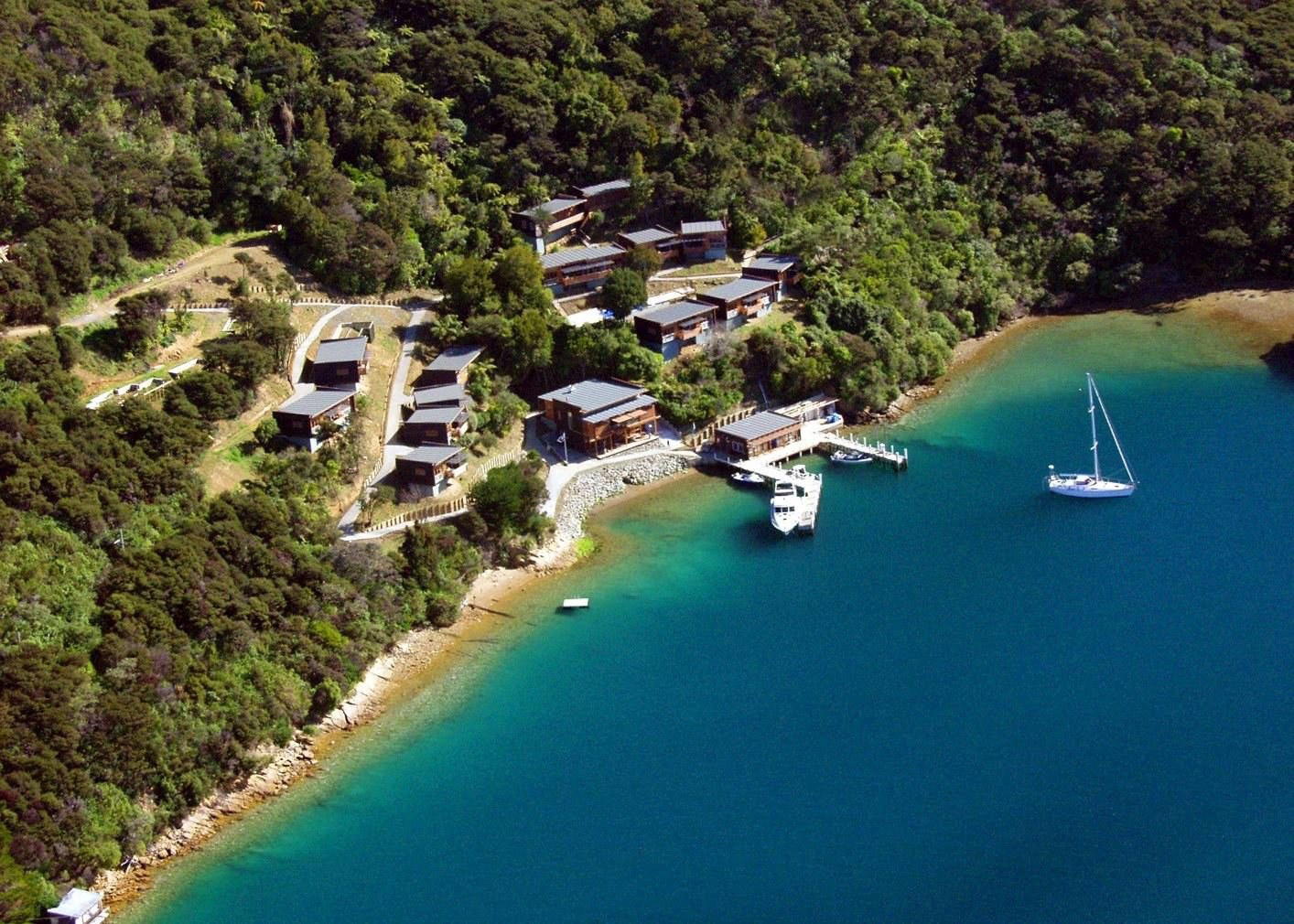
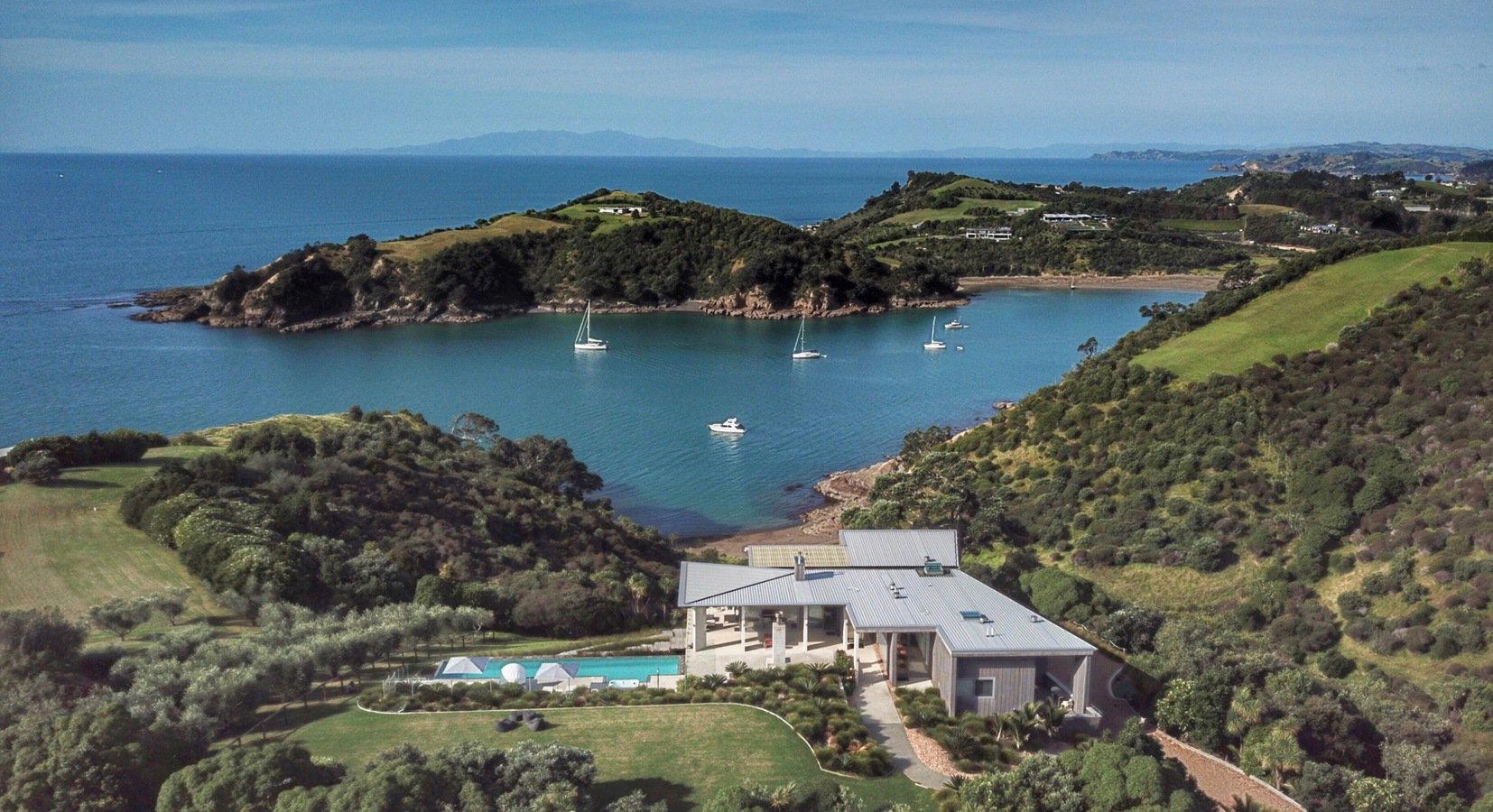
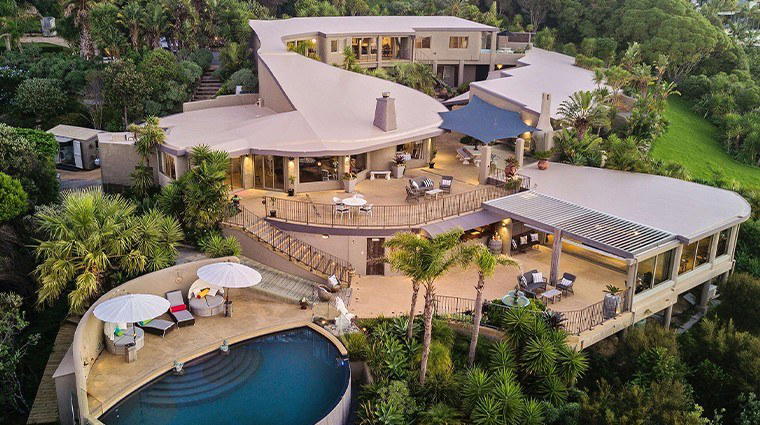
Bars in Tawharanui Peninsula
Browse all →
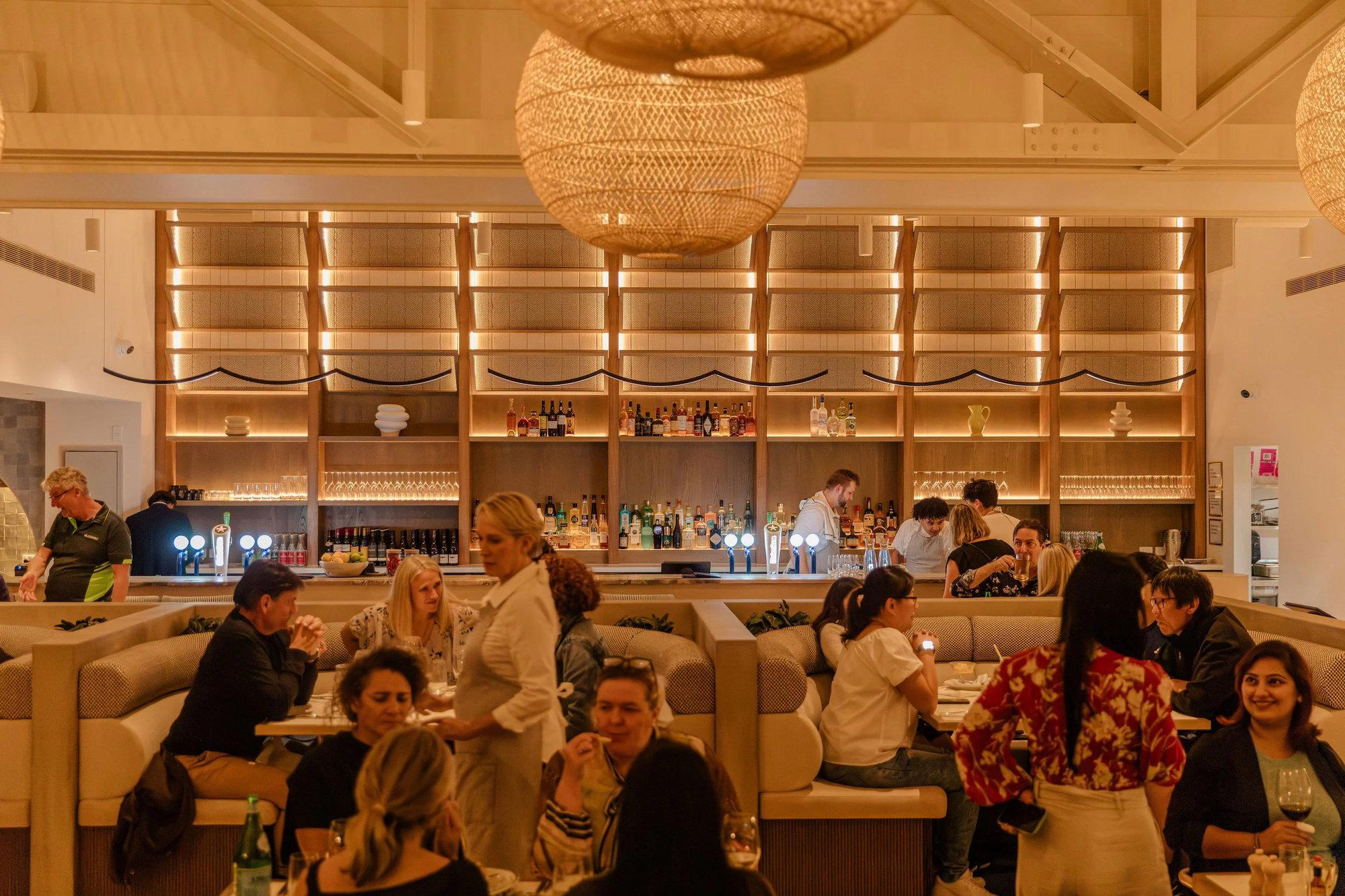
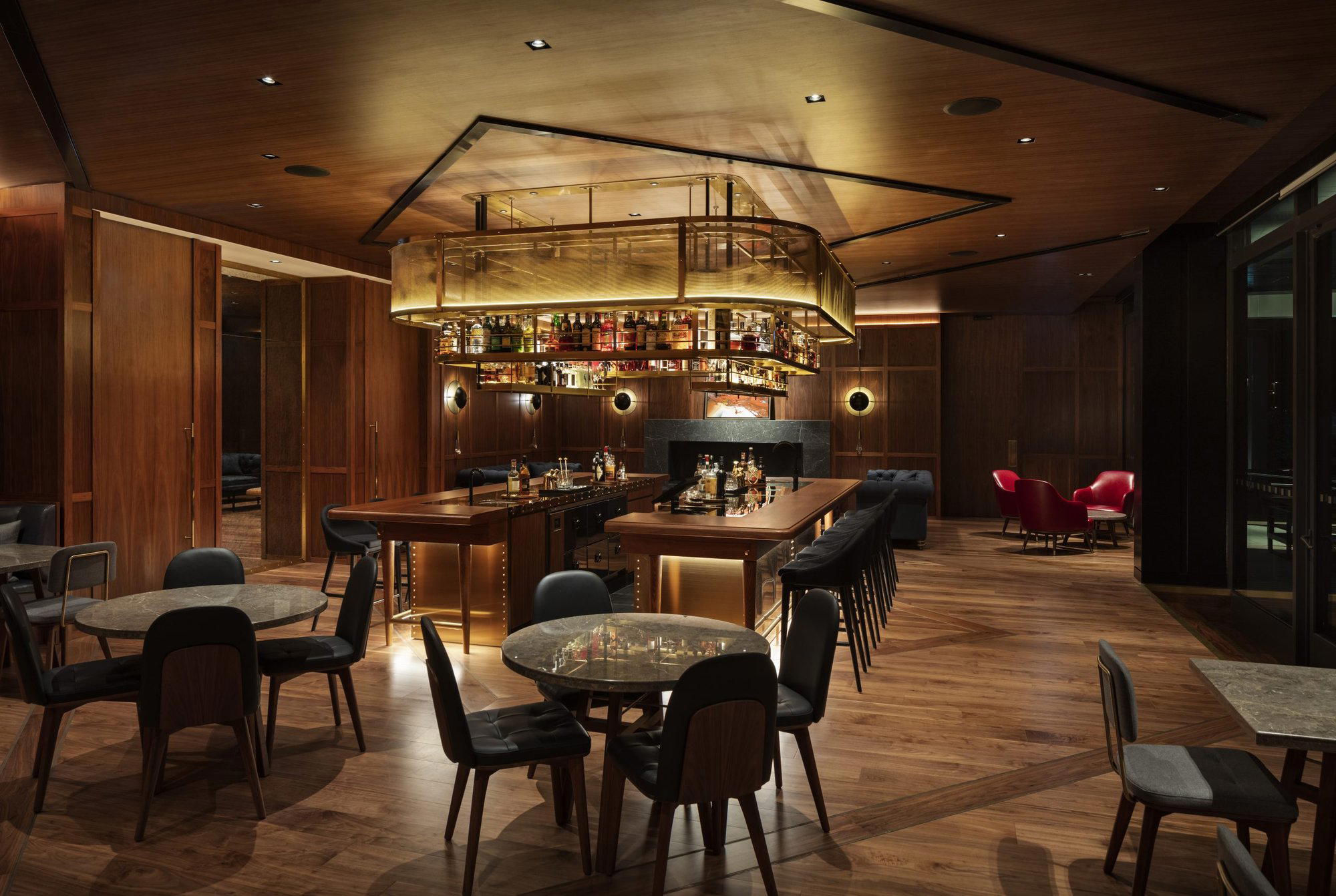
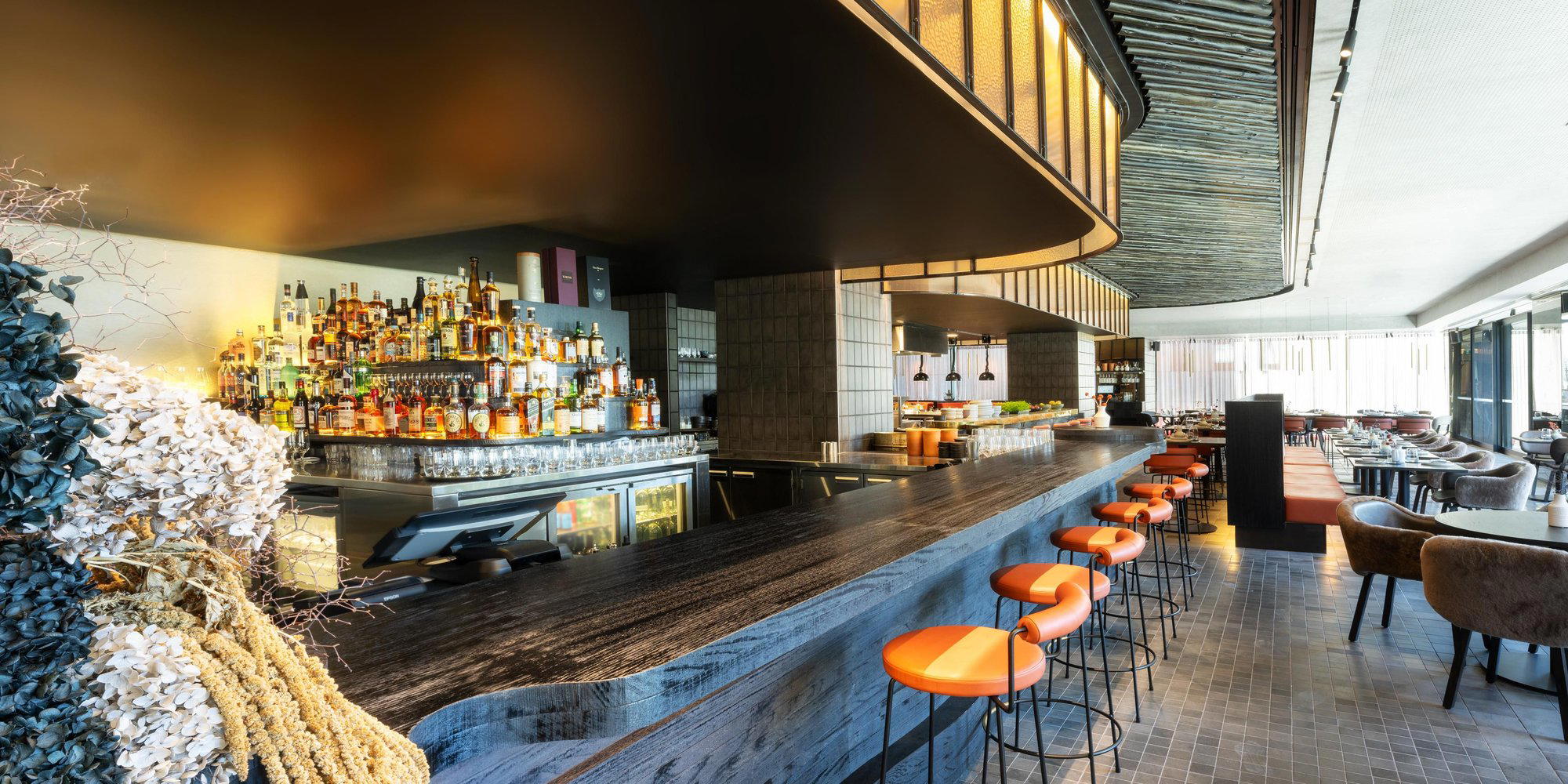
Restaurants in Tawharanui Peninsula
Browse all →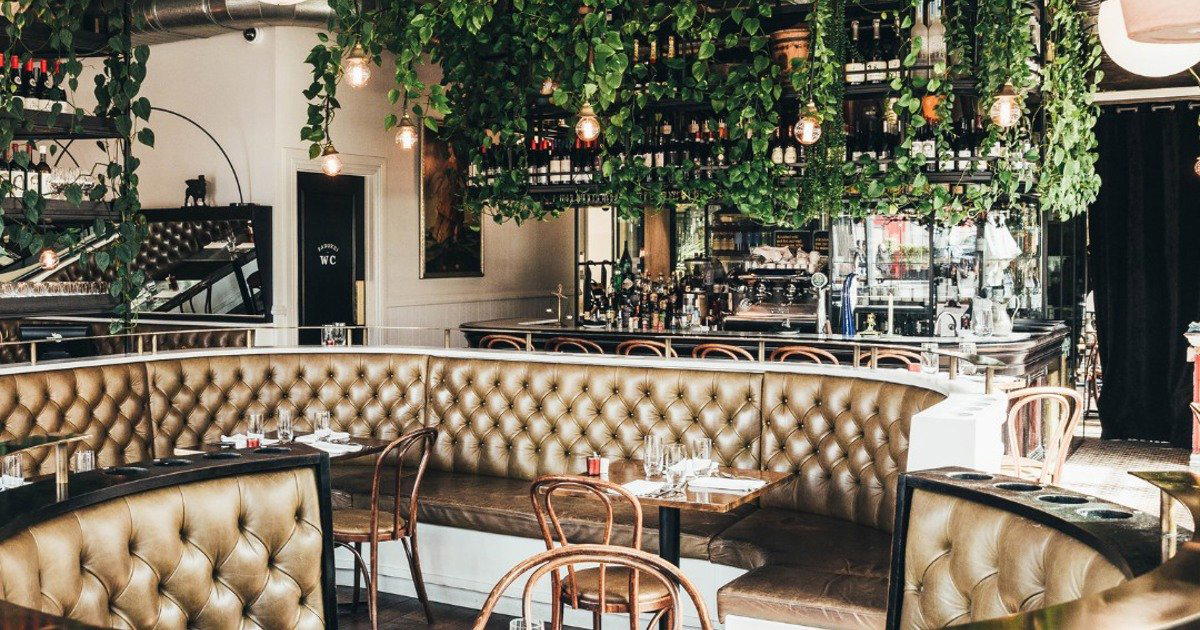

Details
- Romantic
- Scenic
- Elegant
- Intimate
- Rustic
- Sophisticated
- Minimalist
- Romantic Getaway
- Honeymoon
- Anniversary
- Weekend Escape
- Panoramic View
- Private Villa
- Terrace
- Wi Fi
- Garden
- Laundry Service
- Vineyard
- Mountain
- Garden
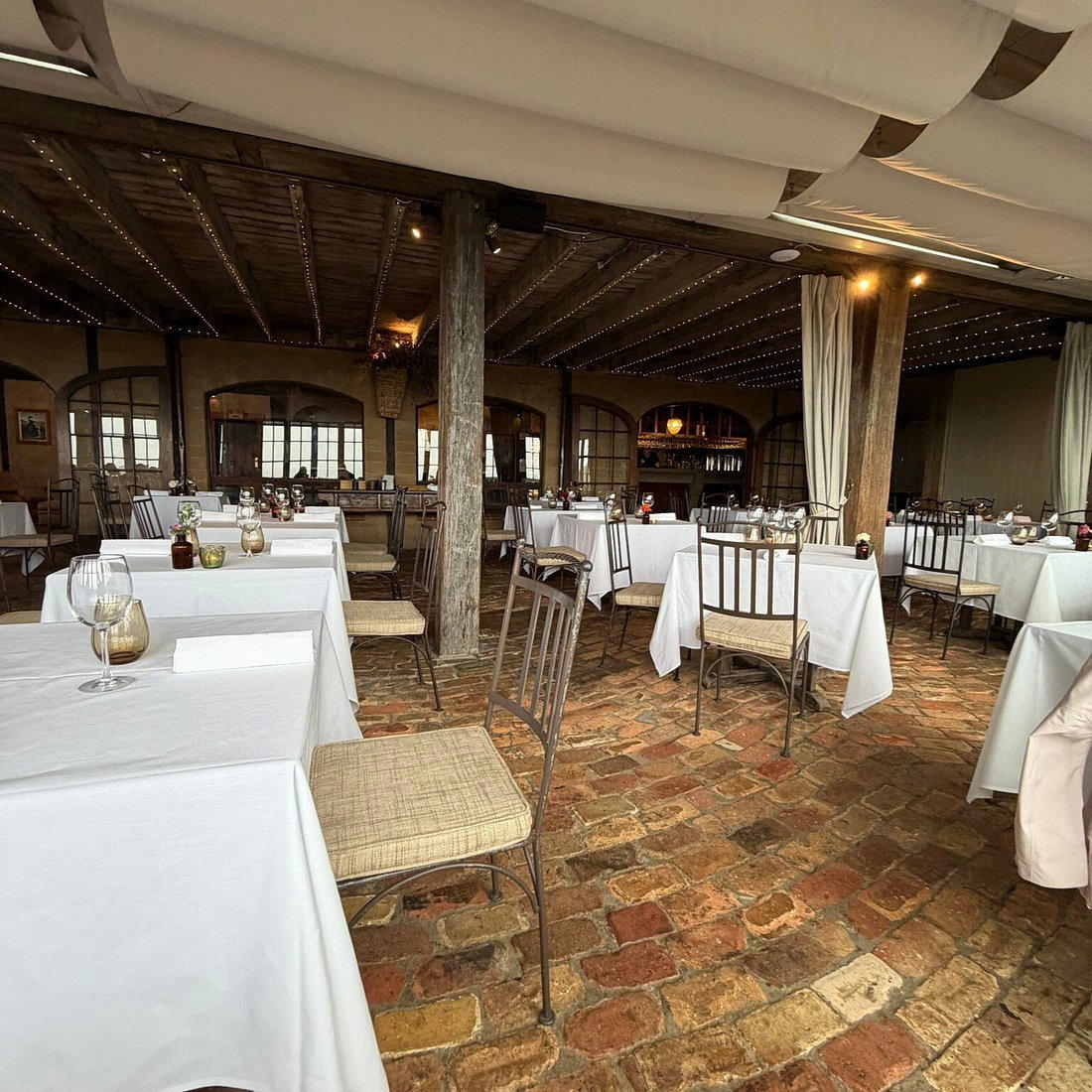
Contemporary minimalist style with natural wood, stone, marble, high vaulted ceilings, open log fires, cozy library, and serene, peaceful atmosphere praised in guest reviews.