Taipei's dedicated traditional performing arts theatre in Zhongshan District, 臺北戲棚 TaipeiEYE stages weekly programmes of Peking opera, acrobatics, and puppet theatre designed for international visitors. Seated in one of central Taipei's more accessible cultural venues, it offers a structured entry point into performance forms that took decades to codify. For travellers pairing culture with the city's premium hospitality circuit, it anchors an evening with genuine substance.

Pearl is the En Primeur Club membership app, where members save venues, book tables and use the concierge.
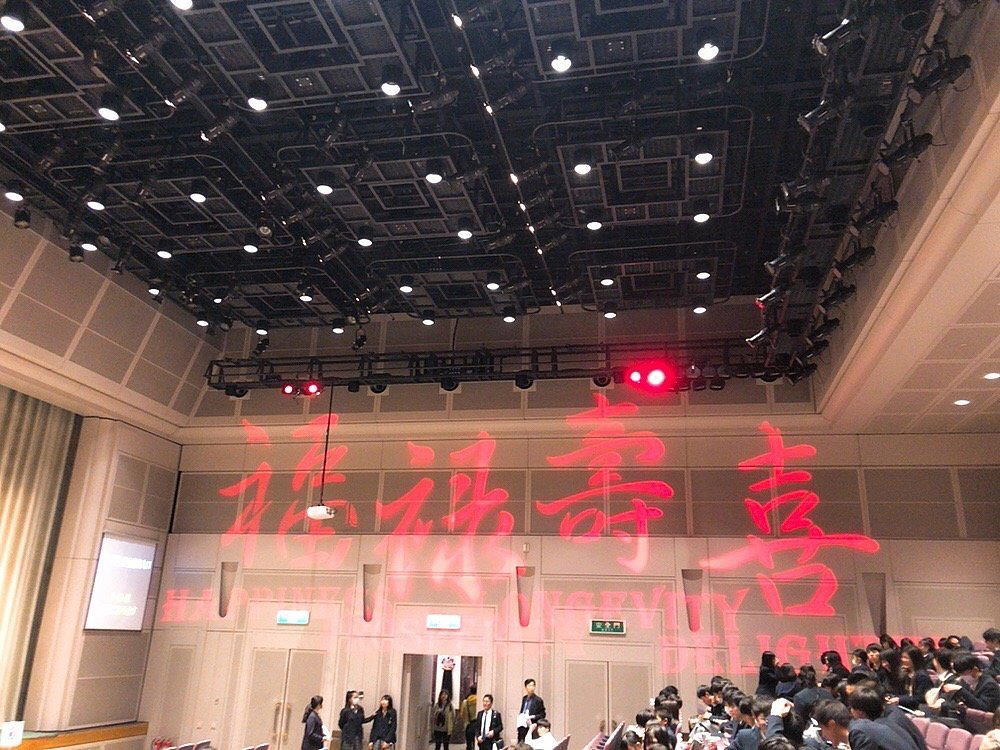
Where Zhongshan's Cultural Infrastructure Gets Serious
Taipei's Zhongshan District has spent the better part of two decades consolidating a dual identity: a walkable corridor of design hotels and independent restaurants on one axis, and a concentration of traditional arts institutions on the other. 臺北戲棚 TaipeiEYE sits on Zhongshan North Road Section 2, near the Jinzhou Street intersection, at a point where both currents converge. The building announces its purpose plainly. There is no grand forecourt or theatrical entrance sequence. What the venue offers instead is something more considered: a dedicated, purpose-built space for traditional Taiwanese and Chinese performing arts at a scale calibrated for intimacy rather than spectacle.
For international visitors staying along the Zhongshan hotel strip, whether at amba Taipei Zhongshan 台北中山意舍酒店 or the design-forward Eslite Hotel, TaipeiEYE functions as the practical answer to a question most Taipei itineraries eventually confront: where does one access traditional performance without the barrier of Mandarin fluency or the gamble of a ticketing system designed for local regulars?
The Performance Tradition on Stage
Peking opera, known in Mandarin as jingju, is among the most formally demanding performance traditions in the Chinese-speaking world. Its conventions took shape in Beijing during the late Qing dynasty and subsequently migrated across the Taiwan Strait, where troupes reconstituted and continued training lineages after 1949. The form integrates acrobatic movement, stylised vocal technique, elaborate costuming, and a percussion-led musical framework in which timing is structural rather than decorative. A single aria can carry more narrative weight than a scene of dialogue; a sleeve movement reads as punctuation.
TaipeiEYE programmes these forms for an audience that may be encountering them for the first time. That is not a dilution of the tradition, but a curatorial decision with historical precedent: Peking opera was itself shaped by court patronage that valued accessibility alongside virtuosity. The venue also stages acrobatics and glove puppet theatre, forms that operate on different technical registers but share the same premium on trained physical precision. Across a typical weekly programme, the rotation covers enough formal variety that a single visit gives a working sense of the broader performing arts ecosystem rather than a narrow sample.
For travellers pairing a night at Capella Taipei or the Grand Mayfull Hotel Taipei with a cultural evening, the proximity to Zhongshan North Road keeps logistics direct. The district's restaurant density also means pre-performance dining options are within easy walking distance, without requiring the kind of cross-city coordination that Taipei's dispersed geography can otherwise demand.
Placing TaipeiEYE in the City's Cultural Tier
Taipei has a layered performing arts infrastructure. At one end sits the National Theater and Concert Hall on Ketagalan Boulevard, a state-funded complex that programmes international touring productions and major domestic companies at scale. At the other end, neighbourhood venues and temple forecourts host informal performances oriented entirely toward local communities. TaipeiEYE occupies a distinct middle position: smaller than the national institutions, more structured and international-facing than informal community performance, and specifically designed to make traditional forms legible to visitors without prior exposure.
That positioning is not common in Asian cities. Tokyo's kabuki theatres, for instance, have earphone guide systems but remain formidable to first-time visitors in terms of duration and ticketing complexity. In Taipei, TaipeiEYE has absorbed much of that orientation work into the programming itself, with subtitles and programme notes that allow the performance to communicate across the language gap. The result is a venue type that several peer cities in the region have tried to build but rarely sustain at consistent quality.
Visitors extending their Taiwan itinerary beyond Taipei can benchmark what TaipeiEYE represents by contrast. Resort properties like Hoshinoya Guguan in Taichung or Hotel Indigo Alishan offer their own forms of cultural encounter embedded in landscape and cuisine, but the performing arts dimension remains concentrated in the capital. That concentration is precisely what makes a venue like TaipeiEYE worth scheduling before leaving Taipei.
Practical Considerations for Planning Your Visit
TaipeiEYE is located on Zhongshan North Road Section 2 in the Zhongshan District, a part of the city well-connected by MRT. The venue's programming targets international visitors specifically, which means the scheduling, ticketing, and in-venue orientation are designed to remove friction. Checking the current programme schedule before arrival is advisable, as the rotation of forms changes across the week. Hotels with concierge services in the area, including Grand Hyatt Taipei and Hotel East Taipei, can typically assist with booking coordination. Visitors combining a Taiwan circuit itinerary, perhaps adding nights at Evergreen Resort Hotel in Yilan or Volando Urai Spring Spa and Resort in Wulai District, would do well to position a TaipeiEYE evening at the beginning or end of the Taipei leg, where the city's cultural density is highest.
For those building a wider Taipei hotel strategy around the Zhongshan area, amba Taipei Songshan, Grand Victoria Hotel, and 三二行館 Villa 32 each offer different proximities to the cultural corridor. Our full Taipei restaurants and experiences guide maps these options in detail.
Cuisine-First Comparison
| Venue | Cuisine | Price | Awards |
|---|---|---|---|
| 臺北戲棚 TaipeiEYEThis venue (the venue you are viewing) | This venue | Not listed | Not listed |
| Grand Hyatt Taipei | Not listed | $200–300 | Michelin Selected · Forbes Recommended |
| Mandarin Oriental, Taipei | Not listed | $300–500 | 1 Michelin Key · La Liste Top Hotels |
| Shangri-La's Far Eastern Plaza Hotel, Taipei | Not listed | Not listed | Michelin Selected · La Liste Top Hotels |
| Eslite Hotel | Not listed | $100–200 | Forbes Recommended |
| Regent Taipei | Not listed | $200–300 | Michelin Selected · La Liste Top Hotels |
Continue exploring
More in Taipei
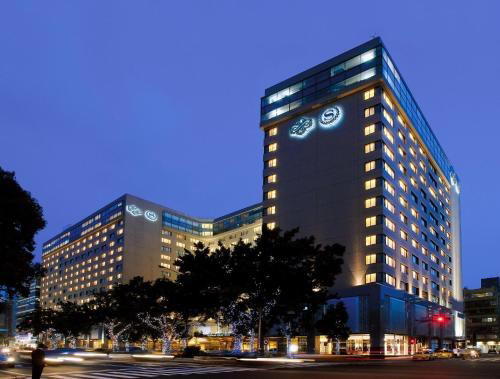
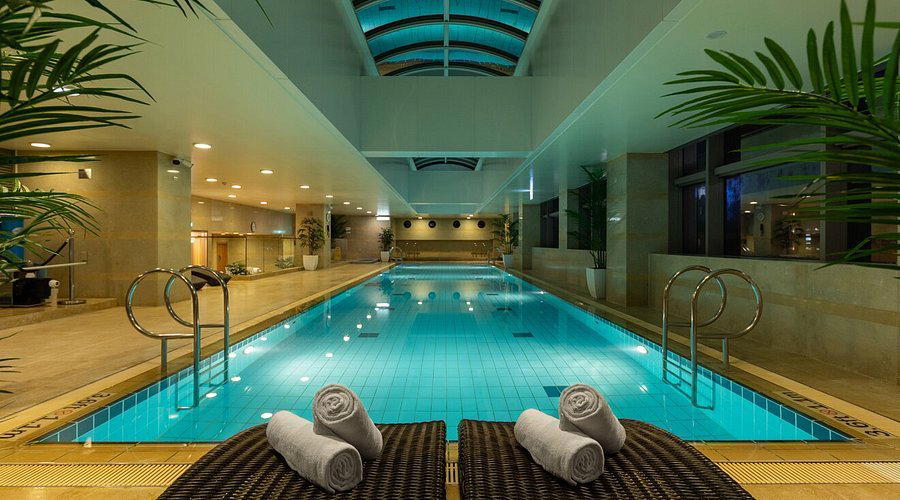
Hotels in Taipei
All hotels in Taipei →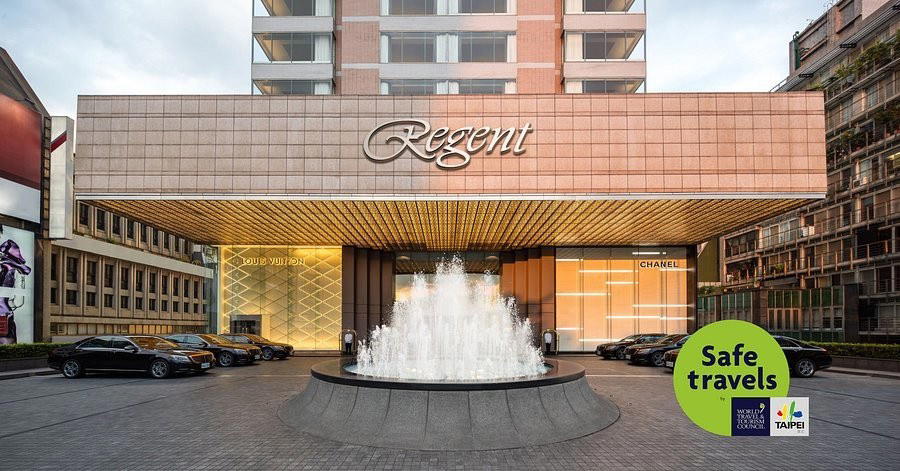
Bars in Taipei
All bars in Taipei →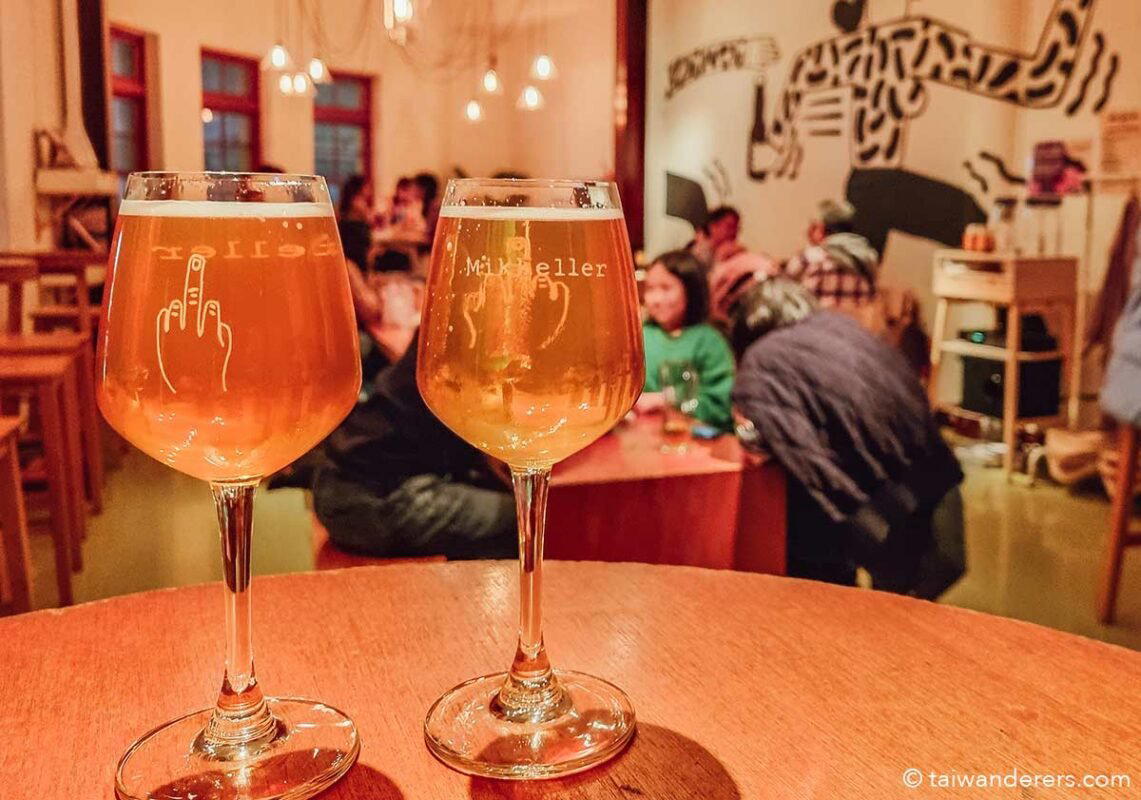
Restaurants in Taipei
All restaurants in Taipei →
Wineries in Taipei
Browse all →
Details
- Weekend Escape
- Historic Building
- Step Free Entrance
Cultural and interactive atmosphere with live performances, costume try-ons, and actor interactions in an intimate theater setting.