Four Seasons Resort Sharm El Sheikh


2 Michelin Keys · World Travel Awards
Egypt's 2025 World Travel Awards winner for Leading Luxury Resort, the Four Seasons Sharm El Sheikh occupies the top tier of the Red Sea mega-resort market. Rates from $340 per night.

Pearl is the En Primeur Club membership app — saves, bookings, and concierge access live there. Same editors, same standards.
- Address
- 1 Four Seasons Boulevard, El-Salam, ثان شرم الشيخ، محافظة جنوب سيناء 8765201
- Phone
- +20 69 3603555
- Website
- fourseasons.com
- Directions
- Get directions
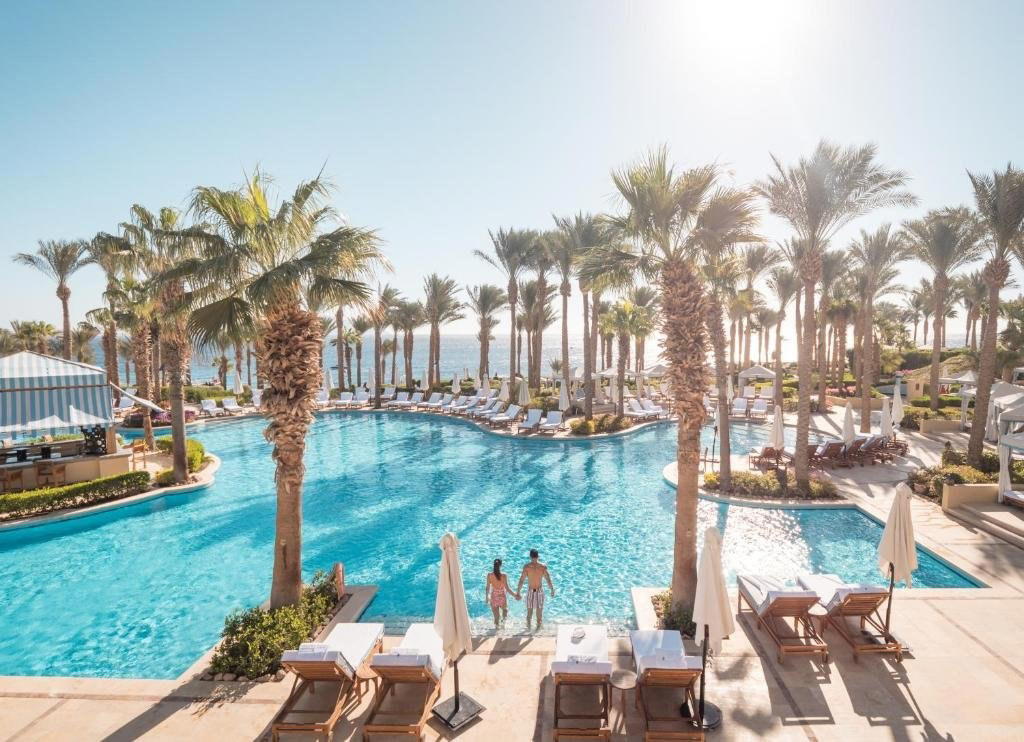
Classical Weight in a Coastal Setting
Sharm El Sheikh is one of the most developed resort destinations on the African continent, a stretch of Sinai coastline that has absorbed decades of international hospitality investment. Within that context, the market has stratified predictably: mid-tier all-inclusives for volume, a cluster of established luxury brands for the premium traveller, and a thin layer at the leading where scale and service discipline converge. The Four Seasons Resort Sharm El Sheikh sits at that upper layer, not because it claims to, but because the 2025 World Travel Awards confirmed it as Egypt's Leading Luxury Resort — a designation that places it ahead of every competitor on this coastline and, for that matter, in the country.
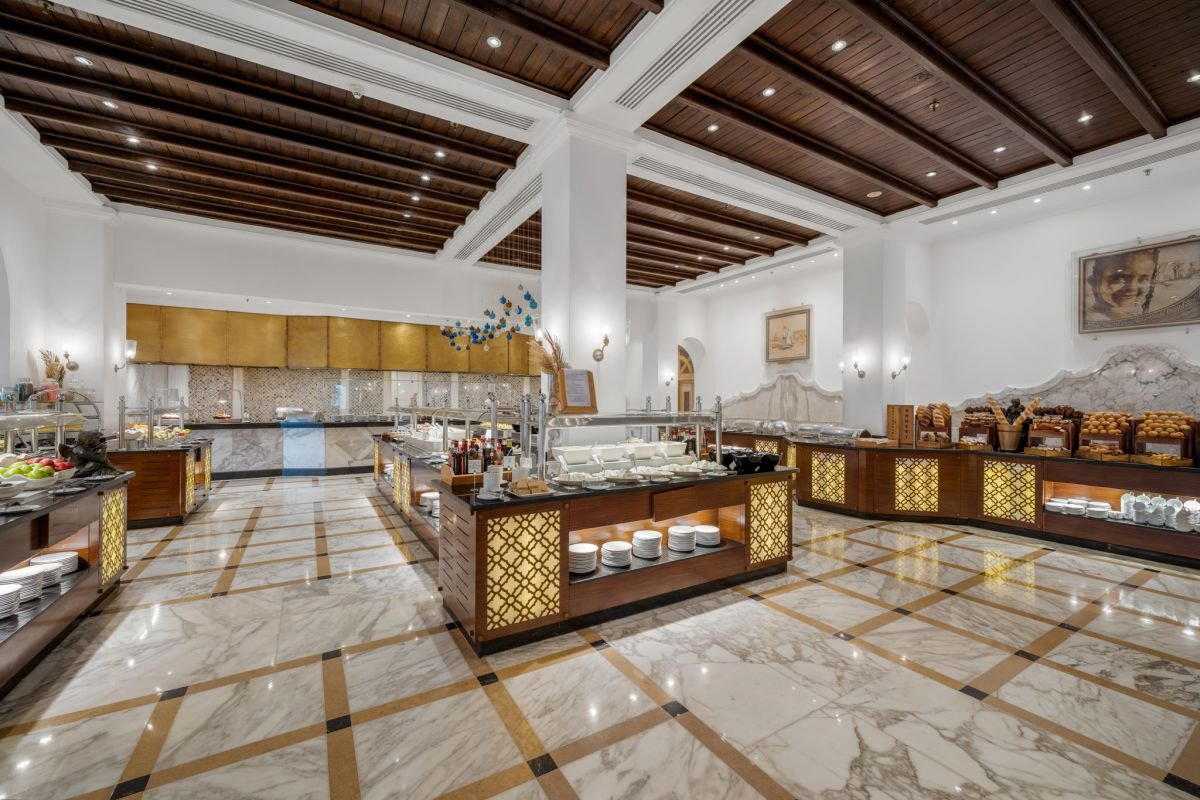
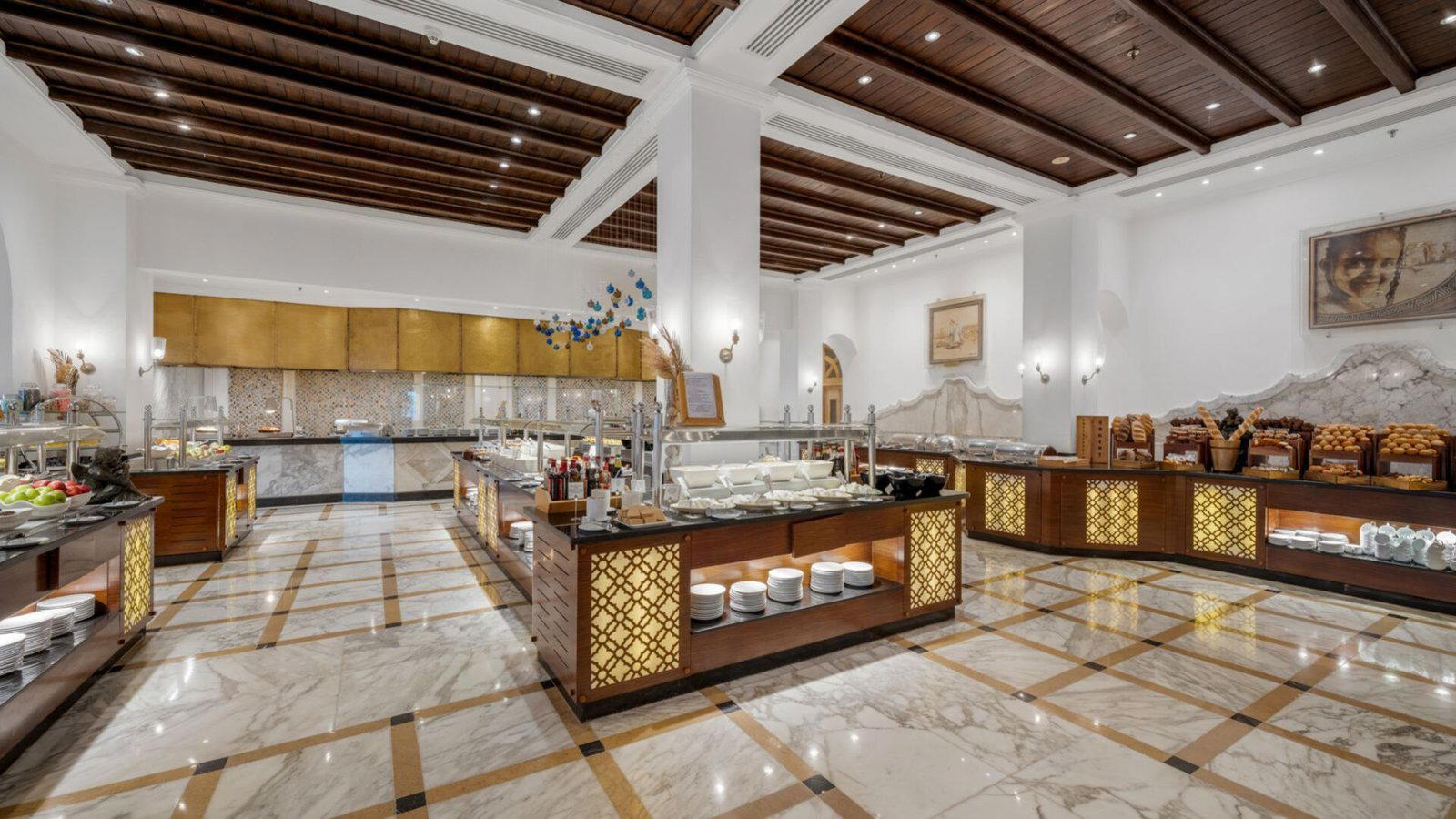
What separates the resort architecturally from the regional pattern of glass towers and maximalist lobbies is a deliberate classicism. Where the Red Sea's newer competitors tend toward a kind of aspirational futurism — finishes that signal expense through novelty, the Four Seasons here reads as almost ceremonially traditional. The proportions are generous without being aggressive. Marble is deployed for surface and structure rather than spectacle. The result is a property that communicates permanence rather than trend, which in a resort market defined by competitive churn is a meaningful design choice. For context, consider how the brand approaches design across its international portfolio: at properties like Four Seasons Hotel Alexandria at San Stefano, classical Mediterranean references anchor the guest experience in local architectural language. The Sharm property follows that same logic applied to Sinai's more dramatic desert-meets-sea geography.
What 289 Rooms Actually Means at This Scale
The property runs 289 rooms and accommodates between 700 and 900 guests at capacity, figures that matter more than they might initially seem. In resort hospitality, room count and capacity dictate everything from corridor noise levels to pool access rhythms to the plausibility of a genuinely responsive concierge. At under 300 rooms with a guest population that maxes out below four figures, the Four Seasons here operates with a staff-to-guest ratio that sustains something that genuinely larger properties cannot: the appearance, and often the reality, of personal attention at scale. Guests are not managed through the property so much as moved through it with assistance.
The entry-level rooms include private terraces and marble bathrooms of a specification that would qualify as a selling point at most hotels in the region. The upper categories operate in a tier that requires no further elaboration, the phrase "Four Seasons suite" carries its own freight of expectation, and the property delivers against it. At a starting rate of $340 per night, the resort sits at the upper boundary of the Sharm El Sheikh market without crossing into the bespoke-villa territory occupied by properties like the Royal Savoy Villas nearby.
The Physical Experience: Water, Stone, and the Red Sea
Red Sea's particular appeal to divers and snorkellers is well established, visibility in the Gulf of Aqaba regularly exceeds 30 metres, and the reef systems off Sinai rank among the most biodiverse in the northern hemisphere. The resort's access to these conditions is organised with the same operational discipline applied to everything else on the property. This is not a dive resort in the specialist sense, it does not compete with the boutique live-aboards departing from Hurghada or the technical-diving operations further along the coast, but it handles the activity with the infrastructure and staffing that guests at this price tier expect. For a comparison of how Red Sea luxury plays out further west, Premier Le Rêve Hotel and Spa in Hurghada represents a different point on the market spectrum.
Dining across the property runs to multiple outlets and operates at a standard the brand's international positioning requires. Egypt's luxury resort dining has improved across the board over the past decade, driven partly by the competitive pressure that properties like this one exert on the market.
Placement Within Egypt's Wider Luxury Market
Egypt's premium hotel market covers a wider geographic range than most travellers initially consider. The Nile corridor alone supports properties of genuine historical weight, the Sofitel Legend Old Cataract in Aswan occupies a category defined as much by colonial-era architecture as by contemporary service. The Western Desert's Shali Lodge in Siwa and the Nile's Al Moudira in Luxor represent the design-led, small-footprint end of the spectrum. The Red Sea coast, by contrast, supports a model built around volume and amenity completeness, and within that model, the Four Seasons Sharm El Sheikh represents the category ceiling.
For travellers comparing Egypt's coast to properties further along the North African shoreline, Address Beach Resort Marassi in Sidi Abd El Rahman and Address Marassi Golf Resort on the North Coast offer a Mediterranean-facing alternative. The experiences are structurally different: Mediterranean coast properties generally attract a domestic Egyptian and regional Arab market during peak summer, while Sharm's year-round warm weather and dive access draw a more internationally distributed guest base. The Four Seasons brand recognition functions differently in each context, in Sharm, it operates as a quality anchor for a market that can otherwise be difficult for first-time visitors to assess from abroad.
Planning a Stay
Sharm El Sheikh International Airport sits approximately ten minutes from the resort by road, making transfers from even short-haul regional flights, Tel Aviv, Beirut, Cairo, operationally painless. The property's all-season position means there is no month in which it closes, though peak European demand concentrates in winter when the Sinai climate is at its most comfortable for outdoor activity. Rates from $340 per night reflect the entry level; suite and upper-category pricing is variable and leading confirmed directly through the brand's reservation system. The concierge operation, noted consistently in independent assessments, is the most reliable point of access for dive operators, excursion bookings, and logistics within the Sinai region. For further context on Sharm's full dining and hospitality picture, the EP Club Sharm El Sheikh guide maps the wider scene. Travellers who want to set this property against the global Four Seasons portfolio might also consider how the brand performs in denser urban environments, Dusit Thani LakeView Cairo offers a useful Cairo comparison point, while internationally, properties like Cheval Blanc Paris and Hotel Du Cap-Eden-Roc represent the European luxury tier against which global travellers tend to benchmark their resort experiences.
Comparison Snapshot
Comparable venues nearby, for context on price, style, and recognition.
| Venue | Cuisine | Price | Awards | Notes |
|---|---|---|---|---|
| Four Seasons Resort Sharm El SheikhThis venue — the venue you are viewing | Luxury resort with spacious suites offering modern design or traditional Arabian décor and private pools. | Not listed | 2 Michelin Keys · World Travel Awards | Not listed |
| Royal Savoy Villas, Sharm El Sheikh | Luxury African-inspired design blending cultural charm with modern comfort, featuring uniquely themed private villas within an exclusive resort setting. | Not listed | World Travel Awards | Soho Square |
| Al Moudira Hotel | Oriental palace with courtyards and lush gardens | $200–300 | 2 Michelin Keys · La Liste Top Hotels | West Bank |
| La Maison Bleue | luxury boutique guest house | $300–500 | 1 Michelin Key · Relais Chateaux Award | El Gouna |
| Fairmont Nile City | Luxury urban hotel on the Nile banks | Not listed | 1 Michelin Key · Forbes 4-Star | Downtown Cairo |
| Four Seasons Hotel Cairo at Nile Plaza | Modern luxury high-rise on the Nile Corniche | Not listed | 1 Michelin Key · Forbes 4-Star | Garden City |
Recognition history
Dated appearances from independent guides and award organizations, with the underlying list record or original source where available.
Michelin 2 Keys
Michelin
World Travel Awards
World Travel Awards
Full recognition history (3 entries)
Michelin 2 Keys
Michelin
Continue exploring
More in Sharm El Sheikh
Hotels in Sharm El Sheikh
Browse all →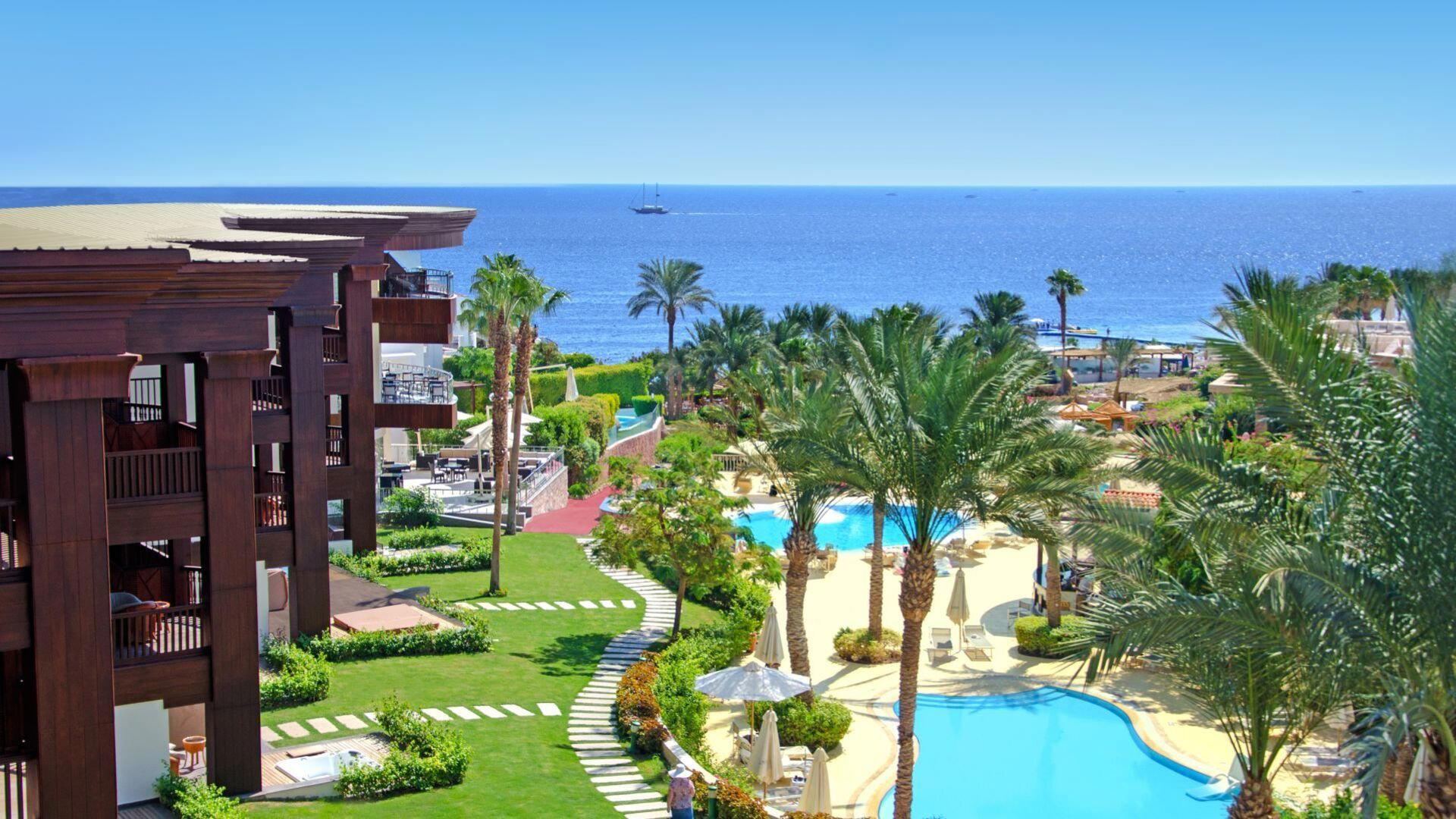
Restaurants in Sharm El Sheikh
Browse all →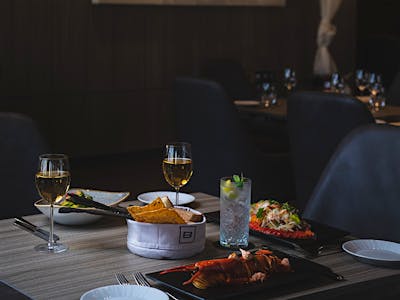
Details
- Elegant
- Sophisticated
- Scenic
- Ornate
- Honeymoon
- Romantic Getaway
- Family Vacation
- Wellness Retreat
- Beachfront
- Infinity Pool
- Destination Spa
- Panoramic View
- Pool
- Spa
- Fitness Center
- Room Service
- Concierge
- Kids Club
- Beach Access
- Tennis
- Private Beach
- Waterfront
- Garden
- Wheelchair Accessible
- Elevator
- Step Free Entrance
Sophisticated and relaxing with spa-like sanctuary bathrooms aglow with sunlight, soundproofed rooms, and serene poolside terraces overlooking the Red Sea.