


Michelin Selected · White Guide Sweden Hotels - Very Fine Level · Design Hotels Member
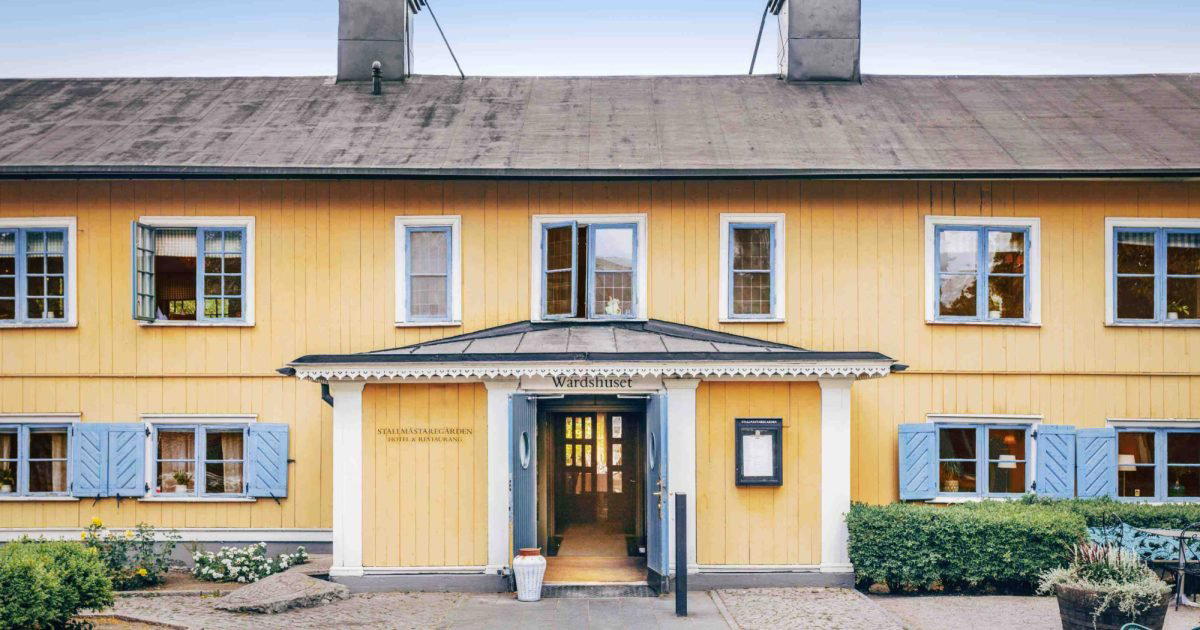
Stockholm's oldest inn, operating near Norrtull since the 1700s, Stallmästaregården occupies a physical and cultural position that few dining addresses in Sweden can match. The 18th-century setting — period interiors, a waterside location on Brunnsviken — frames Swedish cuisine in a context that turns a dinner into something closer to a historical occasion. For milestone meals and special evenings, the combination of setting and culinary tradition is difficult to replicate in the city.

Pearl is the En Primeur Club membership app — saves, bookings, and concierge access live there. Same editors, same standards.
Where the Setting Is the Argument
Stockholm has accumulated a serious dining scene over the past two decades, with Michelin-starred tasting menus, natural wine bars, and New Nordic offshoots competing for attention across Östermalm and Södermalm. Within that scene, Stallmästaregården occupies a different category entirely. Located at Norrtull, on the edge of Brunnsviken lake, the building dates to the 17th century and operated as Stockholm's first inn. That provenance is not decorative context — it shapes the entire experience of dining there, from the rhythm of a meal to the kind of occasion it suits.
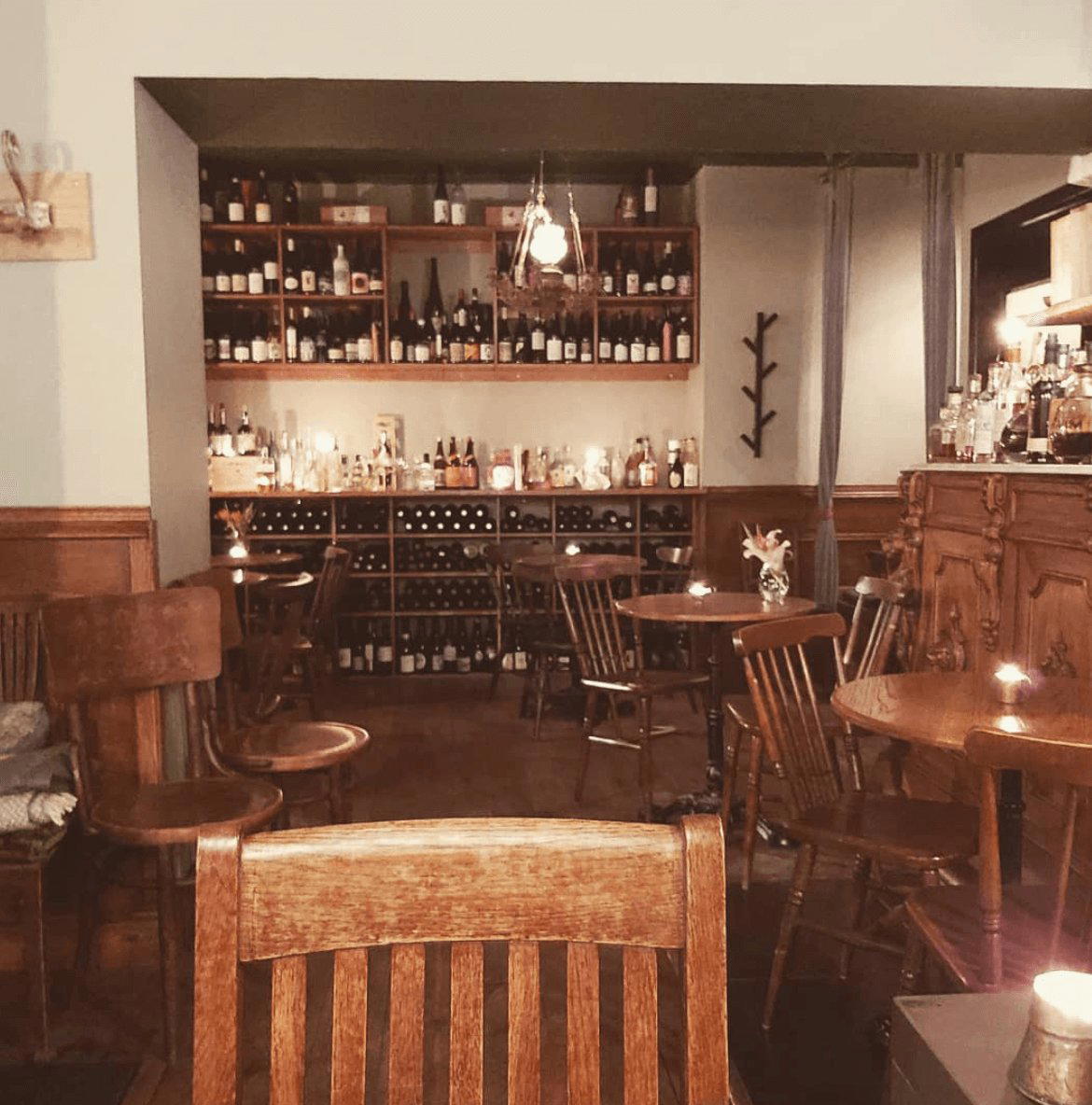
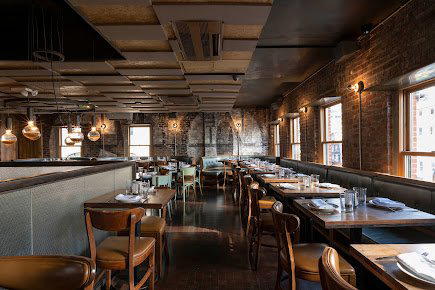
Occasion dining in Stockholm tends to cluster around two poles: the modern tasting-menu format, where the experience is built around chef creativity and progression through courses, and the more ceremonial, institution-style dinner, where the room and its history carry as much weight as the plate. Stallmästaregården belongs firmly to the second tradition. The 18th-century interiors — preserved with the kind of care that Swedish cultural institutions tend to apply to their built heritage, create a register that modern restaurant design cannot manufacture. You are eating inside a period that predates the concept of fine dining as we now understand it.
The Case for a Milestone Meal Here
The logic of choosing a historic inn for a significant occasion is different from the logic of choosing a technically ambitious tasting counter. At a venue like Stallmästaregården, the meal participates in a longer story, a building that has hosted dinners across three centuries, a Swedish culinary tradition that runs from husmanskost to royal banquet culture, a lakeside position that places the table inside the landscape rather than apart from it. That continuity carries a particular kind of weight for anniversaries, birthdays, and formal celebrations where the surroundings are meant to signify as much as the food.
Stockholm's competition for this specific occasion-dining niche is limited. Properties like Görvälns Slott in Järfälla offer a similar combination of Swedish heritage architecture and formal dining, but sit further from the city centre. The historic hotel dining rooms of addresses like Grand Hôtel Stockholm or Berns Hotel bring their own ceremonial weight, but within an urban, hotel-framed context.
Swedish Cuisine in Its Most Contextual Setting
Swedish fine dining has spent the last decade in conversation with New Nordic principles: foraged ingredients, hyper-locality, minimal intervention, seasonal discipline. That current has produced some of Scandinavia's most discussed restaurants. But traditional Swedish cuisine, the older register of pickled herring, cured fish, root vegetables, game, and dairy-rich sauces, has its own integrity, and it reads very differently when served in a room that predates the Nordic food movement by two centuries. At Stallmästaregården, the culinary tradition and the architectural container are in alignment rather than tension. The Swedish dishes served here are not positioned as a heritage revival project; they are the continuation of what the building has always been for.
For guests arriving from properties such as Ett Hem or At Six, whose design languages are emphatically contemporary, the shift into Stallmästaregården's 18th-century interior registers as a genuine counterpoint, a reminder that Swedish hospitality has a long pre-modern tradition that the current design culture is only one chapter of. Guests staying at Blique by Nobis or Backstage Hotel Stockholm will find the same contrast useful: a single dinner here reframes the city in a way that Michelin-focused or trend-led restaurants do not.
The Waterside Setting and What It Changes
The location on Brunnsviken is not incidental. In Stockholm, where the relationship between the city and its surrounding water defines neighbourhood character from Djurgården to Lidingö, a lakeside dining room carries a specific atmospheric register. In summer months, the terrace extends the dining experience outdoors in a way that urban restaurant terraces, hemmed between buildings, looking onto street-level activity, cannot replicate. The shift from interior to exterior here is a shift in kind, not just degree: from period rooms to open water, from candlelight and dark wood to birch trees and the northern sky. For occasions that benefit from that transition, long celebratory lunches, summer anniversary dinners, milestone events that call for a change of gear mid-meal, the setting provides a structural asset that the food alone could not.
Comparable properties that combine Swedish heritage architecture with significant natural settings include Arctic Bath in Harads and Fjällbacka further up the coast, but those require travel beyond the capital. Within Stockholm's accessible radius, Stallmästaregården's combination of lakeside position and historic building fabric is not replicated at the same standard.
Planning a Visit: What to Know
Stallmästaregården sits at Norrtull, roughly at the point where the city transitions toward Haga Park and Brunnsviken, making it reachable from central Stockholm by taxi or a short drive. The address, Norrtull, Stockholm 113 47, places it north of the city's hotel concentration, so guests staying centrally at properties like Bank Hotel, Freys Hotel, or Berns Hotel should factor in transfer time when planning a dinner booking. For special occasions, the journey north through Vasastan toward the lakeside setting tends to feel intentional rather than inconvenient, the physical separation from the city's main hotel and restaurant corridors reinforces the sense of having gone somewhere distinct.
Given the venue's draw for celebrations and group meals, booking ahead is advisable, particularly for weekend evenings and summer terrace dates. The reputation for hosting milestone events means that those slots fill predictably. Visiting between late spring and early September captures the waterside setting at its most useful, when outdoor seating is viable and the northern light extends well into the evening.
For a broader view of Stockholm's dining options across categories and neighbourhoods, the EP Club Stockholm guide maps the city's restaurant and hotel scene in detail. Those planning a wider Scandinavian itinerary might also consider Vyn Restaurant in Östra Nöbbelöv or Dorsia Hotel and Restaurant in Gothenburg as further reference points for the region's high-end dining tradition.
Accolades, Compared
Comparable venues nearby, for context on price, style, and recognition.
| Venue | Cuisine | Price | Awards | Notes |
|---|---|---|---|---|
| StallmästaregårdenThis venue — the venue you are viewing | Historic farmhouse-style boutique in royal park setting | Not listed | Michelin Selected · White Guide Sweden Hotels - Very Fine Level | Not listed |
| Hotel C Stockholm | Contemporary design hotel in the city center with mural walls featuring Stockholm sights. | Not listed | Preferred Hotels Member | Norrmalm |
| Hotel Skeppsholmen | Intimate historic boutique hotel blending 17th-century architecture with contemporary Scandinavian design, positioned as a design-forward urban retreat. | $200–300 | Michelin Selected · Design Hotels Member | Skeppsholmen |
| Downtown Camper by Scandic | Lifestyle hotel promoting affinity, creativity, and urban exploration | $100–200 | Michelin Selected · White Guide Sweden Hotels - Exceptional Level | Norrmalm |
| Story Hotel Stockholm Stureplan - JDV by Hyatt | Boutique hotel in historic 19th-century building with contemporary design. | $100–200 | Michelin Selected | Östermalm |
| Miss Clara by Nobis | Boutique design hotel in historic Art Nouveau building | Not listed | Michelin Selected · Design Hotels Member | Norrmalm |
Recognition history
Dated appearances from independent guides and award organizations, with the underlying list record or original source where available.
Michelin Selected
Michelin
Design Hotels Member
Design Hotels
White Guide Sweden Hotels - Very Fine Level
White Guide
Continue exploring
More in Stockholm
Hotels in Stockholm
All hotels in Stockholm →
Details
- Classic
- Elegant
- Cozy
- Scenic
- Rustic
- Sophisticated
- Romantic Getaway
- Anniversary
- Weekend Escape
- Historic Building
- Garden
- Terrace
- Panoramic View
- Wi Fi
- Restaurant
- Room Service
- Concierge
- Business Center
- Meeting Rooms
- Garden
- Bicycle Rental
- Waterfront
- Garden
- Wheelchair Accessible
- Elevator
- Step Free Entrance
- Accessible Parking
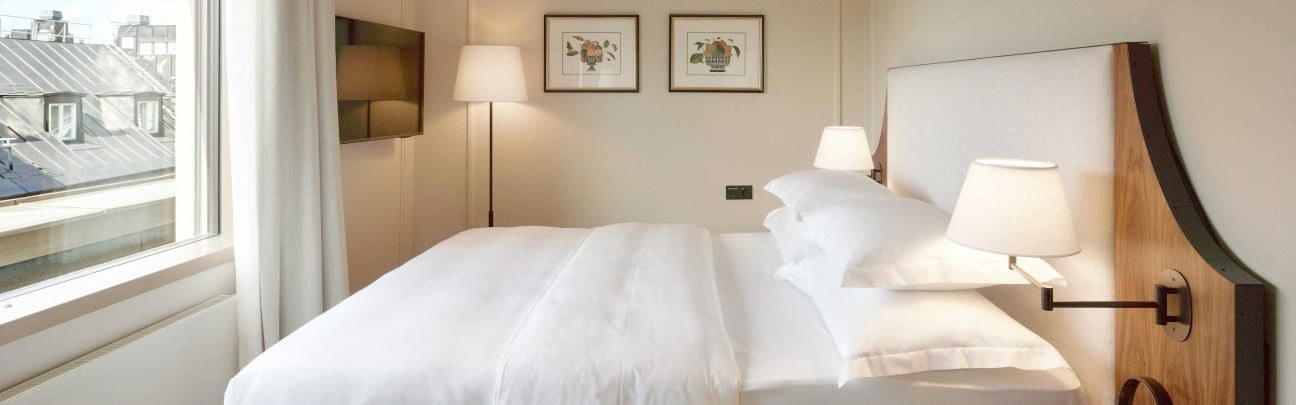
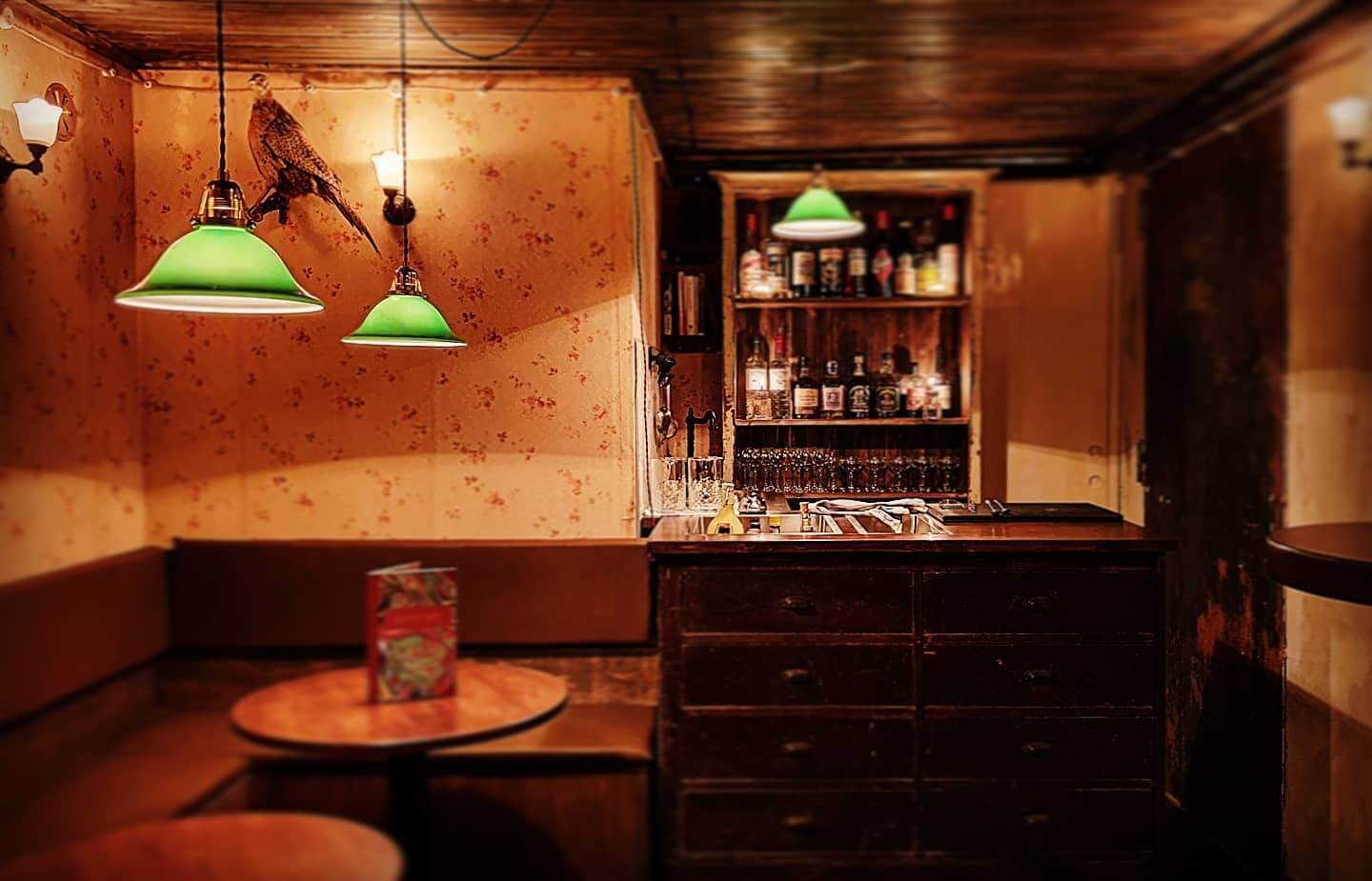
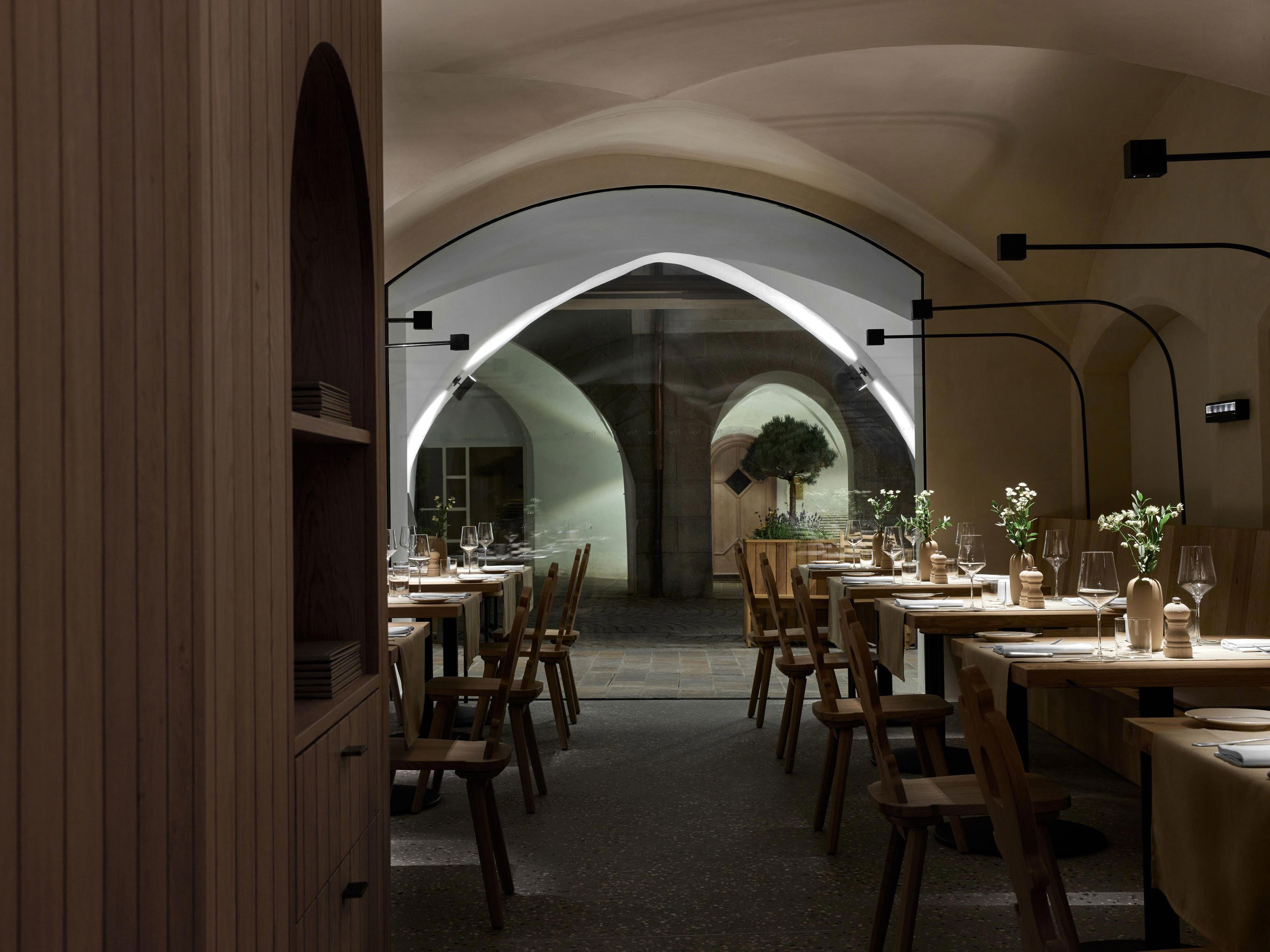
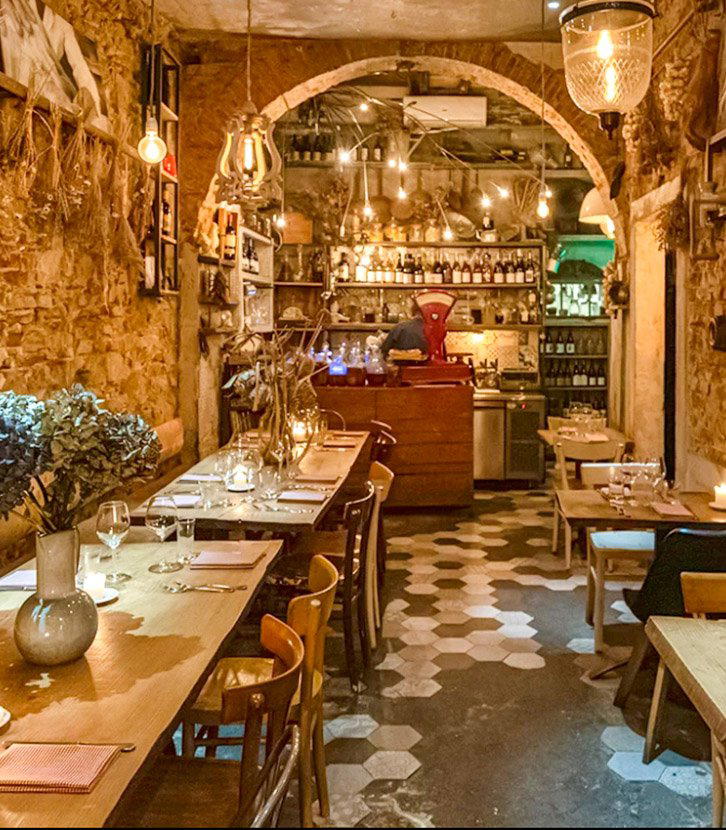
Cozy lobby with fireplace, classy historical interiors merging rustic sophistication, soundproof rooms, and serene park surroundings.