Fjällbacka
Fjällbacka is a small fishing village on Sweden's Bohuslän coast, where granite rock faces drop directly into the sea and wooden houses painted in muted Scandinavian tones line the waterfront. The town sits between Gothenburg and Oslo, reachable by car or seasonal boat, and draws visitors who want the physical drama of the Swedish archipelago without the infrastructure of a resort. Its architectural character is shaped almost entirely by the landscape rather than by development.
Pearl is the En Primeur Club membership app — saves, bookings, and concierge access live there. Same editors, same standards.
- Address
- 457 40 Fjällbacka, Sweden
- Phone
- +46 525 329 30
- Directions
- Get directions
 Saves & bookings on Pearl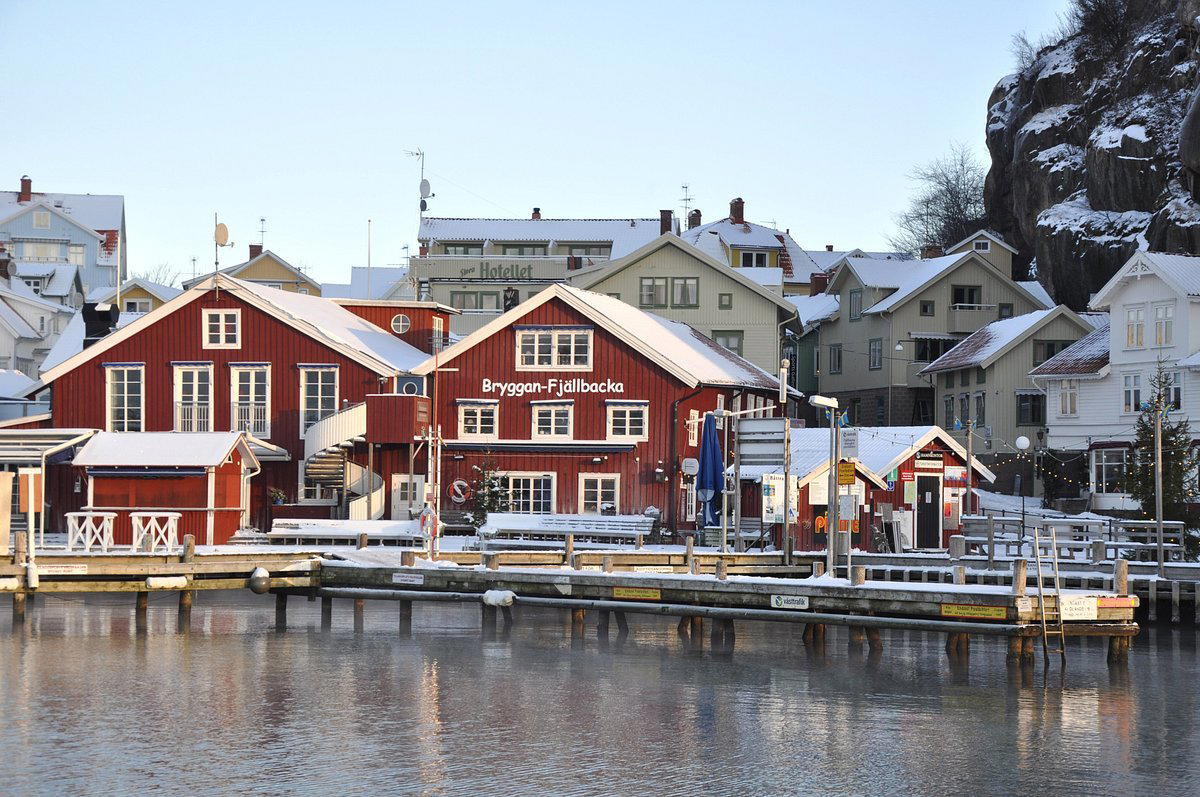
Where the Rock Is the Architecture
On Sweden's Bohuslän coast, the conventional relationship between building and landscape is reversed. In most seaside towns, structures define the skyline and the water serves as backdrop. In Fjällbacka, the granite does both. The village sits at the base of Vetteberget, a cliff face that rises sharply from the main square and has shaped every decision about where to build, how high, and in what direction. The result is a settlement that reads less like a planned town and more like an accumulation of human responses to an unyielding geology, which, architecturally speaking, is more interesting than most deliberate design.
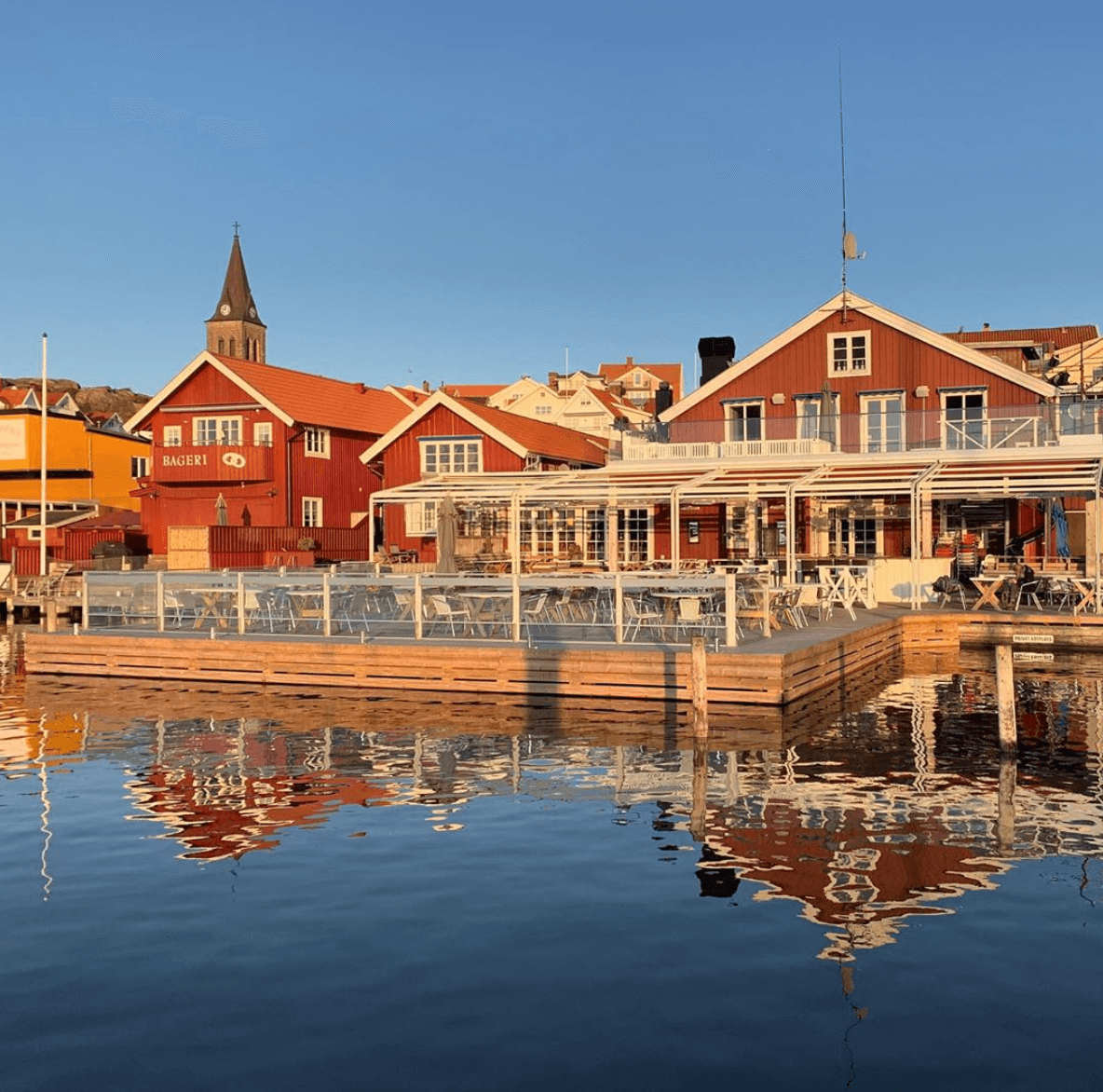
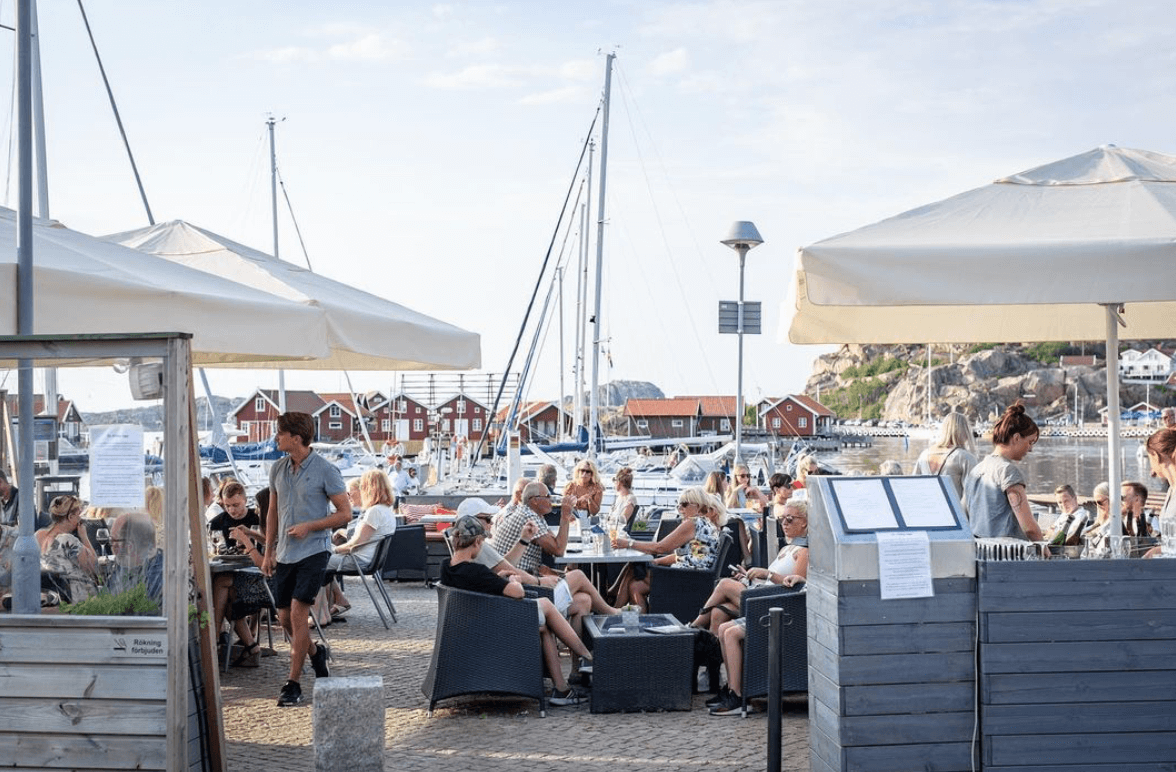
The compressed scale is part of what defines the physical experience. Streets are narrow by necessity, not affectation, because the rock leaves little room for width. Wooden houses in ochre, white, and the particular rust-red associated with traditional Swedish fishing villages press close to one another along the waterfront, their proportions dictated by plot sizes that the terrain, not a planner, determined. This is the architectural condition of the Bohuslän coast more broadly: a vernacular built around constraint, which gives it a consistency that larger, more developed Swedish resort towns have largely lost.
The Bohuslän Vernacular and What It Tells You
Understanding Fjällbacka's built environment requires a brief account of Swedish coastal vernacular generally. The Bohuslän coast, running north from Gothenburg toward the Norwegian border, was historically a working fishing economy. Its architecture reflects that: modest in scale, practical in form, with the decorative impulse limited to colour, the falun red derived from copper mining waste that became a marker of Swedish rural building, and the white trim that signals a certain modest prosperity. Fjällbacka sits within this tradition, though its particular topography makes it a sharper example than most.
What distinguishes the village from comparable Bohuslän settlements, places like Grebbestad or Hamburgsund to the north, is the presence of Vetteberget as an organizing principle. The cliff forces the town into a narrow strip between rock and water, creating a linear arrangement that gives the main quay an unusual intensity. Everything is close; sound carries; the smell of the sea is constant. These are conditions that architecture rarely creates on its own but that this landscape delivers without effort.
For travellers comparing this kind of setting against other Nordic coastal experiences, the reference points are different in scale but comparable in character. Arctic Bath in Harads operates on a similar principle of landscape-first design, where the natural environment sets the aesthetic terms and the built elements respond rather than impose. The Bohuslän coast applies that logic to an entire village rather than a single property.
What the Physical Space Asks of You
Fjällbacka is a place that rewards movement on foot. The main square, Ingrid Bergman's torg, named for the actress who spent summers here and whose connection to the town is documented in Swedish cultural history, is a natural gathering point, but the more architecturally revealing walks go up: the path to stronger examples from Vetteberget offers the only vantage point from which the relationship between settlement and rock becomes fully legible. From street level, you are always inside the compression. From above, you see how small the human footprint actually is against the granite.
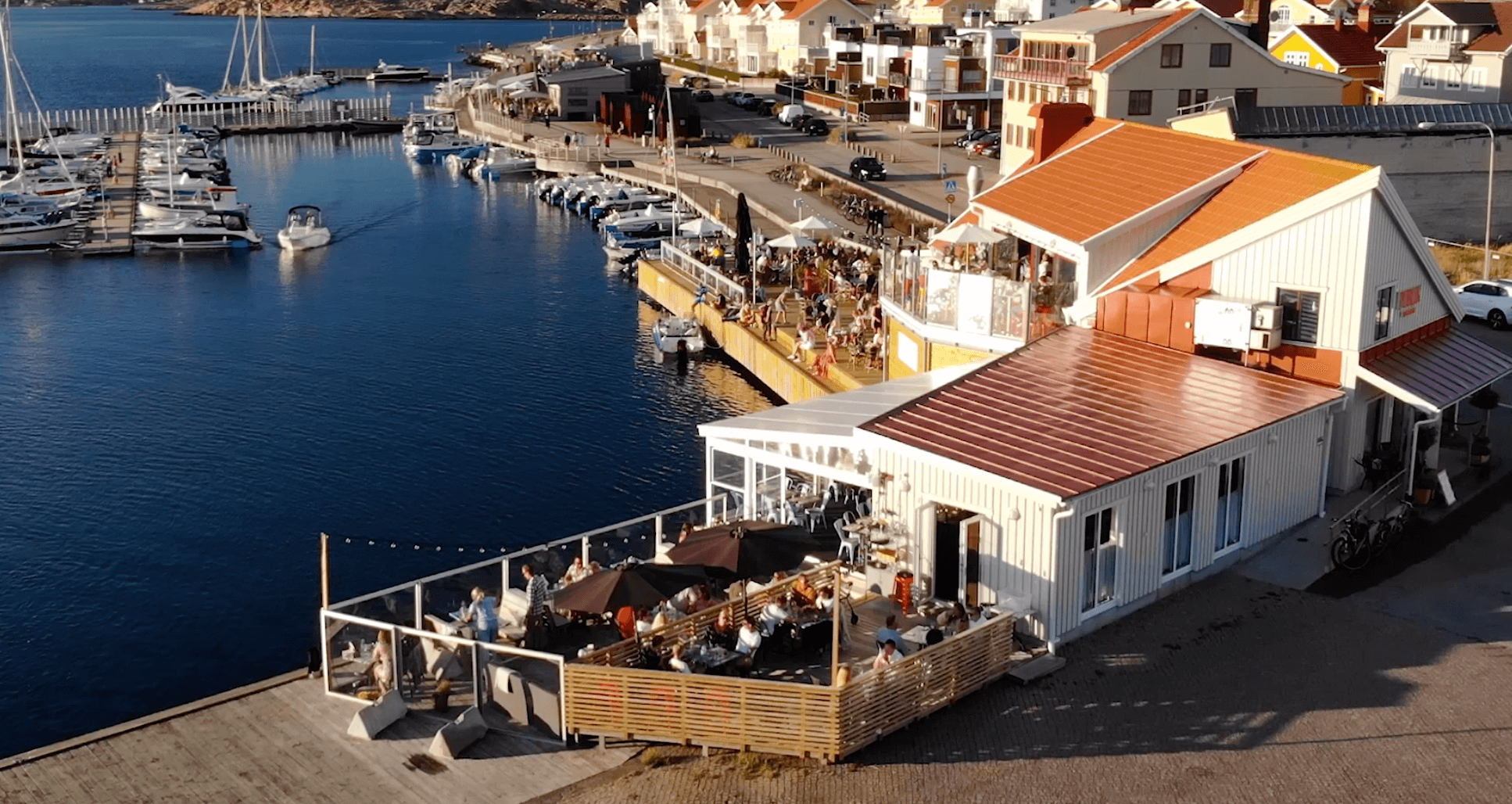
The waterfront is functional in the way that fishing harbour architecture tends to be: wooden jetties, boat storage, the infrastructure of a working coast that has absorbed tourism without fully converting to it. This is increasingly rare. Many comparable coastal villages in Scandinavia have tipped toward seasonal monoculture, where the economy runs almost entirely on summer visitors and the fabric of the town shifts accordingly. Fjällbacka retains enough year-round character that the architecture doesn't feel performed.
Seasonality matters here in practical terms. The village is most accessible between May and September, when boat connections from Gothenburg and local ferry services operate at fuller frequency. Outside those months, the coast empties considerably, and the architectural drama of the setting becomes more austere, which is a different kind of experience, but one that many visitors who have read the landscape carefully find more revealing.
Placing Fjällbacka Within the Wider Swedish Travel Circuit
Fjällbacka sits approximately three hours by car from Gothenburg, which functions as the practical entry point for most international travellers. For those building a Swedish itinerary that moves between urban and coastal, the Bohuslän coast generally slots in after time in Gothenburg, where properties like Dorsia Hotel and Restaurant offer a different register of Swedish hospitality, before heading further inland or north.
The village offers something narrower: a specific physical environment, a particular architectural character, and the kind of atmospheric compression that comes from a place built by geology rather than planning. Those looking for the institutional weight of a major city property, the kind of calibrated experience available at Ett Hem in Stockholm, will find Fjällbacka operating at a different register. The comparison is not invidious; they serve different decisions.
For context on how Swedish coastal and landscape-led properties sit within the broader Nordic design conversation, it is also worth noting properties like Vyn Restaurant in Östra Nöbbelöv, which similarly positions itself around a landscape relationship. The Bohuslän coast fits within a recognizable Swedish tradition of design that treats the natural environment as the primary aesthetic fact and builds human spaces accordingly.
Internationally, the design-led properties that draw closest comparison in terms of their relationship to difficult, dramatic terrain include Amangiri in Canyon Point and Castello di Reschio in Lisciano Niccone, both properties where the built intervention is explicitly in conversation with a landscape that predates and dominates it. Fjällbacka operates on the same logic at a village scale, without the architectural authorship of a single designer behind it.
Planning Your Visit
At-a-Glance Comparison
Comparable venues nearby, for context on price, style, and recognition.
| Venue | Cuisine | Price | Awards | Notes |
|---|---|---|---|---|
| FjällbackaThis venue — the venue you are viewing | Historic seaside guesthouse with nautical charm | $$ | Not listed | Not listed |
| Ruby Hotel Stockholm | Large urban design hotel in a mixed-use development on Drottningholmsvägen, positioned as Ruby’s ‘lean luxury’ lifestyle concept for both visitors and locals. | Not listed | Not listed | Kungsholmen |
| Hjortviken Country Club | Modern country club resort | $$$ | Not listed | Hindas |
| Ruby Hotel Malmö | Lean Luxury design hotel | $$$ | Not listed | Davidshall |
| Ruby Hotels Stockholm | Urban lean-luxury design hotel with a strong lifestyle and music narrative. | $$$ | Not listed | Kungsholmen |
| Akademihotellet - Clason House Rooms | Charming boutique extension of a classic city hotel set within a 17th‑century heritage property in Uppsala’s historic core. | $$ | 3-Star | historic quarter |
Continue exploring
More in Fjällbacka
Hotels in Fjällbacka
Browse all →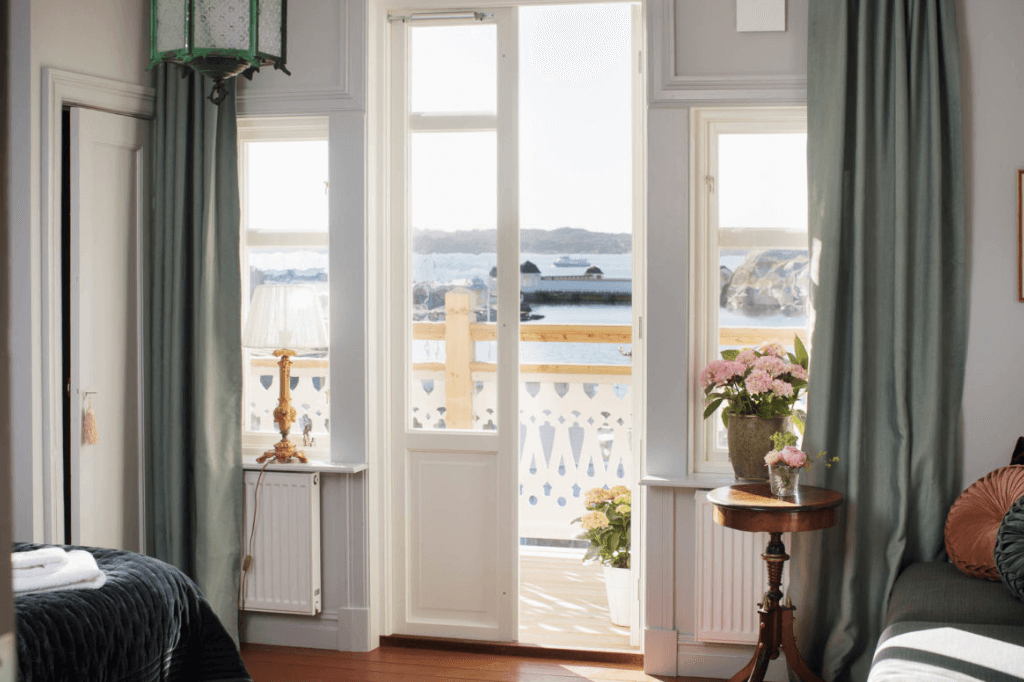
Bars in Fjällbacka
Browse all →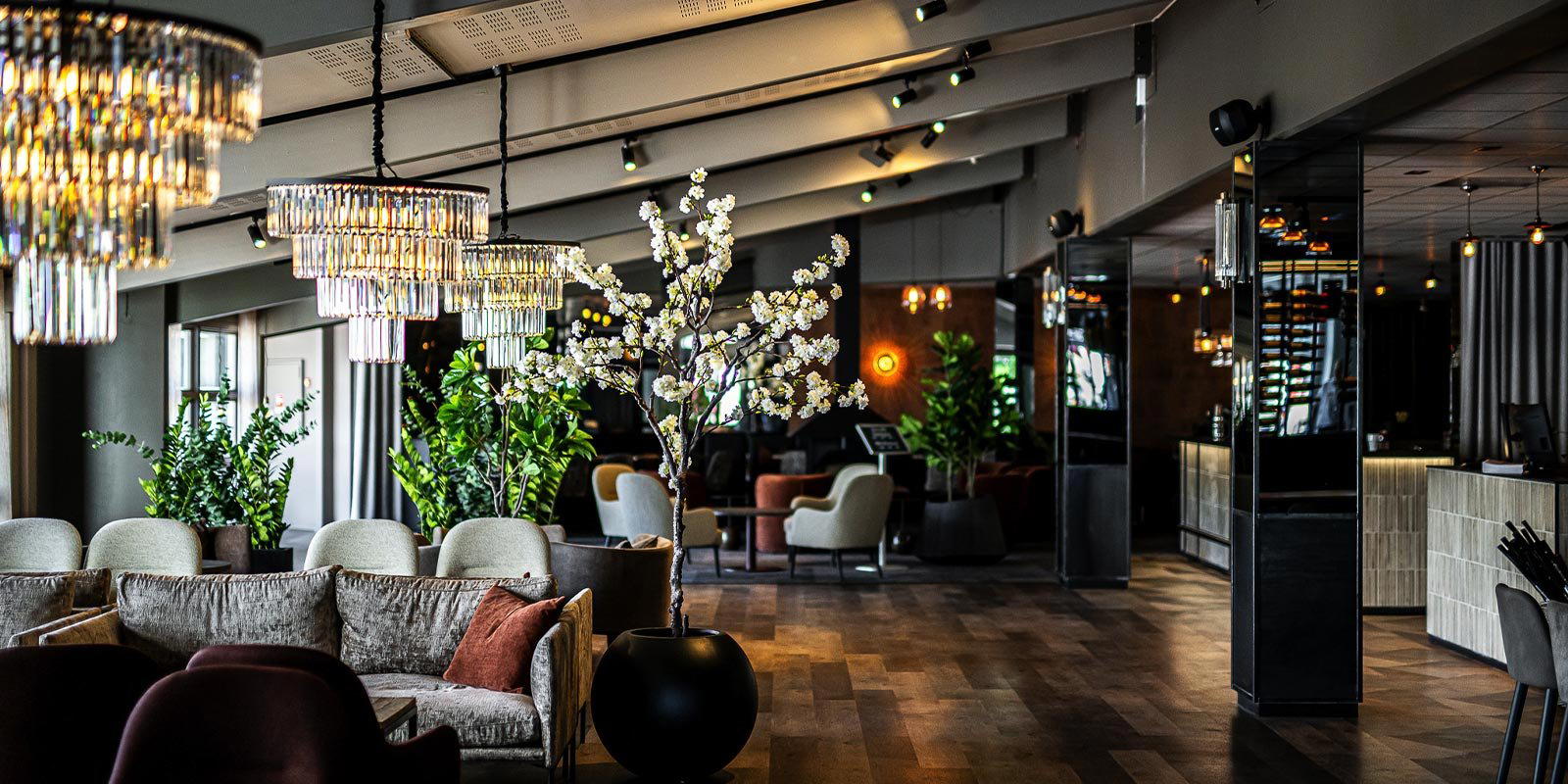
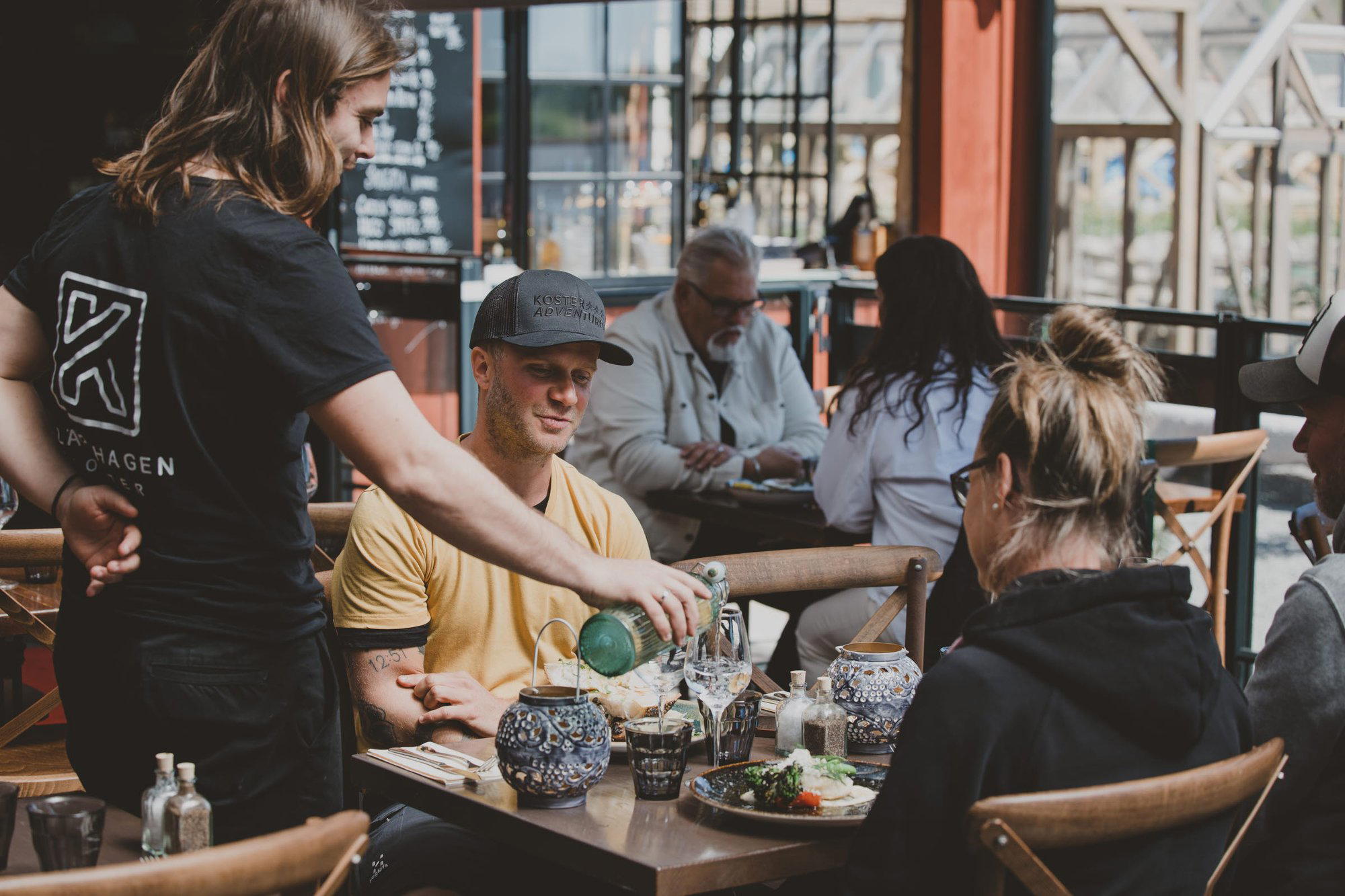
Restaurants in Fjällbacka
Browse all →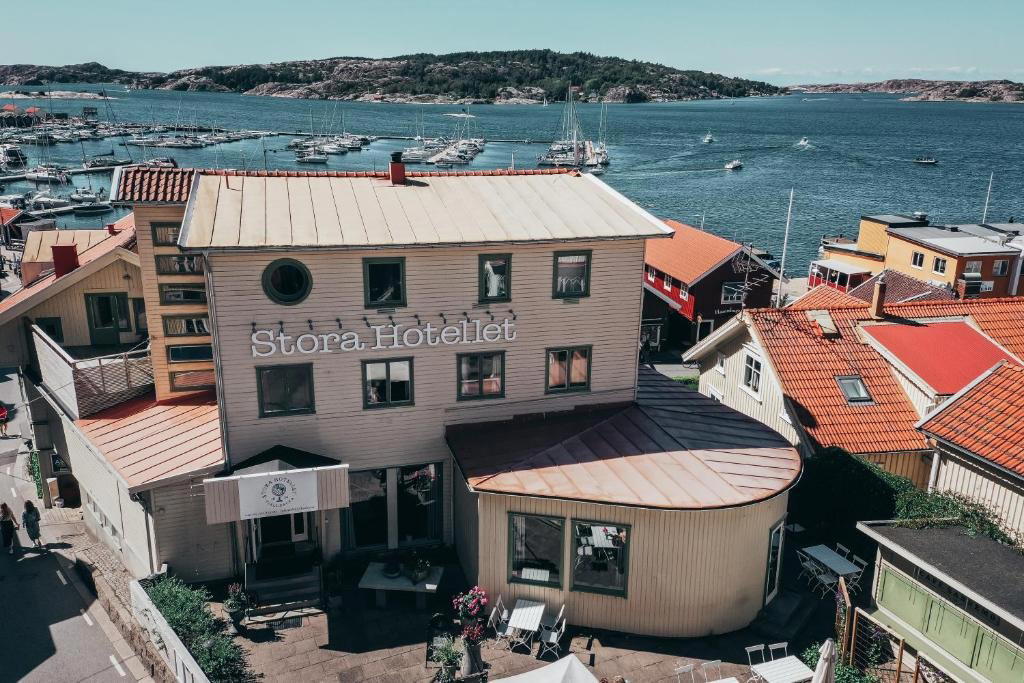
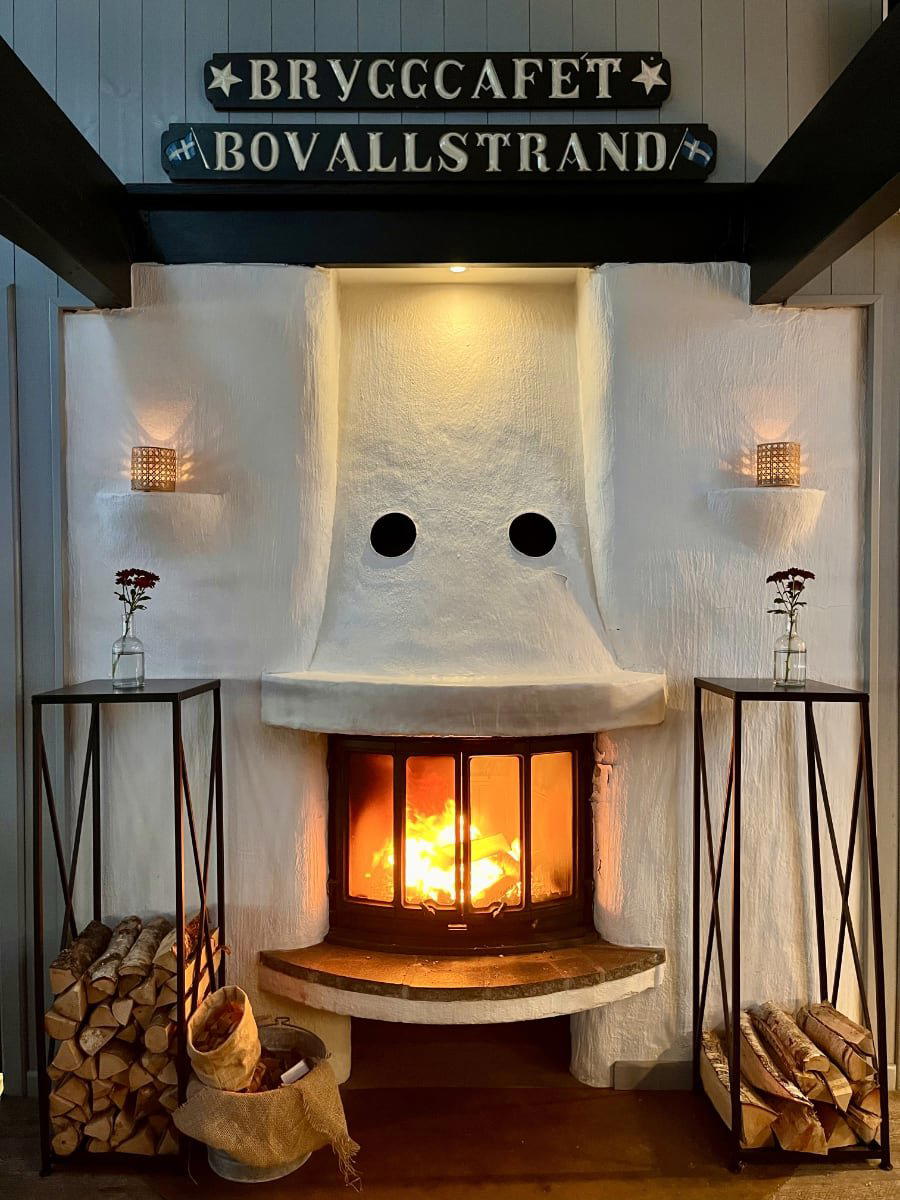
Wineries in Fjällbacka
Browse all →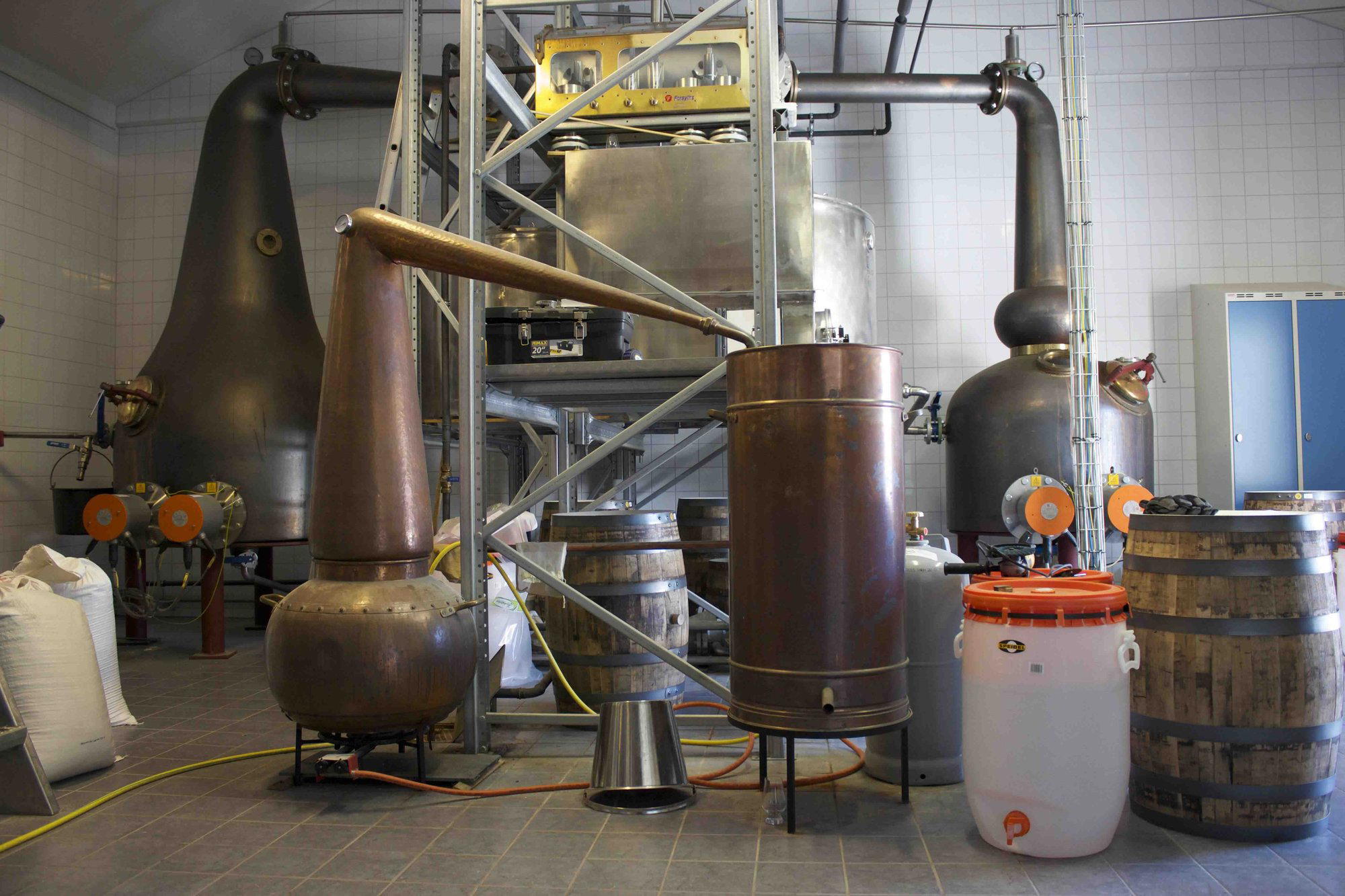
At a Glance
- Romantic
- Cozy
- Scenic
- Charming
- Historic
- Romantic Getaway
- Weekend Escape
- Waterfront
- Historic Building
- Panoramic View
- Wi Fi
- Restaurant
- Bar
- Room Service
- Concierge
- Waterfront
- Mountain
- Wi Fi
- Restaurant
- Bar
- Room Service
- Concierge
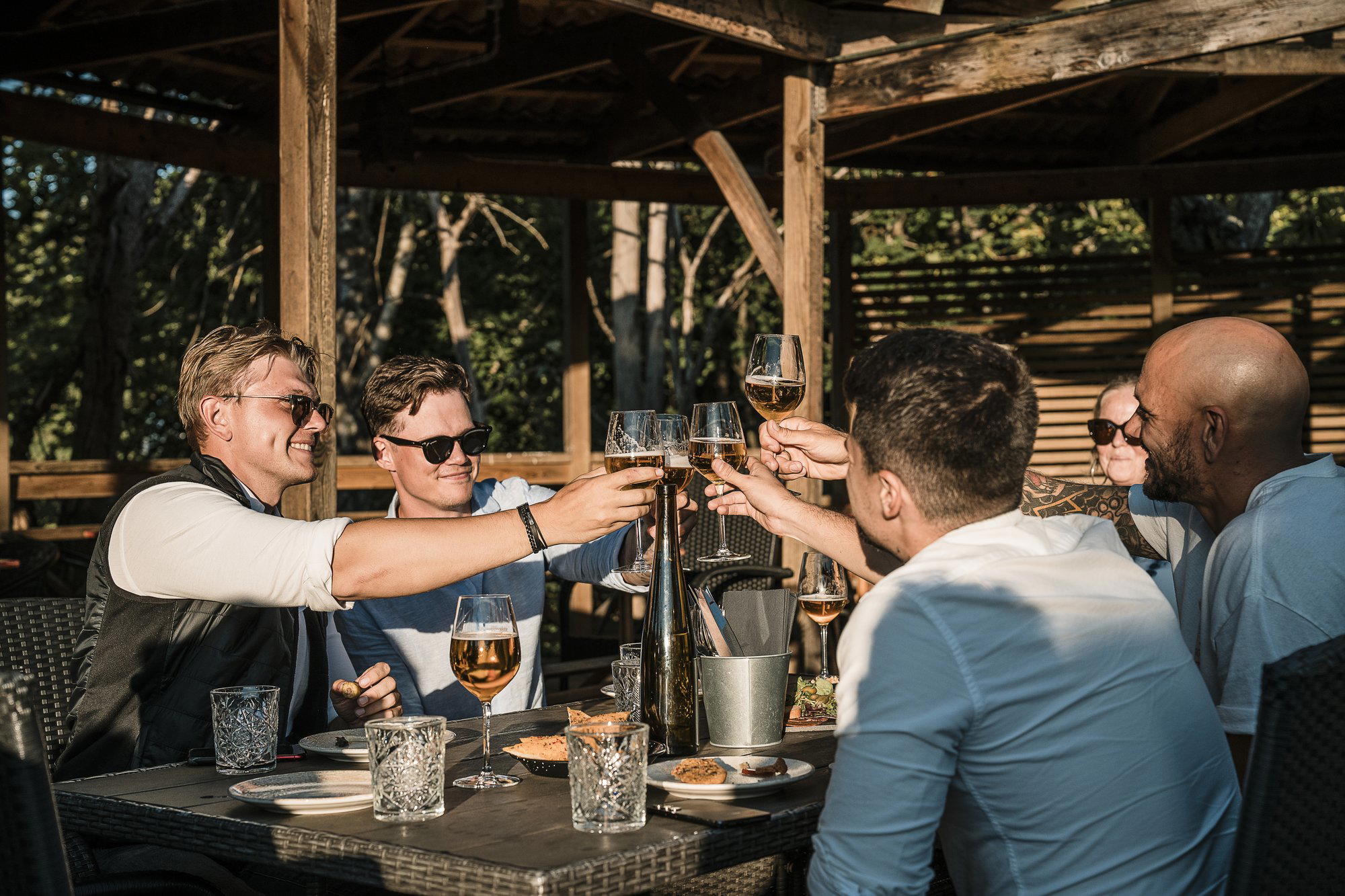
Warm, laid-back coastal atmosphere with cozy, charming spaces blending historic nautical character and tranquil seaside tranquility.