


Michelin Selected · Design Hotels Member · White Guide Sweden Hotels - Exceptional Level
Hotel Skeppsholmen occupies a centuries-old Royal Marine barracks on Skeppsholmen island, carefully restored with soft colours and modernist restraint. The property sits apart from Stockholm's main hotel corridor, offering water views and an unusual quietness within walking distance of Gamla Stan and Djurgården. It is among the few Stockholm hotels where architectural history and considered design coexist without either overwhelming the other.

Pearl is the En Primeur Club membership app — saves, bookings, and concierge access live there. Same editors, same standards.
- Address
- Gröna Gången, 1, Stockholm 111 86, Sweden
- Phone
- +46 8 407 23 29
- Website
- marriott.com
- Directions
- Get directions
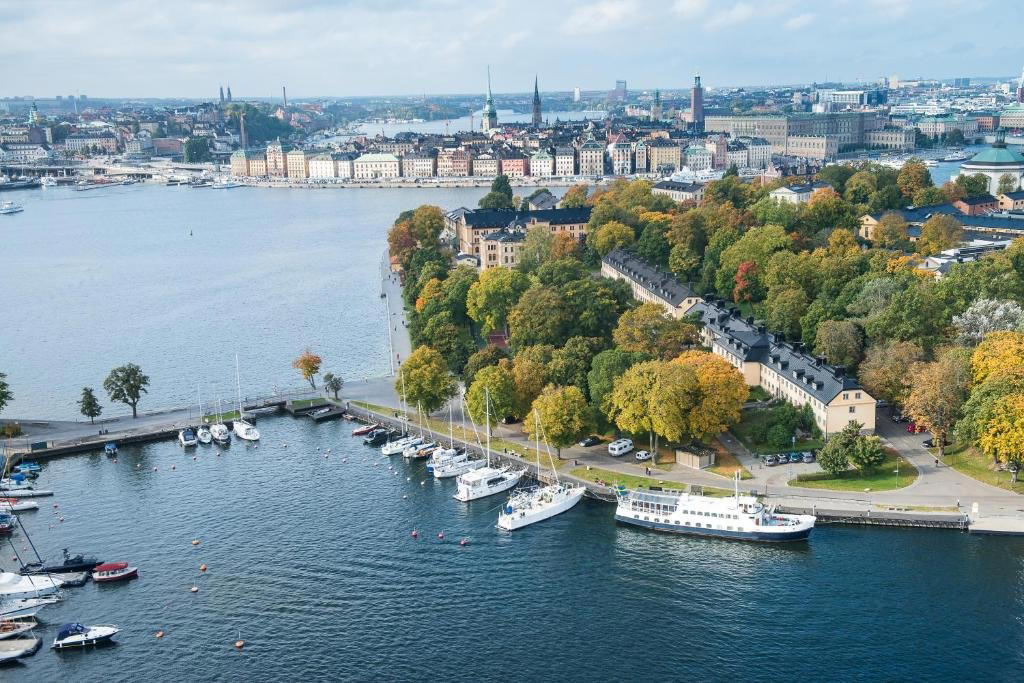
An Island Apart: Stockholm's Royal Marine Barracks as a Hotel
Skeppsholmen sits in Stockholm's inner archipelago as a literal island between the Gamla Stan waterfront and the open Baltic approach, connected to the city by a single bridge. The physical separation is not incidental to the experience here. Arriving means crossing water, leaving the density of Östermalm or Södermalm behind, and stepping onto a place that has operated at a different register for centuries. The buildings that now form Hotel Skeppsholmen date to the era of Swedish naval supremacy, when the island served as the administrative and operational base for the Royal Swedish Navy. That institutional past is legible in the architecture: long, restrained neoclassical facades in the Swedish tradition, proportioned for authority rather than ornament, set around open courtyards where the Baltic light arrives in long, low angles for most of the year.
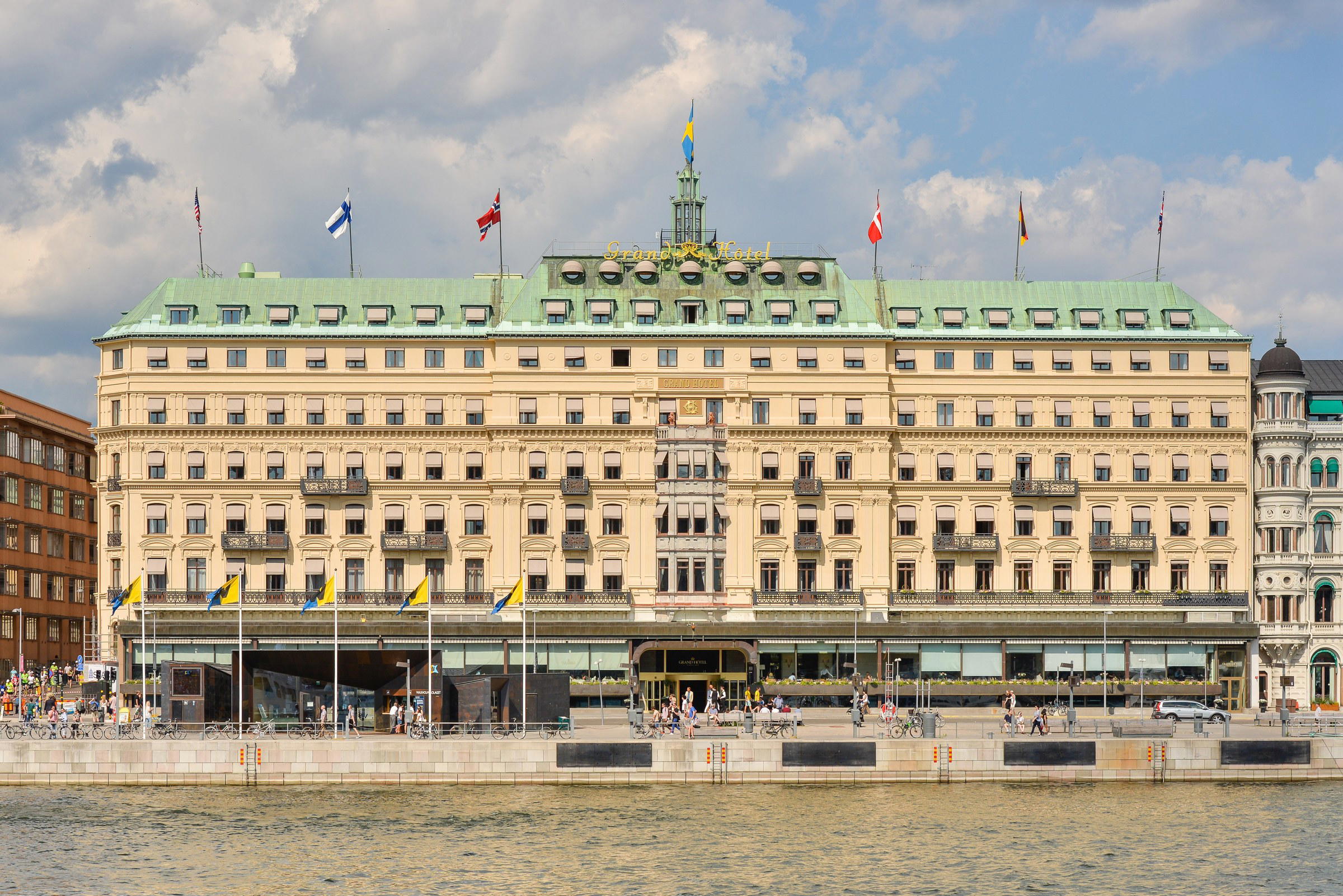
What the hotel does with that inheritance is the interesting editorial question. Stockholm's premium accommodation has split across two broad models in the past decade. The first is the design-led conversion, which takes industrial or institutional fabric and applies a recognizable Scandinavian aesthetic vocabulary to it. The second is the full-service international hotel, represented most explicitly by the Grand Hôtel Stockholm on the Blasieholmen waterfront. Hotel Skeppsholmen belongs firmly to the first category, approaching the former Royal Marine barracks with soft, considered colors and a modernist sensibility that refuses to compete with the architecture or overwhelm it.
The Sensory Character of the Place
Stockholm hotels that occupy historic structures tend to resolve the tension between old and new in one of two ways: they either theatricalize the history, or they let it recede. Skeppsholmen takes the second approach. The interiors work through restraint, with pale tones and natural materials that absorb rather than amplify the surrounding light. In winter, when Stockholm's daylight window narrows to six or seven hours, the internal atmosphere becomes its own argument for the choice of palette: warm without being heavy, calm without feeling institutional. In summer, the dynamic reverses. The long Nordic evening light extends well past ten o'clock, and the island's open position means that light reaches the buildings from multiple angles. The courtyards become functional outdoor spaces during that window, and the water views that frame the property shift from a quiet backdrop into an active part of the experience.
This is a hotel where the sensory texture is cumulative rather than immediate. The approach from the bridge, the scale of the barracks buildings against the water, the internal quiet of the courtyards, the way the modernist interventions sit inside the older envelope: these are details that register over a stay rather than at check-in. Properties that foreground immediate spectacle, such as At Six with its dramatic central atrium, or Berns Hotel with its gilded ballroom heritage, operate on a different register. Skeppsholmen's atmosphere is slower to read, but that patience is part of the proposition.
Positioning Inside Stockholm's Accommodation Market
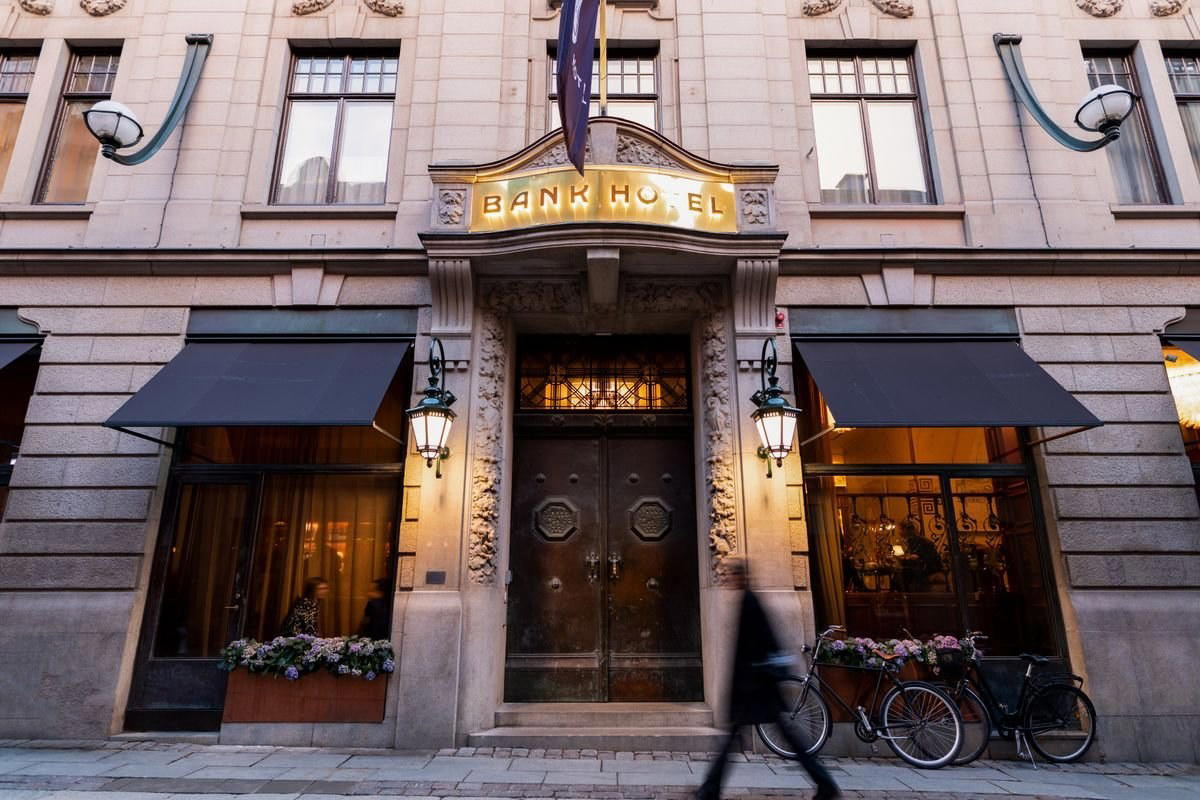
The Stockholm hotel market at the premium tier covers significant stylistic ground. Ett Hem in Lärkstaden defines the private-house end of the spectrum, with its twelve rooms and intensely curated domestic atmosphere. Bank Hotel occupies a conversion of an entirely different institutional type, with the banking hall's volume and formality shaping a more urban, interior-focused experience. Blique by Nobis in the Hagastaden area applies a contemporary design sensibility to a newer structure, targeting a creative and business traveler in equal measure.
Skeppsholmen's peer comparison is not straightforwardly resolved by style or price tier alone. Its island location creates a category of its own within the city. There is no equivalent, in terms of historical fabric combined with deliberate design restraint, elsewhere in central Stockholm. That distinctiveness comes with a practical note: the island's separation from the main commercial districts means that restaurant and nightlife access requires intention. Guests who want to move between the property and areas like Vasastan, where Backstage Hotel Stockholm operates, or Norrmalm, where Freys Hotel sits, will find the connection direct but deliberate. The island does not absorb the city's ambient activity in the way that Gamla Stan or Östermalm hotels do.
For those willing to look beyond Stockholm, the Swedish accommodation picture extends to places like Arctic Bath in Harads, Fjällbacka on the west coast, and Görvälns Slott in Järfälla, each representing a different relationship between Swedish landscape and built environment. Within that broader national picture, Skeppsholmen occupies the specific niche of urban historic conversion without reference to international chain norms.
Planning a Stay
Skeppsholmen's island position is leading approached as a feature rather than a constraint. The Moderna Museet, one of Scandinavia's most significant modern art institutions, occupies the same island, making a sustained engagement with the collection a reasonable part of any visit. The archipelago ferry system connects from nearby quays, and summer departures into the outer Stockholm islands are accessible without leaving the immediate area. For the city's dining scene, our full Stockholm restaurants guide maps the neighborhood clusters and booking logic for the city's most notable tables. For those extending a Scandinavian itinerary to include coastal Sweden, Marstrands Kurhotell and Dorsia Hotel and Restaurant in Gothenburg are natural extensions.
The hotel's address at Gröna Gången 1 places it on the island's interior path system, away from vehicle traffic. Arriving by taxi or rideshare involves a short walk across the bridge. Those comparing this property against global historic conversion benchmarks, such as Aman Venice or Castello di Reschio in Umbria, will find that Skeppsholmen operates at a different scale and register: less rarefied in positioning, more embedded in its specific city and naval history, and reliant on that embedded character as the primary argument for the stay.
Price and Recognition
Comparable venues nearby, for context on price, style, and recognition.
| Venue | Price | Awards | Notes |
|---|---|---|---|
| Hotel SkeppsholmenThis venue — the venue you are viewing | $200–300 | Michelin Selected · Design Hotels Member | Not listed |
| Story Hotel Stockholm Stureplan - JDV by Hyatt | $100–200 | Michelin Selected | Östermalm, Boutique hotel in historic 19th-century building with contemporary design. |
| Freys Hotel | Not listed | Not listed | Norrmalm, Charming family-run hotel with rich history and modern comforts. |
| Miss Clara by Nobis | Not listed | Michelin Selected · Design Hotels Member | Norrmalm, Boutique design hotel in historic Art Nouveau building |
| Hotel C Stockholm | Not listed | Preferred Hotels Member | Norrmalm, Contemporary design hotel in the city center with mural walls featuring Stockholm sights. |
| Blique by Nobis | Not listed | Michelin Selected · White Guide Sweden Hotels - Very Fine Level | Vasastaden, Contemporary industrial-Scandinavian chic in a restored warehouse by Sigurd Lewerentz. |
Recognition history
Dated appearances from independent guides and award organizations, with the underlying list record or original source where available.
Michelin Selected
Michelin
Design Hotels Member
Design Hotels
White Guide Sweden Hotels - Exceptional Level
White Guide
Details
- Quiet
- Elegant
- Romantic
- Scenic
- Intimate
- Romantic Getaway
- Weekend Escape
- Anniversary
- Waterfront
- Garden
- Terrace
- Historic Building
- Design Destination
- Wi Fi
- Fitness Center
- Room Service
- Concierge
- Business Center
- Restaurant
- Bar
- Tennis Court
- Waterfront
- Garden
- Wheelchair Accessible
- Elevator
- Accessible Restroom
- Accessible Parking
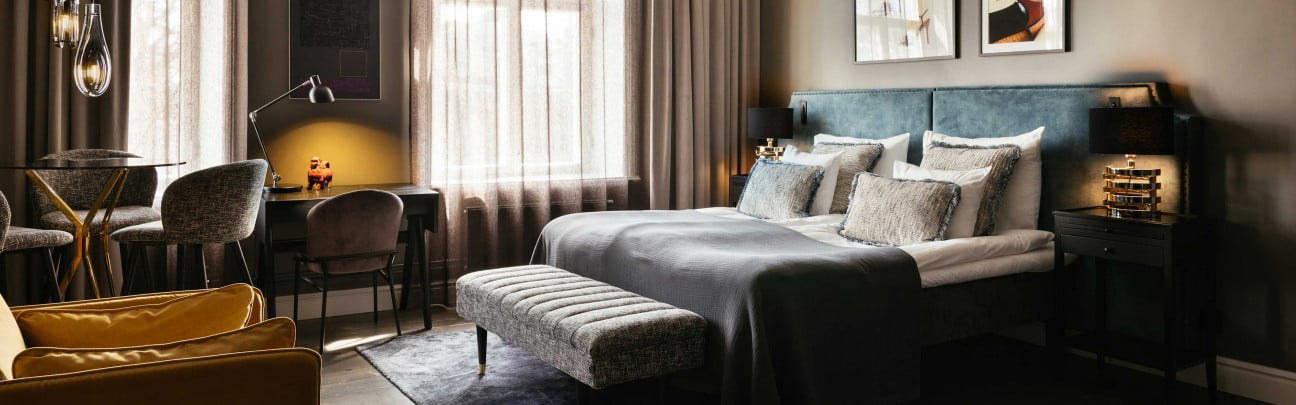
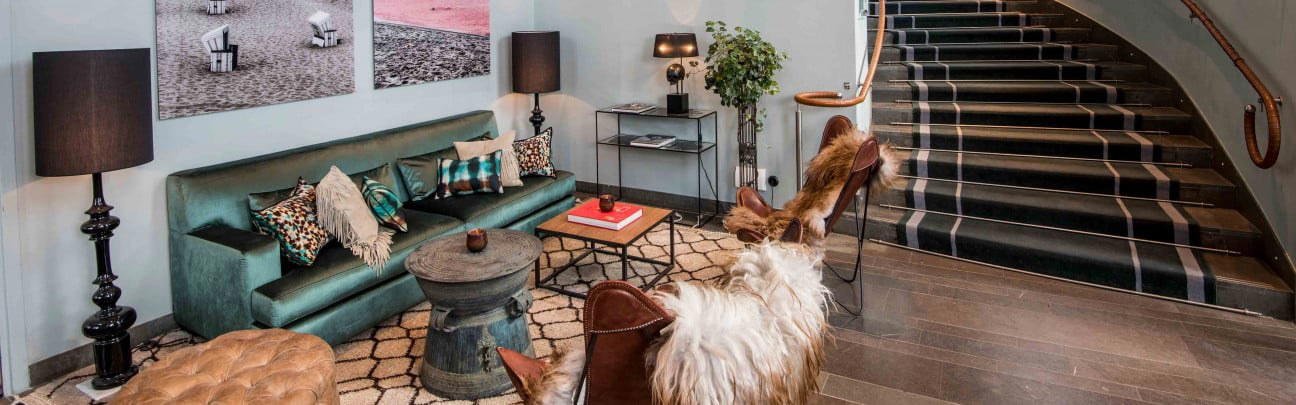
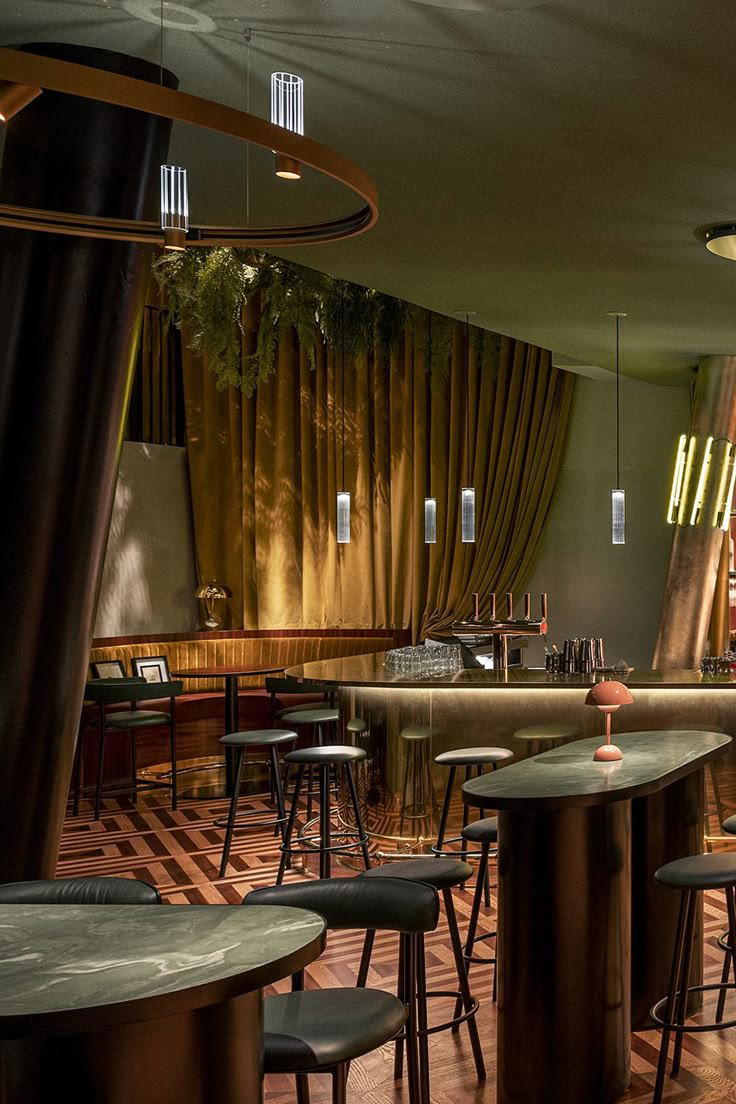
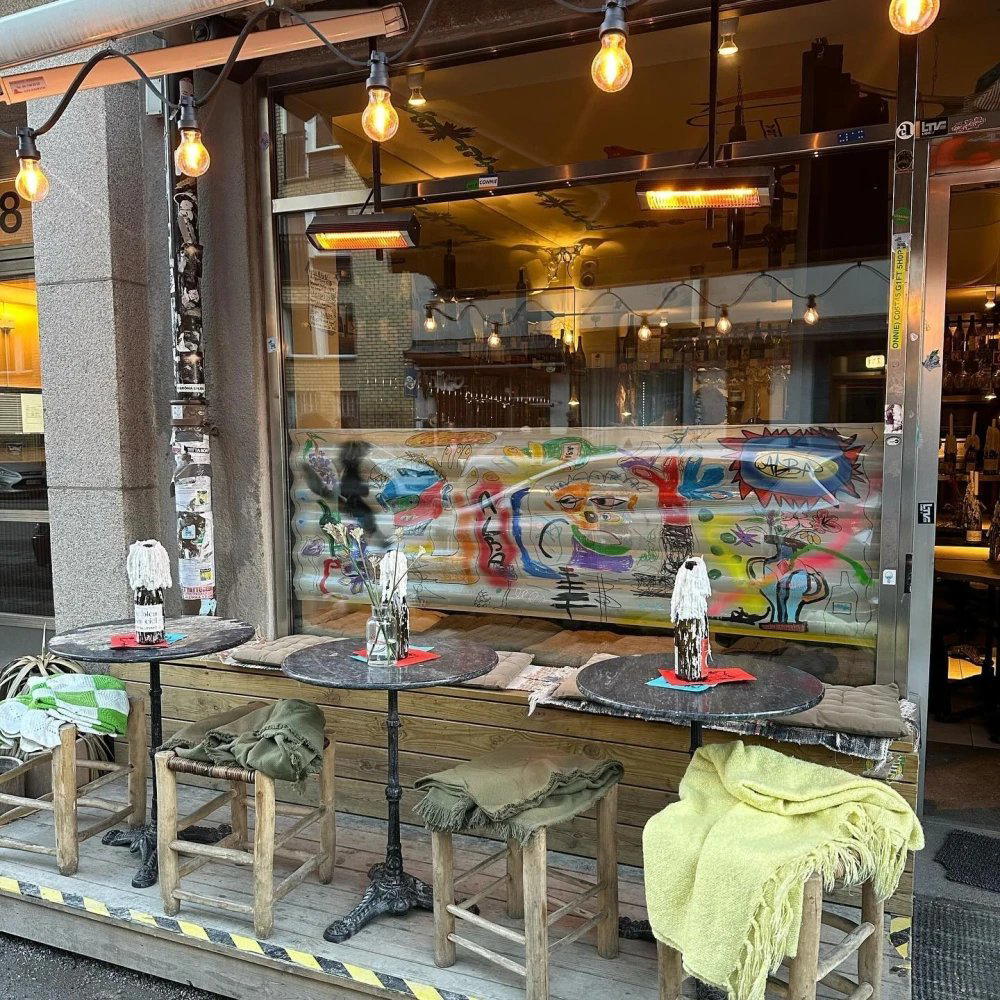
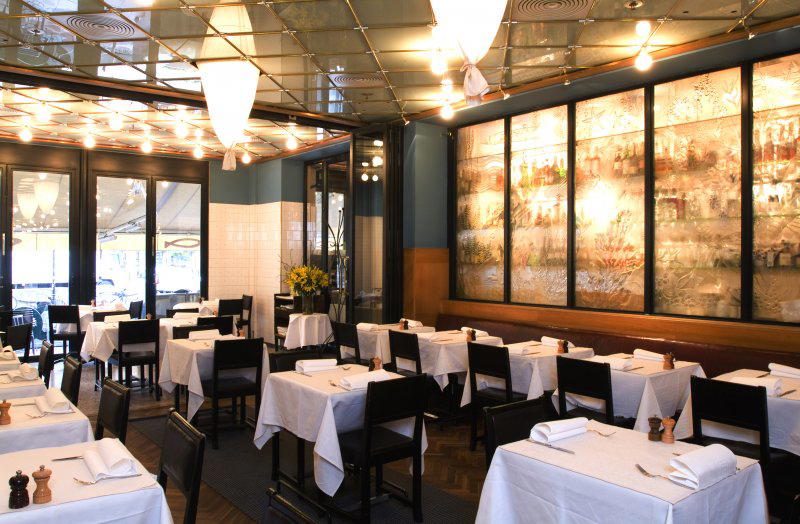
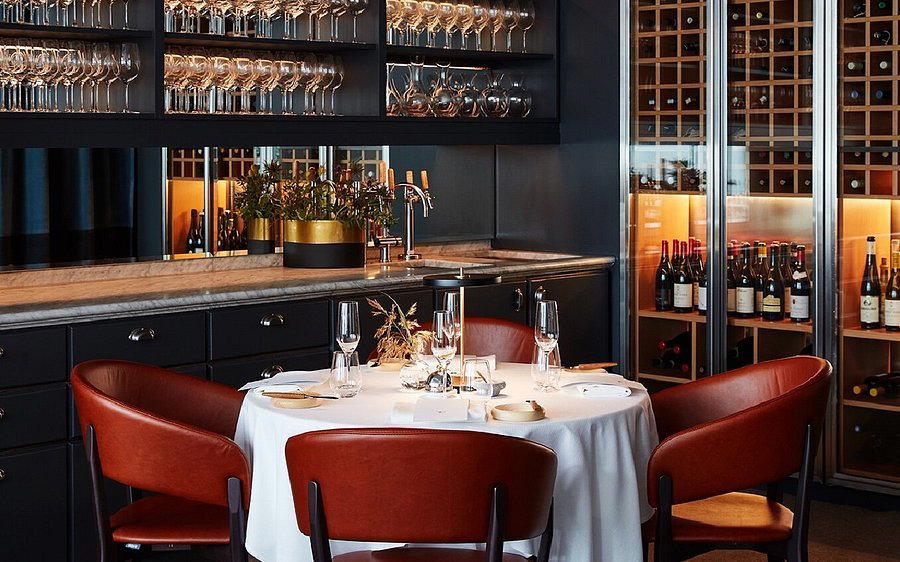
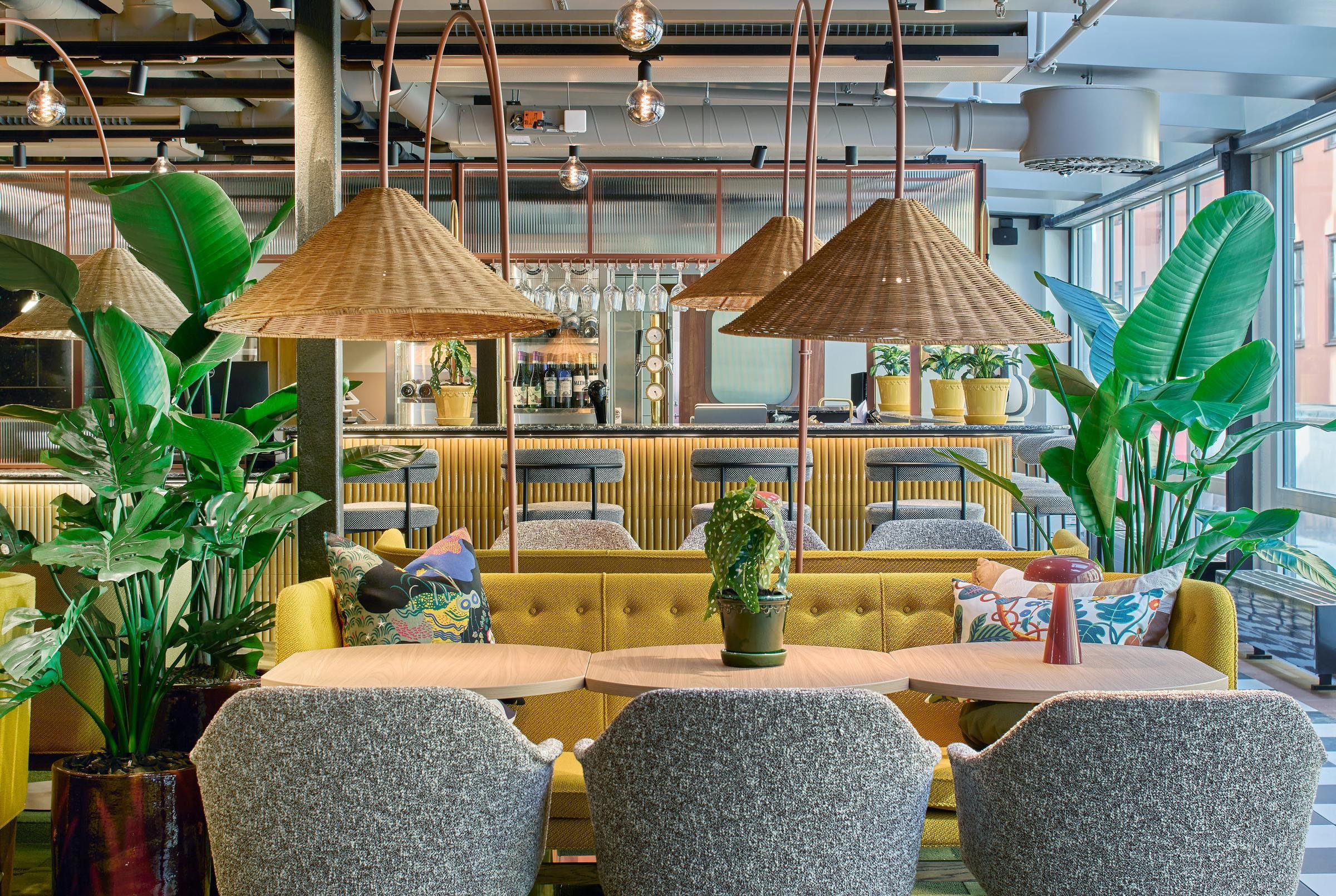
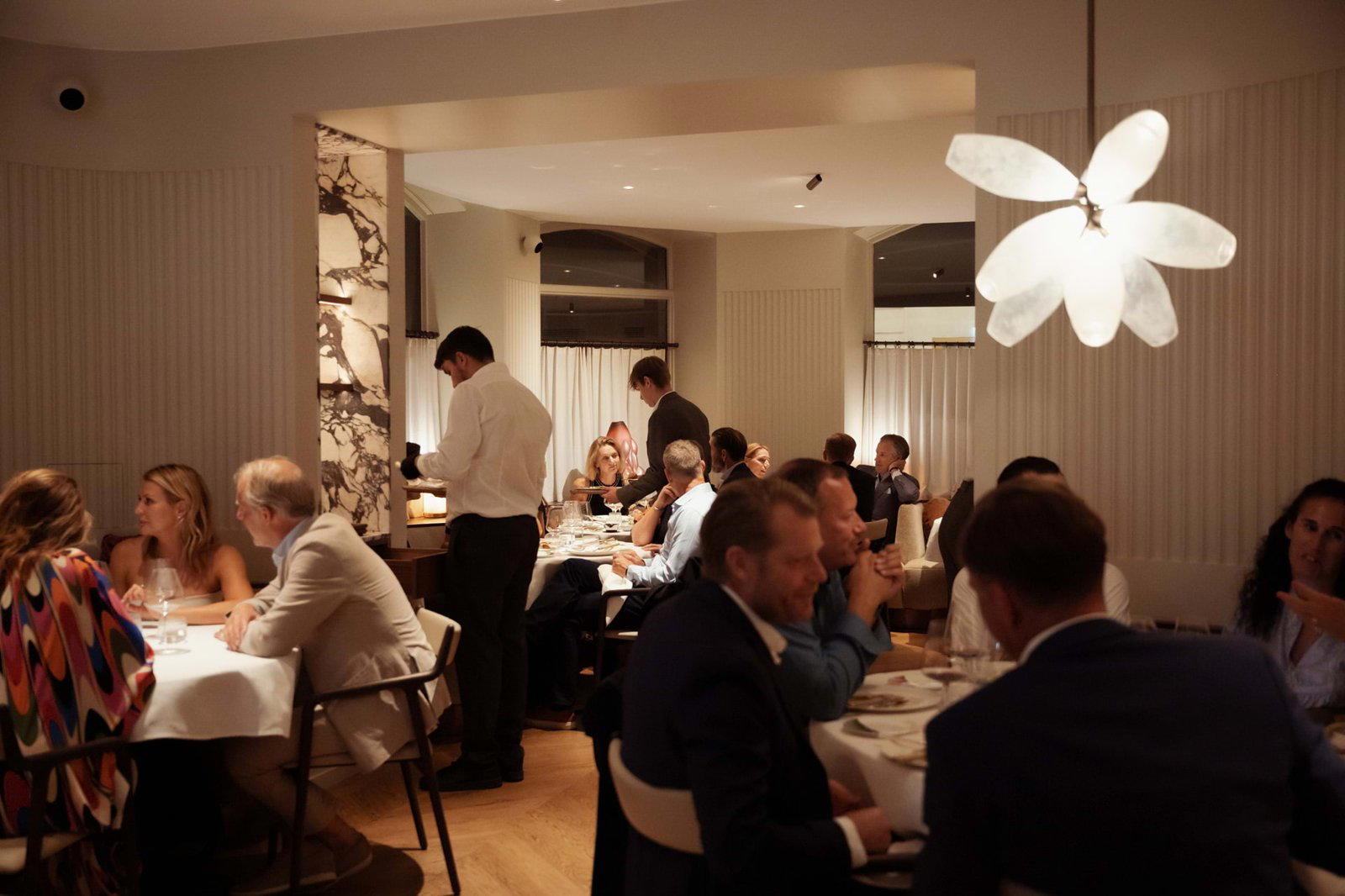
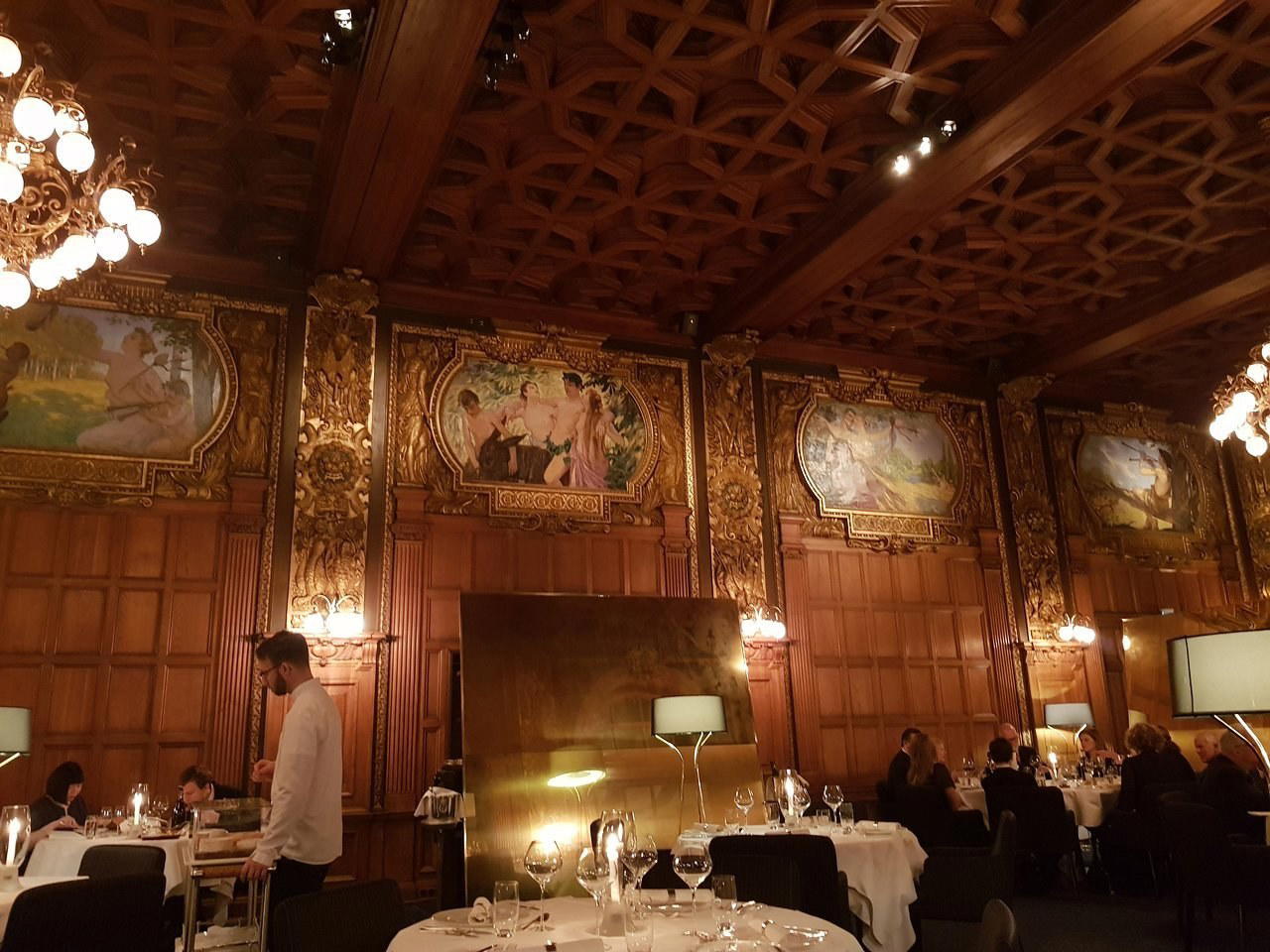
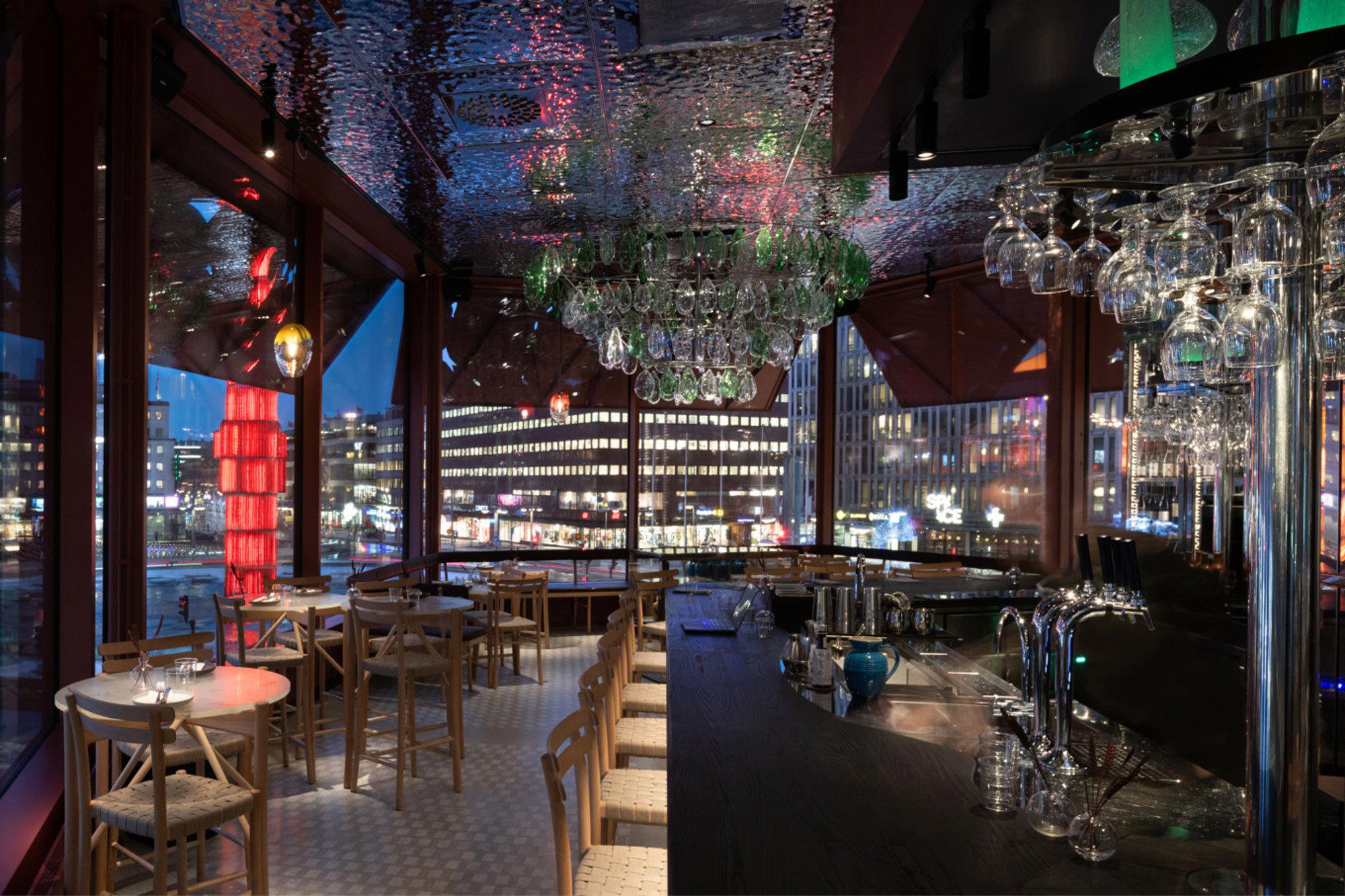
Serene and sophisticated with bright, naturally-lit spaces featuring antique shutters, warm oak furnishings, and a blend of historic charm with modern minimalist design creating a calm, welcoming atmosphere.