

Michelin Selected · Design Hotels Member
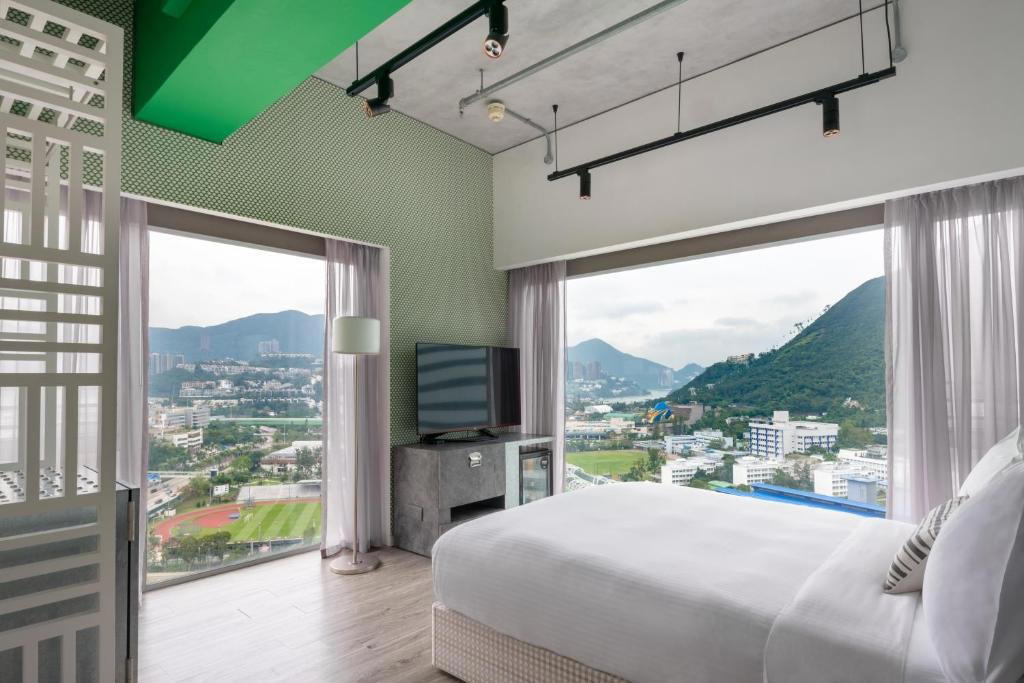
Southside by Ovolo occupies a converted industrial building in Wong Chuk Hang, Hong Kong's fastest-changing southern district. Its design-led approach places it in a different tier from the harbour-front luxury hotels, trading harbour views for creative neighbourhood energy and a more intimate, independently-minded atmosphere. For travellers who want proximity to the city without the predictability of Central, it makes a considered alternative.

Pearl is the En Primeur Club membership app, where members save venues, book tables and use the concierge.
Wong Chuk Hang and the Hotel Tier It Belongs To
Hong Kong's hotel market has long concentrated its premium energy along the harbour, in Central, and across the water in Kowloon. Properties like the Four Seasons Hotel Hong Kong, the Mandarin Oriental, Hong Kong, and the Rosewood Hong Kong have defined what premium hospitality means in the city for decades: harbour-facing rooms, formal service hierarchies, and dining programs calibrated to international business travel. Southside by Ovolo sits in a different conversation entirely. Located at 64 Wong Chuk Hang Road in the district that local creative industries have steadily claimed since the MTR Southern Island Line opened, the property belongs to a younger, design-led tier of hospitality that treats neighbourhood identity as an asset rather than a compromise.
Wong Chuk Hang's transformation from an industrial zone into a gallery and studio district has followed a pattern seen in other Asian cities: post-industrial buildings attract creative tenants, which attract restaurants and bars, which attract hotels targeting travellers who would rather stay in a neighbourhood with a point of view than in one engineered primarily for convention delegates. The Aberdeen Tunnel keeps Central under fifteen minutes away, but the character of the southern side of the island is measurably different: quieter, less compressed, and at a remove from the density that defines the northern shoreline.
What Industrial Design Signals in a Hotel Context
When hotel operators describe a property as having industrial design, they usually mean one of two things: either a genuine conversion of a former factory or warehouse, or a new-build that borrows the aesthetic vocabulary of exposed concrete, raw metal, and oversized glazing. In Wong Chuk Hang, the language is contextually coherent rather than decorative. The district's existing fabric consists of converted industrial buildings now occupied by galleries, design studios, and independent F&B; operations, so a hotel that matches that register reads as genuinely embedded in its location rather than dropped into it.
This matters for the overall atmosphere of a stay. Properties built around that kind of coherence tend to attract a guest profile interested in the surrounding neighbourhood rather than one that treats the hotel as the destination. For comparison, The Upper House in Admiralty and The Landmark Mandarin Oriental, Hong Kong in Central represent the city's design-conscious luxury tier, but both sit within established commercial districts where the surroundings are fully formed. Wong Chuk Hang is still being written, which gives Southside by Ovolo a position that is more provisional but also more interesting.
The Wine and Drinks Dimension
In the broader Ovolo Hotels group, the brand has made a point of incorporating food and beverage programs that reflect local creative culture rather than defaulting to the international hotel-restaurant template. At properties with fully developed F&B;, this has typically meant collaborating with chefs or operators who bring an existing point of view to the hotel rather than building a generic all-day dining room. The wine approach in this context tends toward curation over depth: lists built around producers who share some alignment with the hotel's character, often leaning toward natural and minimal-intervention bottles, smaller European growers, and regional Asian labels that a conventional hotel cellar wouldn't stock.
This approach contrasts with the cellar philosophy at the city's established luxury addresses. At properties like Conrad Hong Kong or the The Peninsula Hong Kong, the wine program is expected to satisfy requests across a wide range of price points and regions, which produces comprehensive but rarely distinctive lists. A design-led boutique property like Southside by Ovolo operates with a narrower mandate that can, when executed well, produce a more coherent and editorially interesting drinks selection. The trade-off is range: if you arrive wanting a specific Burgundy producer or a deep back-vintage, a smaller list is less likely to accommodate it than a traditional hotel cellar.
For travellers whose interest in wine runs toward discovery rather than confirmation of known producers, the boutique format often delivers more value per glass. That calculus applies across hotel categories and cities: from Cheval Blanc Paris in Paris to Bvlgari Hotel Tokyo in Tokyo, the relationship between a hotel's overall aesthetic and its drinks program tends to be more coherent at properties with a clearly defined identity.
Planning a Stay: What to Know Before You Book
The Southern Island Line MTR stop at Wong Chuk Hang connects to the rest of the network, putting Central within a direct, short ride and Aberdeen within walking distance. The neighbourhood's gallery cluster, including the Southside arts buildings along the same road as the hotel, is accessible on foot and functions as a genuine reason to base yourself in the area rather than a secondary benefit. Visitors who time a visit to coincide with weekend gallery programming or Art Basel Hong Kong, which draws heavily to the wider Wong Chuk Hang arts corridor, will find the location more central to that circuit than any hotel in Central or Tsim Sha Tsui could be.
The surrounding F&B; scene in Wong Chuk Hang has developed independently of the hotel, which means there are credible eating and drinking options within a short walk that have no relationship to Ovolo's programming. That kind of neighbourhood infrastructure matters for a design-led hotel, because it means guests are not captive to the in-house F&B; operation. For those considering Hong Kong from a broader regional trip, properties with a similarly defined neighbourhood identity exist across Asia: HOTEL THE MITSUI KYOTO in Kyoto and Castello di Reschio in Lisciano Niccone both demonstrate what happens when a hotel's physical context becomes a substantive part of the offer rather than incidental backdrop. See our full Hong Kong restaurants guide for the broader dining picture across the city's districts.
The Minimal Set
| Venue | Awards |
|---|---|
| Southside by OvoloThis venue (the venue you are viewing) | Michelin Selected · Design Hotels Member |
| Four Seasons Hotel Hong Kong | 2 Michelin Keys · World's 50 Best #86 |
| Mandarin Oriental, Hong Kong | 1 Michelin Key · World's 50 Best #59 |
| Rosewood Hong Kong | 3 Michelin Keys · World's 50 Best #1 |
| The Landmark Mandarin Oriental, Hong Kong | La Liste Top Hotels · Forbes 5-Star |
| Conrad Hong Kong | Forbes Recommended |
Recognition history
Dated appearances from independent guides and award organizations, with the underlying list record or original source where available.
Michelin Selected
Michelin
Design Hotels Member
Design Hotels
Continue exploring
More in Hong Kong
Hotels in Hong Kong
All hotels in Hong Kong →
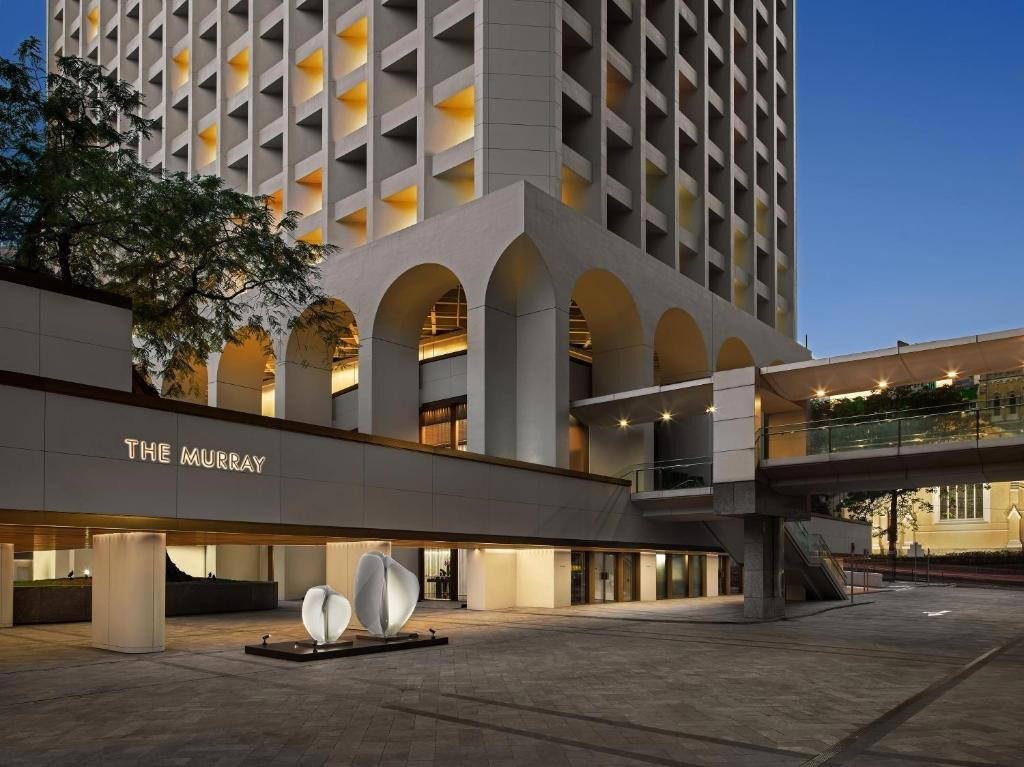
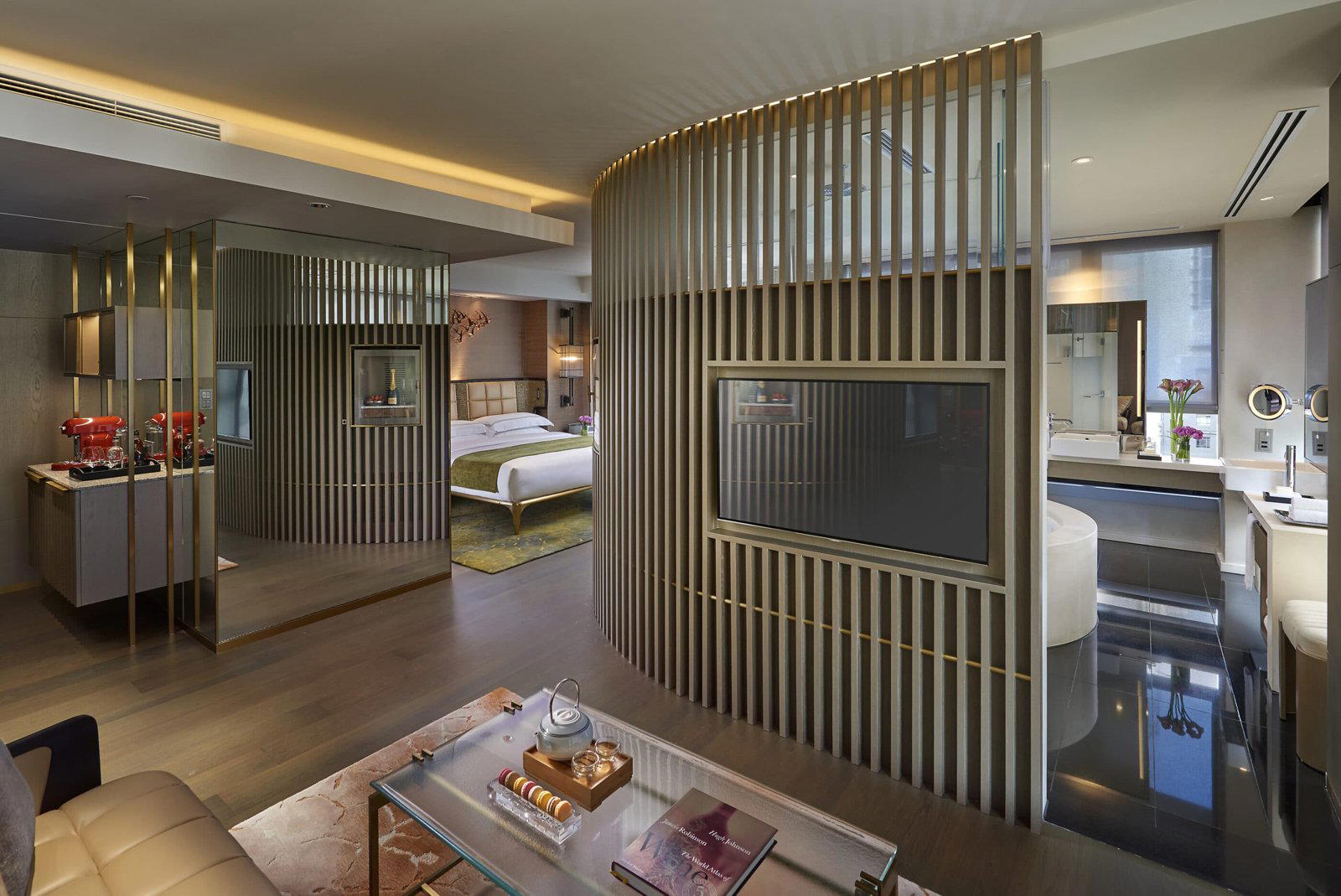
Bars in Hong Kong
All bars in Hong Kong →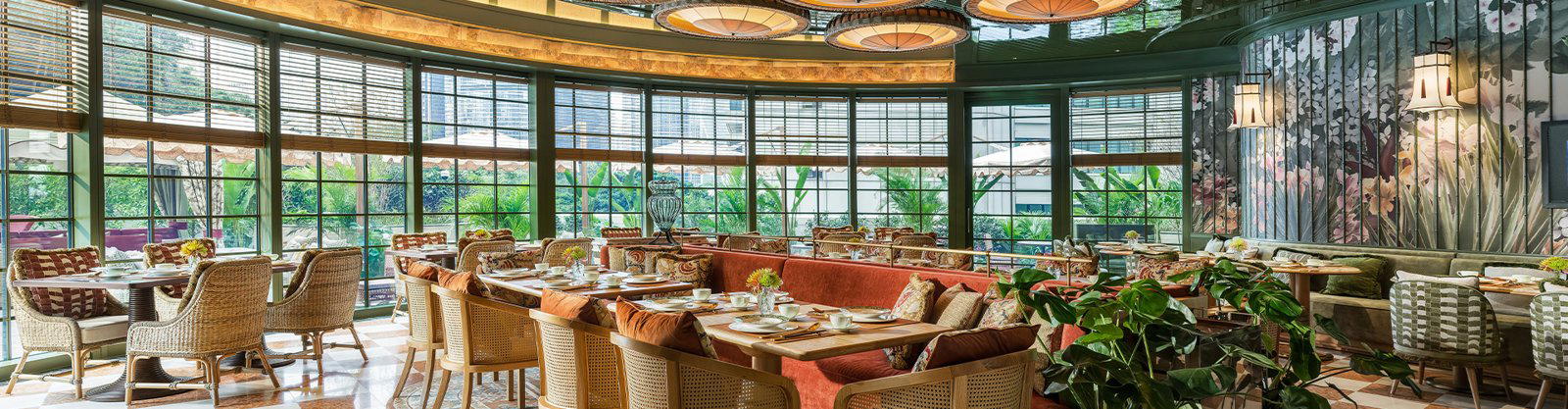
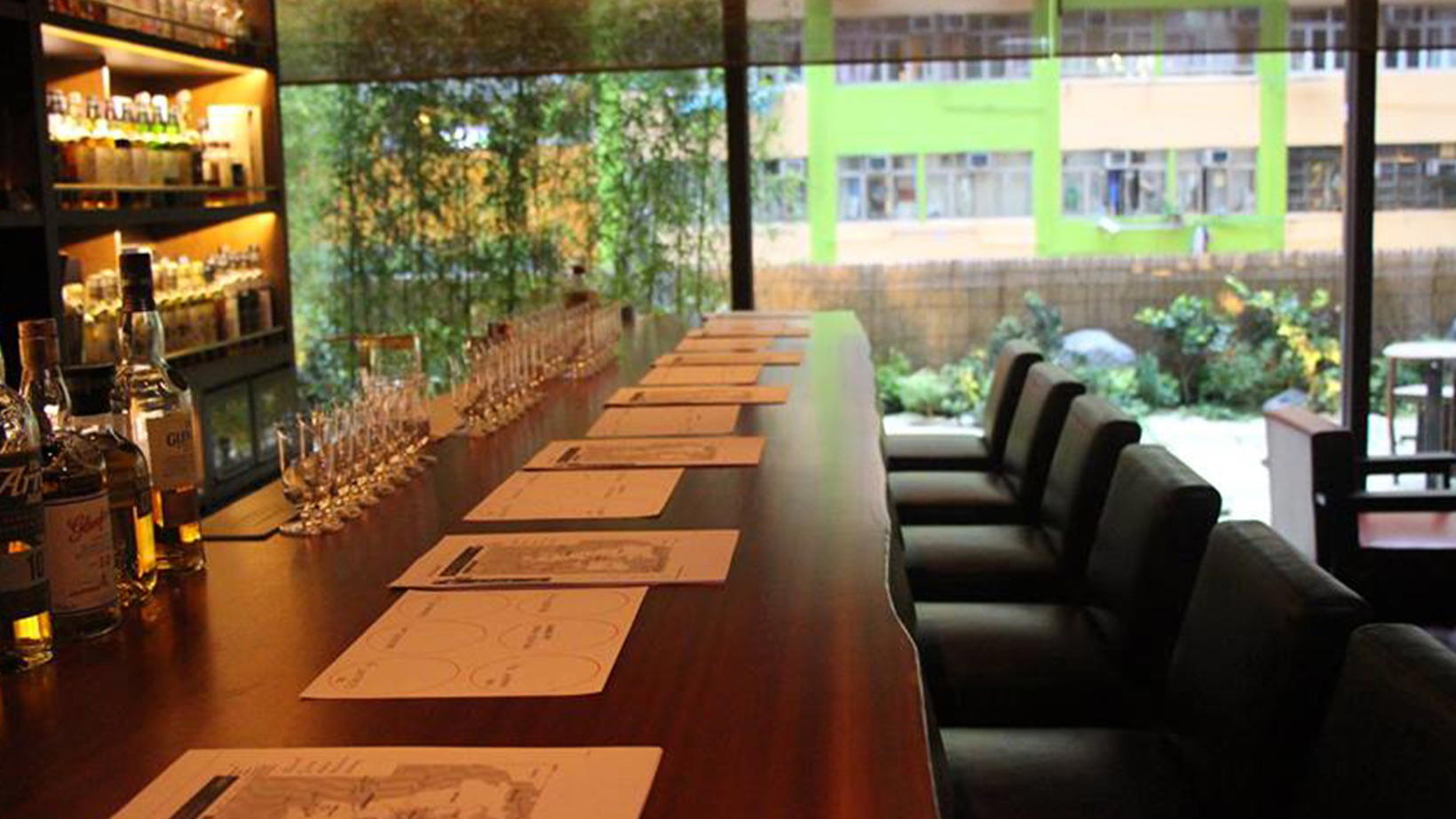
Restaurants in Hong Kong
All restaurants in Hong Kong →
Wineries in Hong Kong
All wineries in Hong Kong →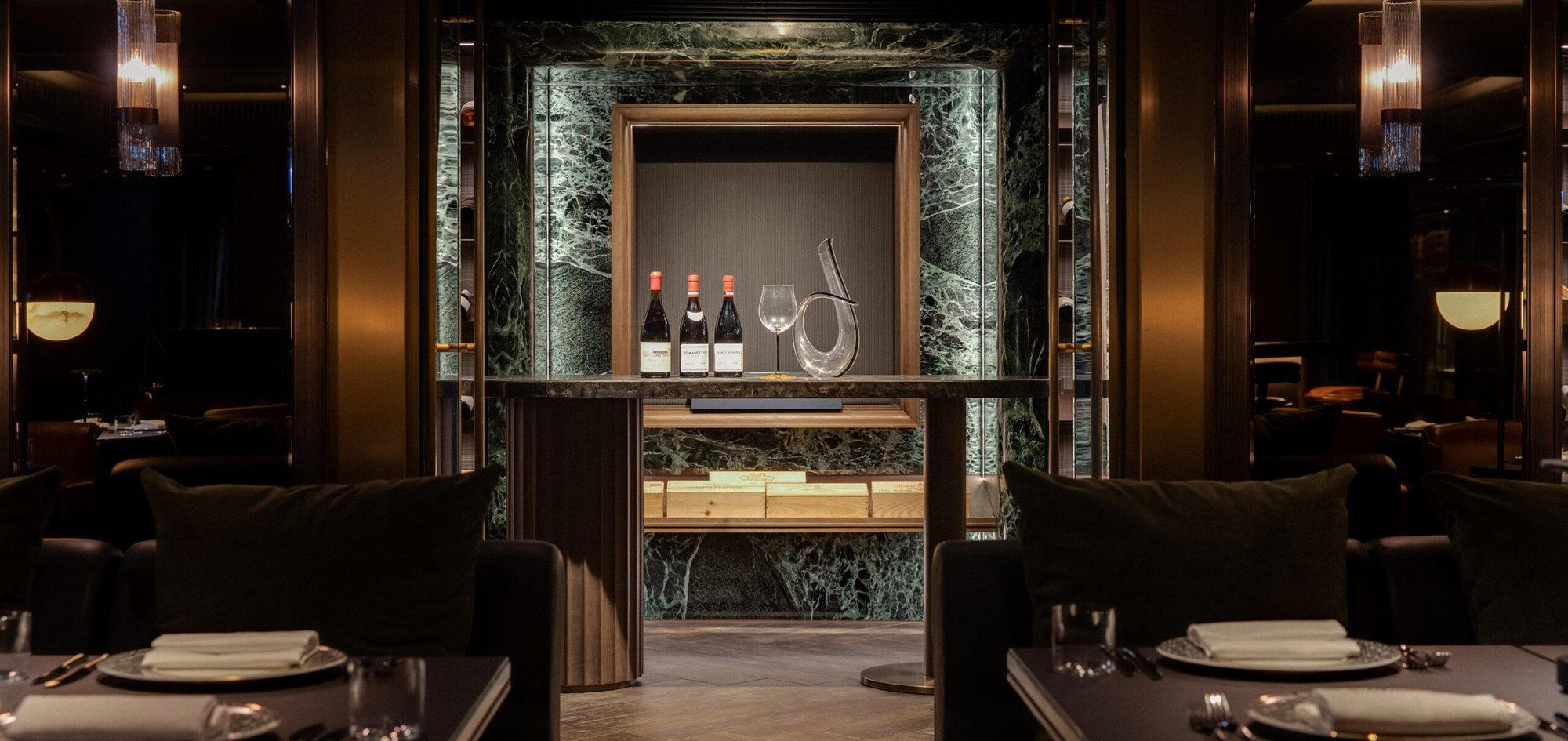
Details
- Modern
- Trendy
- Lively
- Industrial
- Business Trip
- Weekend Escape
- Group Retreat
- Design Destination
- Panoramic View
- Terrace
- Wi Fi
- Fitness Center
- Room Service
- Concierge
- Business Center
- Skyline
- Mountain
- Wheelchair Accessible
- Elevator
- Accessible Restroom
- Step Free Entrance
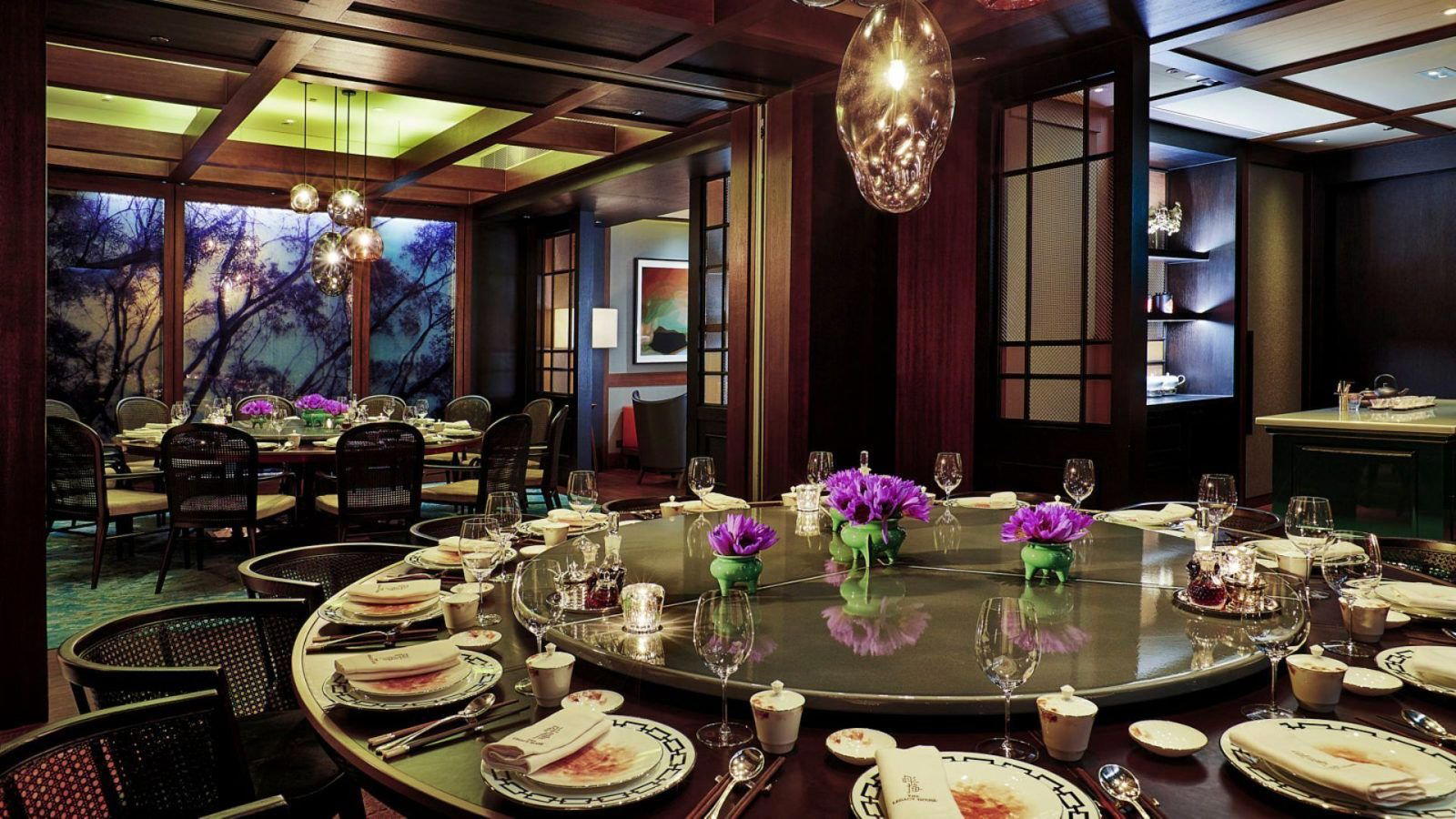
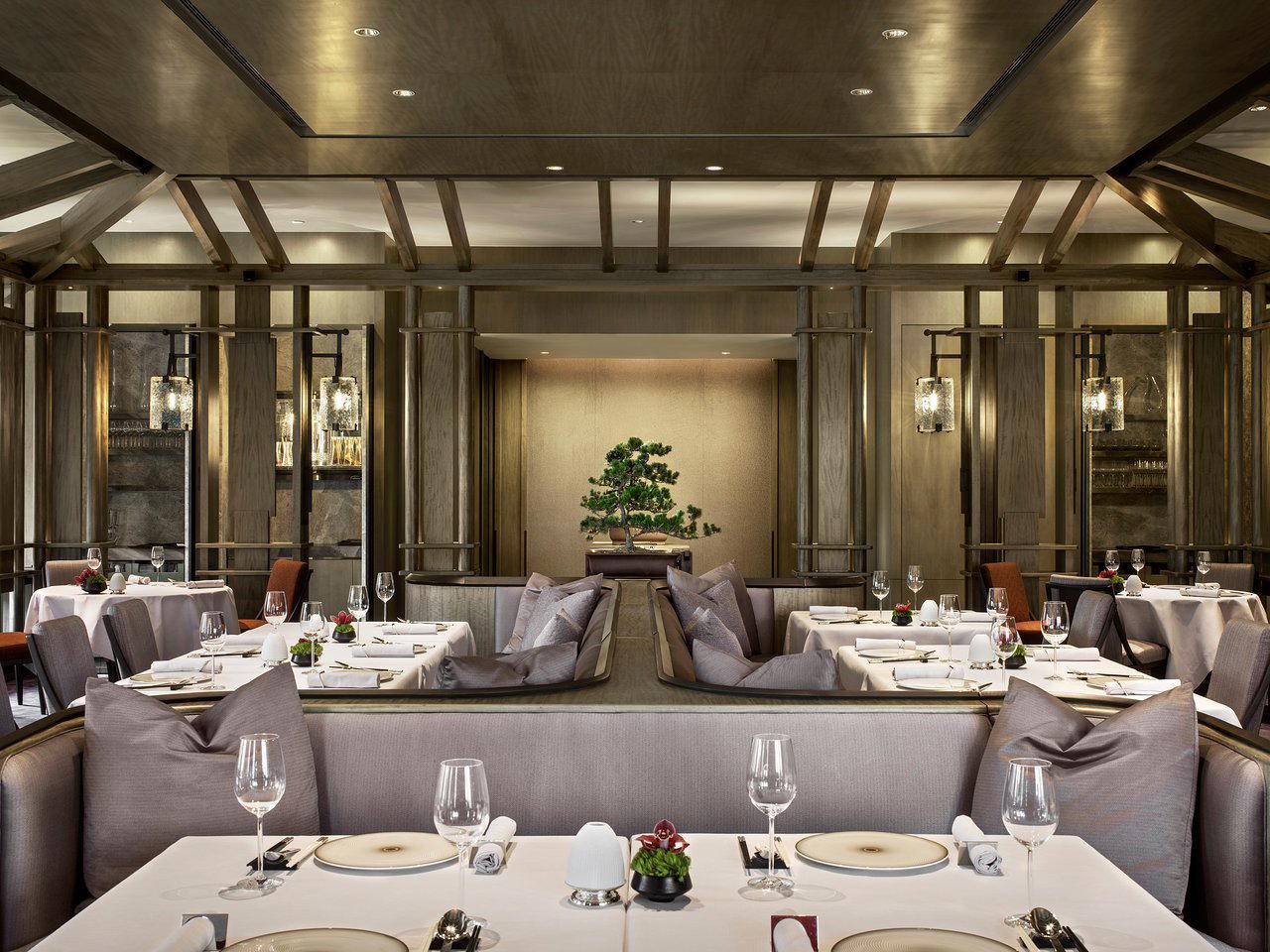
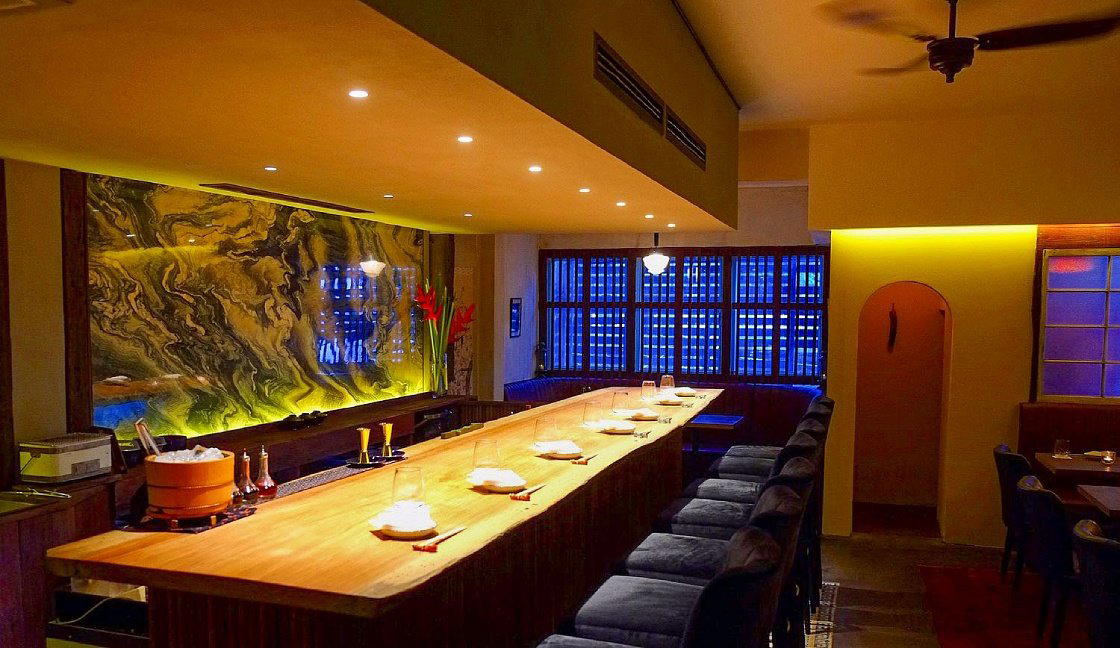
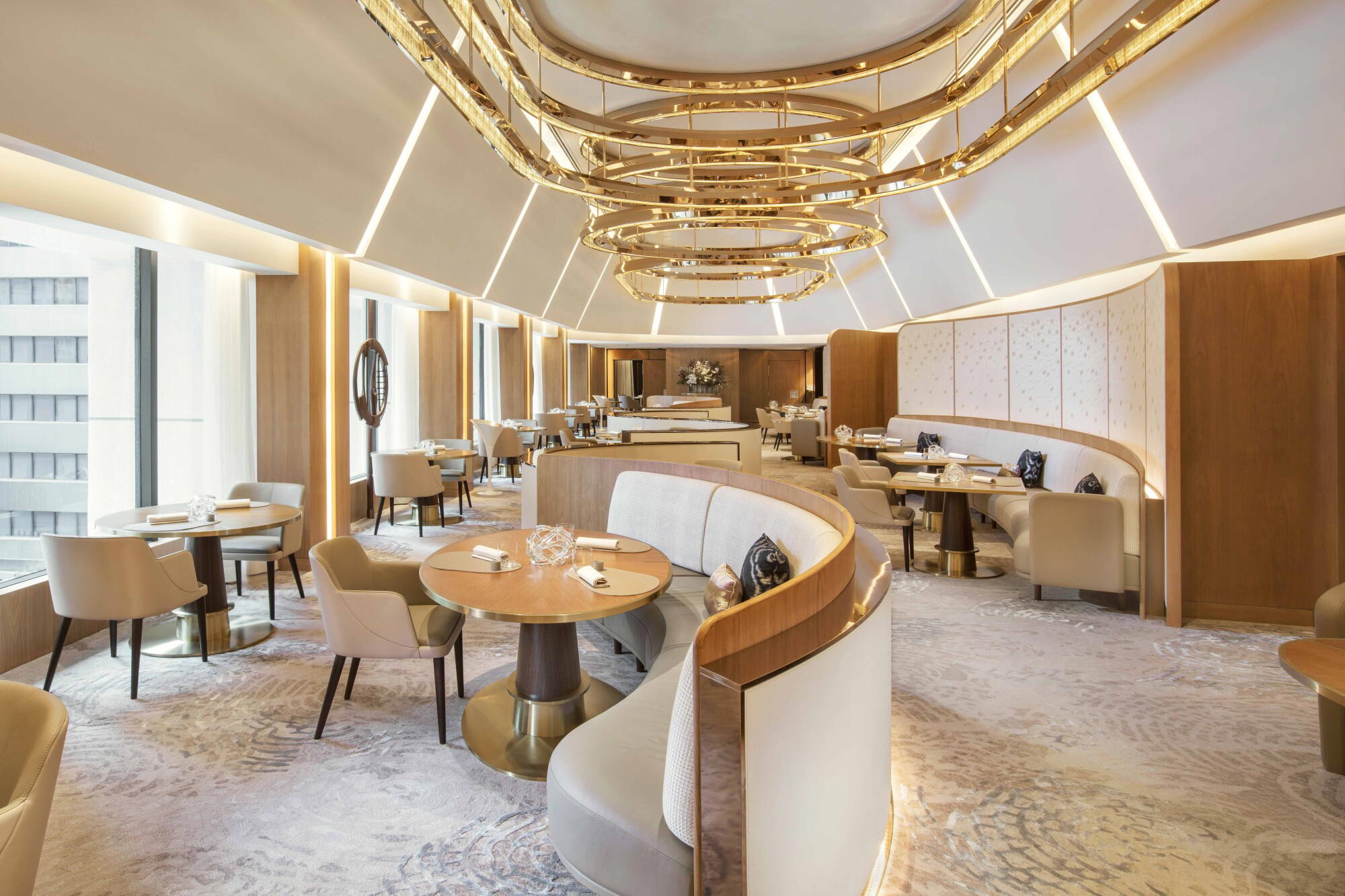
Industrial-chic and design-forward, with exposed concrete, brick, steel furniture, graffiti art, and a lively urban feel that blends warehouse heritage with contemporary style.