Skwachàys Lodge on West Pender Street occupies a position that few Vancouver hotels share: it operates simultaneously as a boutique hotel, an Indigenous art gallery, and a working artist residency. Each room is designed by a different First Nations artist, making the property one of the few places in Canada where the cultural programming is literally built into the walls. For travellers who return, the gallery rotation and the depth of Indigenous connection are what bring them back.

Pearl is the En Primeur Club membership app — saves, bookings, and concierge access live there. Same editors, same standards.
- Address
- 31 W Pender St, Vancouver, BC V6B 6N9, Canada
- Phone
- (604) 687-3589
- Website
- skwachays.com
- Directions
- Get directions
Where the Building Is the Exhibit
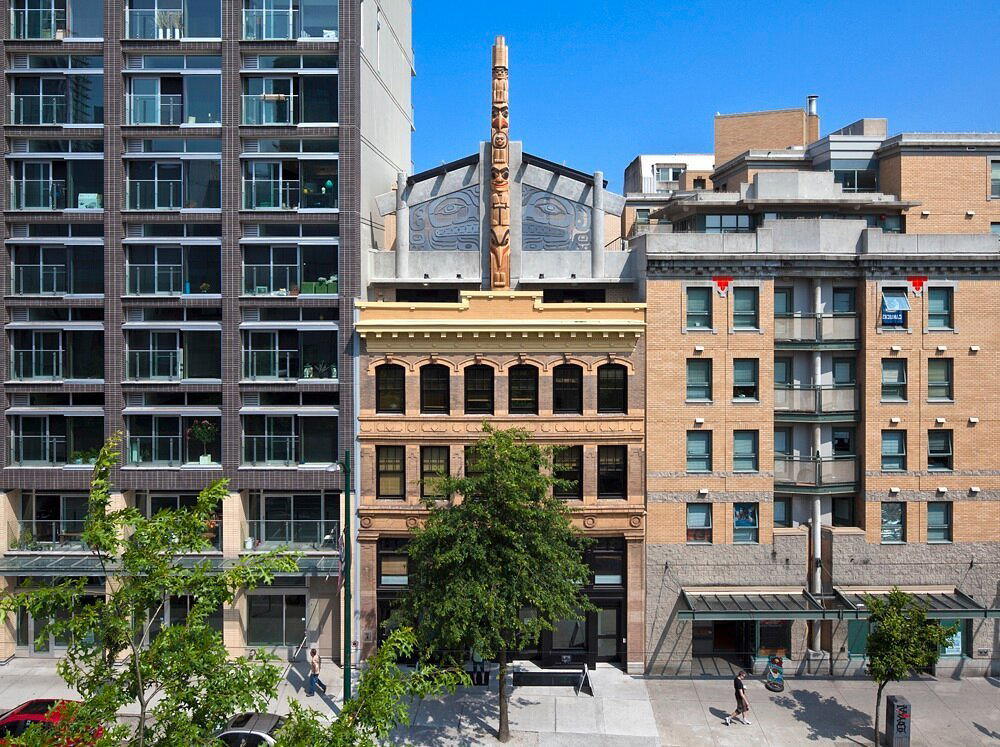
Downtown Vancouver's West Pender Street runs through a corridor of glass towers and heritage storefronts, and Skwachàys Lodge sits within that mix as something the neighbourhood's hotel stock largely cannot replicate: a property where the art program is not decorative but structural. Each guest room was designed and curated by a First Nations artist, so the experience of staying here differs room to room in a way that has nothing to do with floor height or square footage. For guests who return, the question is not which room has the leading view. It is which artist's work they have not yet slept inside.
That repeat-visit logic is telling. The hotels that attract regulars in Vancouver's premium tier, from the Rosewood Hotel Georgia to the Loden Hotel, tend to do so through service consistency and F&B; programs. Skwachàys operates on a different axis. The returning guest here is tracking Indigenous cultural engagement, not bar menus or pillow counts. That is a smaller audience, but a loyal one, and it explains why the property occupies its own competitive position rather than competing directly with the Hotel, Vancouver or the Fairmont Hotel Vancouver.
The Gallery as the Through Line
Canada has developed a small but growing cohort of properties where Indigenous culture is the primary programming rather than a branding footnote. Fogo Island Inn in Joe Batt's Arm and Clayoquot Wilderness Lodge in Tofino sit in that broader shift, each embedding local cultural knowledge into their programming in ways that go beyond gift-shop curation. Skwachàys is the urban expression of that trend, positioned inside Vancouver's Downtown Eastside rather than in a remote landscape, which makes the cultural statement more pointed. The gallery on the ground floor functions as a public-facing commercial space for Indigenous artists, and the hotel above it provides the revenue model that sustains an artist residency program for urban Indigenous people.
That structure, hotel revenue funding cultural infrastructure, is not common in the Canadian hospitality sector, and it is the reason that guests who understand what the property is doing tend to return with a different frame than first-timers. The art in the rooms is not sourced to create atmosphere. It is the primary output of a program with a social purpose, and the guest is participating in that program by booking.
What Repeat Visitors Know
The regulars at Skwachàys are not chasing loyalty points. They come back because the room inventory itself changes as artists rotate through the residency and new commissions are completed. A guest who stayed three years ago and returns today may find a different configuration of works, which is not something that can be said of the Wedgewood Hotel or the AZUR Legacy Collection Hotel, where the design program is fixed at opening and maintained rather than refreshed through an active cultural process.
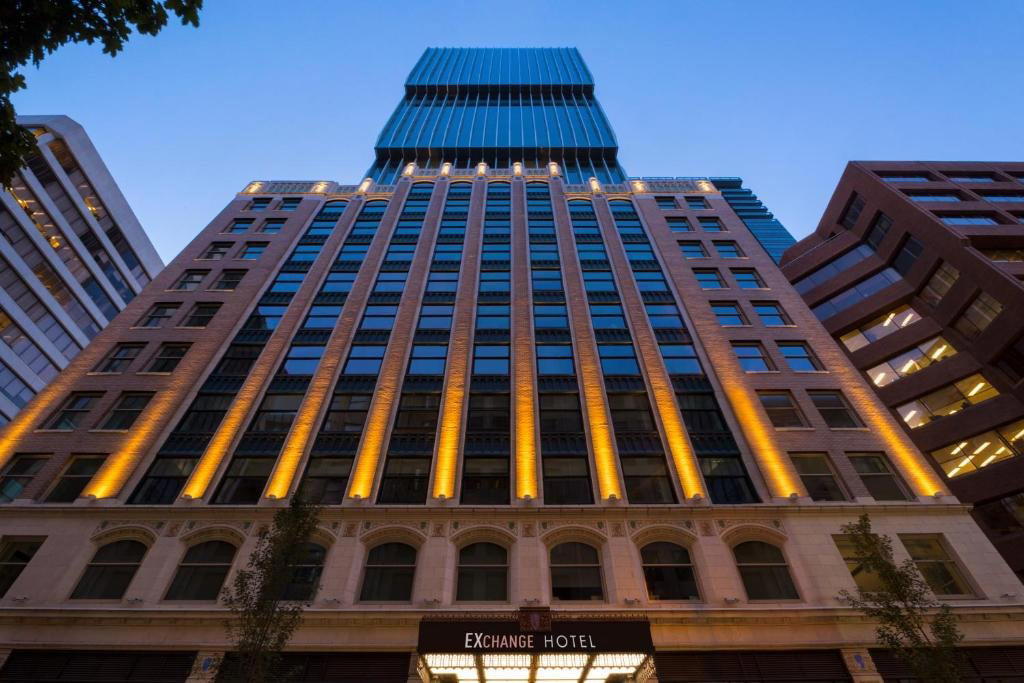
The gallery visit is also a component that repeat guests build into their stays differently than first-timers. On a first visit, the gallery is part of an orientation to the property. On a return visit, it functions more like checking in on an ongoing conversation, seeing which artists are showing, what has sold, and what programming is running. The EXchange Hotel Vancouver and the Magnolia Hotel and Spa do not offer that kind of evolving cultural engagement. Skwachàys does, and that is the loyalty driver.
Vancouver in Context
Vancouver's hotel market at the premium end runs fairly conventional. The coastal city's strong suit is scenery and seafood, and most hotels optimise around both. The boutique tier, including properties like the Loden and the Wedgewood, competes on service quality and design. Four Seasons Hotel Toronto and Hotel Le Germain Montreal are the reference points for urban Canadian luxury, but neither carries this kind of embedded cultural mandate. For that comparison, the closer reference is Fogo Island Inn, even though the formats and price contexts differ significantly.
Guests flying into Vancouver specifically for cultural programming, as distinct from guests who want cultural programming as an add-on to a leisure or business trip, should anchor at Skwachàys rather than booking a larger property and visiting the hotel as a day excursion. The full context of what the property is doing is not legible from a lobby visit. It requires an overnight stay, preferably more than one, and ideally in different rooms across different trips. For a broader orientation to what else Vancouver offers, see our full Vancouver restaurants guide.
The Broader Canadian Picture
The conversation around Indigenous-led tourism and hospitality has grown considerably in Canada over the past decade, and properties that are authentically structured rather than aesthetically positioned are increasingly identifiable. Fairmont Chateau Whistler and Fairmont Banff Springs have deepened their Indigenous cultural programming in recent years, but as overlays on existing luxury resort structures. Fairmont Chateau Lake Louise and Fairmont Empress Hotel in Victoria operate similarly. Skwachàys is structured from the ground up around Indigenous arts and community, which is a different founding logic entirely. That distinction matters to guests who are thinking carefully about where their travel spending lands.
Across the broader Canadian hotel sector, from Manoir Hovey in North Hatley to Hôtel Quintessence in Mont-Tremblant to Le Germain Charlevoix Hotel and Spa in Baie-St-Paul, the dominant mode is landscape-driven luxury or design-led boutique. Skwachàys is neither. It is an institution that happens to have hotel rooms, and that framing changes what a stay here means.
Planning a Stay
The property sits at 31 West Pender Street in Vancouver's Downtown Eastside, walkable from the city's main transit corridors and a short distance from Gastown. For guests accustomed to the polished service infrastructure of the or the Rosewood Hotel Georgia, the format here will feel different. The neighbourhood is gritty in parts, which is context rather than a drawback. The Downtown Eastside is where the property's social mission is most visible and most relevant. Advance booking is advisable given the limited room count, and selecting a room with attention to the artist whose work furnishes it will reward guests who take the time to research. For travellers with interest in comparing Indigenous cultural programming across North American or international hotel contexts, properties like Aman New York or The Fifth Avenue Hotel in New York City offer a useful contrast in how luxury hotels approach cultural positioning, even if the Indigenous-specific framing is unique to Skwachàys. Those considering design-led boutique alternatives elsewhere in Vancouver's mid-tier should also look at the Dorian, Autograph Collection in Calgary or The Royal Hotel in Picton as reference points for what the boutique-with-cultural-programming format can look like at different scales. International comparisons, such as Aman Venice, illustrate how heritage buildings can carry cultural weight, though the Indigenous-arts-institution model is specific to the Canadian context in which Skwachàys operates.
Reputation Context
| Venue | Price | Awards |
|---|---|---|
| Skwachàys Lodge Indigenous Hotel and GalleryThis venue — the venue you are viewing | $100–200 | Not listed |
| Rosewood Hotel Georgia | Not listed | 2 Michelin Keys · La Liste Top Hotels |
| Fairmont Hotel Vancouver | $300–500 | Michelin Selected · Forbes 4-Star |
| Fairmont Pacific Rim | $300–500 | Michelin Selected · La Liste Top Hotels |
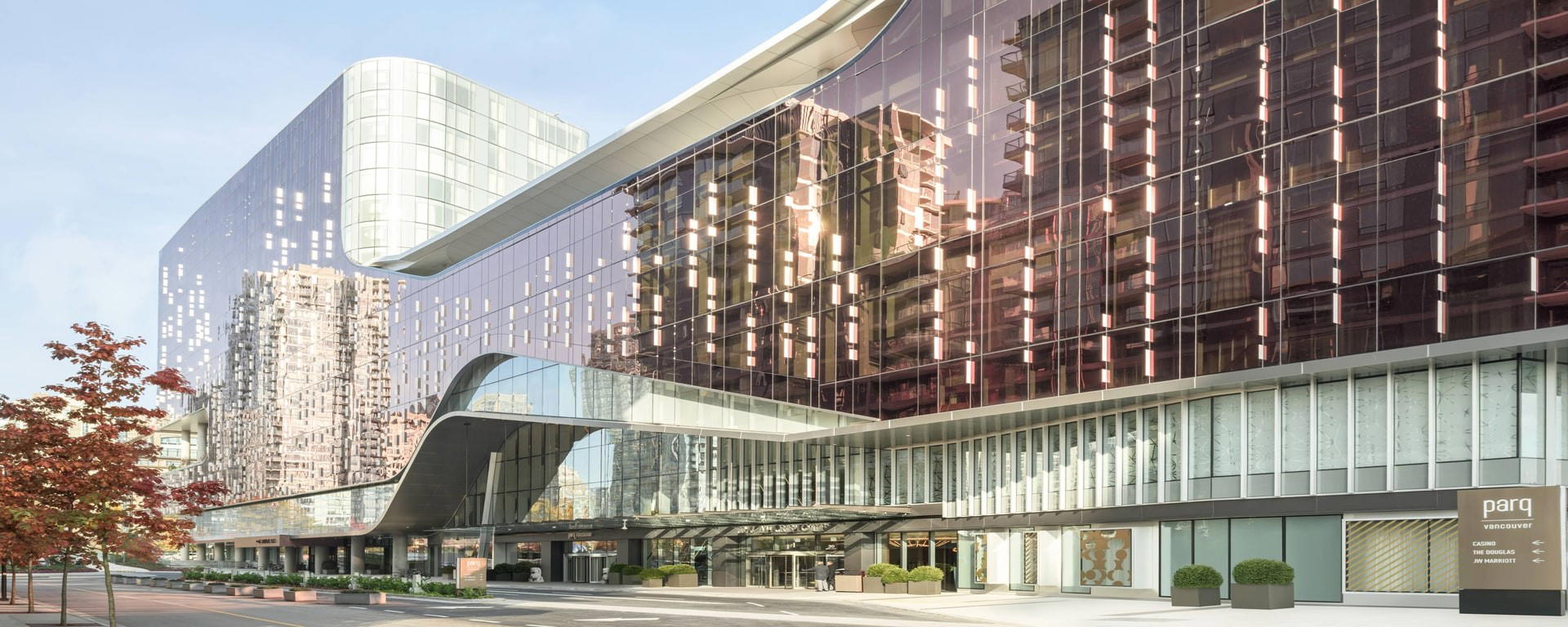
| JW Marriott Parq Vancouver | Not listed | Forbes Recommended |
| The St. Regis Hotel | $200–300 | Forbes Recommended |
Details
- Modern
- Intimate
- Cozy
- Romantic Getaway
- Weekend Escape
- Historic Building
- Wi Fi
- Sauna
- Air Conditioning
- Street Scene
- Wheelchair Accessible
- Elevator
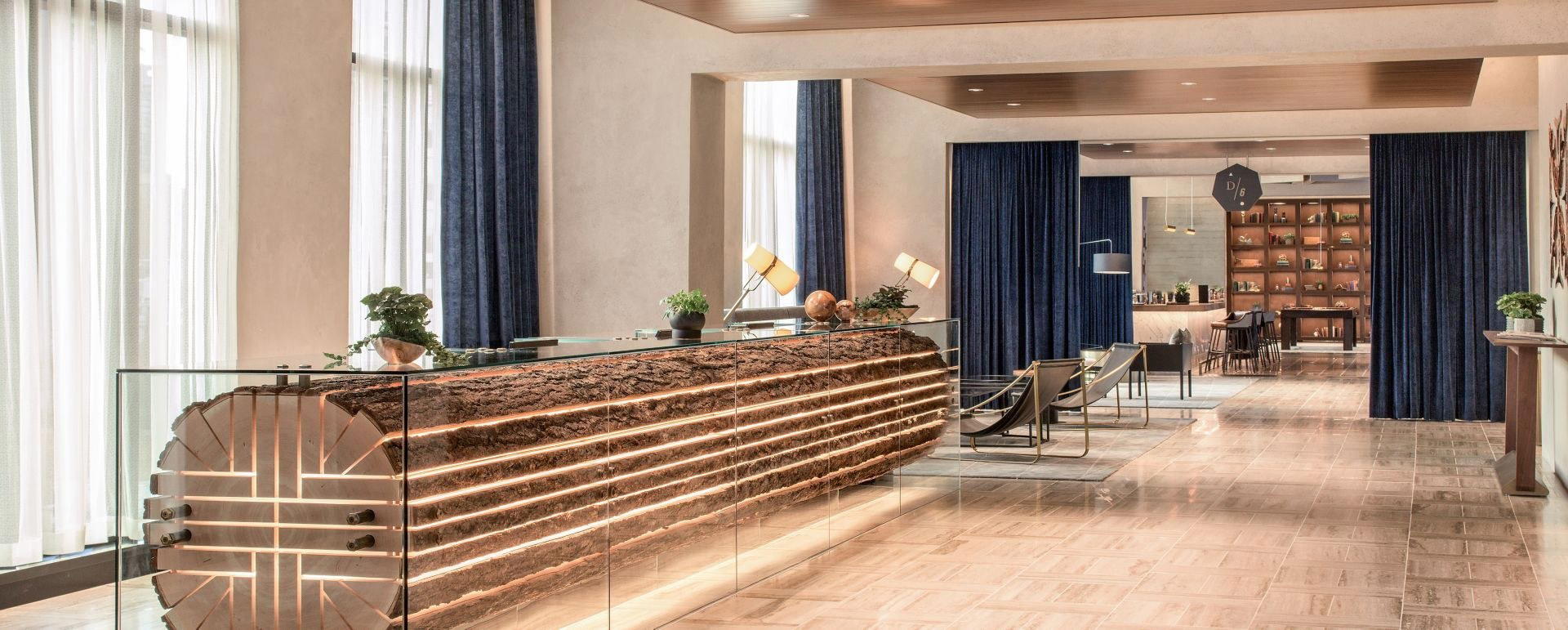
Contemporary minimalist design with Indigenous art motifs, natural wood elements, and a culturally immersive atmosphere.