Our verdict
CIRE sits inside Alila Villas Uluwatu, where Bali’s cliff-edge resort dining shifts away from beach-club volume toward a quieter, ingredient-led format. The useful lens here is sourcing: in Uluwatu, restaurants serving international guests increasingly need to translate island produce, seafood access, and resort-level consistency without turning the meal into a generic hotel dining room.

Pearl is the En Primeur Club membership app — saves, bookings, and concierge access live there. Same editors, same standards.
- Address
- Inside Alila Villas Uluwatu, Jl. Belimbing Sari Uluwatu, Banjar Tambiak, Pecatu, Kec. Kuta Sel., Kabupaten Badung, Bali 80362, Indonesia
- Phone
- +62 361 8482166
- Website
- hyatt.com
- Directions
- Get directions
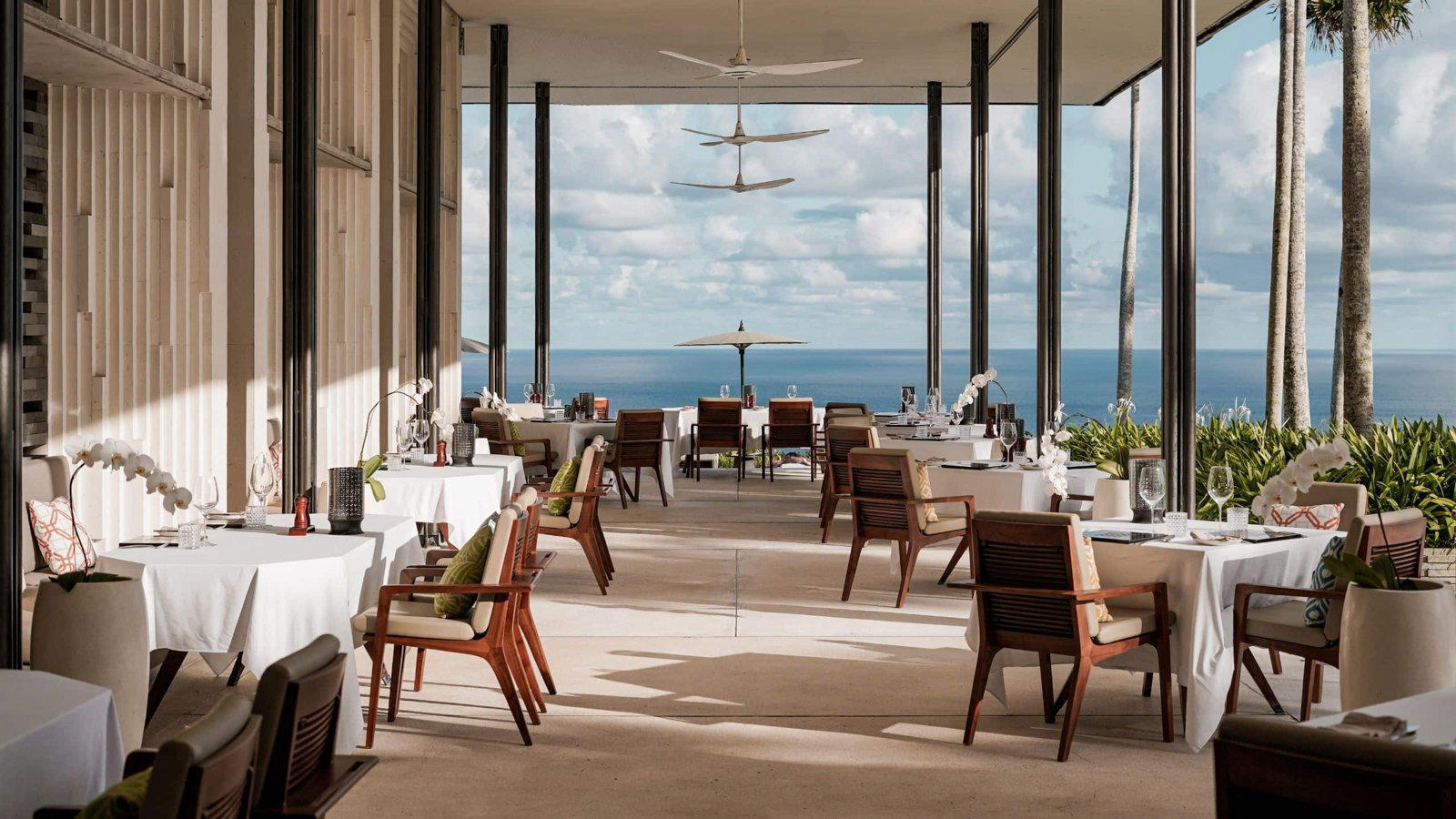
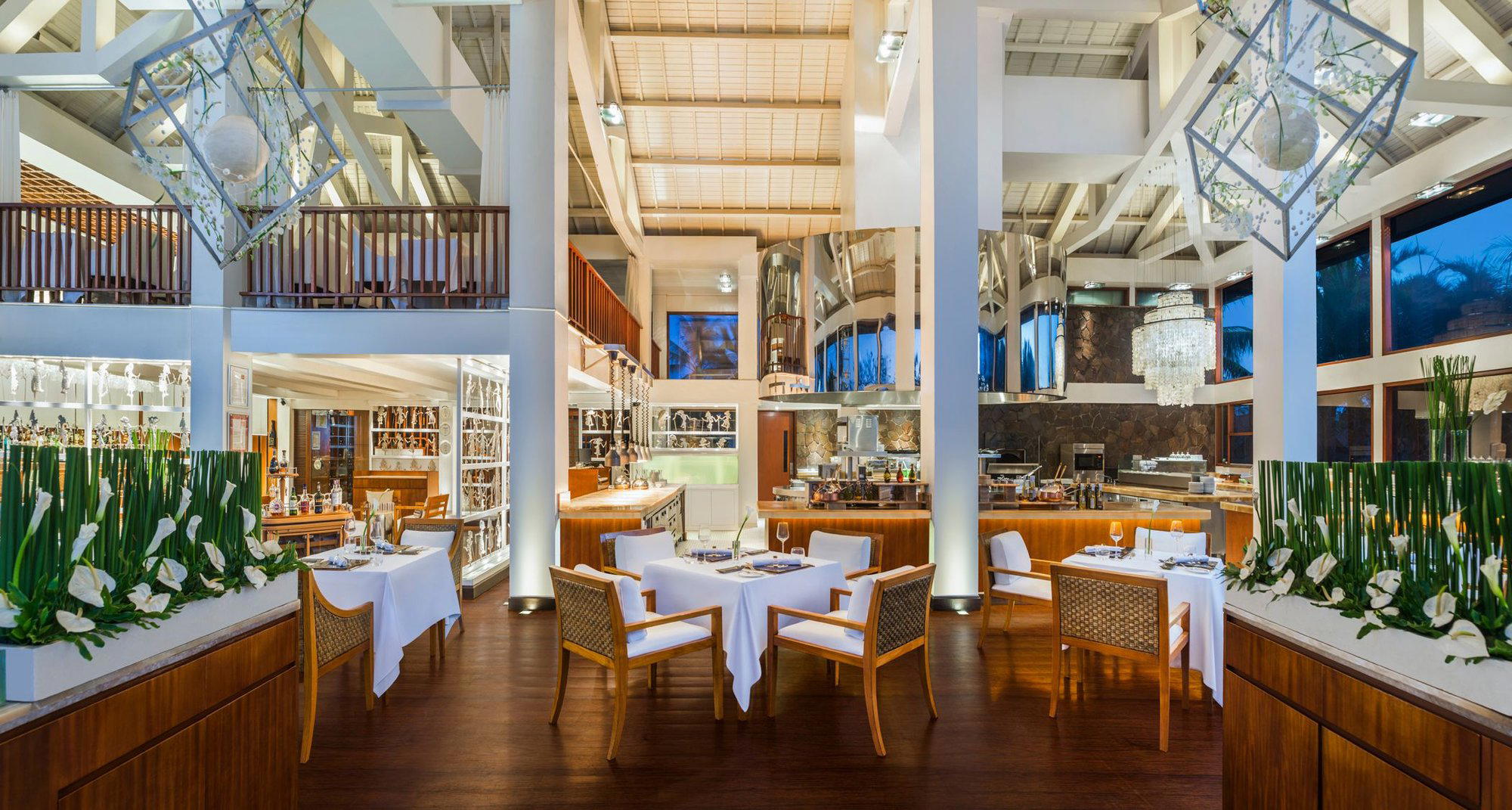
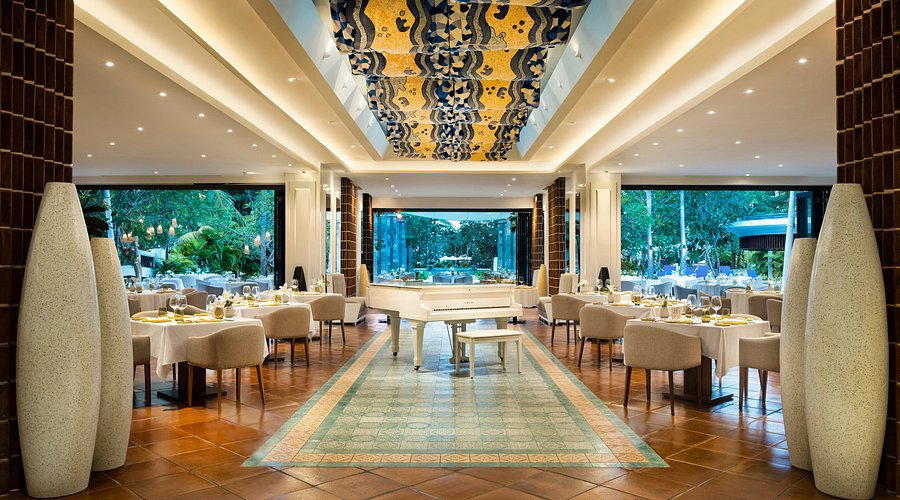
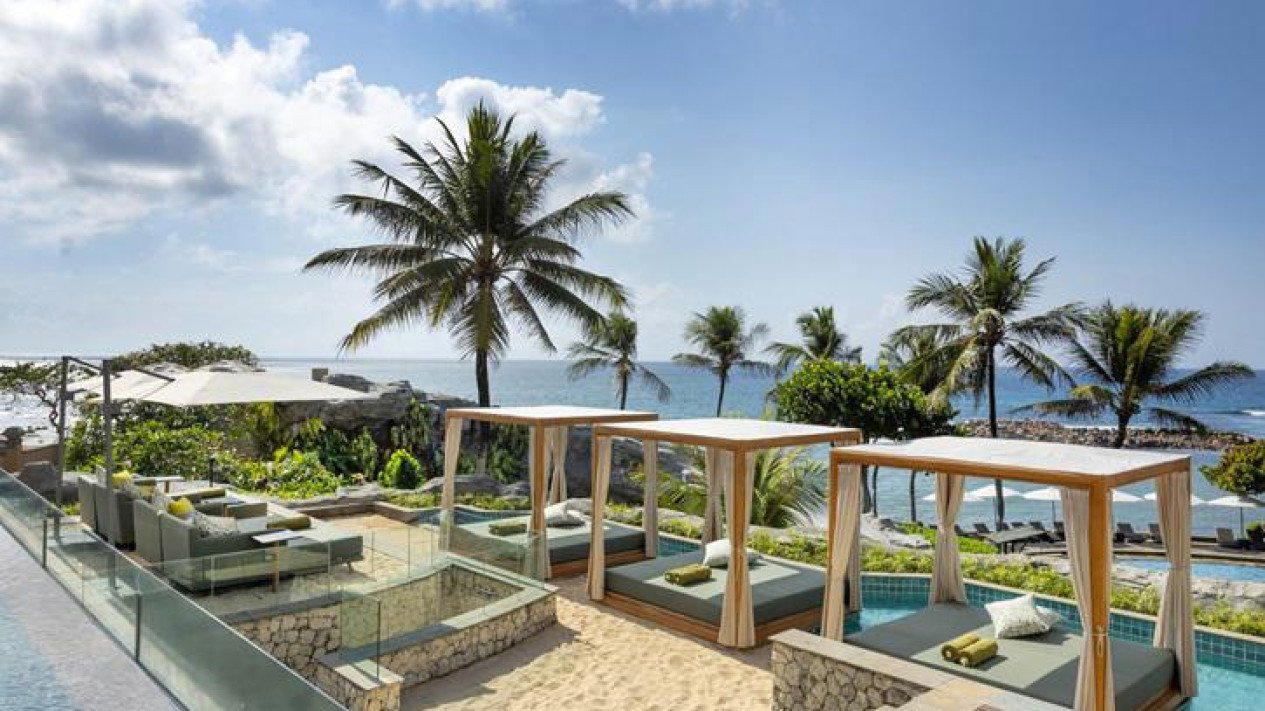
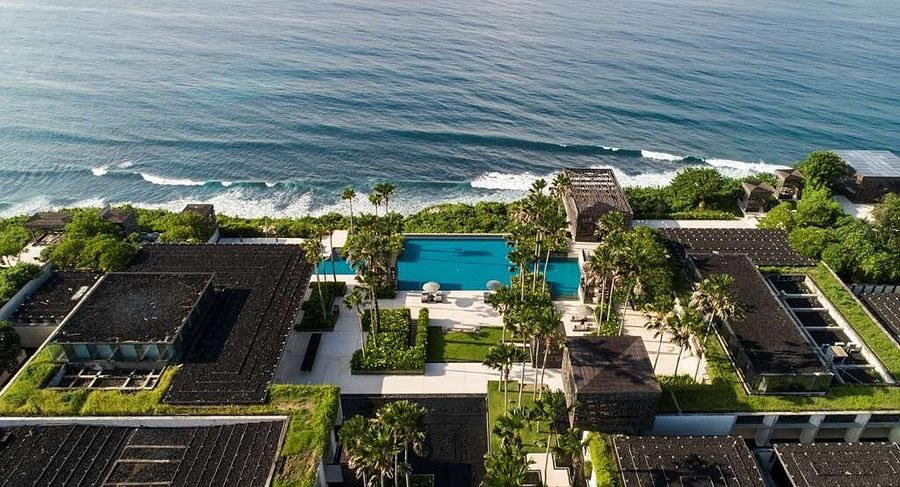
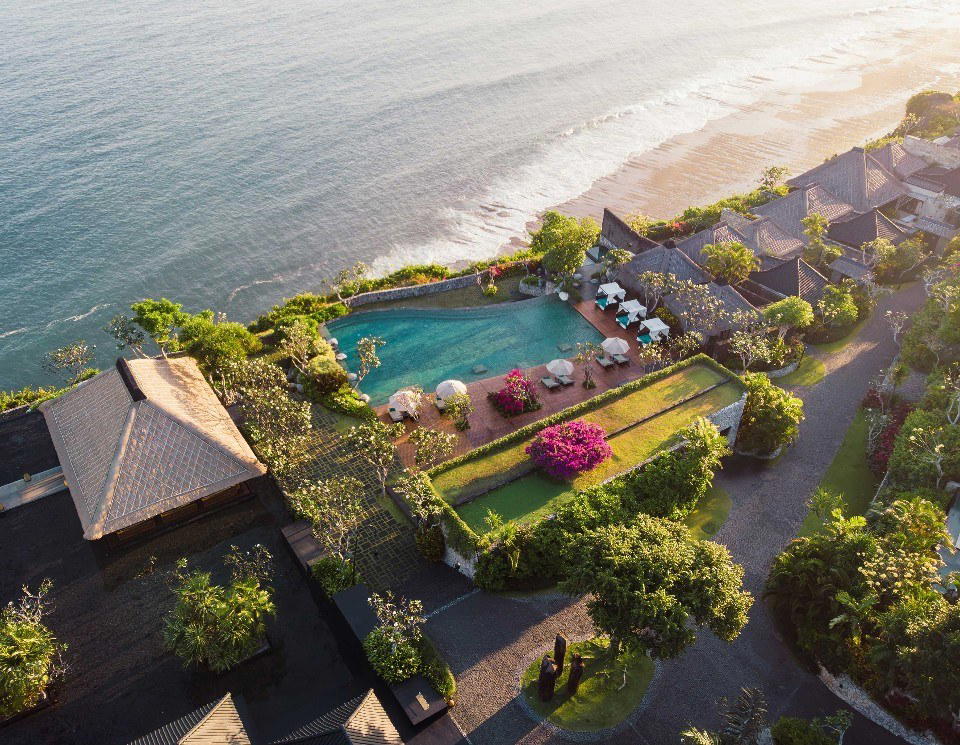
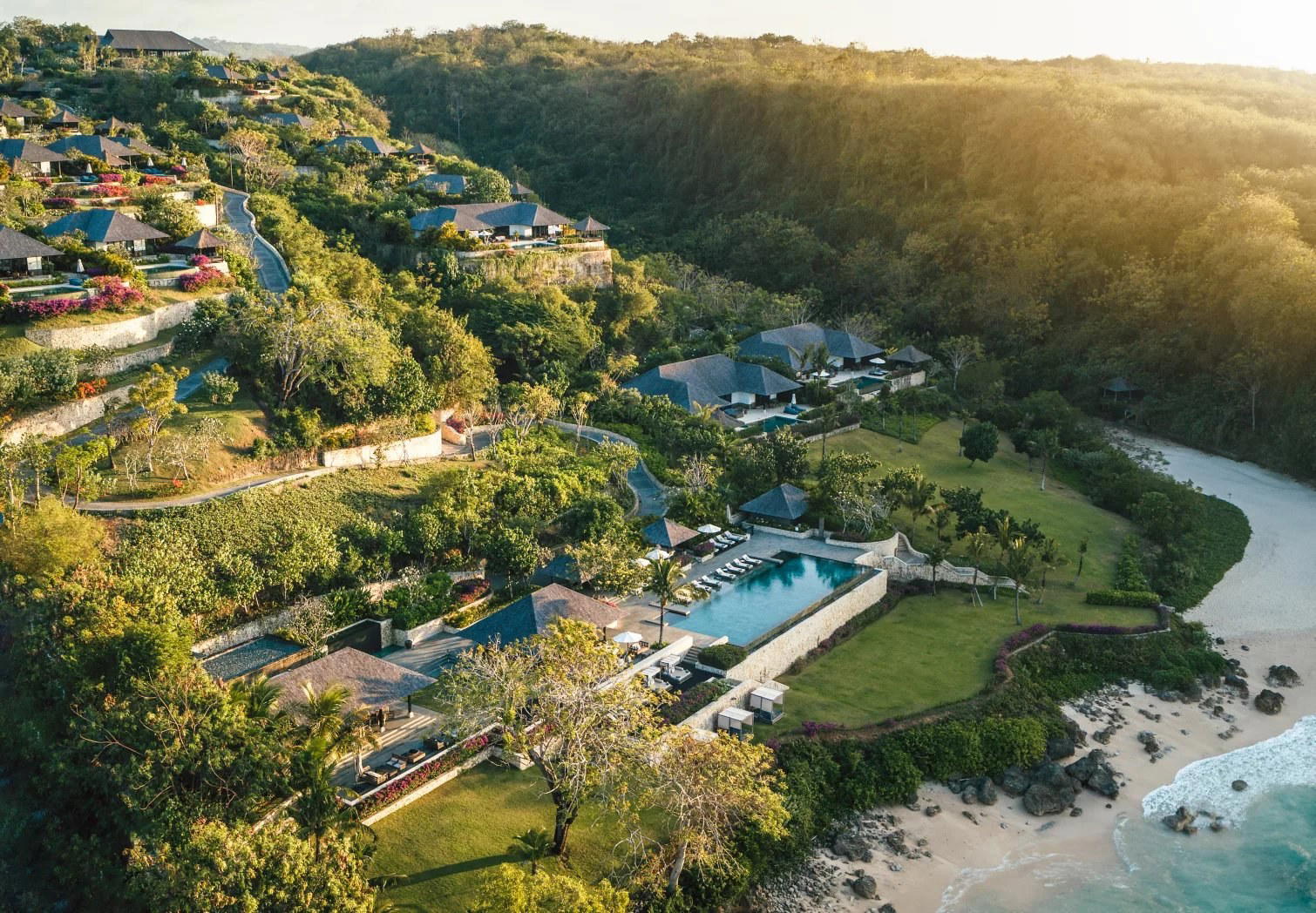
Approaching Uluwatu, the rhythm of dining in Bali changes. The road thins, the elevated coastline opens toward the ocean, and restaurant choice starts to split between surf-facing casual rooms, beach-club formats, and resort dining built for longer evenings. CIRE belongs to that last category. Its Uluwatu setting places it within the part of the island where architecture, sea air, and controlled service matter almost as much as what lands on the plate.
The more interesting question is not whether a resort restaurant can feel polished. Many can. The harder test in Uluwatu is whether the kitchen can make the surrounding island useful rather than decorative. Bali’s premium dining rooms now operate under a clear pressure: international guests expect precision, but the strongest meals in the region are those that keep a line to local vegetables, seafood channels, spices, and tropical fruit instead of defaulting to a placeless luxury vocabulary.
Uluwatu resort dining is becoming a sourcing argument
Across Uluwatu, the dining scene is less dense than Bali’s busier restaurant areas, so each serious hotel restaurant carries more weight in shaping how visitors read the area. Beach clubs frame the coast through daybeds and volume. Independent restaurants often work with tighter menus and more visible locality. Resort dining has a different obligation: it must be adaptable enough for international hotel guests while still giving the meal a reason to exist in Bali.
That is where ingredient sourcing becomes the editorial test. A restaurant in this setting does not need to announce every supplier to make its point; it needs to show restraint in how it uses the island’s pantry. In Bali, that can mean letting seafood stay central rather than overworked, treating sambal and spice as structure rather than garnish, and using tropical produce without pushing every plate toward sweetness. When resort kitchens get this wrong, the room is anywhere with a pool and a view. When they get it right, the setting and the food belong to the same coastline.
CIRE sits in conversation with other Uluwatu and Bali dining rooms rather than in isolation. Sangkar Restaurant works from a resort context with a more explicitly Balinese frame, while Il Ristorante - Niko Romito represents the international fine-dining end of Uluwatu’s hotel circuit. Other Uluwatu dining rooms pull the conversation toward grill-driven, coastal resort cooking. Those comparisons matter because Uluwatu is not a single dining category; it is a set of overlapping formats competing for the same sunset-hour appetite.
The room suits a longer evening rather than a quick stop
Because the restaurant is in Uluwatu, the experience reads differently from a standalone dining room on a busy commercial strip. The useful comparison is not with a quick seafood shack or a late-night bar; it is with destination resort restaurants where guests tend to build the meal into the wider architecture of the evening. That makes pacing central. In this tier of Uluwatu dining, a rushed dinner defeats the point, while a drawn-out meal can make the area’s slower geography work in its favour.
The sourcing angle also makes the kitchen’s role clearer. Uluwatu’s distance from Bali’s denser restaurant districts can be an advantage when a dining room uses the location as discipline: fewer distractions, more emphasis on produce, technique, and the sequence of the meal. It can also expose weaker concepts quickly. A restaurant without a strong ingredient logic has less neighbourhood energy to hide behind here than it would in a busier dining quarter.
For readers mapping a wider Bali itinerary, CIRE fits the quieter resort-dining side of the island rather than the café-and-cocktail circuit. Nearby comparisons in the EP Club index help separate formats: more concept-forward restaurant categories sit apart from this kind of resort-led Uluwatu dining, while independent restaurant listings point to a different kind of local discovery. For broader planning, use Our full Uluwatu restaurants guide alongside Our full Uluwatu hotels guide, Our full Uluwatu bars guide, Our full Uluwatu wineries guide, and Our full Uluwatu experiences guide.
How to place it in a Bali dining itinerary
The practical decision is simple: choose this kind of table when the evening calls for resort-level calm, a controlled setting, and a kitchen expected to work with Bali rather than merely stage it as scenery. Uluwatu rewards that approach because travel times across the island can stretch, especially between Uluwatu and busier northern dining districts. Pairing dinner with a stay or an Uluwatu-focused day makes more sense than treating it as a casual add-on from the other side of Bali.
Within Indonesia and the wider regional index, the contrast is useful. Other island restaurants and Bali dining rooms show how varied the Indonesian restaurant map becomes once Bali is not treated as a single dining shorthand. For a sharper global contrast, very different urban restaurant formats are useful reminders that context changes how a restaurant should be judged.
The verdict is that CIRE is a fit for travellers who want Uluwatu’s resort dining to feel grounded in place rather than detached from it. The Uluwatu setting is the key trust signal: it places the restaurant in a high-control hospitality environment where service expectations are set by the property as much as by the dining room. The stronger reading is not excess; it is whether the meal gives Bali’s ingredients enough authority to justify the journey south.
Frequently asked questions
How do I find CIRE?
CIRE is located in Uluwatu.
How far ahead should I plan for CIRE?
Plan around the fact that CIRE sits in Uluwatu, so it fits an evening built around resort dining rather than an impromptu walk-in. For a table in a hotel setting of this sort, advance planning is the safer approach.
What has CIRE built its reputation on?
CIRE’s main credential is its Uluwatu setting. That location places it in the resort-dining category, where setting and context matter as much as the meal.
Can CIRE adjust for dietary needs?
Guests with dietary needs should flag them in advance when arranging CIRE in Uluwatu. A resort restaurant in this setting is usually the right kind of kitchen for that conversation, especially if the request is made before arrival.
Is CIRE a family-friendly restaurant?
CIRE sits in a resort-style Uluwatu environment rather than a late-night dining room. That makes it a more natural fit for mixed-age groups than for a long, formal tasting-menu evening.
What should I expect atmosphere-wise at CIRE?
Expect the mood that comes with a resort restaurant in Uluwatu: controlled, polished, and shaped by the setting. In Uluwatu, that usually means a slower pace than the busier dining strips in Bali’s south.
How It Stacks Up
Nearby venues at a similar price tier for orientation.
| Venue | Cuisine | Awards |
|---|---|---|
| CIREThis venue — the venue you are viewing | Contemporary Mediterranean International | Not listed |
| The Warung | Authentic Indonesian & Balinese | Not listed |
| Sangkar Restaurant | Modern Indonesian and International Fine Dining | Not listed |
| Il Ristorante - Niko Romito | Modern Italian Fine Dining | Wine Spectator Best of Award of Excellence |
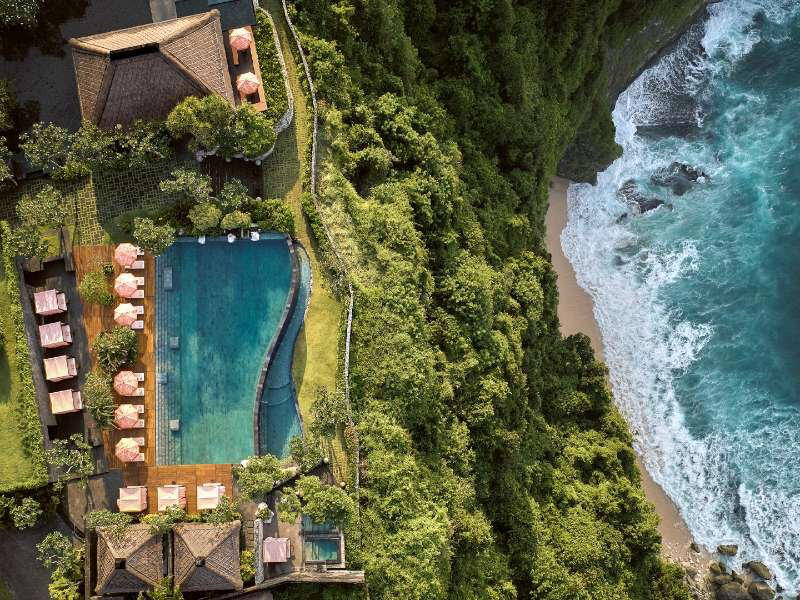
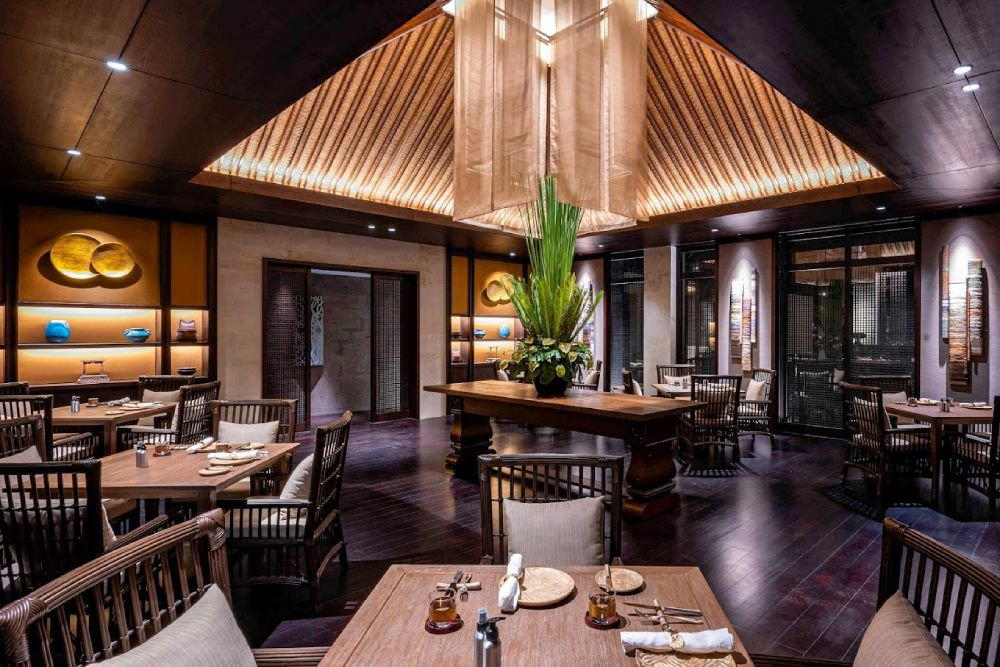
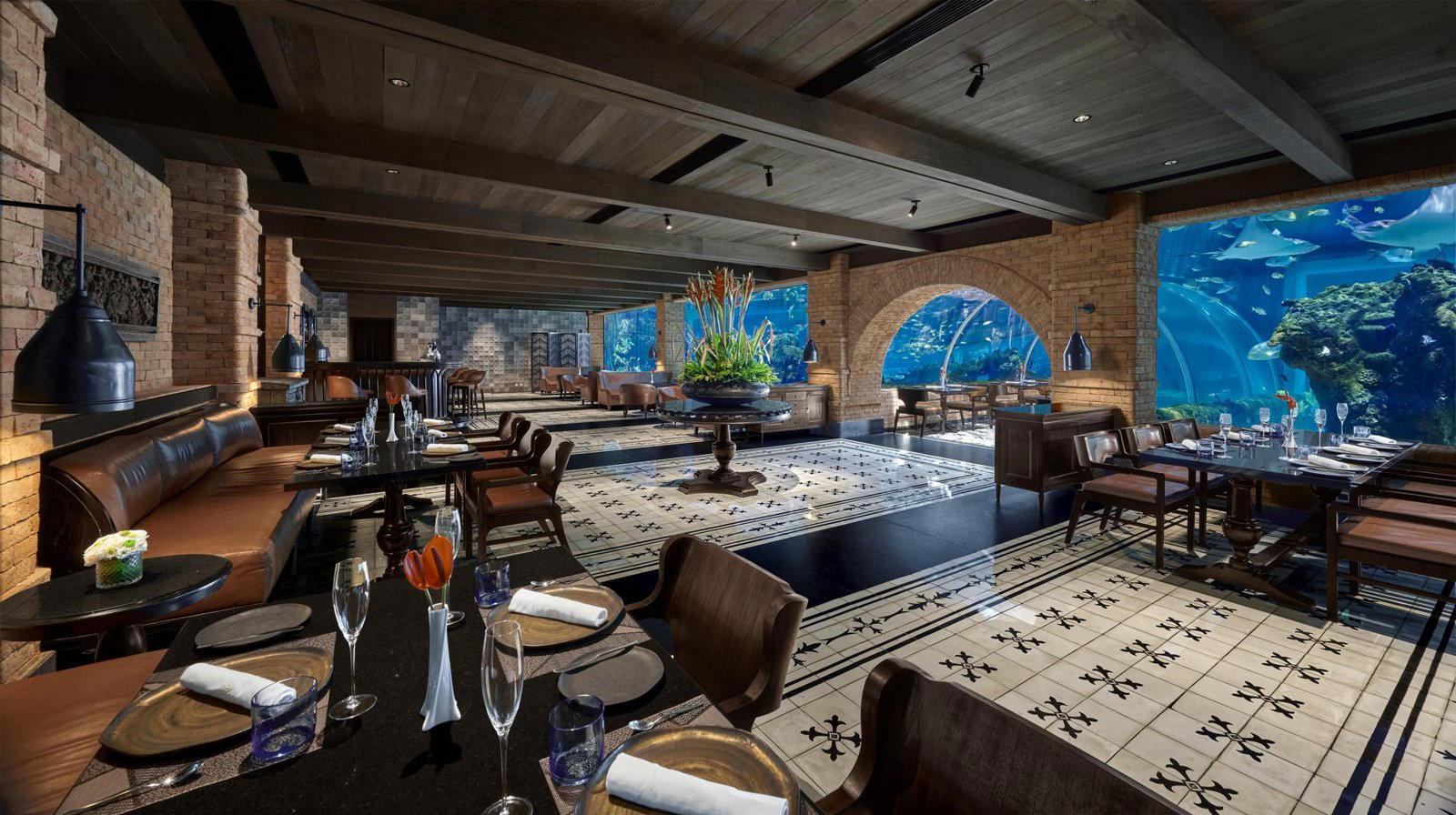
CIRE
The wine
- Wine program
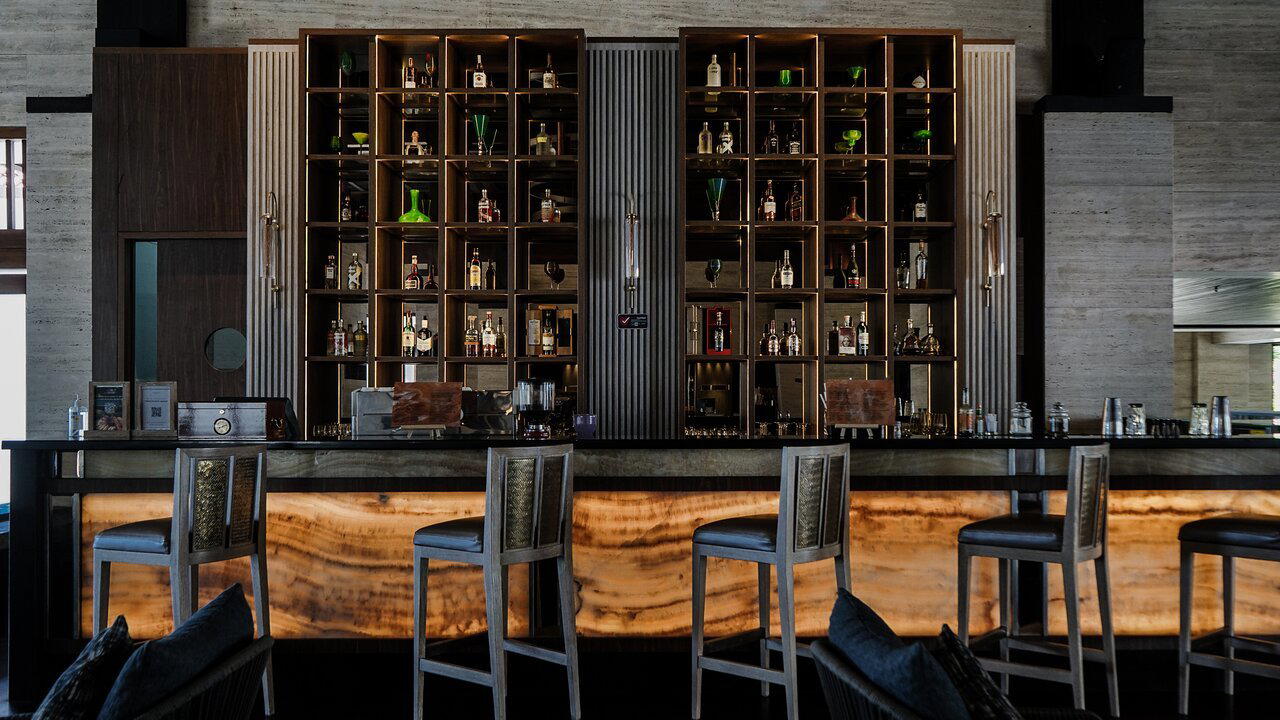
- Curated wine list
- Extensive wine list
- Craft cocktails
- Beer program
Details
- Elegant
- Sophisticated
- Scenic
- Romantic
- Intimate
- Date Night
- Special Occasion
- Celebration
- Business Dinner
- Group Dining
- Hotel Restaurant
- Panoramic View
- Design Destination
- Craft Cocktails
- Beer Program
- Extensive Wine List
- Local Sourcing
- Sustainable Seafood
- Waterfront
- A La Carte
- Set Menu
- Wine
- Cocktails
- Beer
- Vegetarian Friendly
- Vegan Options
- Gluten Free Options
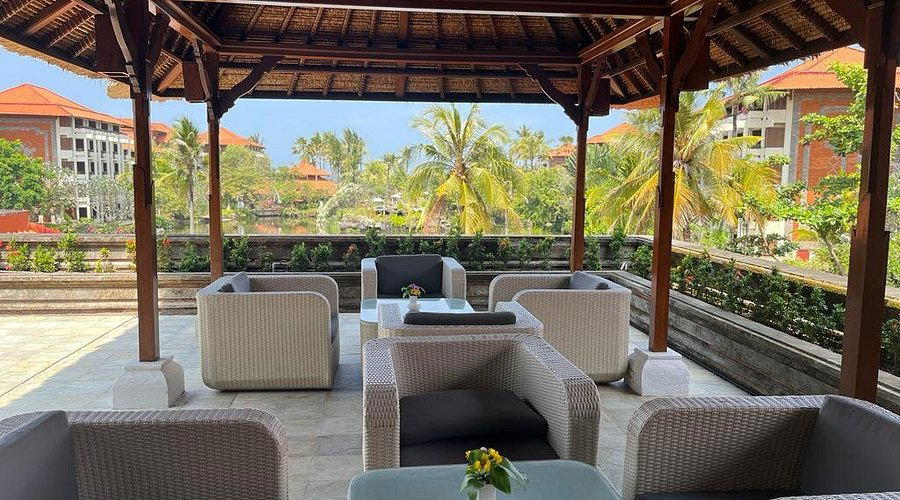
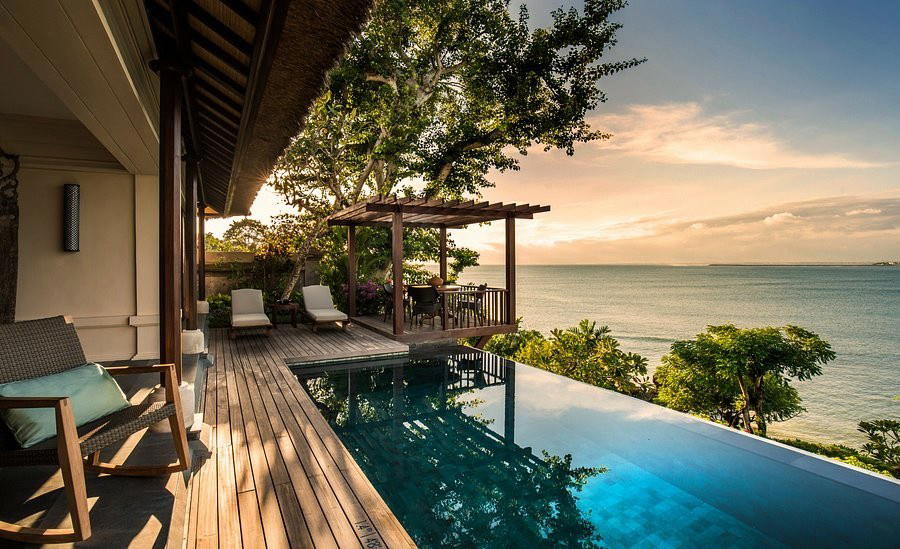
Elegant and polished with a resort-luxury feel, set against dramatic clifftop scenery and ocean views; suited to a refined dinner or special-occasion meal.