Six Senses Laamu




1 Michelin Key · Virtuoso Luxury Hotel Partner · Forbes Recommended
Six Senses Laamu occupies a singular position in the Maldives: the only resort in the southern Laamu Atoll, sitting 97 villas deep on an island where the famous Yin Yang surf break rolls just offshore. Rates from $1,189 per night reflect its remote-luxury positioning, and the journey — a seaplane or domestic flight plus speedboat — underscores the deliberate remove from the archipelago's more trafficked atolls.

Pearl is the En Primeur Club membership app — saves, bookings, and concierge access live there. Same editors, same standards.
- Address
- RC93+66F, Laamu Atoll 15090
- Phone
- +960 680-0800
- Website
- sixsenses.com
- Directions
- Get directions
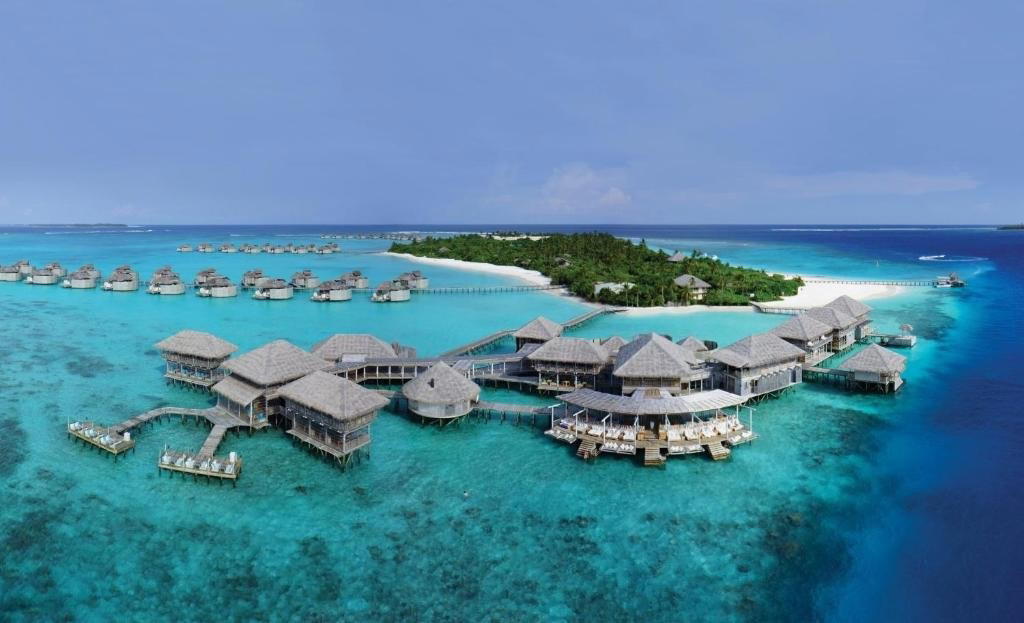
The Architecture of Deliberate Distance
The farther south you travel through the Maldivian archipelago, the more the resort density thins. Laamu Atoll sits well past the central cluster of properties near Malé — a geography that shapes every design and operational decision at Six Senses Laamu. Where resorts closer to the capital compete on spectacle and amenity volume, properties this far out have to make the distance feel intentional rather than inconvenient. The architecture here does exactly that.
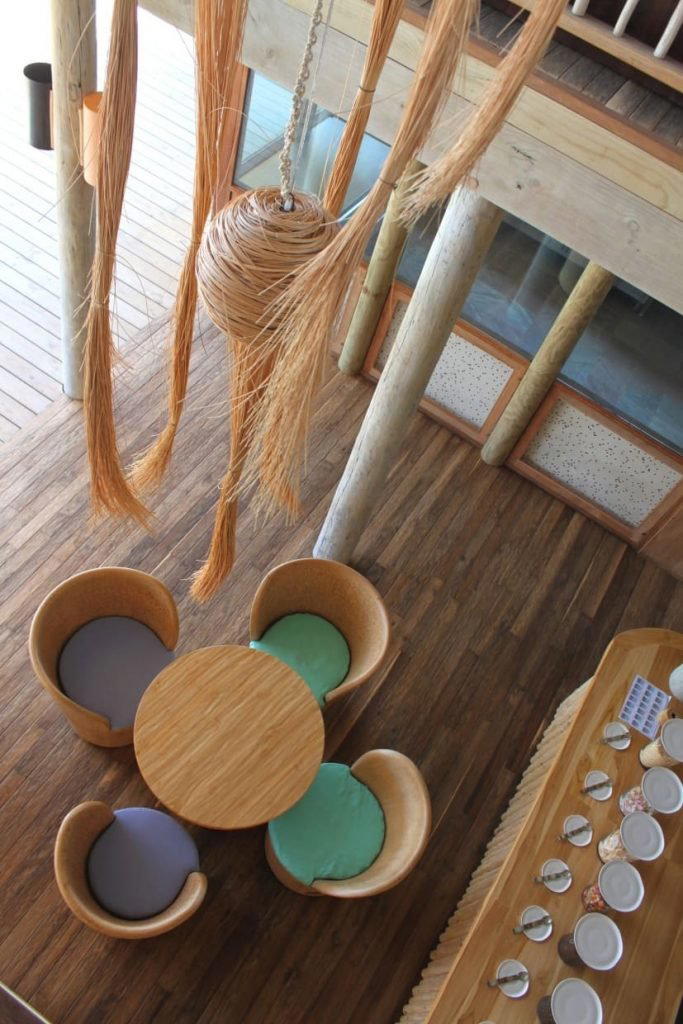
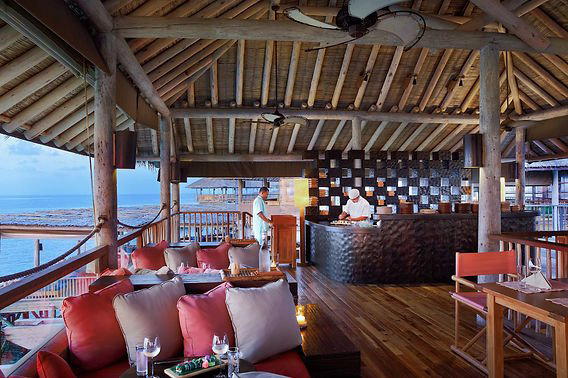
The 97 villas — spread across 94 built units in overwater and beachfront configurations, are constructed from sustainable materials: reclaimed wood, woven thatch, bamboo screening. None of this is decorative environmentalism. The palette reads as a genuine response to the site, where blonde timber and coconut-thatch rooflines sit against water so shallow and clear that the lagoon floor is visible from the upper decks of the two-level overwater villas. Those upper decks are worth noting specifically: two-story water villa structures are a rarity in the Maldives, where most overwater properties stack amenities horizontally rather than vertically. The rooftop vantage point changes the visual relationship between guest and ocean entirely, shifting the experience from lagoon-level immersion to something closer to a crow's nest perspective.
Inside, the design resists the template of smooth minimalism that dominates much of the region's luxury resort category. Vintage-effect luggage trunks hide television screens in some rooms. Transparent bathtubs sit over glass floor panels in the water villas, so the marine activity below becomes part of the bathroom experience. Hammocks extend directly over the lagoon from the villa decks. The effect is less curated retreat and more a considered rusticity, a design language that signals looseness and play without abandoning structural quality.
Materials, Scale, and the Case Against Shoes
Arriving guests are invited to leave their footwear at the entrance, a "no shoes, no news" policy that also keeps newspapers available only on request and tucks TV screens behind textiles or inside trunks. This kind of operational philosophy tends to read as affectation in lesser hands, but at a property separated from Malé by either a 65-minute seaplane transfer or a 35-minute domestic flight to Kadhdhoo Airport followed by a 15-minute speedboat ride, the logic holds. The distance is already doing the work of disconnection; the design choices simply extend it into the room.
Among the 97 rooms, the beach villas carry their own architectural moment: treetop-level decks with dedicated dining areas, refined enough to look across the canopy rather than through it. The two-bedroom villas add private pools and outdoor showers, with enough surrounding vegetation to absorb the presence of neighboring guests without blocking the ocean sightline. This is a spatial problem many resort designers get wrong, privacy versus view usually involves a trade-off. Here, the planting density and villa positioning resolve it cleanly.
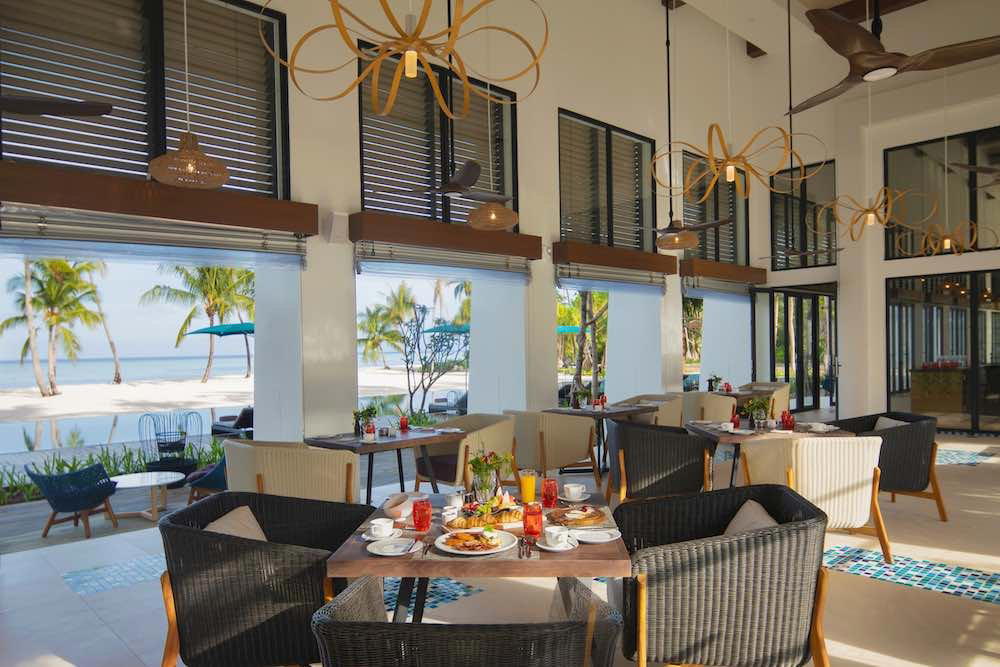
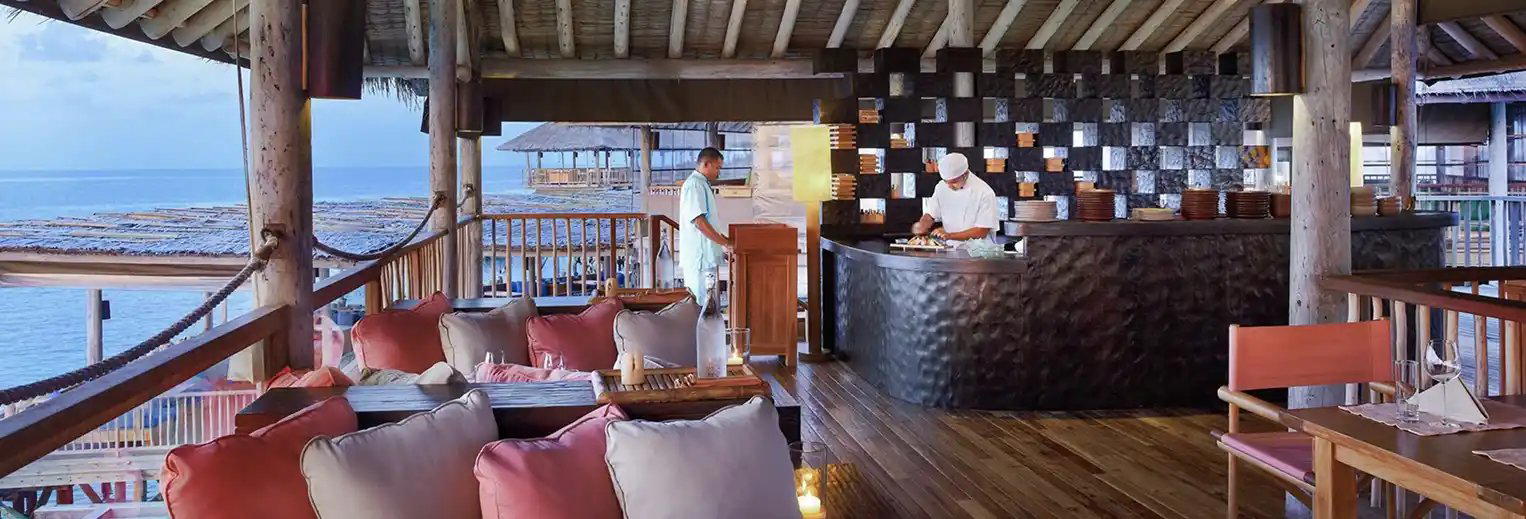
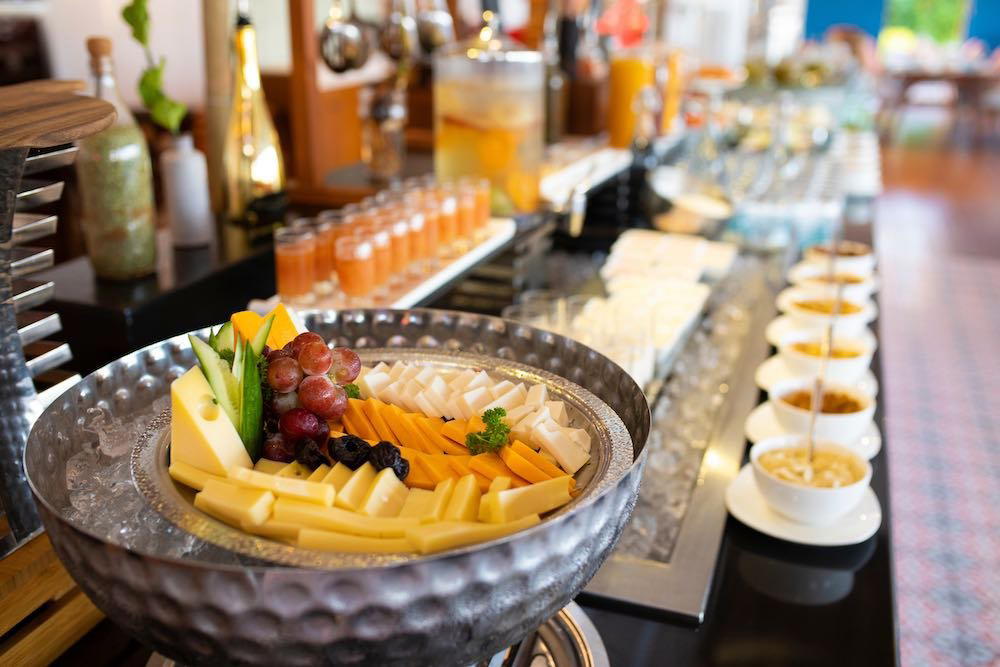
The Longitude restaurant, built over the lagoon in a two-story coconut thatch pavilion, extends the same material vocabulary into the dining context. Glass panels in the floor bring the water into the breakfast setting, where the morning service runs from champagne and prosecco through fresh fruit, housemade pastries, eggs, meats, cheeses, and curries. The architecture of the space, open-sided, refined, thatched, makes the tropical context inescapable, which is precisely the point.
The Natural Setting as Competitive Differentiator
Laamu Atoll's distance from the capital translates directly into water quality. As one of the most remote atolls in the country, it sees significantly less boat traffic and development pressure than the North Malé Atoll ring, where properties like Banyan Tree Vabbinfaru or Huvafen Fushi operate within a much busier marine corridor. The visibility in Laamu's waters is consistently high, and the house reef supports manta ray sightings with enough regularity that the resort employs a resident marine biologist. The Yin Yang surf break, widely considered the Maldives' most recognized wave, breaks just offshore, a fact that positions Six Senses Laamu in a different niche than wellness-only peers like COMO Cocoa Island or COMO Maalifushi, which emphasize diving instruction and spa programming without a comparable surf offering.
Beginner waves are available alongside the main break, which means the surf program scales across experience levels rather than catering only to experienced riders. Snorkeling in the house reef adds a lower-intensity marine option. This breadth of water activity puts Six Senses Laamu in conversation with properties like Niyama Private Islands in terms of activity range, though Niyama sits in a different atoll with different wave and reef conditions.
Spa Programming and the Wellness Architecture
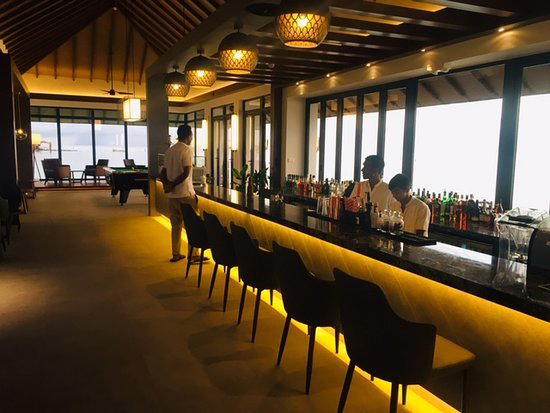
The Six Senses group has built its global reputation substantially on spa and wellness programming, and Laamu operates within that framework. The Six Senses Spa offers signature treatments alongside visiting practitioner programs, a format that distinguishes it from in-house-only spa models by bringing rotating specialist expertise to the property. The treatments have received award recognition, consistent with the broader Six Senses portfolio's standing in the wellness-resort category. The Altitude wine tower, meanwhile, provides an evening counterpoint: a dedicated wine-tasting space oriented toward sunset views over the Indian Ocean.
Organic kitchen gardens on the island supply produce to the culinary program, a supply-chain decision that keeps the food offer grounded in the same sustainability ethic as the villa construction. The Ice and Chocolate Studio produces handmade chocolates and ice cream in-house, salted caramel chocolates are noted by the resort's inspectors as a reference point, adding a level of artisanal specificity to the food programming that most Maldivian resorts of comparable scale don't replicate.
Where It Sits in the Maldives Market
At a starting rate of $1,189 per night, Six Senses Laamu operates in the upper tier of Maldivian resort pricing, a bracket it shares with properties like Soneva Fushi and Soneva Jani, both of which pursue a similar eco-luxury positioning. The critical distinction is geographic: Soneva's flagship properties sit in Baa Atoll and Noonu Atoll respectively, within easier reach of Malé.
For comparison, Amilla Maldives in Baa Atoll and Gili Lankanfushi near Malé serve guests who want luxury-tier Maldives without the extended transfer. Six Senses Laamu is, by design, not that property. The 65-minute seaplane or the domestic flight-plus-speedboat combination are not inconveniences to be minimized in the communication, they are the opening sequence of the experience, signaling the remove before the island is even visible on approach.
Planning Your Stay
Access from Malé International Airport follows two routes: a 65-minute seaplane transfer direct to the resort, or a 35-minute domestic flight to Kadhdhoo Airport followed by a 15-minute speedboat connection. The seaplane option adds an aerial perspective of the atoll chain that many guests cite as a memorable arrival sequence. The resort carries 97 rooms across overwater and beach villa categories, and the Six Senses group's booking infrastructure handles reservations centrally. For broader context on resort options across the atoll, including mid-range and entry-luxury alternatives, the EP Club Laamu Atoll guide covers the full competitive field. Additional Maldivian comparisons worth reviewing include Soneva Secret in Haa Dhaalu Atoll, Angsana Velavaru, Baglioni Maldives, Constance Halaveli, Cora Cora Maldives, Fushifaru Maldives, Hurawalhi Island Resort, JA Manafaru, JW Marriott Maldives, Mercure Maldives Kooddoo, and Coco Bodu Hithi, depending on atoll preference and budget positioning.
A Quick Peer Check
| Venue | Price | Awards |
|---|---|---|
| Six Senses LaamuThis venue — the venue you are viewing | $1,000–1,500 | 1 Michelin Key · Virtuoso Luxury Hotel Partner |
| Soneva Fushi | Not listed | 3 Michelin Keys · World's 50 Best #55 |
| Soneva Jani | $1,500–2,500 | 2 Michelin Keys · World's 50 Best #36 |
| Anantara Kihavah Maldives Villas | Not listed | La Liste Top Hotels · Forbes 4-Star |
| Banyan Tree Vabbinfaru | Not listed | La Liste Top Hotels · Forbes 4-Star |
| Cheval Blanc Randheli | $2,500+ | 3 Michelin Keys · La Liste Top Hotels |
Recognition history
Dated appearances from independent guides and award organizations, with the underlying list record or original source where available.
Michelin 1 Key
Michelin
Forbes Recommended
Forbes
Virtuoso Luxury Hotel Partner
Virtuoso
World Spa Awards Maldives' Best Wellness Retreat 2026 Nominee
World Spa Awards
Full recognition history (7 entries)
Forbes Recommended
Forbes
Michelin 1 Key
Michelin
World Spa Awards Maldives' Best Wellness Retreat 2025 Nominee
World Spa Awards
Continue exploring
More in Laamu Atoll
Hotels in Laamu Atoll
Browse all →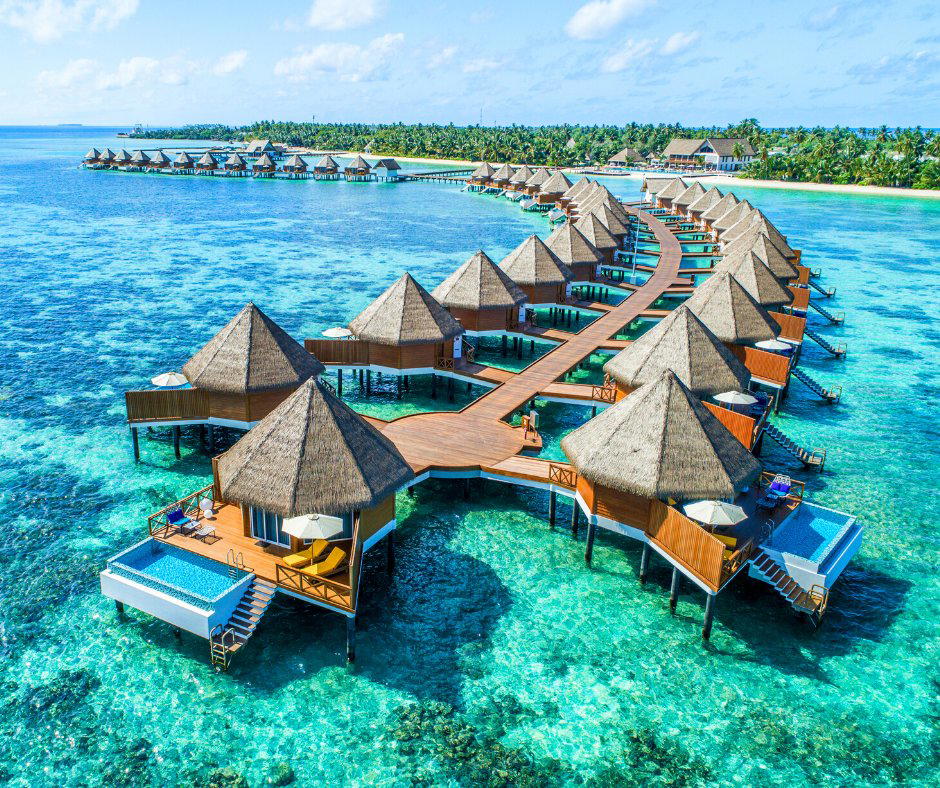
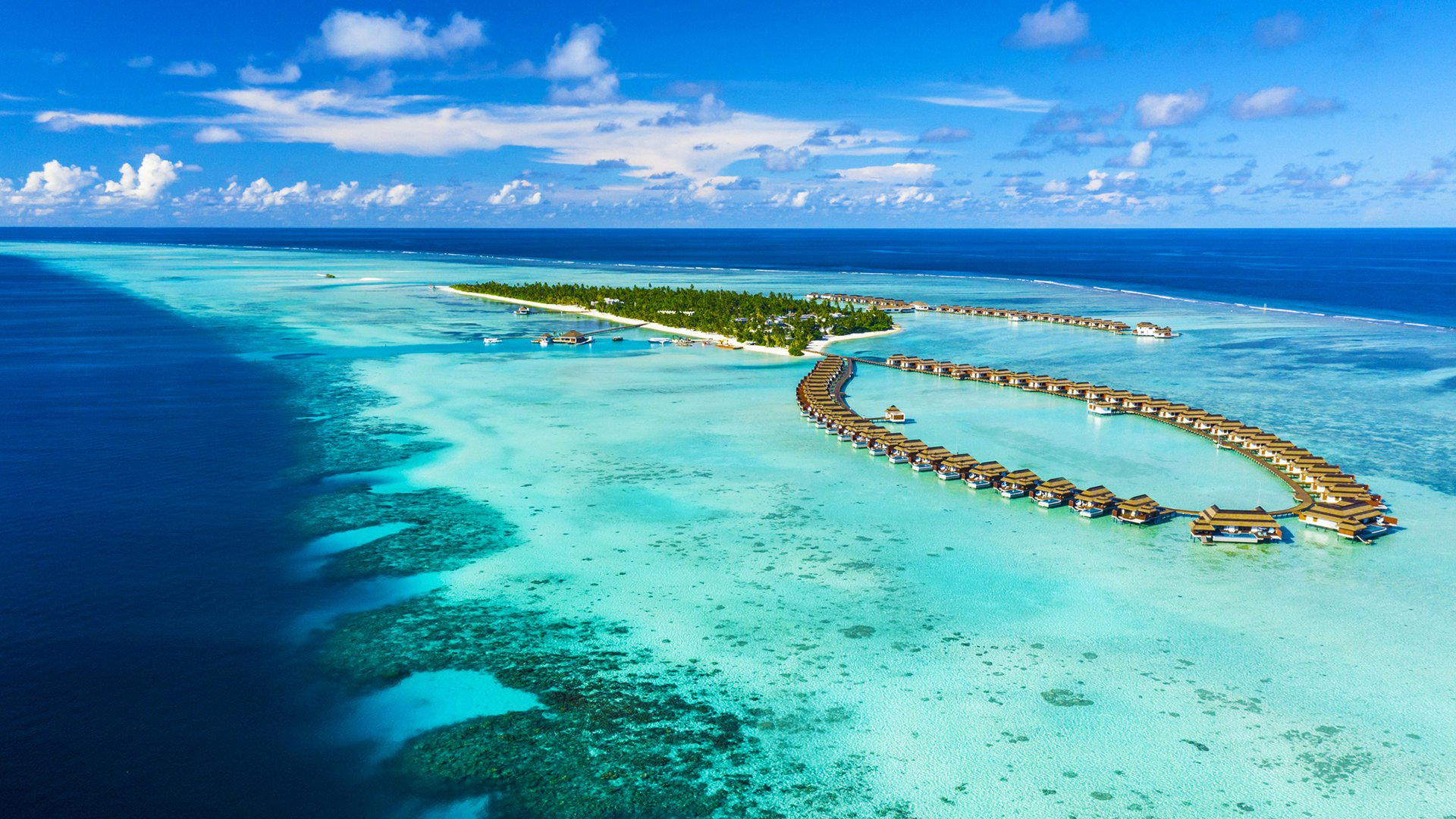
Bars in Laamu Atoll
Browse all →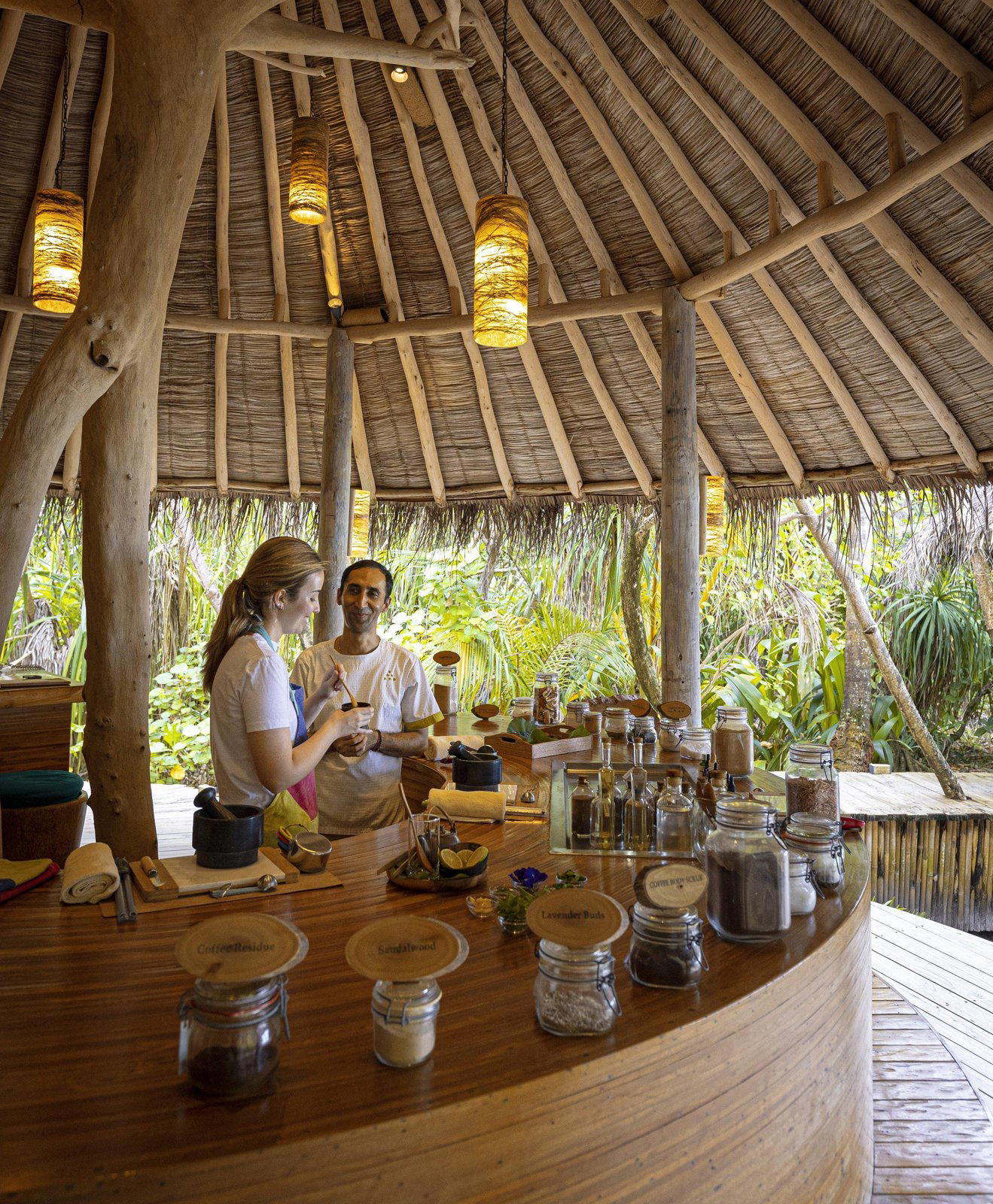
Details
- Romantic
- Quiet
- Elegant
- Scenic
- Sophisticated
- Ornate
- Honeymoon
- Romantic Getaway
- Family Vacation
- Wellness Retreat
- Anniversary
- Beachfront
- Infinity Pool
- Private Villa
- Butler Service
- Destination Spa
- Panoramic View
- Private Dining
- Wi Fi
- Pool
- Spa
- Fitness Center
- Room Service
- Concierge
- Kids Club
- Beach Access
- Waterfront
- Garden
Serene barefoot luxury with natural light, minimalist sustainable design using local materials, and panoramic lagoon and ocean views creating an intimate, private tropical paradise.