Salvadonica

A Michelin Selected agriturismo on the edge of San Casciano in Val di Pesa, Salvadonica occupies a medieval farmhouse compound that positions it squarely within Chianti Classico's quieter, property-led accommodation tier. The estate offers an alternative to Florence's grand-hotel circuit for travellers who prefer vineyard surroundings and agricultural architecture over urban luxury.
Pearl is the En Primeur Club membership app — saves, bookings, and concierge access live there. Same editors, same standards.
- Address
- Via Grevigiana, 82, 50026 San Casciano in Val di Pesa FI, Italy
- Phone
- +39 055 821 8039
- Website
- salvadonica.com
- Directions
- Get directions
 Saves & bookings on Pearl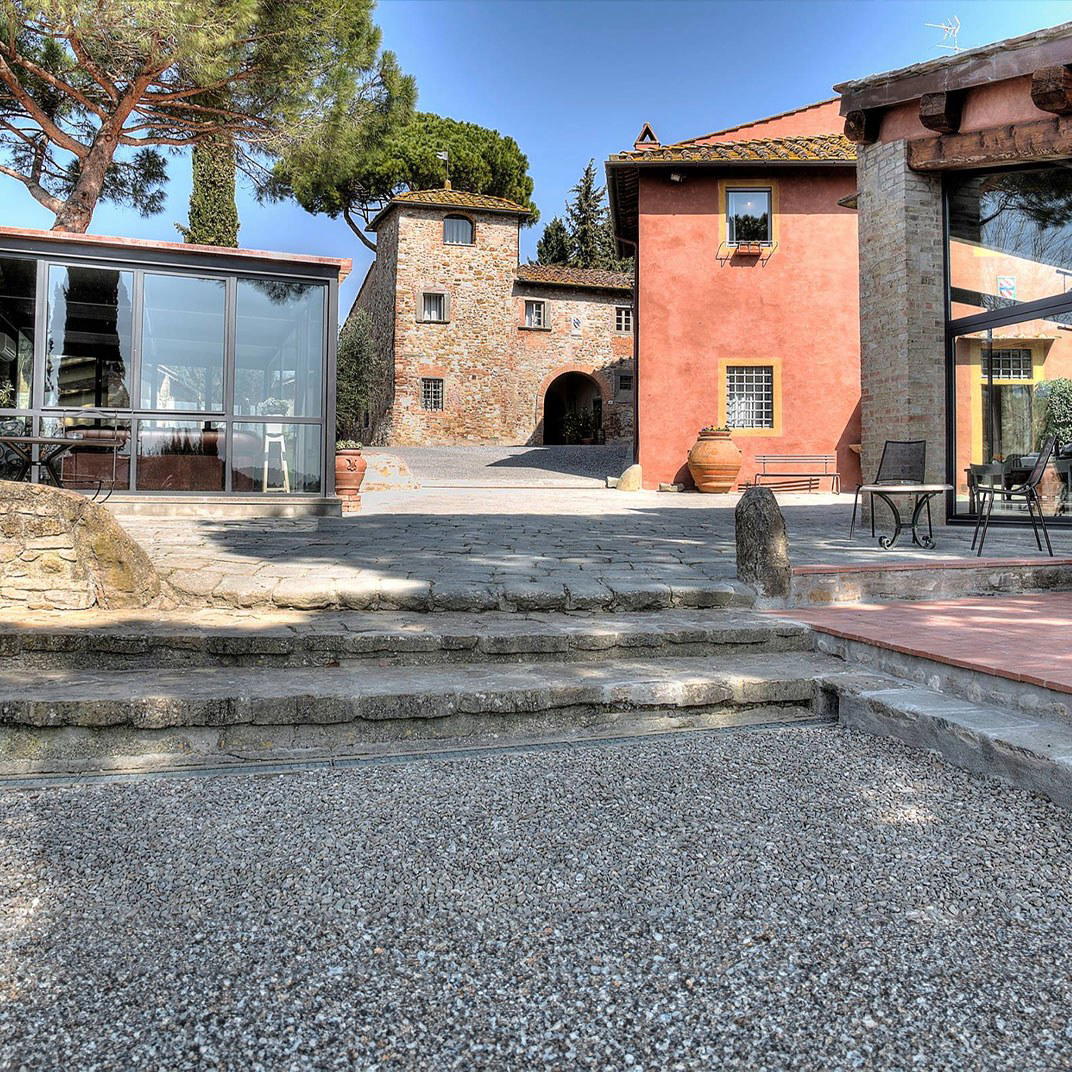
Stone, Olive and the Chianti Farmhouse Tradition
The road to Salvadonica runs through a landscape that has been producing wine and olive oil since the Florentine Republic was writing its statutes. Along the Via Grevigiana, the farmhouses are broad-shouldered and earthbound, built from local pietra serena and terracotta in a vernacular that was never meant to impress anyone passing at speed. Salvadonica fits that register precisely: arriving here, you encounter the kind of compound where the architecture announces nothing, but the accumulated weight of centuries makes its case slowly, through proportion and material rather than gesture.
That restraint is not unusual in this corner of Tuscany. Chianti Classico's agriturismo tier has always operated on the principle that the land itself is the argument. What Michelin Selected 2025 recognises in Salvadonica is the degree to which the property has maintained that discipline.
Architecture as Agricultural Memory
The design grammar at properties like Salvadonica is inseparable from the agricultural function that created it. Medieval Tuscan farmhouses were built to house families, workers, animals, and produce under a common roof or within a shared courtyard, and that functional logic left a physical imprint that no renovation fully erases. What distinguishes the better-preserved examples is not a restoration that freezes them in amber, but one that allows the bones of the original structure to remain legible while accommodating modern use.
In the Chianti hills, this approach has produced a distinct category of accommodation that sits between the grand villa and the simple B&B. Salvadonica occupies that middle ground with buildings where rough-hewn walls, timber beams, and terracotta floors provide a material context that modern furnishings are expected to work with rather than override. The courtyard, a defining element of the Tuscan farmhouse plan, functions as the social anchor of the property in the way it always has: a shared outdoor space that mediates between private accommodation and the wider estate.
This is a different proposition from what you find at properties like the Four Seasons Hotel Firenze in Florence, where the Renaissance palazzo architecture has been translated into full urban luxury, or the Rosewood Castiglion Del Bosco in Montalcino, which operates at a resort scale across a large Brunello estate. Salvadonica positions itself in a quieter, more self-contained register, where the estate's agricultural identity remains structurally present rather than serving as aesthetic backdrop.
Placing Salvadonica in San Casciano's Accommodation Tier
San Casciano in Val di Pesa occupies a position in the Chianti Classico zone that is closer to Florence than many of the area's more publicised wine villages. The town sits roughly twenty kilometres south of the city, which places it within practical reach of Florentine cultural institutions while offering the kind of working agricultural environment that motivates a stay outside the city in the first place. For travellers anchoring a Tuscany itinerary in Florence but wanting their nights in the countryside, the logistics here are workable in a way they are not from more remote estates.
Within San Casciano's own accommodation set, Salvadonica sits alongside properties including Fonte de' Medici and Villa Il Poggiale, both of which draw on the area's Florentine villa heritage but with different architectural emphases. The competitive set in this zone rewards specific preferences rather than ranking cleanly: a traveller drawn to working farmhouse architecture will make a different choice than one who wants formal garden structure or a more overtly decorative interior tradition. Salvadonica's Michelin Selected status in 2025 places it in the local offer.
The Rural Tuscan Stay Against Its Italian Peers
Italy's premium rural accommodation has sorted itself into recognisable tiers over the past two decades. At one end sit the large design-led or brand-affiliated estates, where the hospitality apparatus is substantial and the property functions as a destination in itself. Properties such as Borgo Egnazia in Savelletri di Fasano or Castello di Reschio in Lisciano Niccone operate in that upper bracket. At the other end sit simple agriturismi where the offer is agricultural and the hospitality infrastructure is minimal.
Salvadonica occupies a middle position in that range, with Michelin recognition that places it above the unverified rural tier but within a format where the estate character is the primary draw rather than a curated hospitality program. That makes it a relevant comparison to Casa Maria Luigia in Modena, which operates on a similarly intimate property scale but within the Po Valley's food culture rather than Chianti's wine tradition. Both represent the category of Italian property stay where what surrounds the building matters as much as the building itself.
Travellers who have calibrated their expectations against urban luxury references, whether at Aman Venice, Bulgari Hotel Roma, or Portrait Milano, should approach a property like Salvadonica with a rural frame entirely. The offer here is the agricultural setting, the architectural heritage, and proximity to one of the world's most studied wine zones, not the service density or room amenities of a city hotel.
Planning a Stay
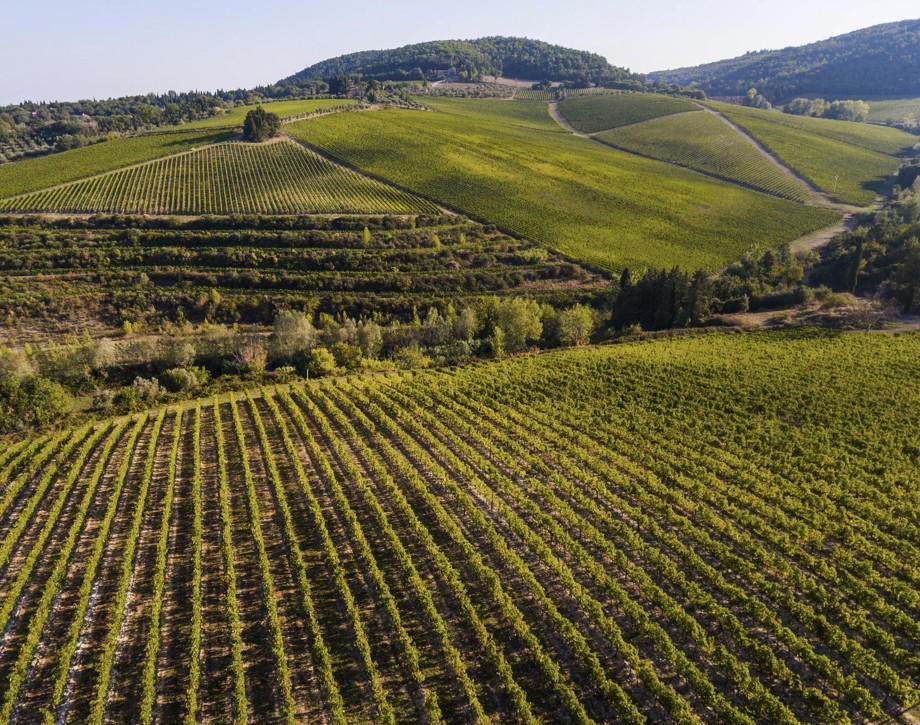
Salvadonica is located at Via Grevigiana 82 in San Casciano in Val di Pesa. The property is accessible by car from Florence in under thirty minutes, making it practical as a base for day visits to the city or for touring the Chianti Classico zone. The area's primary travel season runs from late April through October, with September and early October representing the harvest period when the vineyards carry visual and agricultural interest. Booking ahead for that window, particularly for weekend stays, is advisable given the limited capacity that characterises properties in this tier.
Comparison Snapshot
Comparable venues nearby, for context on price, style, and recognition.
| Venue | Cuisine | Price | Awards | Notes |
|---|---|---|---|---|
| SalvadonicaThis venue — the venue you are viewing | Restored 14th-century Tuscan borgo blending historic charm with modern comforts. | $$$$ | Not listed | Not listed |
| Villa Il Poggiale | Renaissance historical villa turned boutique country resort | $$$$ | 4-Star | San Casciano in Val di Pesa |
| Fonte de' Medici | Historic Tuscan agriturismo with stone farmhouses and village-like borgo. | $$$ | 3-Star | Montefiridolfi |
| Vigne di Fagnano 1709 Eco Relais | Restored 18th-century noble rural residence blending luxury comfort with historical authenticity. | $$$$ | Not listed | Santo Stefano Belbo |
| Secolario - Masseria del Viverbene | Restored historic Apulian masseria with contemporary updates preserving territorial memory and craftsmanship. | $$$$ | Not listed | Palmariggi |
| Poggio Piglia | Cultured contemporary Tuscan casale in bucolic countryside setting | $$$$ | Not listed | Macciano |
Recognition history
Dated appearances from independent guides and award organizations, with the underlying list record or original source where available.
Michelin Selected
Michelin
Continue exploring
More in San Casciano in Val di Pesa
Hotels in San Casciano in Val di Pesa
Browse all →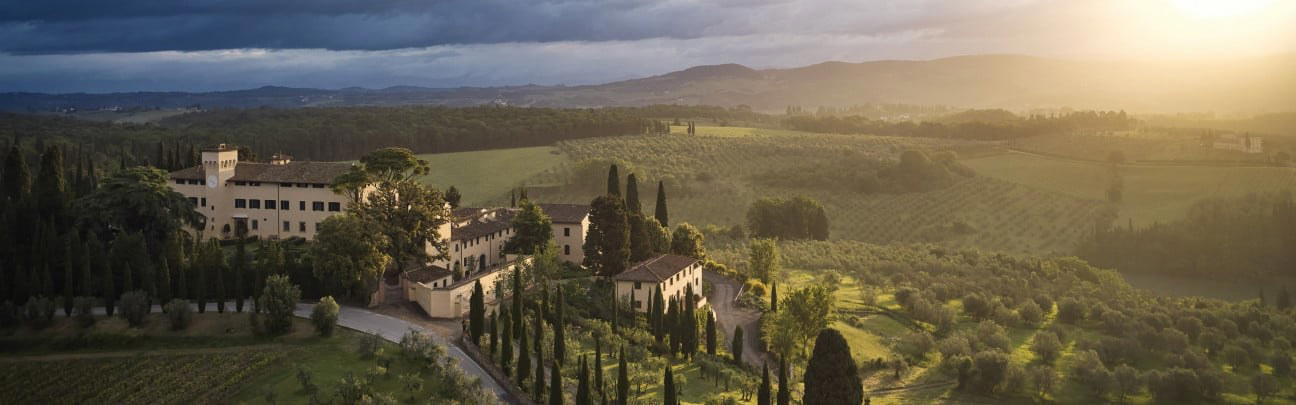
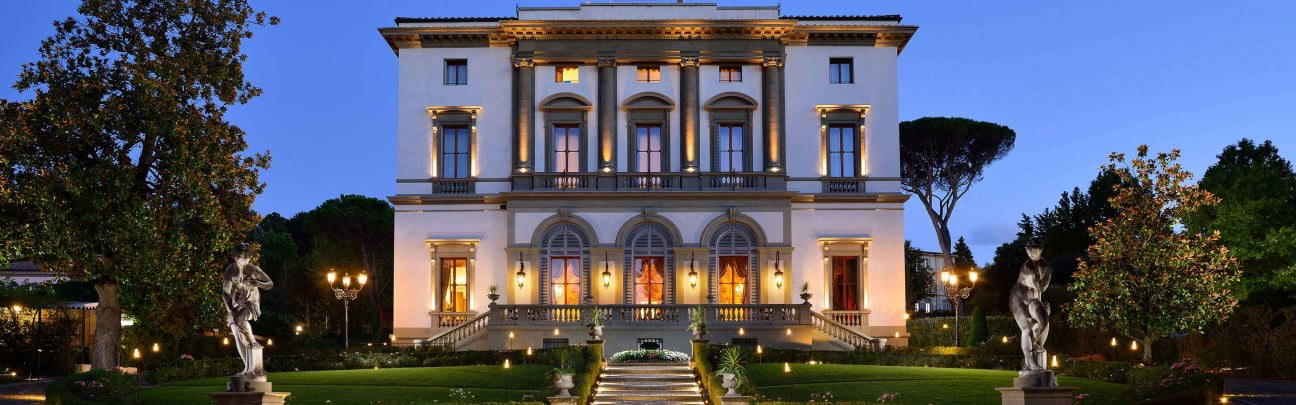
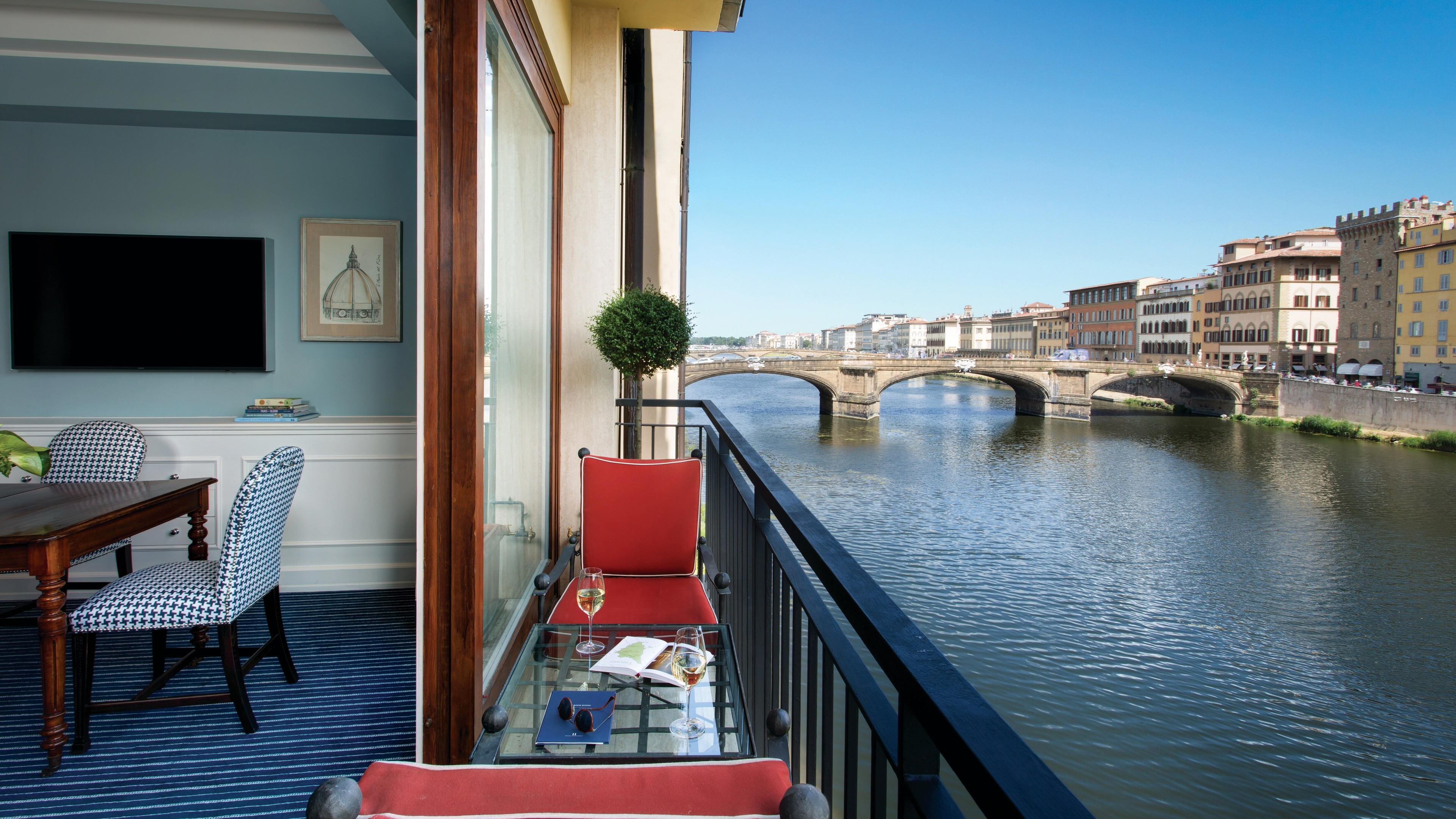
Bars in San Casciano in Val di Pesa
Browse all →
Restaurants in San Casciano in Val di Pesa
Browse all →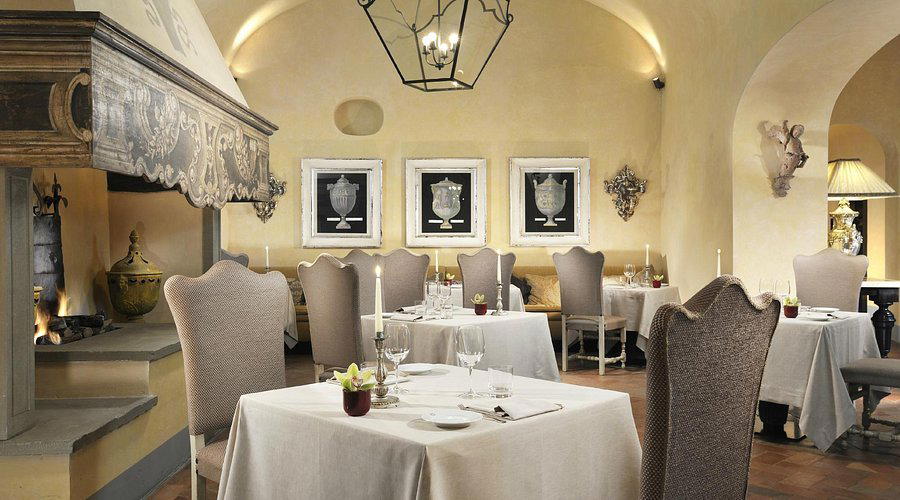

At a Glance
- Romantic
- Rustic
- Scenic
- Elegant
- Quiet
- Cozy
- Romantic Getaway
- Family Vacation
- Weekend Escape
- Panoramic View
- Garden
- Terrace
- Historic Building
- Pool
- Wi Fi
- Tennis Court
- Restaurant
- Parking
- Air Conditioning
- Garden
- Concierge
- Vineyard
- Garden
- Pool
- Wi Fi
- Tennis Court
- Restaurant
- Parking
- Air Conditioning
- Garden
- Concierge
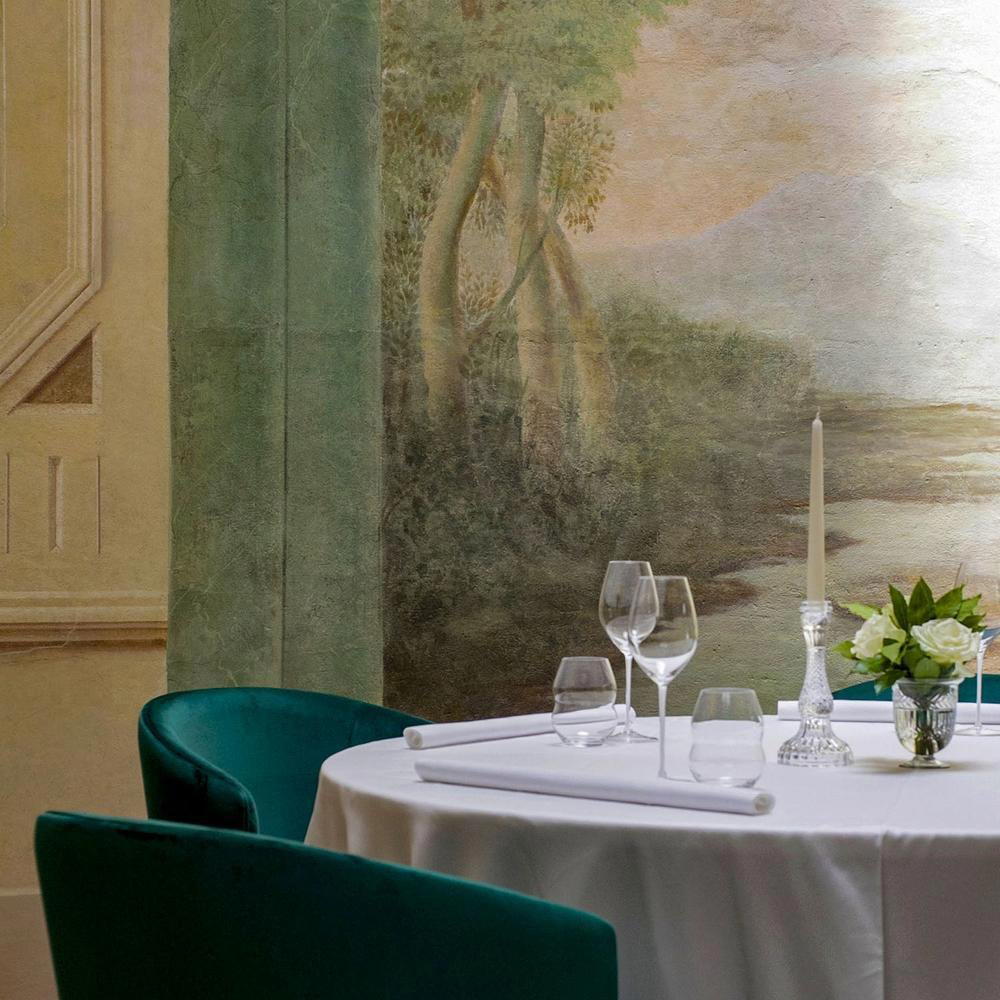
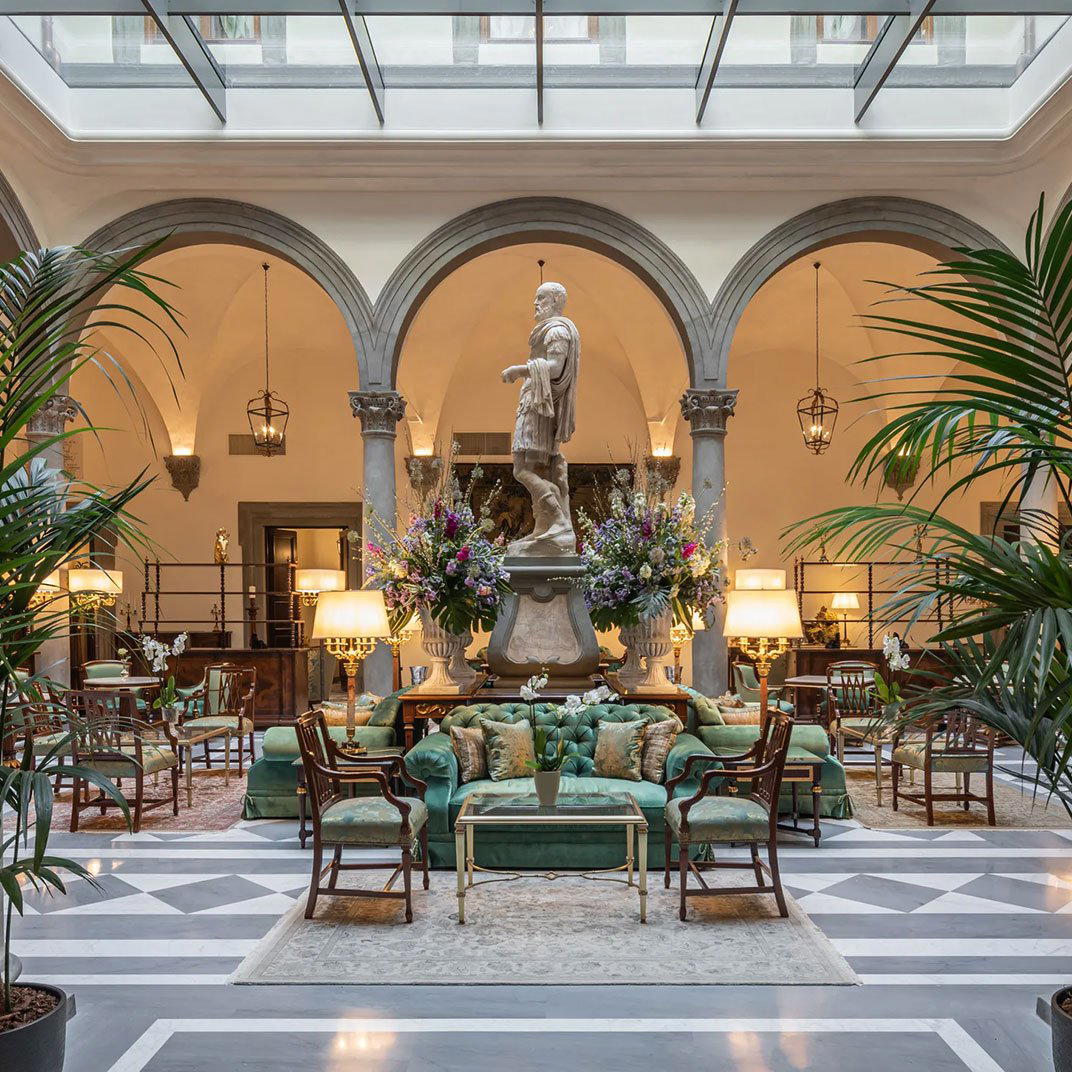
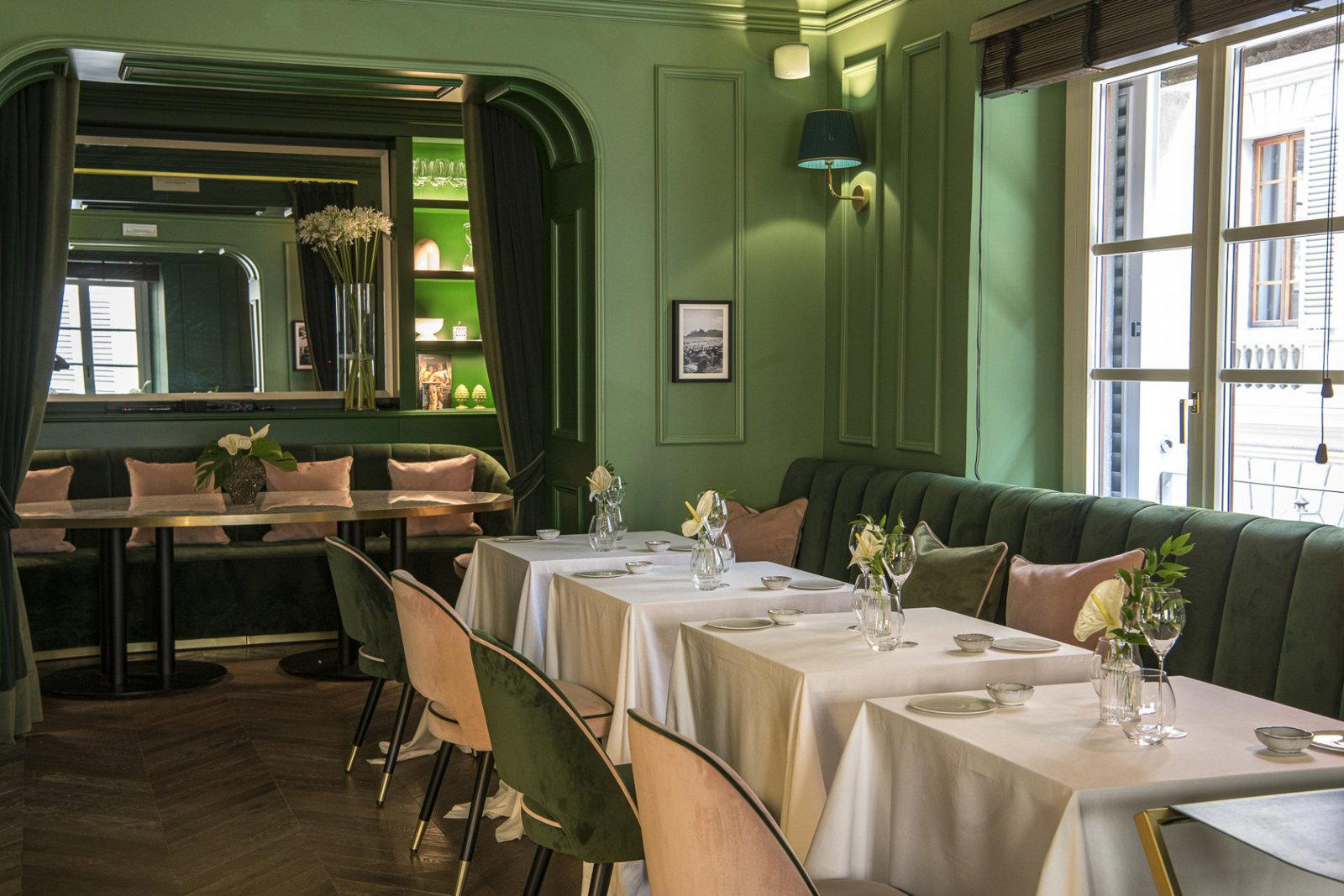
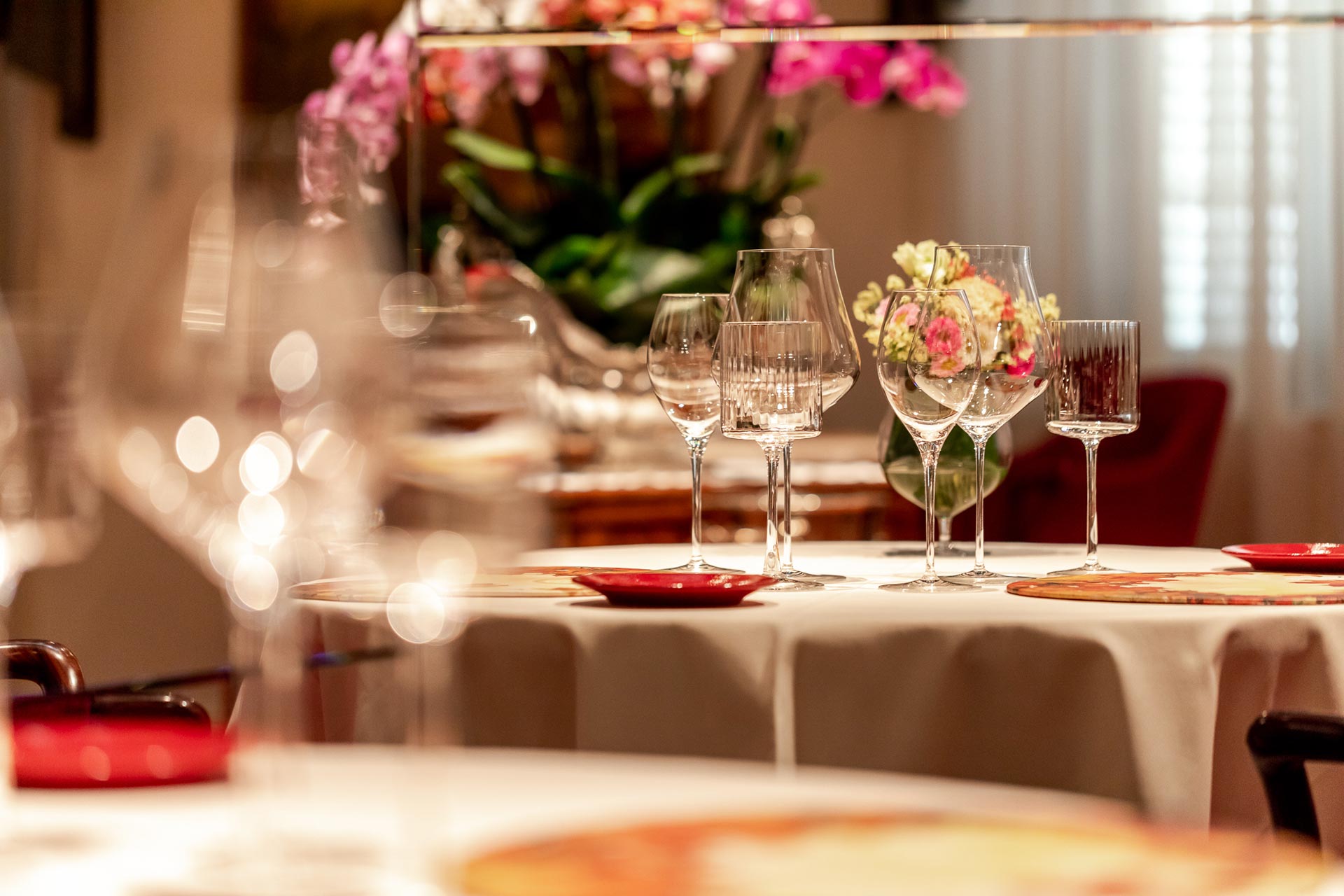
Rustic charm with terracotta floors, beamed ceilings, wrought iron details, and serene lighting creating an elegant, harmonious Tuscan atmosphere.