The Iron Horse Hotel

Michelin Selected
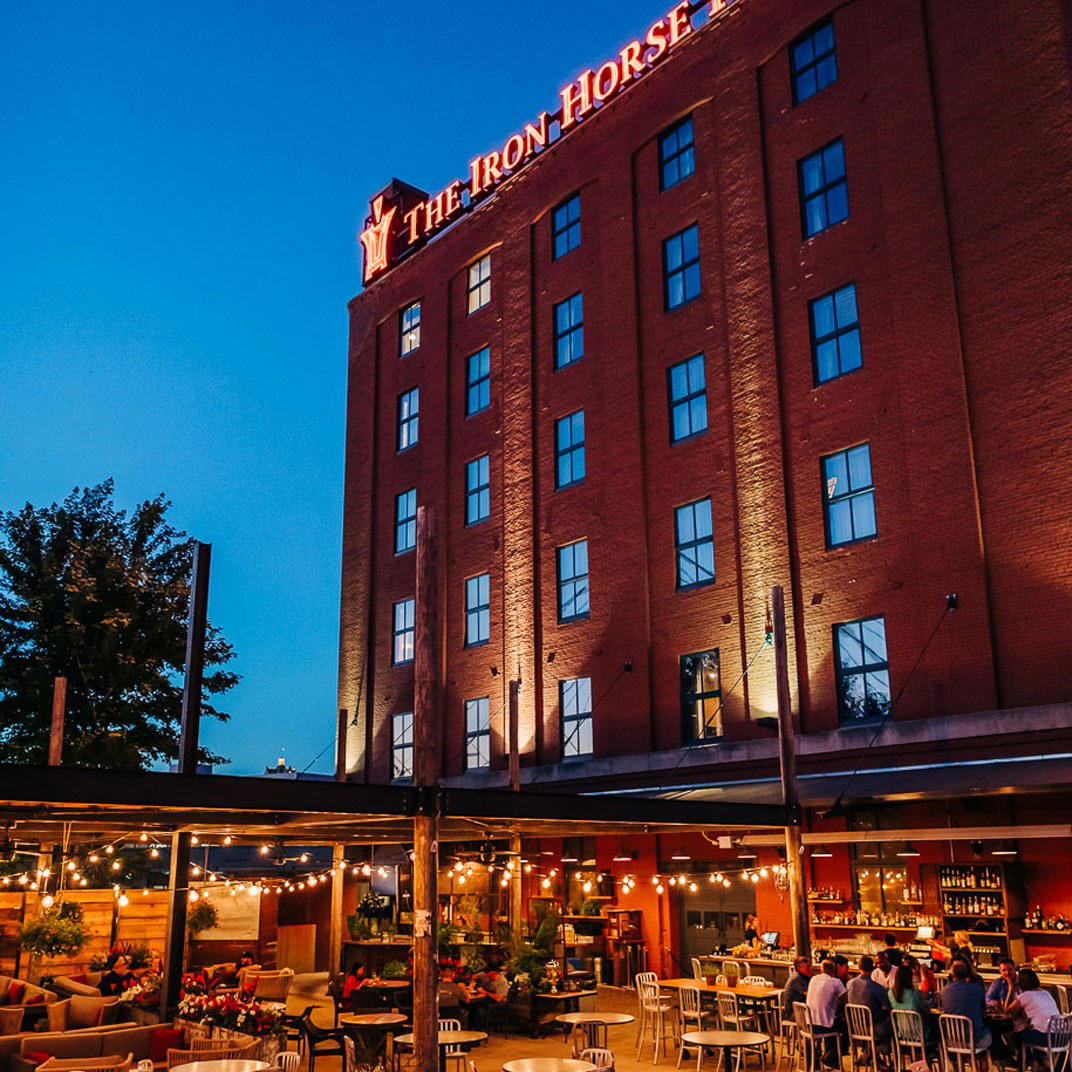
A MICHELIN Selected hotel occupying a converted 1907 warehouse in Milwaukee's Walker's Point, The Iron Horse Hotel trades polished predictability for exposed brick, steel framework, and a deliberately industrial aesthetic that has made it a reference point for adaptive-reuse hospitality in the Midwest. The address on West Florida Street puts guests within reach of the city's most concentrated dining and bar scene.

Pearl is the En Primeur Club membership app, where members save venues, book tables and use the concierge.
Steel, Brick, and the Logic of Adaptive Reuse
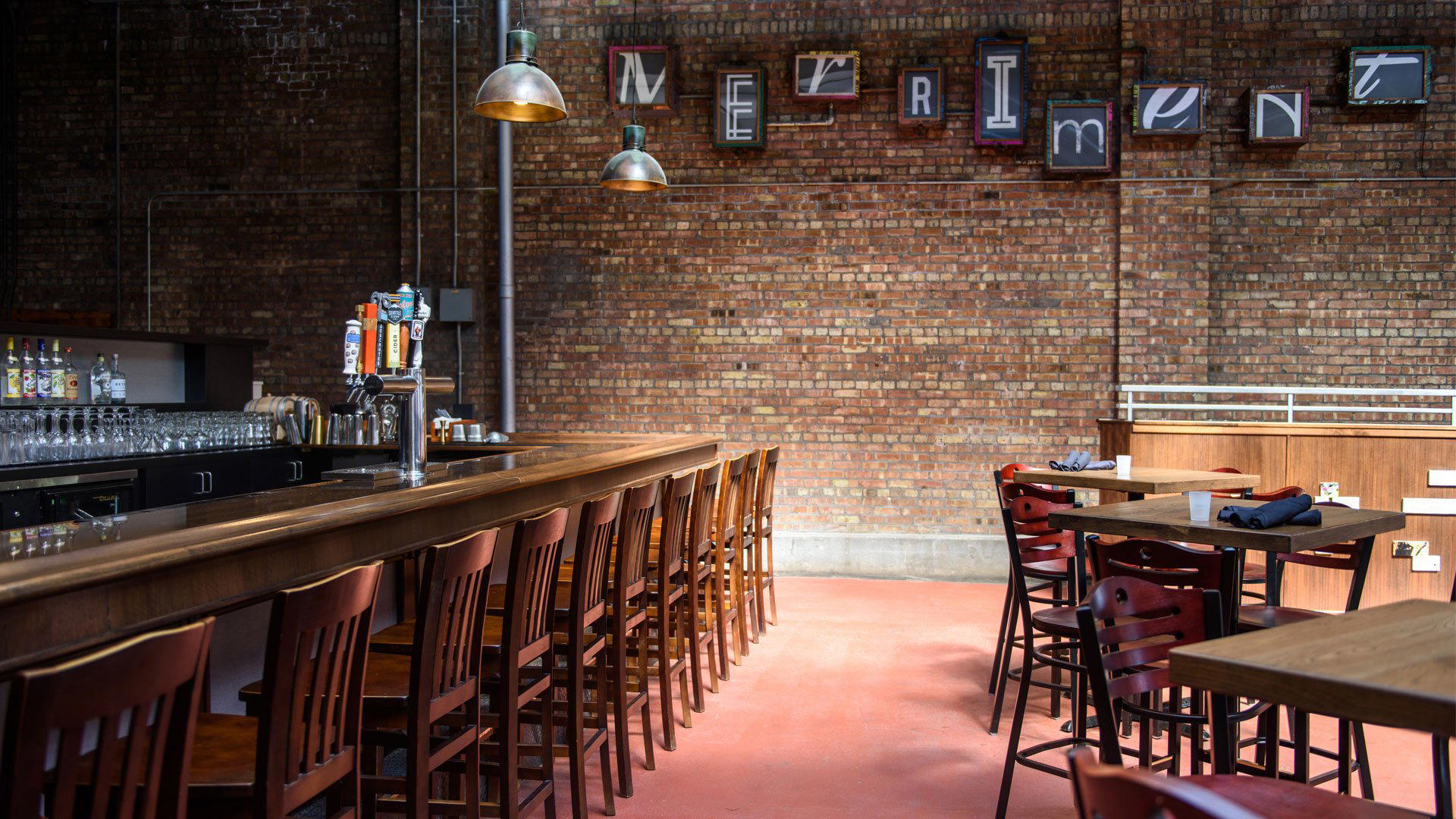
Milwaukee's hotel sector has split along a familiar axis: full-service convention properties clustered around the Hyatt corridor, and a smaller cohort of independently minded addresses that lean into neighbourhood character and building history rather than brand consistency. The Iron Horse Hotel belongs firmly to the second group. The building at 500 West Florida Street is a converted 1907 warehouse in Walker's Point, and the conversion preserves the structural honesty of that origin, exposed brick walls, timber ceiling beams, and the kind of steel framework that no amount of soft furnishing can fully domesticate. That resistance to domestication is the point.
Adaptive reuse has become a credible hospitality strategy across American mid-size cities, but the quality of the execution varies considerably. At its weakest, the approach amounts to painting exposed brick and calling it industrial. At its strongest, the existing architecture sets genuine constraints that shape the guest experience at every level: ceiling heights, corridor widths, natural light patterns, and the thermal mass of old masonry walls. The Iron Horse sits closer to the stronger end of that spectrum. The warehouse bones are load-bearing to the concept, not merely decorative.
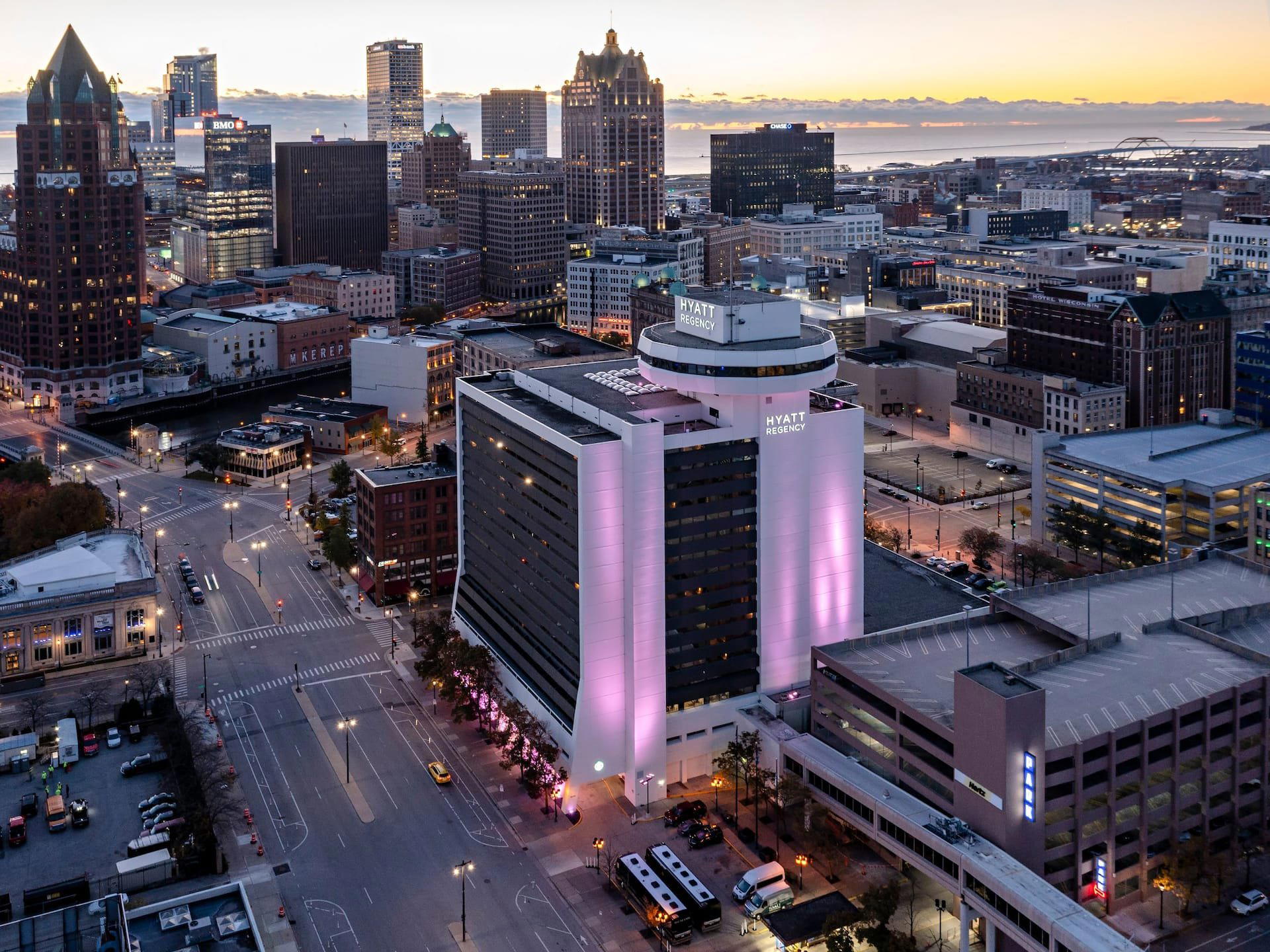
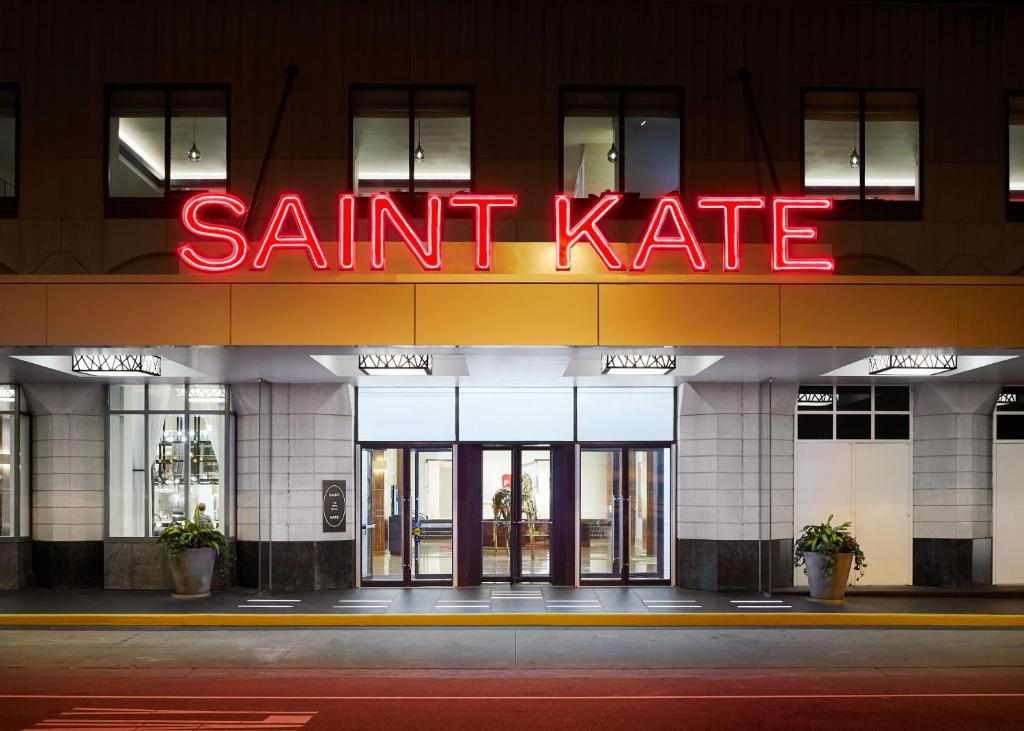
MICHELIN's hotel selection program, which covers The Iron Horse in its 2025 listings, tends to reward properties where the physical identity is coherent and the positioning is legible. The Walker's Point address, once Milwaukee's wholesale warehouse district, gives the hotel a geographic specificity that separates it from the downtown convention tier represented by the Hyatt Regency Milwaukee. For comparison within the independent Milwaukee set, the Kimpton Journeyman Hotel occupies the Historic Third Ward with a somewhat softer, more polished approach, while the Saint Kate - The Arts Hotel has staked its identity on programming over architecture. The Iron Horse is the one most committed to letting the building lead.
The Aesthetic Logic of an Industrial Interior
Industrial-aesthetic hotels proliferated through the 2010s to the point where the term became nearly meaningless, applied to any space with a pendant bulb or an unfinished concrete floor. What distinguishes a genuine adaptive reuse from a constructed facsimile is usually legibility: can a guest understand what the building was before, and does that history add anything to the stay? At the Iron Horse, the warehouse provenance remains readable. The structural columns are where they were always going to be. The scale of the common areas reflects freight and storage logic, not hospitality convention. Rooms fitted within that structure carry dimensions and proportions shaped by the original floor plan rather than by a hotel developer's yield calculation.
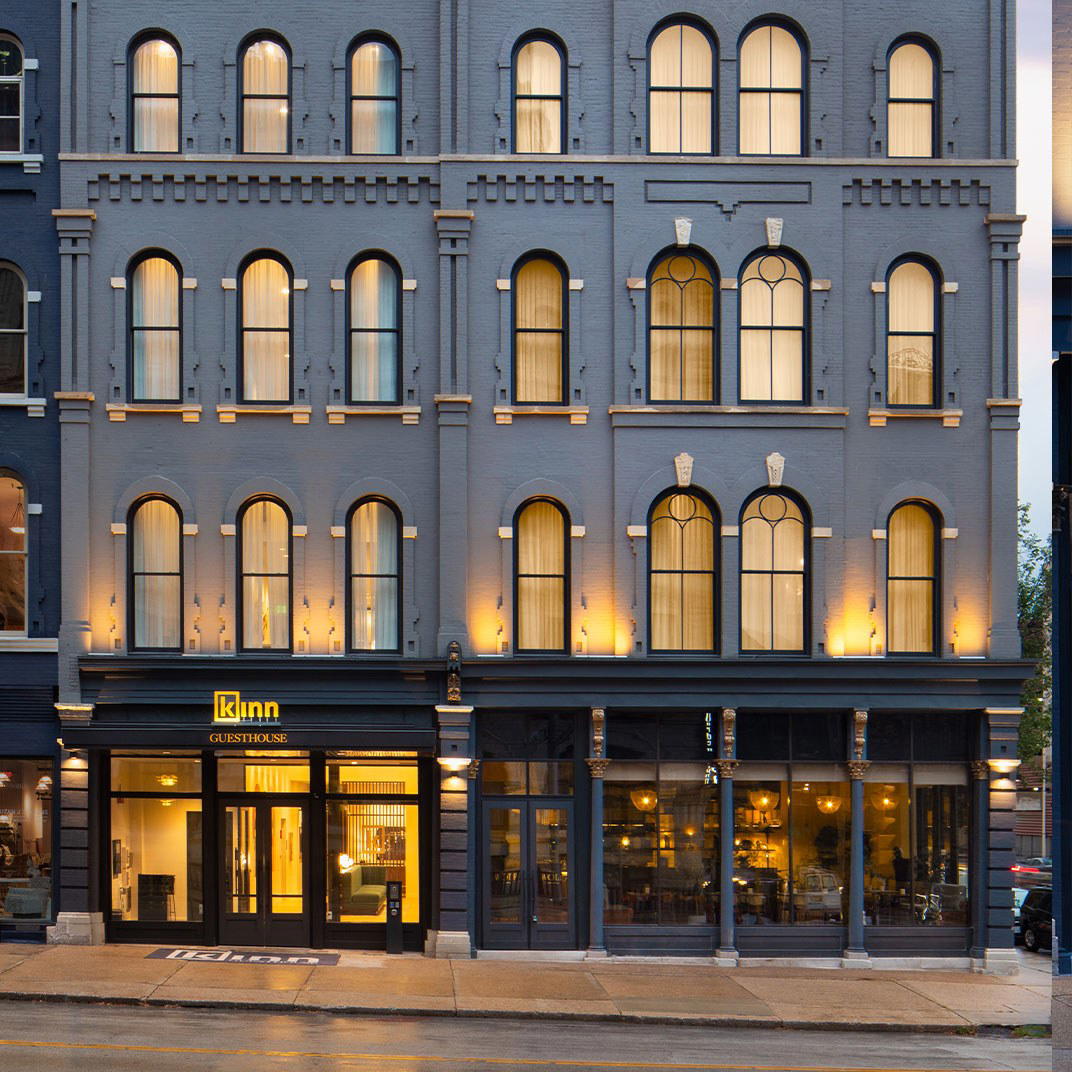
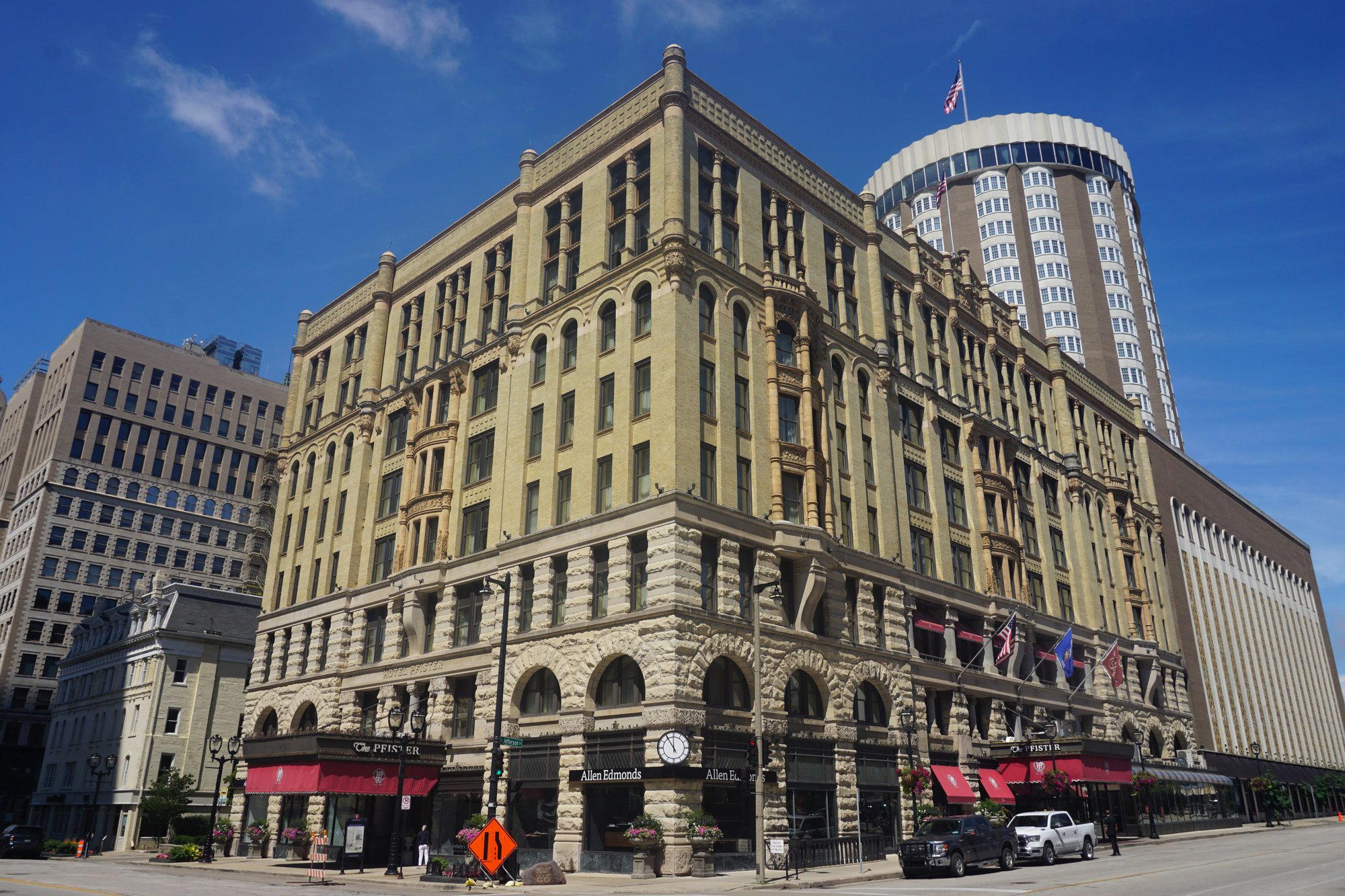
That said, the aesthetic has been curated deliberately. This is not raw preservation. The motorcycle culture references throughout the property, from artwork to communal spaces, give the industrial frame a specific subcultural inflection that separates it from, say, the refined antiquarian approach of The Pfister Hotel on East Wisconsin Avenue, or the compact residential character of Kinn Guesthouse. The Iron Horse makes a more declarative stylistic choice and commits to it through the property consistently.
Across the American independent hotel set, this kind of strong visual identity tends to read well to a specific traveller type: those who find the neutral palette of most full-service hotels actively uninspiring, and who are willing to trade conventional hotel amenity breadth for a more distinctive physical experience. The same logic applies at very different price points and scales elsewhere, from the converted ranch vernacular of Dunton Hot Springs in Colorado to the architectural restraint of Amangiri in Utah. The commitment to a singular aesthetic point of view is the common thread.
Walker's Point and What It Means for a Stay
Location is not incidental to the Iron Horse experience. Walker's Point has become one of Milwaukee's more interesting neighbourhoods for dining and nightlife, with a density of independently operated restaurants and bars that has grown considerably over the past decade. The neighbourhood's identity is looser and more varied than the Historic Third Ward's polished retail corridor, which suits a hotel that reads rougher around the edges by design.
For guests using the hotel as a base to explore Milwaukee's food and bar scene, the Walker's Point position gives reasonable walking access to a range of options that lean independent over chain. The broader Milwaukee dining picture, including restaurants across the Historic Third Ward, Riverwest, and Bay View, is covered in our full Milwaukee restaurants guide. Visitors arriving by motorcycle, for which the hotel has historically provided dedicated parking and storage, gain an additional logistical advantage that is specific to this address and this ethos.
In the context of American mid-size city hotels that have achieved MICHELIN recognition, the Iron Horse sits in company that includes design-led urban conversions and properties with strong local identity. The Chicago Athletic Association, another warehouse-era adaptive reuse in a mid-size American city context, offers a useful regional comparison: both properties use architectural heritage as their primary differentiator, though the Chicago property operates at a different scale and price tier.
Planning Your Stay
The hotel's address at 500 West Florida Street is direct to reach by car from I-94, which is the practical reality for most visitors to Walker's Point. Milwaukee Mitchell International Airport sits roughly eight miles south of the property, making it one of the more accessible independent hotels in the city for arriving guests. The neighbourhood's bar and restaurant scene means evenings within walking distance are a realistic option, which reduces the car-dependency common to many Milwaukee hotel stays. Booking directly or through recognized channels is the standard approach; the MICHELIN Selected listing for 2025 confirms the property's current operational standing and positions it clearly within the city's premium independent tier, below the historic grandeur of The Pfister but above the limited-service guesthouse category represented by Kinn.
Travellers comparing the Iron Horse against other design-forward American independent hotels operating outside major gateway cities might also consider Troutbeck in Amenia or Sage Lodge in Pray for a sense of the broader independent hotel category that prizes physical identity over brand affiliation. The Iron Horse makes Milwaukee's strongest architectural case for that approach.
At-a-Glance Comparison
Comparable venues nearby, for context on price, style, and recognition.
| Venue | Cuisine | Price | Awards | Notes |
|---|---|---|---|---|
| The Iron Horse HotelThis venue (the venue you are viewing) | Historic warehouse transformed into luxury loft-style boutique | $100–200 | Michelin Selected | Not listed |
| The Pfister Hotel | Historic European-style boutique hotel with contemporary tower addition, blending 1893 Victorian architecture with modern luxury amenities. | $300–500 | Preferred Hotels L.V.X. Collection | Juneau Town |
| Kimpton Journeyman Hotel | Contemporary boutique with playful design philosophy honoring historic district heritage | $300–500 | Michelin Selected | Historic Third Ward |
| Hyatt Regency Milwaukee | Contemporary downtown business hotel with skywalk connections to convention centers | $100–200 | Conde Nast Best Hotels #3 | Kilbourn Town |
| Kinn Guesthouse | Modern boutique guesthouse concept fusing Airbnb-style residential living with curated hotel design and communal spaces. | Not listed | Michelin Selected | Juneau Town |
| Saint Kate - The Arts Hotel | Modern luxury boutique hotel celebrating visual and performing arts with curated artist collaborations and community cultural partnerships. | $200–300 | Not listed | Juneau Town |
Recognition history
Dated appearances from independent guides and award organizations, with the underlying list record or original source where available.
Michelin Selected
Michelin
Continue exploring
More in Milwaukee
Hotels in Milwaukee
All hotels in Milwaukee →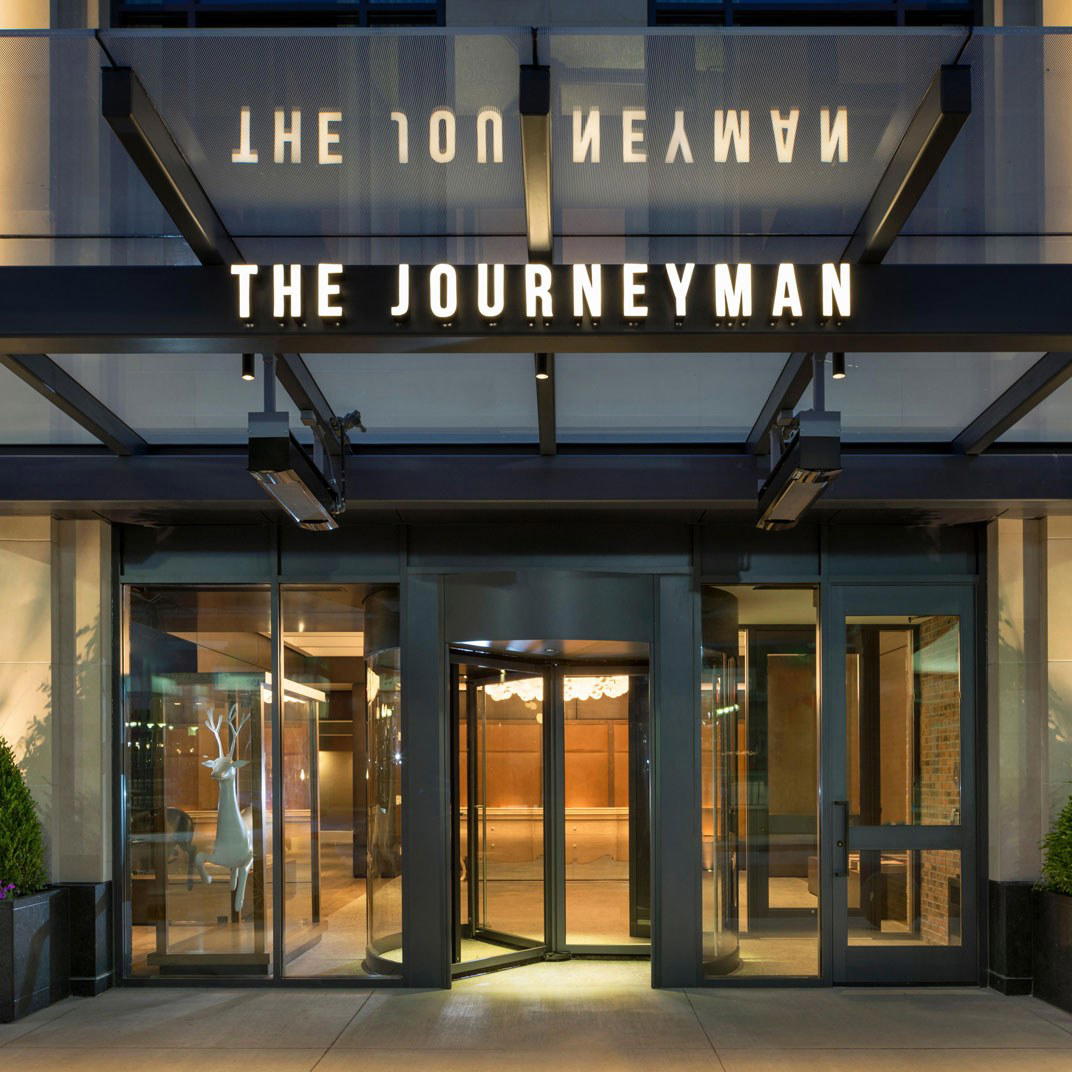

Details
- Industrial
- Modern
- Sophisticated
- Trendy
- Business Trip
- Weekend Escape
- Historic Building
- Terrace
- Wi Fi
- Fitness Center
- Spa
- Room Service
- Concierge
- Restaurant
- Street Scene
- Wheelchair Accessible
- Elevator
- Step Free Entrance
Sophisticated industrial loft vibe with exposed brick, beams, and pipes, blending rough historic character with modern luxury and local Milwaukee elements.