The Skicircus Saalbach Hinterglemm Leogang Fieberbrunn is one of Austria's largest interconnected ski areas, spreading across four distinct villages in the Salzburg Alps. The circuit links more than 270 kilometres of marked pistes and a infrastructure of mountain restaurants, lift stations, and accommodation built incrementally over decades.

Pearl is the En Primeur Club membership app — saves, bookings, and concierge access live there. Same editors, same standards.
Four Villages, One Circuit: How the Skicircus Took Shape
Alpine resort development in Austria has generally followed one of two paths: the purpose-built station, engineered from scratch on a blank slope, or the organic village cluster, where infrastructure grows around existing settlements over generations. The Skicircus Saalbach Hinterglemm Leogang Fieberbrunn belongs firmly to the second model. Saalbach itself sits at roughly 1,003 metres in the Salzburg Alps, and the four communities that make up the circuit each retain their own architectural identity, their own hotel stock, and their own relationship to the mountain above them. What connects them is an interlocking lift network that took the better part of six decades to reach its current form. For an overview of how Saalbach compares to other Austrian resort towns, see our full Saalbach restaurants guide.
The physical result of that incremental development is a range of mixed building eras: traditional Salzburg farmhouse architecture in dark timber and low-pitched roofs in the older village cores, mid-century concrete lift terminals that have been progressively modernised, and a newer generation of design-conscious mountain restaurants and hotel expansions that sit closer to the contemporary Alpine aesthetic being refined at properties like Rosewood Schloss Fuschl in Hof bei Salzburg. The tension between these eras is visible everywhere on the circuit, and it gives the Skicircus a character that single-generation resorts cannot replicate.
The Architecture of Access: Lifts as Infrastructure
Lift architecture is rarely discussed as design, but in a circuit of this scale it functions as the primary built environment that most visitors inhabit. The Skicircus operates across more than 70 lifts. The engineering priority shifted across decades: earlier gondola stations were functional above all else, whereas the newest generation of high-speed detachable quads and gondolas at Leogang and Fieberbrunn reflect the same attention to terminal design and passenger flow management that now characterises the top tier of Austrian lift investment. Waiting areas are enclosed and heated, terminal architecture is resolved rather than improvised, and the sight lines from upper stations are deliberately oriented toward the circuit's most photographed ridge lines. The contrast with the original mid-valley lift houses, which remain in operation in several locations, reads as a compressed architectural history of Austrian ski infrastructure across the postwar period.
Fieberbrunn's integration into the circuit in 2015 extended the western reach of the Skicircus significantly and required the construction of the Wildseeloder gondola link as a connecting spine. That addition pushed the total marked piste length past 270 kilometres and repositioned the circuit from a strong regional offering to a network that competes with the Arlberg and the Zillertal for scale. Travellers choosing between those peer sets will find the Skicircus particularly strong on intermediate terrain variety; the four-valley geography means that ski lines rarely repeat across a multi-day visit. For comparison, Grand Tirolia Kitzbühel and Hotel Almhof Schneider in Lech anchor themselves to single-resort identities with very different terrain profiles.
Village Character and Where to Base Yourself
The choice of base village shapes the experience materially. Saalbach village, at the geographic centre of the circuit, offers the densest concentration of accommodation and the most direct lift access to both the Bernkogel and Kohlmaiskopf sectors. Hinterglemm, a short valley drive west, has a quieter evening atmosphere and tends to attract a slightly older visitor profile. Leogang, on the northern flank, has become the most design-forward of the four: its hotel development over the past decade has leaned toward the wellness-and-design positioning that characterises properties like Alpen-Wellness Resort Hochfirst in Obergurgl and Bergland Sölden Design- und Wellnesshotel. Fieberbrunn, as the most recently integrated village, retains the most local character, with a higher proportion of Austrian guests and a hotel mix that has not yet been fully absorbed into the premium end of the circuit's pricing tier.
For travellers who prioritise access to spa infrastructure alongside skiing, the accommodation pattern in the Salzburg Alps more broadly points toward dedicated wellness properties. DAS EDELWEISS in Grossarl and Naturhotel Waldklause in Längenfeld represent the region's appetite for hotels where the wellness offer is as considered as the ski access.
Mountain Restaurants: A Spread Across Elevations
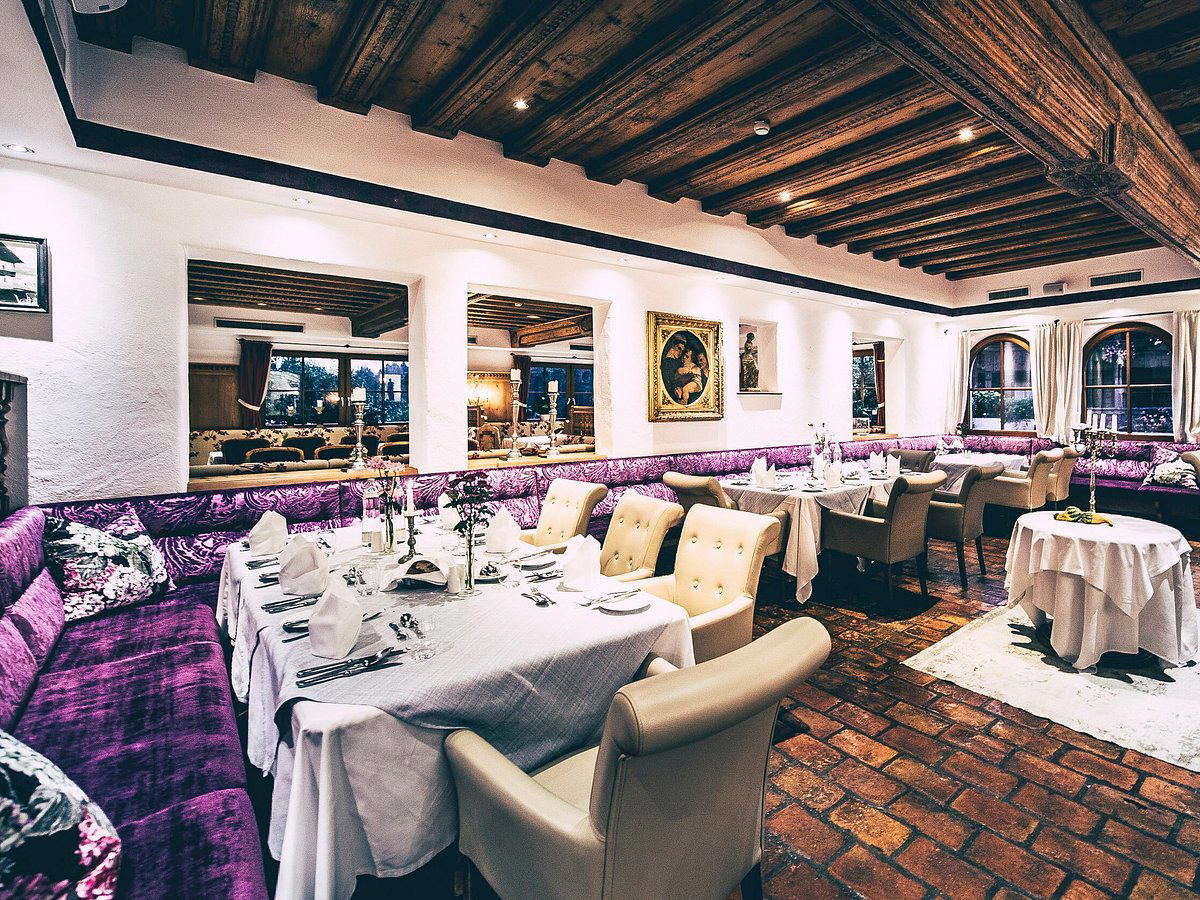
The circuit's mountain restaurant provision is extensive enough that it functions as a category within the broader Austrian Alpine dining conversation. The general pattern across the Skicircus follows what is now standard in high-volume Austrian ski areas: a mix of large self-service terraces at major lift intersections, smaller hut-style operations with table service and a shorter menu, and a handful of positions that have invested in design and kitchen ambition beyond the schnapps-and-Kaiserschmarrn baseline. The timber-heavy interior aesthetic of the older mountain restaurants contrasts with the glass-and-steel terracing that newer installations favour, and the two approaches sit side by side on the same ski slope without obvious irony. Broader context on Austrian mountain dining and hospitality positioning can be found through properties like Alpenresort Schwarz in Obermieming and LEADING Hotel Hochgurgl in Hochgurgl.
Planning the Visit
The Skicircus season runs from approximately December through late April, with peak weeks concentrated around the Austrian and German school holiday windows in February and the Christmas-New Year period. Booking accommodation in Saalbach or Leogang for those windows requires lead times of three to six months at the more sought-after properties. Lift pass pricing sits within the standard premium bracket for interconnected Austrian circuits, broadly comparable to Kitzbühel and above smaller single-valley offerings. Arrivals typically route through Salzburg Airport, roughly 80 kilometres to the northwest, or Innsbruck Airport, which adds road distance but remains a viable alternative during peak-season flight availability issues. Rail access to the nearest main-line station requires onward transfer by bus or taxi. Travellers using the circuit's position within Salzburg state as a base for broader regional exploration might also consider Schloss Mönchstein in Salzburg as a city counterpart before or after the mountain stay, or Falkensteiner Schlosshotel Velden for a Carinthian extension. For those arriving via Vienna, Hotel Sacher Wien remains the city's most historically grounded overnight option before the mountain transfer. Additional Austrian Alpine alternatives across the country's western ranges can be found at Alpinresort Schillerkopf in Bürserberg, Aktiv & Wellnesshotel Bergfried in Tux, and Hotel Schwarzer Adler Innsbruck.
How It Stacks Up
| Venue | Price | Awards |
|---|---|---|
| Saalbach Hinterglemm Leogang FieberbrunnThis venue (the venue you are viewing) | Not listed | Not listed |
| Rosewood Schloss Fuschl | $750–1,000 | 3 Michelin Keys · La Liste Top Hotels |
| Rosewood Vienna | $300–500 | 2 Michelin Keys · La Liste Top Hotels |
| The Ritz-Carlton, Vienna | Not listed | 1 Michelin Key · La Liste Top Hotels |
| Hotel Sacher Wien | $500–750 | 3 Michelin Keys · World's 50 Best #42 |
| Aktiv & Wellnesshotel Bergfried | $750–1,000 | 2 Michelin Keys · La Liste Top Hotels |
Continue exploring
More in Saalbach
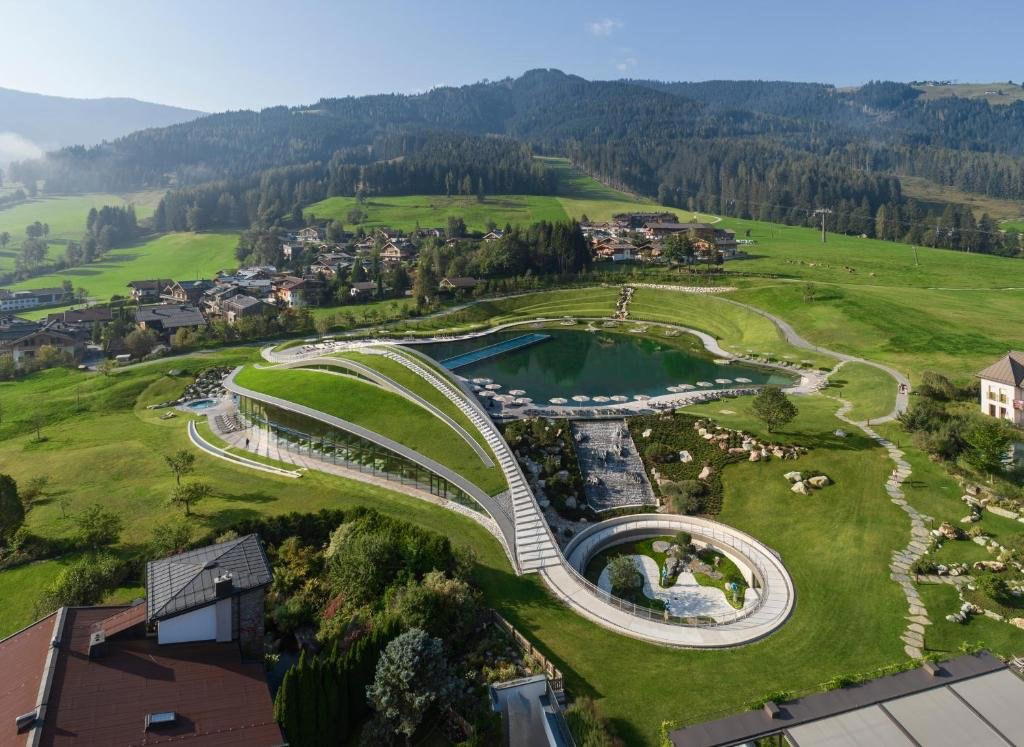
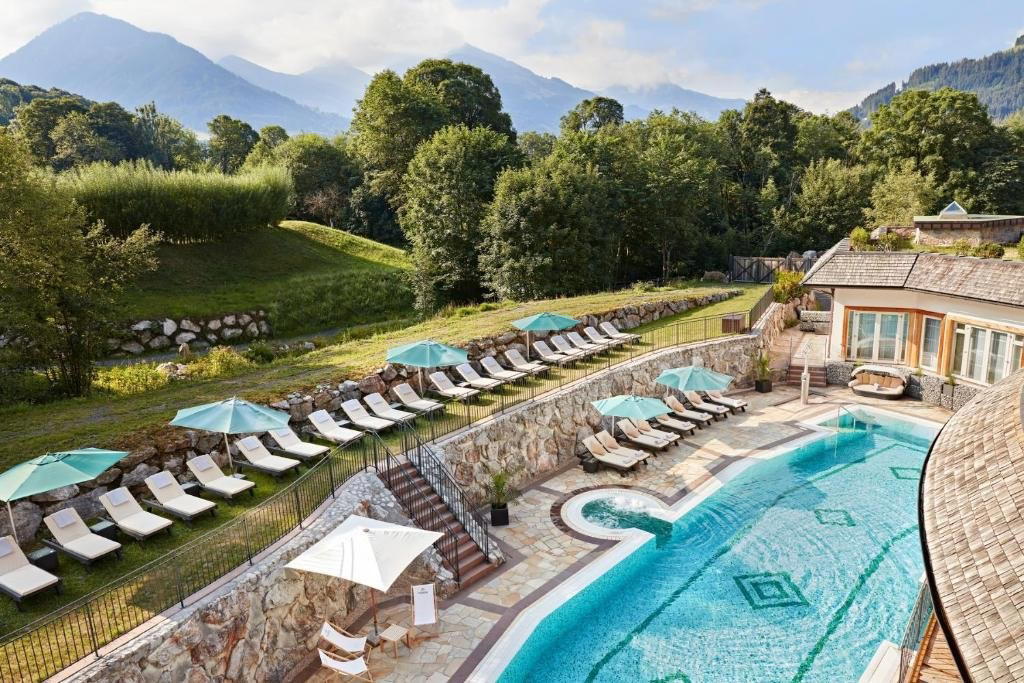
Hotels in Saalbach
All hotels in Saalbach →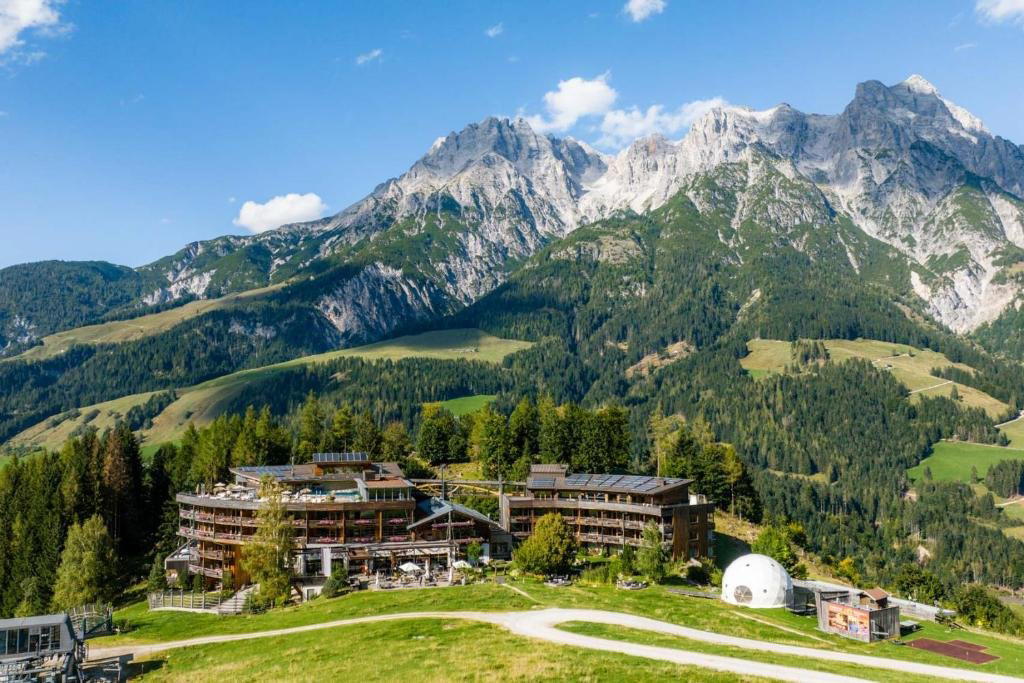
Bars in Saalbach
Browse all →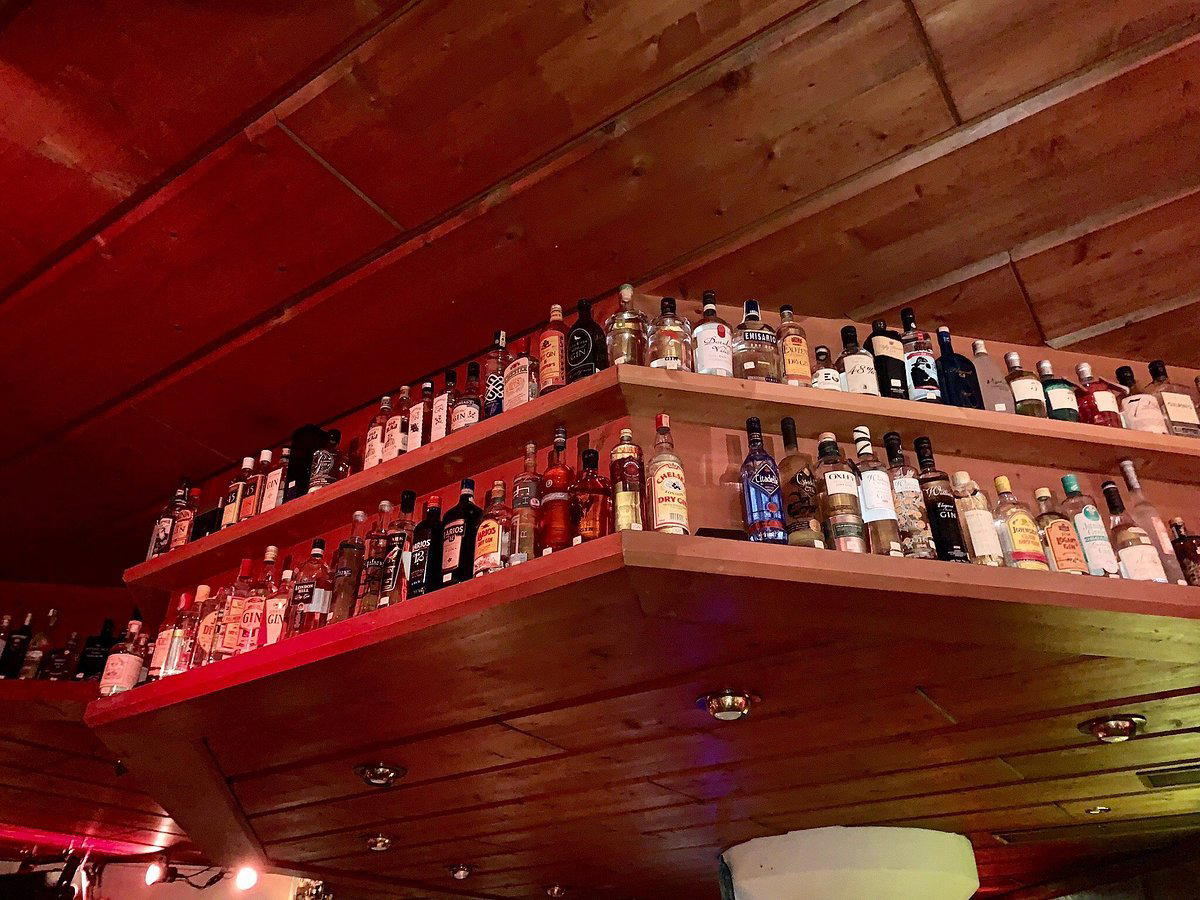
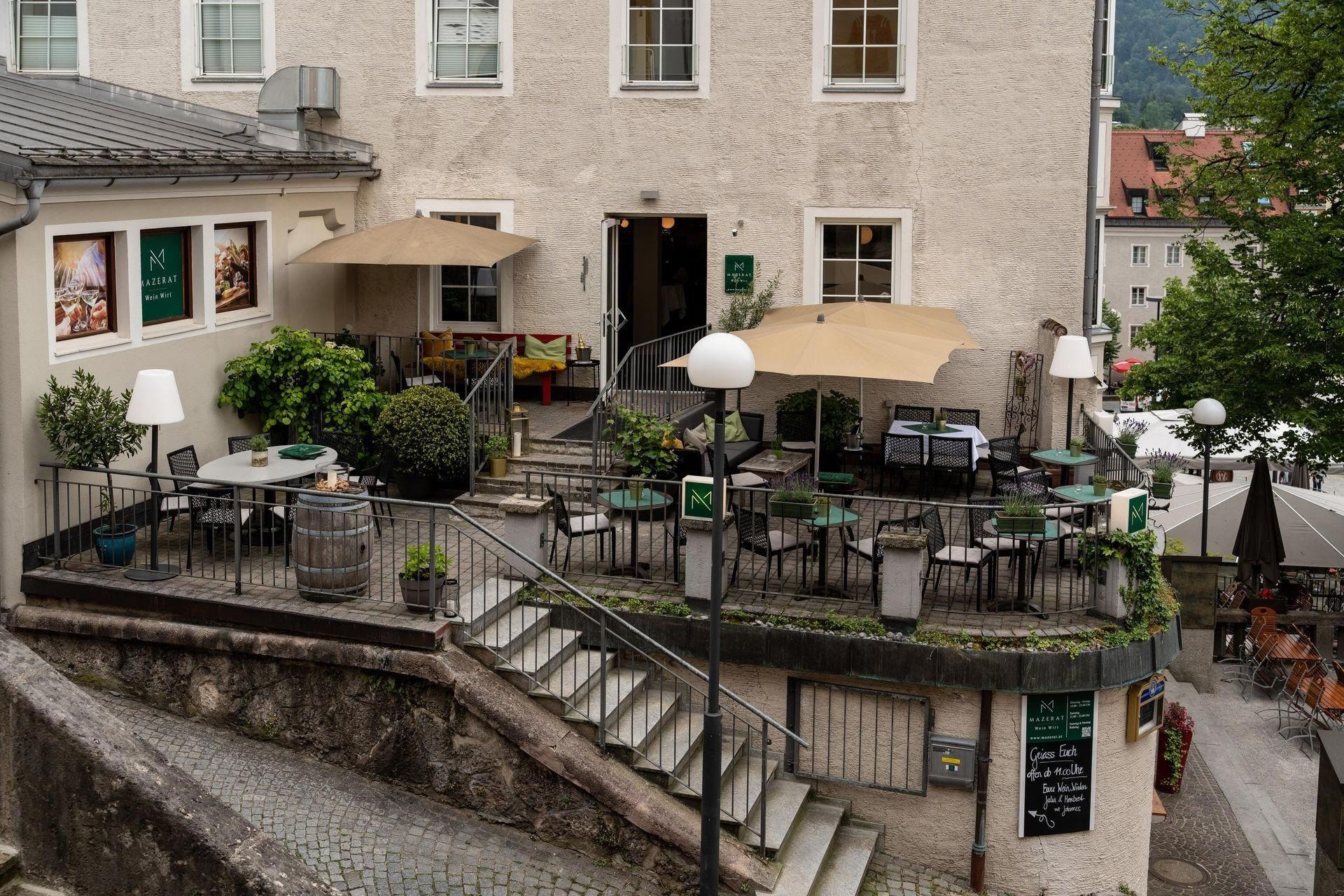
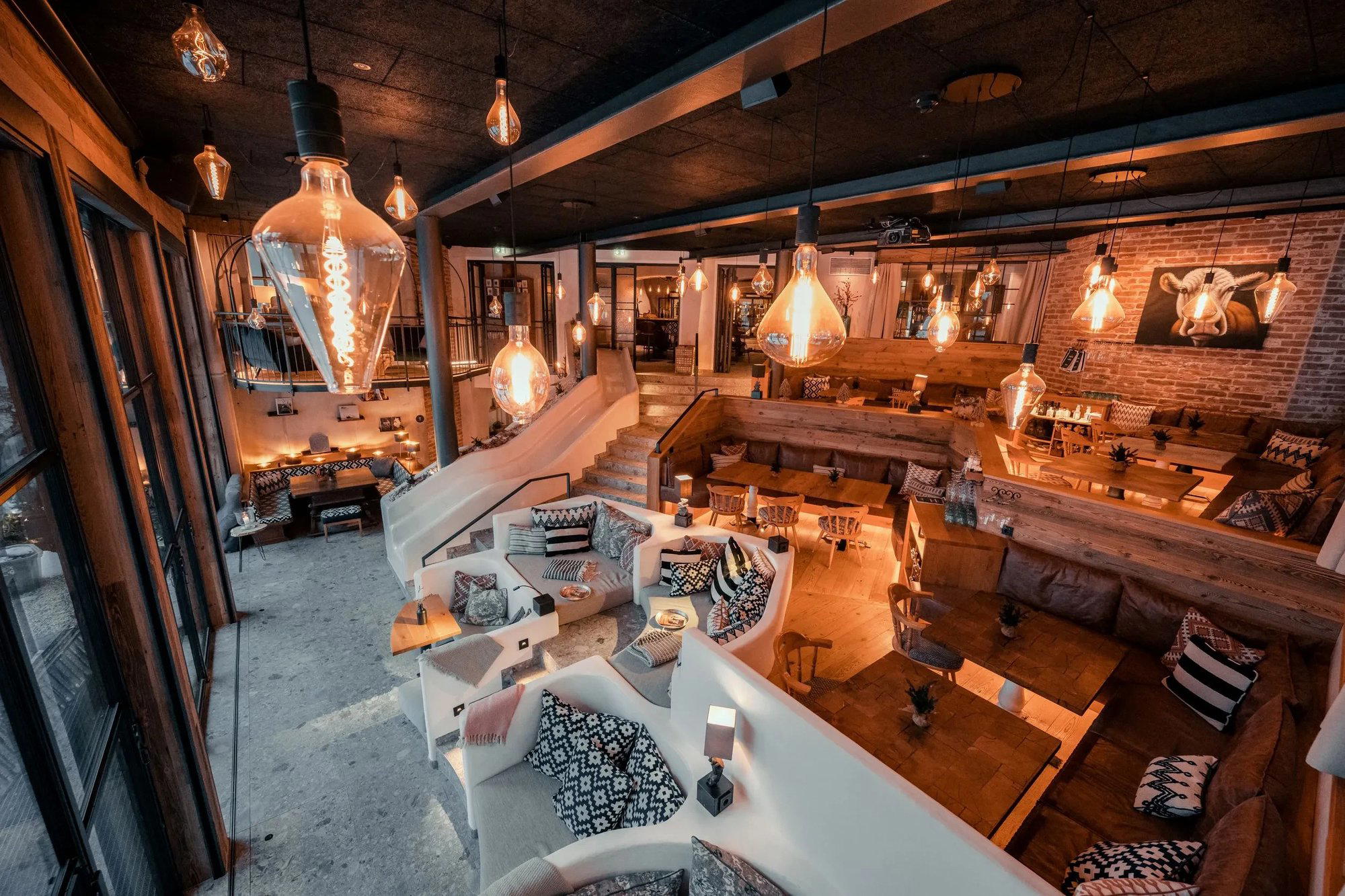
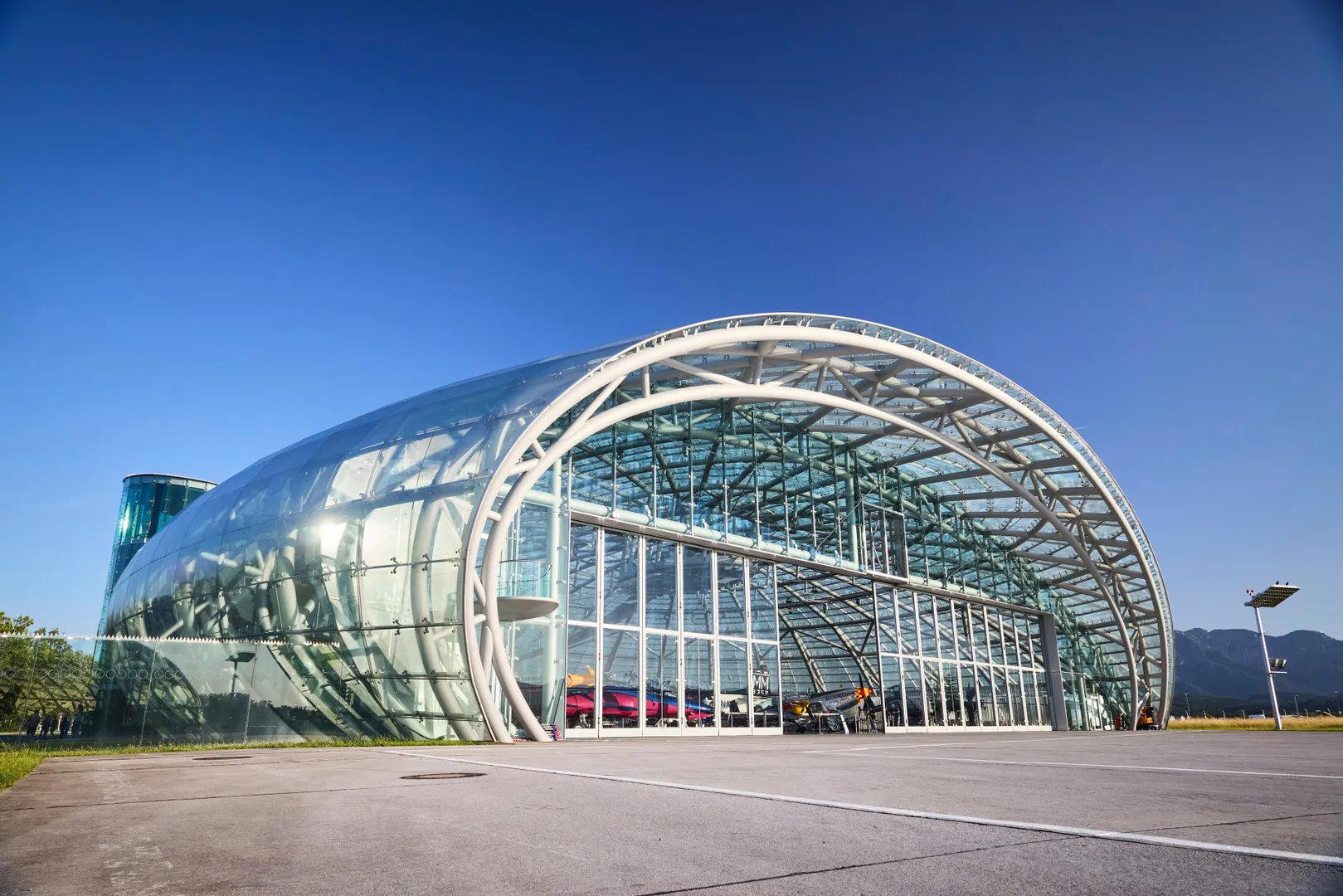
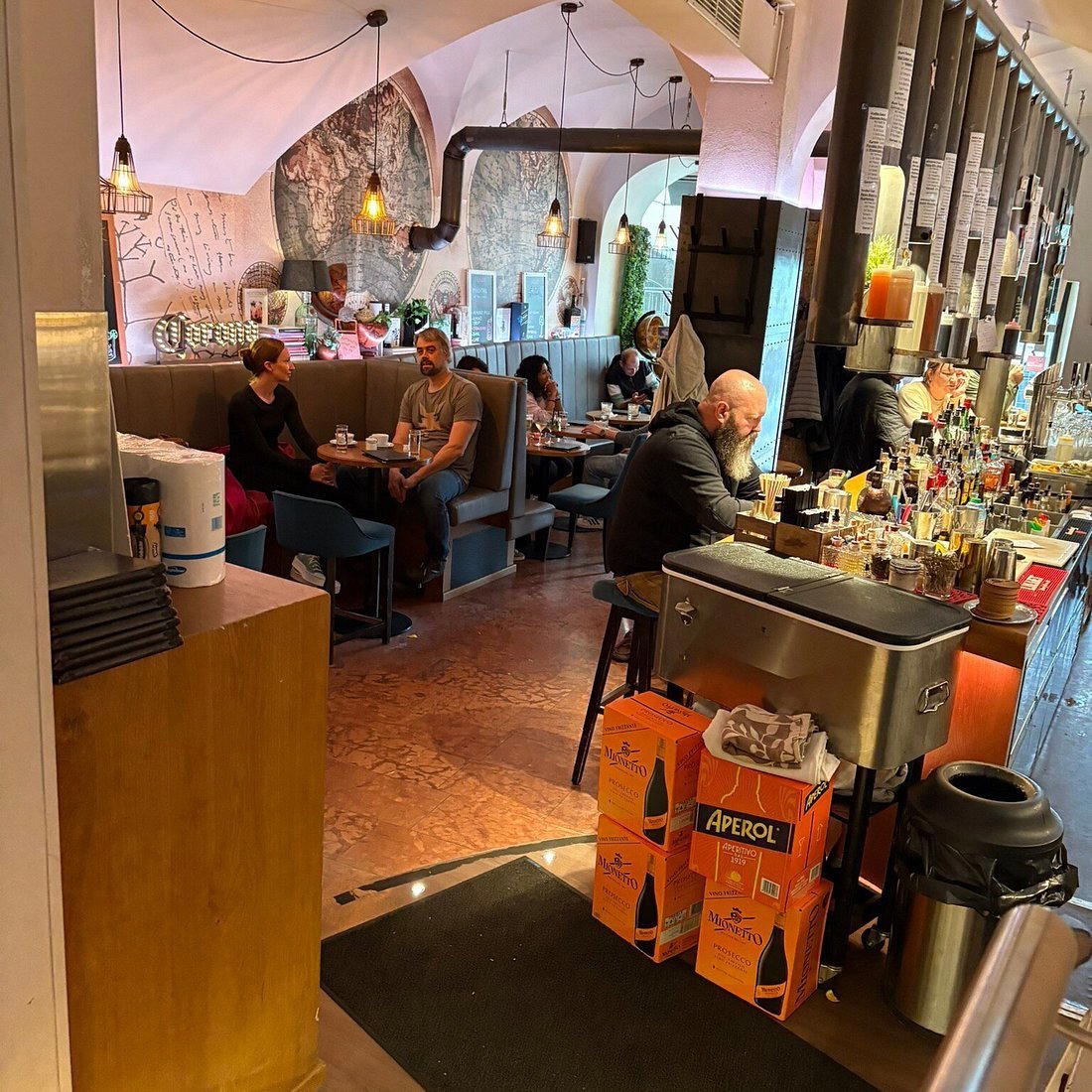
Restaurants in Saalbach
Browse all →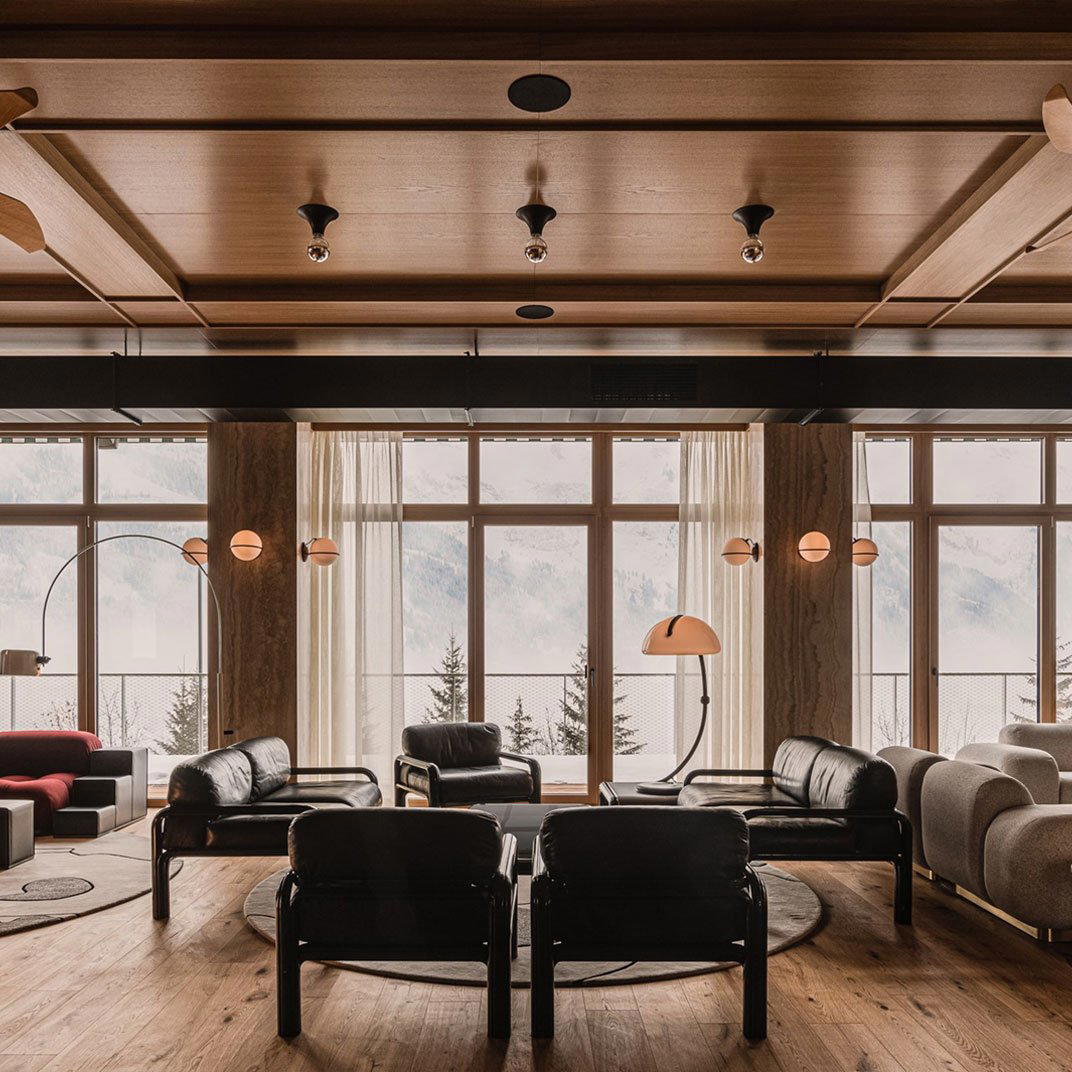
Wineries in Saalbach
Browse all →
Details
- Scenic
- Cozy
- Rustic
- Family Vacation
- Weekend Escape
- Ski In Ski Out
- Panoramic View
- Wi Fi
- Mountain
Alpine charm with balconies offering mountain views and cozy apartment-style relaxation.