Rocca a Mare Heraklion - Handwritten Collection sits in a city where hotel dining is shaped by port traffic, Cretan produce, and short-stay cultural itineraries. Published details for the property are limited, so the useful reading is comparative: place it against Heraklion’s resort-led hotels, city stays, restaurants, bars, wineries, and coastal peers before making plans.

Pearl is the En Primeur Club membership app, where members save venues, book tables and use the concierge.
Heraklion's hotel dining question starts at the harbour
Approaching Heraklion by the waterfront, the city does not behave like a sealed resort enclave. Ferries, buses, rental cars, cruise passengers, local families, and museum-bound visitors all move through the same urban rhythm, and that matters for hotel restaurants. A hotel here is rarely judged only by its rooms. It is judged by how intelligently its dining and drinking programme responds to a city that has three competing identities: a working port, a base for Knossos and the Archaeological Museum, and the capital of an island with one of the Mediterranean’s most confident food cultures.
That is the useful frame for Rocca a Mare Heraklion - Handwritten Collection. That absence should not be filled with borrowed certainty. Instead, the property belongs in a practical comparison of Heraklion hotels where dining is not an accessory but part of the guest’s daily route through the city. In this market, the difference between a polished stay and a useful one is often decided before dinner: breakfast timing before a museum visit, a bar that works after a late ferry, and enough connection to Cretan foodways that the hotel does not feel detached from the island around it.
The city sets the dining brief
Heraklion is not Chania, and it is not a beach-only Cretan holiday. The dining culture is less theatrical than the island’s western postcard towns and more grounded in everyday Cretan habits: olive oil, wild greens, pulses, cheese, grilled meats, fish when the supply is good, and a wine culture that has become more serious around indigenous grapes and nearby producers. Hotel dining in this context has a harder assignment than in a destination built purely around leisure. It must be efficient for transit guests, convincing for travellers who have done their restaurant homework, and fluent enough in local produce to avoid the placeless international buffet problem.
That is why the broader Heraklion ecosystem matters. Travellers using the city as a food base should read hotel dining against Our full Heraklion restaurants guide, because independent restaurants often carry the sharper expression of local cooking. The same applies after dinner: Our full Heraklion bars guide gives the better measure of the city’s drinking culture than any single lobby bar can. For a wider itinerary, Our full Heraklion wineries guide is the context many hotel programmes need, since central Crete’s wine identity is a meaningful part of the island’s premium travel story rather than a decorative add-on.
Where the property fits among Heraklion hotels
Heraklion’s hotel market splits into three useful groups. There are city properties for short stays, museum access, port logistics, and business travel. There are resort-style properties outside or around the urban core, where pools, sea views, and longer meal formats carry more weight. Then there is a smaller category that tries to bridge the two: urban enough for the city, designed enough for leisure, and expected to offer a dining programme that can handle both a quick breakfast and a composed evening drink.
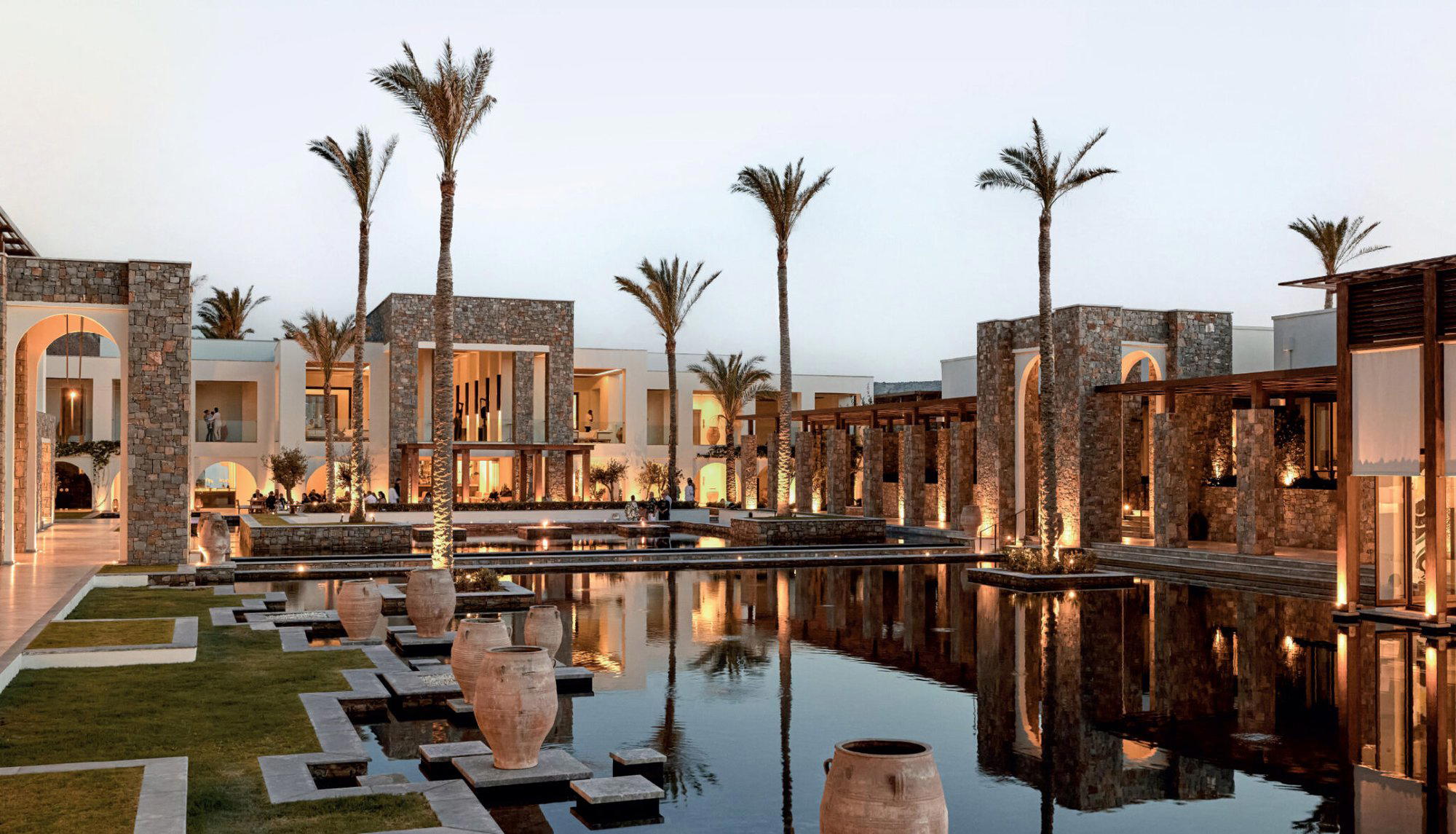
Rocca a Mare Heraklion - Handwritten Collection should be assessed within that middle conversation until fuller published details are available. In Heraklion, a soft-branded or design-led hotel has to compete not only with other city addresses, but with resort properties that make dining part of the reason to stay put. Compare the city side with Autograph Collection and The Tenant, then read the coastal-resort side through Amirandes, A Grecotel Resort to Live and Seaside A Lifestyle Resort.
The dining programme: what can be judged, and what cannot
That limits any responsible criticism. No specific dish, cocktail, cellar depth, breakfast spread, terrace service, tasting menu, or chef résumé can be asserted from the record. The useful standard, however, is clear. A Heraklion hotel dining programme earns attention when it does three things: makes Cretan produce legible without turning it into folklore, understands that many guests are moving between ferry schedules and archaeological visits, and provides a bar or evening service that can compete with the city rather than merely capture tired residents of the building.
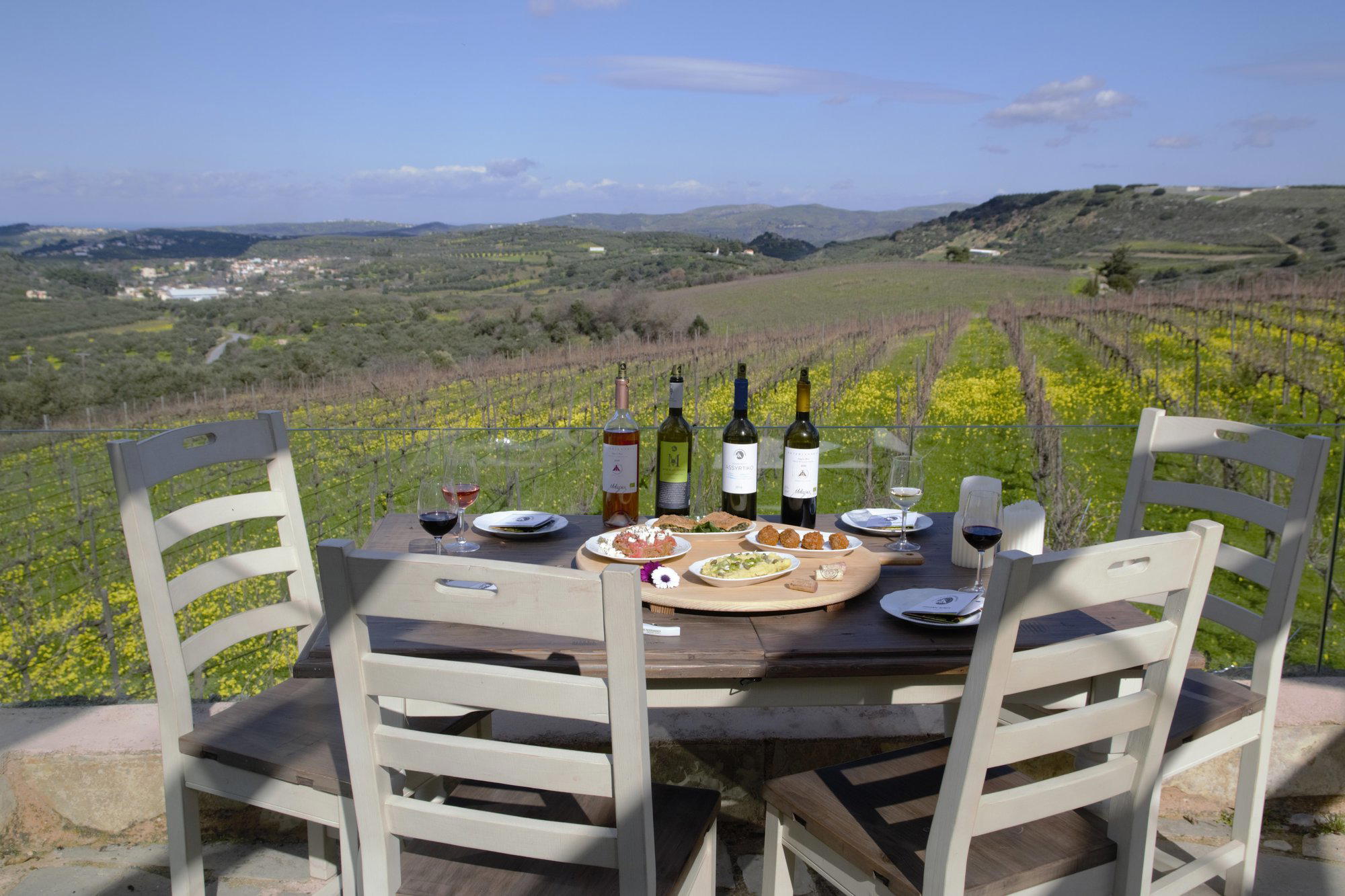
In Crete, hotel kitchens are often judged by their relationship to the island’s ingredients rather than by imported luxury signals. Olive oil quality matters. Cheese sourcing matters. Bread and paximadi matter. The handling of vegetables matters as much as the handling of seafood. Wine lists have room to say something serious about Vidiano, Liatiko, Kotsifali, Mandilari, and the producers working around central Crete. None of those specifics should be attached to this property without published evidence, but they are the correct tests to apply when evaluating any hotel dining room in Heraklion.
The absence of listed awards also matters. That does not make the property weaker; it means the traveller should not treat award status as part of the decision. The trust signal here is contextual authority: Heraklion itself is a serious food city because Cretan agriculture, nearby wine regions, and a busy urban dining scene create pressure on hotels to perform with more than convenience. For a broader lodging comparison, Our full Heraklion hotels guide is the practical anchor.
How Heraklion differs from Greece's resort dining model
Greek luxury hotels often sell the dream of retreat: private coves, destination restaurants, long lunches, and a self-contained rhythm. Heraklion asks for a different kind of intelligence. The city visitor is often leaving the property early, returning dusty from sites, or using the hotel as a base before moving deeper into Crete. Dining that works here is less about spectacle and more about timing, consistency, and a credible local vocabulary.
That distinction becomes clearer when set against other Greek hotel markets. Amanzoe in Porto Heli represents the rarefied resort model, where the property can frame almost the entire day. Four Seasons Astir Palace Hotel Athens in Athens works from a Riviera-city hybrid, with Athens close enough to influence dining expectations. Mandarin Oriental Costa Navarino in Pylos belongs to the planned destination-resort category, where restaurants are part of a controlled estate experience. Heraklion is more porous. The city enters the hotel, and the hotel has to send guests back into the city with minimal friction.
Other Greek comparators sharpen the point. Myconian Ambassador in Mykonos operates in a market defined by high-season glamour and late-night energy. Astra Suites in Santorini sits inside a view-led island economy, where the meal often competes with the caldera. Olea All Suite Hotel in Zakynthos and Elix by Mar-Bella Collection in Perdika belong to leisure-led Ionian and mainland coastal contexts. Heraklion, by contrast, has a tougher everyday test: the hotel has to make sense after a ferry, before a flight, between museum hours, and alongside restaurants that locals actually use.
What to look for in the restaurants and bars
Until the property publishes fuller dining information, the smart inspection is structural. Look first for whether the hotel separates its all-day function from its evening identity. In city hotels, a single space can become diluted if breakfast, work meetings, aperitifs, and dinner all use the same language. A better programme usually gives each part of the day a role: coffee and breakfast for early movement, a bar with enough seriousness for pre-dinner use, and a restaurant that is not forced to satisfy every possible traveller at once.
Second, read the menu for how it handles Cretan references. A hotel does not need to reproduce a village taverna to be rooted in Heraklion, and forced rusticity can be as tired as imported luxury. The more persuasive approach is selective: local oils, cheeses, greens, pulses, seafood when appropriate, and wine pairings that show some knowledge of central Crete. Without a published menu in the record, no claim can be made that Rocca a Mare Heraklion - Handwritten Collection does this. The point is that these are the markers that separate a city hotel restaurant with a local argument from a generic hotel dining room.
Third, check whether the bar understands the city’s rhythm. Heraklion is not only a summer evening city; it has students, residents, port traffic, and shoulder-season travellers. A hotel bar that functions outside peak leisure hours can become useful in a way that resort bars rarely need to be. Travellers building a culture-heavy stay should also compare hotel bar plans with independent options, then add non-dining time through Our full Heraklion experiences guide.
Planning notes for a Heraklion stay
Planning should therefore be conservative: confirm all dining availability directly through current official channels before arranging flights, ferries, museum tickets, or winery visits around a meal. In Heraklion, this is not bureaucracy; it is practical intelligence. Seasonal demand, ferry arrivals, group travel, and late-summer island movement can change the pressure on restaurants and hotel bars even when a property looks easy on paper.
For timing, the city works particularly well when the hotel is treated as an operational base rather than a closed compound. Morning is for the Archaeological Museum or Knossos, late afternoon is for the waterfront or a rest period, and evening can split between hotel dining and the city’s restaurants. Travellers who want the resort version of Crete should compare Heraklion with Acro Suites in Agia Pelagia, Anemos Luxury Grand Resort in Chania, and Eagles Palace in Halkidiki. Travellers who prefer urban Greek hotel energy may find useful contrast in The Met Hotel in Thessaloniki and Rodos Park in Rhodes.
For a wider benchmark beyond Greece, the comparison becomes about how a hotel uses food and drink to express place without trapping guests inside the property. The Fifth Avenue Hotel in New York City, Hôtel de Paris Monte-Carlo in Monte Carlo, and Badrutt's Palace Hotel in St. Moritz sit in markets where the hotel itself can become a dining address for non-residents. Heraklion’s version is less formal and more dependent on city flow, but the core question is similar: does the restaurant or bar matter beyond convenience? That is the question to ask before assigning value to this stay.
Two additional Greek island comparisons help with expectations. ALERÓ Seaside Skyros Resort in Skyros speaks to a quieter island model where the hotel may carry more of the dining burden. Heraklion has more external infrastructure, so the hotel does not need to be the whole trip. It needs to be disciplined, well-timed, and connected enough to the city that the guest can move between hotel table, street, museum, bar, and wine country without friction.
In Context
Comparable venues nearby, for context on price, style, and recognition.
| Venue | Price | Awards | Notes |
|---|---|---|---|
| Rocca a Mare Heraklion - Handwritten CollectionThis venue (the venue you are viewing) | $200–300 | Not listed | Not listed |
| Seaside A Lifestyle Resort | Not listed | Michelin Selected · Tablet Hotels Top 40 New Hotels #31 | Agia Pelagia, Modern lifestyle resort with panoramic sea views and private pool options. |
| Autograph Collection | $500–750 | Not listed | Elounda, Mediterranean luxury resort combining ancient Greek design inspiration with contemporary elegance, positioned as an upscale family-friendly and romantic destination. |
| ÉRA Hotel Heraklion | Not listed | Not listed | Daskalogiannis Square, Urban, boutique Mix Collection hotel in a renovated landmark building, positioned as a year-round lifestyle stay for leisure and business travelers in the heart of Heraklion. |
| Pnoé Breathing Life | $300–500 | 1 Michelin Key | Karteros, Contemporary wellness resort blending luxury with natural Cretan elements, built on ruins with sustainable local materials. |
| Amirandes, A Grecotel Resort to Live | Not listed | Virtuoso Luxury Hotel Partner | Kato Gouves, Minoan Palace-inspired waterfront resort with reimagined suites and villas blending indoor-outdoor living. |
Continue exploring
More in Heraklion
Hotels in Heraklion
All hotels in Heraklion →
Bars in Heraklion
All bars in Heraklion →
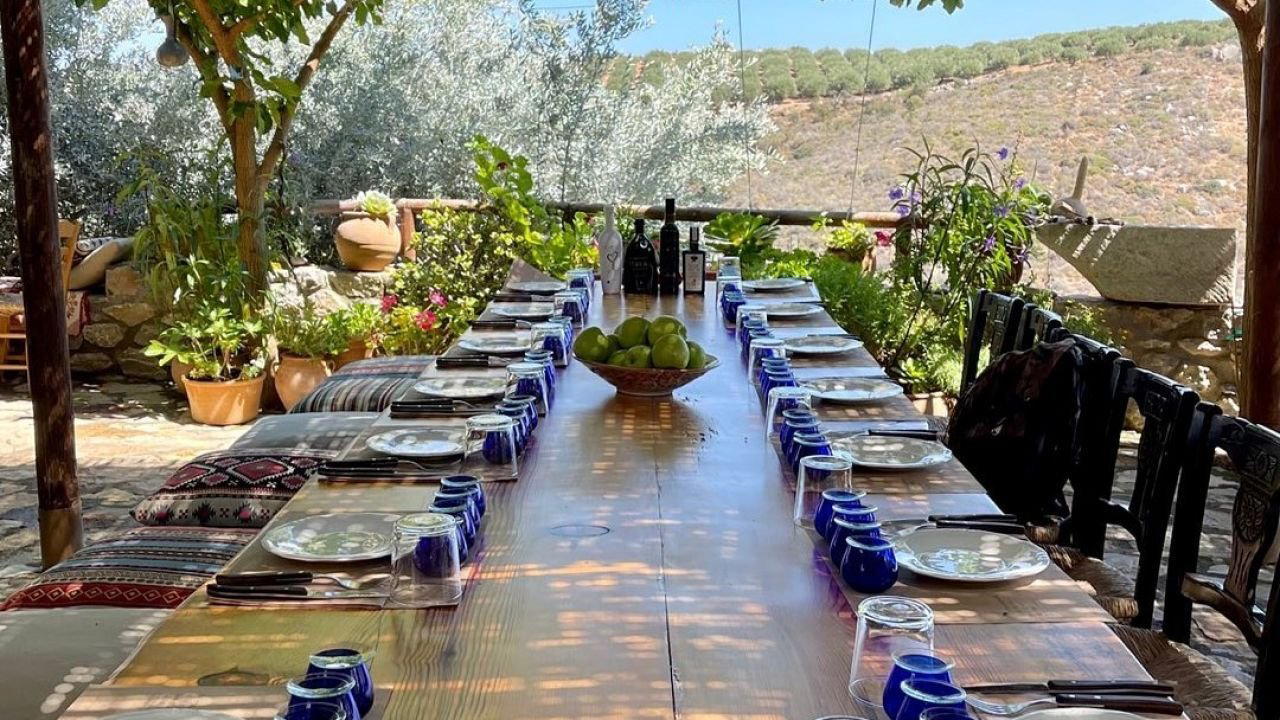
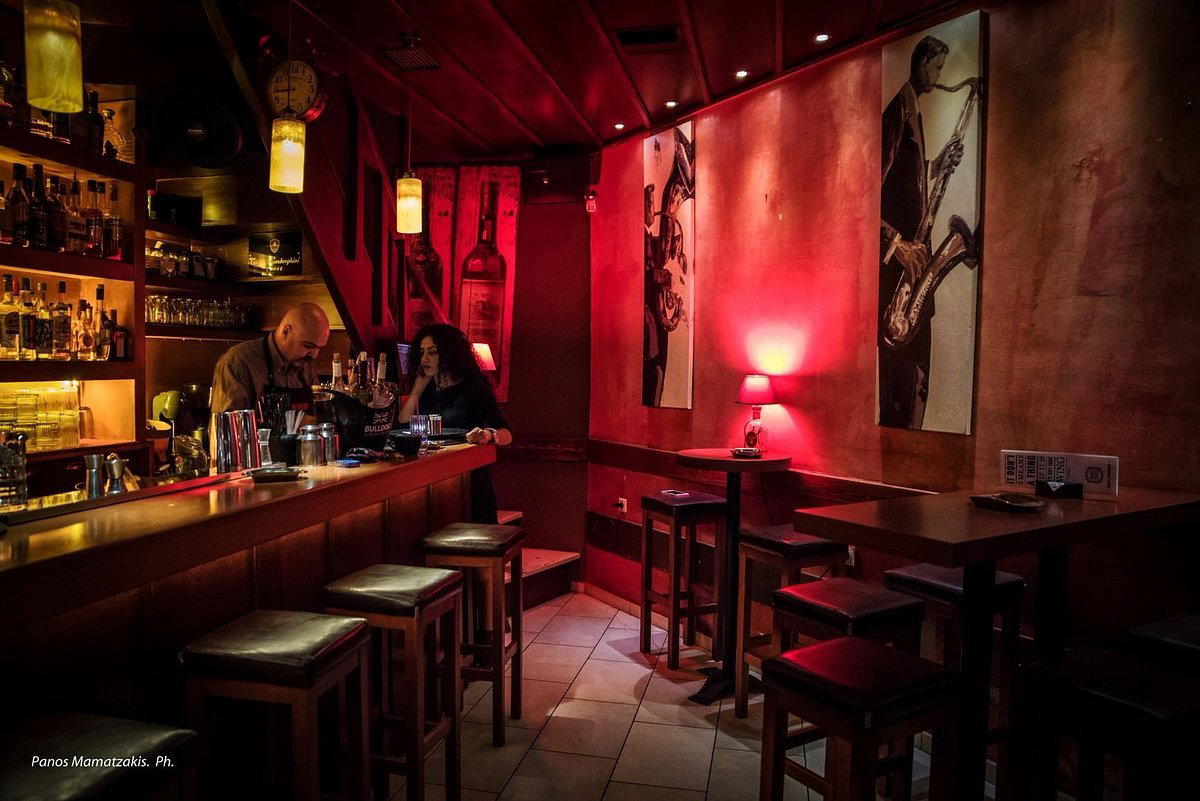
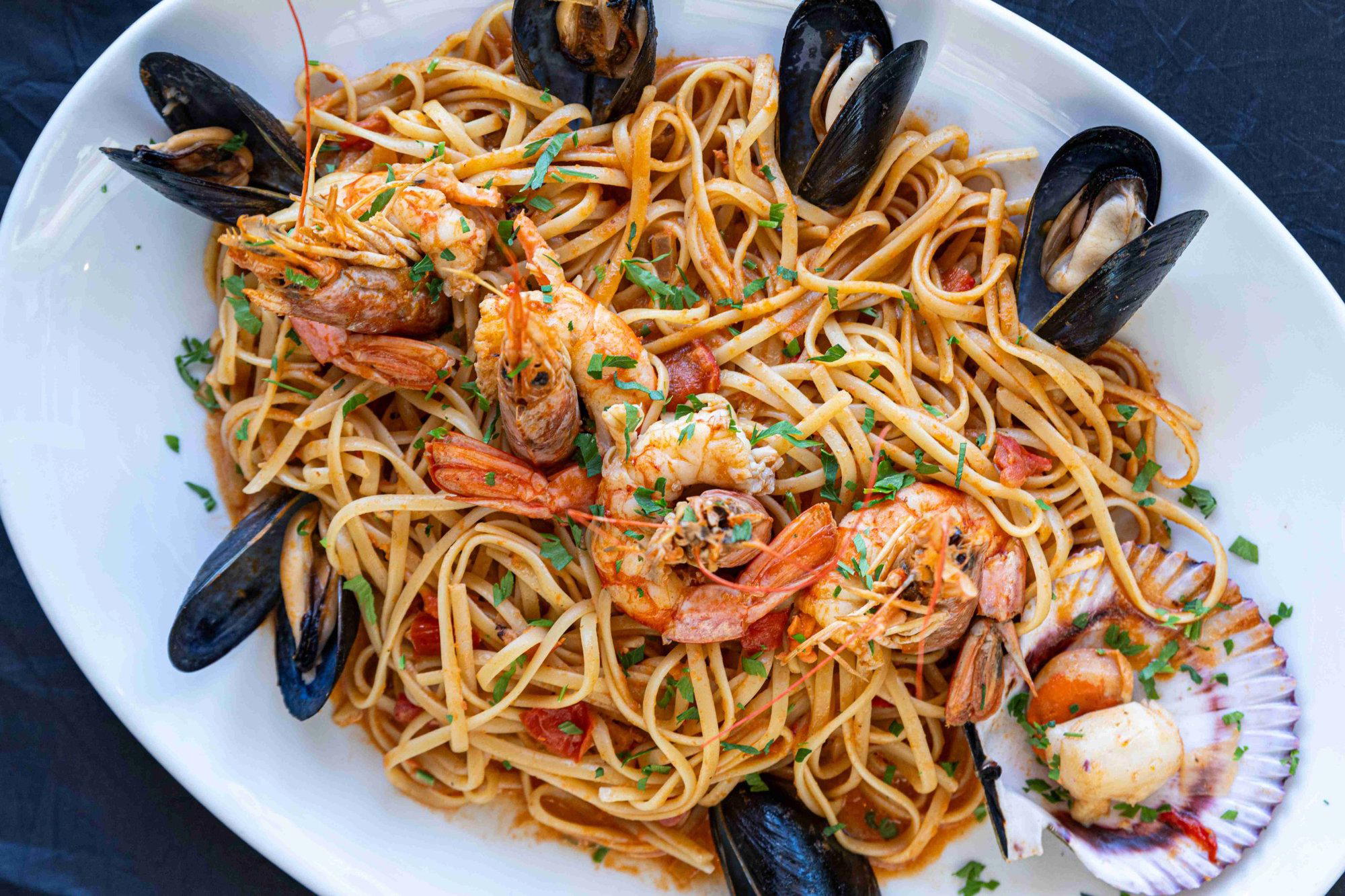
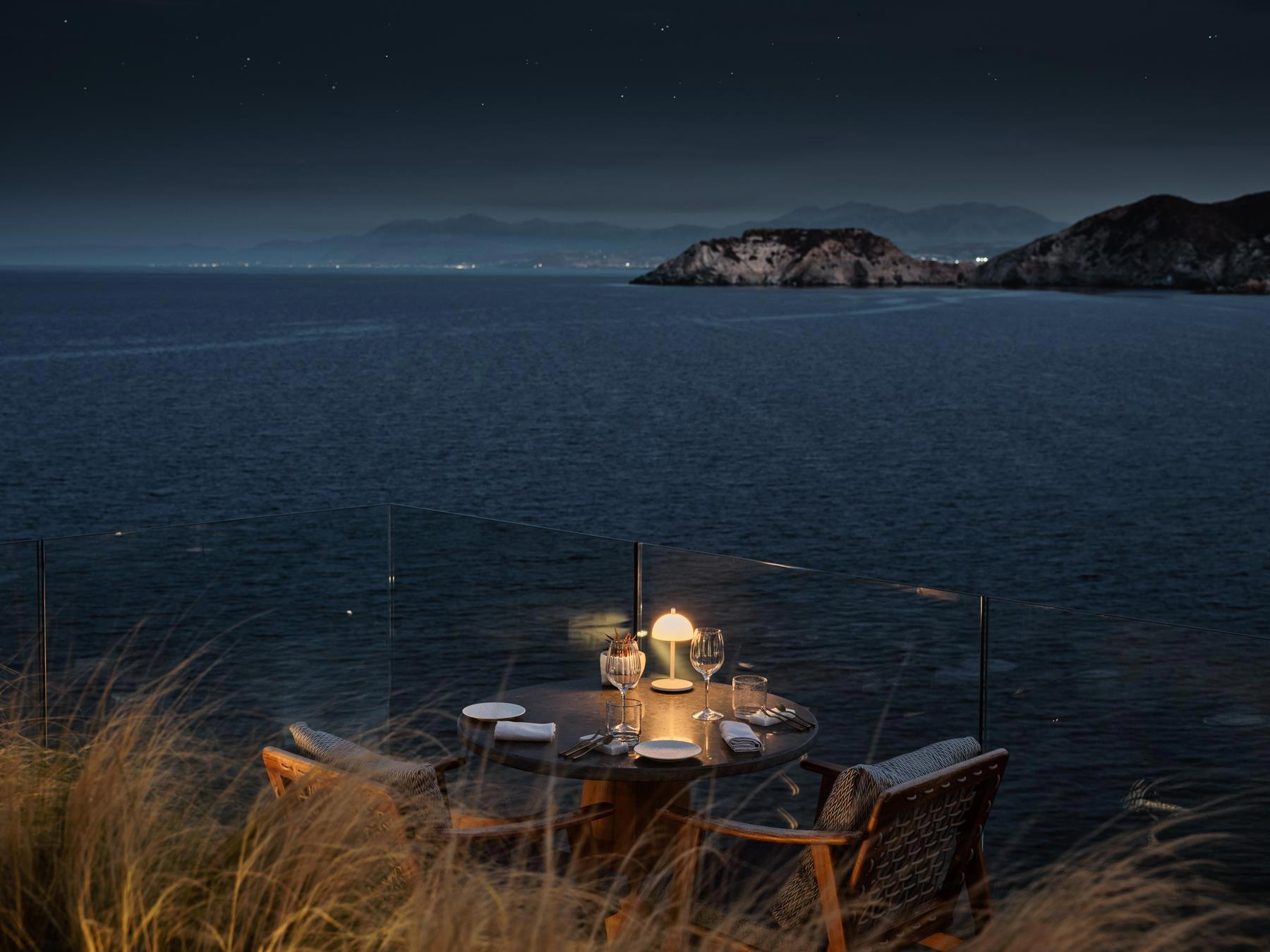

Details
- Modern
- Scenic
- Elegant
- Sophisticated
- Romantic
- Romantic Getaway
- Weekend Escape
- Business Trip
- Family Vacation
- Celebration
- Waterfront
- Rooftop Pool
- Terrace
- Design Destination
- Panoramic View
- Wi Fi
- Pool
- Fitness Center
- Spa
- Room Service
- Concierge
- Business Center
- Waterfront
- Wheelchair Accessible
- Elevator
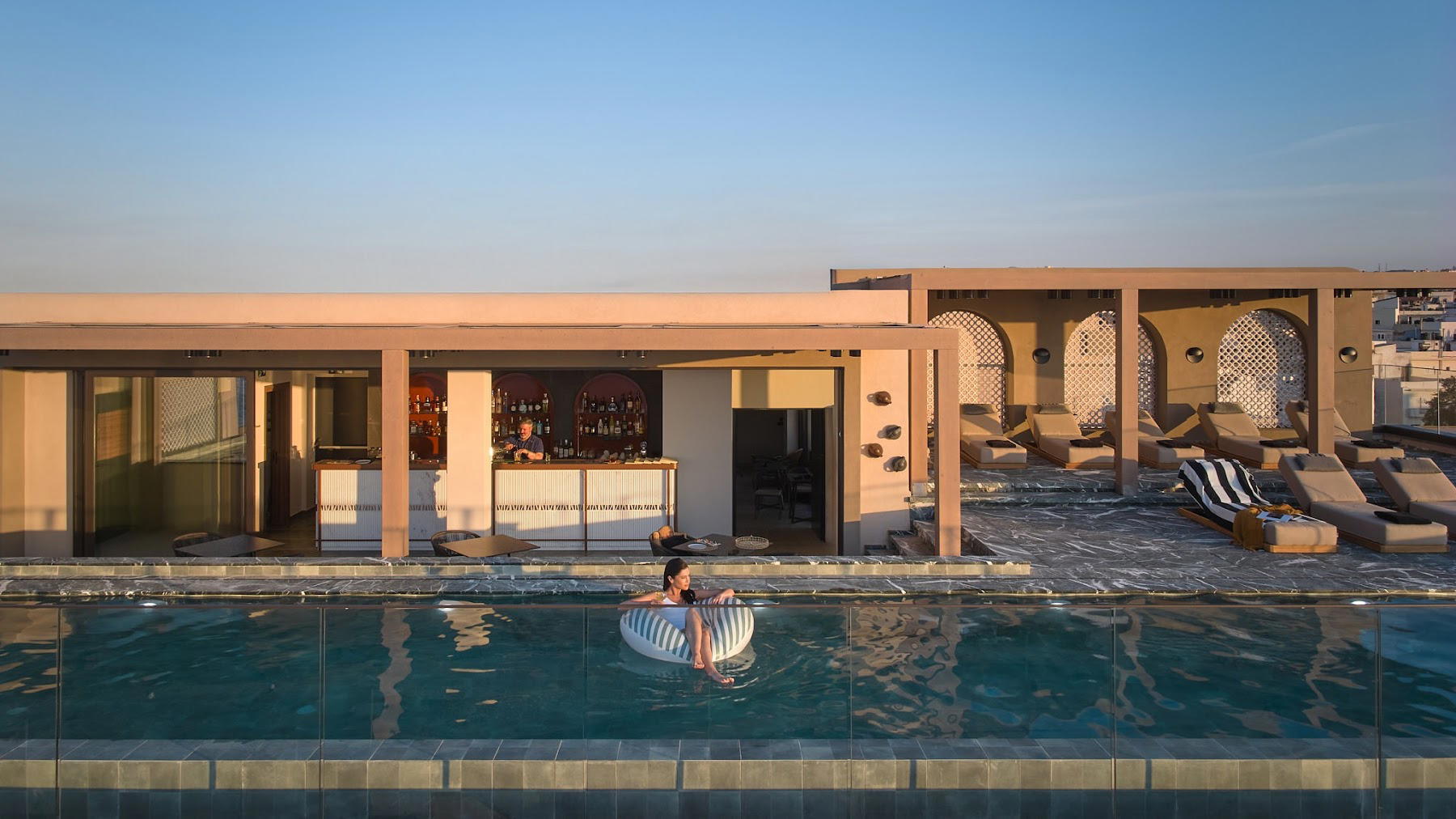
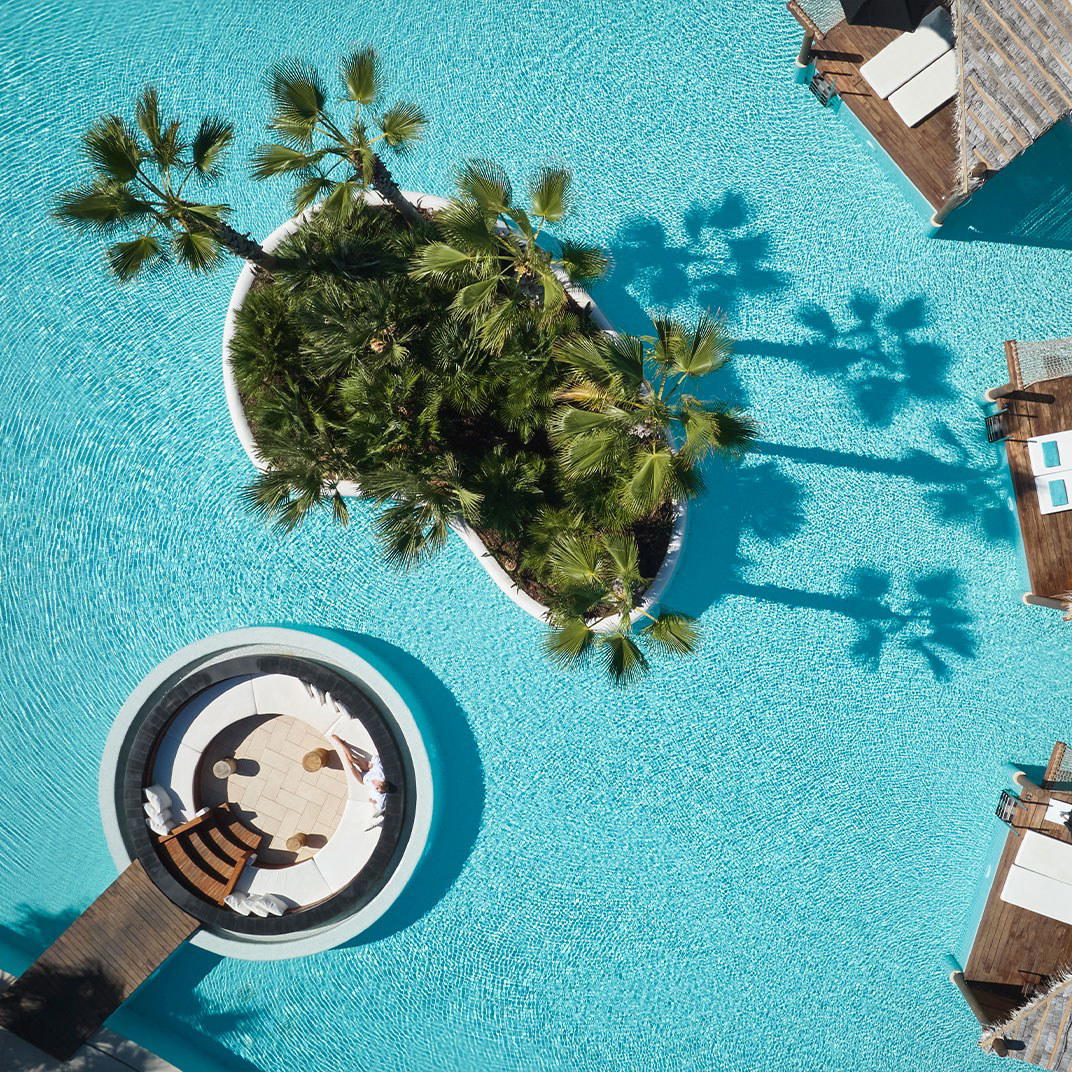
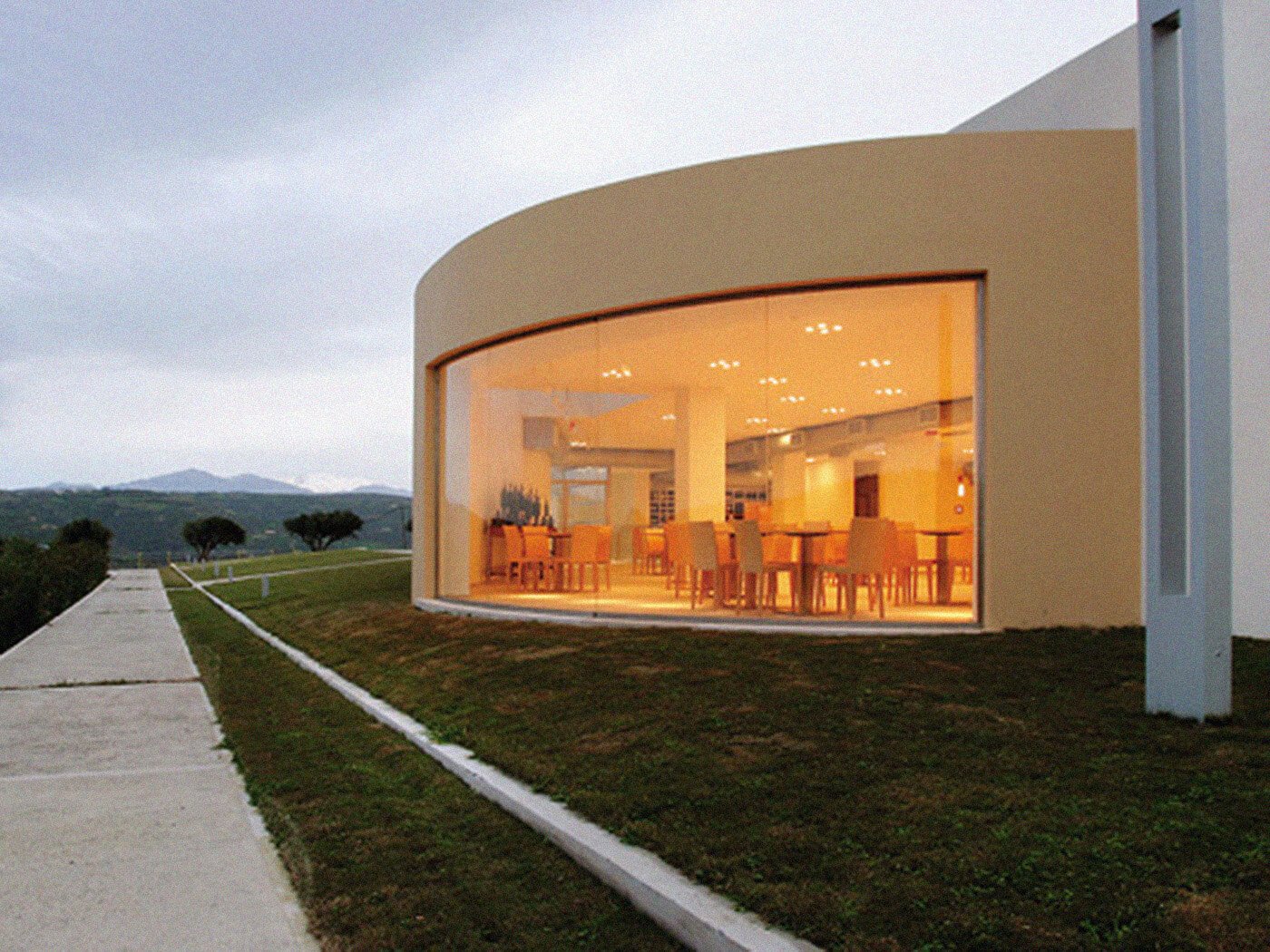
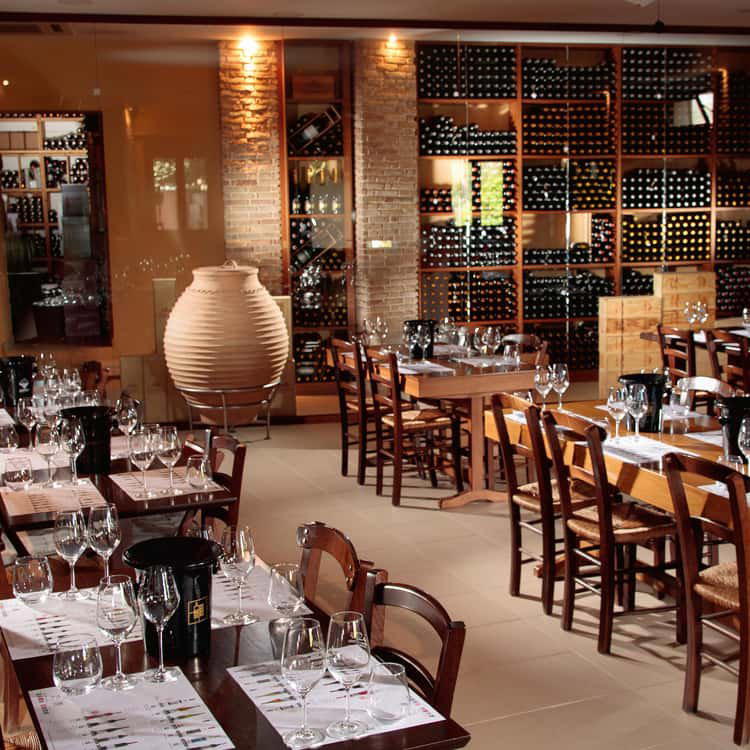
Modern, design-forward city hotel with warm wood, black accents, and Minoan-inspired details, creating a refined yet relaxed atmosphere that feels intimate indoors and resort-like around the rooftop pool and bar.