
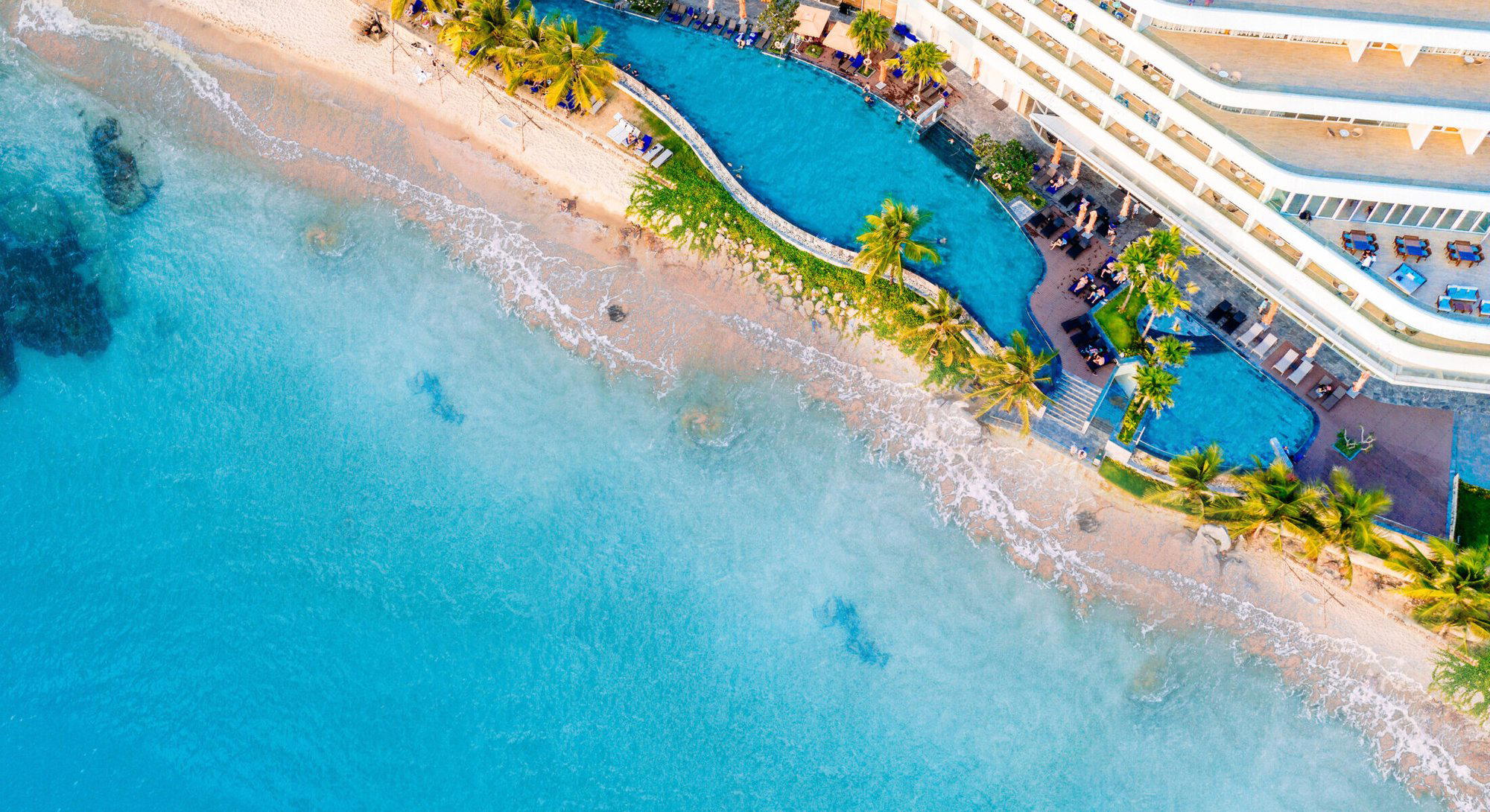
Radisson Blu Resort Phu Quoc sits on the Bai Dai coastline in the island's northern Special Zone, where long-haul beach stretches thin the crowds considerably. The property holds World Travel Awards recognition across three categories, including Global Winner for Luxury Private Beachfront Villa, and positions itself within Phu Quoc's upper tier of internationally branded beach resorts.
Pearl is the En Primeur Club membership app — saves, bookings, and concierge access live there. Same editors, same standards.
- Address
- Special Zone, Bai Dai Area, Phú Quốc, An Giang, Vietnam
- Phone
- +84 297 3660 000
- Website
- radissonhotels.com
- Directions
- Get directions
 Saves & bookings on Pearl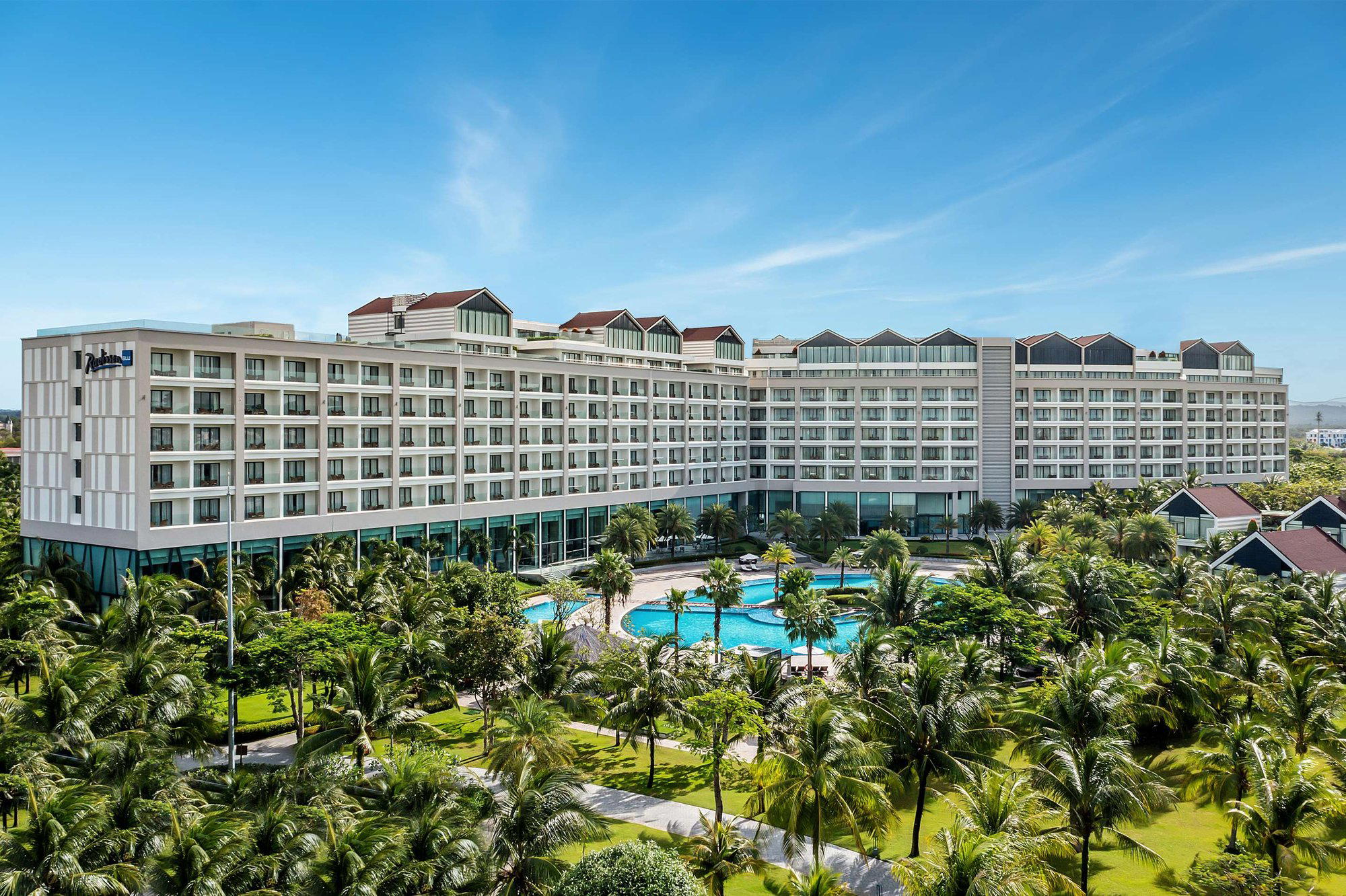
Bai Dai and the Case for Phu Quoc's Northern Shore
Phu Quoc's resort corridor has pushed steadily southward over the past decade, concentrating five-star inventory around Long Beach and the Ong Lang headland. The island's northern Special Zone, where Bai Dai runs for several kilometres of relatively undeveloped shoreline, operates on a different logic entirely. Lower footfall, longer sightlines, and a pace that the busier southern zones simply cannot replicate define this stretch. Radisson Blu Resort Phu Quoc sits within that northern band, on a private beachfront plot that positions it outside the denser cluster where properties like InterContinental Phu Quoc Long Beach Resort and JW Marriott Phu Quoc Emerald Bay Resort & Spa compete for the same southern-facing guests.
That locational decision carries editorial weight. Guests willing to accept the additional transfer time from Phu Quoc International Airport gain access to a beach experience that the southern corridor, for all its amenities, cannot deliver at comparable density. The tradeoff is real and worth stating plainly: if proximity to Duong Dong town, its night market, and the concentration of independent restaurants matters to you, the northern shore is not the obvious answer. If the ratio of sand to sun-lounger is your primary variable, the calculation shifts decisively.
Three Awards, One Property: What the Recognition Signals
The property holds three World Travel Awards: Global Winner for Luxury Private Beachfront Villa, Country Winner for Luxury Beach Resort (Vietnam), and Continent Winner for Leading General Manager. Each award points at a different axis of the operation. The villa recognition sits at the product level, confirming that the private beachfront accommodation format competes credibly on a global scale, not merely within the Vietnamese market. The country-level beach resort award places the property in the conversation alongside properties such as Premier Village Phu Quoc Resort, Pullman Phu Quoc Beach Resort, and Salinda Resort Phu Quoc Island. The general manager recognition is especially operationally telling among the three: service consistency at this level depends heavily on leadership culture rather than physical infrastructure, and external validation of that leadership is a reasonable proxy for reliability across departments.
For travellers calibrating against peer properties, these awards narrow the field usefully. La Veranda Resort Phú Quốc – MGallery and La Festa Phu Quoc, Curio Collection by Hilton occupy different niches within the island's premium tier, and L'Azure Resort & Spa targets a slightly different guest profile. Radisson Blu's sweep across global, national, and managerial categories in the same cycle is unusual and suggests a property that is performing across multiple dimensions simultaneously rather than excelling narrowly in one.
Responsible Luxury on a Developing Island
Phu Quoc's transformation from a quiet fishing island into a recognised international resort destination has happened at speed, and that speed carries environmental cost. Coastal construction, groundwater pressure, coral proximity, and waste infrastructure have all come under strain as the southern end of the island densified rapidly through the 2010s and into the 2020s. The northern Special Zone, where this property is located, represents a regulatory attempt to manage that development more deliberately, with the zone structure intended to impose controls that the island's earlier growth cycles lacked.
For a property operating at the luxury private villa level in this zone, sustainability is not merely a marketing posture but a practical operating necessity. Guests choosing beachfront villas at this price point increasingly factor environmental practice into their selection, and the hospitality sector across Southeast Asia has responded with programmes ranging from single-use plastic elimination to coral restoration partnerships and sourcing frameworks that favour local fishing communities. Vietnam's broader hospitality sector offers instructive comparisons: Amanoi in Vinh Hy has built a reputation around environmental stewardship as a core operating principle rather than an add-on, and Banyan Tree Lăng Cô in Lăng Cô operates within a parent group that has made measurable sustainability commitments across its portfolio.
The Bai Dai location gives Radisson Blu a structural advantage here that southern properties lack: access to a less pressured coastal environment means that responsible management of that environment is both more achievable and more consequential. What a northern-shore property does with its beach, its water systems, and its supply chain matters proportionally more when the surrounding ecosystem is less degraded to begin with.
Situating the Property in Vietnam's Broader Luxury Map
Phu Quoc does not operate in isolation within the Vietnamese luxury travel market. The island competes for a guest profile that is also considering the colonial-era elegance of Azerai La Residence, Hue in Hue, the wellness focus of Almanity Hoi An Wellness Resort in Hoi An, or the urban positioning of InterContinental Hanoi Westlake by IHG in Hanoi. Phu Quoc's specific proposition is the beach, the relative informality of an island setting, and the Gulf of Thailand's calmer waters compared to the South China Sea coast that fronts properties like Amiana Resort Nha Trang in Nha Trang or Anantara Quy Nhon Villas in Quy Nhon.
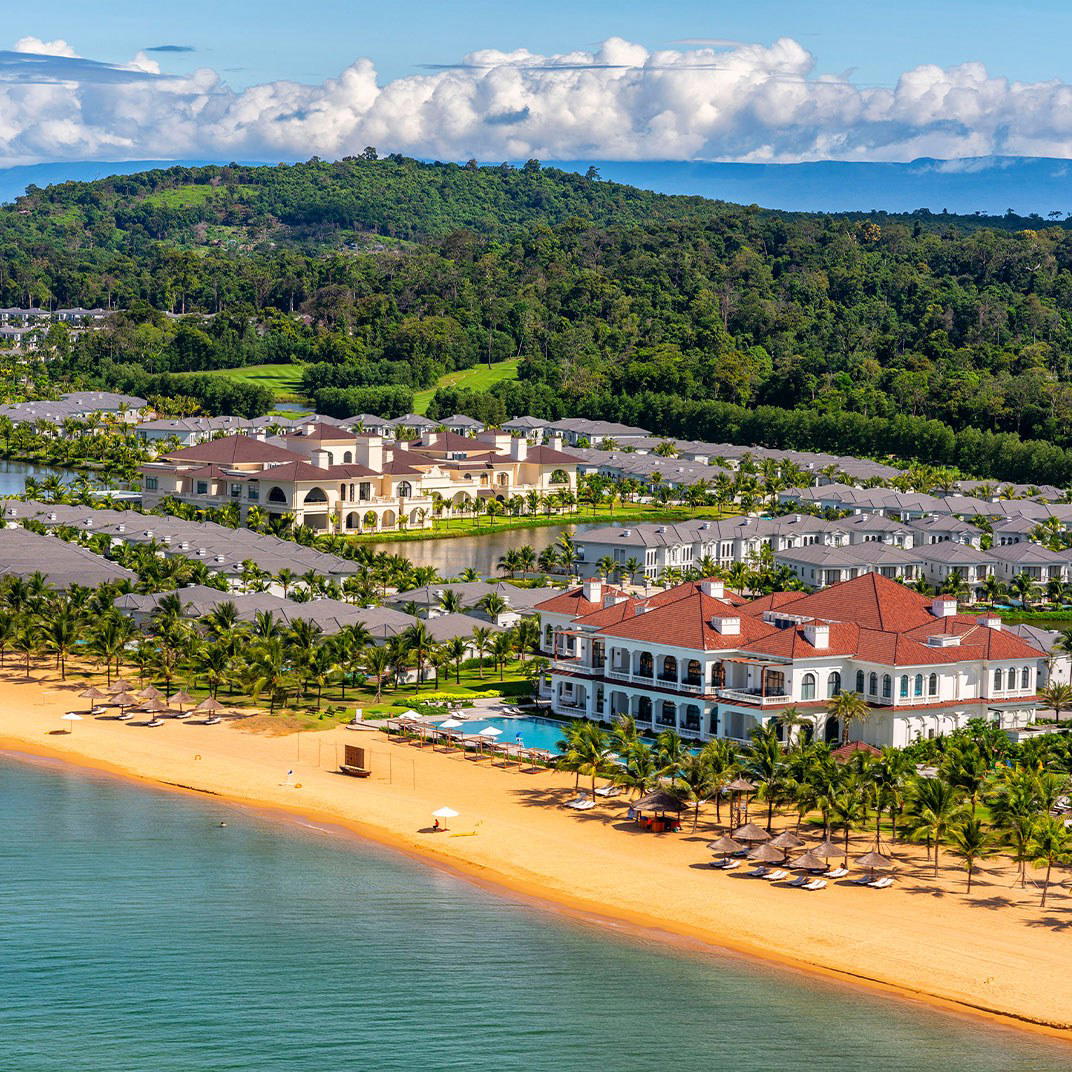
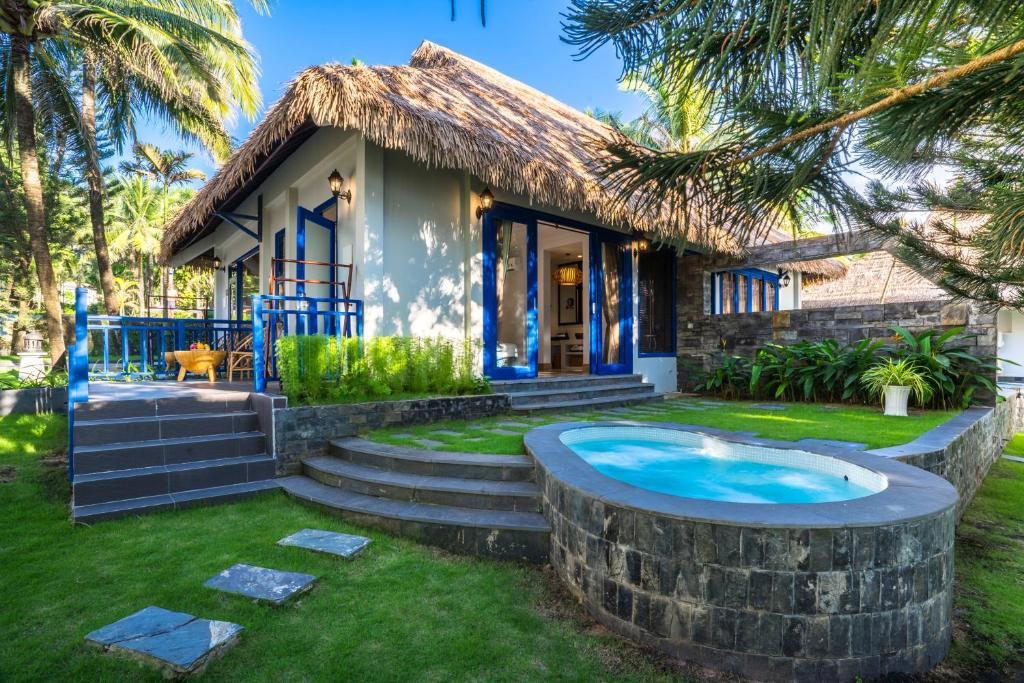
Within that Phu Quoc-specific case, the Radisson Blu's beachfront villa format occupies a clear position: private-access beach accommodation at a globally competitive level, in a less congested part of the island, with award recognition that validates the product across multiple assessment frameworks. Travellers who want the full density of Phu Quoc's dining, nightlife, and activity infrastructure close at hand may find the northern location adds friction. Those for whom the beach itself is the destination, with villa privacy as the delivery mechanism, will find the location's distance from the southern cluster is the point rather than the problem.
For broader context on dining and activity options across the island, the full Phu Quoc guide covers the range from streetside fish restaurants in Duong Dong to the resort-anchored dining programmes that have emerged as the island's property inventory has matured. Visitors to this property who want to venture beyond the resort footprint should account for transfer times when building their itinerary.
Planning Your Stay
Phu Quoc's dry season runs from November through April, with peak occupancy concentrating in December, January, and the Vietnamese Tet holiday window. The wet season, May through October, brings significant rainfall and can affect beach conditions, though rates and availability improve considerably for travellers whose schedules allow flexibility. The Bai Dai area is accessible from Phu Quoc International Airport by road, with the northern Special Zone sitting further from the airport than the southern resort cluster. Given the property's award profile and its villa format, booking well ahead of peak season is the practical baseline, particularly for private beachfront accommodation where inventory is inherently limited.
Price and Positioning
Comparable venues nearby, for context on price, style, and recognition.
| Venue | Price | Awards | Notes |
|---|---|---|---|
| Radisson Blu Resort Phu QuocThis venue — the venue you are viewing | $$$$ | 5-Star | Not listed |
| JW Marriott Phu Quoc Emerald Bay Resort & Spa | $$$$ | 5-Star | Khem Beach, Luxury beach resort with whimsical French-colonial campus theme |
| Salinda Resort Phu Quoc Island | $$$$ | 5-Star | Duong To Commune, Luxury boutique resort blending contemporary style with local Vietnamese charm |
| Premier Village Phu Quoc Resort | $$$$ | 5-Star | southern tip of Phu Quoc, luxury villa resort |
| InterContinental Phu Quoc Long Beach Resort | $$$$ | 5-Star | Duong To, Luxury beach resort seamlessly blending glamorous tropical getaway with authentic Vietnamese charm |
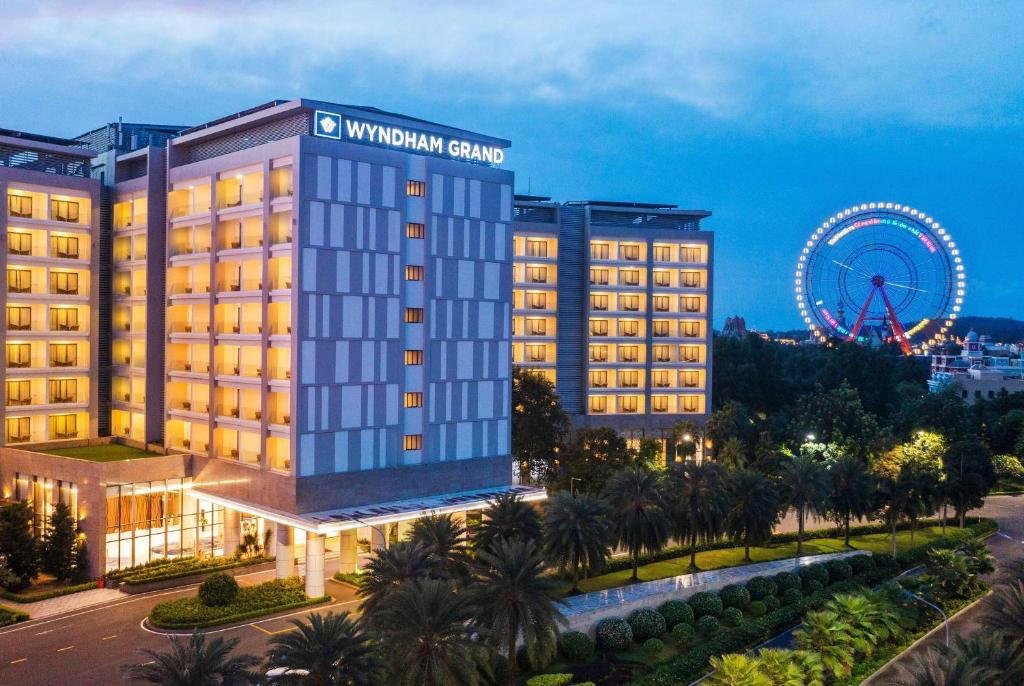
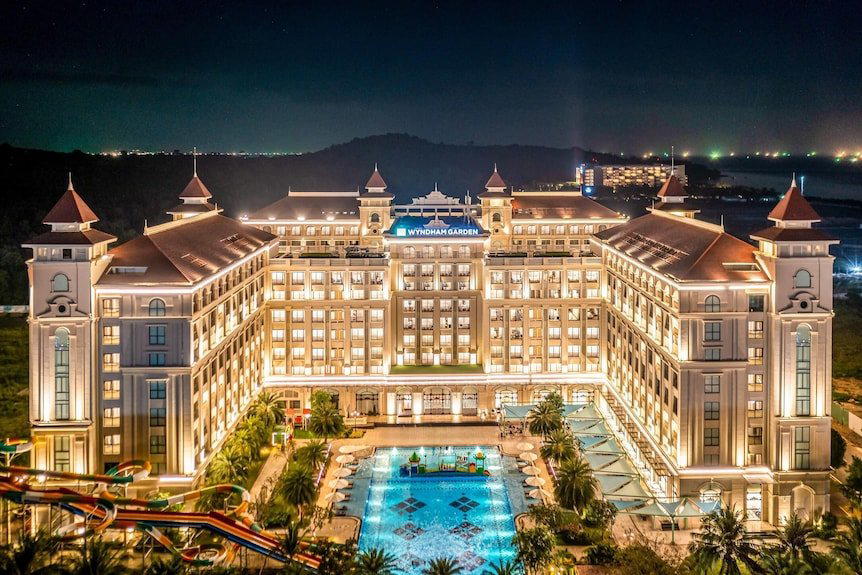
| WYNDHAM GRAND PHU QUOC | $$$ | 5-Star | Ganh Dau, All-inclusive beachfront mega-resort blending luxury, family fun, and entertainment. |
Recognition history
Dated appearances from independent guides and award organizations, with the underlying list record or original source where available.
World Luxury Hotel Awards WLHA Country Winner
World Luxury Hotel Awards
World Luxury Hotel Awards WLHA Global Winner
World Luxury Hotel Awards
World Luxury Hotel Awards WLHA Continent Winner
World Luxury Hotel Awards

At a Glance
- Elegant
- Scenic
- Sophisticated
- Family Vacation
- Romantic Getaway
- Wellness Retreat
- Beachfront
- Infinity Pool
- Wi Fi
- Pool
- Spa
- Fitness Center
- Room Service
- Concierge
- Kids Club
- Beach Access
- Waterfront
- Garden
- Mountain
- Wi Fi
- Pool
- Spa
- Fitness Center
- Room Service
- Concierge
- Kids Club
- Beach Access
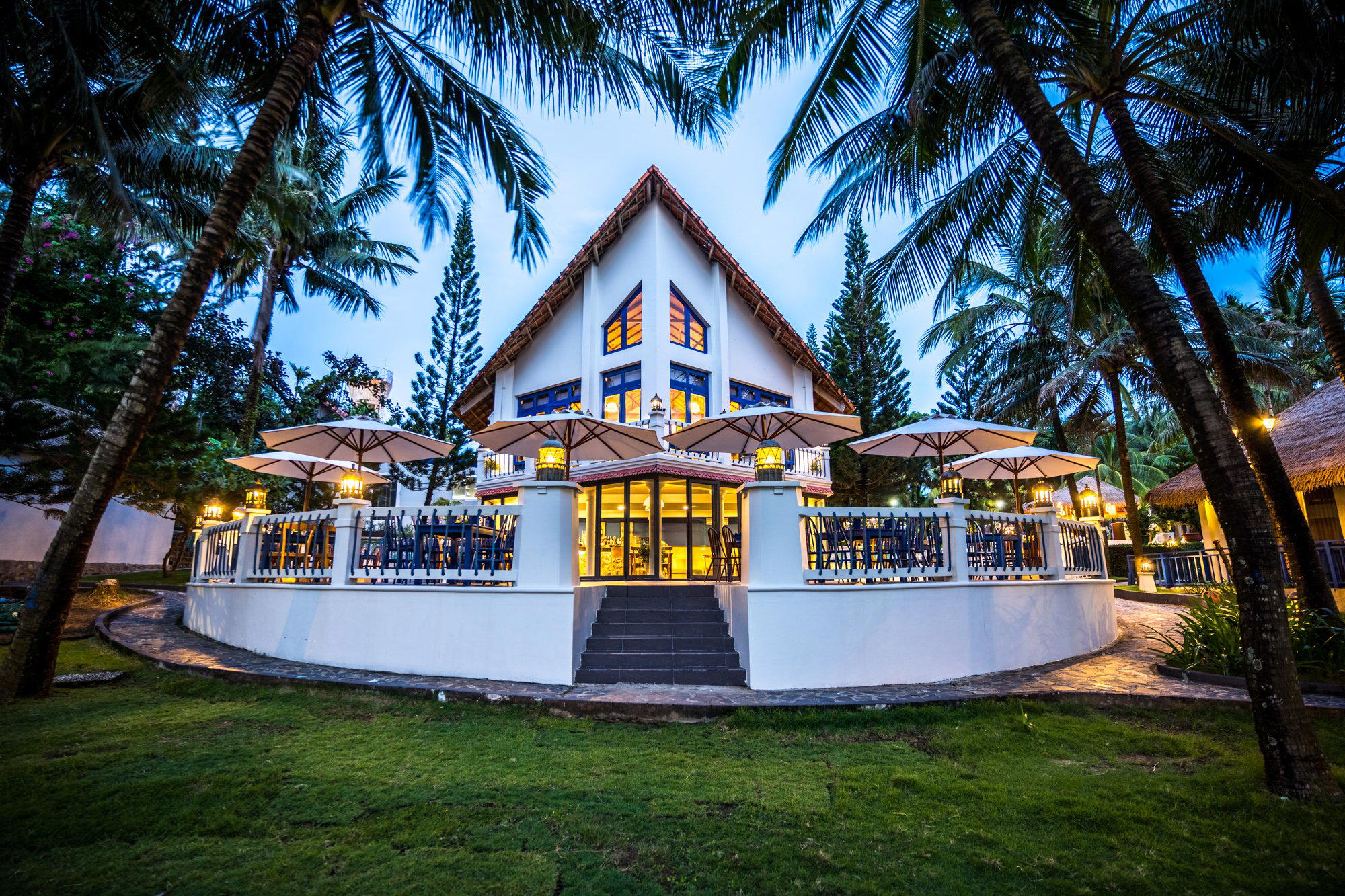
Relaxed beachfront atmosphere with lush gardens, poolside lounging, and serene spa wellness areas praised for comfort and cleanliness.