
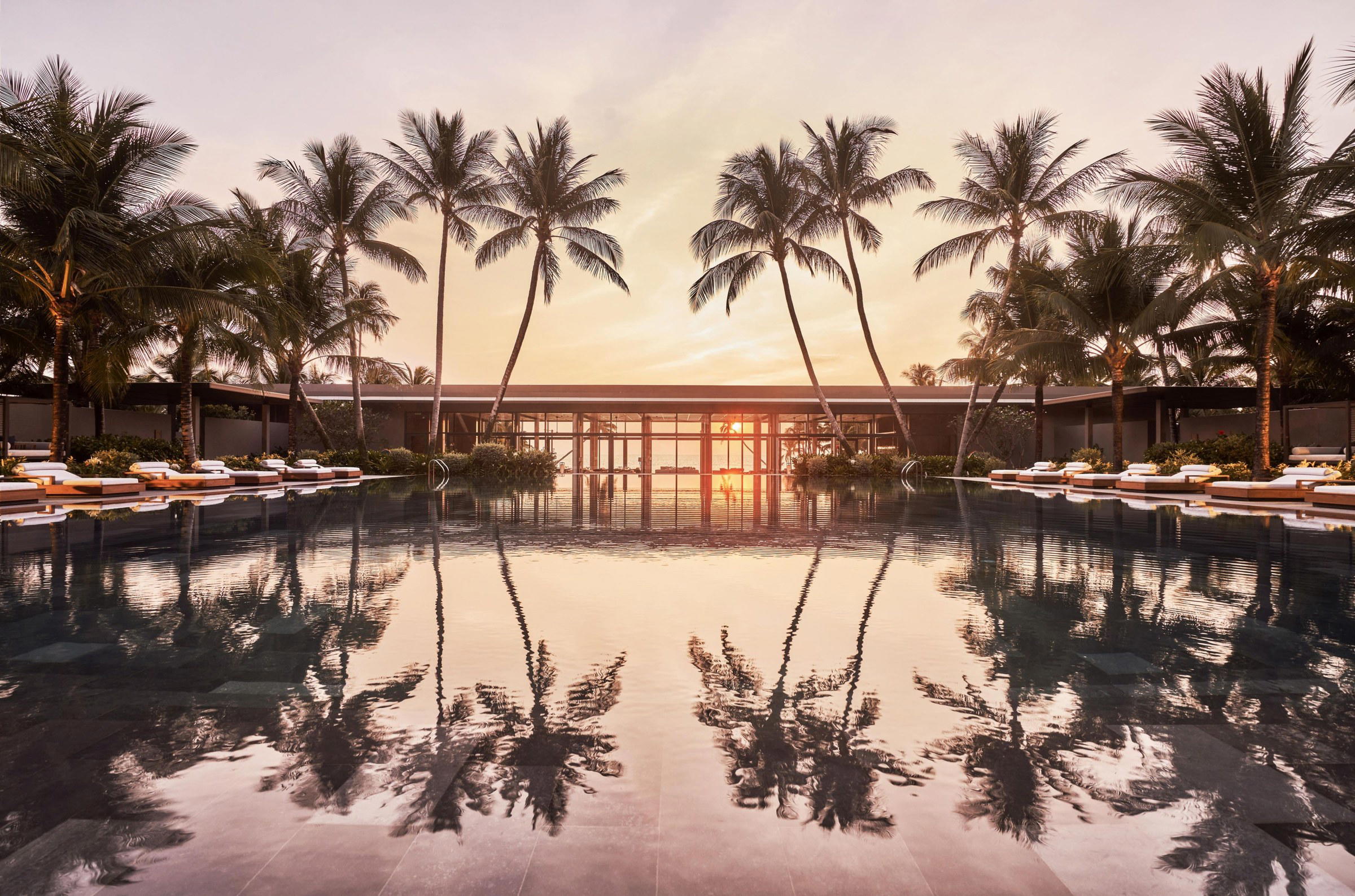
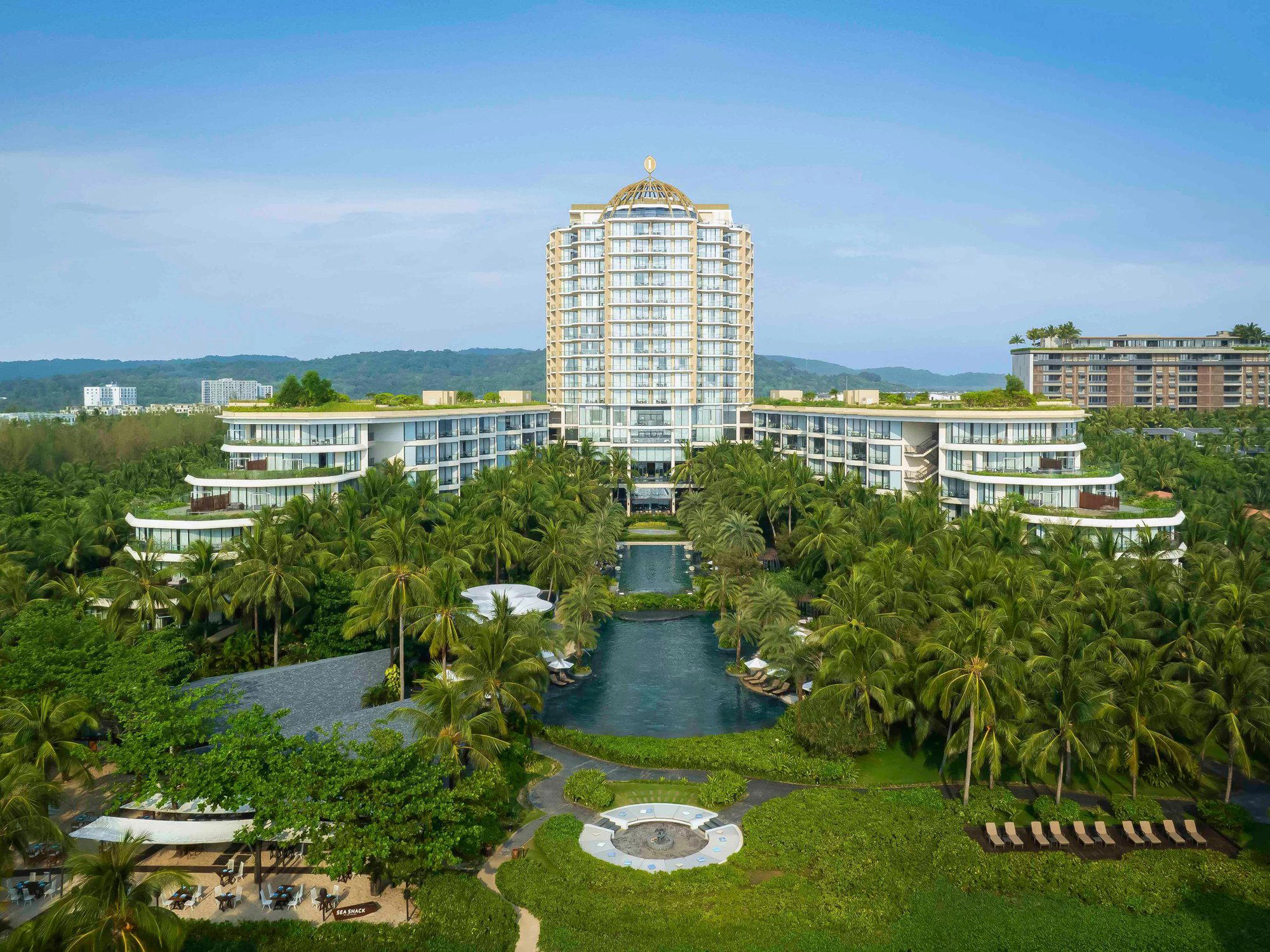
Three-time World Travel Awards winner in 2025, including Asia's Leading Luxury Resort & Spa and the world's leading luxury wedding resort, JW Marriott Phu Quoc Emerald Bay Resort & Spa occupies the southern tip of Phu Quoc at Bai Khem beach. The property anchors the upper tier of the island's resort offerings, combining a colonial-inspired architectural concept with a multi-venue food and beverage programme across one of Vietnam's most rapidly developing coastal destinations.
Pearl is the En Primeur Club membership app — saves, bookings, and concierge access live there. Same editors, same standards.
- Address
- Eco-Tourism at Bai Khem, Phú Quốc, An Giang 922280, Vietnam
- Phone
- +84 297 3779 999
- Website
- marriott.com
- Directions
- Get directions
 Saves & bookings on Pearl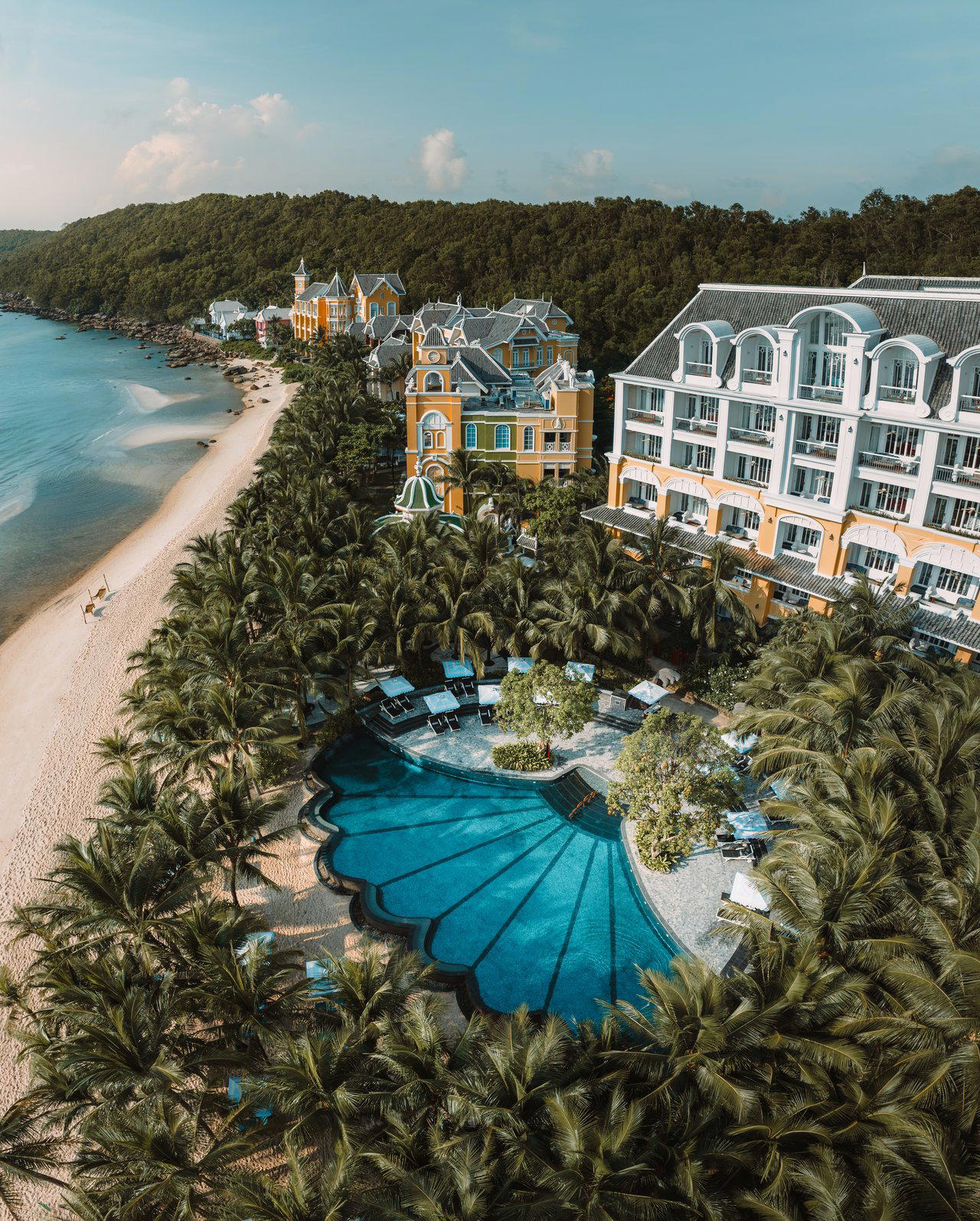
Where Phu Quoc's Southern Shore Sets Its Own Standard
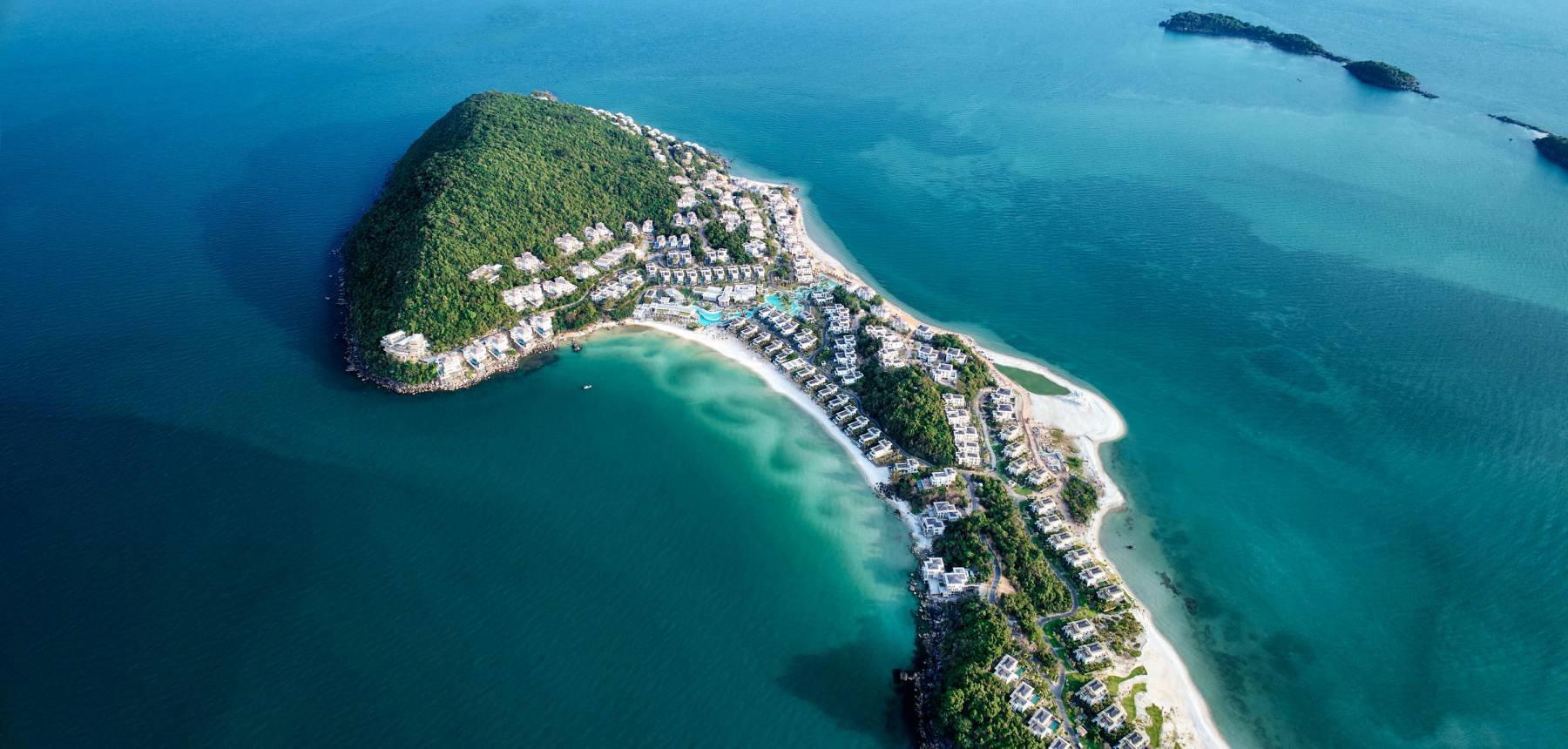
Bai Khem sits at the far southern end of Phu Quoc, away from the strip of development that has defined Long Beach and the town centre over the past decade. The drive south from Duong Dong follows a road that narrows as the island tapers, and the shift in character is deliberate: this part of the island attracted large-format resort investment precisely because of its separation from the commercial core. The JW Marriott Phu Quoc Emerald Bay Resort & Spa occupies that position, framing itself as a destination within a destination rather than a base for town exploration.
Phu Quoc's luxury resort market has diversified considerably since the island received international airport access. Properties now range from mid-scale all-inclusive packages along Long Beach to design-led boutique options and full-scale branded resorts. The JW Marriott sits firmly in the latter category, carrying the weight of Marriott International's upper-tier positioning alongside the specific geography of Bai Khem, a beach widely considered among the island's cleaner and less crowded stretches. For comparison, the InterContinental Phu Quoc Long Beach Resort occupies a different coastal orientation, closer to the island's central activity zone, which places the two properties in distinct competitive slots despite sharing a price bracket.
The Architectural Conceit and Why It Matters for Dining
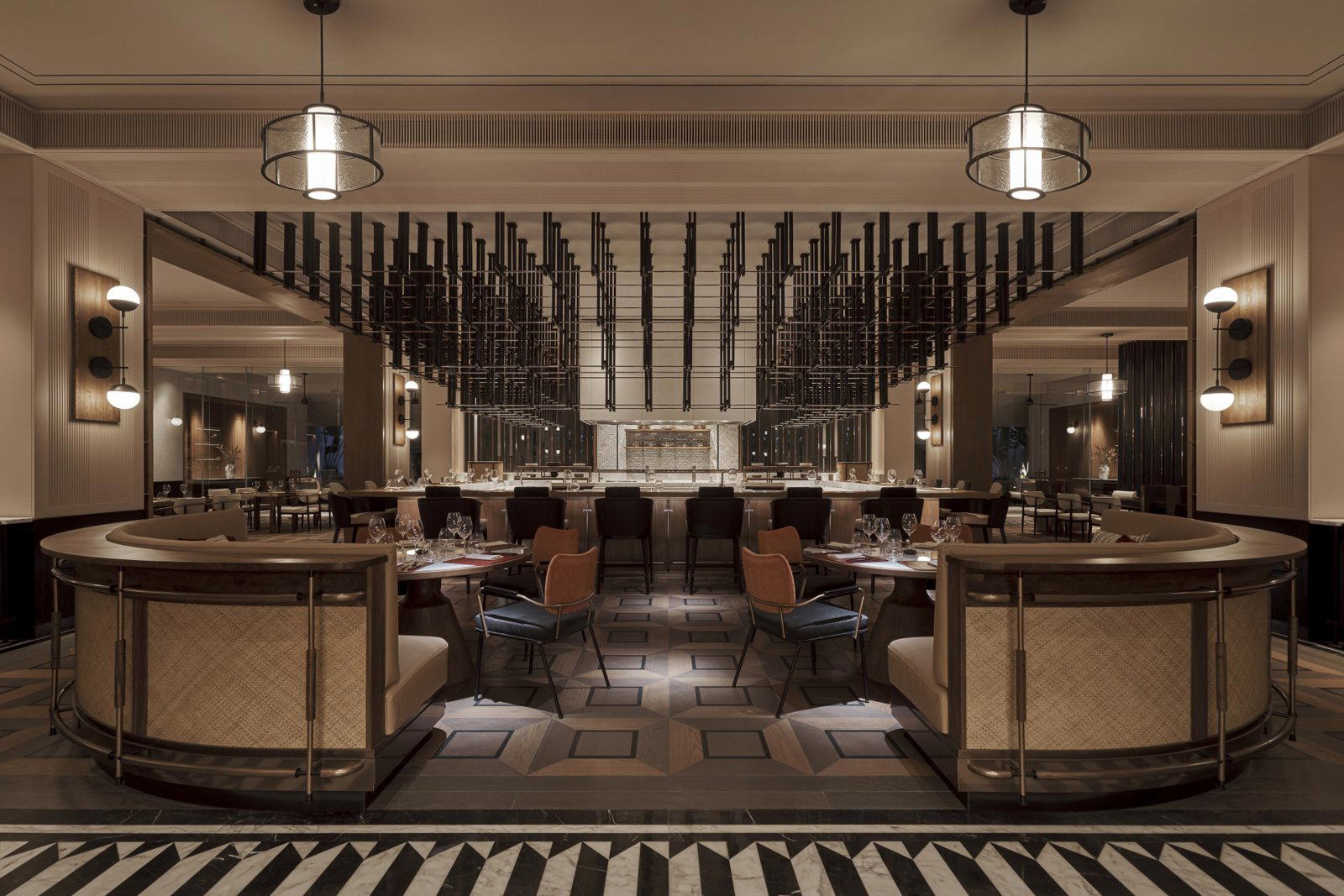
The resort draws on a fictional narrative of a French colonial university, and while the backstory functions primarily as décor framing, it has a practical consequence for the food and beverage layout. The campus concept allowed designers to distribute dining outlets across multiple distinct structures rather than concentrating them in a single main building, which means each restaurant occupies its own architectural identity. For guests, the effect is that moving between outlets feels less like navigating a resort corridor and more like moving through a small settlement. That spatial logic is worth understanding before arrival because it shapes how evenings unfold.
Vietnam's larger resort properties have learned from Southeast Asian competitors that a single flagship restaurant rarely satisfies the full range of a week-long stay. The distribution model, used effectively at properties such as Amanoi in Vinh Hy and Anantara Quy Nhon Villas, gives repeat evenings enough variation to hold attention. At the JW Marriott Phu Quoc, the multi-venue format is part of the resort's core proposition rather than an afterthought.
Food and Beverage as the Property's Editorial Core
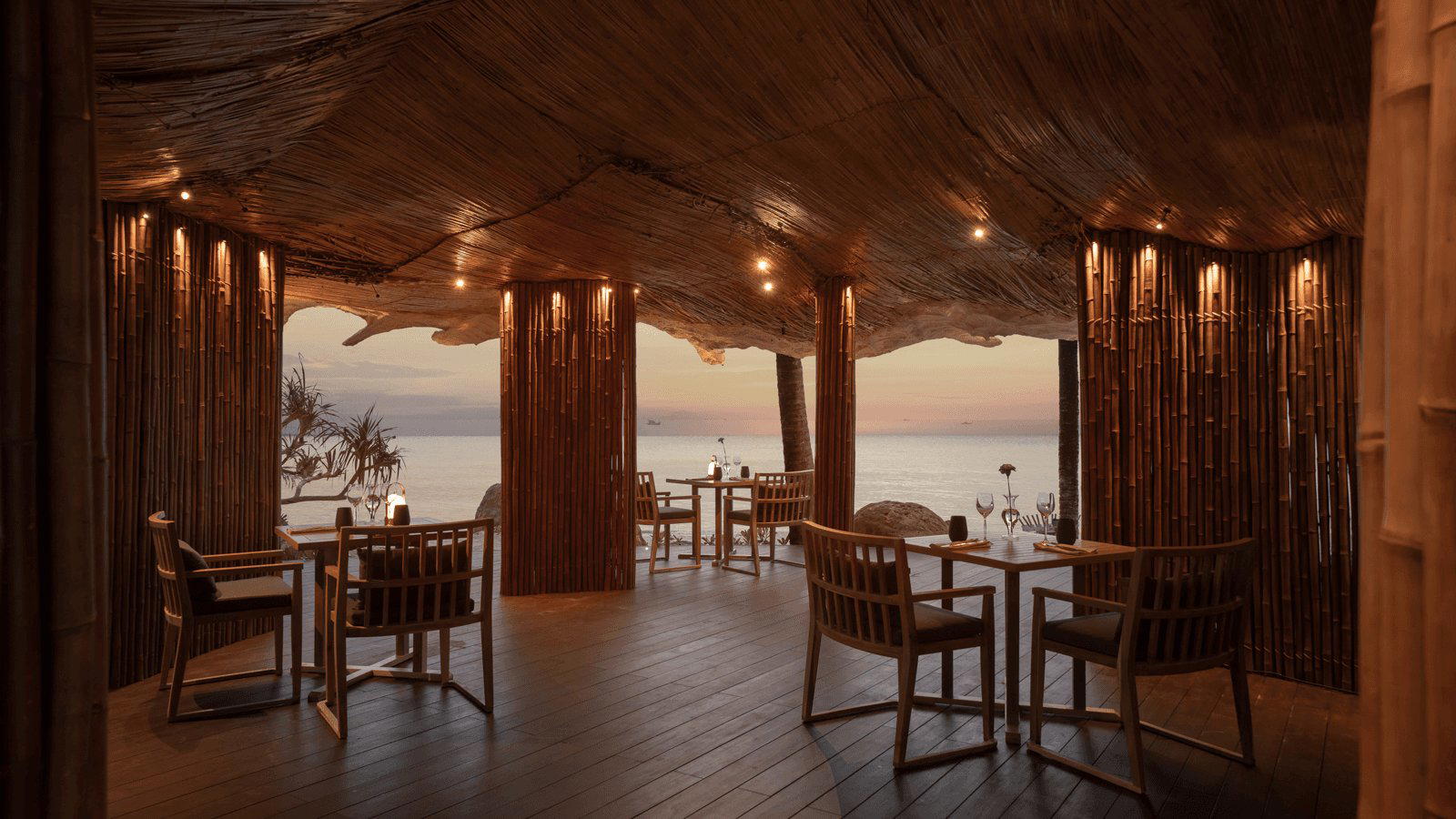
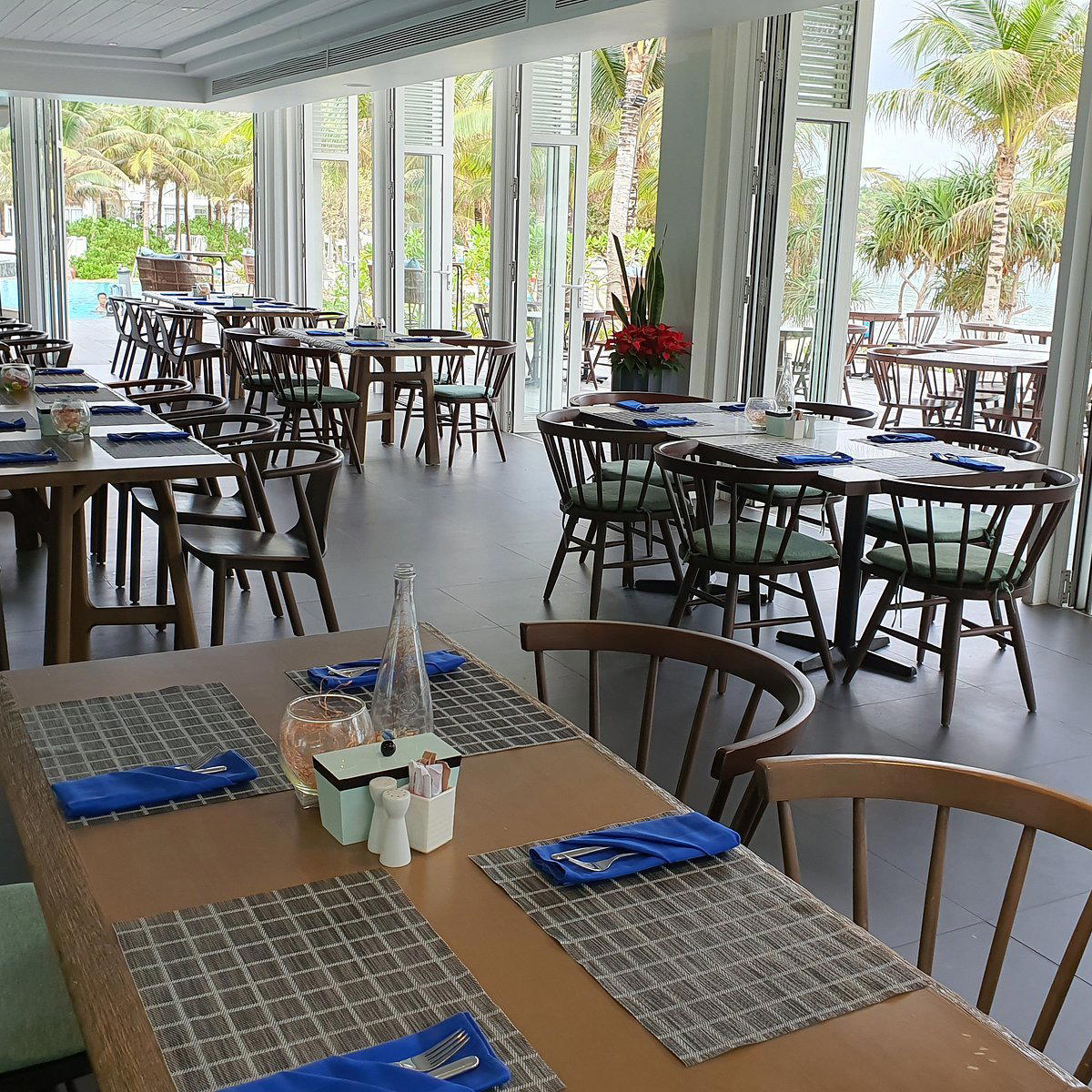
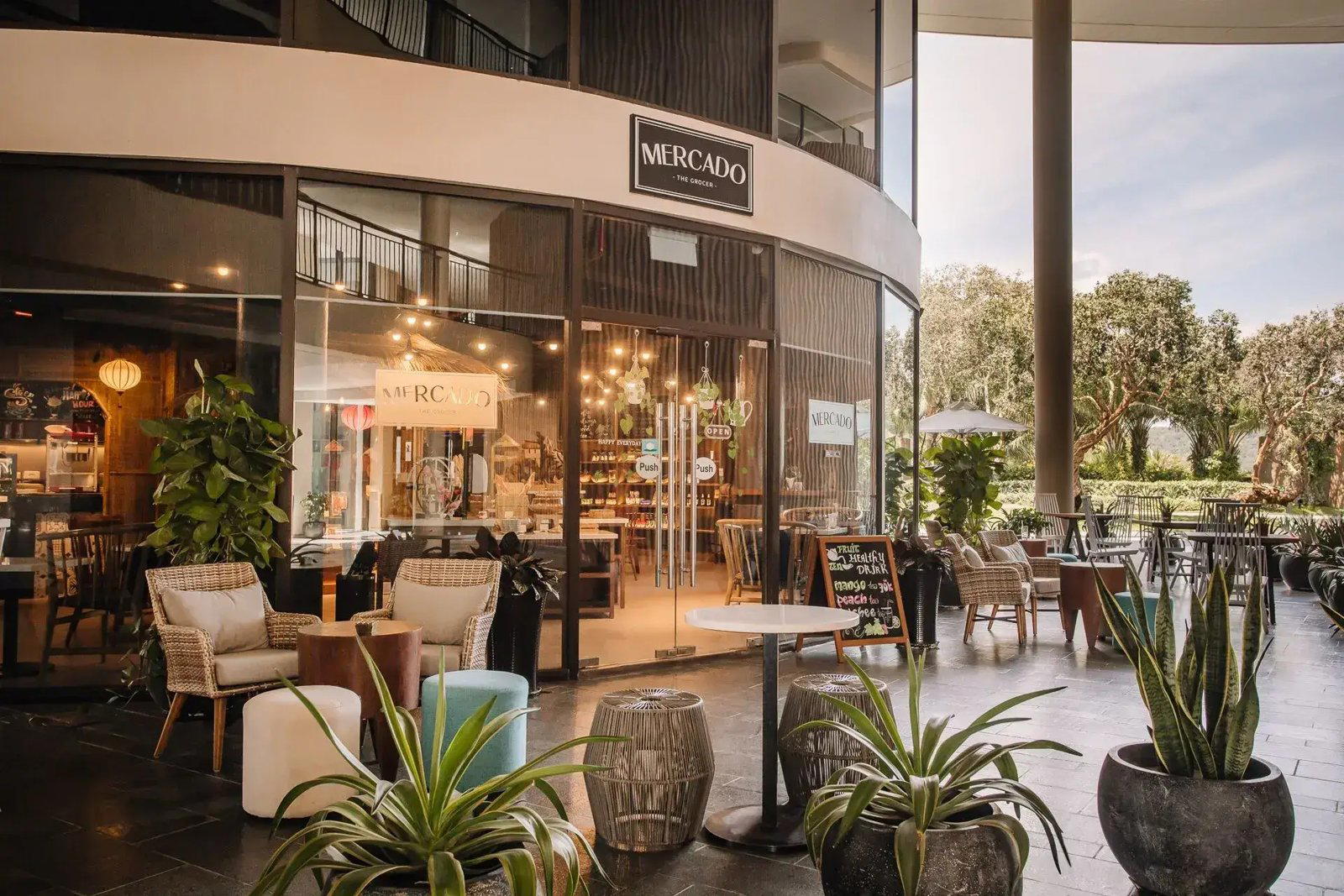
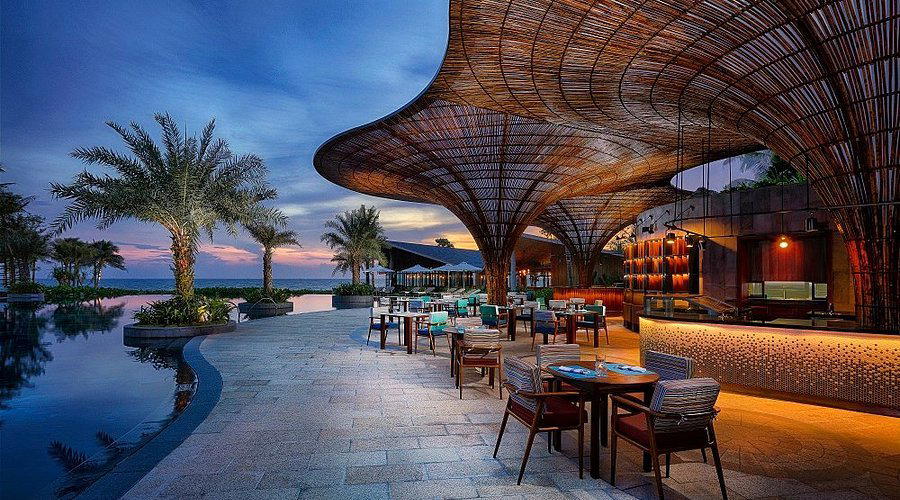
The resort's dining programme spans several outlets covering Vietnamese regional cooking, international formats, and beach-adjacent casual service. This range reflects a calculation common across Phu Quoc's upper-tier resorts: guests arriving from Hanoi, Ho Chi Minh City, or international origins have different calibrations for how Vietnamese they want their holiday food to feel. A Vietnamese family on a domestic luxury break may want direct access to pho and central Vietnamese dishes prepared with the same precision they expect at home. An international guest may want a version of Southeast Asian cuisine framed through a resort lens, with familiar reference points built in.
Phu Quoc's own culinary identity adds a specific layer to any resort dining programme here. The island is known for its fish sauce production, with the Phu Quoc designation carrying regulatory protection as a geographical indication under Vietnamese law. Locally caught seafood, particularly the species favoured in the island's fishing economy, should appear on any credible resort menu in this location. The degree to which a property's kitchens lean into local sourcing versus importing produce from the mainland is one of the markers that separates genuinely rooted resort dining from generic luxury hotel food.
Among Phu Quoc properties, the La Veranda Resort Phú Quốc – MGallery has historically positioned its dining around French-Vietnamese colonial intersection, while the Salinda Resort Phu Quoc Island takes a more contemporary Vietnamese approach. The JW Marriott's scale gives it scope to do both simultaneously across different outlets, which is both its advantage and its challenge in maintaining consistency.
Award Position and What It Signals
The 2025 World Travel Awards delivered three wins to the property: Asia's Leading Luxury Resort & Spa, Asia's Leading Luxury Wedding Resort, and World's Leading Luxury Wedding Resort. That third category is particularly significant in terms of competitive scope, placing the Bai Khem property ahead of resort peers across all global regions in the wedding and celebrations segment.
The wedding positioning is not incidental. Large-format destination weddings have become a structurally important revenue category for Southeast Asian luxury resorts, particularly those with beach access, indoor-outdoor event capability, and the accommodation volume to house a full wedding party on-site. The JW Marriott's scale and spatial distribution make it well suited to that format. The awards recognition across two consecutive cycles (the 2025 wins follow earlier recognition in this category) indicates sustained operational performance rather than a single-year spike. For context on how other Vietnam properties have pursued awards-track positioning, the Almanity Hoi An Wellness Resort and Azerai La Residence, Hue each represent distinct award-track strategies in their own markets.
Phu Quoc's Resort Tier in Broader Vietnam Context
Vietnam's coastal resort market has expanded rapidly, and Phu Quoc now competes for premium international leisure travel alongside Danang, Nha Trang, and Hoi An. Each destination has developed a distinct character: Danang skews toward golf and urban beach hybrids; Nha Trang balances mass-market and upper-tier options; Phu Quoc has concentrated its premium development in larger, more self-contained resort formats where the property itself is the primary activity zone.
That self-containment model suits guests whose priority is beach quality, food and beverage depth, and spa access over cultural exploration. Properties that execute it well, including the Premier Village Phu Quoc Resort and the Pullman Phu Quoc Beach Resort, have built strong repeat-visit rates because the model requires a high standard across every on-property touchpoint. When guests cannot easily leave for dinner, the kitchen programme carries more weight than it would in a city hotel.
For guests weighing Phu Quoc against other Vietnam destinations, the Amiana Resort Nha Trang offers a coastal resort comparison with different surrounding activity options, while InterContinental Hanoi Westlake by IHG represents the urban pole of Vietnam luxury. Our full Phu Quoc restaurants guide covers the island's dining scene beyond the resort perimeter for guests who do venture out. Additional Vietnam coastal options worth comparing include the Radisson Blu Resort Phu Quoc and L'Azure Resort & Spa, both operating within Phu Quoc's northern resort corridor.
Planning a Stay
Bai Khem is accessible from Phu Quoc International Airport via a drive of roughly 30 minutes south through the island's interior road network. The dry season, running from November through April, delivers the clearest water and most consistent beach conditions. The wet season brings reduced rates and fewer crowds, though afternoon rain is reliable from May onward. Given the resort's positioning as a wedding destination, guests planning leisure visits should be aware that large events can affect restaurant access and pool atmosphere, and mid-week stays outside peak wedding season (typically November to March) will offer a calmer on-property experience. Bookings at this tier should be made well in advance for peak dates; the resort's award recognition in the wedding category makes weekend inventory across the dry season particularly competitive.
Recognition history
Dated appearances from independent guides and award organizations, with the underlying list record or original source where available.
World Travel Awards #2
World Travel Awards
Continue exploring
More in Phu Quoc
Hotels in Phu Quoc
Browse all →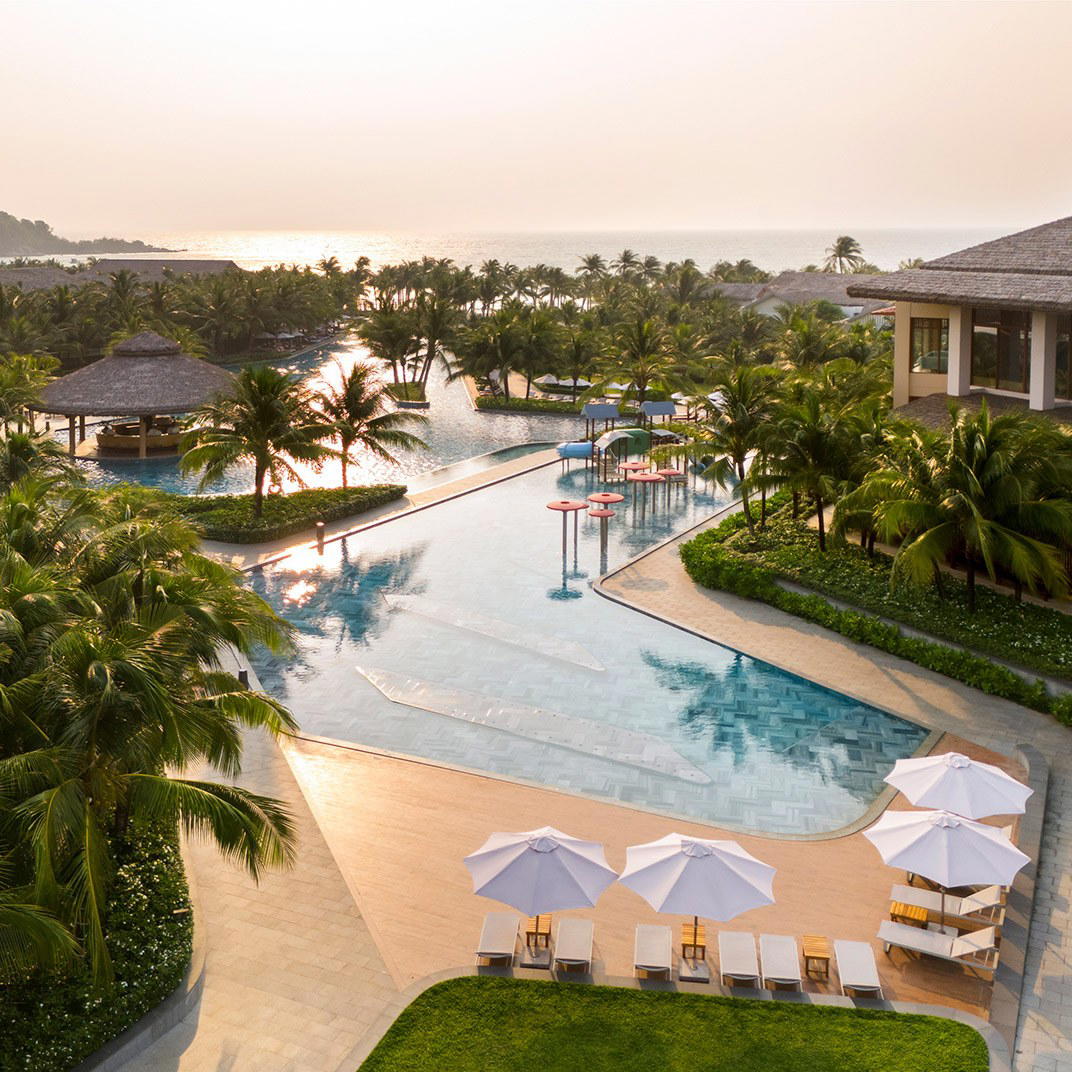
Bars in Phu Quoc
Browse all →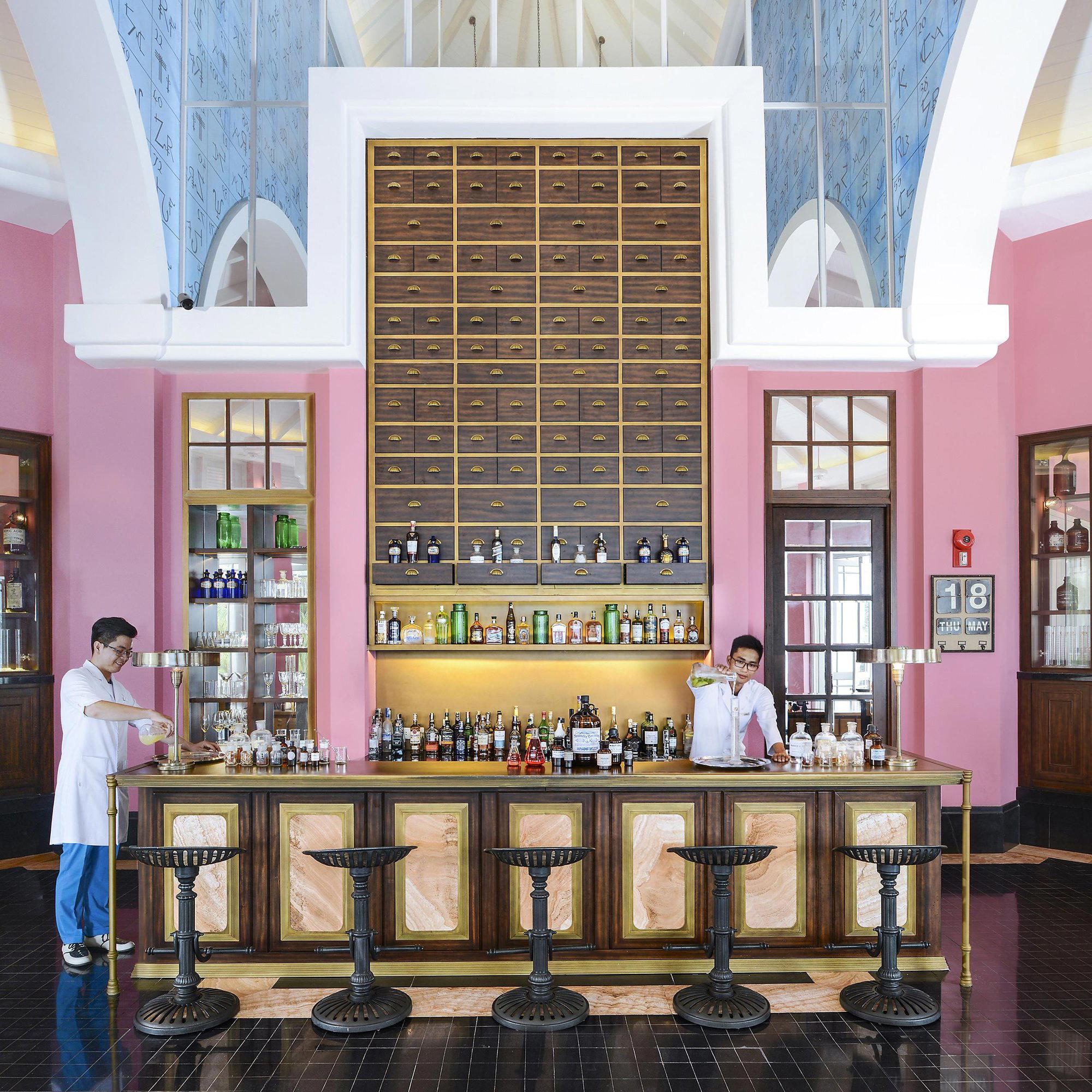
Restaurants in Phu Quoc
Browse all →
At a Glance
- Whimsical
- Elegant
- Scenic
- Ornate
- Sophisticated
- Honeymoon
- Romantic Getaway
- Family Vacation
- Wellness Retreat
- Beachfront
- Infinity Pool
- Private Villa
- Destination Spa
- Panoramic View
- Pool
- Spa
- Fitness Center
- Room Service
- Concierge
- Kids Club
- Beach Access
- Waterfront
- Garden
- Pool
- Spa
- Fitness Center
- Room Service
- Concierge
- Kids Club
- Beach Access
Elegant and relaxing with spacious high-ceilinged rooms, thoughtful lighting, and serene beachfront atmosphere.