Park Hyatt Taipei pairs 178 rooms with skyline views, quiet conditions, on-site dining, and pool, spa, and fitness facilities for a contained stay.

Pearl is the En Primeur Club membership app — saves, bookings, and concierge access live there. Same editors, same standards.
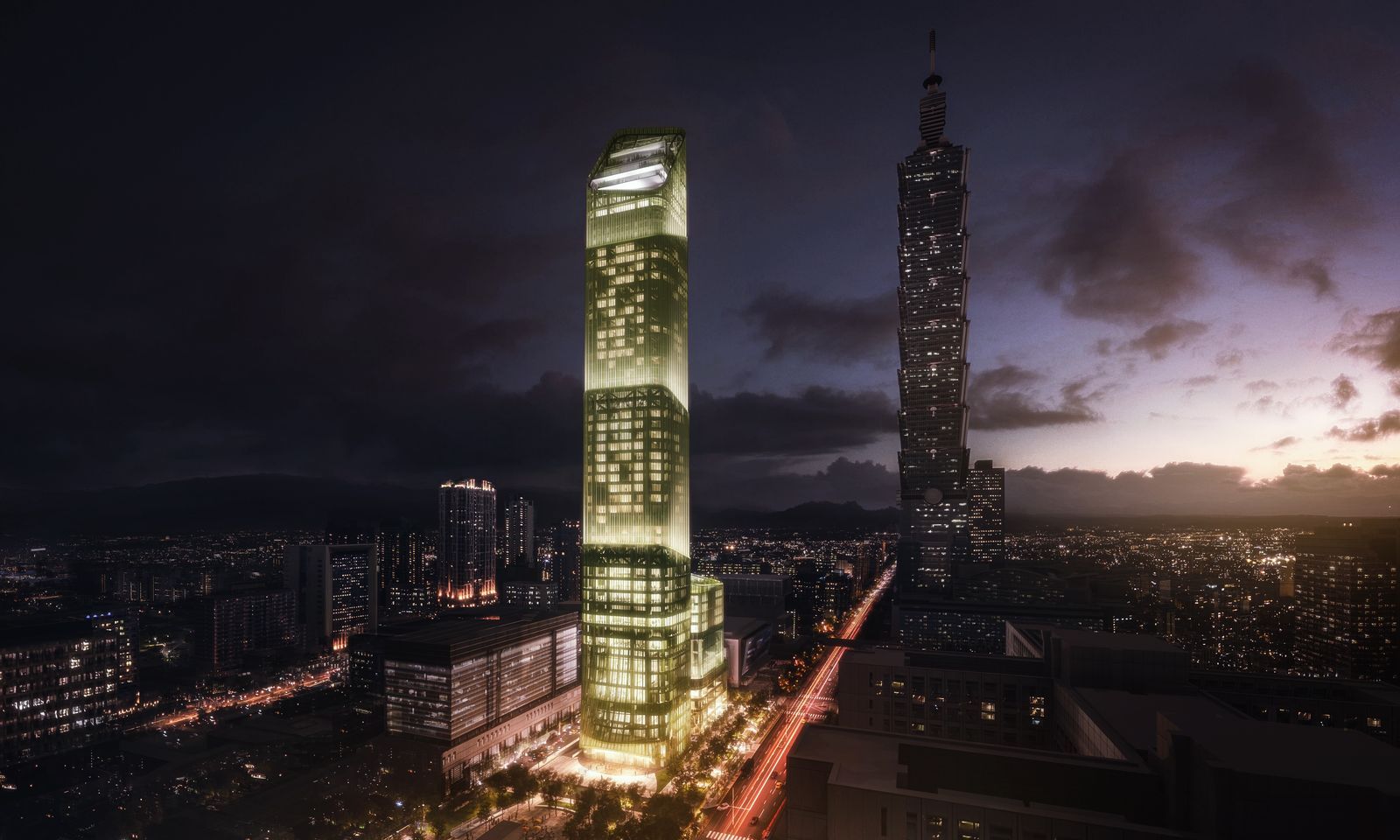
Arrival in a City That Treats Hotels as Dining Rooms
Taipei is a hotel city in a way that rewards close reading. The serious addresses are not defined only by thread count, lobby scale, or skyline views; they are judged by how convincingly they connect a stay to the city’s eating habits. Breakfast can matter as much as the room. A bar program can tell as much about the property’s confidence as its suite inventory. In that context, Park Hyatt Taipei enters a market where luxury hotels are expected to function as social rooms, business dining rooms, and calm urban bases at once.
Park Hyatt Taipei is a 5-star hotel in Taipei, Taiwan, with 178 rooms and a price tier of 4. That absence matters editorially.
Taipei’s hotel scene has matured quickly, and dining is one of the clearest ways to separate a serious luxury property from a well-furnished sleep address. Travelers comparing Park Hyatt Taipei should also look across the Taipei hotels guide, because the city’s choices now range from international convention powerhouses to design-led neighborhood hotels and cultural properties with a quieter rhythm.
The Dining Programme Is the Real Test
In Taipei, a premium hotel’s restaurant and bar offer cannot coast on captive guests. The city’s street-level food culture is too strong, independent restaurants are too competitive, and locals have little patience for hotel dining that exists only to serve breakfast buffets and banquets. The more convincing hotels read the city correctly: Taiwanese breakfast habits, Japanese influence, tea culture, seafood sourcing, cocktail precision, and private dining demand all shape how a property is judged.
Park Hyatt as a brand is usually associated with a quieter register of luxury: polished service, controlled scale, and food-and-beverage spaces intended to feel less like transit zones and more like composed urban rooms. That is brand context, not a verified claim about the Taipei property. For Park Hyatt Taipei, the dining question remains open in the available record. No chef name, cuisine type, restaurant list, bar concept, or signature dish is listed, so any decision should wait for confirmed detail if the stay is being planned around meals on property.
In Taipei, travelers can compare the property against Grand Hyatt Taipei, a larger international-hotel reference point in the city, and Capella Taipei, which sits in the design-led luxury conversation. For a more neighborhood-scaled stay, EPISODE Daan Taipei - JDV by Hyatt and amba Taipei Zhongshan 台北中山意舍酒店 point to a different kind of Taipei hotel life, more closely tied to district-level movement than formal luxury ceremony.
That comparison is useful because Taipei does not reward vague luxury language. A hotel dining program here needs an identity: Taiwanese detail handled with care, Japanese technique applied without cliché, a bar with reason to exist beyond a lobby pour, or restaurants that local diners would book independently. Until Park Hyatt Taipei’s own food-and-beverage details are verified, its dining promise is an editorial question rather than a settled fact.
Taipei's Luxury Hotels Have Split Into Clear Camps
The city’s upper-tier hotel market is no longer a single category. One camp is built around scale: large-room inventory, event capability, multiple restaurants, and international brand recognition. Another is built around design and cultural specificity, where the guest experience depends on neighborhood texture and a narrower sense of place. A third, increasingly visible, sits between the two: internationally branded, but trying to read as calmer, more residential, and less dependent on spectacle.
The hotel belongs in that third conversation by brand implication. The distinction matters for travelers who care about how a hotel behaves at different hours of the day. A large property can be efficient and socially useful, especially for business travel. A boutique property can feel more personal, but sometimes lacks the operational depth of a major brand. A luxury hotel built around dining and composed public spaces has to deliver both: privacy when needed, but enough food, drink, and service intelligence to justify staying in.
For comparison, Eslite Hotel brings a cultural-hotel association into the Taipei field, while Grand Mayfull Hotel Taipei and Grand HiLai Taipei sit in a more formal hotel register. amba Taipei Songshan offers another lens on the city, especially for travelers who want hotel choice tied to district convenience rather than trophy positioning.
The more useful question, then, is not whether the hotel sounds luxurious. At present, the confirmed details are the city, property name, 5-star rating, 178 rooms, and price tier 4.
How Food Shapes the Right Taipei Stay
Taipei’s dining culture makes hotel selection unusually consequential. A traveler who plans around night markets, beef noodle shops, breakfast counters, tea houses, and independent tasting menus may need less from the hotel restaurant, but more from location and transport convenience. A traveler planning business meals or multi-generational family dining may value a hotel with several on-site venues, private rooms, and a breakfast operation that can handle different schedules. A traveler focused on bars should check how late the property’s drinks program runs and whether the surrounding district has serious alternatives.
the Taipei restaurants guide is the better starting point for meals, while the Taipei bars guide helps clarify whether a hotel bar will be central to the trip or merely convenient. Travelers with more specialized interests can also consult the Taipei experiences guide and the Taipei wineries guide, particularly when the itinerary extends beyond conventional hotel dining.
This is where Taipei differs from cities where luxury hotels dominate the dining conversation. In Taipei, the street and the independent restaurant sector set a high baseline. A hotel must either contribute something specific or function as a well-placed base for eating elsewhere.
The practical record is limited. No address, phone number, website, room categories, price per night, awards, or opening details are currently supplied in the record for the hotel. That makes advance verification necessary, especially for travelers planning around loyalty status, restaurant reservations, connecting rooms, late arrival, or business meetings. In a city with strong hotel alternatives, sparse public detail is not a reason to dismiss a property, but it is a reason to compare carefully before committing.
If the trip is Taipei-only, the immediate comparison set should stay within the city: Grand Hyatt Taipei for a larger branded frame, Capella Taipei for a high-design luxury reference, Eslite Hotel for a more cultural reading, and EPISODE Daan Taipei - JDV by Hyatt for a neighborhood-oriented Hyatt-family alternative. If the trip extends around Taiwan, hotel choice changes character quickly. InterContinental Taichung in Taichung, H2O HOTEL in Kaohsiung, Grand Hilai Sun Moon Lake in Yuchi, and The Moment Hotel Yilan by Lakeshore in Wujie show how regional stays can shift from city dining to resort pacing or landscape-driven itineraries.
Seasonal planning also matters in Taiwan. Taipei summers are humid and typhoon season can affect transport and outdoor plans, while cooler months tend to be more comfortable for walking-heavy food itineraries. That is city-level context rather than property-specific advice. Without a listed address, it is not possible to give precise airport, metro, or neighborhood guidance for the hotel. Travelers should confirm location and transport links directly before building restaurant bookings around the hotel.
Who Should Keep Park Hyatt Taipei on the Shortlist
The hotel works well for travelers who are already interested in the Park Hyatt style of city luxury and who are comfortable waiting for confirmed property details before treating it as the anchor of a trip. It is a less suitable choice for anyone who needs verified room categories, published restaurant information, known pricing, or award credentials at the research stage. Taipei has enough credible alternatives that uncertainty should be priced into the decision.
The property is particularly relevant for three types of traveler. The first is the Hyatt loyalist comparing brand options in Taipei, especially against Grand Hyatt Taipei and EPISODE Daan Taipei - JDV by Hyatt. The second is the dining-led traveler who wants a luxury base but will make restaurant decisions across the city rather than rely on the hotel. The third is the regional traveler building a broader Taiwan itinerary, pairing Taipei with Evergreen Resort Hotel (Jiaosi) in Yilan, Hualien Farglory Hotel in Yanliau, Deer Chaser in Lugu Lake, Hotel dua Kenting in Kenting, or Grasse Grace Manor in Miaoli.
International comparisons help sharpen the expectation. A Park Hyatt-type urban stay will never read like the grand-hotel theater of Hôtel de Paris Monte-Carlo in Monte Carlo or the Alpine palace tradition associated with Badrutt's Palace Hotel in St. Moritz. Nor is Taipei’s hotel culture the same as the design-forward, restaurant-driven New York model represented by The Fifth Avenue Hotel in New York City. Taipei’s strength is different: compact urban energy, high everyday food standards, and hotels that must work hard to justify time spent indoors.
In Context
Comparable venues nearby, for context on price, style, and recognition.
| Venue | Price | Awards | Notes |
|---|---|---|---|
| Park Hyatt TaipeiThis venue — the venue you are viewing | $$$$ | 5-Star | Not listed |
| 三二行館 Villa 32 | $$$$ | 5-Star | Beitou, Private luxury retreat positioning itself as an exclusive members-only sanctuary rather than a traditional hotel, emphasizing bespoke service and curated experiences. |
| Éclat Hotel Taipei | $$$$ | 5-Star | Yi'an, Luxury art boutique hotel blending fashion, art, and professional service. |
| Villa 32 | $$$$ | 5-Star | Beitou, Contemporary art-filled hot springs retreat blending Japanese Zen and European luxury. |
| Hotel Royal Beitou | $$$$ | 4-Star | Chang'an, Wellness-oriented luxury hot spring hotel |
| The Archipelago | $$$$ | 5-Star | Xingya, Cruise-inspired beachfront resort blending luxury service with local Yilan charm. |
Continue exploring
More in Taipei
Hotels in Taipei
Browse all →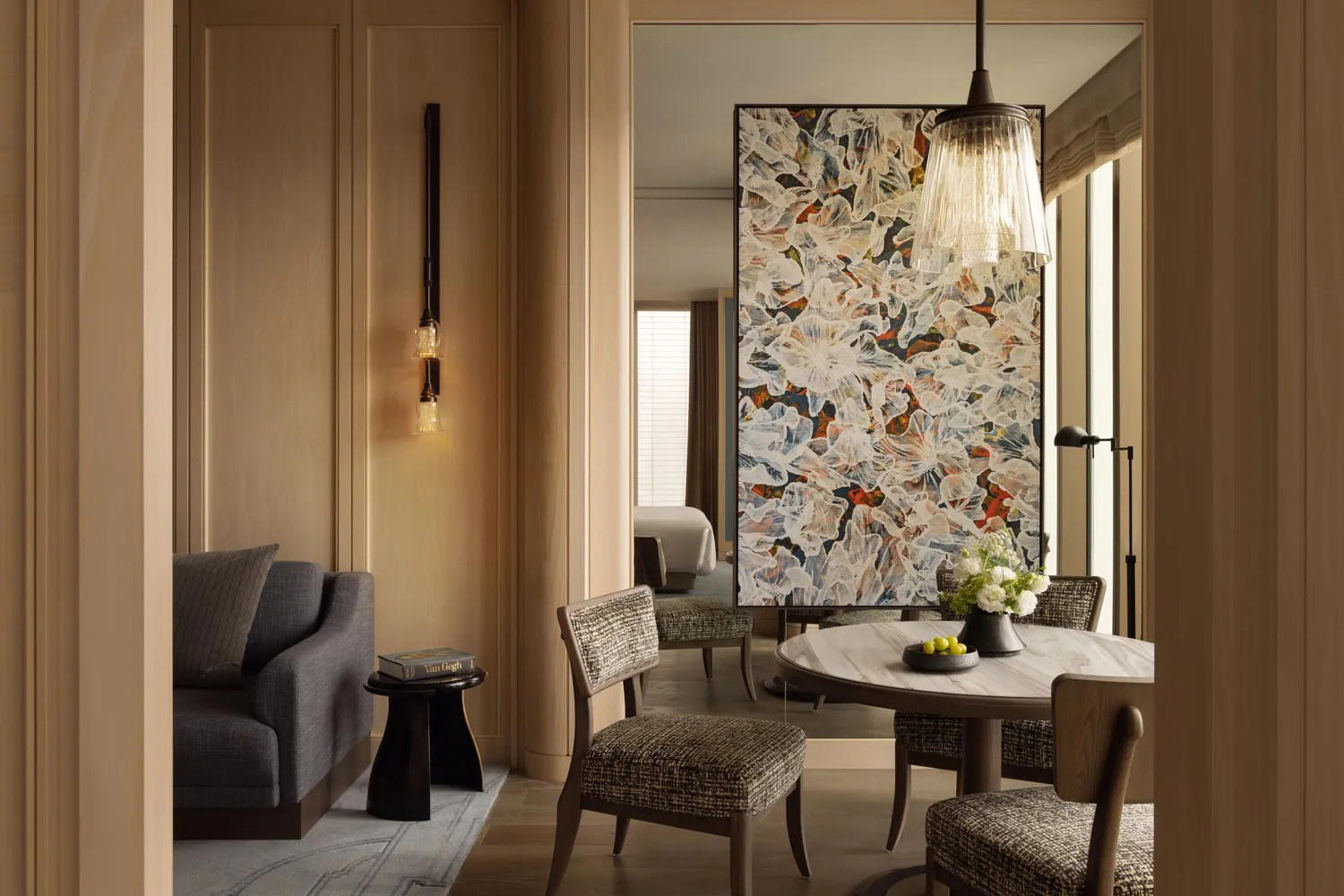
Bars in Taipei
Browse all →
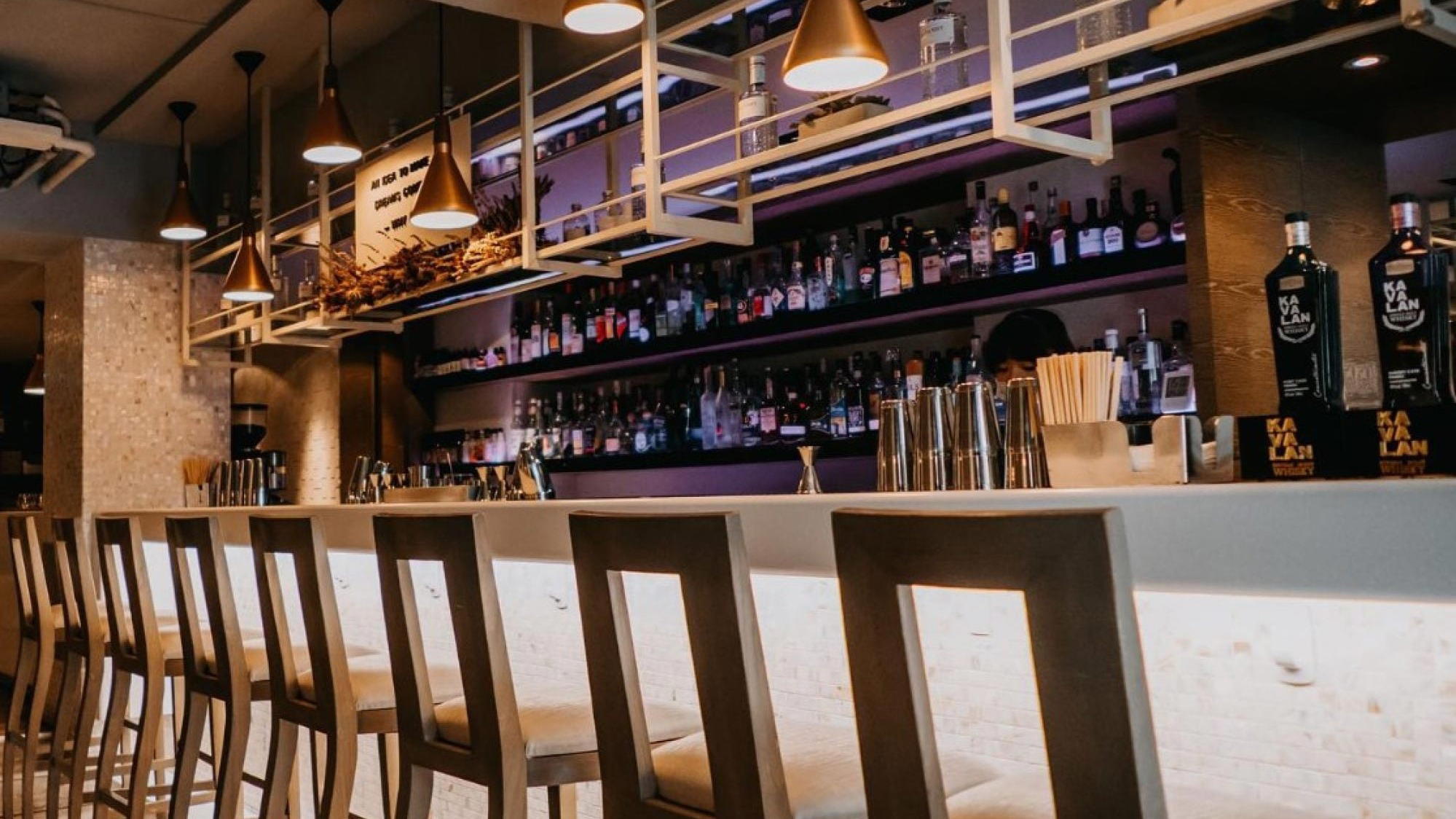
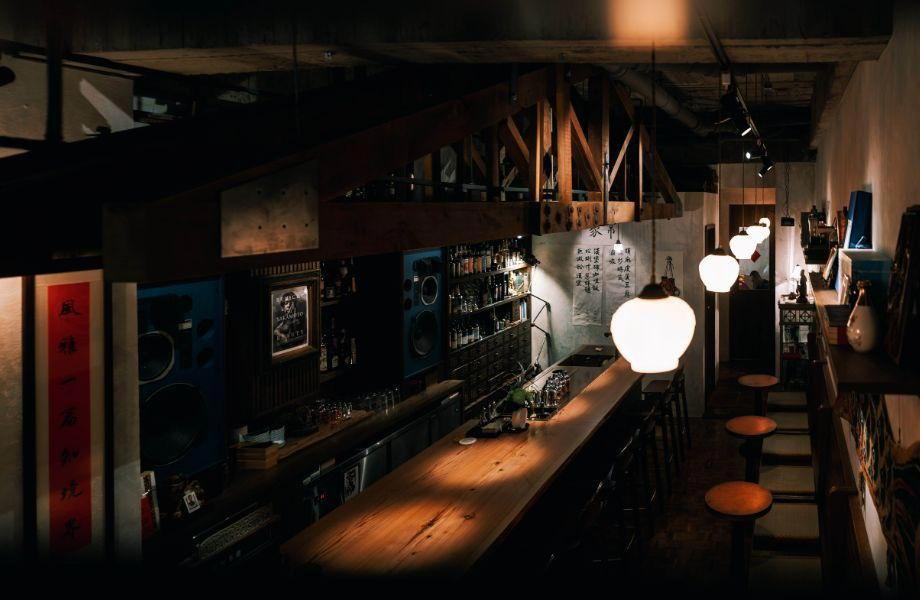
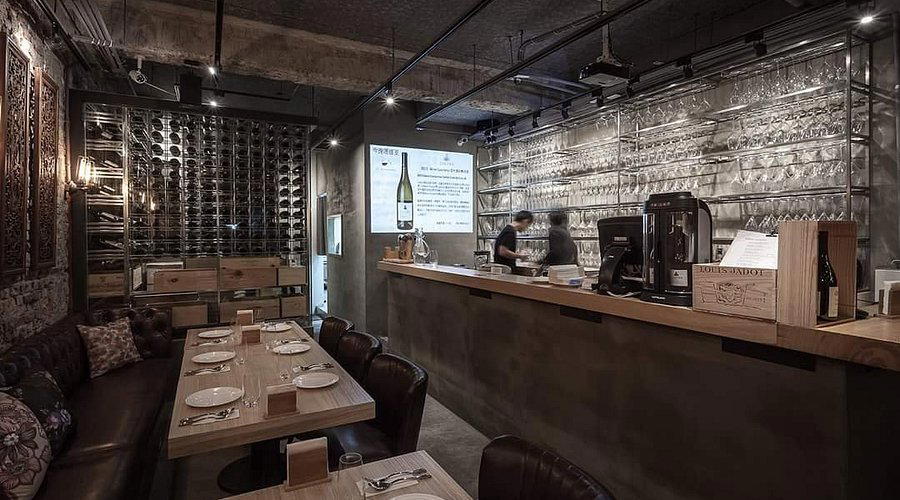
Restaurants in Taipei
Browse all →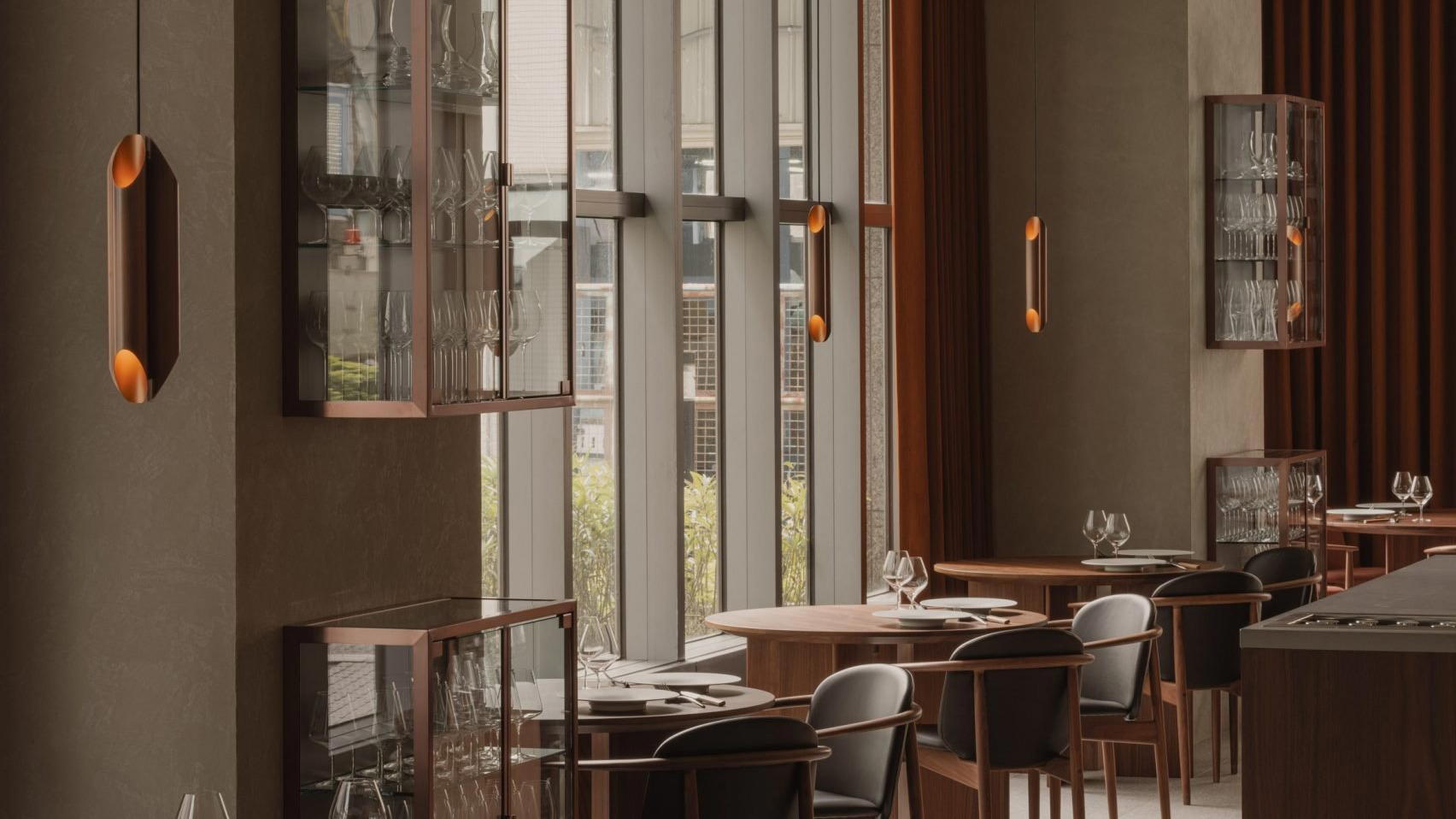
At a Glance
- Elegant
- Modern
- Sophisticated
- Scenic
- Ornate
- Minimalist
- Honeymoon
- Romantic Getaway
- Business Trip
- Anniversary
- Weekend Escape
- Celebration
- Butler Service
- Panoramic View
- Destination Spa
- Design Destination
- Private Dining
- Terrace
- Pool
- Spa
- Fitness Center
- Business Center
- Concierge
- Wi Fi
- Room Service
- Skyline
- Pool
- Spa
- Fitness Center
- Business Center
- Concierge
- Wi Fi
- Room Service
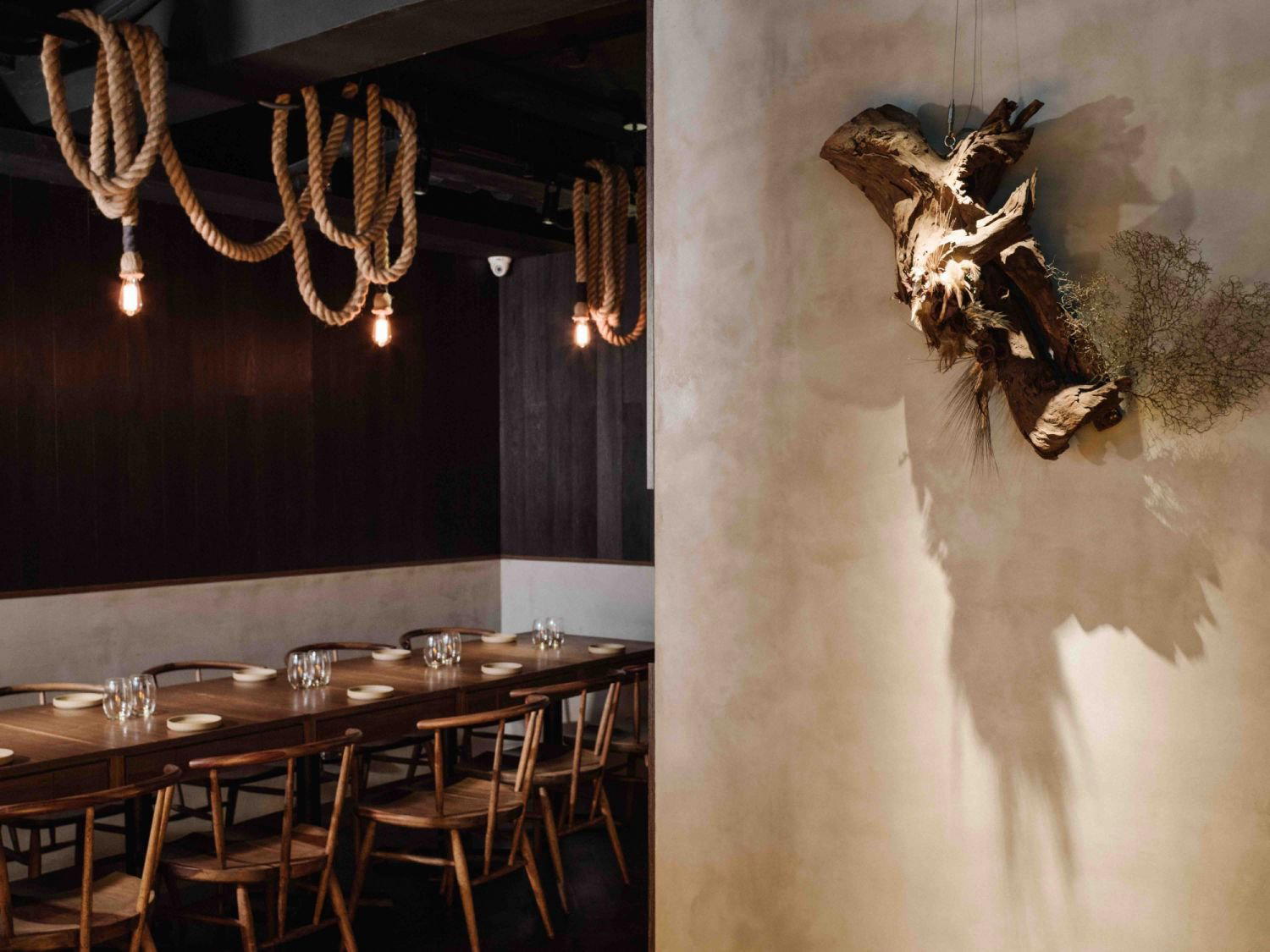
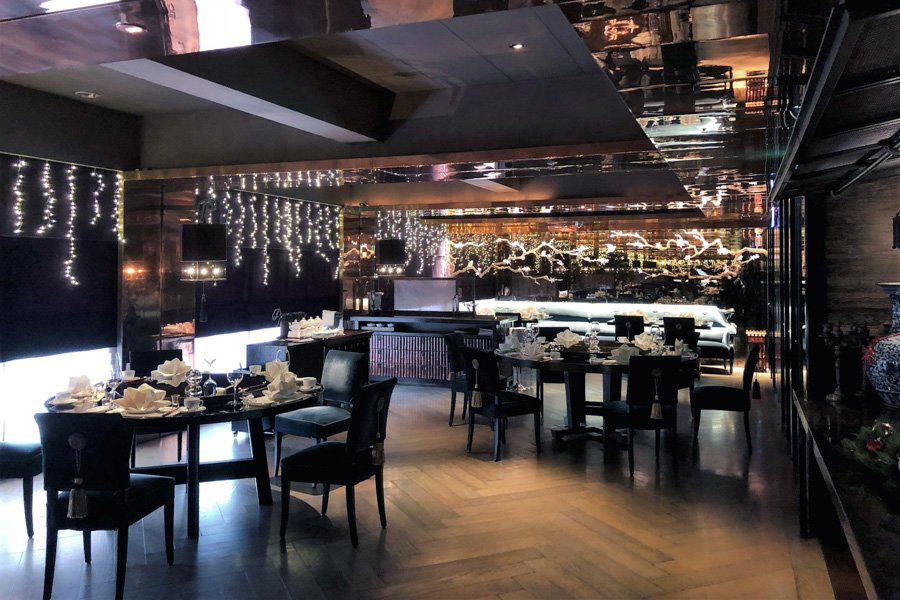
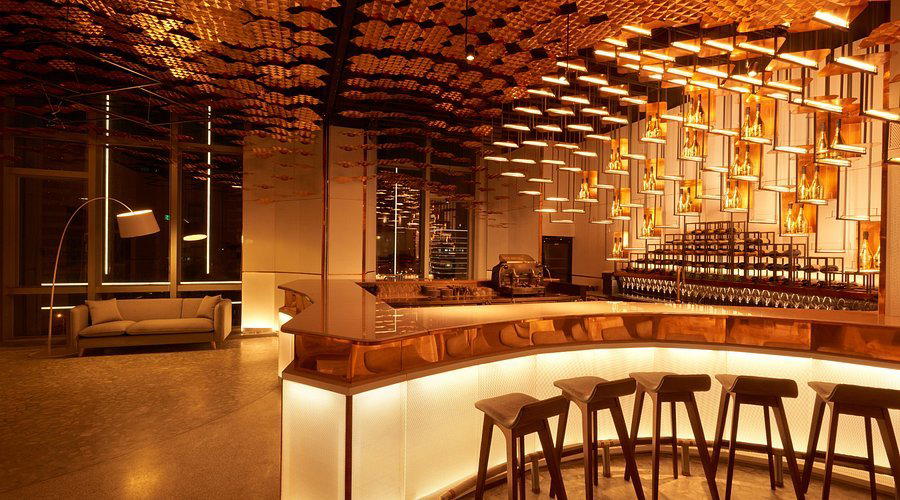
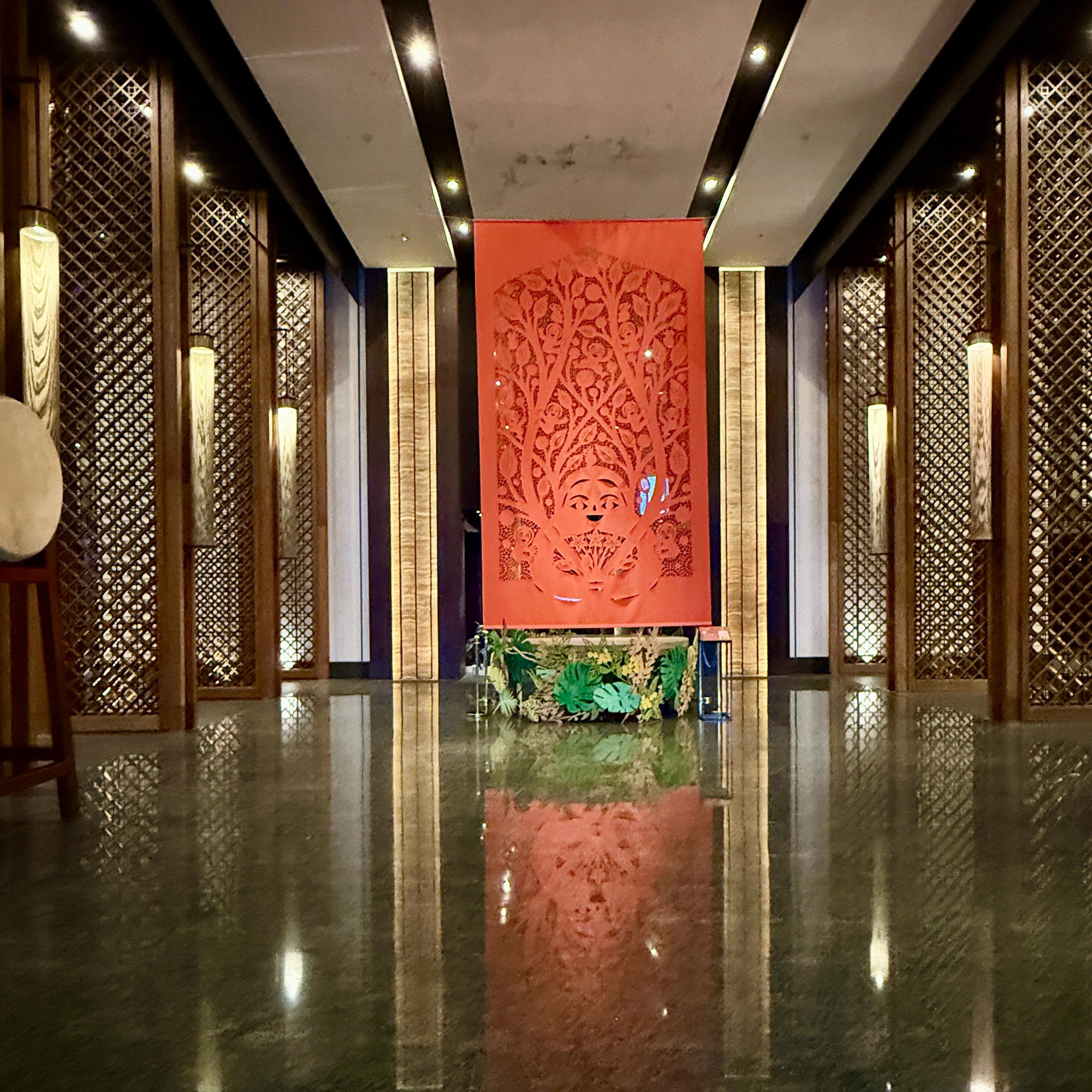
A serene, residential-style luxury hotel with refined Italian interiors by Antonio Citterio, combining warm contemporary materials, art glass, and expansive floor‑to‑ceiling windows that frame Taipei’s skyline for a calm, exclusive atmosphere above the city.