
A 16th-century nobleman's residence in Palma's historic centre, Palacio Can Marqués earned 93 points in the La Liste Top Hotels 2026 ranking. The property sits on Carrer dels Apuntadors, deep in the old city's stone-paved quarter, and belongs to a small tier of Palma addresses where historic architecture and considered hospitality operate at the same frequency. For travellers treating Mallorca as a cultural destination rather than a beach detour, it positions itself accordingly.
Pearl is the En Primeur Club membership app — saves, bookings, and concierge access live there. Same editors, same standards.
- Address
- Carrer dels Apuntadors, 15, Centre, 07012 Palma, Illes Balears
- Phone
- +34 871 52 02 90
- Website
- palaciocanmarques.com
- Directions
- Get directions
 Saves & bookings on Pearl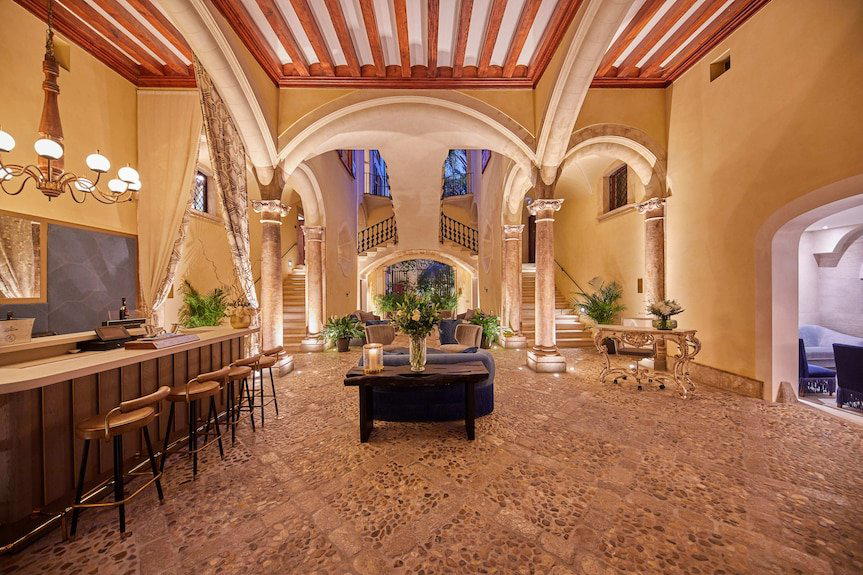
Stone Walls and the Pace of the Old City
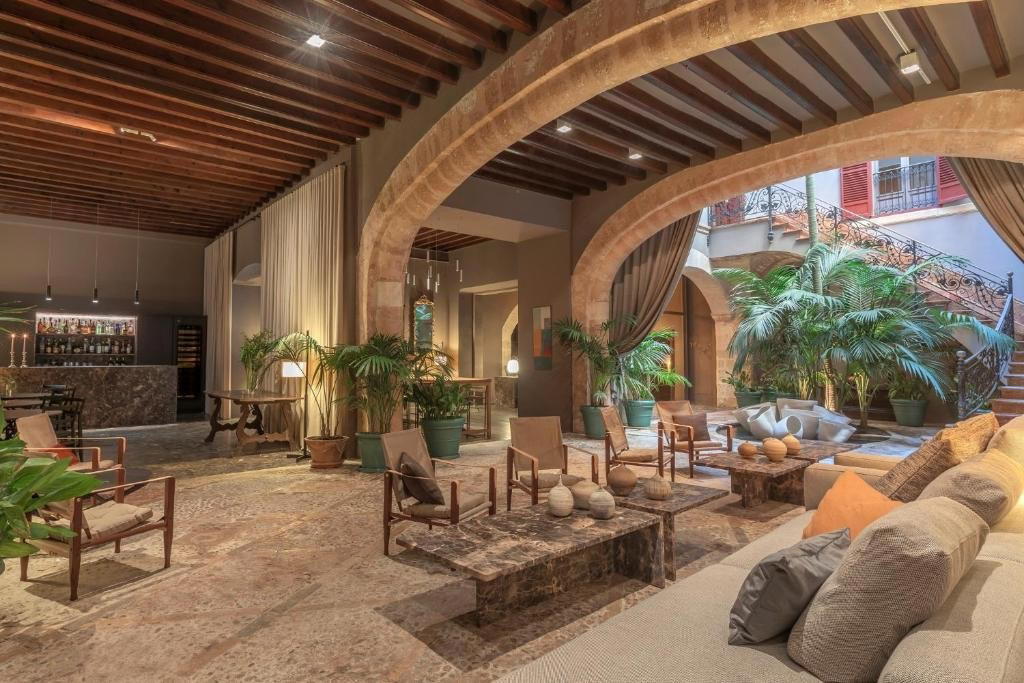
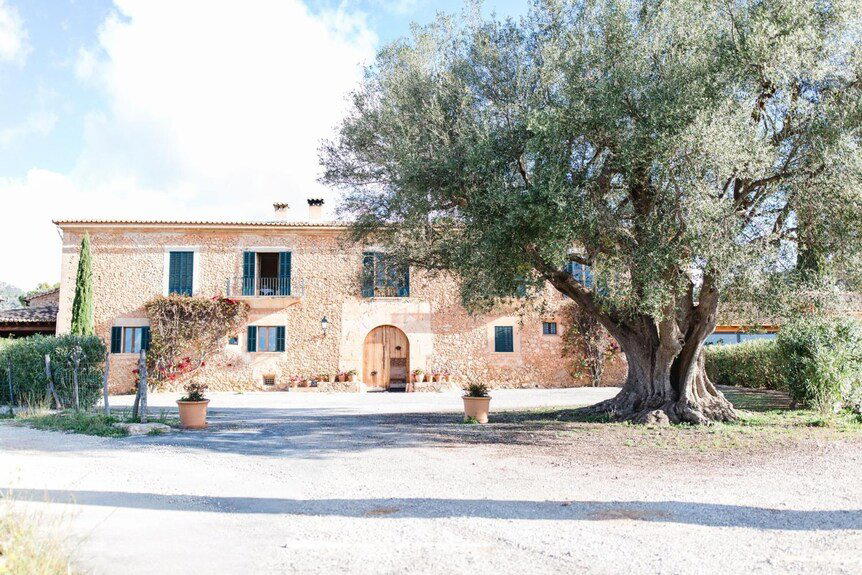
Palma's historic centre rewards those who arrive on foot. The approach along Carrer dels Apuntadors, a narrow street in the Centre district, puts you inside the logic of a medieval Mallorcan city before you reach any lobby: sandstone facades, shuttered windows three storeys up, the smell of older stone in the shade. Palacio Can Marqués occupies a 16th-century nobleman's palace on this street, and the building's architecture does more to set expectations than any interior design decision could. This is not a hotel that was built to be a hotel. It was built to be a home for someone who mattered in this city, and what that means for a guest today is a particular quality of silence and spatial generosity that newer properties in the same price conversation rarely replicate.
Within Palma's premium accommodation tier, a clear split has emerged between large seafront or marina-facing hotels with full resort infrastructure and smaller, palace-based properties where historic fabric is the primary offer. Palacio Can Marqués sits firmly in the second category, alongside addresses like Hotel Can Cera, Boutique Hotel Posada Terra Santa, and Can Bordoy Grand House & Garden. The competitive question between these properties is not square footage or pool dimensions but how well each house reads as a coherent historic environment.
The Ritual of Staying in a Palace
The editorial angle on heritage hotels like this one often defaults to describing rooms and patios. More instructive is understanding how the pace of the house shapes a stay. Palacio Can Marqués is a property where arrival and departure carry weight, where a central courtyard functions as the social and circulatory heart of the building, and where the logic of a 16th-century domestic residence, with its sequencing of public and private space, still legible in the floor plan, imposes a rhythm that differs from the corridor-and-lift geometry of purpose-built hotels.
In Spain, the properties that perform at this tier include addresses as varied as Mandarin Oriental Ritz, Madrid, Akelarre in San Sebastián, and Atrio Restaurante Hotel in Cáceres, each occupying a different niche but sharing a commitment to a specific and sustained identity. The hotel makes its argument from architectural heritage and urban positioning.
Palma's Historic Centre as Context
The Centre district in Palma is not the island's beach geography. It is a functioning old European city with a Gothic cathedral, a concentration of Arab baths, 13th-century Jewish quarter remnants, and a street grid that predates the modern tourism infrastructure by several centuries. Staying on Carrer dels Apuntadors puts a guest within walking distance of the Palau de l'Almudaina, the Cathedral of Santa Maria, and the cluster of independent restaurants and wine bars that have made the old city a serious dining destination in its own right.
The neighbourhood character matters because it calibrates what kind of stay this is. Unlike Castillo Hotel Son Vida on the hill above the city, or Es Princep at the edge of the old town near the sea walls, the hotel sits inside the historic fabric, not at its edge. The consequence is immediate and daily: the city comes to you. Markets, church bells, the sounds of a working neighbourhood, they are part of the stay rather than something you drive to. For travellers who want Mallorca as a cultural experience, that integration is the product.
Placing Palacio Can Marqués in a Wider Spanish and Island Context
Mallorca's high-end hotel market has matured significantly over the past decade. Properties like La Residencia, A Belmond Hotel, Mallorca in Deià established the template for rural luxury on the island; the urban palace model in Palma represents a different and more recent development. The competition between palace hotels in the old city now draws international comparison: guests who might otherwise choose Aman Venice for its palazzo heritage, or Mandarin Oriental Barcelona for a polished urban Spanish experience, are increasingly considering Palma's historic centre as a credible alternative with lower ambient pressure and a more intimate street scale.
Other Spanish palace and heritage hotel formats worth referencing for comparative context include Abadía Retuerta LeDomaine, Terra Dominicata, and Mas de Torrent Hotel & Spa, each operating from a position of architectural heritage rather than contemporary construction. The shared logic across these properties is that the building's history functions as a non-replicable credential, and that the experience of staying inside genuine historical fabric, with all its irregularities and proportional surprises, is the offer. The hotel makes that argument from one of the more compelling medieval city centres in the western Mediterranean.
Planning a Stay
The property is located at Carrer dels Apuntadors, 15, in Palma's Centre district, postal code 07012. Advance reservation is recommended, particularly for the spring and summer months.
Reputation Context
Comparable venues nearby, for context on price, style, and recognition.
| Venue | Cuisine | Price | Awards | Notes |
|---|---|---|---|---|
| Palacio Can MarquésThis venue — the venue you are viewing | Restored 18th-century palace blending heritage and contemporary luxury | $$$$ | 5-Star | Not listed |
| Hospes Maricel | Historic mansion with modern annex | $$$$ | 5-Star | Cas Català |
| Concepció by Nobis | Boutique design hotel in historic 16th-century building fusing heritage and modernity. | $$$$ | 5-Star | Old Town / Santa Catalina |
| Can Alomar Urban Luxury Retreat | Historic neo-Gothic mansion converted into a luxury boutique hotel blending period architecture with contemporary design and curated experiences. | $$$$ | 5-Star | Palma Centre (Passeig del Borne) |
| Palma Riad | Moroccan riad-inspired boutique luxury | $$$$ | 5-Star | Old Town |
| Nobis Hotel Palma | Contemporary luxury in a historic palace | $$$$ | Michelin 1 Key | Old Town |
Recognition history
Dated appearances from independent guides and award organizations, with the underlying list record or original source where available.
La Liste Top Hotels
La Liste
Continue exploring
More in Palma
Hotels in Palma
Browse all →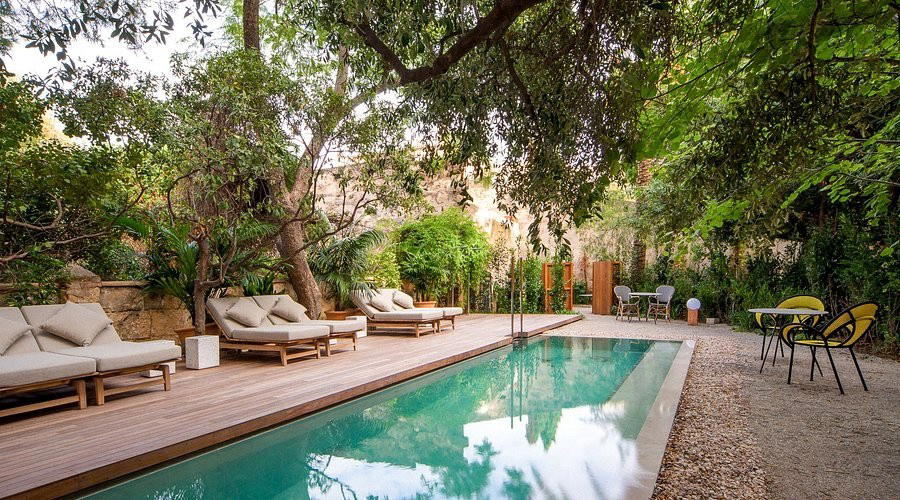
Bars in Palma
Browse all →
Restaurants in Palma
Browse all →
At a Glance
- Romantic
- Elegant
- Sophisticated
- Ornate
- Intimate
- Classic
- Honeymoon
- Romantic Getaway
- Anniversary
- Weekend Escape
- Historic Building
- Terrace
- Garden
- Wi Fi
- Spa
- Pool
- Fitness Center
- Room Service
- Concierge
- Restaurant
- Wi Fi
- Spa
- Pool
- Fitness Center
- Room Service
- Concierge
- Restaurant
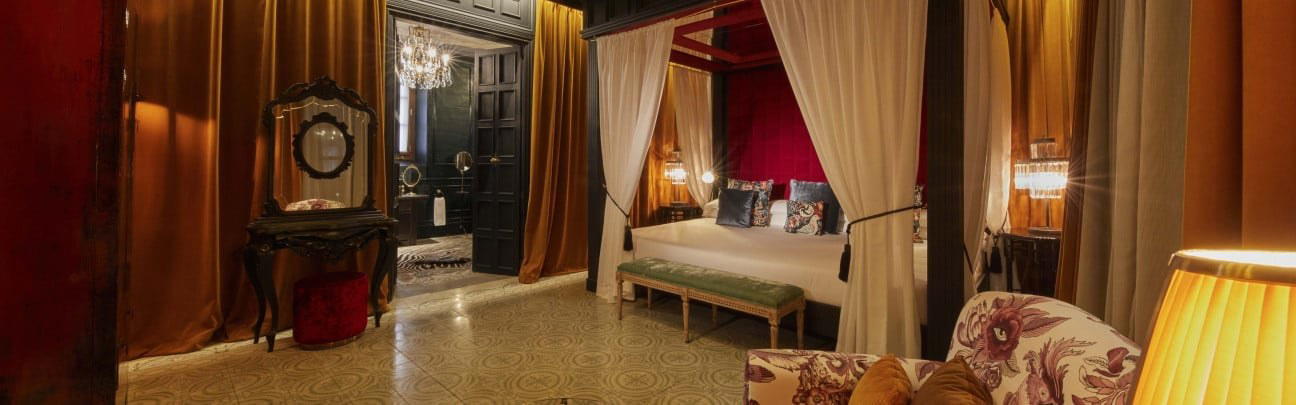
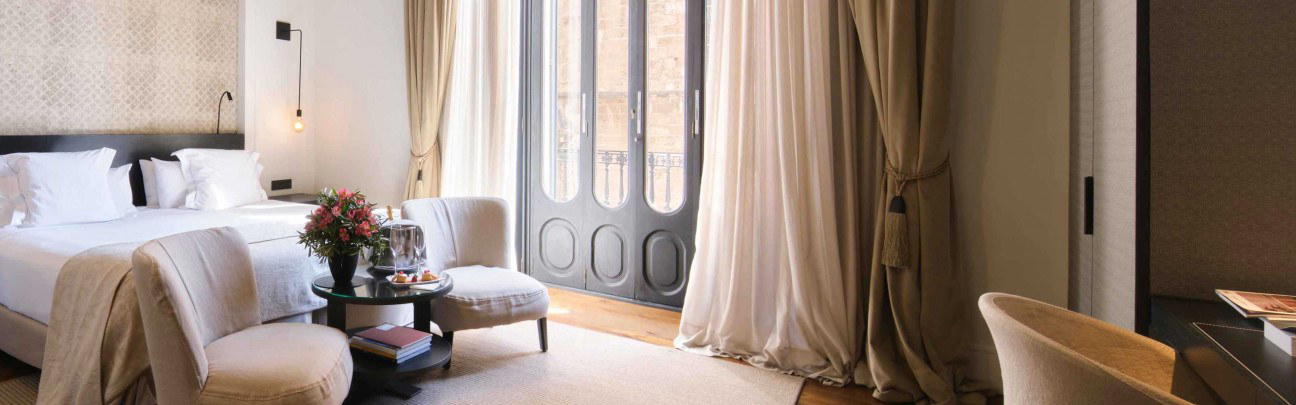
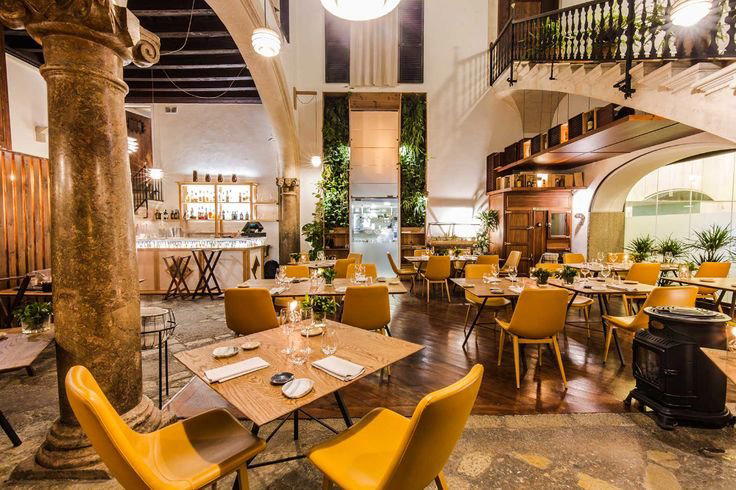
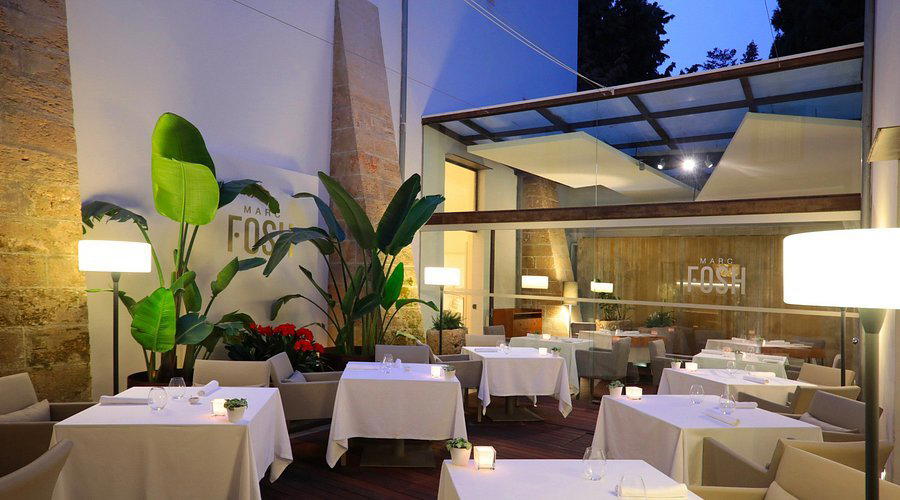
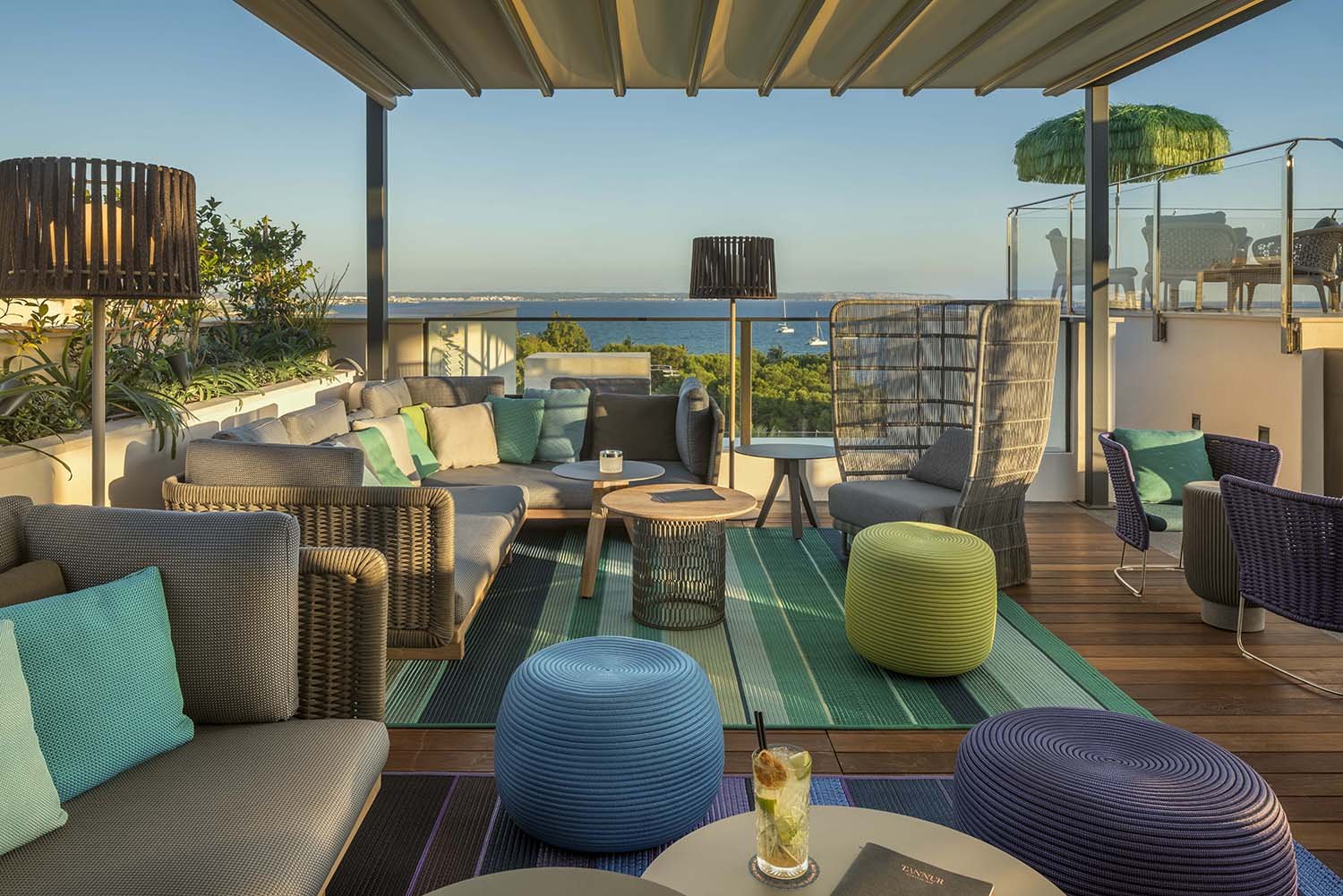
Ornate and serene with graceful arches, lush shaded garden, soft lighting from Murano chandeliers, and a quiet retreat atmosphere praised in guest reviews.