Outbound Park City
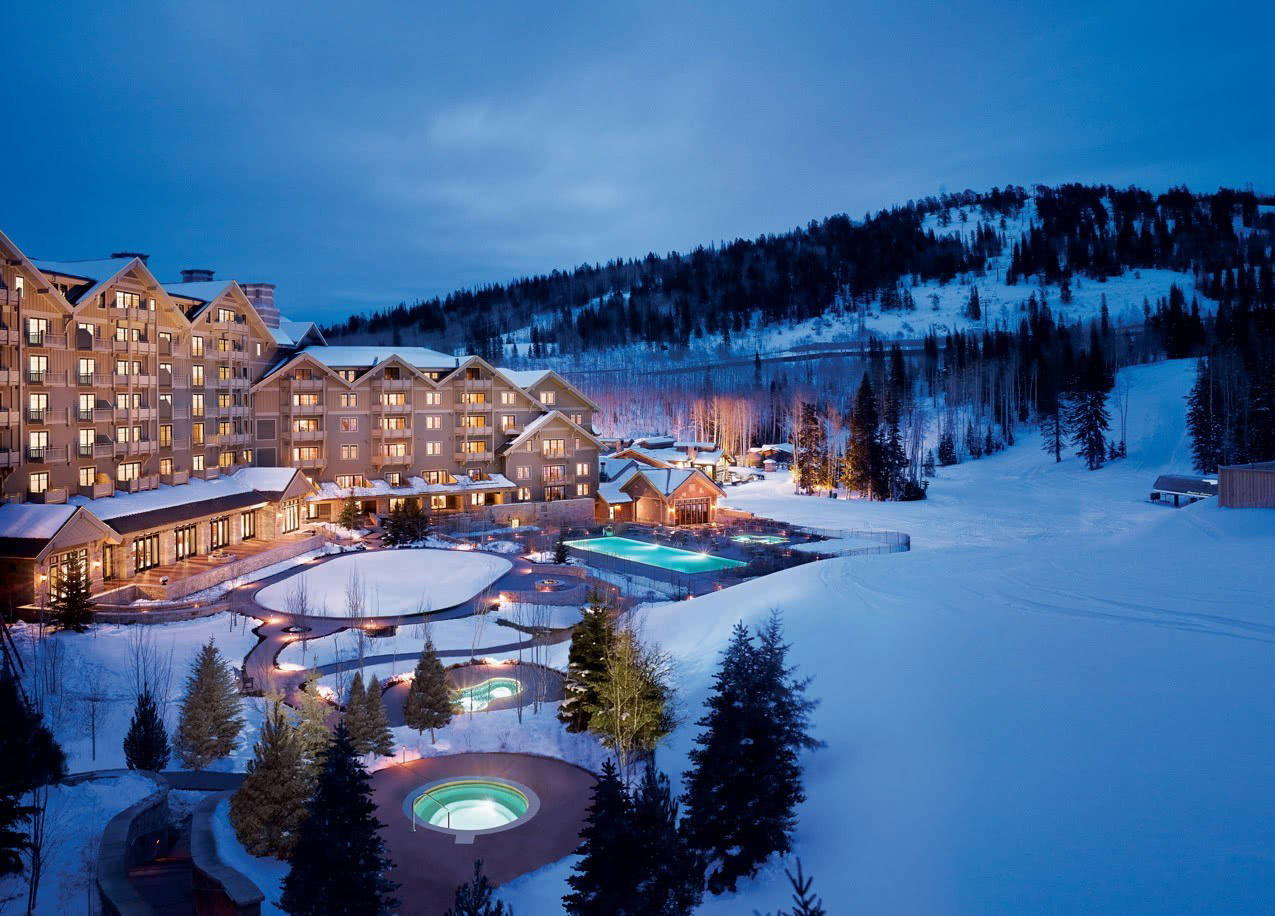
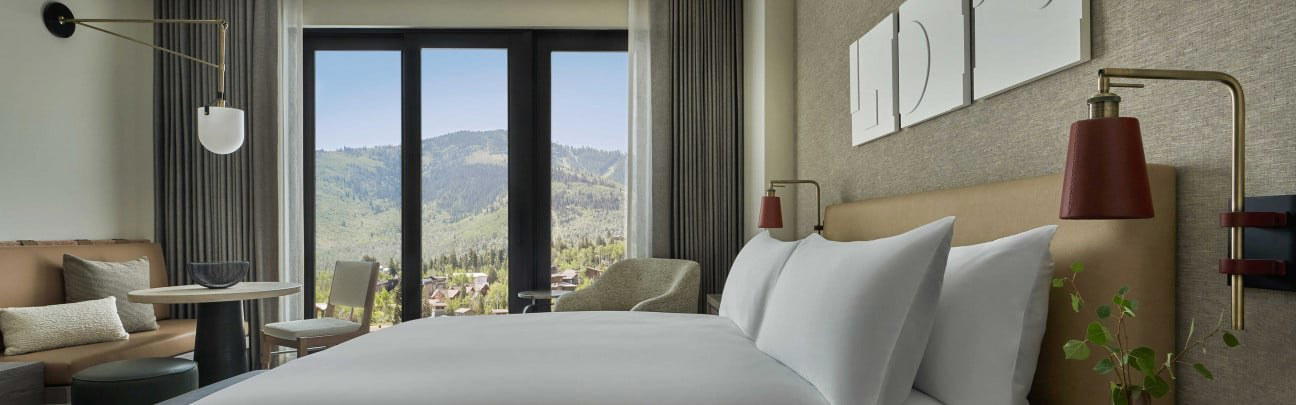
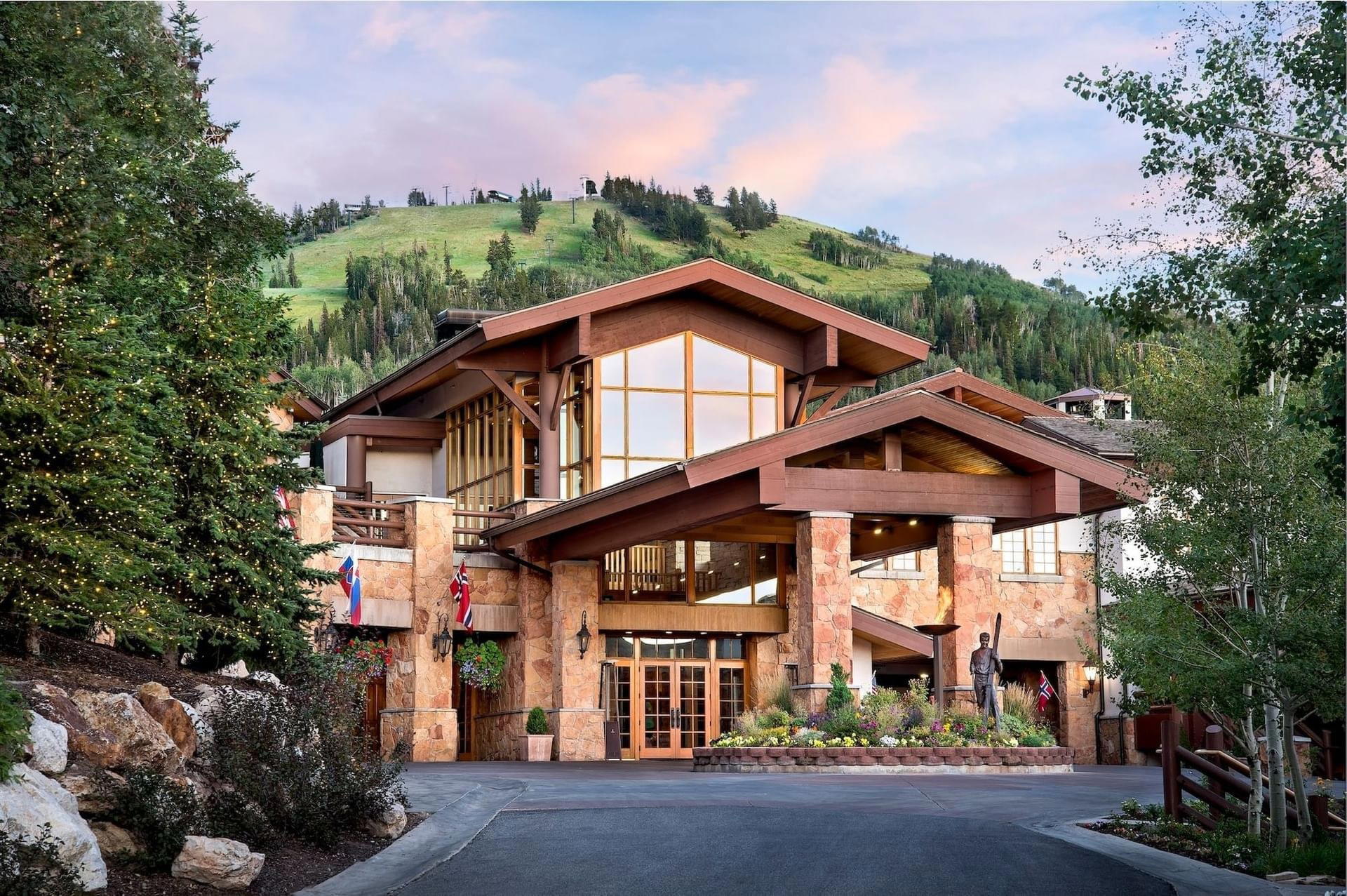
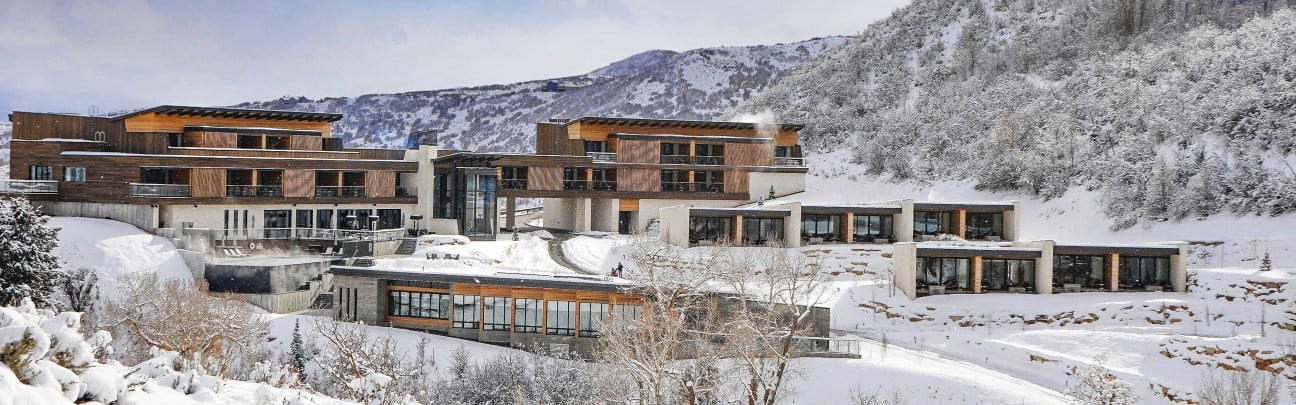
Outbound Park City pairs ski-in ski-out access with mountain views, 182 rooms, and on-site dining in Park City, with conversational pacing that suits a ski-focused stay.

Pearl is the En Primeur Club membership app — saves, bookings, and concierge access live there. Same editors, same standards.
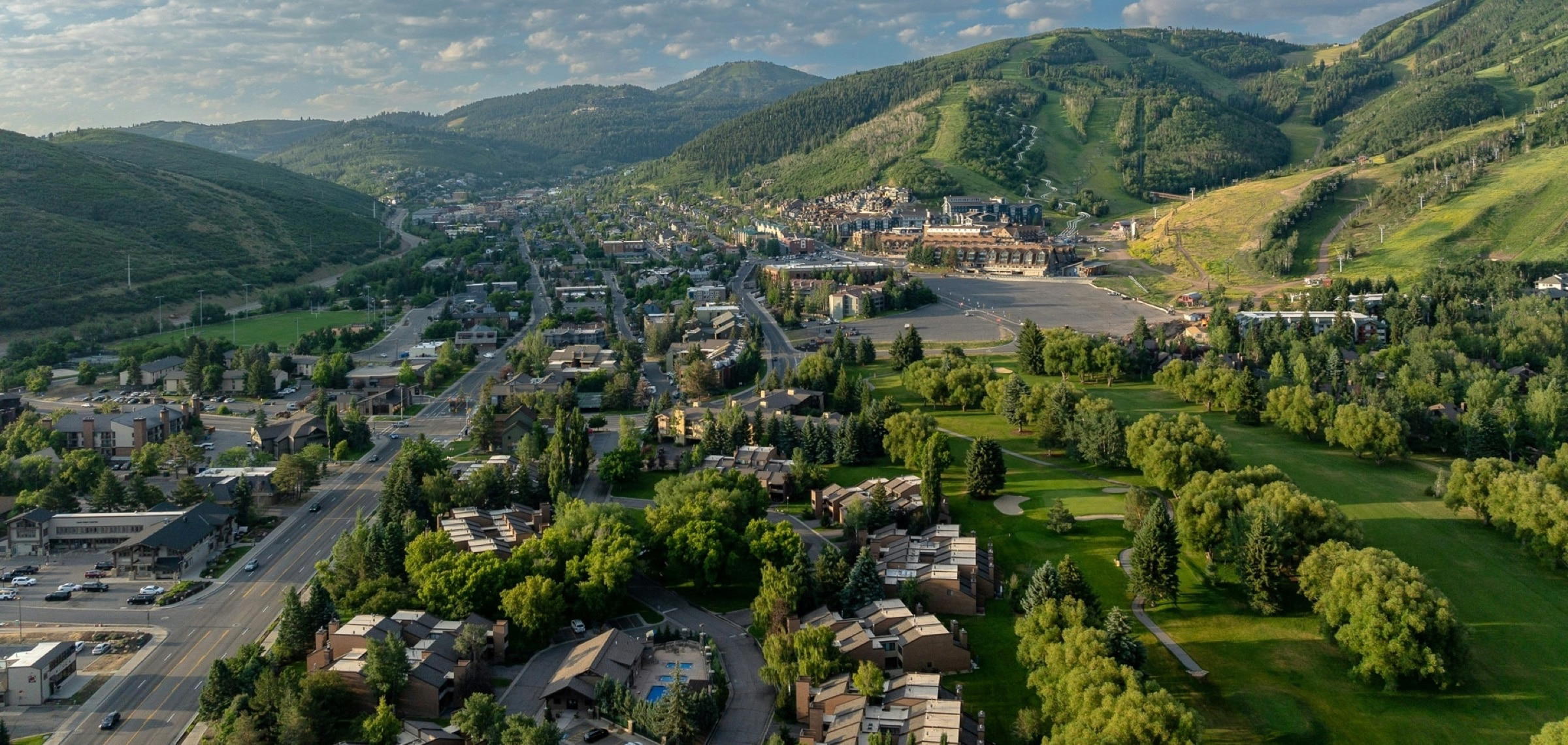
Park City hotels are now judged at the table, not only at the lift
Approaching a Park City hotel in winter is rarely a neutral act. The town sets a particular rhythm before a guest reaches the desk: boot bags against stone floors, ski jackets unzipped in overheated lobbies, dinner plans being negotiated while snowmelt gathers near the entrance. In this market, hospitality has to work across several identities at once. It must absorb ski traffic, serve guests who book around Sundance, feed families who want low-friction evenings, and satisfy travelers who now expect a hotel bar or restaurant to carry its own editorial weight. Outbound Park City enters that conversation in a city where the dining program increasingly matters as much as room count, spa size, or shuttle logistics.
Park City is not a single hotel category. Deer Valley properties tend to trade on resort polish and immediate mountain association. Historic Main Street leans into walkable access, older architecture, and a dinner-and-drinks pattern that spills into the surrounding blocks. Canyons Village has a different pace, with larger footprints and ski-influenced resort habits. A hotel’s food-and-drink identity has to answer the same question in each zone: does it function as a serious part of the stay, or is it only a convenience between runs? Outbound Park City does not list restaurants, bars, a chef, cuisine type, prices, awards, hours, or booking method. The more useful editorial reading is to place the property inside Park City’s broader shift from bed-base lodging toward hotels that need a clear culinary point of view.
The dining-program question in a mountain town
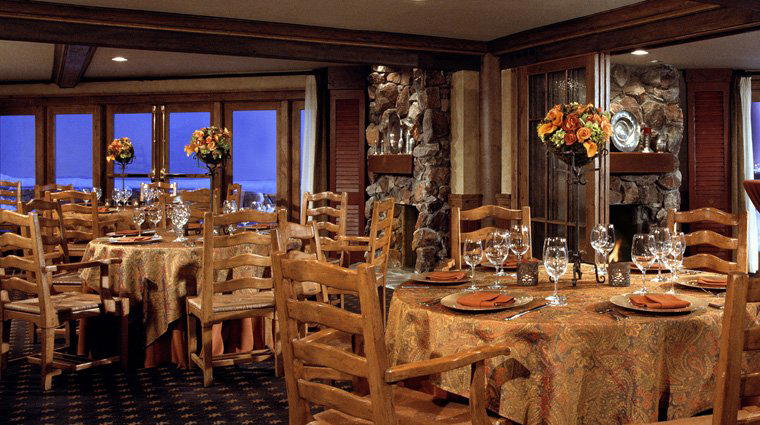
Mountain hotels used to survive on location, fireplaces, and a forgiving audience after a cold day outside. That bargain has changed. In Park City, the audience now includes New Yorkers arriving for festival week, West Coast skiers who know resort dining from Aspen and Jackson, and families who want a complete evening without recalculating transport in snow. A hotel dining program has to be legible: breakfast that can handle early departures, après-ski service that does not feel improvised, and dinner options that compete with the city’s independent restaurants. Its value to food-minded travelers depends on how its on-site restaurants and bars are operated in practice, not on the hotel name alone.
This is where comparisons help. Montage Deer Valley belongs to the large luxury-resort cohort, where breadth of amenities and a contained resort ecosystem are part of the proposition. Stein Eriksen Lodge carries a long-standing Deer Valley association, so its hospitality read is tied to alpine tradition and repeat winter clientele. Pendry Park City sits in the newer lifestyle-resort lane, where design, bar energy, and brand familiarity shape expectations before dinner begins. Goldener Hirsch, Auberge Collection plays closer to the European alpine register, while Washington School House Hotel represents the smaller, more intimate Park City stay. Outbound Park City should be assessed against those comparable venues, rather than treated as a generic mountain hotel.
Why cuisine data matters here
For a hotel page built around dining, missing cuisine data is not a minor footnote. Cuisine type, chef name, hours, price range, and reservation method tell travelers whether a property can anchor a night or merely fill a gap. Park City’s restaurant culture is seasonal in pressure even when restaurants operate year-round: winter weekends compress demand, festival periods distort booking patterns, and summer brings a quieter but serious outdoor-travel audience. A dining program with a named chef, public menus, awards, or clear booking channels sends a different signal from one with limited published information. Readers should treat the culinary proposition as something to verify directly through current hotel materials before using it as the center of a trip.
That caution is not a dismissal. It is how experienced travelers read mountain hotels. In cities with deep independent restaurant scenes, the hotel restaurant can afford to be secondary. In resort towns, the math changes because weather, transport, group size, and fatigue all push guests back toward the property. If the hotel bar is credible, it becomes the first and last room of the evening. If breakfast runs smoothly, it can define the first hour of a ski day. If dinner is underpowered, the room product has to compensate.
Reading Outbound Park City against the local hotel field
Park City’s hotel field is useful because it separates travelers by behavior, not only by budget. Guests who want a self-contained resort tend to compare Deer Valley and Canyons addresses. Guests who want Main Street proximity care about walking distance to restaurants, galleries, and bars. Guests planning around film-festival dates look for access, availability, and flexibility as much as décor. Outbound Park City belongs in this decision tree as a Park City hotel whose dining credentials need to be checked against current published information. That puts it in a different evaluative position from properties where restaurant concepts, chef partnerships, or bar programs are already part of the public identity.
For a wider scan of the city, the Park City hotels guide gives the broader lodging set, while the Park City restaurants guide is the better tool for seeing how hotel dining compares with independent kitchens. Drinks matter in this town as well, especially after skiing or during festival evenings, so the Park City bars guide is part of the same planning exercise. Travelers building a trip beyond dinner can cross-check the Park City experiences guide, and wine-focused readers can use the Park City wineries guide for nearby context.
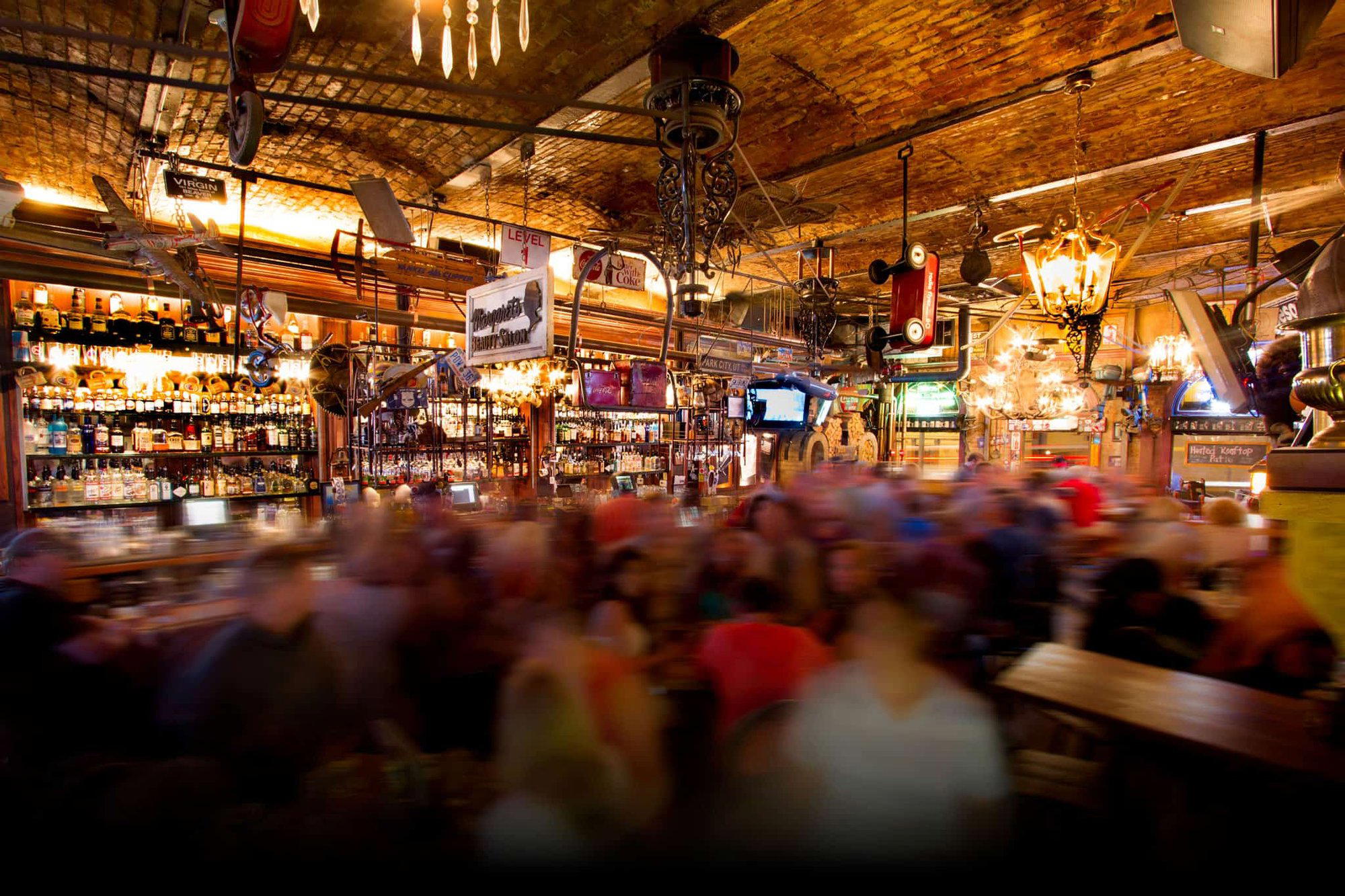
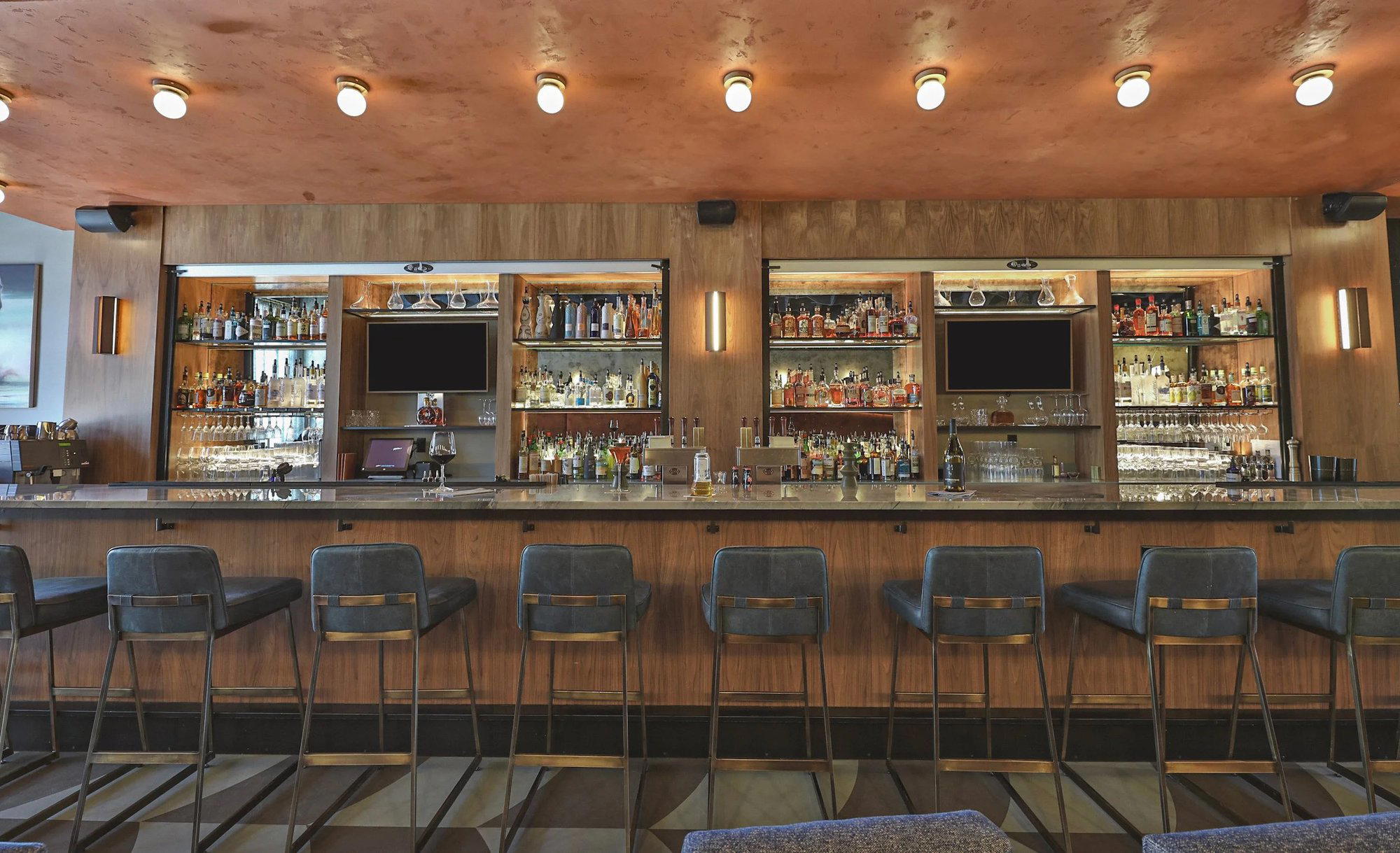
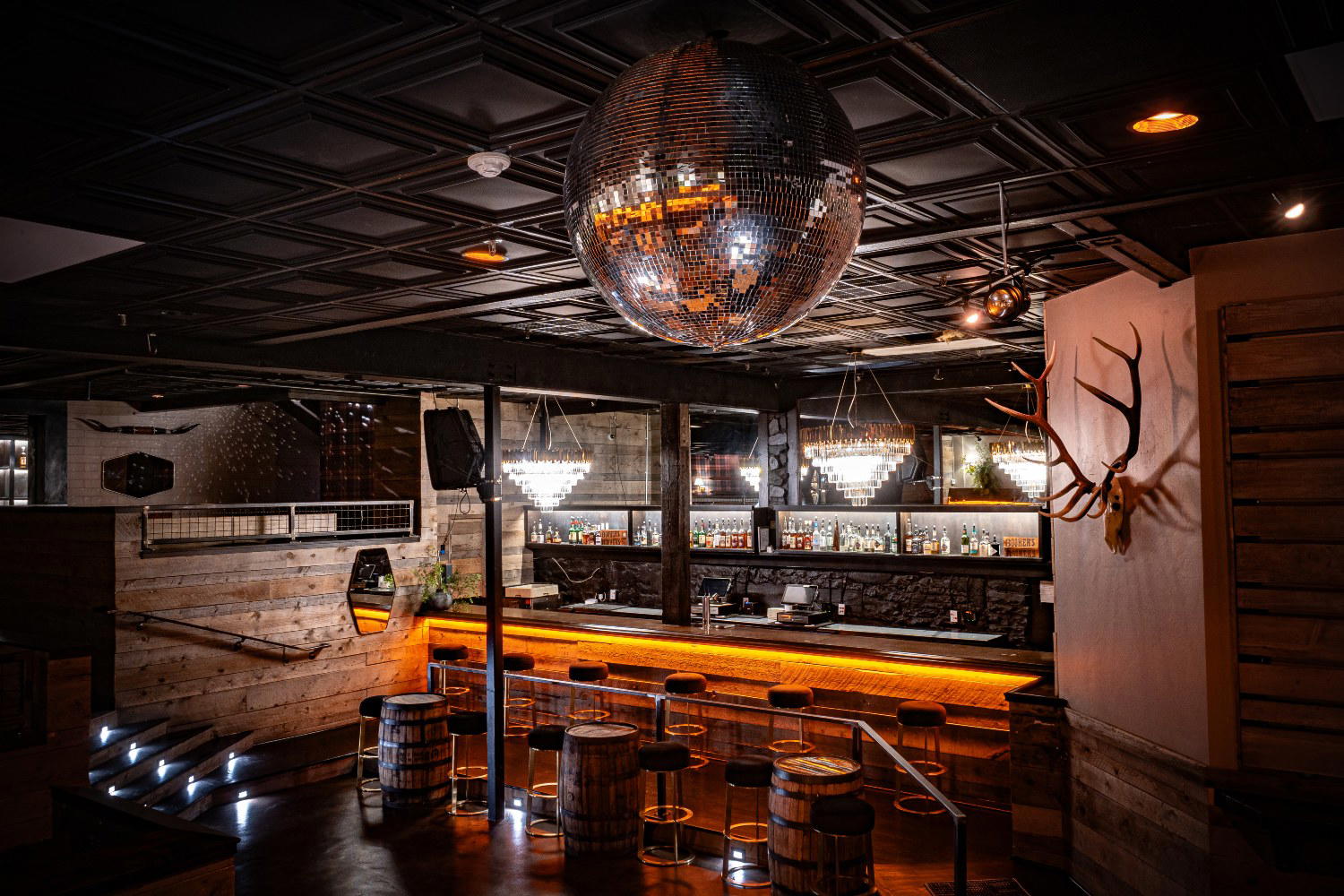
The hotel bar has become Park City's pressure test
In a ski town, the bar reveals how well a hotel understands its audience. Après-ski is not a decorative slot on a schedule; it is a traffic pattern. Guests arrive in waves, groups split and reform, and the transition from mountain clothes to dinner plans happens in public. A capable hotel bar can hold that moment without turning into a waiting room. The strongest programs in resort towns pay attention to seating rhythm, staff speed, nonalcoholic options, and the difference between a first drink at 4 p.m. and a nightcap after dinner. No verified bar format or drinks program is listed, so any stronger claim would be speculative. The point for travelers is clear: inspect the current bar and restaurant information before assuming the property can carry the evening.
This distinction matters because Park City has enough alternatives to punish vague planning. A guest staying near Main Street can build a night around restaurants and bars outside the hotel. A guest staying deeper in a resort zone may rely more heavily on the property, especially in winter. That practical difference changes the stakes of an on-site dining program. Hotel Park City, Autograph Collection and Hyatt Centric Park City sit in the broader conversation about convenience-led stays, while Historic Park City Alliance points toward the Main Street context that often reduces dependence on the hotel dining room. The hotel should be judged by where it falls on that spectrum.
How national hotel travelers should frame it
Luxury hotel travelers increasingly compare across regions rather than within a single city. A guest who has stayed at The Fifth Avenue Hotel in New York City may expect a hotel restaurant to operate as part of a dense urban dining scene. Someone looking at The Beverly Hills Hotel in Los Angeles brings a different frame, where legacy, pool culture, and restaurant recognition overlap. Desert-resort travelers comparing Amangiri in Canyon Point understand the power of a self-contained property, while East Coast country-house guests looking at Troutbeck in Amenia often read food, landscape, and retreat culture as one package.
Park City sits somewhere between those models. It is not a pure urban dining destination, and it is not a remote property where every meal is necessarily folded into the stay. That hybrid status is why the dining program matters. Comparable thinking applies to Four Seasons at The Surf Club in Surfside, where restaurants and setting are deeply connected, or Raffles Boston in Boston, where the city supplies a large external dining network. At SingleThread Farm Inn in Healdsburg, the room and table relationship is central by design. Kona Village, A Rosewood Resort in Kailua Kona and Sage Lodge in Pray show how outdoor settings can make hotel dining a core part of the day. European grand-hotel references such as Hôtel de Paris Monte-Carlo in Monte Carlo, Badrutt's Palace Hotel in St. Moritz, and Aman Venice in Venice underline the same rule: serious hotels are read through their public rooms as much as their suites.
Planning notes: what is confirmed, and what needs checking
The confirmed record is spare. The hotel is listed in Park City, Utah, United States. Address, phone number, website, cuisine type, chef, price range, hours, awards, star rating, booking method, dress code, and room or suite details are not supplied. Travelers should verify current location information, dining venues, opening hours, reservation procedures, and any seasonal operating changes through the hotel’s current official channels before arranging meals around the property. In winter and during major event periods, Park City demand can tighten quickly; the safer approach is to lock in independent restaurant plans as a backstop if the hotel’s dining program is not clearly documented for the dates in question.
Price is another open variable. Without a verified range, it is better to think in peer-set terms than guess a nightly rate or dinner spend. Park City hotel pricing moves with snow season, holidays, room category, and festival compression. Dining costs can also vary sharply between casual breakfast service, après-ski drinks, and a full dinner for a group. There is no supplied Michelin, James Beard, 50 Best, ratings, or other accolade to use as a trust signal for the hotel’s culinary standing. The reliable trust signal here is contextual: Park City is an established mountain destination with a competitive hotel market, and that competition raises expectations for food, drink, and guest logistics.
In Context
Comparable venues nearby, for context on price, style, and recognition.
| Venue | Price | Awards | Notes |
|---|---|---|---|
| Outbound Park CityThis venue — the venue you are viewing | $$$ | Not listed | Not listed |
| Hotel Thaynes | $$$ | 4-Star | Park City Mountain Base Area, Independent-feeling Tribute Portfolio mountain hotel with renovated boutique positioning and meeting/event spaces. |
| Park City Alpine Slide | $$ | 4-Star | Mountain Village, Outdoor adventure attraction integrated into mountain resort infrastructure |
| Park City Mountain | $$$ | 4-Star | Canyons Village, luxury ski-in/ski-out resort |
| The Chateaux Deer Valley | $$$$ | 4-Star | Deer Valley, Luxury slope-side boutique resort |
| The Goldener Hirsch, Auberge Collection | $$$$ | 5-Star | Deer Valley, Alpine chalet blending historic Austrian inn with contemporary luxury residences |
At a Glance
- Cozy
- Modern
- Scenic
- Lively
- Rustic
- Trendy
- Weekend Escape
- Group Retreat
- Destination Wedding
- Family Vacation
- Business Trip
- Celebration
- Ski In Ski Out
- Panoramic View
- Design Destination
- Terrace
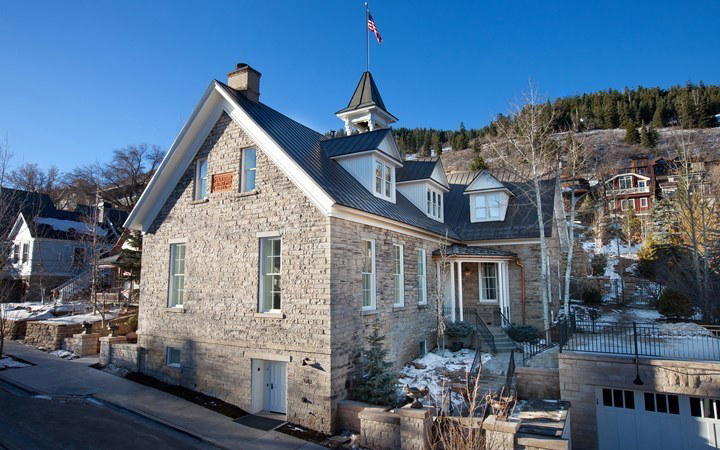
- Historic Building
- Pool
- Fitness Center
- Business Center
- Concierge
- Wi Fi
- Spa
- Room Service
- Valet Parking
- Mountain
- Pool
- Fitness Center
- Business Center
- Concierge
- Wi Fi
- Spa
- Room Service
- Valet Parking
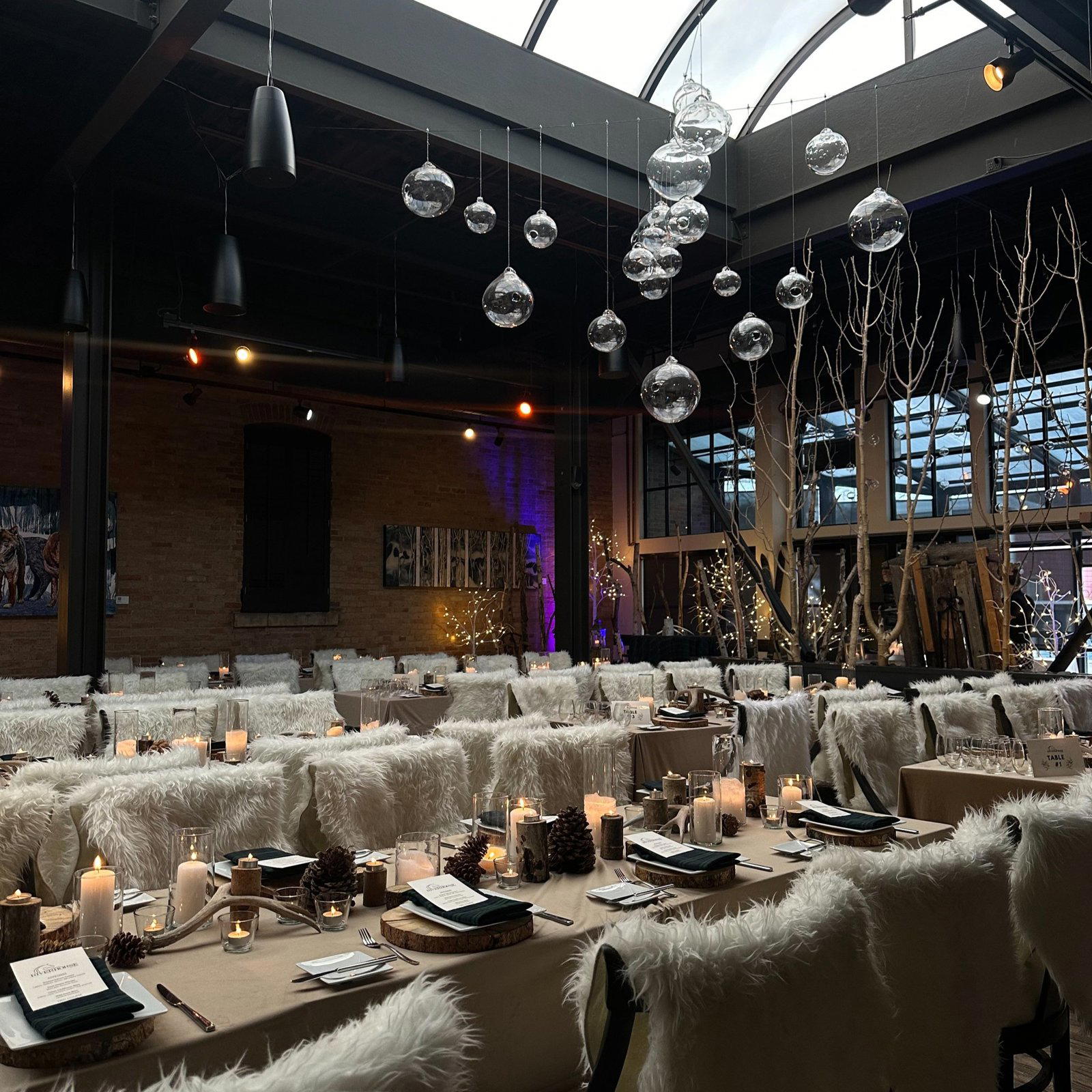
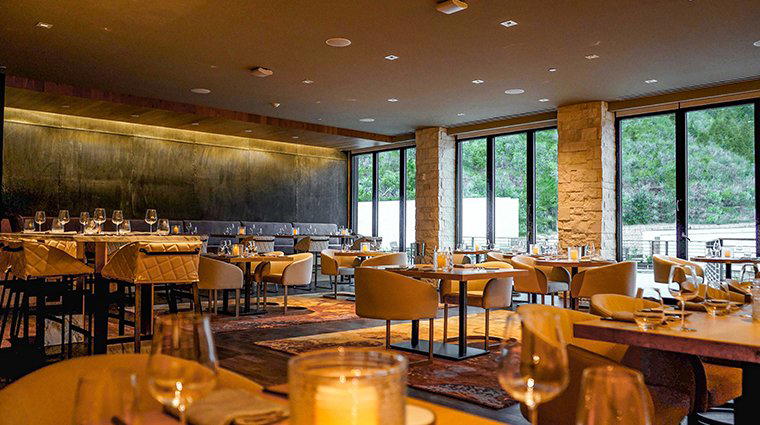
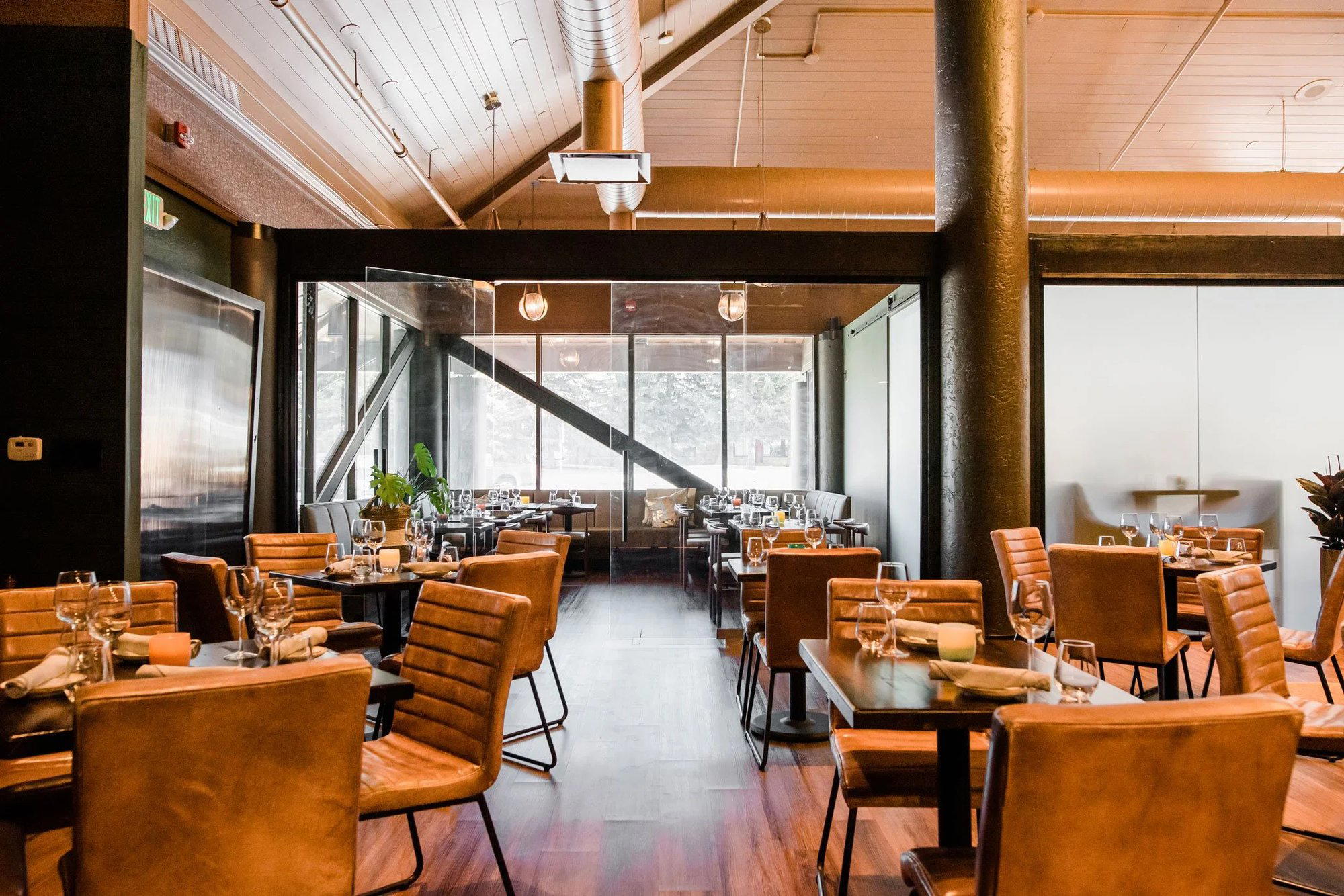
A design-forward, Nordic-influenced mountain retreat with hygge-inspired warmth, natural textures, and social common areas that transition from bright, active days to cozy, fireside après evenings.