LONE MOUNTAIN RANCH


Star Wine List · Top 50 Ranches
Lone Mountain Ranch sits at the foot of Big Sky's namesake peak, combining log-and-timber architecture with working-ranch credentials that most Montana resort properties have long since abandoned. A 2026 Star Wine List recognition signals a wine program that punches above the typical dude-ranch tier. Horseback riding, fly fishing, and guided Yellowstone tours anchor an activity portfolio rooted in the landscape rather than manufactured amenity.

Pearl is the En Primeur Club membership app — saves, bookings, and concierge access live there. Same editors, same standards.
- Address
- 750 Lone Mountain Ranch Rd, Big Sky, MT 59716
- Phone
- (406) 995-4644
- Website
- lonemountainranch.com
- Directions
- Get directions
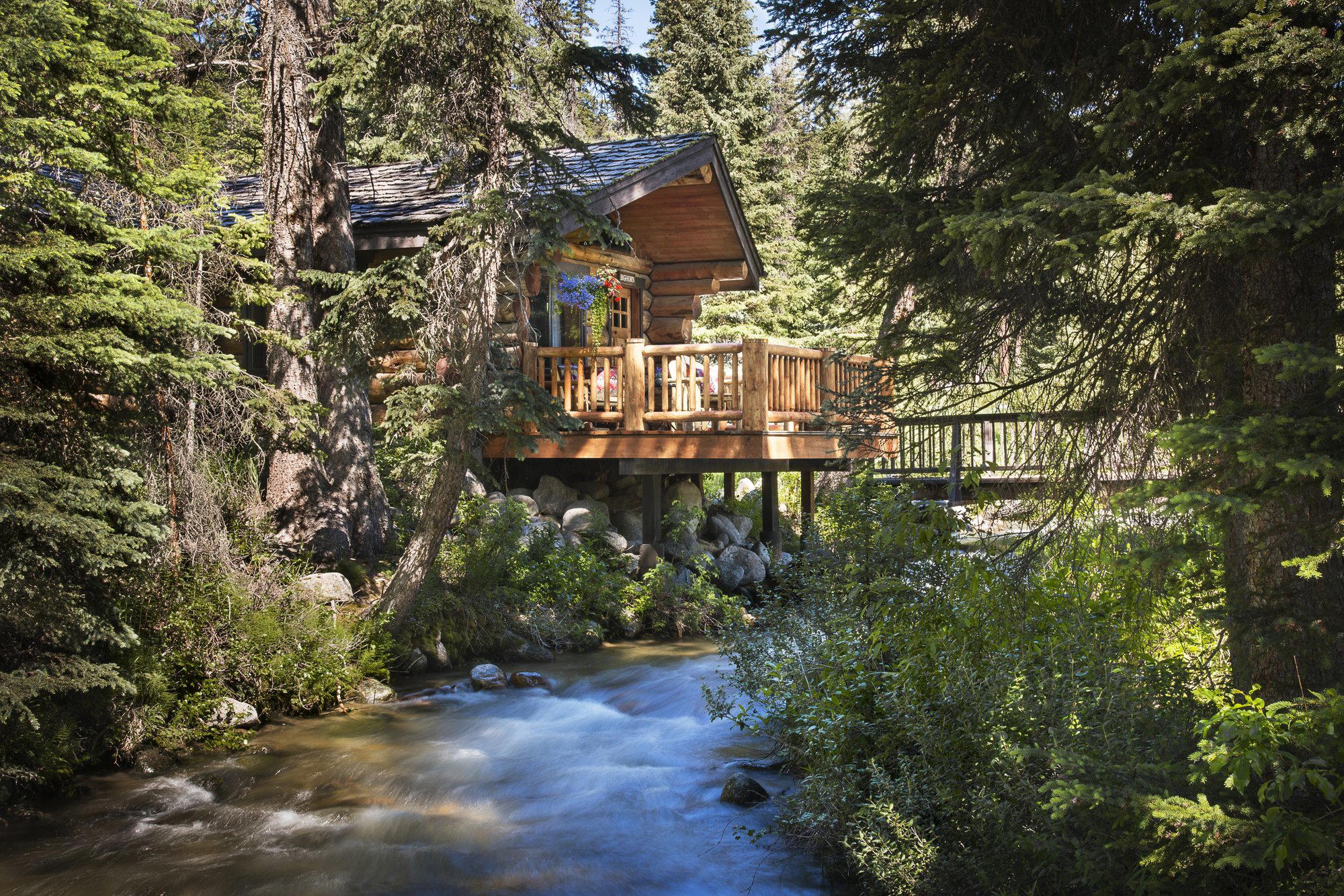
Where the Architecture Earns Its Setting
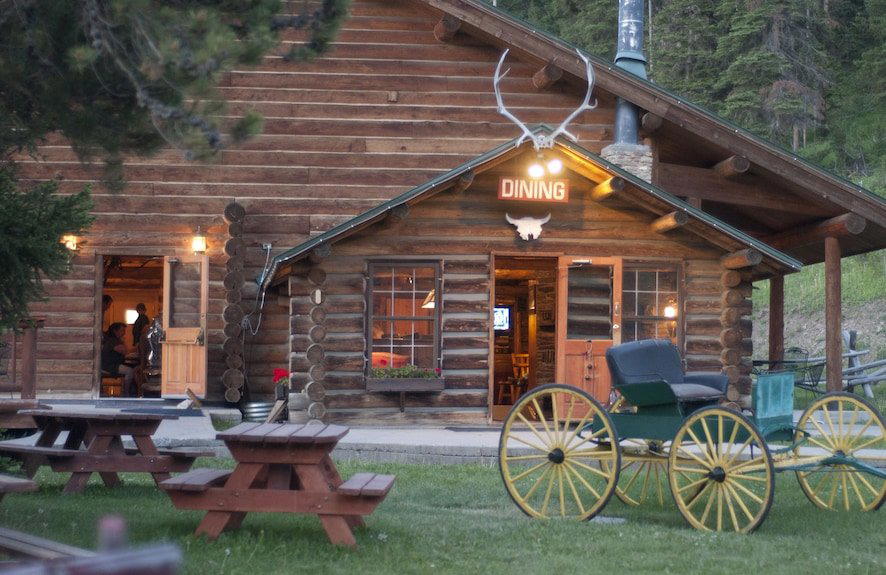
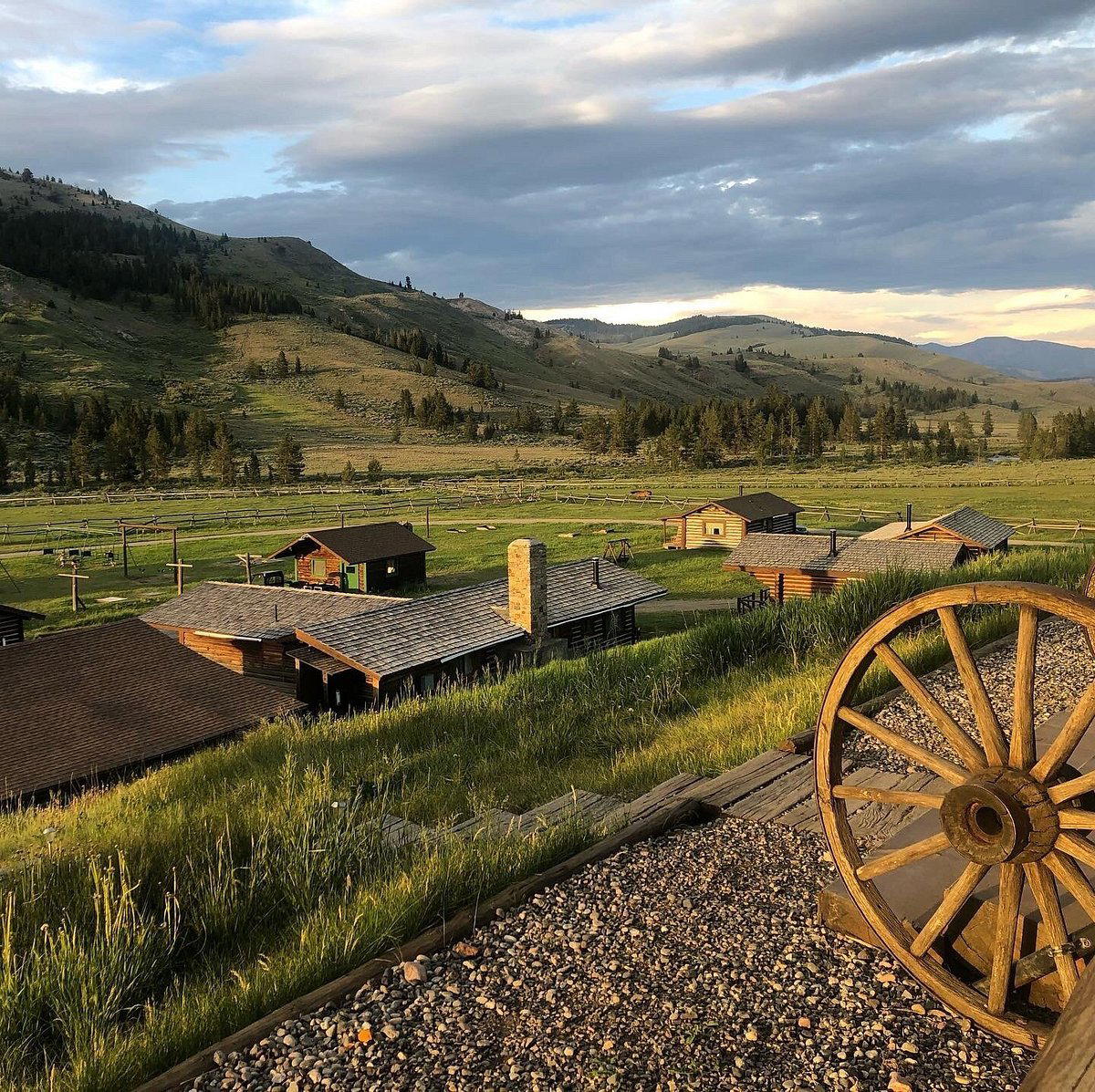
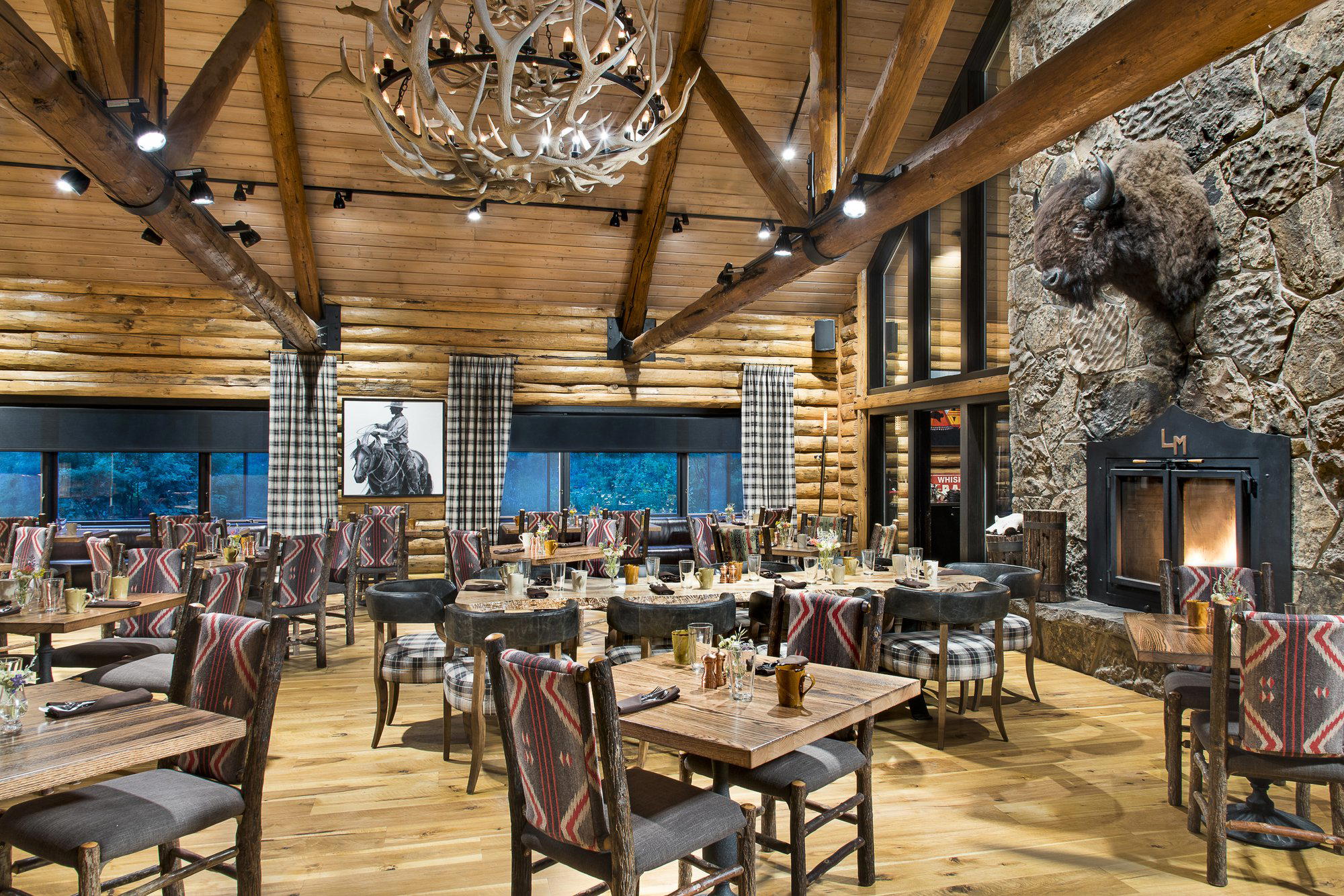
Most mountain resorts gesture toward their surroundings through décor. Lone Mountain Ranch, positioned at the base of Lone Peak in Big Sky, Montana, takes the opposite approach: the buildings are the argument. The property's log-and-timber construction belongs to a vernacular that predates the luxury-resort industry in the Northern Rockies, and its cluster of cabins, barns, and central lodge reads as a functional ranch compound first, a hospitality venue second. That sequencing is deliberate and increasingly rare. As properties like Montage Big Sky and One&Only; Moonlight Basin bring large-format, branded luxury to the Big Sky corridor, Lone Mountain Ranch holds a different position: the working-ranch-as-resort model, where the physical plant has a history that predates the guest.
In the Northern Rockies, this matters architecturally. Genuine ranch structures accumulate detail over decades — weathered chinking, hand-hewn beams, proportions dictated by livestock and winter practicality rather than sightlines and Instagram composition. The lodge aesthetic at properties built from scratch to look like ranches inevitably gives itself away in the uniformity. Here, the irregularities are the point. The site at 750 Lone Mountain Ranch Rd anchors the property in terrain that shaped the build, not the reverse.
Montana's Ranch Resort Tier and Where This Property Sits
Big Sky's hospitality market has stratified sharply over the past decade. At the leading end, large-footprint hotel projects compete on amenity breadth and brand recognition. Below that, a smaller cohort of ranch-format properties competes on authenticity of experience, access to the outdoors, and the degree to which the built environment integrates with working land.
For context across the broader premium ranch-and-nature-lodge tier nationally, properties like Amangiri in Canyon Point and Amangani in Jackson Hole represent the design-architecture end of the spectrum — minimalist, landscape-framing, material-forward. Lone Mountain Ranch works a different register: built heritage over design statement. Both approaches take the environment seriously; they differ on whether the structure interprets or inhabits it.
The Wine Program as an Indicator of Ambition
Ranch properties in Montana have historically treated their beverage programs as secondary to the outdoor experience, functional rather than considered. The 2026 Star Wine List recognition for Lone Mountain Ranch signals a departure from that norm. Star Wine List, which assesses wine programs at restaurants and hospitality venues globally, does not recognize lists simply for length or price point; selection logic, producer range, and category depth are the operative criteria. A ranch property in Big Sky earning that recognition places itself in a different conversation from typical resort dining, where wine lists are assembled by purchasing volume rather than curatorial intent.
For comparison, Star Wine List recognition is the kind of credential that appears at properties where the food-and-beverage program is treated as a primary hospitality pillar rather than a support function. That positioning is consistent with how the higher end of the ranch-resort market has evolved: properties like SingleThread Farm Inn in Healdsburg and Bernardus Lodge & Spa in Carmel Valley have demonstrated that rural or agricultural settings can carry serious wine and dining programs. Lone Mountain Ranch's 2026 recognition suggests the same ambition is active in Big Sky.
Activity Programming Rooted in the Region
The three pillars of Lone Mountain Ranch's outdoor offering, horseback riding, fly fishing, and guided Yellowstone National Park tours, map directly to what the Northern Rockies landscape actually produces rather than what a resort amenities consultant might specify. Horseback access into terrain that is otherwise foot- or snowshoe-only changes what a guest can cover in a day. Fly fishing in the Madison and Gallatin river drainages that define this part of Montana is a technically demanding pursuit with a strong local guiding culture; access to that through the property removes the logistical friction of sourcing independent outfitters. Yellowstone tours connect the ranch to one of the most visited and ecologically significant landscapes in North America, positioned roughly 50 miles to the south.
This activity portfolio places Lone Mountain Ranch in a category that urban luxury properties cannot replicate regardless of budget. A property like Hotel Bel-Air in Los Angeles or The Fifth Avenue Hotel in New York City competes on a completely different axis. The comparison is worth making because it clarifies who the Montana ranch resort is actually for: guests who want the outdoor activity to be the primary structure of their stay, not its backdrop. Properties like Little Palm Island Resort & Spa in Little Torch Key, Canyon Ranch Tucson, and Post Ranch Inn in Big Sur offer analogous propositions in their respective landscapes: the environment is the program, and the built structures serve it.
Seasonal Timing and Planning Considerations
Big Sky divides into two high seasons with distinct characters. Winter (December through March) draws skiers to the Lone Peak terrain, which at over 11,000 feet offers some of the most technically demanding skiing in the Lower 48. Summer (June through September) opens the Yellowstone ecosystem and the river drainages to fly fishing, hiking, and riding. Lone Mountain Ranch's activity programming spans both seasons, though the specific offerings shift with conditions. Travelers planning around the Yellowstone tour component should note that park access and wildlife activity concentrate most reliably in the shoulder months of May and October, when crowds thin and animal movement patterns are more predictable. Those planning around fly fishing should cross-reference the Gallatin and Madison river conditions for their specific travel window, as runoff timing affects access and technique.
Reservations for ranch-format properties in Big Sky typically follow the booking rhythms of the skiing and summer seasons rather than standard hotel patterns. For context on how to approach planning in the Big Sky corridor more broadly, our full Big Sky restaurants and hotels guide covers the market across price tiers and formats.
How It Fits a Broader Montana Trip
Big Sky is not a standalone destination for most visitors; it functions as an anchor within a larger Montana or Greater Yellowstone itinerary. The ranch property format, with multi-day activity programming built in, makes Lone Mountain Ranch particularly suited to guests who want a single base from which to cover substantial terrain rather than moving between multiple properties. Those combining a Big Sky stay with further exploration might consider how properties like Ambiente in Sedona or Troutbeck in Amenia solve the same problem in different landscape contexts: a property rooted in its environment that rewards staying long enough to use it properly.
Comparable Spots, Quickly
Comparable venues nearby, for context on price, style, and recognition.
| Venue | Cuisine | Price | Awards | Notes |
|---|---|---|---|---|
| LONE MOUNTAIN RANCHThis venue — the venue you are viewing | Historic dude ranch with private log cabins | $300–500 | Star Wine List · Top 50 Ranches | Not listed |
| One&Only Moonlight Basin | Mountain contemporary luxury resort blending seamlessly with alpine landscape. | Not listed | 2 Michelin Keys · TIME 2026 TIME World's Greatest Places | Big Sky |
| Montage Big Sky | alpine luxury resort blending mountain west spirit with sophisticated hospitality | Not listed | 1 Michelin Key · La Liste Top Hotels | Big Sky |
| MOUNTAIN SKY GUEST RANCH | rustic elegance | $2,500+ | Top 50 Ranches | Paradise Valley |
| 320 Guest Ranch | Historic Western guest ranch with luxurious modern cabin accommodations | $200–300 | Not listed | Gallatin Canyon |
| Kimpton Armory Hotel Bozeman | Historic armory building seamlessly blended with contemporary luxury. | $300–500 | Michelin Selected | downtown |
Recognition history
Dated appearances from independent guides and award organizations, with the underlying list record or original source where available.
Star Wine List
Star Wine List
Top 50 Ranches
Top 50 Ranches
Details
- Rustic
- Scenic
- Cozy
- Family Vacation
- Romantic Getaway
- Weekend Escape
- Group Retreat
- Panoramic View
- Historic Building
- Pool
- Hot Tub
- Sauna
- Wi Fi
- Restaurant
- Fitness Center
- Concierge
- Mountain
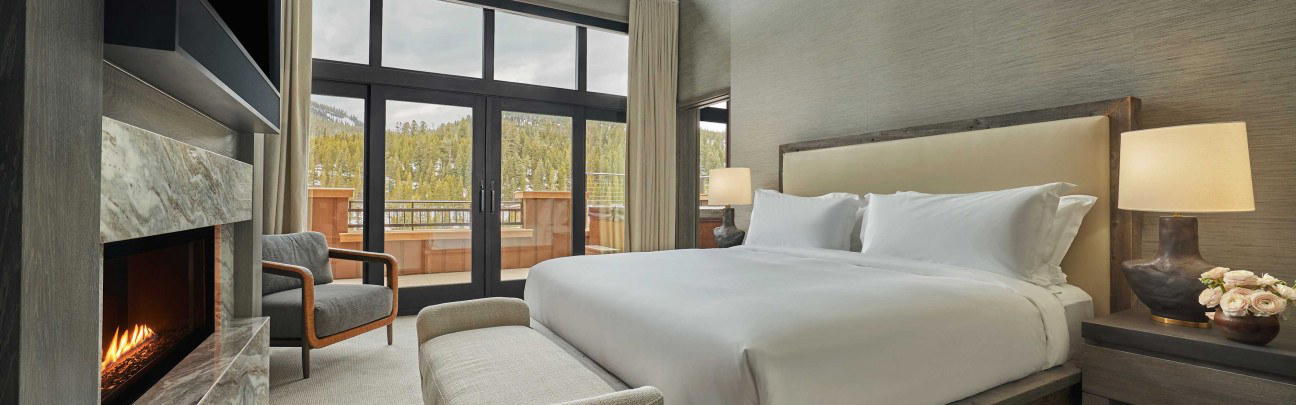
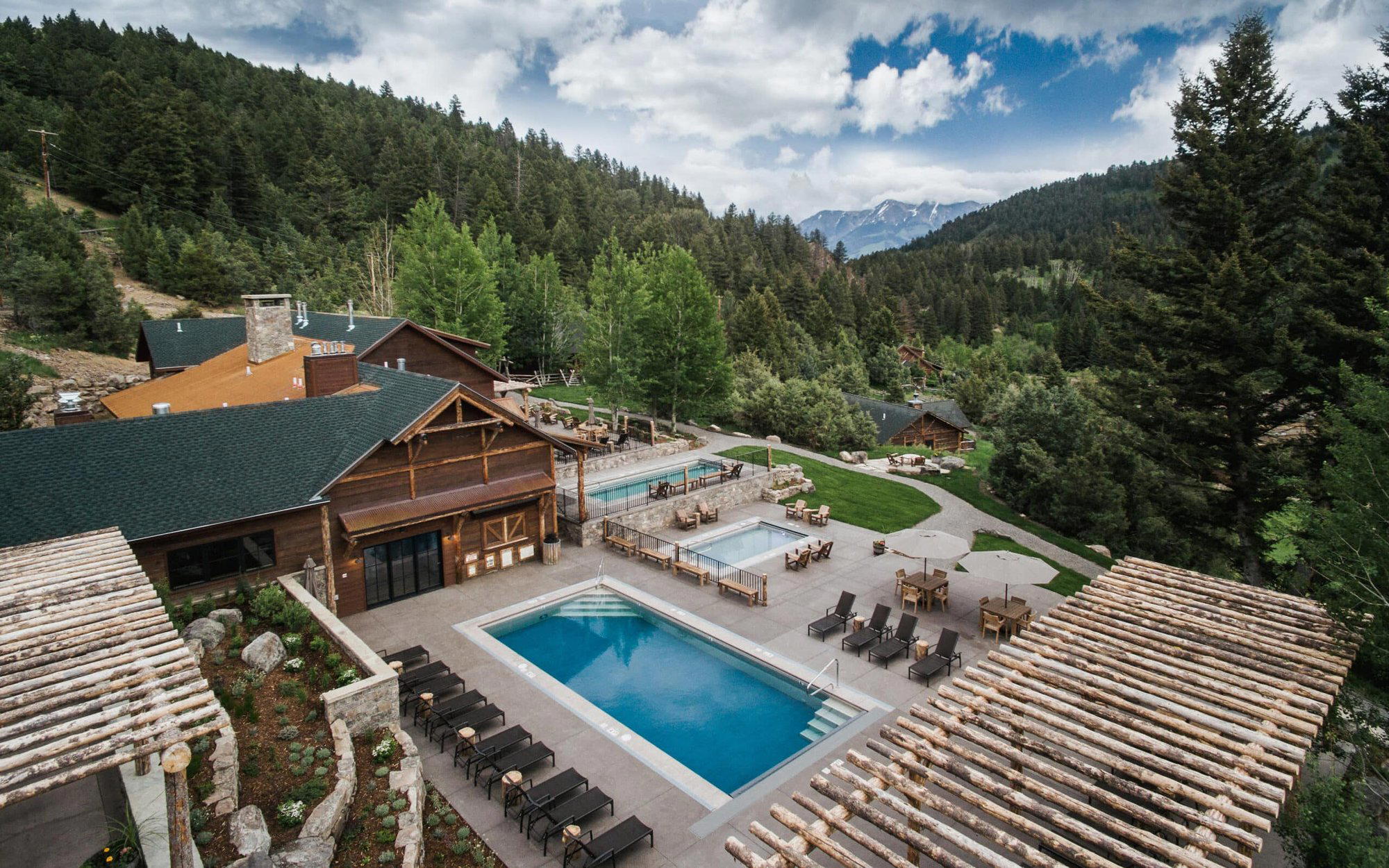
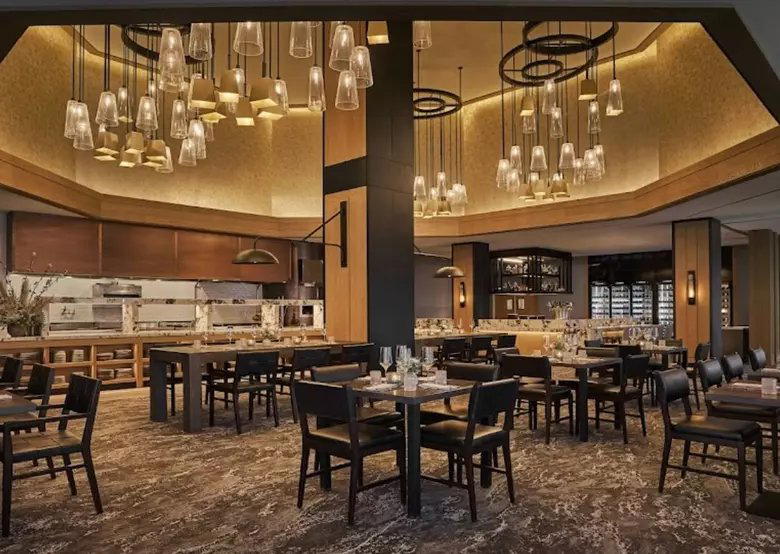
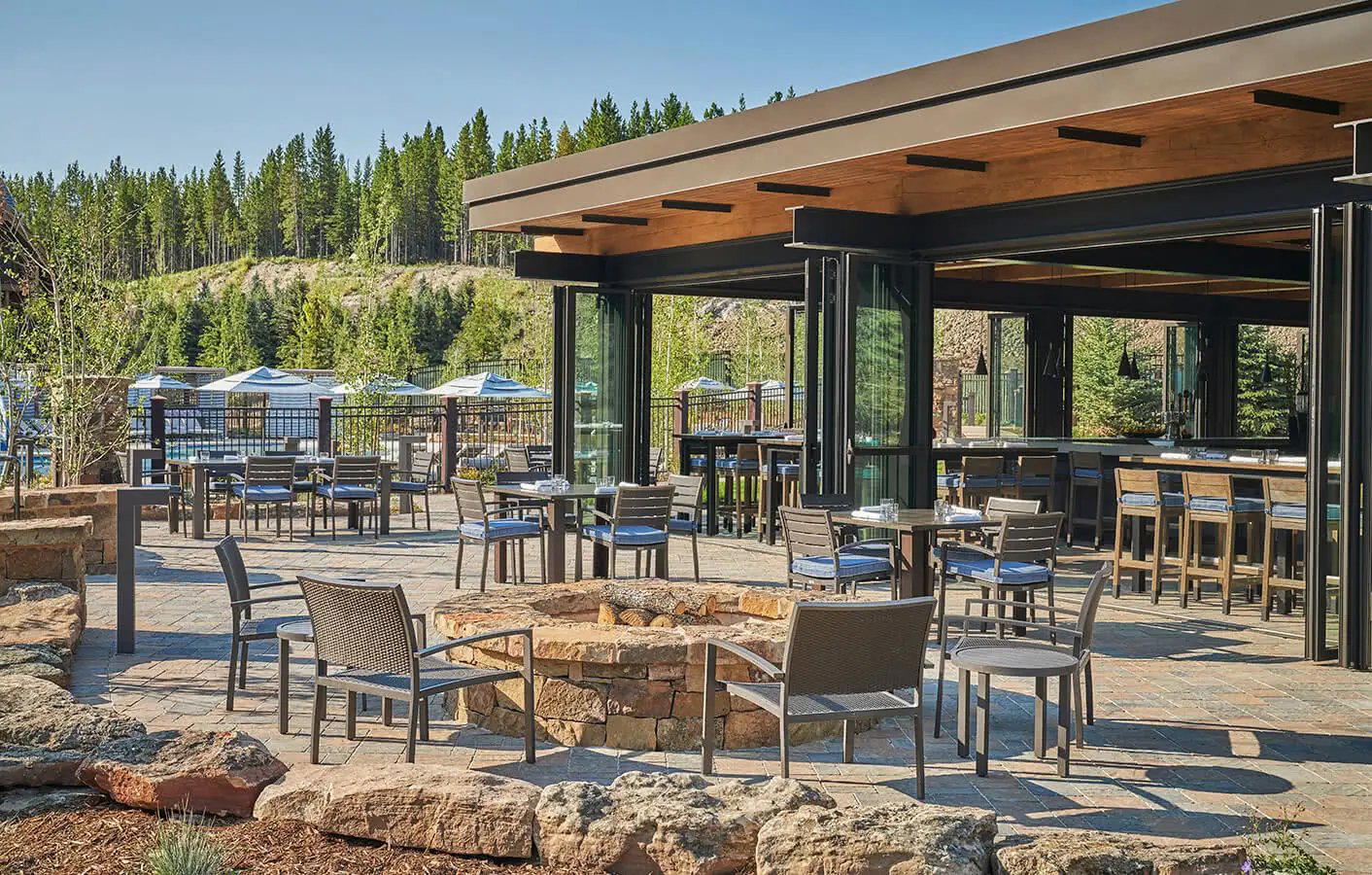
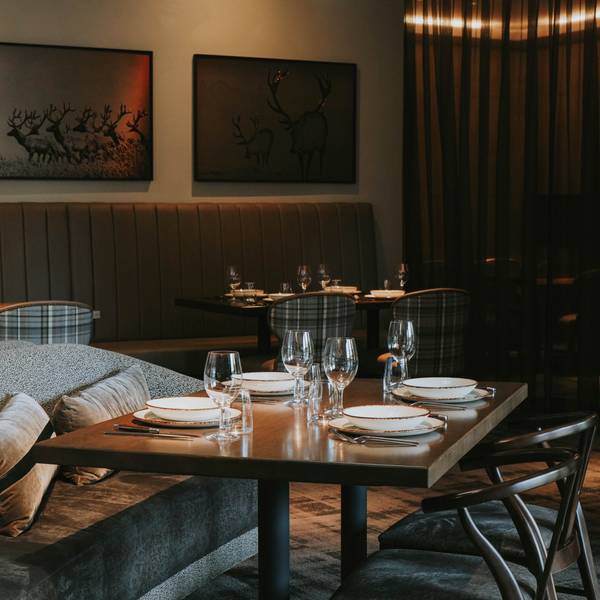
Rustic elegance with wood-burning fireplaces, cozy cabin interiors evoking the soul of the West, and serene wilderness surroundings.