Ofland Escalante

Michelin Selected for 2025, Ofland Escalante sits on Utah State Highway 12 at the edge of Grand Staircase-Escalante National Monument, one of the American Southwest's most geologically dramatic corridors. The property occupies a tier of design-led, landscape-integrated lodging that has emerged as the serious alternative to resort-scale development in remote canyon country.
Pearl is the En Primeur Club membership app — saves, bookings, and concierge access live there. Same editors, same standards.
- Address
- 2020 West Highway 12, Escalante, UT 84726
- Phone
- (435) 274-7222
- Website
- ofland.com
- Directions
- Get directions
 Saves & bookings on Pearl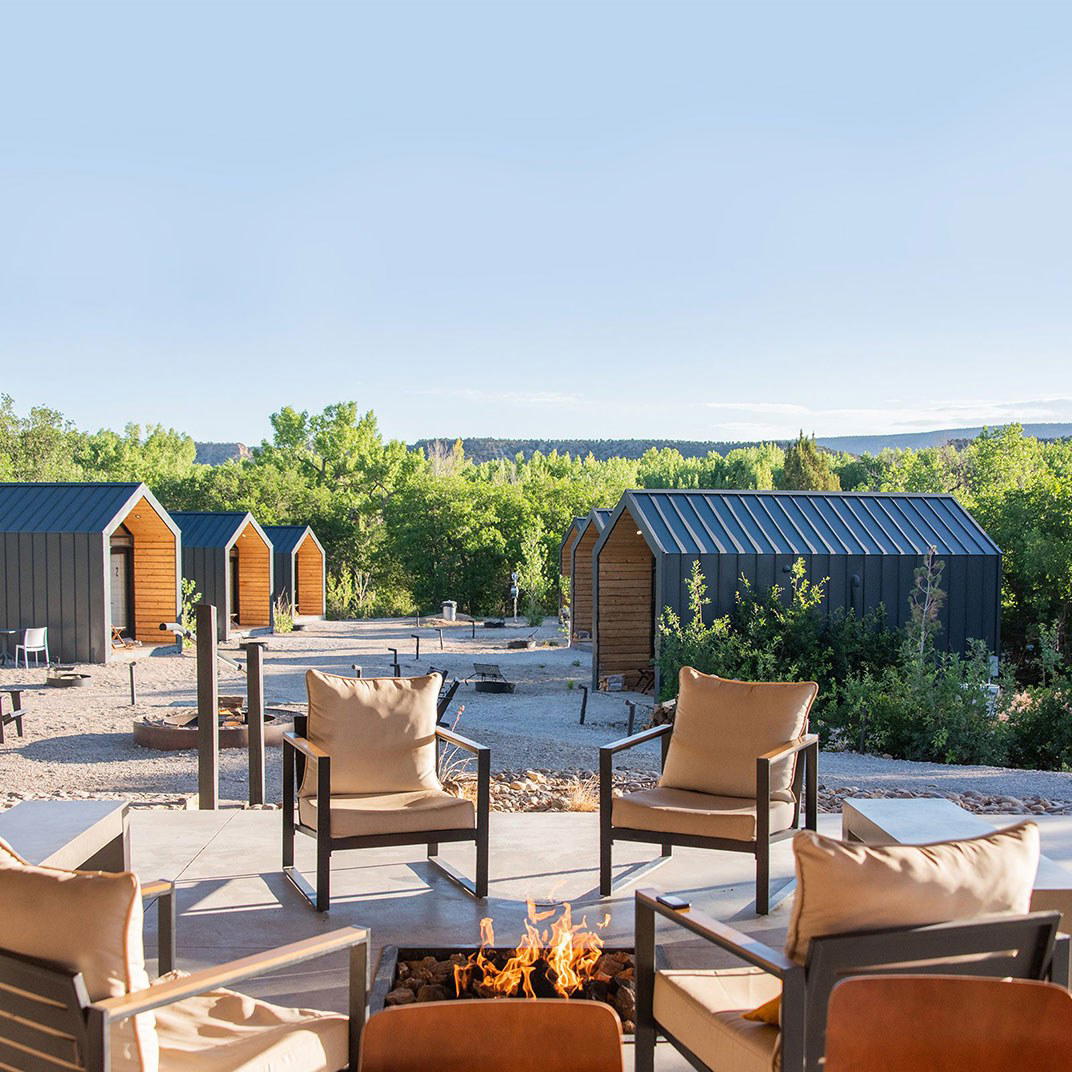
Where the Colorado Plateau Becomes the Architecture
Highway 12 through southern Utah is one of the few roads in North America where the drive itself functions as an argument for stopping. The route crosses slickrock ridgelines, drops into canyon drainages, and delivers a changing palette of sandstone color that shifts from burnt orange at midday to deep violet at dusk. Ofland Escalante sits along this corridor at 2020 West Highway 12, positioned where the built environment either competes with that geology or concedes to it. Properties in this tier of remote, design-conscious lodging have largely chosen the latter approach, low profiles, earth-toned materials, and spatial layouts that frame the surrounding terrain rather than obstruct it.
The broader pattern here is worth understanding before arrival. Across the American West, a cohort of independently conceived properties has emerged in the past decade that treat remote landscape as the primary design element. These are not amenity-heavy resort compounds but smaller-footprint operations where the physical environment provides the programming. Michelin's Selected designation for Ofland Escalante places it within that cohort at a recognized level of quality, signaling that the property meets the guide's threshold for accommodation, atmosphere, and service consistency. That credential matters in a region where lodging options run a wide spectrum, from basic motel stops along highway towns to a small handful of properties genuinely calibrated to the landscape they occupy.
Design Logic in Canyon Country
The design decisions that define this category of remote Western lodging are responses to a specific set of constraints and opportunities. Escalante sits at roughly 5,800 feet elevation on the edge of Grand Staircase-Escalante National Monument, which covers nearly 1.9 million acres of largely trailless canyon terrain. The light is high-desert light, hard, directional, and transformative at the day's margins. Properties that understand this use orientation strategically: rooms angled toward canyon views or sunrise positions, outdoor spaces sized for the landscape-as-spectacle experience rather than conventional resort amenity stacking.
Ofland as a concept belongs to a strand of American outdoor hospitality that has moved away from the glamping aesthetic toward something more architecturally considered. Where properties like Amangiri in Canyon Point operate at the ultra-premium end of landscape-integrated design with a famous concrete-and-void aesthetic by Marwan Al-Sayed, Wendell Burnette, and Rick Joy, Ofland works at a different price tier while pursuing a related spatial logic. The comparison is instructive: both respond to the same geological theater, but through different means and at different scales of investment.
This approach has precedents across the American West. Dunton Hot Springs in Dunton, Colorado, uses restored historic structures to create a sense of deep site-specificity. Sage Lodge in Pray, Montana, positions itself against the Absaroka Range with a similarly landscape-forward spatial logic. Post Ranch Inn in Big Sur defined an earlier generation of cliff-edge design thinking on the California coast. What connects these properties across different geographies is the same underlying principle: the site does most of the work, and the architecture's job is not to compete.
The Escalante Context
Escalante as a town is small, a few hundred permanent residents, a handful of outfitters, limited food and supply infrastructure. That scale is not a drawback for travelers who understand what the area offers; it is the condition of access. Grand Staircase-Escalante National Monument and the adjacent Glen Canyon National Recreation Area together form one of the largest blocks of protected public land in the contiguous United States, with canyon systems that remain genuinely technical and lightly visited even by Southwest standards. Slot canyons, arches, petrified wood fields, and dinosaur trackway sites are documented throughout the monument, but reaching most of them requires route-finding, flash flood awareness, and a tolerance for unsigned terrain.
Lodging positioned at this gateway serves a traveler who is not arriving for passive resort experience. The Selected designation for Ofland Escalante reflects an understanding that the property's context is inseparable from its value. Properties earning that recognition in remote locations are evaluated partly on how well they function as a base for the surrounding landscape, not just on interior finish quality. For comparable remote-natural designations within the Michelin Hotels framework, the bar includes consistency of service delivery in logistically challenging settings.
Travelers considering the region's lodging tier would also look at Canyon Ranch Tucson for a more structured wellness-and-landscape approach in the Southwest, or Washington School House Hotel in Park City for Utah lodging at a different price point and urban-adjacent setting. Neither occupies the same niche as a property sitting directly at the edge of a 1.9-million-acre monument, which is a different category of proposition entirely.
Planning a Stay
Highway 12 between Bryce Canyon and Capitol Reef is a designated National Scenic Byway, and the stretch through Escalante represents its most geologically concentrated section. The town sits roughly 75 miles east of Bryce Canyon National Park and about 65 miles west of Capitol Reef, making the hotel a logical base for travelers moving between those two parks rather than overnighting in either. Spring and autumn are the favored seasons in canyon country: temperatures are manageable for hiking, the light carries more warmth and angle than summer overhead sun, and the monument's washes and canyon floors are less prone to the flash flood conditions that complicate summer access.
For those building a broader regional itinerary, properties elsewhere in the Michelin Selected network provide useful comparison anchors. The Fifth Avenue Hotel in New York City and Raffles Boston represent the urban end of the same quality tier, while Meadowood Napa Valley and SingleThread Farm Inn in Healdsburg occupy a rural-luxury position more focused on food and agriculture than on raw landscape. Kona Village in Kailua Kona and Little Palm Island Resort in Little Torch Key frame the coastal end of remote, nature-forward American lodging. The hotel's particular position, adjacent to one of the country's largest and least-developed national monuments, makes it the canyon country representative of that peer group.
Side-by-Side Snapshot
Comparable venues nearby, for context on price, style, and recognition.
| Venue | Cuisine | Price | Awards | Notes |
|---|---|---|---|---|
| Ofland EscalanteThis venue — the venue you are viewing | Modern boutique retreat with mid-century modern and Western design influences, transforming a former RV park into a destination hotel. | $$$ | 4-Star | Not listed |
| The Advenire Hotel | Modern pioneer aesthetic balancing Utah's heritage with contemporary luxury | $$$ | 4-Star | Historic Arts District |
| Hotel Thaynes | Independent-feeling Tribute Portfolio mountain hotel with renovated boutique positioning and meeting/event spaces. | $$$ | 4-Star | Park City Mountain Base Area |
| Kimpton Hotel Monaco Salt Lake City | Luxury boutique in historic building | $$$ | 4-Star | Clark Learning Office Center |
| Four Seasons Resort and Residences | Contemporary alpine resort with private residences blending indoor-outdoor living | $$$$ | 5-Star | Deer Valley East Village |
| Historic Park City Alliance | Historic mountain resort collection maintaining authentic ski town character with modern hospitality standards | $$ | 4-Star | Main Street Historic District |
Recognition history
Dated appearances from independent guides and award organizations, with the underlying list record or original source where available.
Michelin Selected
Michelin
Continue exploring
More in Escalante
Hotels in Escalante
Browse all →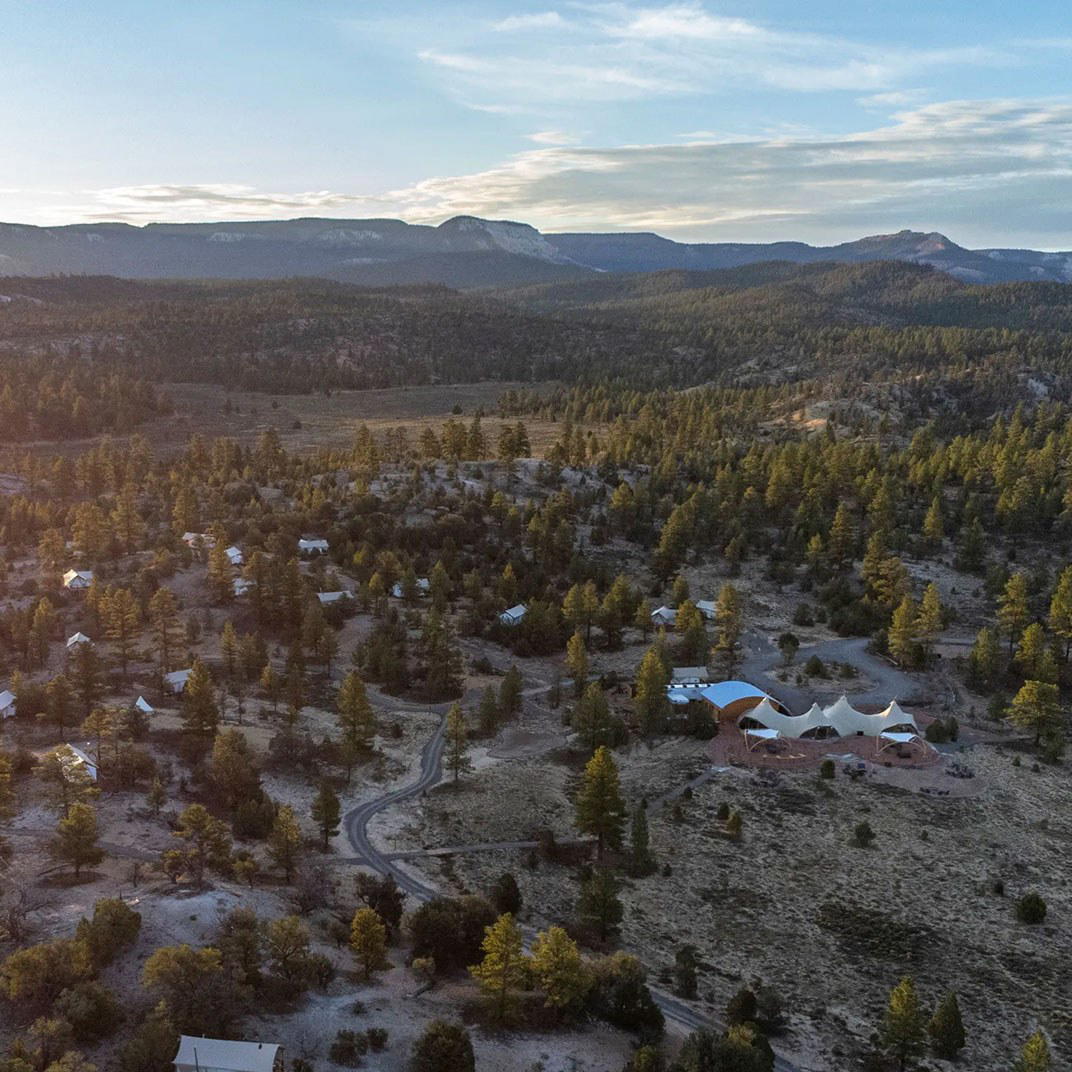
Restaurants in Escalante
Browse all →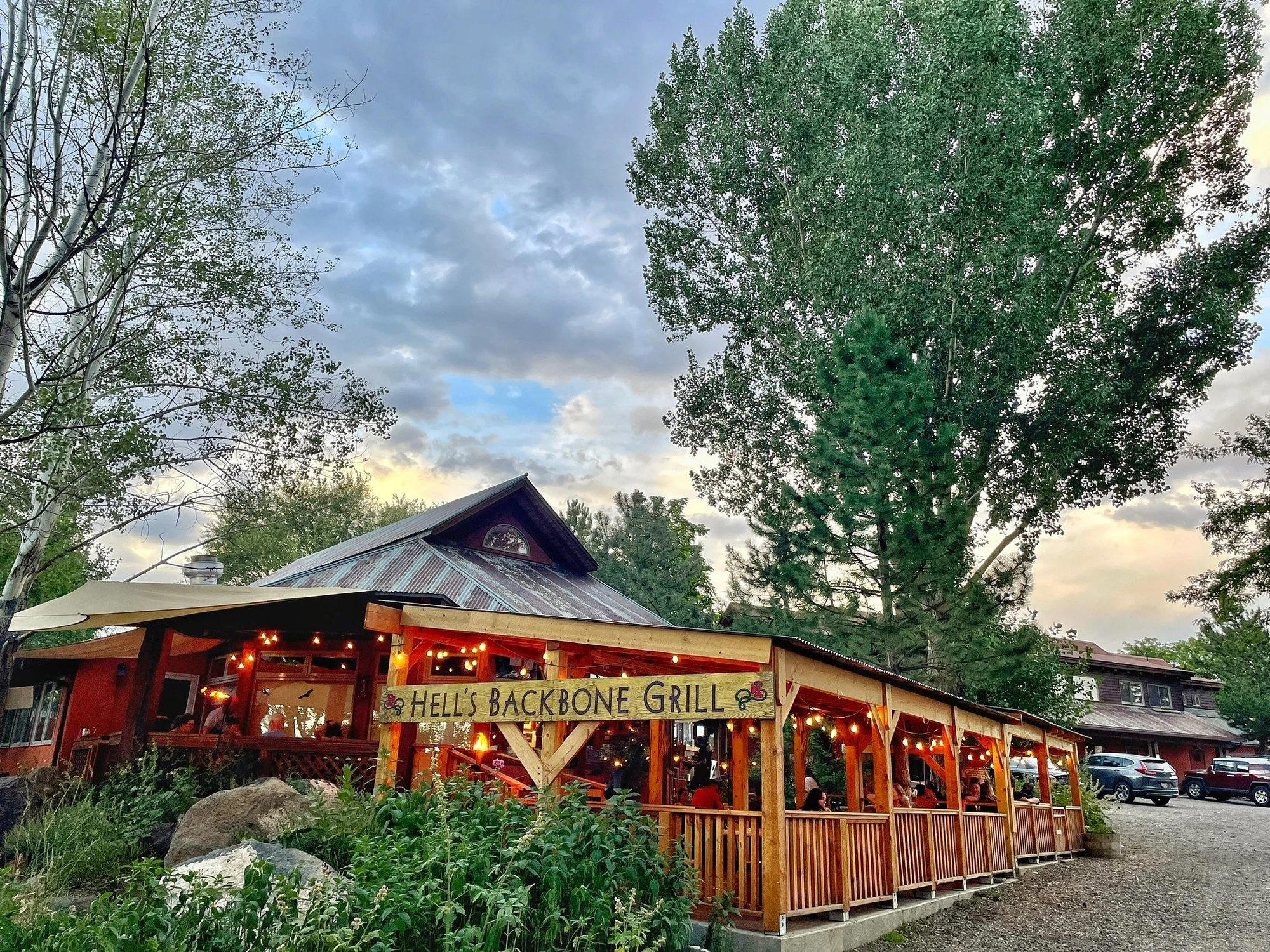
At a Glance
- Scenic
- Modern
- Rustic
- Lively
- Bohemian
- Family Vacation
- Weekend Escape
- Romantic Getaway
- Wellness Retreat
- Panoramic View
- Garden
- Terrace
- Design Destination
- Private Dining
- Pool
- Hot Tub
- Wi Fi
- Parking
- Bicycle Rental
- Mountain
- Pool
- Hot Tub
- Wi Fi
- Parking
- Bicycle Rental
Laid-back, relaxed oasis atmosphere with stargazing opportunities, communal gathering spaces, and evening entertainment creating a stress-free retreat vibe.