Camp Sarika at Amangiri
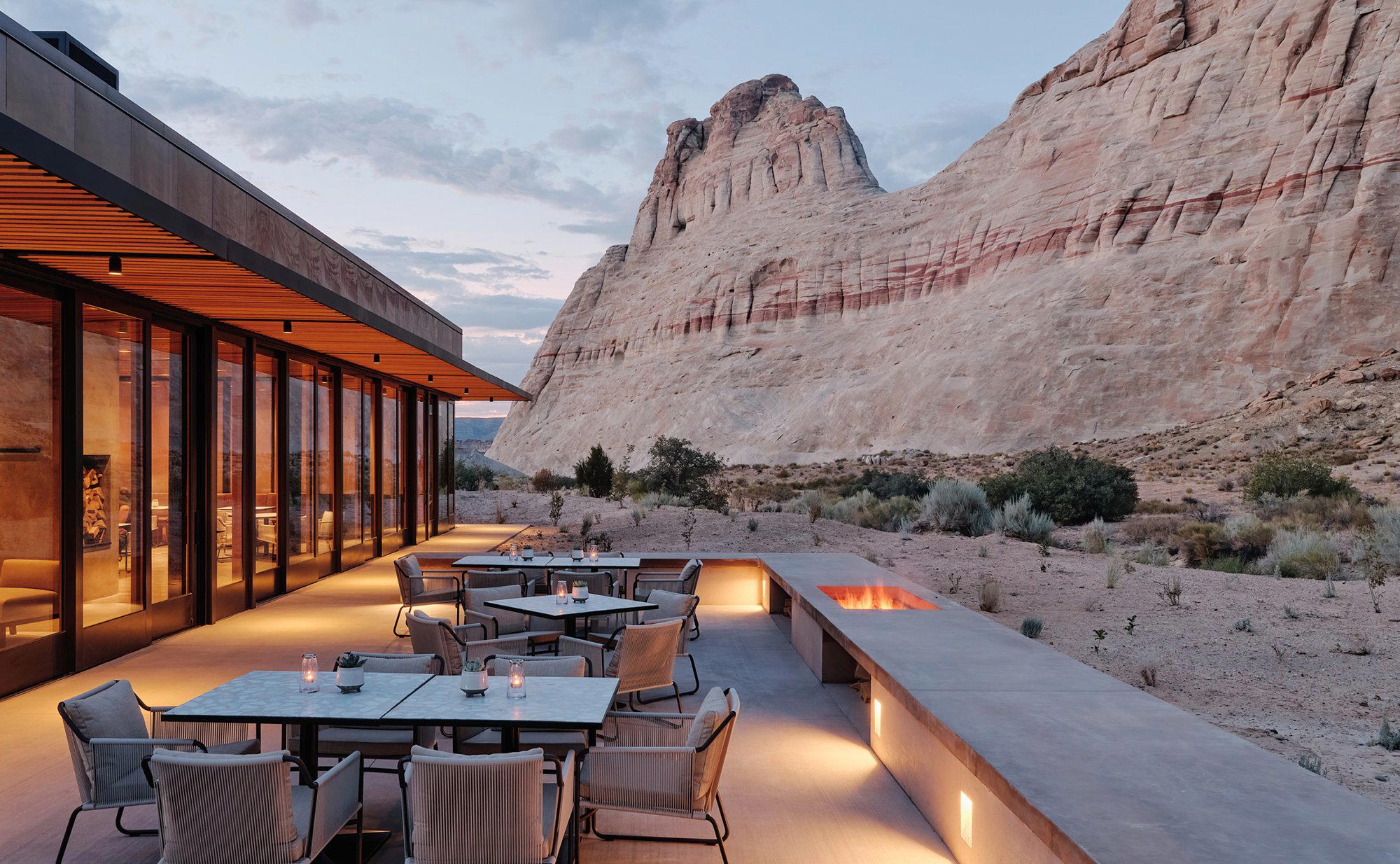
Camp Sarika occupies a separate tented enclave within the broader Amangiri property in Utah's Canyon Point, positioning itself as the more private, immersive tier of an already rarefied desert experience. The design draws directly from the surrounding Colorado Plateau geology, with open-air pavilions and canvas structures that dissolve the boundary between interior and landscape. It belongs to a small category of wilderness accommodations where physical remoteness and architectural restraint are the primary offering.
Pearl is the En Primeur Club membership app — saves, bookings, and concierge access live there. Same editors, same standards.
- Address
- Amangiri 1, Kayenta Rd, Canyon Point, UT 84741
- Phone
- +1 435 675 4100
- Website
- aman.com
- Directions
- Get directions
 Saves & bookings on Pearl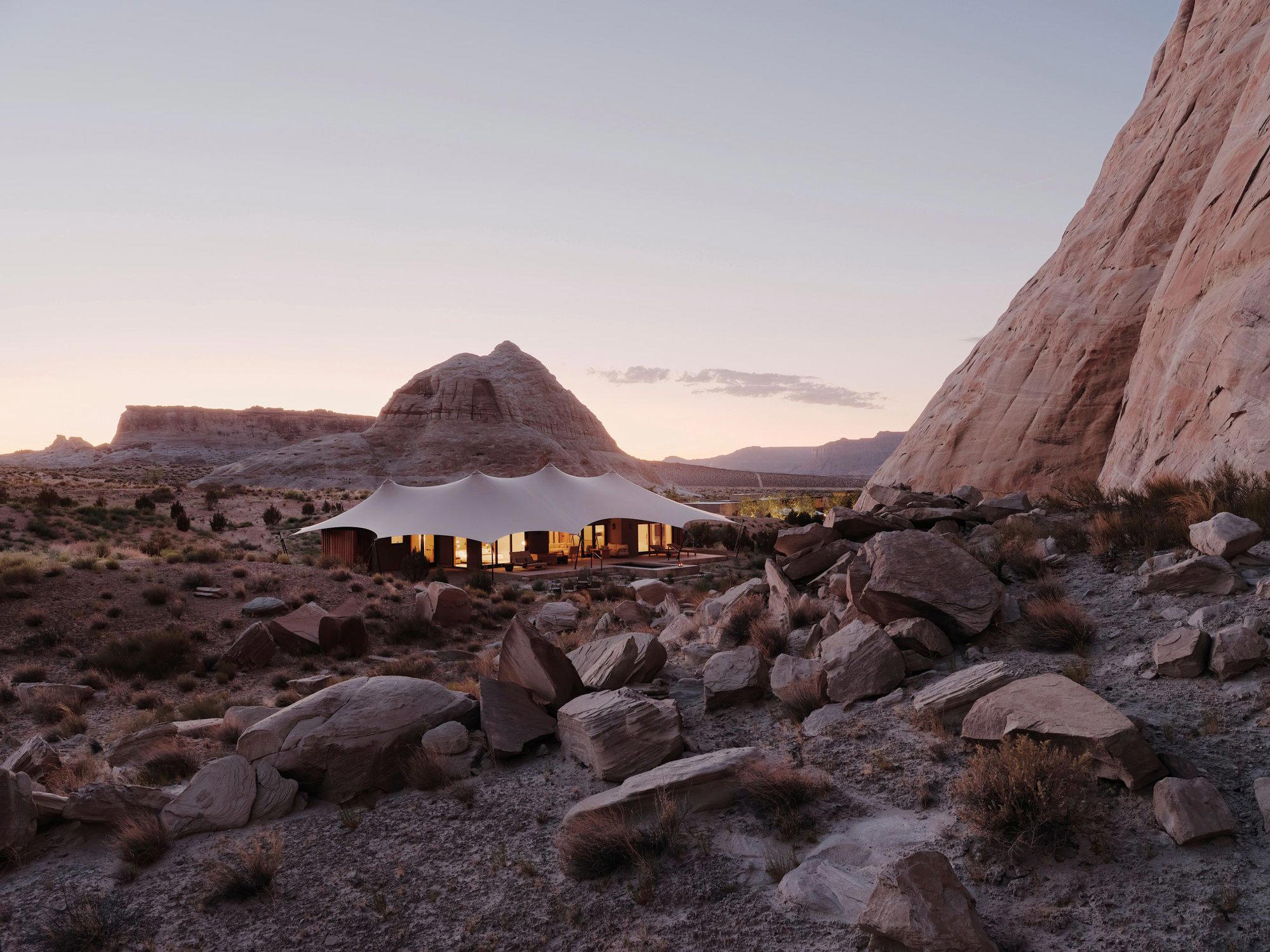
Red Rock Architecture: When the Building Steps Back
There is a particular design philosophy at work across Utah's canyon country that has little precedent elsewhere in American luxury hospitality: the idea that the land itself is the spectacle, and that any structure placed within it must behave accordingly. Camp Sarika is a 5-star hotel in Canyon Point, Utah, with 10 tented pavilion suites. Camp Sarika, the tented enclave that sits apart from the main Amangiri in Canyon Point property, applies this principle with unusual discipline. Where many desert retreats use natural materials as decoration, here the pavilions are oriented, scaled, and finished to function as frames rather than features, the Navajo sandstone formations and open sky filling the visual field that another property might claim for itself.
This approach places Camp Sarika within a narrow comparable set of wilderness properties that treat architecture as restraint rather than statement. Properties like Ambiente, A Landscape Hotel in Sedona operate on a related logic in the broader Southwest, and internationally, the Aman group has tested similar ideas at other desert and canyon sites. But the specific combination of the Colorado Plateau's scale, the elevation, and the relative absence of competing development makes the southern Utah site among the more extreme versions of this format in North America.
The Tented Pavilion as Architectural Position
The canvas-and-timber construction of Camp Sarika's tented suites is not a rustic concession, it is a deliberate architectural position. Across the luxury wilderness category, tented structures have split into two distinct tiers over the past decade: those that use canvas as theatrical styling over conventional hotel infrastructure, and those that use it to genuinely alter the sensory relationship between guest and environment. Camp Sarika sits in the second category.
This design logic connects to broader shifts in how premium wilderness properties across the American West compete. Post Ranch Inn in Big Sur and Sage Lodge in Pray represent parallel experiments in the same territory, properties where the architectural intervention is measured against how little it imposes on the surrounding environment rather than how dramatically it commands attention. The tented format at Camp Sarika takes this further than most, precisely because canvas imposes almost no visual mass against the canyon backdrop.
Isolation as a Design Feature
Camp Sarika's physical separation from the main Amangiri lodge is not simply a matter of distance. Within the broader category of properties that offer a tiered internal experience, a quieter or more secluded enclave within an already private resort, the spatial separation functions as a design decision. It removes the visual and ambient presence of other guests from the field of view, which in canyon country, where sightlines extend for miles, matters considerably. The result is an accommodation format that competes less with other hotels and more with the idea of having the landscape to yourself.
Few properties in the continental United States offer an equivalent degree of designed isolation at this tier of finish. Little Palm Island Resort & Spa in Little Torch Key achieves geographic isolation through its island location; Alpine Falls Ranch in Superior through Montana ranch scale. Camp Sarika does it through site planning and terrain, using the canyon topography to create visual privacy without fencing or conventional resort perimeter logic.
Positioning Within the Aman Network
The Aman group maintains a consistent design ethos across its global portfolio, low-key material palettes, site-specific architecture, small guest counts, but individual properties occupy different positions within that framework. Camp Sarika functions as the more stripped-back extreme of an already stripped-back brand. Where Aman New York in New York City applies the group's restraint principles to an urban context with considerable architectural weight, and Aman Venice in Venice works within a historic palazzo, Camp Sarika operates at the opposite end of the spectrum: minimal structure, maximum exposure to landscape.
Within the American desert luxury category, this positioning is meaningful. Properties like Canyon Ranch Tucson in Tucson serve a wellness-focused segment with a different physical plant and programming model. Camp Sarika's comparable set is smaller and harder to identify by name than by approach: properties where booking requires planning months in advance, where the capacity is deliberately constrained, and where the physical environment does most of the work that programming does elsewhere.
Planning a Stay: What to Know
Camp Sarika is reached via the main Amangiri property in Canyon Point, Utah, approximately 15 miles from the town of Page, Arizona, which offers the nearest commercial airport connections. The remoteness is functional rather than symbolic: there is no nearby town, no alternative dining infrastructure, and no casual drop-in visitor access. This is a property that requires commitment to the destination format, and the planning horizon should reflect that.
Comparable Venues
Comparable venues nearby, for context on price, style, and recognition.
| Venue | Cuisine | Price | Awards | Notes |
|---|---|---|---|---|
| Camp Sarika at AmangiriThis venue — the venue you are viewing | Glamping-style luxury tented pavilions blending into the desert landscape | $$$$ | 5-Star | Not listed |
| Amangiri | Minimalist desert sanctuary blending into rugged Utah landscape | $$$$ | Michelin 3 Key | Canyon Point |
| Open Sky Zion | luxury glamping resort with safari-style tents | $$$$ | 5-Star | Zion National Park |
| The Lodge at Blue Sky | Secluded contemporary mountain ranch resort on a vast private estate. | $$$$ | 5-Star | Wanship |
| Goldener Hirsch, Auberge Collection | European-style chalet with modern mountain residences | $$$$ | 5-Star | Silver Lake Village |
| Amangiri | Modernist luxury resort integrated into desert landscape | $$$$ | 5-Star | Canyon Point |
Continue exploring
More in Canyon Point
Hotels in Canyon Point
Browse all →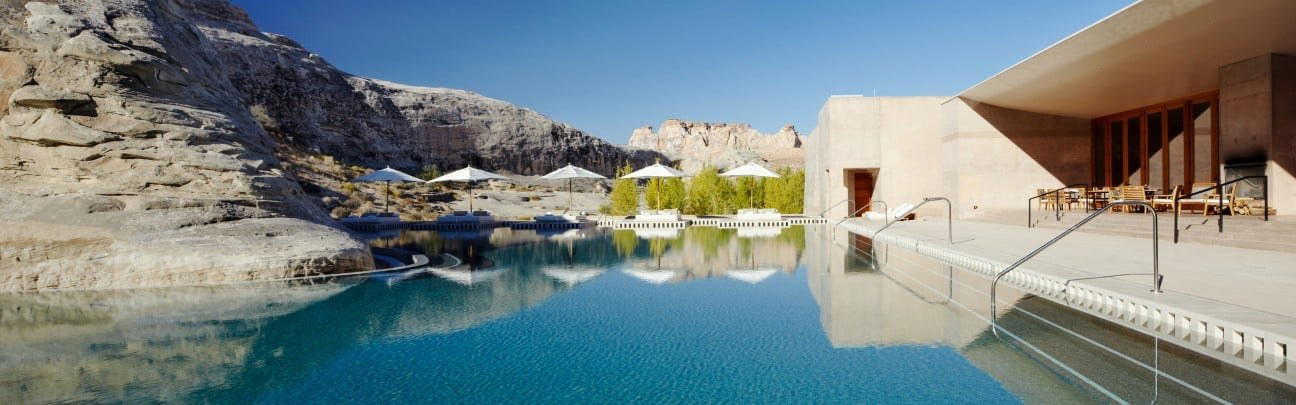
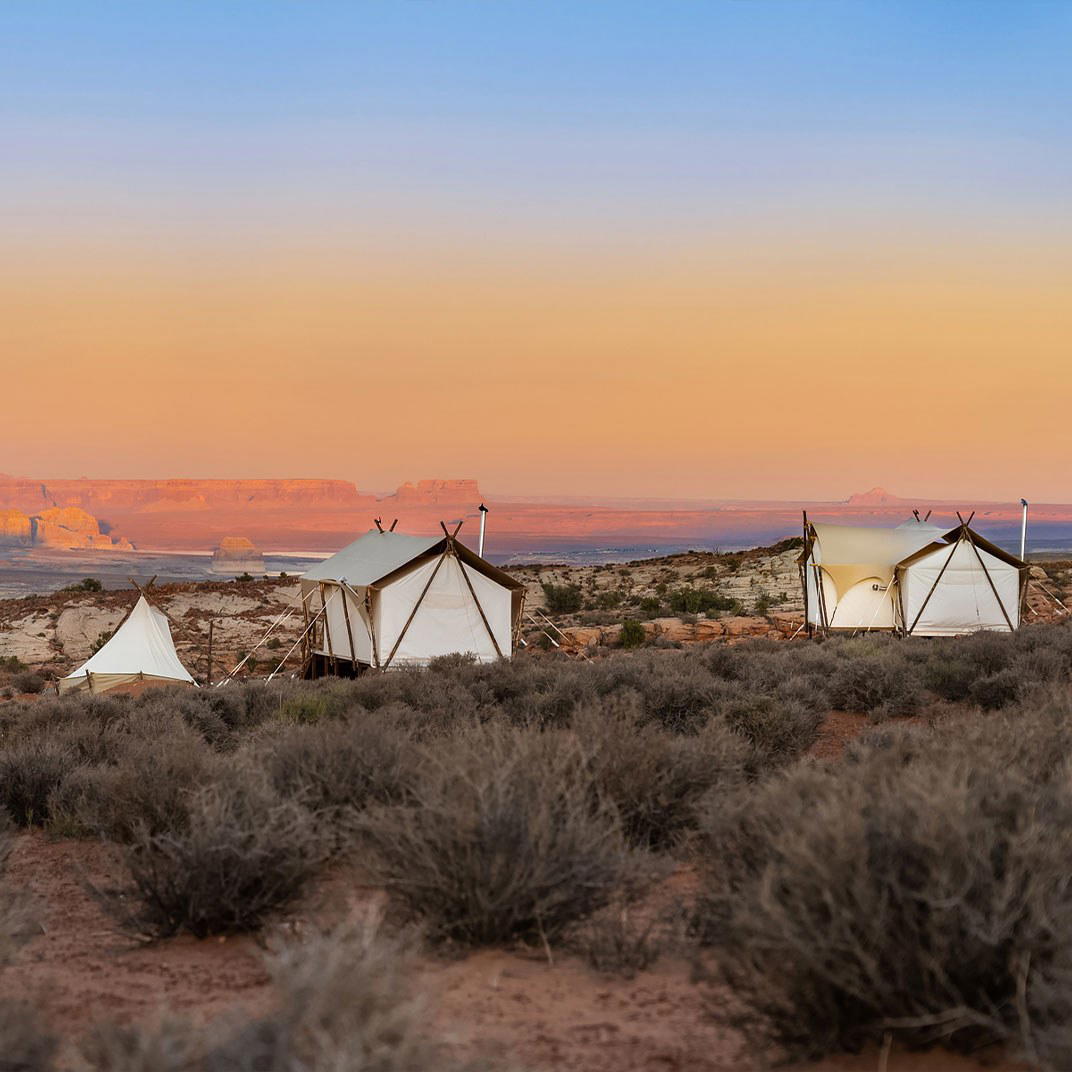
Restaurants in Canyon Point
Browse all →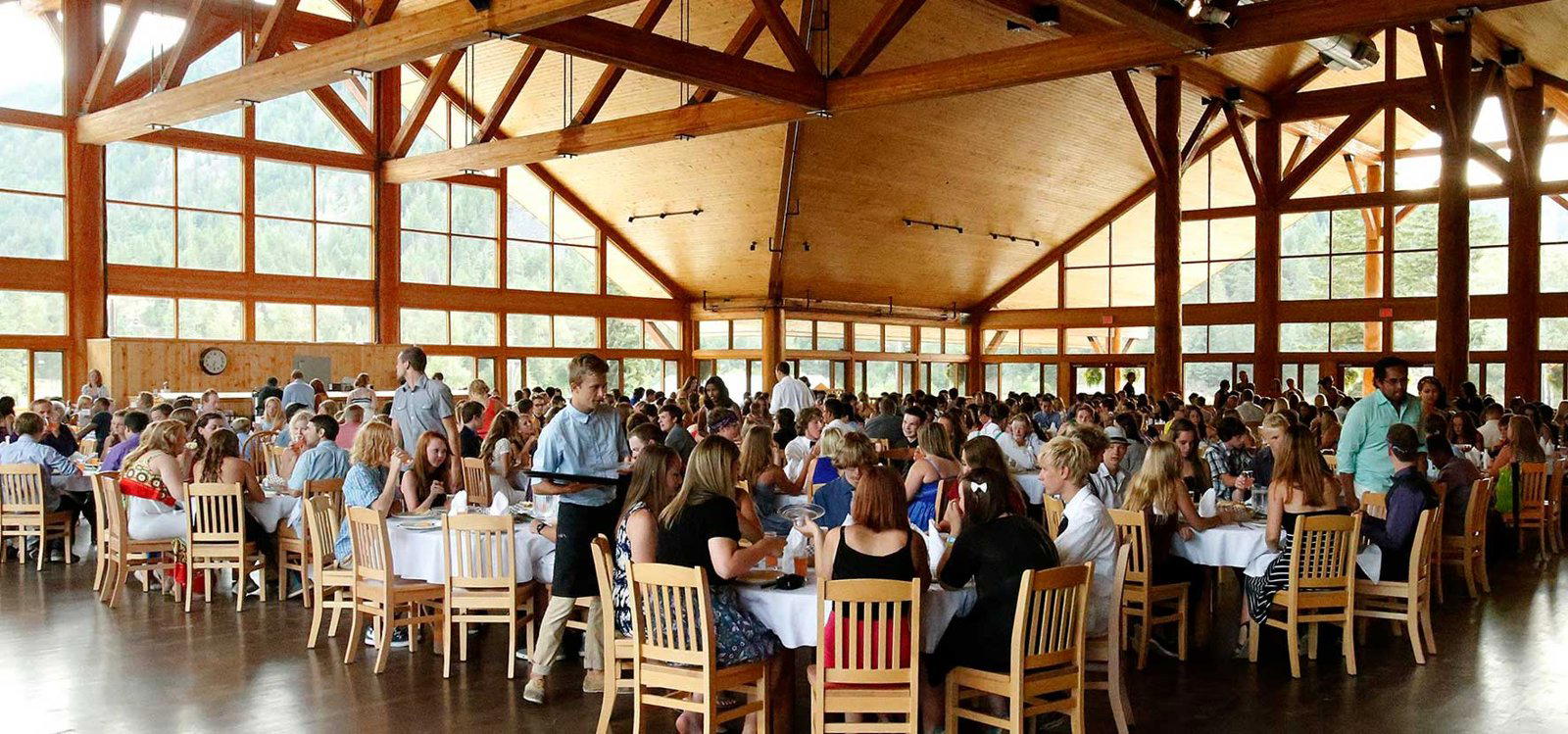
At a Glance
- Scenic
- Elegant
- Rustic
- Intimate
- Quiet
- Sophisticated
- Minimalist
- Honeymoon
- Romantic Getaway
- Family Vacation
- Wellness Retreat
- Anniversary
- Weekend Escape
- Infinity Pool
- Private Villa
- Panoramic View
- Pool
- Spa
- Room Service
- Concierge
- Mountain
- Pool
- Spa
- Room Service
- Concierge
Minimalist interiors with natural materials, clean lines, and seamless indoor-outdoor flow under vast open skies, fostering serene connection to nature.