
Nobu Hotel Toronto marks the brand's Canadian debut with a 36-room property at 33 Mercer Street in the Entertainment District, admitted to Virtuoso's selective Preview Program for pre-opening properties. The hotel pairs Chef Nobu Matsuhisa's signature Japanese-Peruvian culinary format with a design rooted in Toronto's cultural plurality, and wraps both in the Japanese hospitality philosophy of Omotenashi.
Pearl is the En Primeur Club membership app — saves, bookings, and concierge access live there. Same editors, same standards.
- Address
- 33 Mercer St
- Directions
- Get directions
 Saves & bookings on Pearl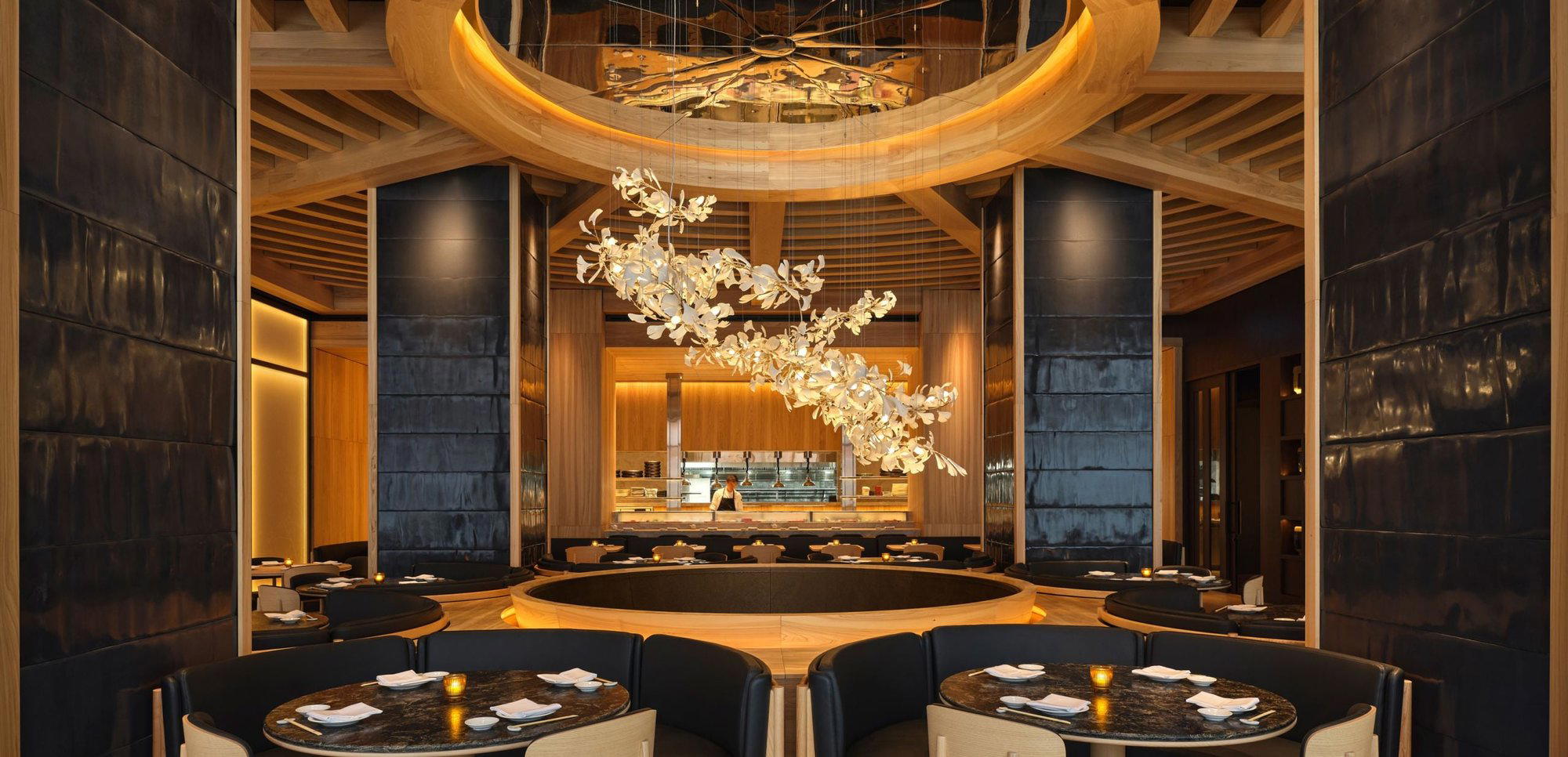
Where the Entertainment District Gets a New Frame of Reference
Downtown Toronto's Entertainment District has spent the last decade consolidating its position as the city's most hotel-dense corridor, with properties ranging from the full-service convention anchor to the design-forward boutique. The latest entrant resets the tone. At 33 Mercer Street, Nobu Hotel Toronto occupies a 36-room footprint that is deliberately small by neighbourhood standards, positioning itself in the tier of intimate luxury properties where room count is a feature rather than a constraint. That places it in a different competitive conversation from the large-format options nearby and closer to the logic of properties like The Hazelton Hotel, where scale is traded for a concentrated sense of place.
The hotel carries admission to Virtuoso's Preview Program, a designation reserved for a limited number of qualified pre-opening properties that Virtuoso positions alongside established properties in its top tier. The program is extended selectively and includes preferred rates with exclusive amenities for Virtuoso clients. For travellers who book through the Virtuoso network, that membership is a meaningful signal about the property's intended comparable set before a single guest review has been written.
What the Nobu Format Actually Means for the Plate
The Nobu dining format has a specific provenance that matters when evaluating what arrives on the table. Chef Nobu Matsuhisa's kitchen language, built on a fusion of Japanese technique and Peruvian ingredients developed through years of cooking in Lima before his New York breakthrough, is now among the more documented culinary signatures in global hospitality. The sourcing logic embedded in that format has evolved into a philosophy where local produce and market availability shape the kitchen's Japanese base.
At Toronto, that sourcing logic gets a Canadian layer. The menu is described as combining signature dishes with local specialties, which in Toronto's context means access to one of North America's most genuinely diverse ingredient markets. The city's food supply infrastructure draws on Great Lakes fisheries, Ontario's agricultural corridor, and an import network shaped by the demands of a restaurant industry that has been internationally recognised for its range. A kitchen operating in this environment has more to work with than most North American cities can offer, and the Nobu format, with its established capacity to absorb local ingredient identity without losing structural coherence, is well-suited to that kind of sourcing latitude.
For guests comparing this against Toronto's other hotel dining options, the distinction is format depth. Properties like the Four Seasons Hotel Toronto and Park Hyatt Toronto operate hotel restaurants that are serious in their own right, but neither carries the specific culinary brand identity that Nobu brings. The Hotel, Toronto has historically offered its own point of difference in hotel dining, but the Nobu brand represents a globally legible culinary signature with a direct line back to a named chef's documented technique. That specificity narrows the comparable set considerably.
The Design and Wellness Architecture
Toronto's premium hotel design conversation has moved toward properties that treat the physical environment as an active participant in the guest experience. The Nobu Hotel Toronto enters that conversation with a design described as rooted in an unmistakable sense of place, drawing on the city's cultural plurality as a primary reference point. In a city where over 200 languages are spoken and entire neighbourhood food traditions have developed in parallel, that is a more substantive design brief than it might appear in a less culturally layered market.
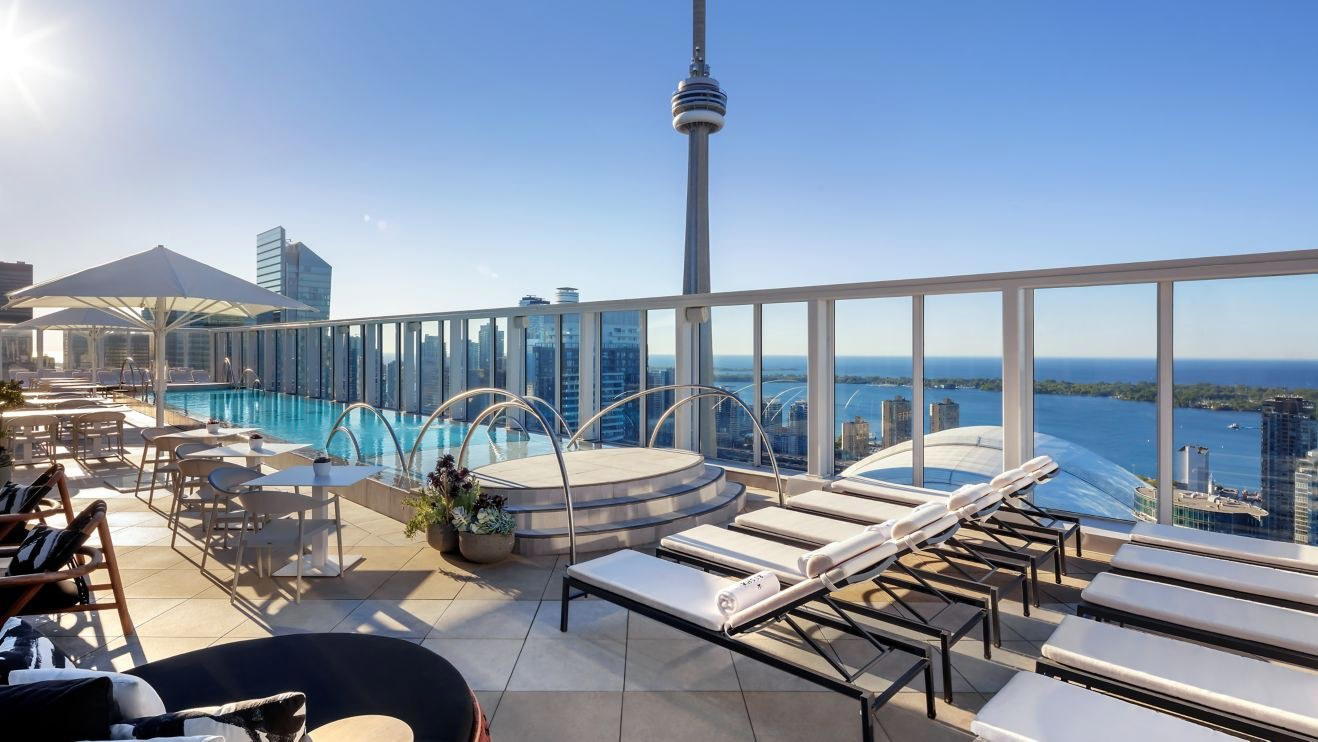
The wellness component at the property is structured around private access: a Technogym-equipped fitness space and a private Pilates room, both framed within the Japanese philosophy of Shiawase, which the property translates as a celebration of happiness and well-being. The framing signals an approach to wellness integrated into the stay. A private Pilates room within a 36-room property suggests a ratio of facility to guest that most larger properties cannot replicate. Properties like 1 Hotel Toronto have made wellness infrastructure a central part of their identity; Nobu's approach pursues similar intent through a more private, less programmatic format.
The service philosophy is Omotenashi, the Japanese concept of hospitality grounded in anticipating needs before they are expressed. In practice, that approach tends to manifest in staffing ratios and attentiveness calibrations that are difficult to sustain at scale, which is one reason the 36-room count reads as a deliberate operational choice rather than a development limitation.
Where This Sits in Toronto's Hotel Scene
Toronto's premium hotel market has a well-established top tier anchored by long-running properties. The Fairmont Royal York holds its position through institutional scale and history. The Bisha Hotel Toronto and Ace Hotel Toronto serve a design and lifestyle-led segment. Nobu Hotel Toronto's 36-room configuration places it outside the volume-driven tier entirely and into a category where the primary offering is concentration: of service, of culinary identity, of design intention. Within Canada, that kind of small-footprint urban luxury is uncommon. Properties like Fogo Island Inn have demonstrated what a limited-key philosophy can achieve in a remote context; Nobu brings a version of that restraint into a major urban centre.
For those building a broader Canadian itinerary, the comparison set extends to properties including the Rosewood Hotel Georgia in Vancouver, the Clayoquot Wilderness Lodge in Tofino, the Manoir Hovey in North Hatley, and the Hotel Le Germain Montreal. Each occupies a different niche in Canada's premium accommodation spectrum. Nobu's entry adds a globally branded culinary-hotel format that has no direct predecessor in the Canadian market. Internationally, the Nobu Hotels concept has proven its format in New York, London, and Malibu; Toronto becomes the first Canadian proof of concept. For cross-border comparisons, guests familiar with Aman New York or The Fifth Avenue Hotel will recognise the template: a small room count, a dominant culinary identity, and a service model calibrated for guests who find large-lobby anonymity unappealing.
Additional Canadian comparisons worth considering include the Fairmont Chateau Whistler, the Fairmont Banff Springs, Fairmont Chateau Lake Louise, the Fairmont Empress Hotel in Victoria, Hôtel Quintessence in Mont-Tremblant, Le Germain Charlevoix Hotel & Spa, The Dorian in Calgary, and The Royal Hotel in Picton for a broader sense of Canada's range. European luxury travellers cross-referencing might look to Aman Venice as a comparable model of brand-led intimate luxury in a city-centre setting.
Planning a Stay
The property is located at 33 Mercer St in Toronto's Entertainment District. Bookings through Virtuoso-affiliated advisors carry access to preferred rates and exclusive amenities. Given the 36-room inventory, availability will be limited by design, and the Virtuoso program structure suggests that early engagement through a member advisor is the more reliable path to securing preferred access during the opening period.
Cuisine and Awards Snapshot
Comparable venues nearby, for context on price, style, and recognition.
| Venue | Cuisine | Price | Awards | Notes |
|---|---|---|---|---|
| Nobu Hotel Toronto - A Virtuoso Preview PropertyThis venue — the venue you are viewing | Contemporary luxury boutique hotel emphasizing Japanese minimalism, discretion, and personalized service within a 45-story mixed-use tower. | $$$$ | 5-Star | Not listed |
| The Pearle Hotel & Spa | Modern lakehouse-inspired luxury retreat | $$$$ | 5-Star | historic downtown Burlington |
| InterContinental Toronto Centre | Urban luxury with penthouse-like suites | $$$$ | 4-Star | Entertainment District |
| Nobu Hotel Toronto | Ryokan-inspired urban sky sanctuary atop residential towers | $$$$ | 5-Star | Entertainment District |
| Hotel X Toronto, a Destination by Hyatt Hotel | Urban resort with resort-style amenities in a downtown waterfront setting | $$$$ | 5-Star | Niagara |
| Nobu Hotel & Restaurant Toronto | Intimate luxury urban sanctuary perched atop a mixed-use tower, combining Nobu’s lifestyle brand energy with a residential, retreat-like feel. | $$$$ | 5-Star | Entertainment District |
Recognition history
Dated appearances from independent guides and award organizations, with the underlying list record or original source where available.
Virtuoso Luxury Hotel Partner
Virtuoso
Continue exploring
More in Toronto
Hotels in Toronto
Browse all →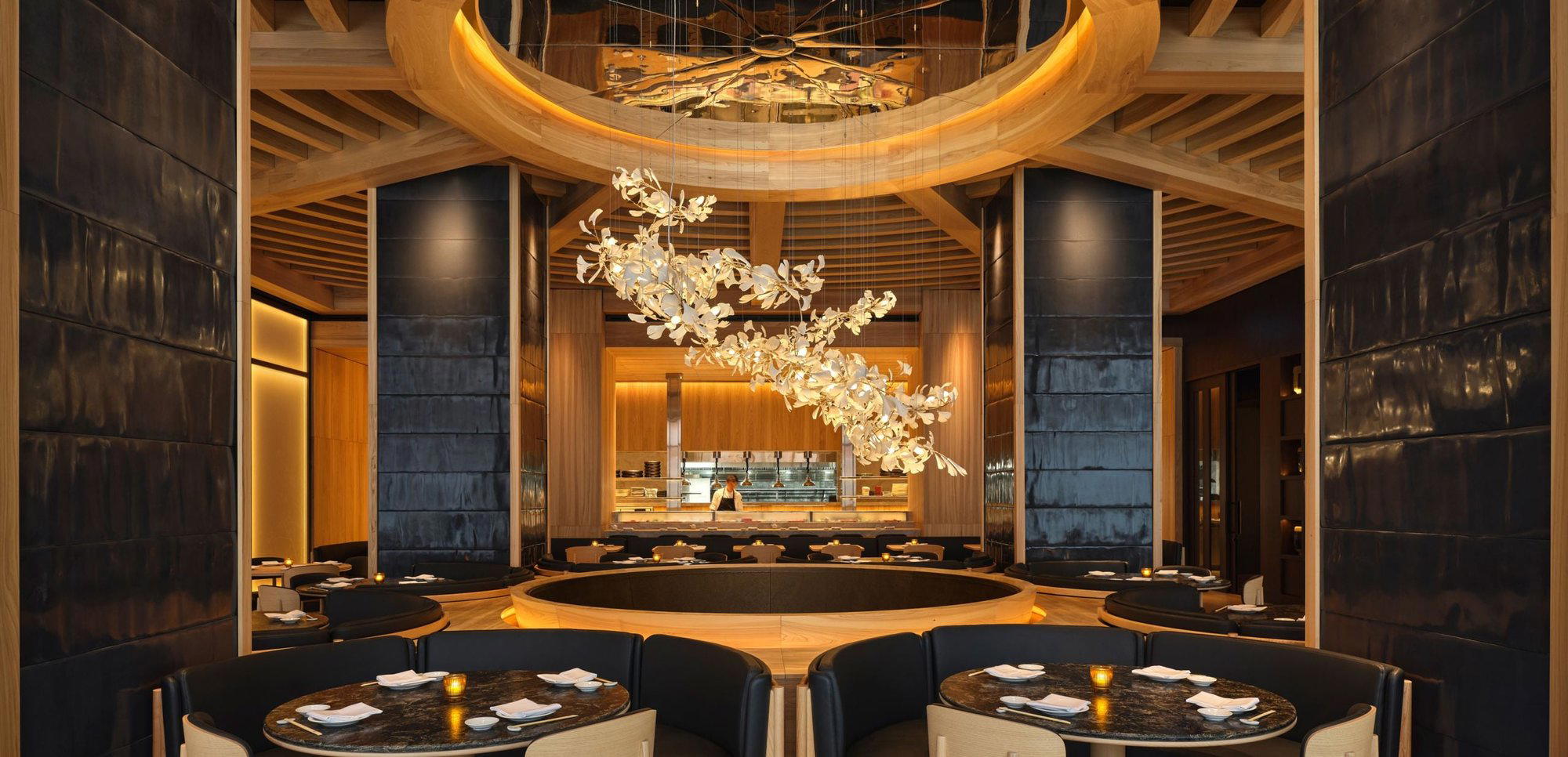
Bars in Toronto
Browse all →
Restaurants in Toronto
Browse all →

At a Glance
- Sophisticated
- Minimalist
- Elegant
- Intimate
- Romantic Getaway
- Wellness Retreat
- Anniversary
- Celebration
- Destination Spa
- Rooftop Pool
- Panoramic View
- Private Dining
- Design Destination
- Wi Fi
- Fitness Center
- Spa
- Room Service
- Concierge
- Valet Parking
- EV Charging
- Restaurant
- Bar
- Skyline
- Waterfront
- Wi Fi
- Fitness Center
- Spa
- Room Service
- Concierge
- Valet Parking
- EV Charging
- Restaurant
- Bar
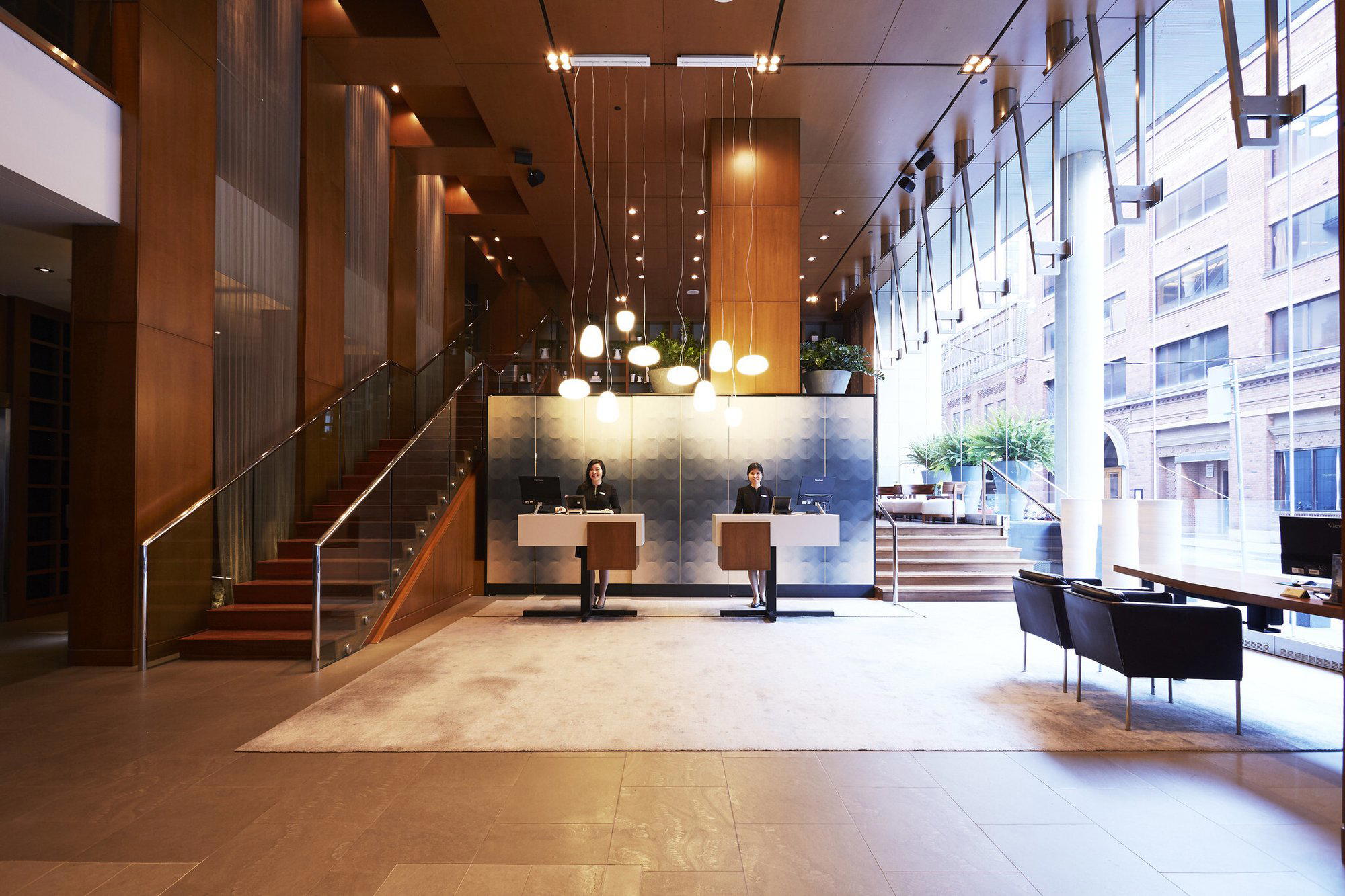
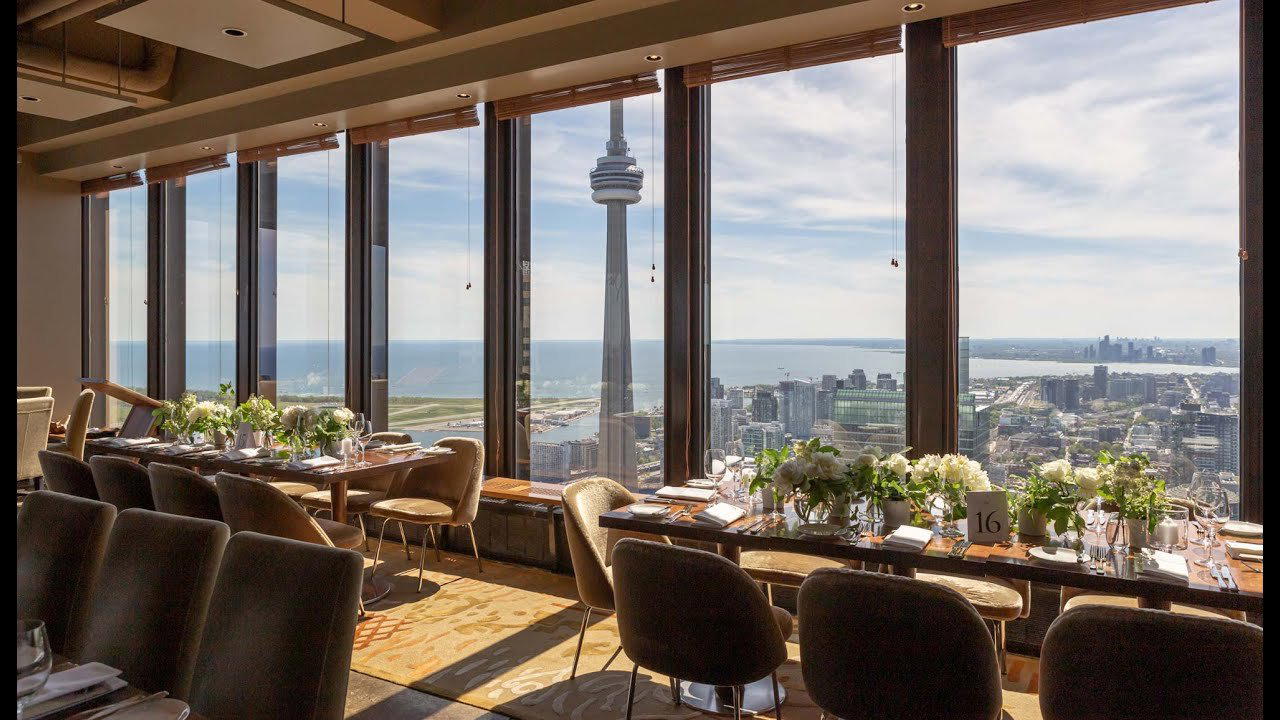
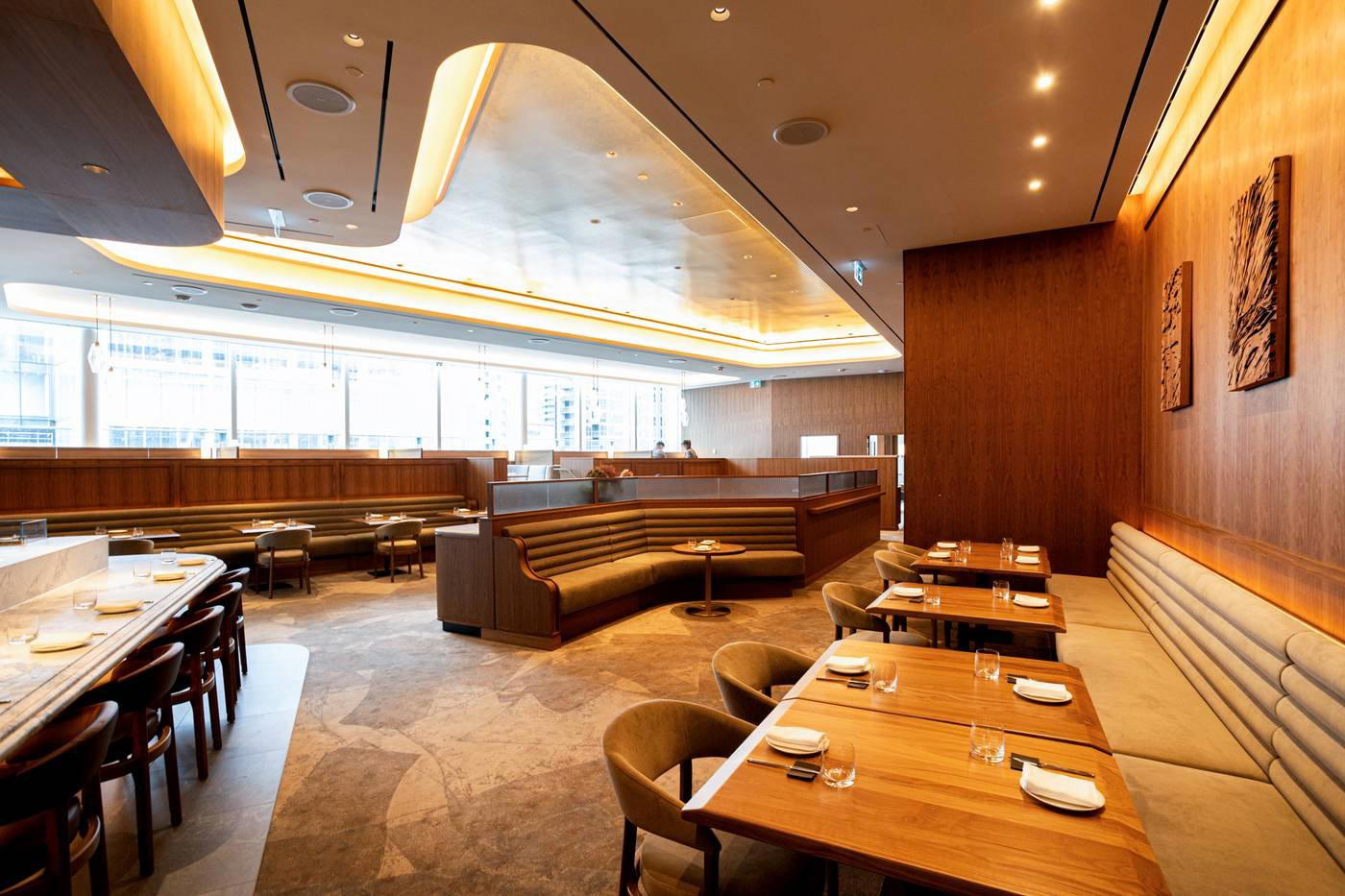
Serene and minimalist with warm neutral tones, soft lighting, and Japanese-inspired design elements; spa-like atmosphere with preserved heritage details and modern oak paneling creating an intimate, private living room aesthetic.