
Michelin Selected
Nhow Brussels Bloom holds a Michelin Selected designation for 2025, placing it within a curated tier of Brussels hotels recognised for design and experience above convention. Located on Rue Royale in Sint-Joost-ten-Node, it occupies one of the Belgian capital's most architecturally layered corridors, where 19th-century facades give way to contemporary hospitality programming. For design-conscious travellers, it represents one of Brussels' more considered choices in the mid-to-upper accommodation tier.

Pearl is the En Primeur Club membership app — saves, bookings, and concierge access live there. Same editors, same standards.
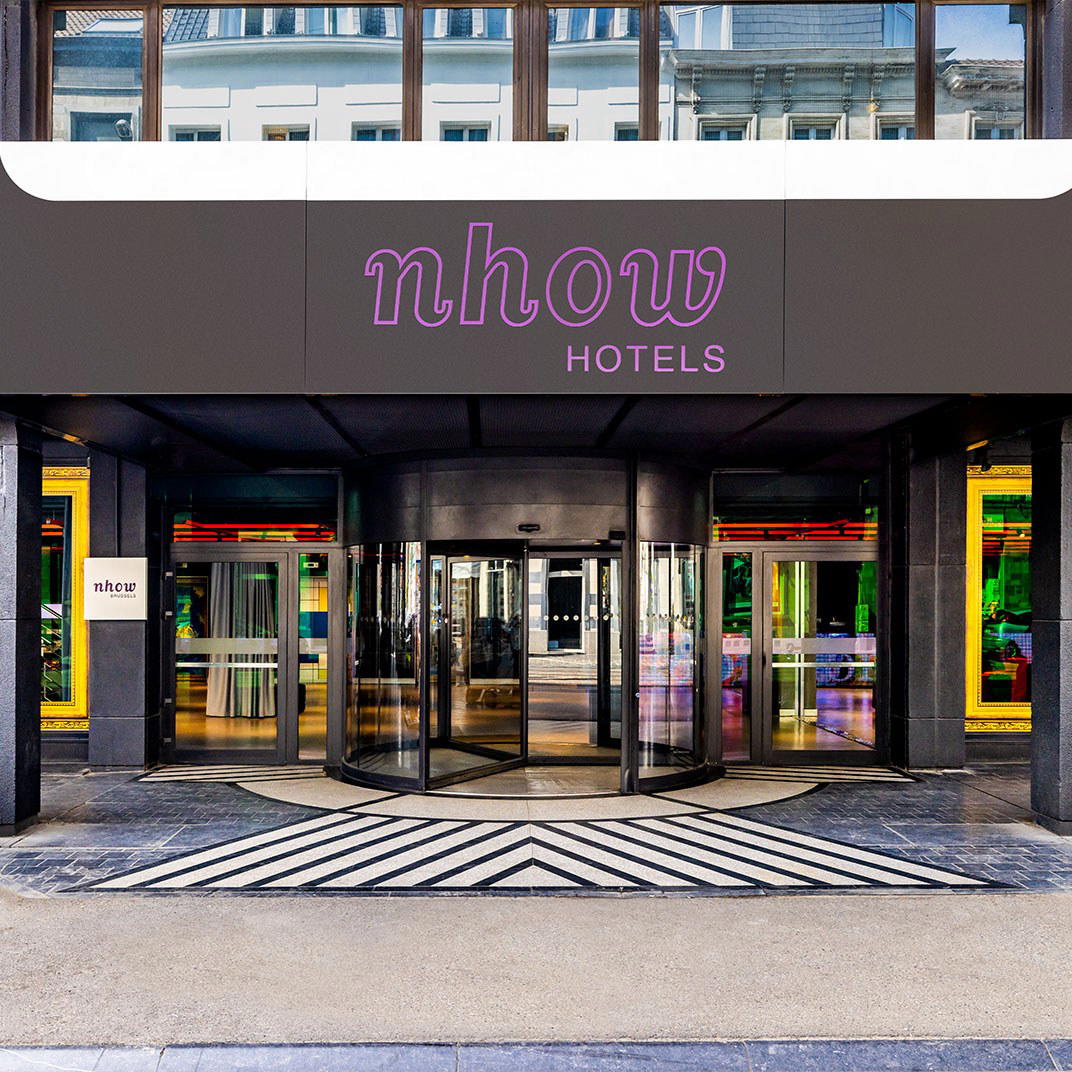
Where Rue Royale Sets the Stage
Rue Royale is not a street that whispers. Running from the Place des Palais down through Sint-Joost-ten-Node, it carries the architectural weight of Brussels' neoclassical ambitions, flanked by institutions, galleries, and a succession of facades that make the city's layered urban identity legible at a walking pace. Hotels that position themselves along this axis are making an implicit statement about neighbourhood context: they are aligning with Brussels' civic and cultural gravity rather than with the tourist density around the Grand-Place or the European Quarter's functional hotel stock. Nhow Brussels Bloom, addressed at number 250, sits squarely within this tradition.
The nhow brand, part of the NH Hotel Group portfolio, has built its international identity around design-forward properties that treat the hotel as a cultural object rather than a transactional space. That positioning is consistent across its other European addresses, and in Brussels it meets a city that has its own sophisticated relationship with design, architecture, and contemporary art. Brussels is home to Art Nouveau heritage at a density few European capitals can match, and its contemporary hotel market has responded to that context with a cohort of properties that foreground visual identity. Nhow Brussels Bloom participates in that conversation.
Design as the Primary Argument
The nhow brand's defining characteristic across its portfolio is the use of colour, material, and spatial gesture at a scale that most hotel operators avoid. Where comparable Brussels addresses like the Juliana Hotel Brussels or Made in Louise pursue a quieter, more residential design register, nhow properties tend to operate at higher visual volume. The design logic is less about restraint and more about the hotel as an experience of space itself, where corridors, lobbies, and room interiors are conceived as continuous artistic environments rather than neutral containers.
This approach places Nhow Brussels Bloom in a specific competitive tier within Brussels hospitality. It is not chasing the heritage gravitas of the Corinthia Grand Hotel Astoria Brussels or the discreet luxury of Hotel Amigo, a Rocco Forte Hotel. Instead, it occupies the space where contemporary design sensibility and cultural programming converge, appealing to travellers who read the hotel's aesthetic as part of the destination experience rather than a backdrop to it.
For context, this mirrors a broader split in European city hotels over the past decade. Properties in the nhow tier compete less on thread counts or room service menus and more on whether the physical environment itself generates a reaction. The Michelin Selected designation for 2025 confirms that this approach has been recognised within a credentialled framework, placing Nhow Brussels Bloom among a curated set of hotels the Guide considers worth directing travellers toward.
The Sint-Joost-ten-Node Context
Sint-Joost-ten-Node is the smallest of Brussels' nineteen municipalities and carries an energy distinct from the more polished hotel corridors of the central pentagon. It is a neighbourhood of density and cultural mixing, where independent restaurants, art spaces, and architectural remnants from multiple eras coexist at close quarters. For hotel guests, this means the immediate surroundings of Nhow Brussels Bloom offer a more textured urban experience than properties positioned closer to the tourist infrastructure of the Lower Town.
The Rue Royale address specifically benefits from proximity to the Parc de Bruxelles and the cluster of museums and cultural institutions that anchor the upper part of the street. The Musées Royaux des Beaux-Arts, with its collection spanning Flemish masters and Belgian modernism, is within walking distance, as is the Palais des Beaux-Arts (Bozar), one of Victor Horta's civic masterpieces. For guests whose interest in Brussels extends beyond the Grand-Place circuit, this neighbourhood positioning is a practical advantage.
Where It Sits in the Brussels Hotel Market
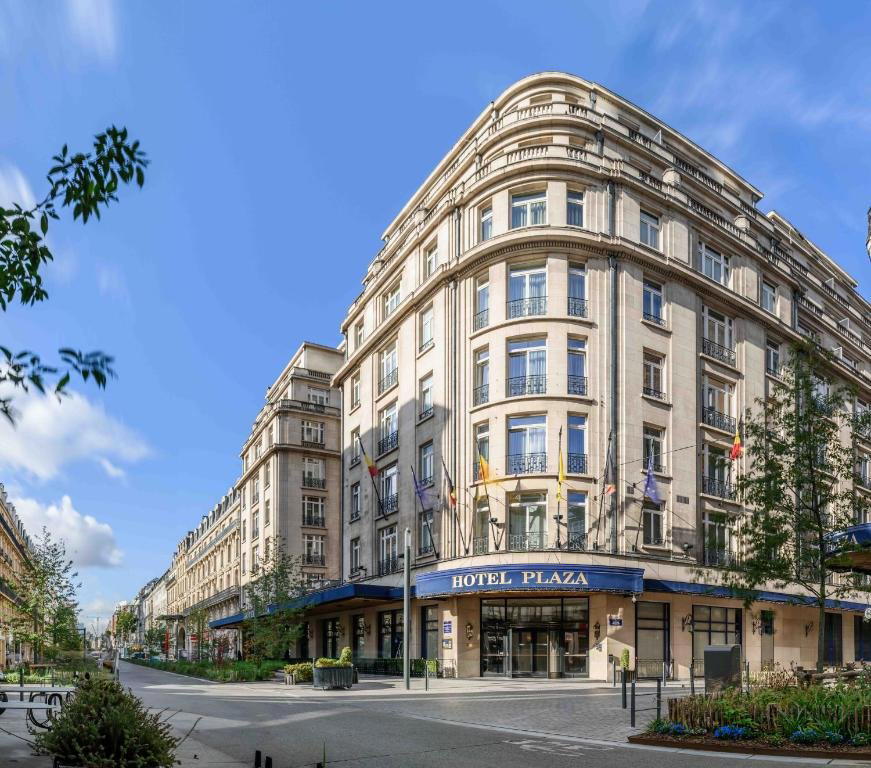
Brussels' hotel market has diversified considerably over the past several years, with design-led independents and boutique conversions joining the established international chains. Properties like JAM Hotel, Harmon House, and Craves represent the newer cohort of design-conscious addresses, while La Plaza Brussels occupies a different register. Nhow Brussels Bloom's Michelin Selected status for 2025 places it within the recognised tier of this broader market, alongside properties that Michelin's hotel team considers to meet a standard of experience worth documenting.
Belgium's wider hotel offer extends well beyond the capital. For travellers moving through the country, Botanic Sanctuary Antwerp in Antwerp represents the heritage conversion model at scale, while the coast offers contrasting formats at La Réserve Knokke-Heist in Knokke Heist and C-Hotels Silt in Middelkerke. The Ardennes and Wallonia offer a further range of formats, from Manoir de Lébioles in Liège to Château Beausaint in La Roche En Ardenne, Le Sanglier des Ardennes in Durbuy, and Le Château de Mirwart in Mirwart. Flemish options include the characterful Hotel De Orangerie in Bruges, Ganda Rooms and Suites in Ghent, Louis1924 in Dilbeek, and Villa Copis in Borgloon. For those who stay in Brussels and want to explore the dining scene more broadly, our full Brussels restaurants guide maps the city's notable addresses by neighbourhood and format.
Beyond Belgium entirely, the nhow design approach has parallels in how other European city hotels have carved out cultural identity. Properties like Hôtel de Paris Monte-Carlo in Monte Carlo and Badrutt's Palace Hotel in St. Moritz operate at the heritage luxury end of the spectrum, while addresses like The Fifth Avenue Hotel in New York City show how the design-identity model translates across markets. Nhow Brussels Bloom, within this international frame, occupies the contemporary design tier where the hotel's visual and cultural programming does significant work in defining the guest experience. There is also NE5T Hotel and Spa in Namur and Hotel Agora Brussels Grand Place in Pl De Brouckere for guests considering alternatives within different Belgian city registers.
Planning a Stay
Nhow Brussels Bloom is located at Rue Royale 250 in Sint-Joost-ten-Node, accessible from Brussels-Midi station by metro or tram along a well-connected central corridor. The Michelin Selected designation for 2025 signals that the property has cleared a meaningful quality threshold, and for travellers prioritising design and neighbourhood positioning over traditional luxury markers, the Rue Royale address places daily access to Brussels' cultural institutions within a short walk. Booking directly or through established travel partners is the standard approach for this tier of Brussels hotel.
Comparison Snapshot
Comparable venues nearby, for context on price, style, and recognition.
| Venue | Cuisine | Price | Awards | Notes |
|---|---|---|---|---|
| Nhow Brussels BloomThis venue — the venue you are viewing | Contemporary art-inspired design hotel positioned as a creative social hub blending accommodation with cultural experiences and street food dining. | $100–200 | Michelin Selected | Not listed |
| Zoom Hotel | Contemporary boutique in a townhouse with industrial-cosy charm. | $100–200 | Michelin Selected | Ixelles |
| The Hoxton, Brussels | Contemporary design hotel blending corporate brutalism with playful 1970s nostalgia in a repurposed office tower. | $100–200 | Michelin Selected · Mr & Mrs Smith Seal of Approval | Northern Quarter (Saint-Josse-ten-Noode) |
| Made in Louise | Renovated 20th-century Brussels townhouse in Art Nouveau district | $100–200 | Michelin Selected | Louise |
| JAM Hotel | Trendy urban design hotel in a repurposed 1970s building blending boutique and hostel elements. | $1–100 | Michelin Selected | Saint-Gilles |
| Stanhope Hotel Brussels by Thon Hotels | Historic boutique hotel blending classic charm with modern sophistication | $100–200 | Michelin Selected | European Quarter |
Recognition history
Dated appearances from independent guides and award organizations, with the underlying list record or original source where available.
Michelin Selected
Michelin
Continue exploring
More in Brussels
Hotels in Brussels
All hotels in Brussels →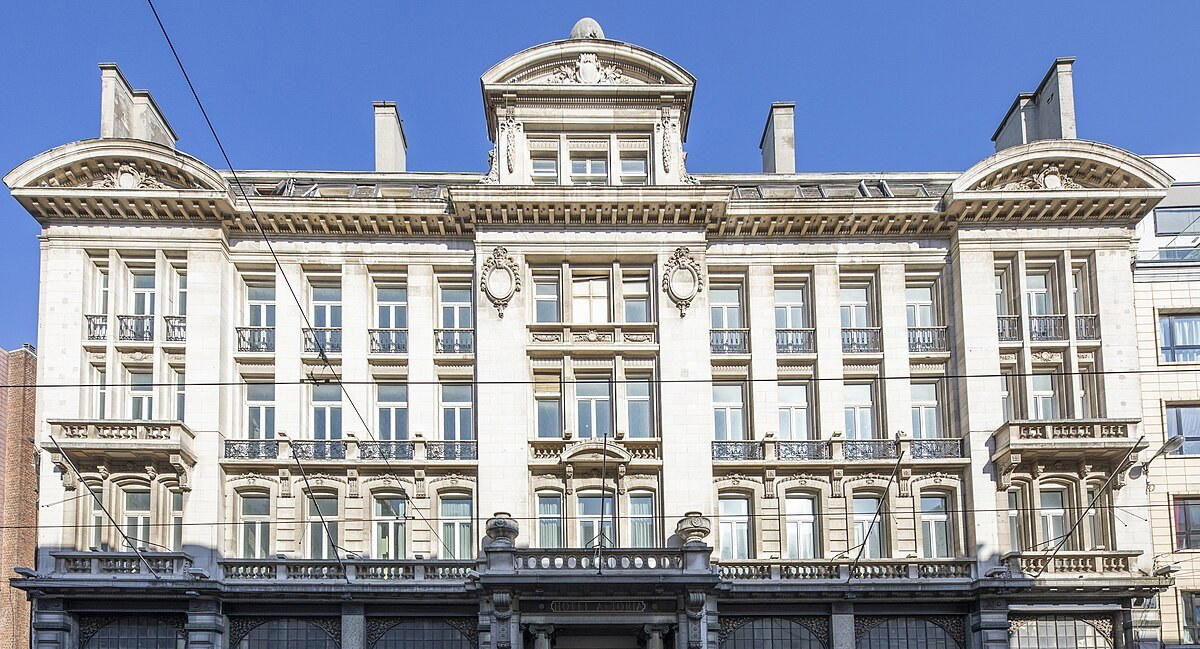
Bars in Brussels
All bars in Brussels →
Restaurants in Brussels
All restaurants in Brussels →
Wineries in Brussels
Browse all →
Details
- Modern
- Lively
- Trendy
- Business Trip
- Weekend Escape
- Family Vacation
- Design Destination
- Panoramic View
- Wi Fi
- Fitness Center
- Restaurant
- Bar
- Luggage Storage
- Skyline
- Street Scene
- Wheelchair Accessible
- Elevator
- Accessible Restroom
Lively and energetic with bright, colorful contemporary art throughout; modern design with creative touches; lively social hub atmosphere enhanced by the Botanique district's cultural venues.