Ngorongoro Serena Safari Lodge
The Ngorongoro Crater is a UNESCO World Heritage Site and one of Africa's most concentrated wildlife areas, a collapsed volcanic caldera sheltering roughly 25,000 animals within its 260-square-kilometre floor. Lodges along the crater rim, from andBeyond Ngorongoro Crater Lodge to Elewana the Manor at Ngorongoro, offer a rare vantage point above the action, combining proximity to the crater with a dramatically different altitude and temperature to the Serengeti plains below.
Pearl is the En Primeur Club membership app — saves, bookings, and concierge access live there. Same editors, same standards.
- Address
- Tanzania
- Directions
- Get directions
 Saves & bookings on Pearl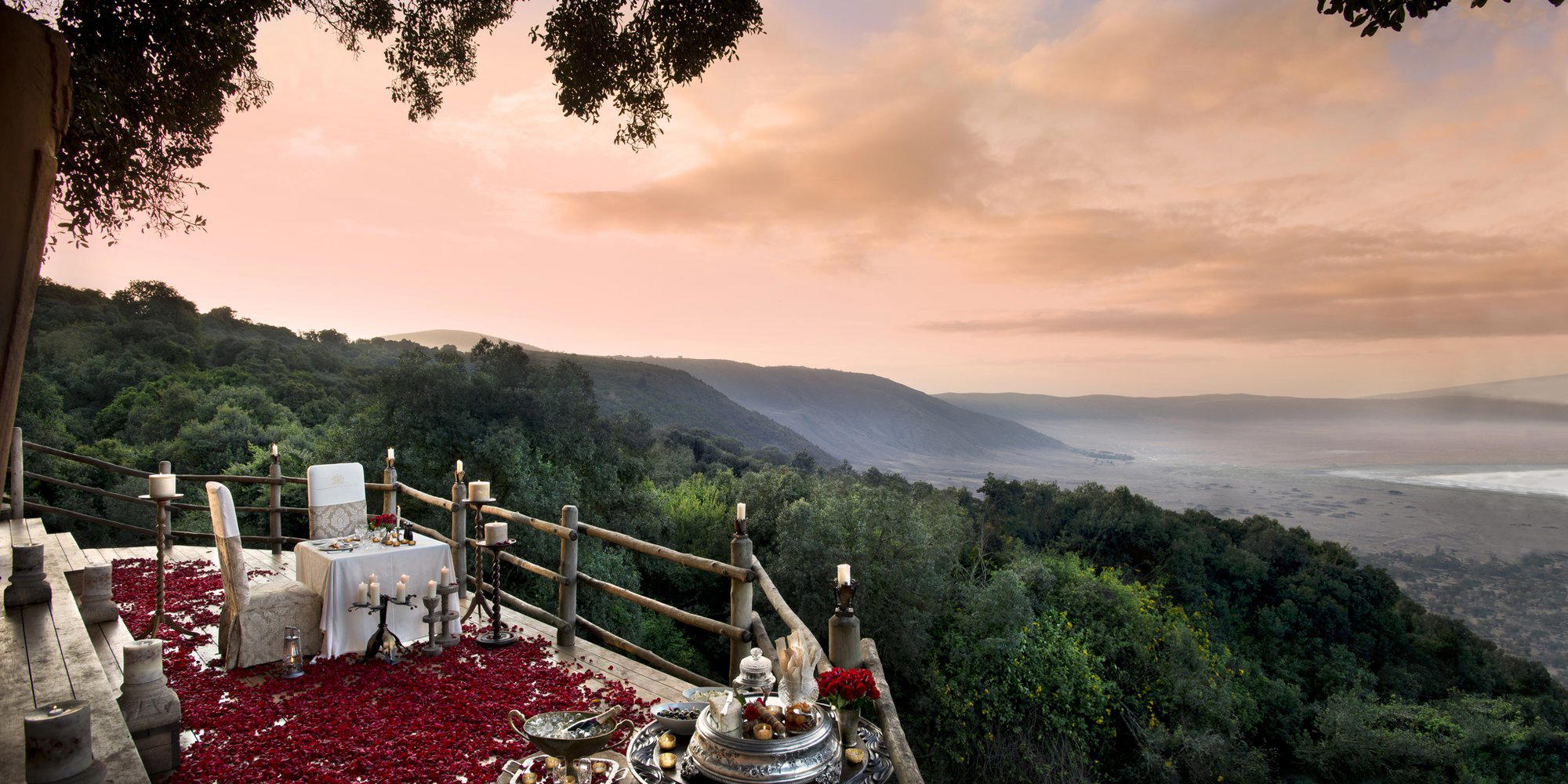
The Crater Rim and What It Asks of You
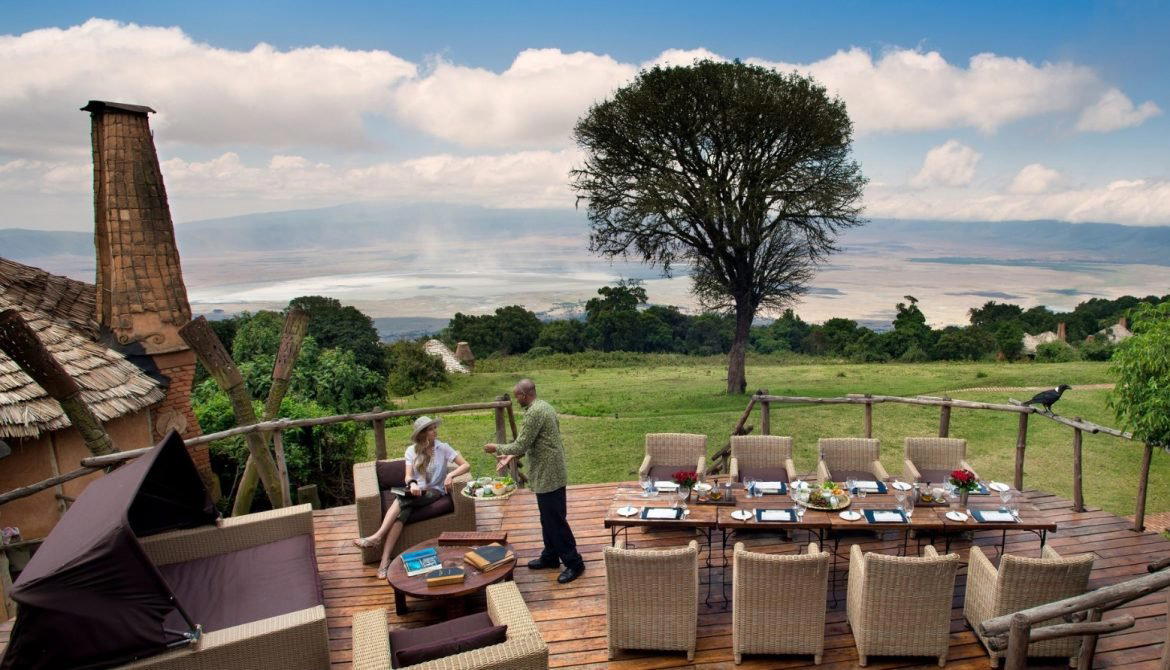
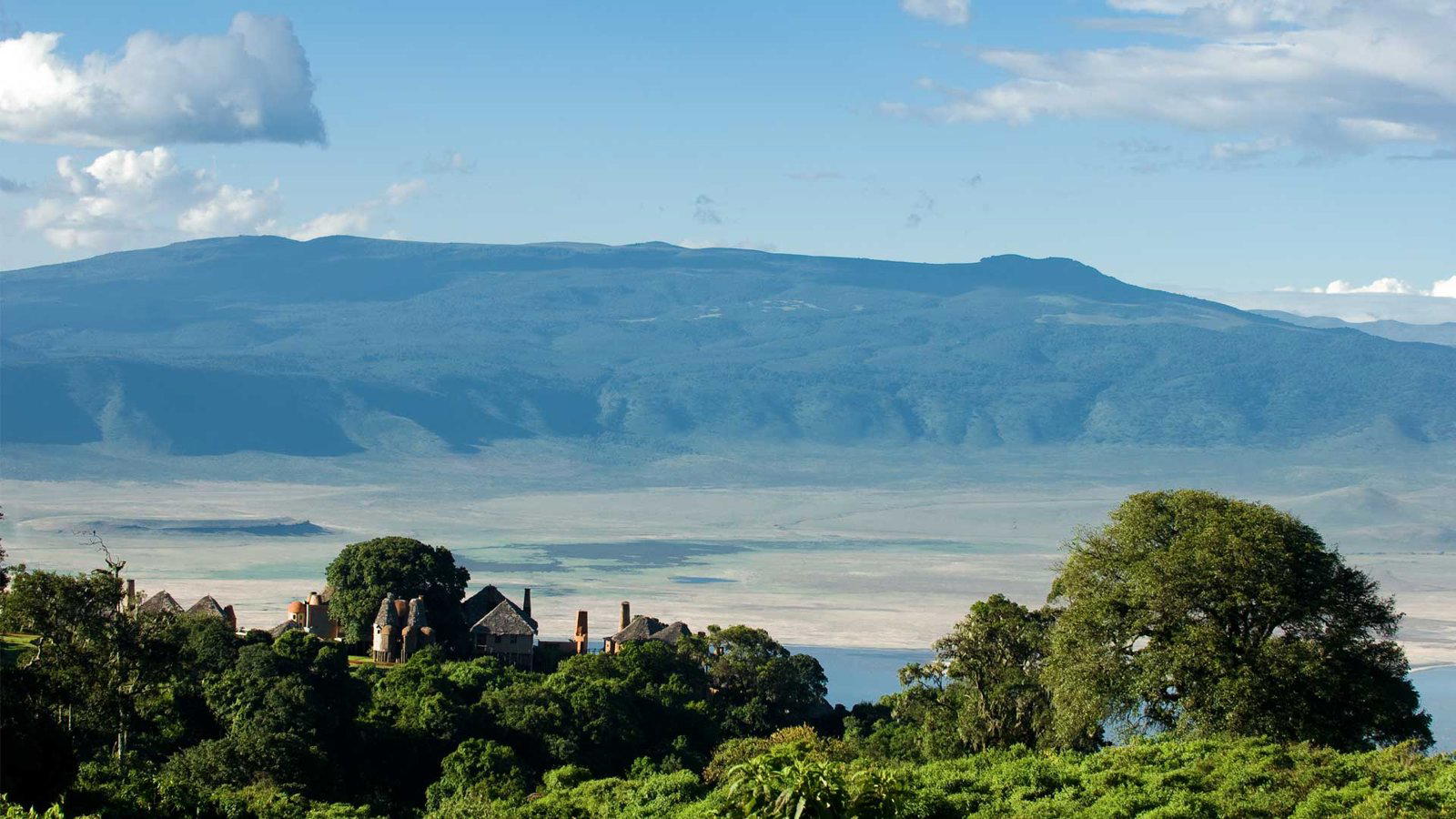
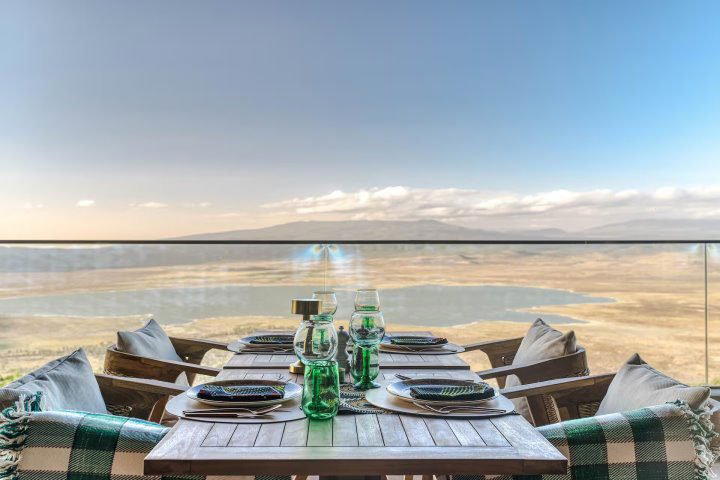
Ngorongoro Crater is a five-star hotel in Tanzania, with rates from about $1,000 a night. At roughly 2,300 metres above sea level, the Ngorongoro Crater rim carries a cold that surprises most visitors arriving from Arusha or the warmer Serengeti corridor. Mist collects in the early morning along the caldera's edge, and the view down to the crater floor, where lion prides move through open grass and black rhino are among the few self-sustaining wild populations in East Africa, takes a moment to register in full scale. The crater measures approximately 19 kilometres across and drops around 600 metres to the floor, enclosing roughly 260 square kilometres of savanna, forest, swamp, and soda lake. The UNESCO World Heritage designation, awarded in 1979, reflects both the geological significance of the caldera and the density of wildlife it supports. Estimates put the resident animal count at around 25,000, a figure that includes all of Africa's Big Five within a contained and driveable geography.
This is the foundational fact around which everything else here organises itself: concentration. Big game safaris in the broader northern Tanzania circuit, the Serengeti, Tarangire, Lake Manyara, ask for patience and distance. The crater compresses that experience. A single half-day descent can yield sightings that would take several days of open-plains driving elsewhere. That compression is precisely why the crater draws the volume of visitors it does, and why managing it well requires lodges to think carefully about pacing, access timing, and what the experience actually delivers beyond the windscreen.
How the Rim Properties Position Themselves
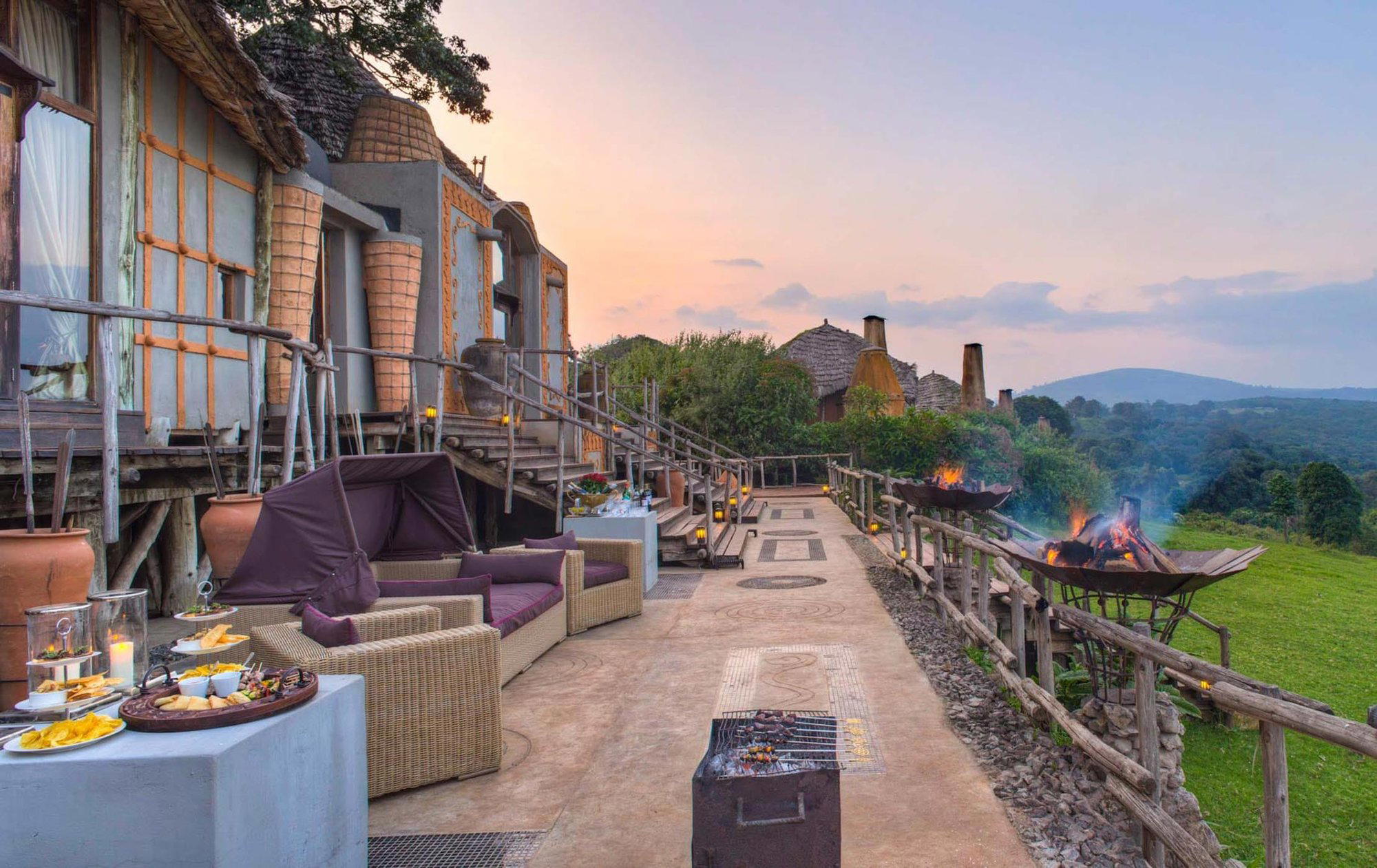
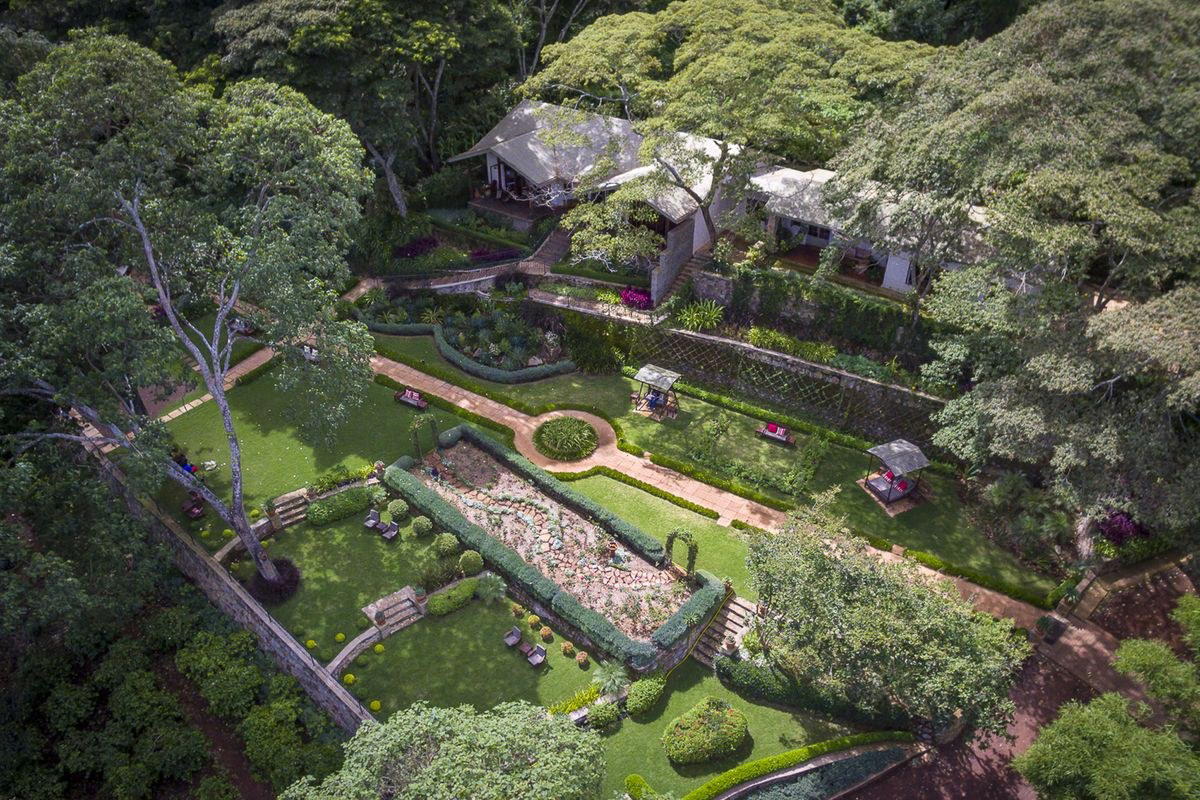
Accommodation options on the Ngorongoro Crater rim split roughly between full-service lodge formats and lighter camp structures, all of them operating above the crater floor itself, no overnight stays are permitted inside the crater. andBeyond Ngorongoro Crater Lodge occupies the upper tier, with a colonial-baroque interior aesthetic that sits in deliberate tension with its wilderness setting. Elewana the Manor at Ngorongoro takes a different register, a working coffee farm setting that connects the property to the agricultural history of the highlands surrounding the conservation area. NgoroNgoro Lodge sits at a mid-range position within the rim cluster, while Ndutu Camp serves the southern Ngorongoro Conservation Area near the Serengeti border, positioning itself around the calving season migration that typically runs from December through March.
The spatial logic of the northern Tanzania circuit means most visitors approach from Arusha, roughly a three-hour drive west. Those arriving via Kilimanjaro International Airport often spend a night in Arusha before heading into the conservation area. Properties like Arusha Coffee Lodge or Gibb's Farm in Karatu, the town immediately below the Ngorongoro highlands, function as logical staging properties before or after crater access, giving the circuit a natural rhythm without requiring daily long drives.
Service in a Conservation Context
The guest experience inside the Ngorongoro Conservation Area is shaped as much by regulation as by hospitality philosophy. The NCA Authority controls descent permits, limits the number of vehicles on the crater floor at any given time, and sets rules around where guests can exit vehicles. This regulatory layer means that the quality differential between rim properties is expressed less in what guests can do on the crater floor and more in how properties manage the experience around it: the predawn briefings, the packed lunches, the debrief on return, and how naturalist guides move through the permit and timing systems to get clients onto the floor at first light when traffic is lowest.
Better-performing rim properties operate their guiding programs with the understanding that information density matters as much as animal proximity. A guide who can explain the crater's hydrology, why the soda lake draws flamingos in certain months, how the absence of giraffe relates to the caldera wall's tree cover, turns a vehicle transit into something the guest retains. This framing, contextualised and specific rather than reactive and descriptive, separates rim lodge guiding programs that have invested in naturalist training from those that have not. For comparison, properties in the broader andBeyond Tanzania network such as andBeyond Grumeti Serengeti River Lodge, andBeyond Klein's Camp, andBeyond Lake Manyara Tree Lodge, and andBeyond Serengeti Under Canvas apply comparable guiding philosophies across their Tanzania footprint, making a multi-property itinerary a coherent rather than fragmented experience.
Where the Crater Fits in a Wider Tanzania Itinerary
Ngorongoro Crater rarely functions as a standalone destination. Most itineraries pair it with Serengeti access to the west, properties like Four Seasons Safari Lodge Serengeti or ENVI Sisini Serengeti, or extend south into the Ruaha ecosystem via JABALI RIDGE in Ruaha National Park. Tarangire, typically two hours from Arusha and accessible before reaching the crater, adds elephant concentration in the dry months: Kuro Tarangire covers that corridor. The Lake Manyara sector, a short transit from Karatu, fills in the tree-climbing lion narrative that the crater floor itself doesn't offer.
Coastal extension into Zanzibar or Dar es Salaam has become a standard appendage for international travellers building out two-week Tanzania programs. Options range from Park Hyatt Zanzibar in Stone Town and Amani Boutique Hotel to design-led properties like ENVI Paje and Xanadu Luxury Villas and Retreat Zanzibar, or the isolation of Bawe Island. For urban transit, Hotel Sea Cliff in Dar es Salaam covers the mainland coastal waypoint. Chem Chem Lodge adds a private concession option north of Lake Manyara for those wanting to avoid the main crater traffic entirely.
Planning the Visit
Descent permits must be arranged through the Ngorongoro Conservation Area Authority, and rim lodges typically handle this as part of the booking process. The driest months, June through October, deliver the clearest crater floor visibility and reliable predator activity around the central lake. January through March brings the calving season to Ndutu and the southern conservation area, which draws a different wildlife pattern. Most rim properties have minimum two-night stays and operate full-board packages covering game drive logistics; independent crater access without a lodge arrangement is technically possible but operationally inefficient.
Cuisine and Credentials
Comparable venues nearby, for context on price, style, and recognition.
| Venue | Cuisine | Price | Awards | Notes |
|---|---|---|---|---|
| Ngorongoro CraterThis venue — the venue you are viewing | Luxury safari lodge perched on the crater rim. | $$$$ | 5-Star | Not listed |
| andBeyond Ngorongoro Crater Lodge | Maasai Versailles: a fusion of African vernacular architecture with European baroque luxury, featuring mud-plaster walls, banana-leaf ceilings, and ornate Victorian interiors. | $$$$ | 5-Star | Ngorongoro Conservation Area |
| NgoroNgoro Lodge | Modern luxury lodge blending seamlessly with the Ngorongoro Crater rim environment. | $$$$ | 5-Star | Lerai Ranger Post |
| Elewana the Manor at Ngorongoro | Old-world Cape Dutch manor house blending East African hospitality with Afro-European architecture, positioned as an elegant upscale safari lodge. | $$$$ | 5-Star | Karatu |
| Ndutu Camp | Traditional stone and thatch safari lodge | $$$$ | Not listed | Ngorongoro Conservation Area |
| Singita Faru Faru | Contemporary African bush lodge with organic, tented architecture blending into the Serengeti landscape. | $$$$ | 5-Star | Grumeti Reserve |
Continue exploring
More in Ngorongoro
Hotels in Ngorongoro
Browse all →
Bars in Ngorongoro
Browse all →
Restaurants in Ngorongoro
Browse all →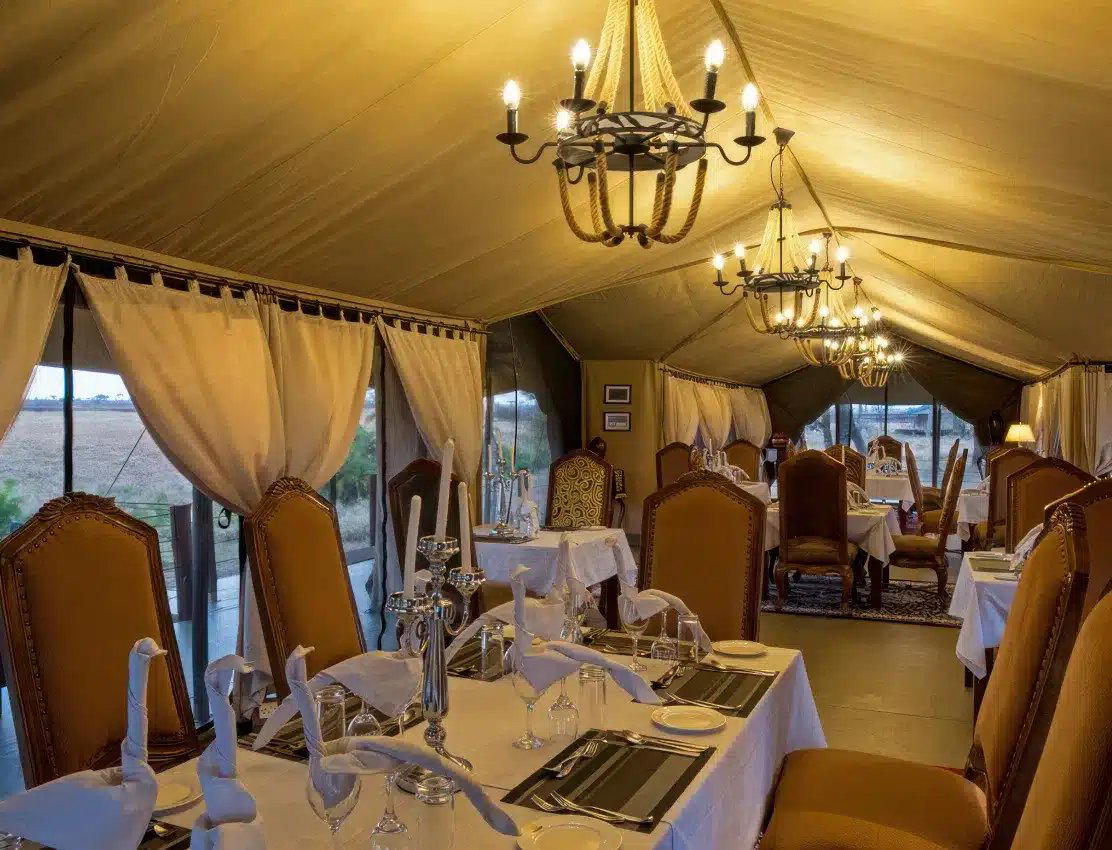
At a Glance
- Scenic
- Elegant
- Rustic
- Ornate
- Intimate
- Honeymoon
- Romantic Getaway
- Celebration
- Panoramic View
- Private Villa
- Terrace
- Pool
- Spa
- Room Service
- Concierge
- Mountain
- Pool
- Spa
- Room Service
- Concierge
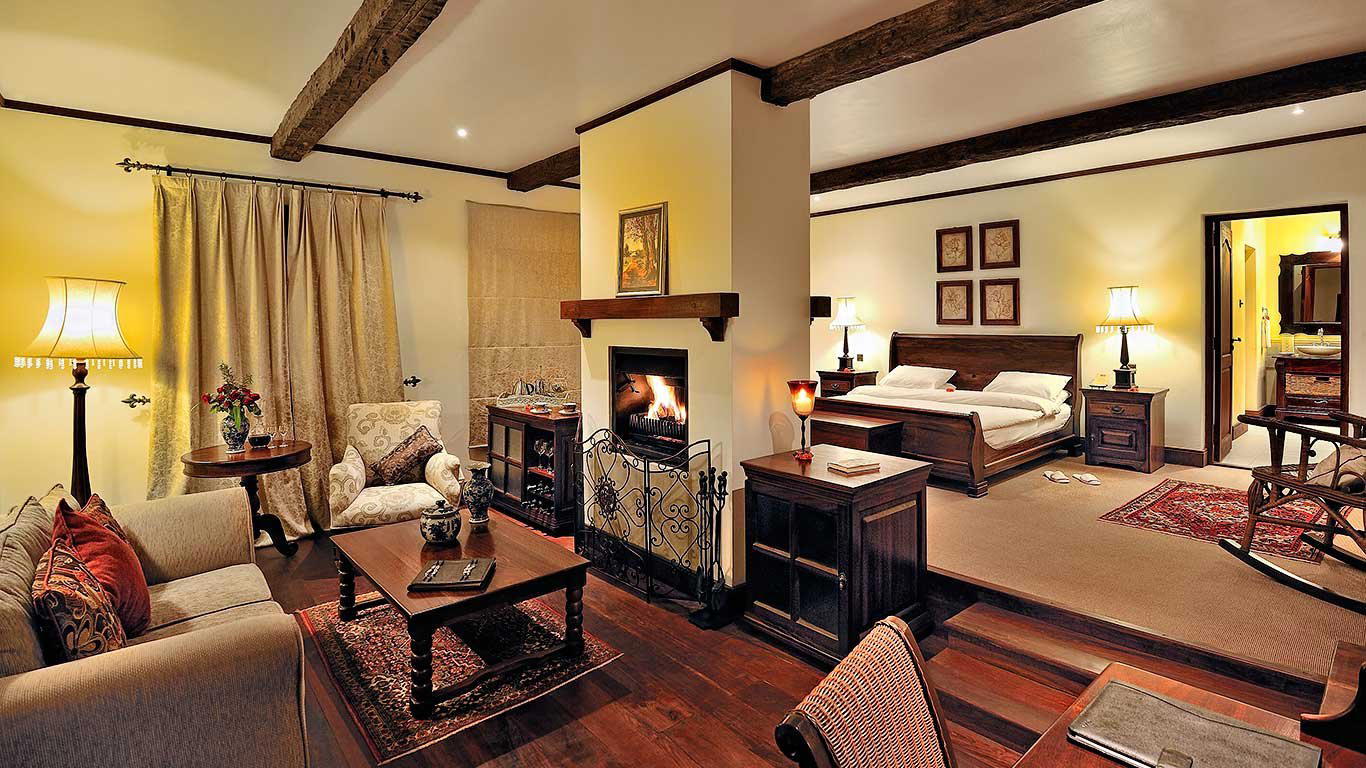
Roaring fireplaces, chandelier-lit interiors, and paneled walls create a dramatic, luxurious colonial atmosphere.