
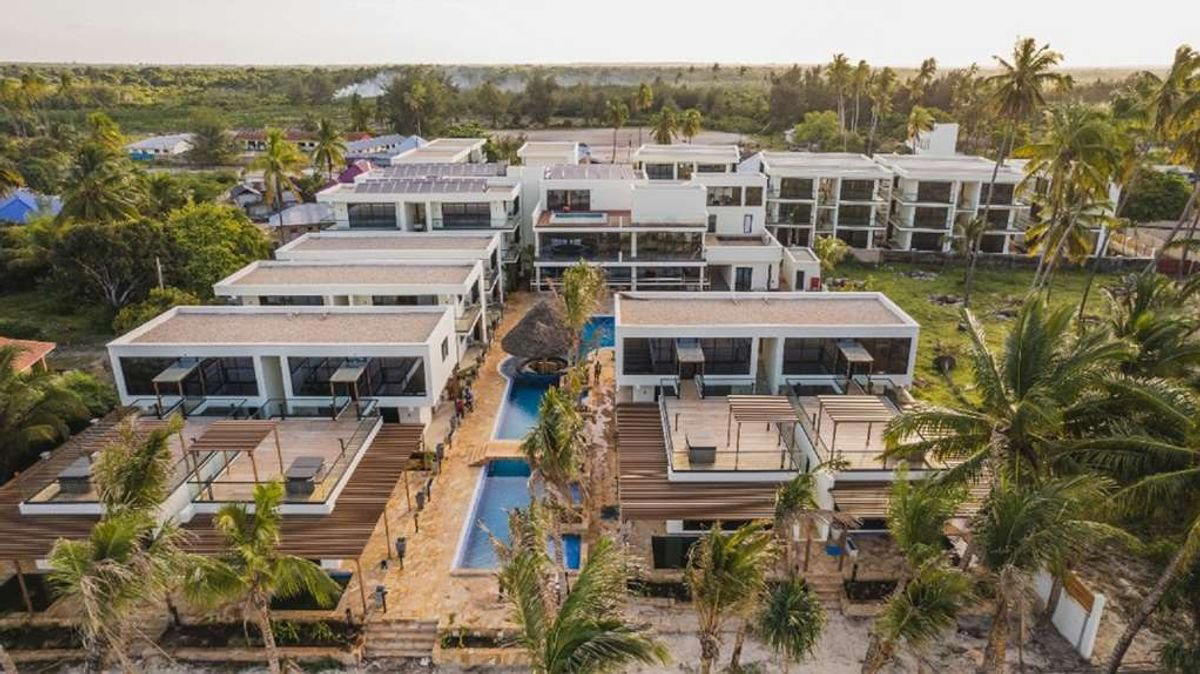
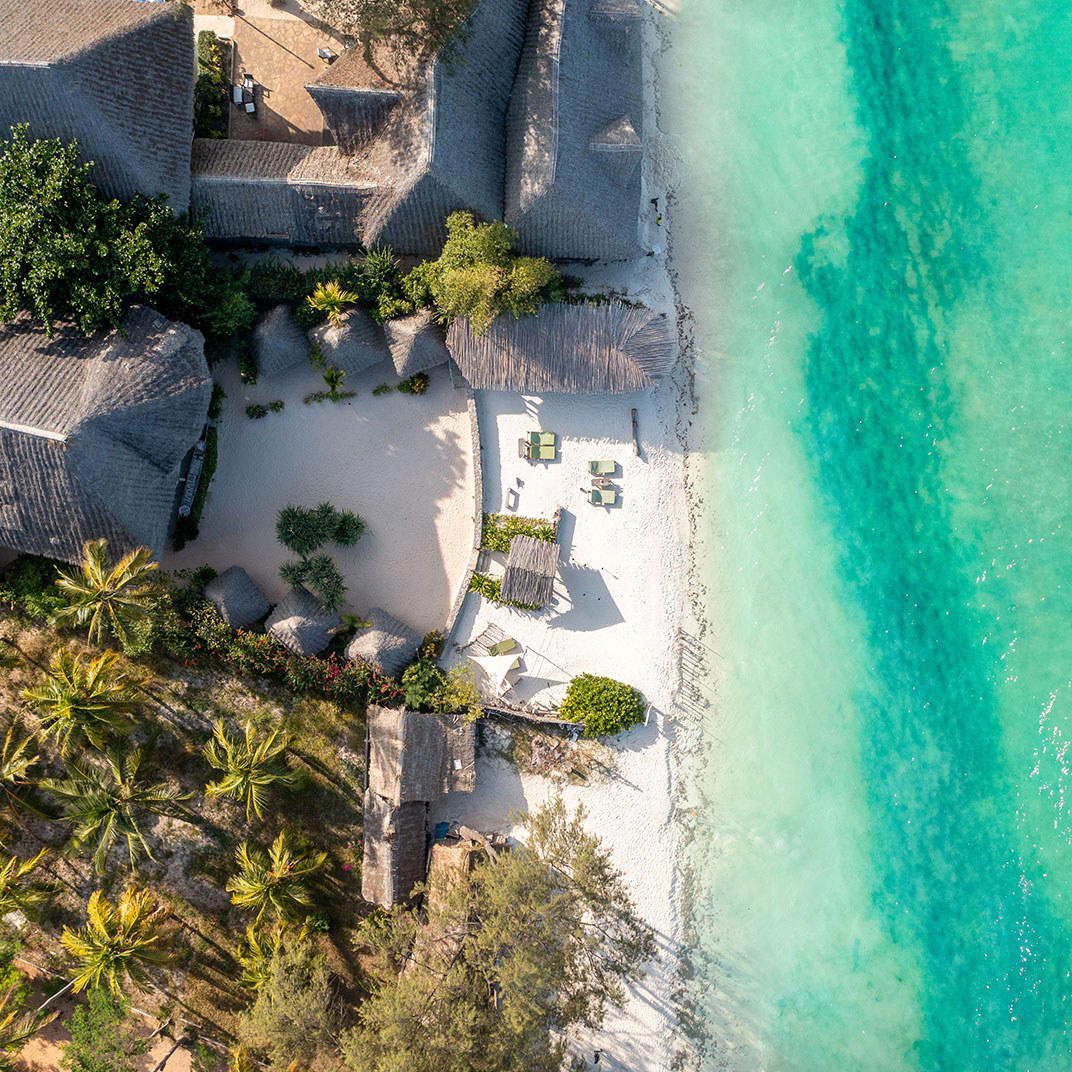
On Paje Beach along Zanzibar's south coast, Amani Boutique Hotel positions itself at the quieter, more design-conscious end of the island's accommodation spectrum. Hand-carved details and an orientation toward the Indian Ocean define the aesthetic, placing it firmly in the small-property, atmosphere-led tier that has grown alongside Zanzibar's reputation as a destination for considered travel rather than resort-scale tourism.
Pearl is the En Primeur Club membership app — saves, bookings, and concierge access live there. Same editors, same standards.
- Address
- Paje, South Coast ZANZIBAR, Paje
- Phone
- +255 773 095 875
- Website
- amanizanzibar.com
- Directions
- Get directions
 Saves & bookings on Pearl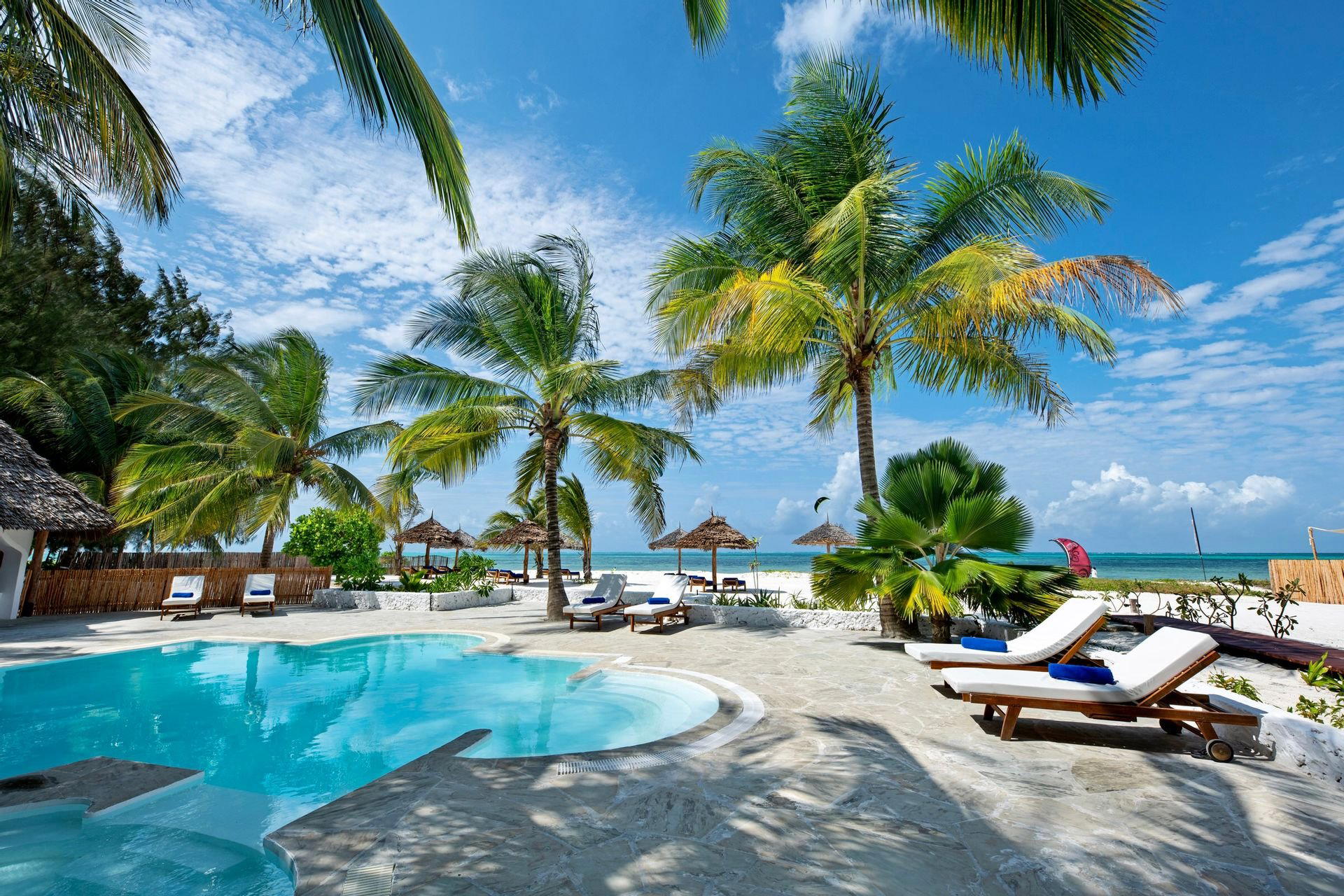
Paje Beach and the Architecture of Doing Less
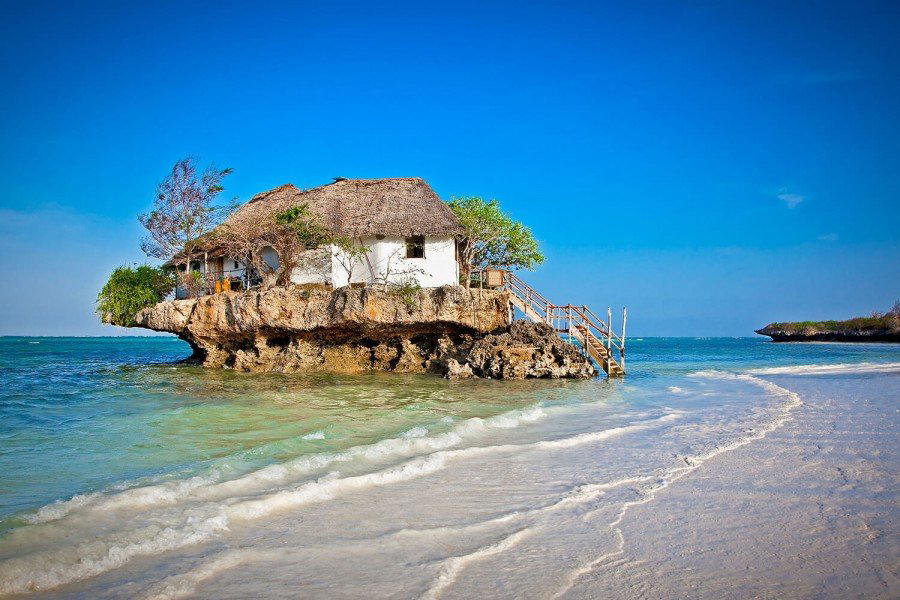
Paje sits on Zanzibar's southeast coast, where the tidal flats stretch out so far at low tide that the Indian Ocean retreats to a thin blue line on the horizon. The village has long attracted a particular kind of traveller: one who prefers kite-surfing conditions and open-air dinners over the resort circuit that dominates the island's north. Within that setting, Amani Boutique Hotel operates in a tier defined by material integrity and proximity to the water. The name means "peace" in Swahili.
What You See When You Step Inside
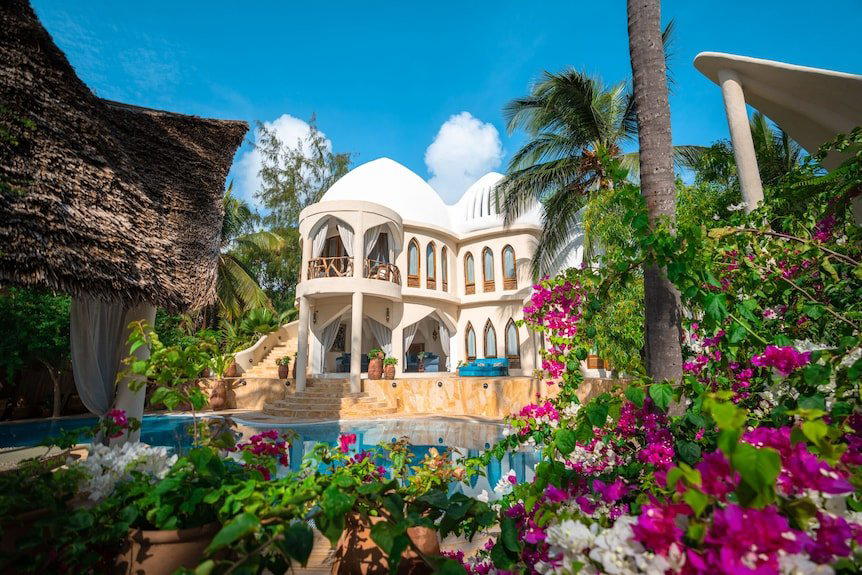
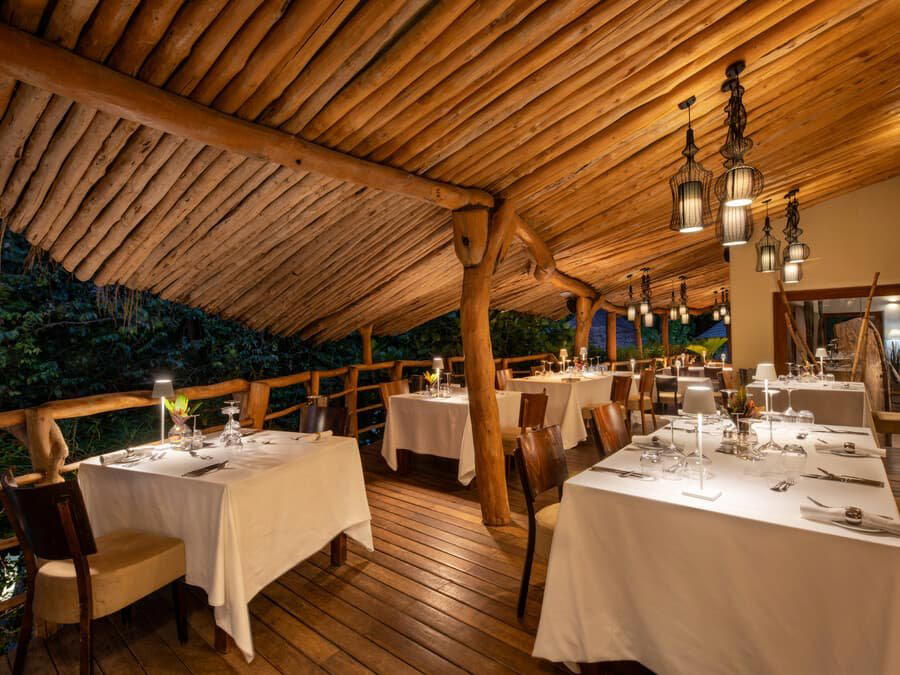
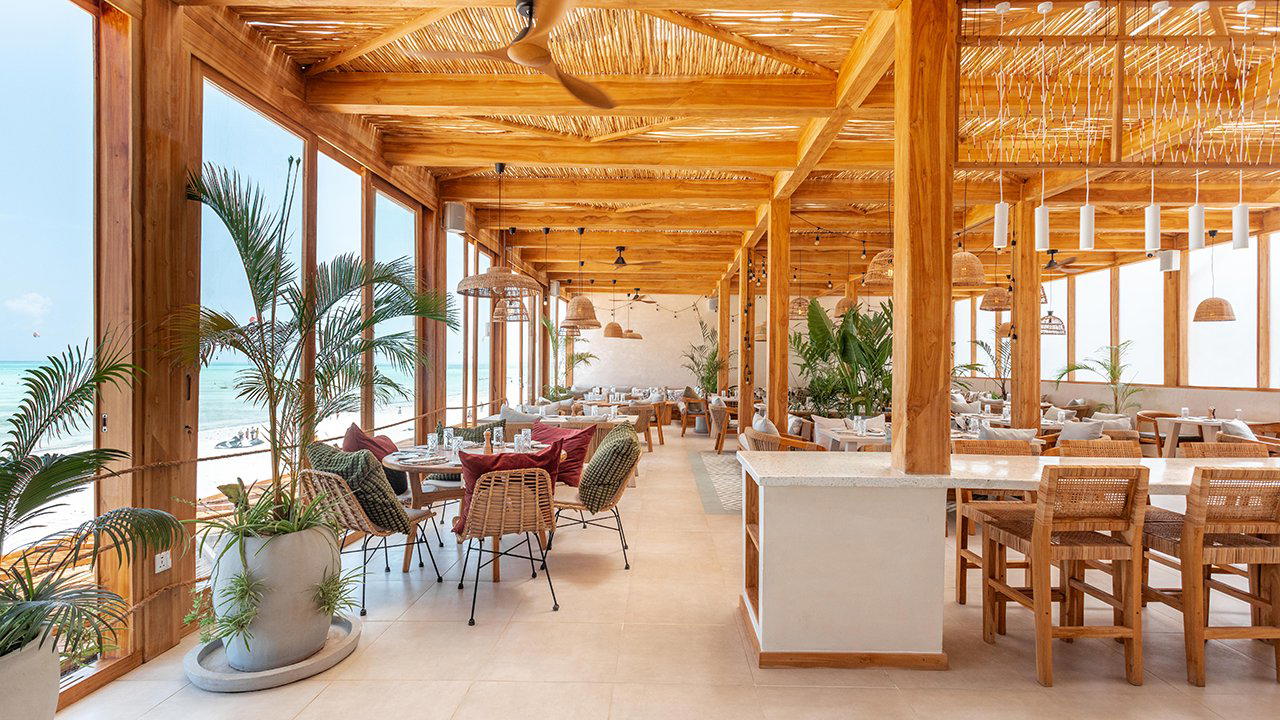
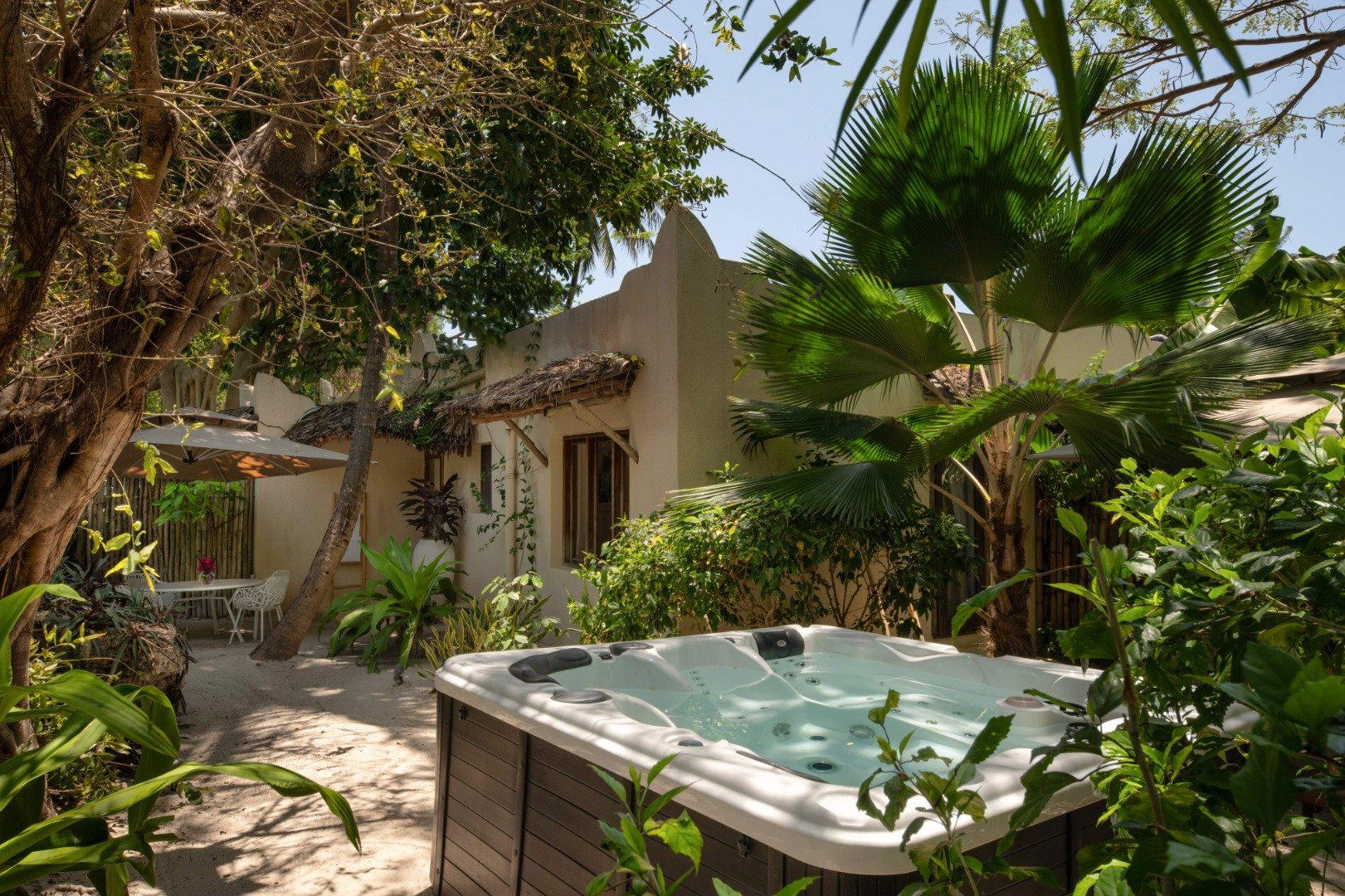
The design language at Amani reflects a broader shift in how East African coastal hotels have positioned themselves over the past decade. Where the large resort model favours uniformity and volume, the boutique segment on Zanzibar's south coast has moved toward handcraft and local material. At Amani, hand-carved furniture and architectural detailing set the tone from arrival. This is not decoration applied over a generic shell; it is the structure of the place itself, made by hand, and made to recall the Swahili craft tradition that runs through Stone Town and out into the island's rural workshops.
Across the Indian Ocean coastal belt, from Lamu to Mozambique, particularly considered small properties tend to share a few formal principles: open-air corridors that move air rather than seal it out, local timber and coral stone used structurally rather than as ornament, and a spatial hierarchy that puts the guest in the landscape rather than above it. Amani's position on Paje Beach places the ocean at the centre of the experience rather than at a remove from it, which is both a geographic fact and a design decision.
The Paje Context: Where Amani Sits in the South Coast Tier
Zanzibar's accommodation market divides roughly into three tiers: the large international-flag resorts concentrated around Nungwi and Kendwa on the north coast; mid-scale independent properties scattered across the east coast villages; and a smaller boutique cohort that trades on location precision and material quality rather than amenity breadth. Amani occupies that third tier, alongside ENVI Paje, its nearest direct neighbour in the village.
Paje itself has a specific draw for independent travellers that the resort-heavy north cannot easily replicate. The beach faces southeast, catching the kazi kazi and kaskazi winds that make it one of the Indian Ocean's more reliable kite-surfing destinations. At high tide, the water comes up to the beach's edge. At low tide, a sandbar reef system creates warm, shallow pools. The hotel sits on that beach, which means the natural tidal rhythm of the Indian Ocean structures the day more than any programmed itinerary.
For guests weighing Paje against other parts of the island, the comparison set matters. Kilindi Zanzibar occupies the northwest peninsula near Kendwa with a bold spherical-pavilion design and a different guest profile. The Residence Zanzibar sits on the southwest coast with a larger footprint and a full-service villa offering. andBeyond Mnemba Island operates on a private island off the northeast tip, targeting guests whose priority is a marine conservation context and complete seclusion. Amani's positioning is different from all of these: it is village-adjacent, south-coast-facing, and small in scale.
Other Zanzibar properties worth understanding in relation to Amani include The Mora Zanzibar, Sea Cliff Resort & Spa Zanzibar, TOA Hotel & Spa, TUI BLUE Bahari Zanzibar, and Tulia Zanzibar Resort, each positioned in a distinct part of the island and serving a different travel intention.
Design as Editorial Statement
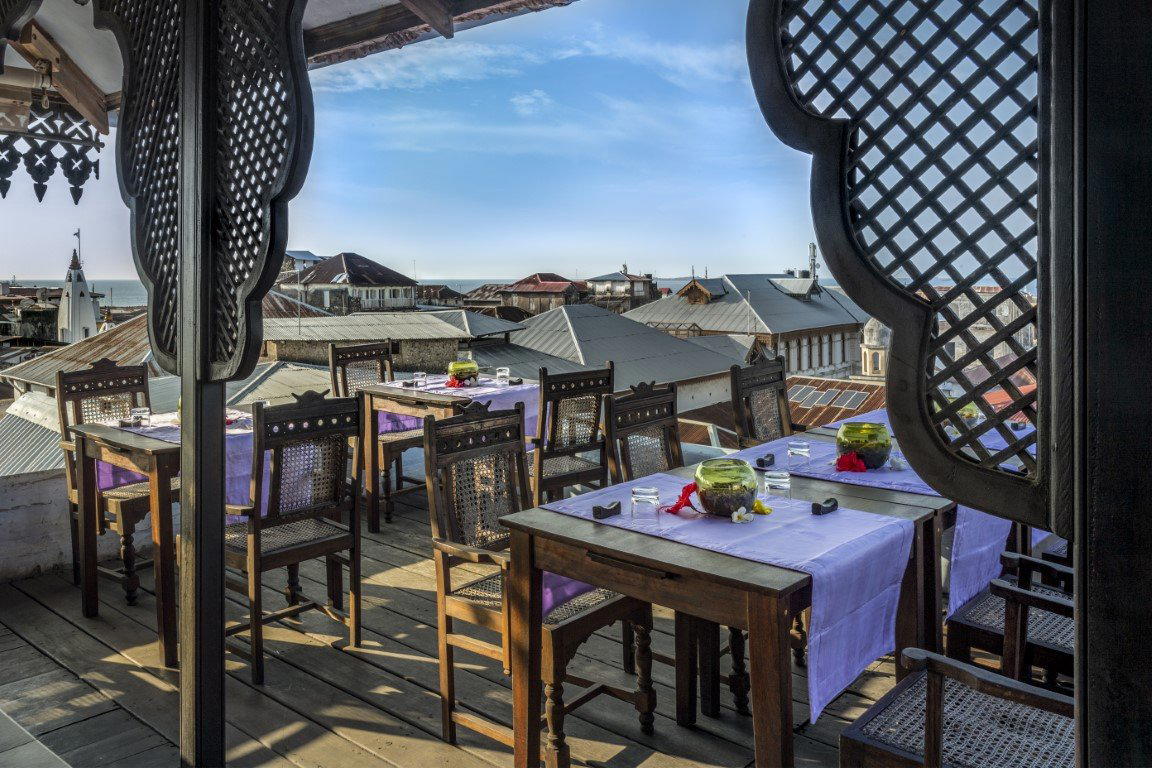
In the boutique hotel category across East Africa, hand-carved furniture signals more than aesthetic preference. It signals a supply chain decision: local artisans, local timber, slow production. Properties that commission this kind of work are making a statement about how they engage with the region's craft economy, which is itself a form of architectural identity. The carvings visible at properties across Zanzibar's old town and south coast derive from a tradition with Omani, Indian, and coastal Bantu roots, and the doors and panels produced in this tradition carry a geometric density that mass production cannot approximate.
At Amani, the hand-carved interiors are not a reference to Swahili craft; they are Swahili craft, present in the physical structure of the rooms. That distinction matters when comparing properties at this tier. Some hotels in the boutique segment use local material as surface application. The more considered ones build it into the architecture. Amani belongs to the latter group.
Getting There and Planning the Stay
Paje sits on the southeast coast of Zanzibar Island, reached from Zanzibar International Airport (ZNZ) by road. The drive along the east coast route takes roughly 45 to 60 minutes depending on traffic through Stone Town's outskirts. The south coast location means Paje is slightly further from the airport than the east coast villages of Jambiani and Bwejuu, but the beach quality and the kite-surfing season make it a deliberate destination rather than a convenience stop.
The north-circuit lodges include andBeyond Ngorongoro Crater Lodge, andBeyond Grumeti Serengeti River Lodge, andBeyond Klein's Camp, andBeyond Lake Manyara Tree Lodge, and andBeyond Serengeti Under Canvas, all accessible via domestic flight from Zanzibar. For a different format in northern Tanzania, Chem Chem Lodge, Gibb's Farm, Four Seasons Safari Lodge Serengeti, ENVI Sisini Serengeti, and Arusha Coffee Lodge cover a range of styles and price points. On the Tanzanian mainland, Hotel Sea Cliff in Dar es Salaam is a logical stopover. For Zanzibar's offshore alternative, Bawe Island sits closer to Stone Town and offers a private-island format at a different scale.
A Quick Peer Check
Comparable venues nearby, for context on price, style, and recognition.
| Venue | Cuisine | Price | Awards | Notes |
|---|---|---|---|---|
| Amani Boutique HotelThis venue — the venue you are viewing | laid-back luxury beachfront boutique | $$$$ | 5-Star | Not listed |
| The Neela Boutique Hotel Stone Town | Historic restoration with contemporary design | $$$$ | 5-Star | Stone Town |
| Zanzibar White Sand Luxury Villas & Spa | Eco-chic barefoot luxury resort inspired by natural materials and sustainable design principles, conceived as an architect's personal dream home expanded into an intimate villa collection. | $$$$ | 5-Star | Paje |
| Upendo Beach Zanzibar | stylish boutique beach retreat combining private villas with social areas | $$$$ | 4-Star | Michamvi Peninsula |
| Kilindi Zanzibar | Exclusive ultra-luxury boutique resort owned by Elewana Collection, originally designed for ABBA's Benny Andersson, positioned as a romantic barefoot getaway with personalized service. | $$$$ | 5-Star | Kendwa |
| The Residence Zanzibar | luxury beach resort with stand-alone villas | $$$$ | 5-Star | Kizimkazi |
Recognition history
Dated appearances from independent guides and award organizations, with the underlying list record or original source where available.
Small Luxury Hotels of the World Member
Small Luxury Hotels of the World
Continue exploring
More in Zanzibar
Hotels in Zanzibar
Browse all →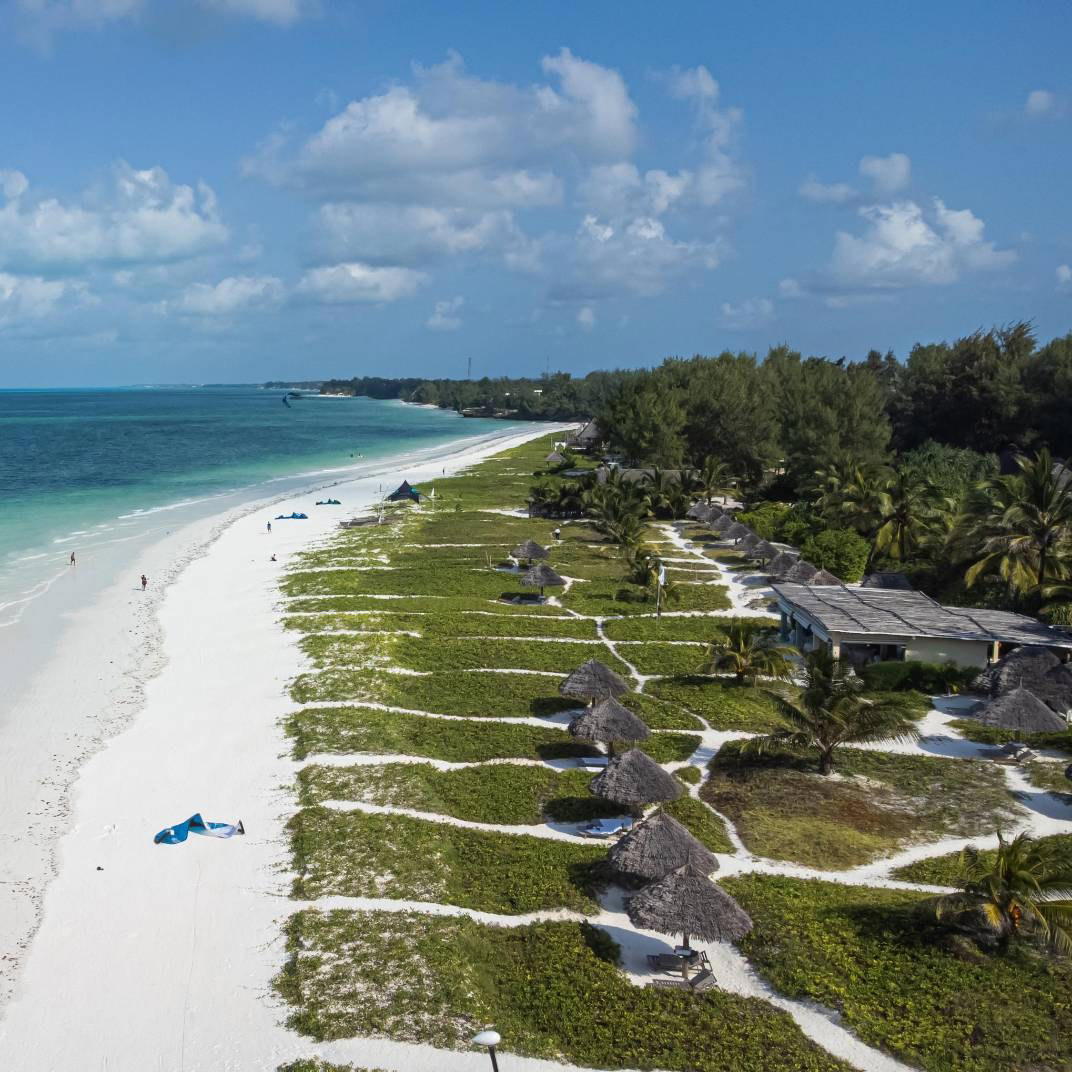
At a Glance
- Romantic
- Quiet
- Elegant
- Intimate
- Scenic
- Honeymoon
- Romantic Getaway
- Weekend Escape
- Beachfront
- Panoramic View
- Pool
- Wi Fi
- Spa
- Restaurant
- Concierge
- Room Service
- Beach Access
- Waterfront
- Garden
- Pool
- Wi Fi
- Spa
- Restaurant
- Concierge
- Room Service
- Beach Access
Tranquil and serene with light, airy rooms, relaxing poolside and beach areas, and a peaceful atmosphere praised for its quiet oasis vibe.