Kuro Tarangire

Named Tanzania's Leading Tented Safari Camp at the 2025 World Travel Awards, Kuro Tarangire occupies one of East Africa's most compelling wildlife corridors inside Tarangire National Park. The camp places guests within a landscape defined by ancient baobabs and year-round elephant concentrations, where the design of each tent is calibrated to the terrain rather than imposed upon it.
Pearl is the En Primeur Club membership app — saves, bookings, and concierge access live there. Same editors, same standards.
- Address
- W3RF+G69 Tarangire National Park, Kuro Ranger Post, Tanzania
- Website
- nomad-tanzania.com
- Directions
- Get directions
 Saves & bookings on Pearl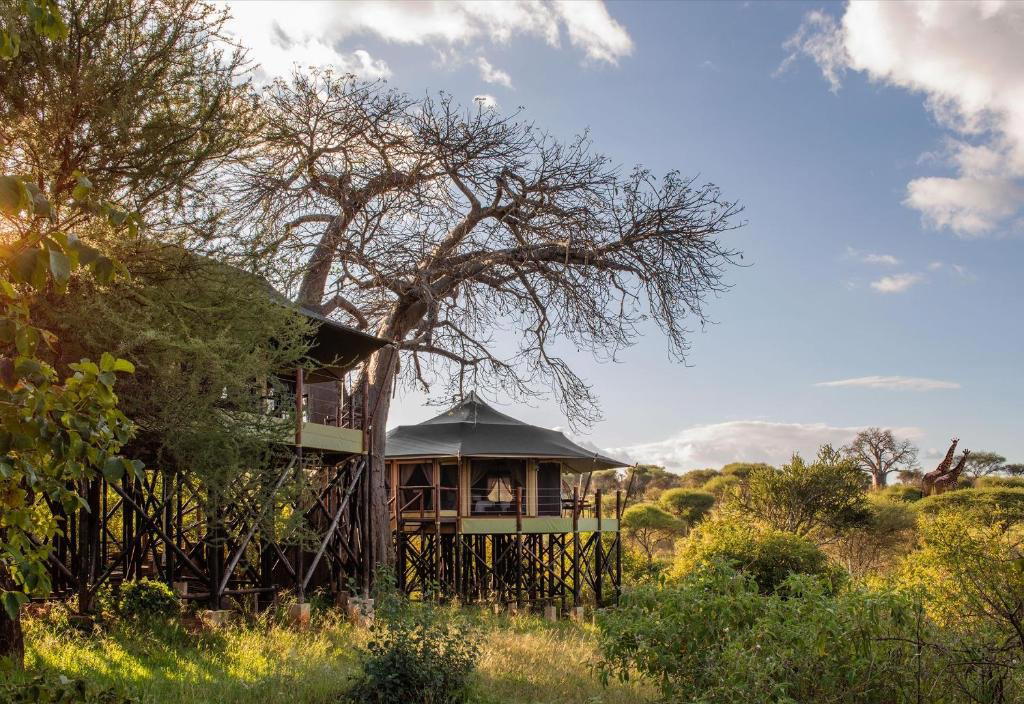
Where the Architecture Answers to the Baobabs
Tented safari camps in East Africa split along a familiar fault line: those that import a design language from elsewhere and drop it into the bush, and those that allow the terrain to dictate every structural decision. The camps that age well, and the ones that accumulate serious recognition, tend to belong to the second category. Kuro Tarangire is a 5-star hotel in Tarangire National Park, Tanzania, with rates from $650 per night. Positioned at the Kuro Ranger Post entrance to Tarangire National Park, the camp reads the park's defining visual grammar, ancient baobab groves, open acacia woodland, the wide Tarangire River drainage, and builds from it rather than against it.
Tarangire itself is one of Tanzania's underappreciated wildlife circuits. While the Serengeti commands the majority of safari attention, Tarangire holds elephant populations that rank among the densest in Africa during the dry season, typically June through October, when game concentrations around the Tarangire River become extraordinary. The park's northern sector, where Kuro sits, offers access to those concentrations without the volume of vehicles that accumulates further south toward the main gate. That positional logic, placing the camp at a ranger-post entrance rather than the primary tourist corridor, is itself an architectural decision as much as a logistical one.
The Design Tier That Earned Tanzania's Leading Camp Recognition
At the 2025 World Travel Awards, Kuro Tarangire was named Tanzania's Leading Tented Safari Camp, a category that measures the full guest experience but where the physical structure of the camp carries significant weight. Tanzania's tented camp tier has become increasingly competitive over the past decade, with properties such as andBeyond Serengeti Under Canvas, Siringit Migration Camp, and ENVI Sisini Serengeti each staking out distinct positions on design ambition and location advantage. To hold the leading camp designation in this environment signals that the physical and experiential proposition at Kuro carries genuine authority.
Tented safari design in this bracket typically resolves around two questions: how much permanent structure does the camp commit to, and how directly does each tent engage with the surrounding habitat? The camps that score highest on both axes tend to use raised platforms, canvas walls that open fully to the treeline, and common areas positioned to frame views rather than obstruct them. These choices are not simply aesthetic preferences; they reflect a design philosophy that acknowledges the primary reason guests travel to Tarangire in the first place. The wildlife and the landscape are the programme. Good design gets out of the way.
Placing Kuro in Tanzania's Wider Safari Circuit
Tarangire pairs naturally with the northern Tanzania circuit that includes Ngorongoro and the Serengeti, and many guests arrive after or before a stay at properties such as andBeyond Ngorongoro Crater Lodge or andBeyond Lake Manyara Tree Lodge. Arusha typically serves as the staging point for this circuit, and travellers beginning or ending there will recognise properties like Arusha Coffee Lodge as standard rest stops within a broader Tanzania itinerary.
Kuro's position at the northern entry of Tarangire means game drives can begin within minutes of leaving camp, without the transit time that affects camps positioned closer to the park's more central zones. For guests working within the compressed itinerary structures that characterise most Tanzania wildlife trips, that proximity matters. It trades an extra thirty minutes of daily game drive time across a week-long stay into a meaningful additional accumulation of time in the field.
Tanzania's wider camp market has also been shaped by the rise of alternative wilderness destinations. Properties at Greystoke Mahale in the Mahale Mountains and JABALI RIDGE in Ruaha have demonstrated that serious travellers are prepared to accept more complex logistics in exchange for lower guest densities and less-visited ecosystems. Tarangire, though more accessible, shares some of this positioning: it offers concentrated, high-quality wildlife viewing with fewer vehicles than the Serengeti and a park character defined by its ancient baobab woodland, which gives it an atmosphere distinct from the open plains further north.
What the Camp's Location Architecture Delivers
The Kuro Ranger Post entrance gives the camp access to the park's northern wildlife movement patterns, which are distinct from those in the south. Elephant herds in particular follow well-established seasonal corridors through this sector. Camps that sit within these corridors rather than adjacent to them create a qualitatively different experience: game does not need to be driven to; it passes through. The line between camp and habitat becomes porous in a way that fixed-lodge stays rarely achieve.
This is the design argument for the tented format at this level of the market. Canvas walls, open-fronted verandas, and refined platforms are not nostalgic gestures toward an older safari era. They are functional responses to the environment, calibrated to put guests as close as possible to the reason they have travelled this far. The 2025 World Travel Award confirms Kuro's standing in Tanzania's competitive tented camp tier.
Planning a Stay
Tarangire's dry season, running broadly from June through October, represents one concentrated game-viewing window, when elephant populations and other wildlife converge on permanent water sources. The camp's northern position gives guests access to the park's quieter zones during this period without the southern congestion that peaks in high season. Those combining Kuro with a coastal extension should note that Tanzania's Indian Ocean properties, including Park Hyatt Zanzibar, Amani Boutique Hotel, Xanadu Luxury Villas and Retreat Zanzibar, ENVI Paje, and Bawe Island, are a short flight from Arusha or Dar es Salaam, making a combined bush-and-coast itinerary operationally clean.
A Quick Peer Check
Comparable venues nearby, for context on price, style, and recognition.
| Venue | Cuisine | Price | Awards | Notes |
|---|---|---|---|---|
| Kuro TarangireThis venue — the venue you are viewing | Eco-luxury safari lodge designed with minimal environmental impact, blending seamlessly into the natural landscape with sustainable building practices and solar power. | $$$$ | 5-Star | Not listed |
| Lamai Serengeti | Bush chic safari lodge blending into kopjes | $$$$ | 5-Star | Serengeti National Park |
| Tulia Zanzibar | Luxury boutique beach resort with standalone villas and bungalows | $$$$ | 5-Star | Pongwe |
| Bawe Island | Exclusive private island villas blending luxury and Zanzibari charm | $$$$ | 5-Star | Bawe Island |
| Singita Sasakwa Lodge | Turn-of-the-century manor house with East African influences | $$$$ | 5-Star | Grumeti Reserves |
| Tulia Zanzibar Resort | Oceanfront boutique resort with tropical gardens and private villas | $$$$ | 5-Star | Pongwe |
Recognition history
Dated appearances from independent guides and award organizations, with the underlying list record or original source where available.
World Travel Awards
World Travel Awards
Continue exploring
More in Tarangire National Park
Hotels in Tarangire National Park
Browse all →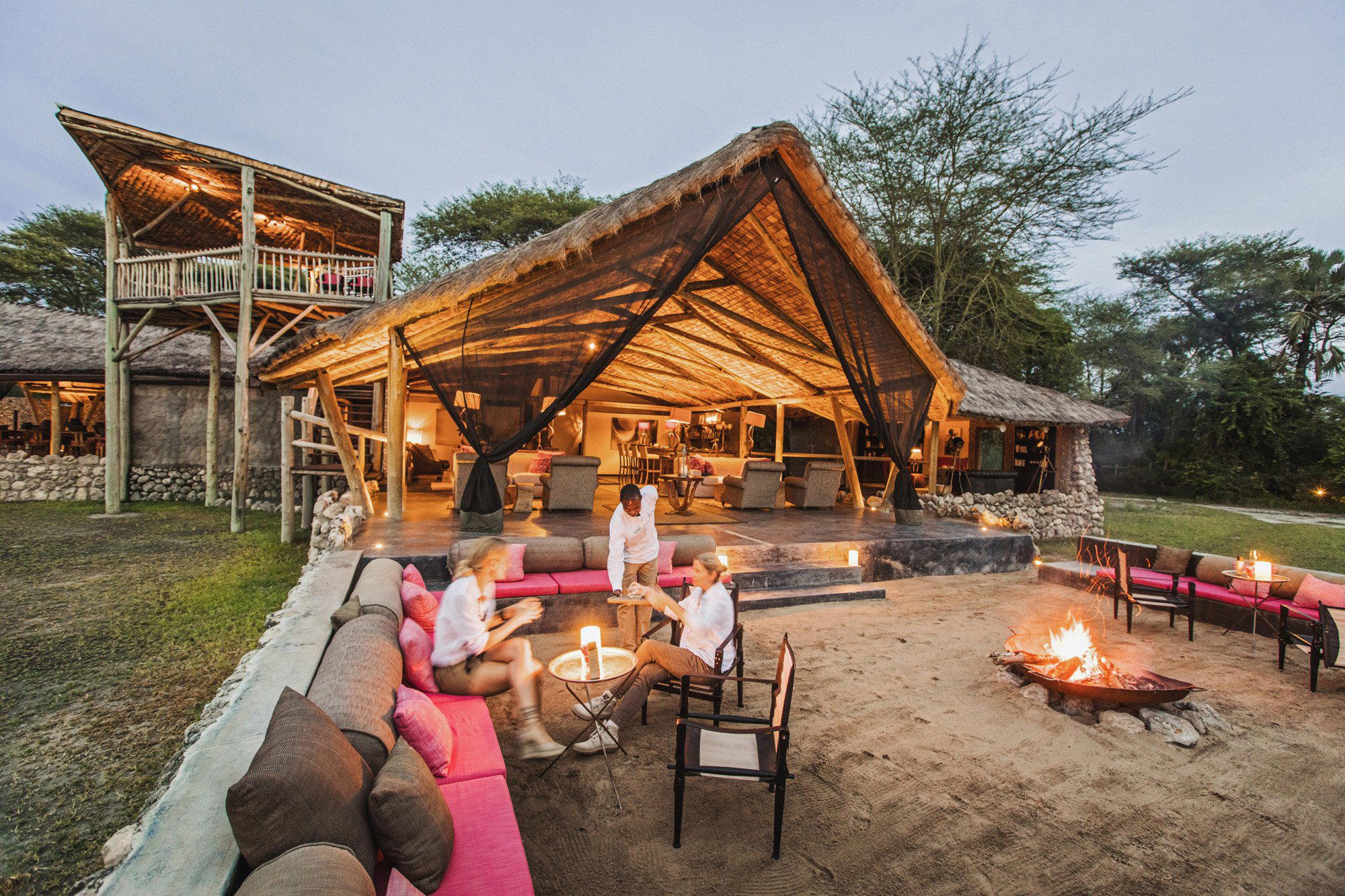
Restaurants in Tarangire National Park
Browse all →
At a Glance
- Scenic
- Rustic
- Intimate
- Elegant
- Quiet
- Honeymoon
- Romantic Getaway
- Family Vacation
- Wellness Retreat
- Anniversary
- Waterfront
- Garden
- Terrace
- Panoramic View
- Private Dining
- Destination Spa
- Wi Fi
- Pool
- Spa
- Fitness Center
- Restaurant
- Bar
- Laundry Service
- Room Service
- Concierge
- Waterfront
- Garden
- Wi Fi
- Pool
- Spa
- Fitness Center
- Restaurant
- Bar
- Laundry Service
- Room Service
- Concierge
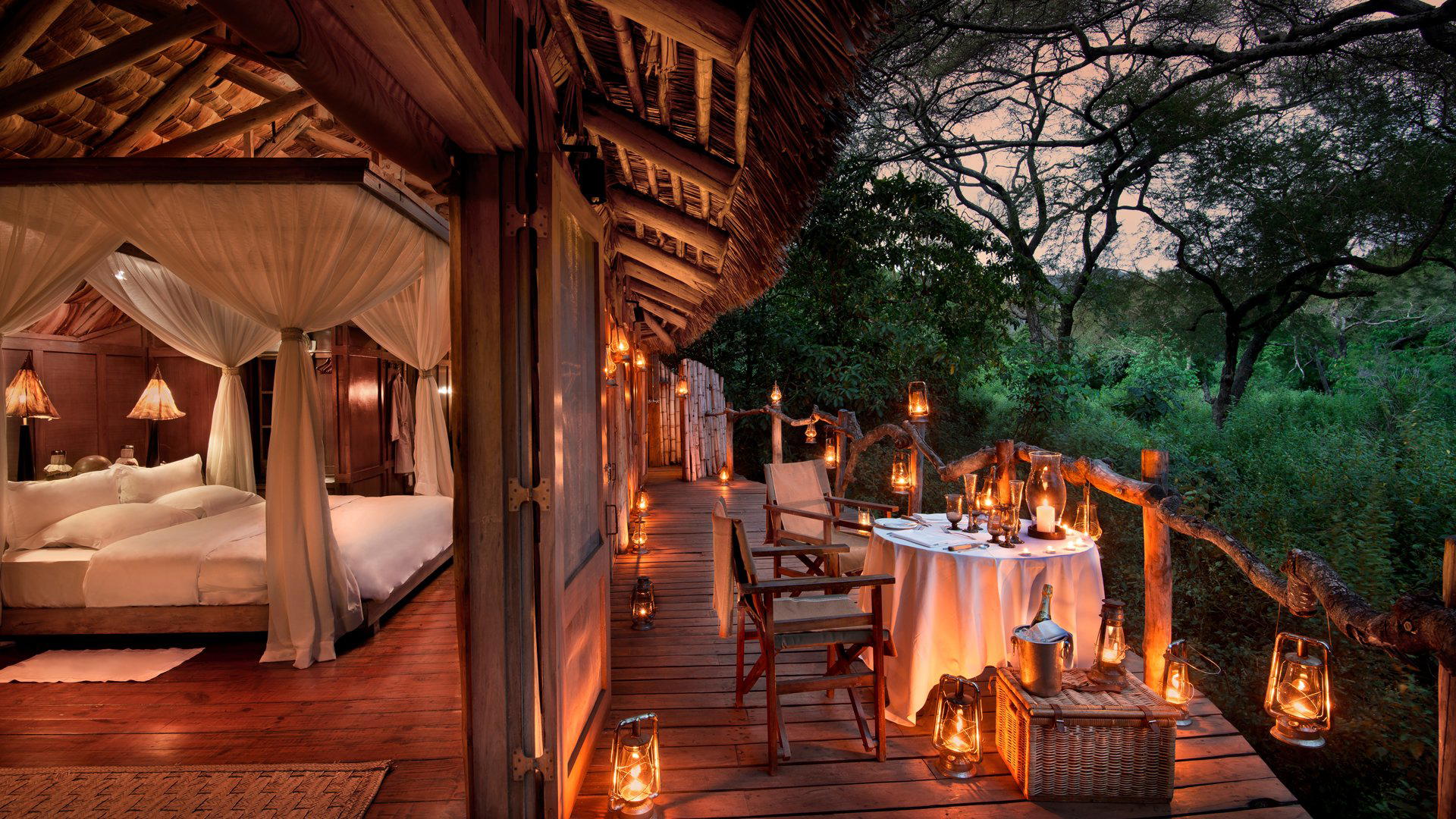
Natural, open-air design with exposed thatch and wooden furnishings in warm earth tones; intimate atmosphere enhanced by wildlife sounds and sunrise views from private verandas.