Añejo Tapas Bar
Spirits, Small Plates, and the Papagayo Drinking Scene The northern Pacific coast of Costa Rica has developed a two-speed hospitality character. Closer to the resort belts of Peninsula Papagayo, venues calibrate to an international visitor expecting polished service and recognisable formats. Further south along the Nicoya coast, places like Microbar Samara in Nicoya operate at a more local, craft-focused register. Añejo Tapas Bar sits in the former zone, roughly 26 kilometres north of Liberia along the Guanacaste corridor, and its name immediately signals where the priorities lie: añejo, Spanish for aged, points directly at the spirits programme as the organising principle of the room. That framing matters in a region where most beachside venues treat cocktails as an afterthought to cold beer and ceviche. A bar that announces its commitment to aged spirits, whether rum, tequila, or agave-adjacent categories, is making a positioning statement. The tapas format supports that positioning: small portions encourage multiple rounds, and multiple rounds give a cocktail list room to perform across an evening rather than delivering a single impression. What the Name Tells You About the Programme Across the Americas, bars built around aged spirits tend to cluster into two camps. The first is the cataloguing approach, long shelves, deep pour selections, minimal mixing. The second is the cocktail-forward approach, where aged spirit acts as a base and the bar's technical vocabulary shows in what surrounds it. Internationally, bars like Café La Trova in Miami and Jewel of the South in New Orleans have made aged rum and rye the backbone of serious cocktail programmes. Closer to home in the Latin American tradition, the añejo category most naturally gravitates toward aged rum and reposado or añejo tequila, both of which carry enough complexity to anchor drinks without heavy modification. For a Guanacaste venue carrying this name, the implication is a spirits list that skews away from mass-market labels and toward bottles where time in barrel has done meaningful work. Whether that manifests as a curated neat-pour selection, a house cocktail list built around specific aged expressions, or a combination of both, the name sets an expectation the room should be built to meet. Visitors who treat cocktail programmes seriously, the same audience that seeks out Bar Leather Apron in Honolulu or Kumiko in Chicago when travelling, will read the signal and arrive with corresponding expectations. Tapas as a Drinking Format The tapas structure is worth considering on its own terms in this geography. Spanish-origin small-plate formats translate well to tropical coastal environments because they accommodate the rhythm of a long equatorial evening. In Guanacaste, where sunset arrives around 5:30 to 6:00 PM year-round and the post-sunset hours are consistently warm, a venue designed around grazing rather than structured dining suits how people actually want to spend their evenings. Single large plates demand a table commitment; a tapas format allows a group to occupy bar stools, order in waves, and let the drinks programme lead. That structure also places the bar itself at the centre of the experience rather than the kitchen. This is a meaningful architectural and operational choice. Venues on the Nicoya coast like Lola's in Santa Cruz have built reputations by making the bar programme central to the identity. The tapas model at Añejo reinforces a similar hierarchy: you are here, primarily, to drink well, and the food supports that rather than competing with it. Placing Añejo in the Regional Context Guanacaste's bar scene does not yet have the density of San José or the craft-beer momentum visible at venues like Butterfly Brewing Co. and Imago Gastro Pub in Puntarenas. The northern Pacific zone is resort-weighted, which means most venues in the Papagayo corridor serve a transient, hotel-based clientele rather than a local bar-going population with strong opinions about cocktail technique. That context cuts two ways. On one hand, it lowers the competitive pressure a craft-forward bar would face in a city like New York, where Superbueno and Dear Irving operate inside a deeply saturated market. On the other hand, it means the venue has to work harder to signal credibility to visiting drinkers who arrive with calibrated expectations from their home cities. A name like Añejo, in this setting, functions as a self-selecting filter. It draws a specific type of visitor: one who knows what añejo means, who will test whether the list delivers on the promise, and who will return, or not, based on whether the execution matches the positioning. That is a sharper editorial identity than most coastal Costa Rica venues choose to adopt, and it carries corresponding risk and reward. See our full Guanacaste restaurants guide for additional context on how the region's drinking and dining scene is structured. Planning Your Visit Añejo Tapas Bar sits on the Papagayo Peninsula, approximately 26 kilometres north of Liberia along the Guanacaste provincial route. Liberia's Daniel Oduber Quirós International Airport is the practical entry point for this part of Costa Rica, with direct flights connecting to multiple North American hubs, making the peninsula accessible without routing through San José. The address places the bar within the resort and residential corridor that has developed around Papagayo, which means transport is typically arranged through hotels or private transfer rather than public transit. No phone or website is currently listed in public records, so confirming hours and reservation requirements is leading handled through your hotel concierge or on arrival. Given the tapas format and bar-centric setup, the venue likely operates on a walk-in basis for much of its service, though weekend evenings during the December to April dry season, when Guanacaste sees its highest visitor volumes, may warrant planning ahead. For travellers building an itinerary around bar programmes across the Americas, Añejo occupies a rare position: a spirits-forward tapas bar in a Pacific coast geography where that format is genuinely underrepresented. Whether the execution fully delivers on the name's promise is a question each visit answers individually, but the positioning alone makes it a more considered stop than most alternatives in the corridor. For comparison across different interpretations of the cocktail bar format in other cities, Julep in Houston and The Parlour in Frankfurt represent contrasting but instructive reference points. Frequently Asked Questions Is Añejo Tapas Bar more formal or casual?The tapas bar format and Papagayo coastal setting both point toward a relaxed, drop-in atmosphere rather than a formal dining experience. Guanacaste's hospitality culture skews informal across most price points, and a bar built around small plates and aged spirits fits that register. Expect something closer to a neighbourhood bar with a serious spirits focus than a restaurant with a bar attached.What do regulars order at Añejo Tapas Bar?Given the name and format, the strongest orders are likely to be drinks built around aged spirits, whether rum, reposado tequila, or añejo expressions, paired with tapas portions suited to sharing. The small-plate structure rewards ordering a few dishes across the course of an evening rather than treating any single item as the centrepiece.What is the defining thing about Añejo Tapas Bar?In a coastal corridor where most venues default to beer and basic cocktails, a bar that organises its identity around aged spirits is making a deliberate choice. That positioning, reinforced by the tapas format, creates an experience more focused on the glass than is typical for the Papagayo area, at any price point.Do I need a reservation at Añejo Tapas Bar?No phone number or website is currently available through public records, which makes advance booking difficult to confirm from outside Costa Rica. The bar-and-tapas format suggests walk-in service is the norm, but during the dry season peak, roughly December through April, when the Papagayo corridor operates at high occupancy, arriving early in the evening is a practical precaution. Your hotel concierge is the most reliable channel for current hours and any booking requirements.How does Añejo Tapas Bar fit into Guanacaste's broader spirits scene compared to other venues on the coast?Guanacaste's bar scene is concentrated around resort properties that serve broad, internationally familiar cocktail lists. A venue explicitly structured around aged spirits, with a name that signals category knowledge, occupies a narrower but more defined niche within that scene. For travellers moving between the Papagayo area and points south along the Nicoya coast, Añejo represents the spirits-forward end of a spectrum that elsewhere tilts toward craft beer and casual mixed drinks.
Pearl is the En Primeur Club membership app — saves, bookings, and concierge access live there. Same editors, same standards.
- Address
- Liberia Guanaste 26Km al Norte del Doit, Provincia de Guanacaste, Peninsula Papagayo, 05000, Costa Rica
- Phone
- +506 2696 0371
- Website
- fourseasons.com
- Directions
- Get directions
 Saves & bookings on Pearl
Spirits, Small Plates, and the Papagayo Drinking Scene
The northern Pacific coast of Costa Rica has developed a two-speed hospitality character. Closer to the resort belts of Peninsula Papagayo, venues calibrate to an international visitor expecting polished service and recognisable formats. Further south along the Nicoya coast, places like Microbar Samara in Nicoya operate at a more local, craft-focused register. Añejo Tapas Bar sits in the former zone, roughly 26 kilometres north of Liberia along the Guanacaste corridor, and its name immediately signals where the priorities lie: añejo, Spanish for aged, points directly at the spirits programme as the organising principle of the room.
That framing matters in a region where most beachside venues treat cocktails as an afterthought to cold beer and ceviche. A bar that announces its commitment to aged spirits, whether rum, tequila, or agave-adjacent categories, is making a positioning statement. The tapas format supports that positioning: small portions encourage multiple rounds, and multiple rounds give a cocktail list room to perform across an evening rather than delivering a single impression.
What the Name Tells You About the Programme
Across the Americas, bars built around aged spirits tend to cluster into two camps. The first is the cataloguing approach, long shelves, deep pour selections, minimal mixing. The second is the cocktail-forward approach, where aged spirit acts as a base and the bar's technical vocabulary shows in what surrounds it. Internationally, bars like Café La Trova in Miami and Jewel of the South in New Orleans have made aged rum and rye the backbone of serious cocktail programmes. Closer to home in the Latin American tradition, the añejo category most naturally gravitates toward aged rum and reposado or añejo tequila, both of which carry enough complexity to anchor drinks without heavy modification.
For a Guanacaste venue carrying this name, the implication is a spirits list that skews away from mass-market labels and toward bottles where time in barrel has done meaningful work. Whether that manifests as a curated neat-pour selection, a house cocktail list built around specific aged expressions, or a combination of both, the name sets an expectation the room should be built to meet. Visitors who treat cocktail programmes seriously, the same audience that seeks out Bar Leather Apron in Honolulu or Kumiko in Chicago when travelling, will read the signal and arrive with corresponding expectations.
Tapas as a Drinking Format
The tapas structure is worth considering on its own terms in this geography. Spanish-origin small-plate formats translate well to tropical coastal environments because they accommodate the rhythm of a long equatorial evening. In Guanacaste, where sunset arrives around 5:30 to 6:00 PM year-round and the post-sunset hours are consistently warm, a venue designed around grazing rather than structured dining suits how people actually want to spend their evenings. Single large plates demand a table commitment; a tapas format allows a group to occupy bar stools, order in waves, and let the drinks programme lead.
That structure also places the bar itself at the centre of the experience rather than the kitchen. This is a meaningful architectural and operational choice. Venues on the Nicoya coast like Lola's in Santa Cruz have built reputations by making the bar programme central to the identity. The tapas model at Añejo reinforces a similar hierarchy: you are here, primarily, to drink well, and the food supports that rather than competing with it.
Placing Añejo in the Regional Context
Guanacaste's bar scene does not yet have the density of San José or the craft-beer momentum visible at venues like Butterfly Brewing Co. and Imago Gastro Pub in Puntarenas. The northern Pacific zone is resort-weighted, which means most venues in the Papagayo corridor serve a transient, hotel-based clientele rather than a local bar-going population with strong opinions about cocktail technique. That context cuts two ways. On one hand, it lowers the competitive pressure a craft-forward bar would face in a city like New York, where Superbueno and Dear Irving operate inside a deeply saturated market. On the other hand, it means the venue has to work harder to signal credibility to visiting drinkers who arrive with calibrated expectations from their home cities.
A name like Añejo, in this setting, functions as a self-selecting filter. It draws a specific type of visitor: one who knows what añejo means, who will test whether the list delivers on the promise, and who will return, or not, based on whether the execution matches the positioning. That is a sharper editorial identity than most coastal Costa Rica venues choose to adopt, and it carries corresponding risk and reward. See our full Guanacaste restaurants guide for additional context on how the region's drinking and dining scene is structured.
Planning Your Visit
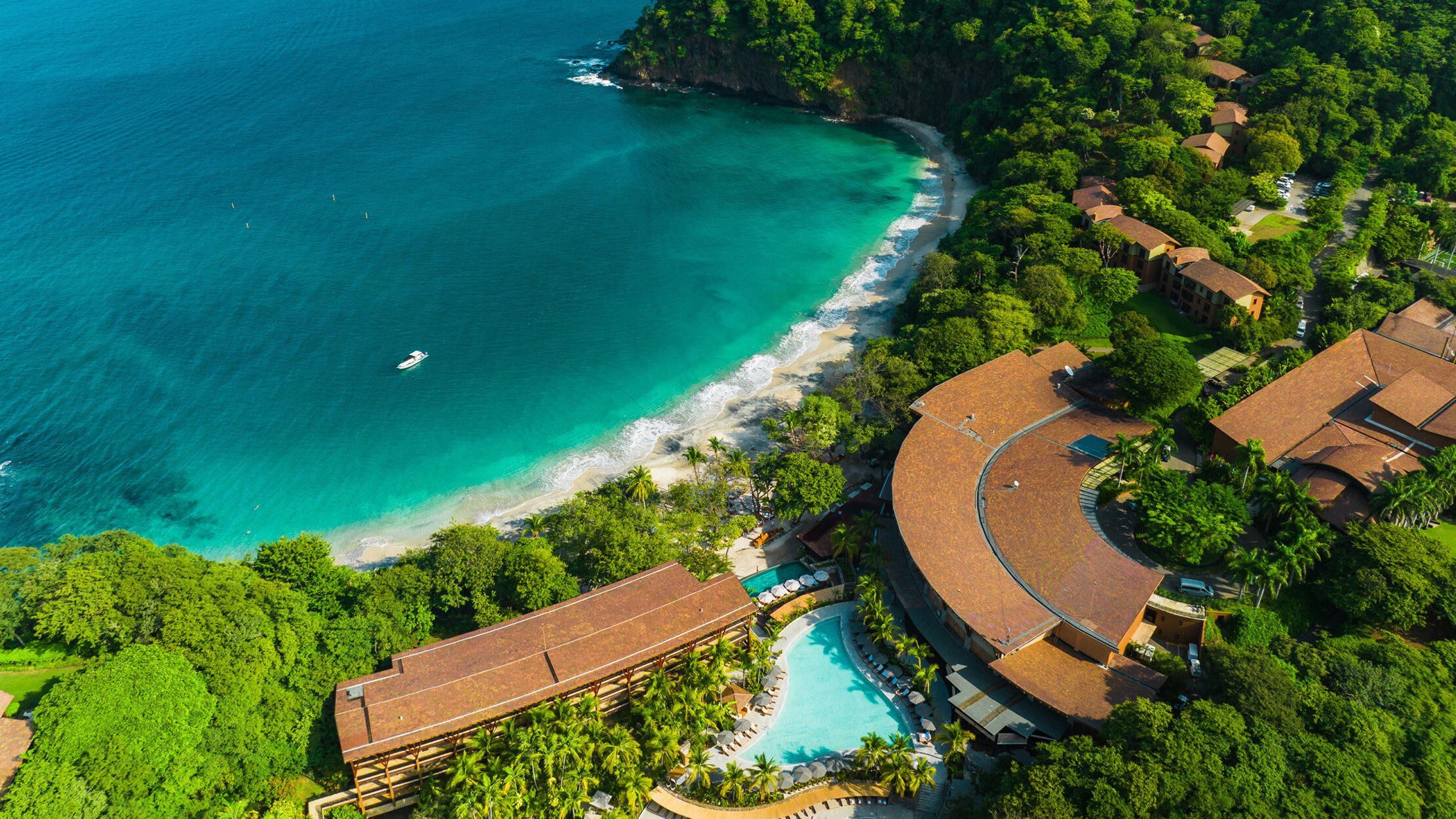
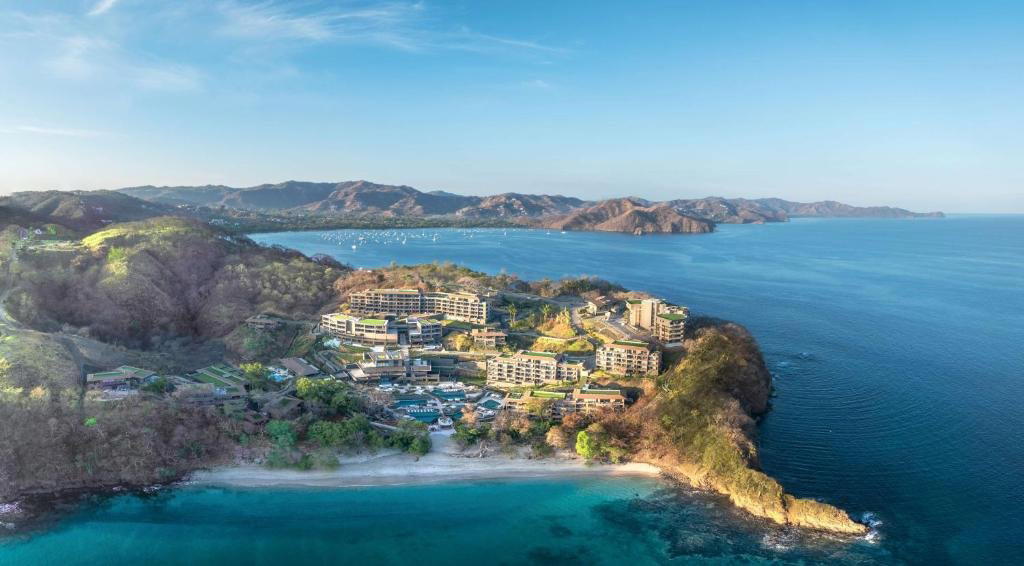
Añejo Tapas Bar sits on the Papagayo Peninsula, approximately 26 kilometres north of Liberia along the Guanacaste provincial route. Liberia's Daniel Oduber Quirós International Airport is the practical entry point for this part of Costa Rica, with direct flights connecting to multiple North American hubs, making the peninsula accessible without routing through San José. The address places the bar within the resort and residential corridor that has developed around Papagayo, which means transport is typically arranged through hotels or private transfer rather than public transit. No phone or website is currently listed in public records, so confirming hours and reservation requirements is leading handled through your hotel concierge or on arrival. Given the tapas format and bar-centric setup, the venue likely operates on a walk-in basis for much of its service, though weekend evenings during the December to April dry season, when Guanacaste sees its highest visitor volumes, may warrant planning ahead.
For travellers building an itinerary around bar programmes across the Americas, Añejo occupies a rare position: a spirits-forward tapas bar in a Pacific coast geography where that format is genuinely underrepresented. Whether the execution fully delivers on the name's promise is a question each visit answers individually, but the positioning alone makes it a more considered stop than most alternatives in the corridor. For comparison across different interpretations of the cocktail bar format in other cities, Julep in Houston and The Parlour in Frankfurt represent contrasting but instructive reference points.
- Nativo
- Mal de Ojo
- Botanico
- Cultivo
- Cas con Sal
- Tierra Viva
Continue exploring
More in Guanacaste
Bars in Guanacaste
Browse all →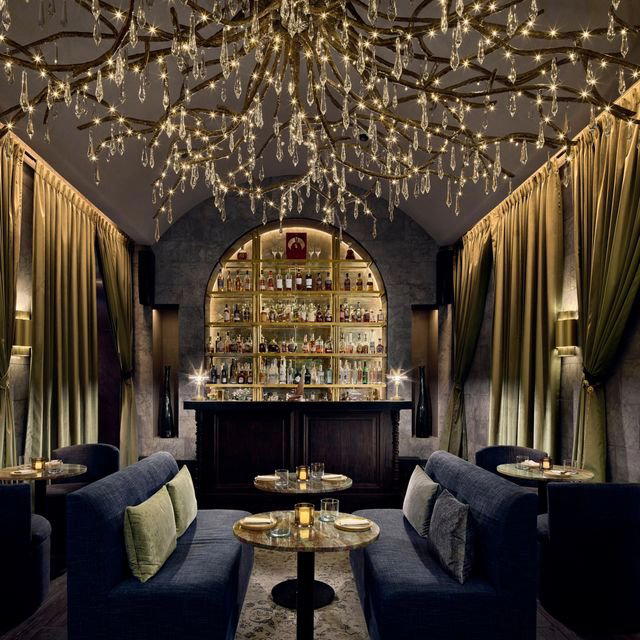
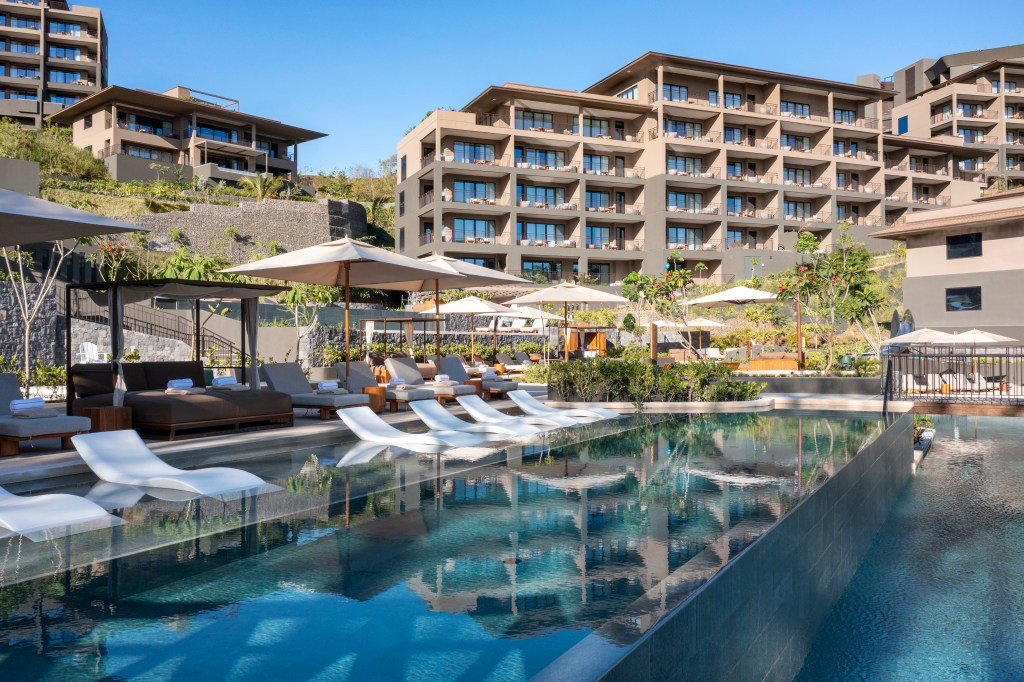
Restaurants in Guanacaste
Browse all →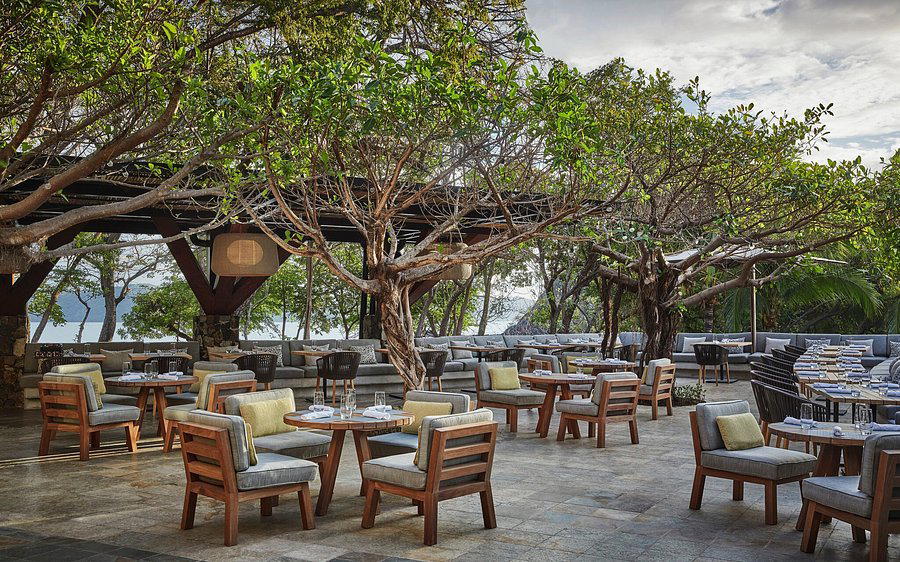
At a Glance
- Lively
- Sophisticated
- Scenic
- Elegant
- After Work
- Group Outing
- Celebration
- Special Occasion
- Casual Hangout
- Hotel Bar
- Standalone
- Seated Bar
- Lounge Seating
- Outdoor Terrace
- Craft Cocktails
- Classic Cocktails
- Tequila
- Mezcal
- Whiskey
- Rum
- Gin
- Low Abv
- Garden
Current opening hours
- Monday
- 6:30 AM–10 PM
- Tuesday
- 6:30 AM–10 PM
- Wednesday
- 6:30 AM–10 PM
- Thursday
- 6:30 AM–10 PM
- Friday
- 6:30 AM–10 PM
- Saturday
- 6:30 AM–10 PM
- Sunday
- 6:30 AM–10 PM
Hours can change for holidays and private events. Last verified .
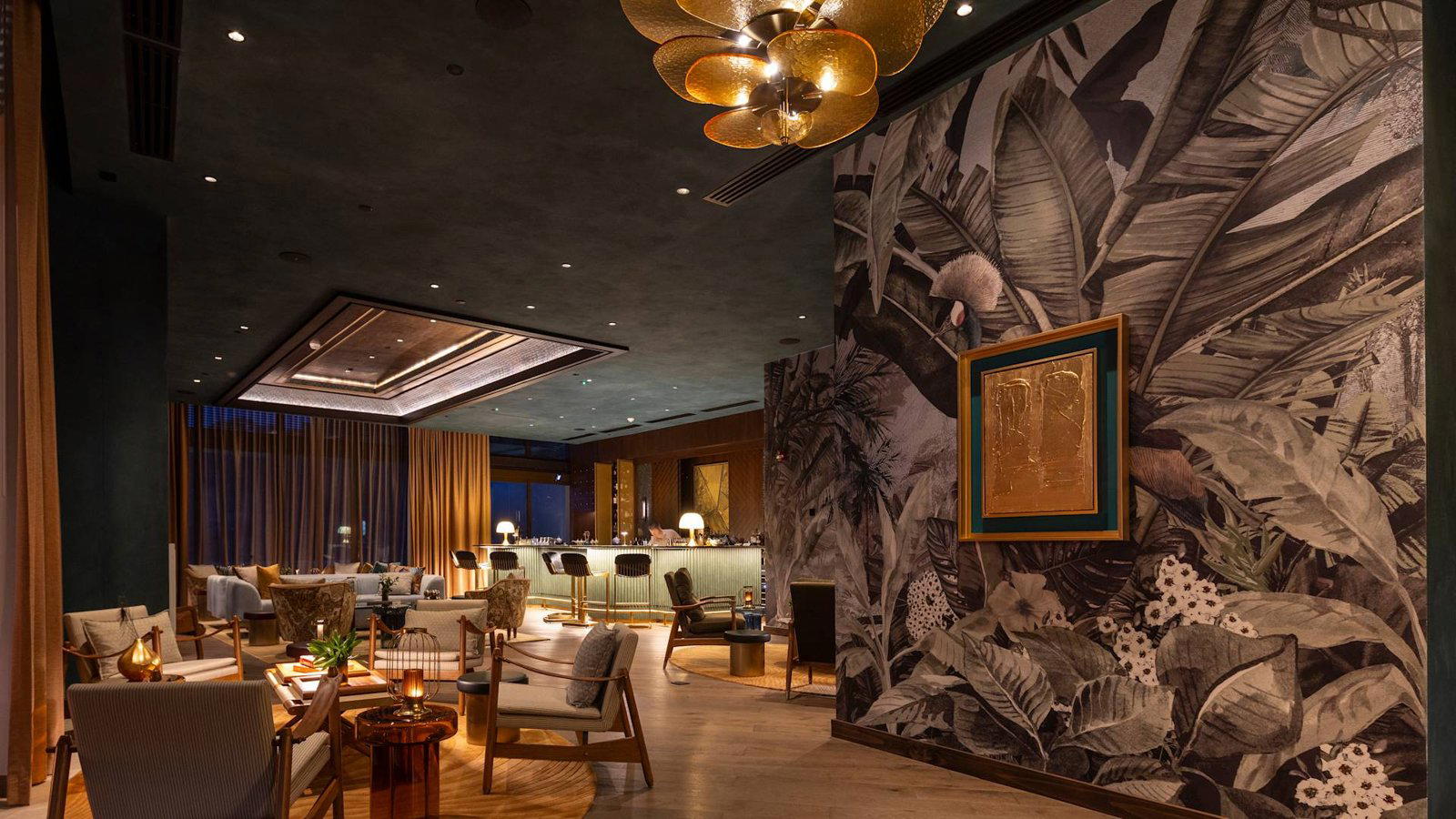
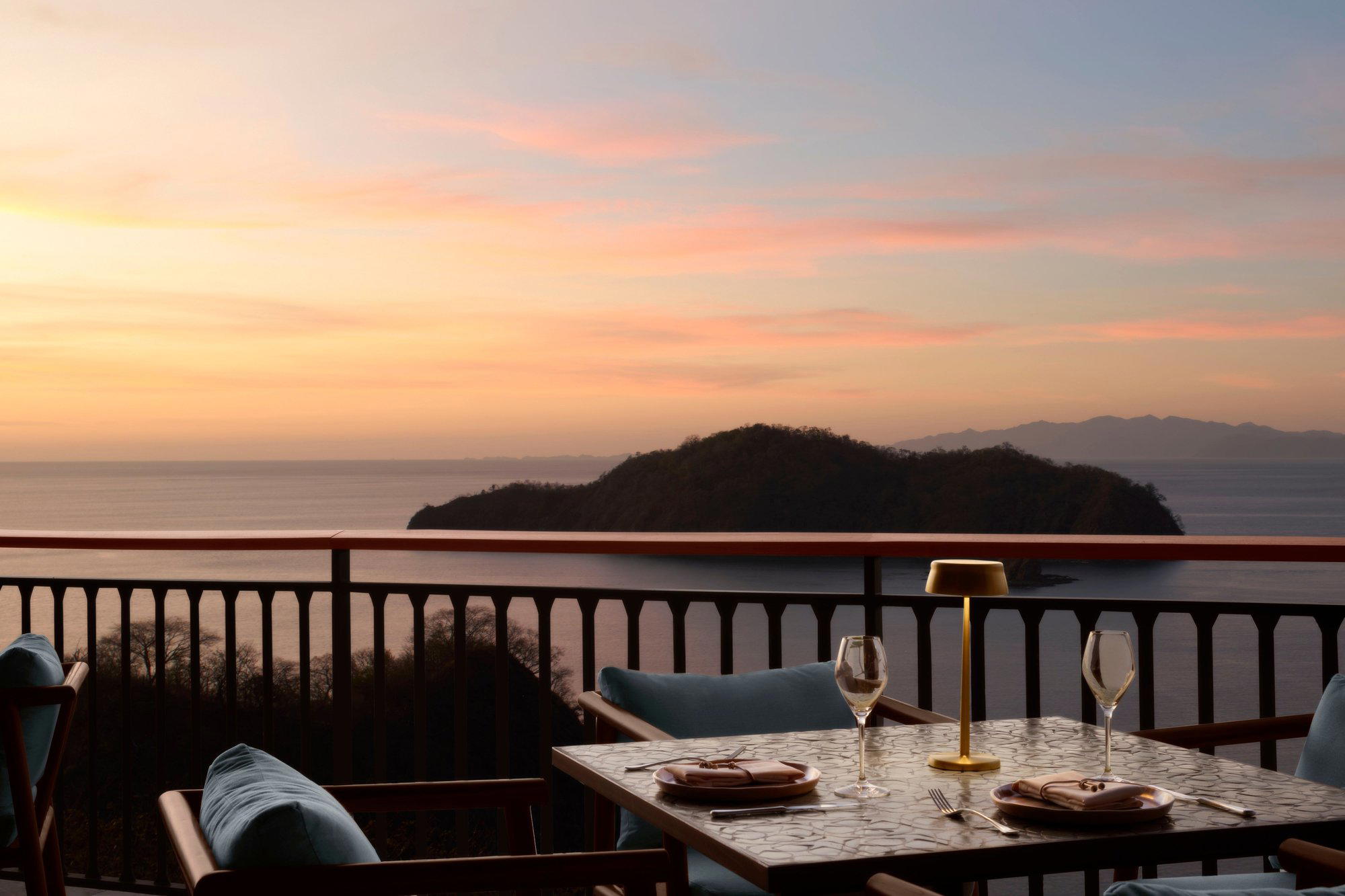
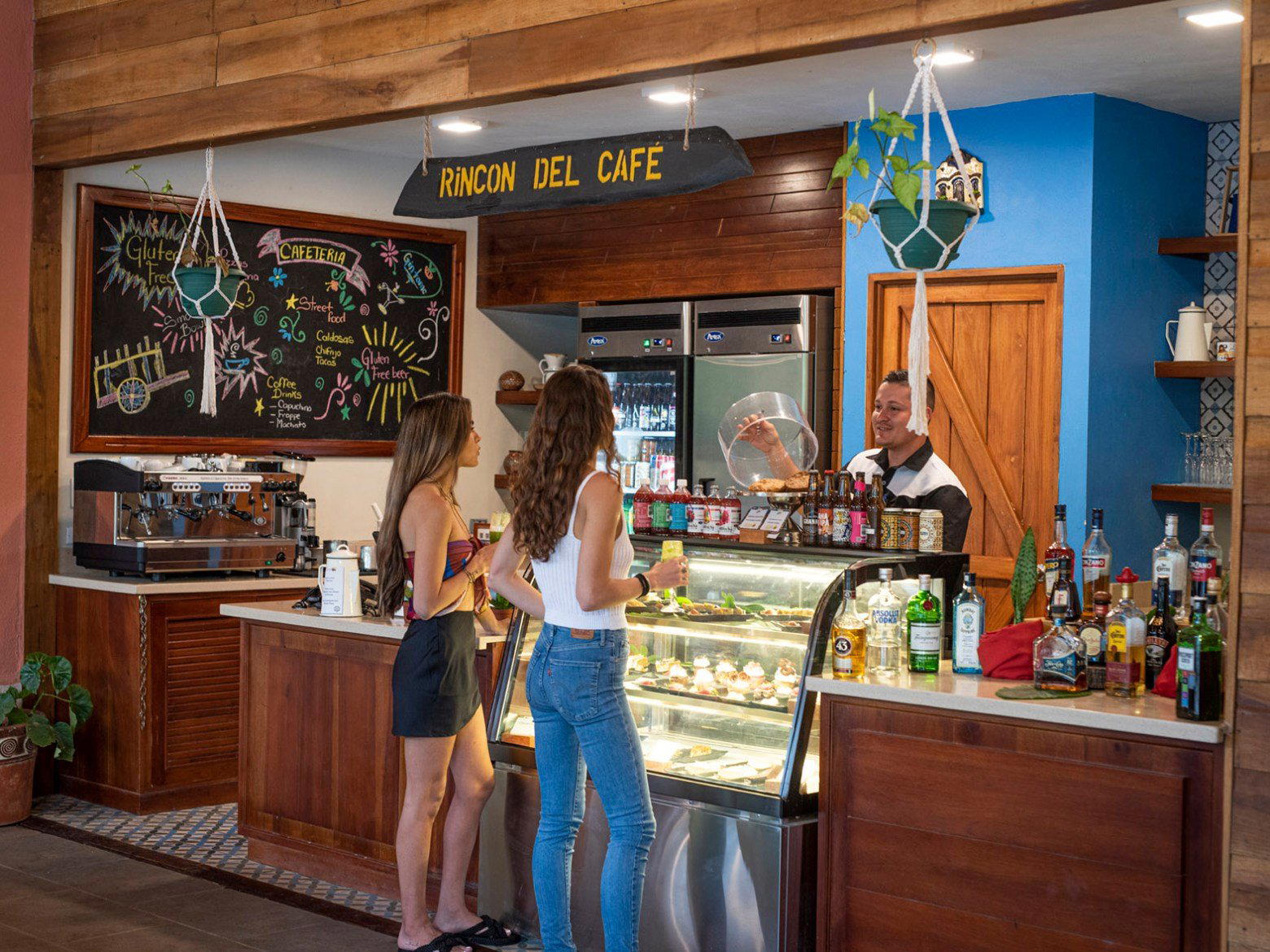
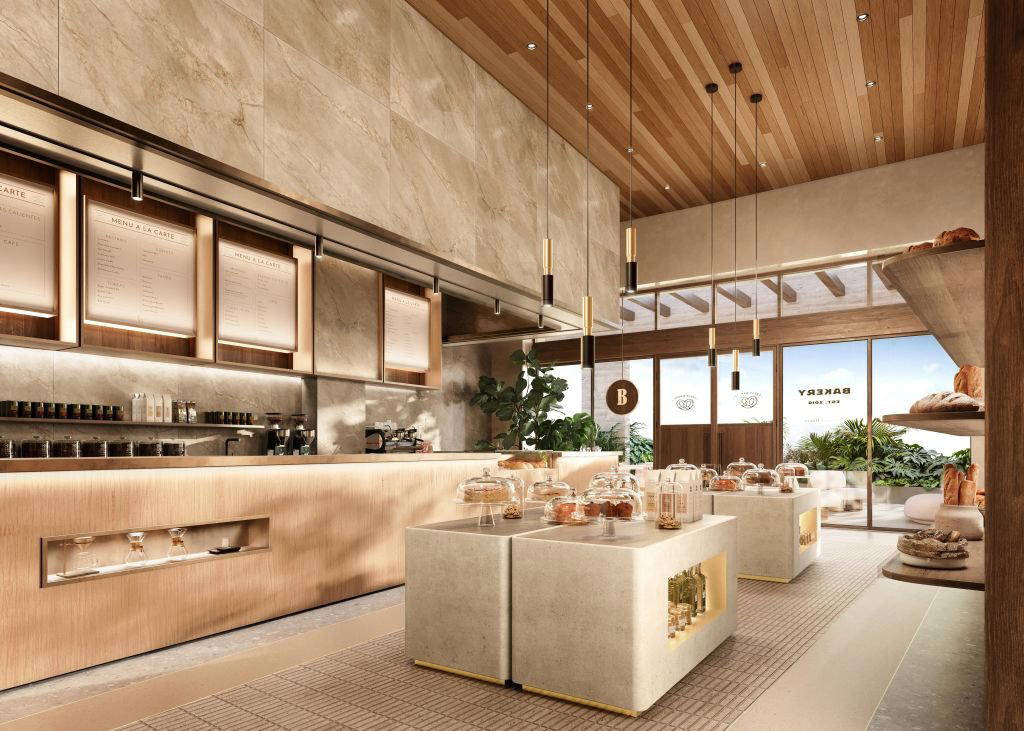
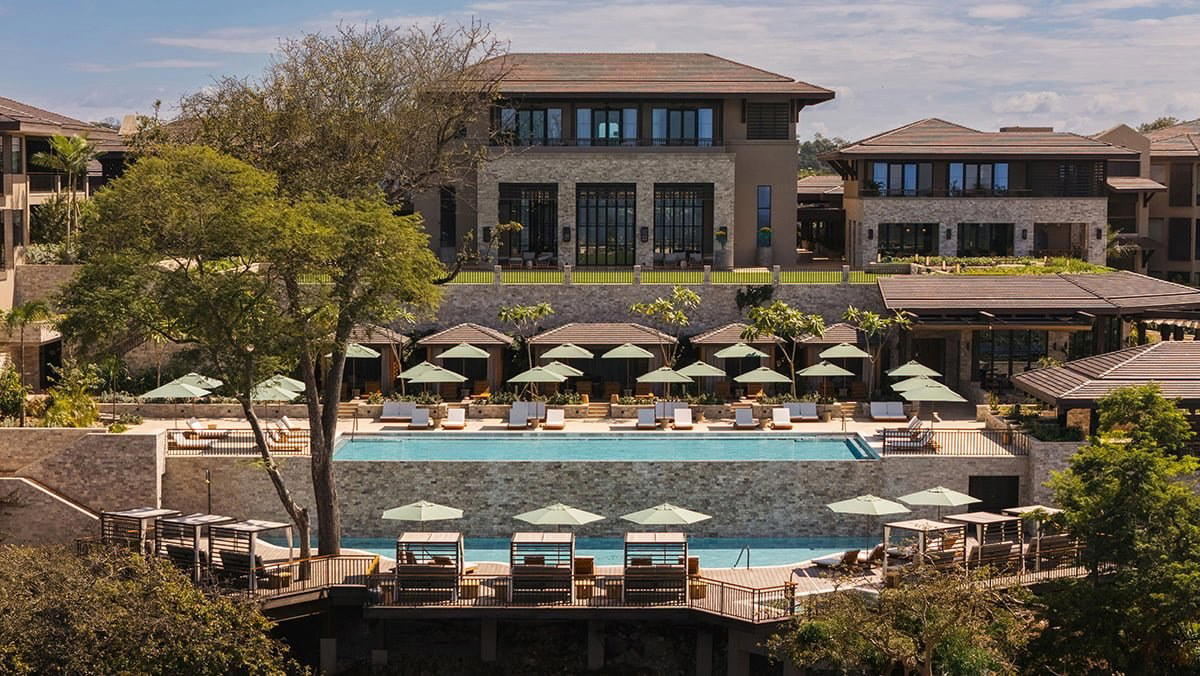
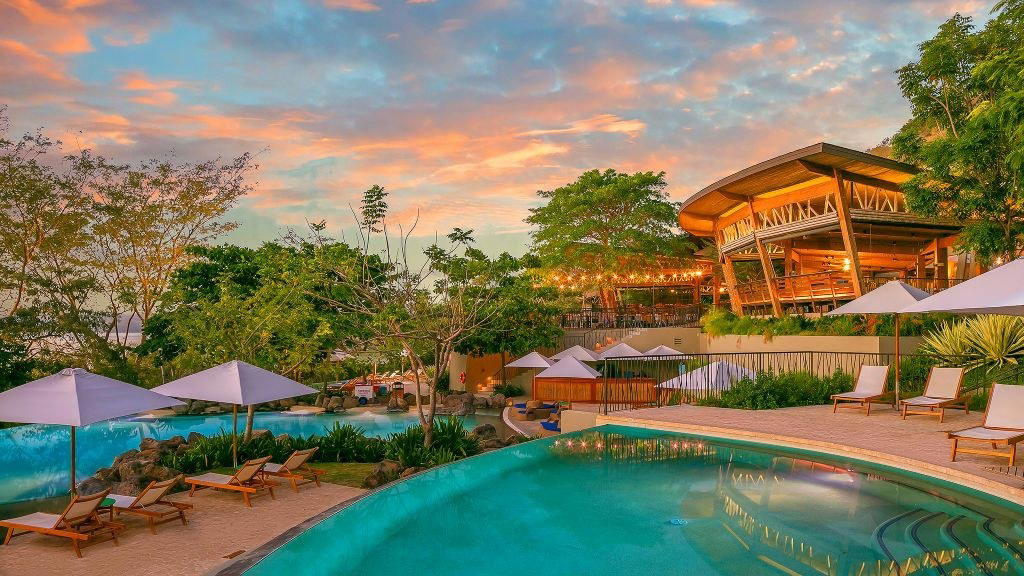
A lively, upscale resort bar with a social, evening-focused atmosphere; sources describe it as the heart of the resort after dark, with DJs, creative aperitifs, and a transition from daytime lounge to a more sophisticated cocktail venue.