Naples Hotel
Naples Hotel is best read through the city around it: a Gulf Coast hotel market shaped by beach resorts, polished seasonal dining, and a design language that trades urban density for light, space, and leisure.

Pearl is the En Primeur Club membership app, where members save venues, book tables and use the concierge.
Approaching Naples Through Its Hotel Culture
Naples, Florida, announces itself less through skyline than through proportion: low roofs, clipped planting, broad avenues, long daylight, and a hospitality rhythm built around the Gulf rather than the street. Hotels here are judged by how well they manage that atmosphere. A lobby matters, but so does the transition from car to courtyard, from sun to shade, from pool terrace to evening dining. Naples Hotel enters a market where design is rarely about architectural bravado alone. The city rewards properties that understand calm, discretion, and the seasonal migration of travelers who come for weather, golf, beach access, restaurants, and a slower social tempo than Miami or Palm Beach.
The available public record for Naples Hotel is thin: no listed address, star rating, awards, price range, chef, cuisine, booking method, room count, or formal style appears in the venue data. That absence matters editorially. In a hotel category where credentials often do heavy lifting, the lack of published specifics means the property should be read cautiously and in context, not treated as a trophy stay on evidence that is not present. The stronger way to place it is inside Naples itself, a city where lodging decisions tend to split between resort infrastructure, downtown convenience, and smaller properties that trade spectacle for ease.
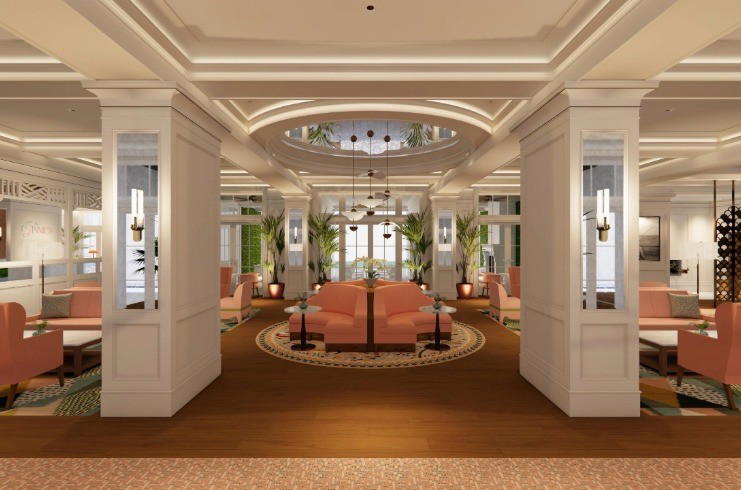
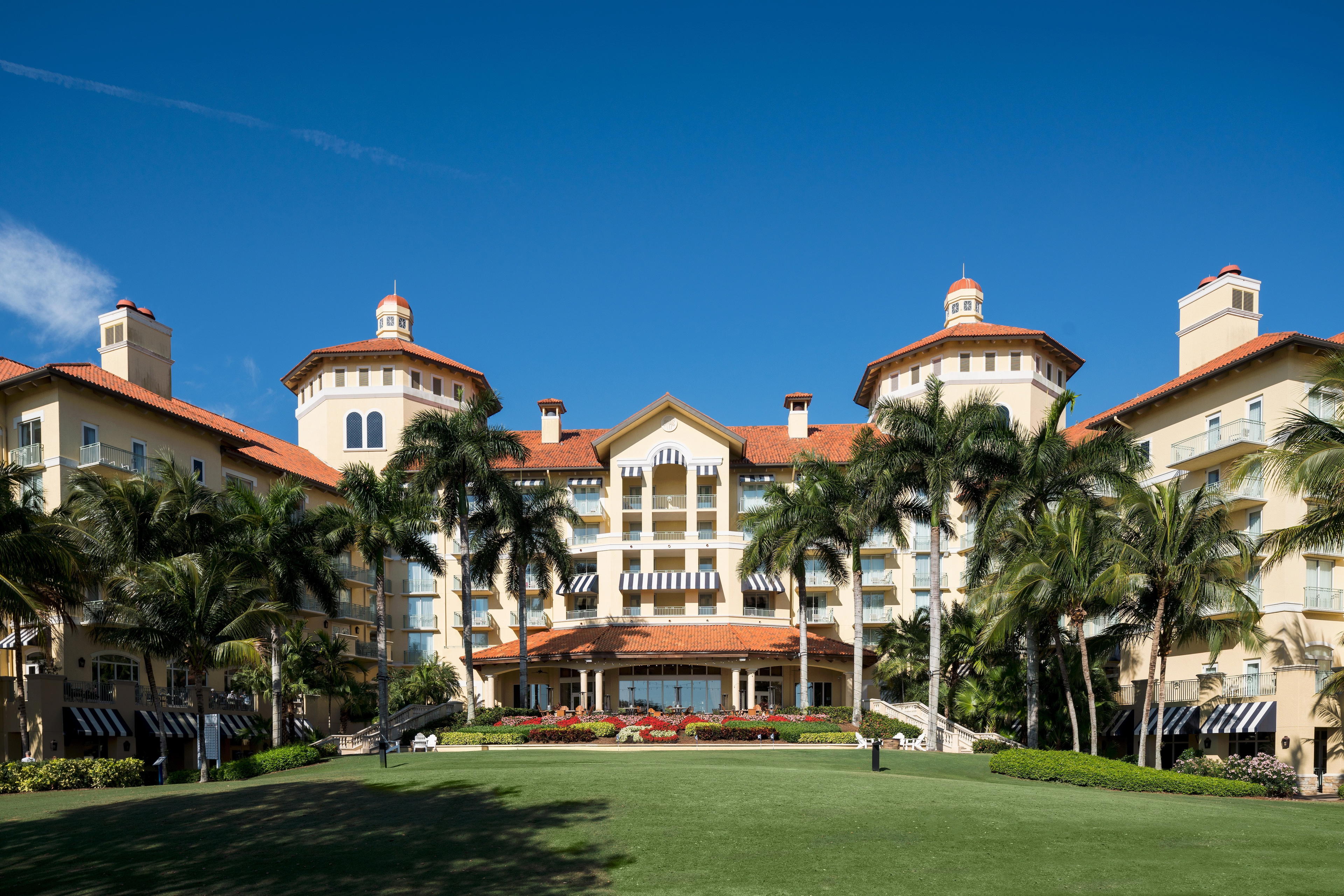
Architecture and design are the clearest lens because Naples hospitality is spatial before it is theatrical. The city’s hotel experience depends on thresholds: shaded arrivals, quiet corridors, outdoor seating, and rooms that acknowledge the subtropical climate. In markets such as New York or Boston, a hotel can be defined by verticality, historic masonry, or street-level dining theatre. In Naples, scale, light control, landscaping, and access patterns carry more weight. The guest is not only choosing a bed; the guest is choosing a way to occupy the day.
Design in Naples Is About Restraint, Not Drama
Southwest Florida luxury has a different grammar from resort corridors built around high-rise spectacle. Naples favors a softened version of affluence: coastal colors, generous setbacks, private terraces, clubby public rooms, and service that tries not to announce itself. That can be graceful when executed with discipline, and bland when reduced to beige upholstery and palm motifs. The meaningful test for any Naples hotel is whether the design helps guests move between beach, dining, shopping, and rest without friction.
Naples Hotel’s data does not identify a designer, architectural period, renovation history, or hotel group. That limits any claim about its aesthetic identity. What can be assessed is the competitive frame. Nearby readers weighing a Naples stay will often compare properties by setting first. Naples Beach Club, A Four Seasons Resort represents the large-scale luxury resort model, where brand standards, coastal acreage, and full-service amenities shape the stay. By contrast, a less-documented property has to earn attention through location, room quality, service reliability, or price discipline rather than through a global flag.
This is where Naples differs from European city hotels. In Naples, Italy, architectural memory often carries the experience: staircases, palazzi, courtyards, frescoed ceilings, and rooms inserted into old urban fabric. The internal link set includes several Italian Naples properties, and the comparison is instructive rather than interchangeable. Artemisia Domus Giardino, Caruso Place Boutique & Wellness Suites, Decumani Hotel de Charme, and Hotel Costantinopoli 104 belong to a denser urban tradition, where buildings carry historical texture and guests accept tighter streets in exchange for proximity to cultural life. Naples, Florida, asks a different design question: how does a hotel create atmosphere in a newer, lower-density leisure city?
The Competitive Set: Gulf Ease Versus Grand-Hotel Theatre
For travelers used to grand European hotels, Naples can feel intentionally quiet. The reference points are not chandeliered lobbies alone, but terraces at sunset, polished valet choreography, easy parking, golf-club proximity, and restaurant reservations timed around early evening. A hotel such as Grand Hotel Vesuvio or Grand Hotel Santa Lucia belongs to the seafront grand-hotel tradition of Naples, Italy, where water views and civic history carry status. Grand Hotel Parker's adds another version of that old-world equation: refined city views, formal service, and historic positioning.
Naples, Florida, replaces that theatre with seasonal polish. The city’s high-demand period typically tracks the cooler winter and spring months, when visitors from northern states concentrate in Southwest Florida. That seasonal pattern affects hotel availability and dining access across the city. Even without a published booking policy for Naples Hotel, the sensible assumption is practical rather than romantic: high-season stays need earlier planning, especially if specific room categories, weekend dates, or restaurant timings matter. During quieter months, value and availability may improve, though heat and storm-season considerations change the calculation.
The American comparison set also helps clarify expectations. The Fifth Avenue Hotel in New York City uses urban design, art, and address as part of its power. The Beverly Hills Hotel in Los Angeles trades on Hollywood-era resort mythology and a highly codified social scene. Four Seasons at The Surf Club in Surfside offers a coastal Florida analogue, but with Miami-area glamour and a more formal preservation narrative. Naples sits apart from all three: less urban, less performative, more oriented toward private time, early dinners, beach weather, and polished routine.
Rooms, Public Space, and What to Look For
In Naples, the strongest hotel rooms usually solve three problems: light, quiet, and outdoor access. A room that handles afternoon sun well, limits corridor noise, and gives some usable connection to the outdoors will usually outperform a showier category with weaker practical comfort. If the property offers multiple exposures or floor levels, the room with the better balance of privacy and natural light is usually the more satisfying choice.
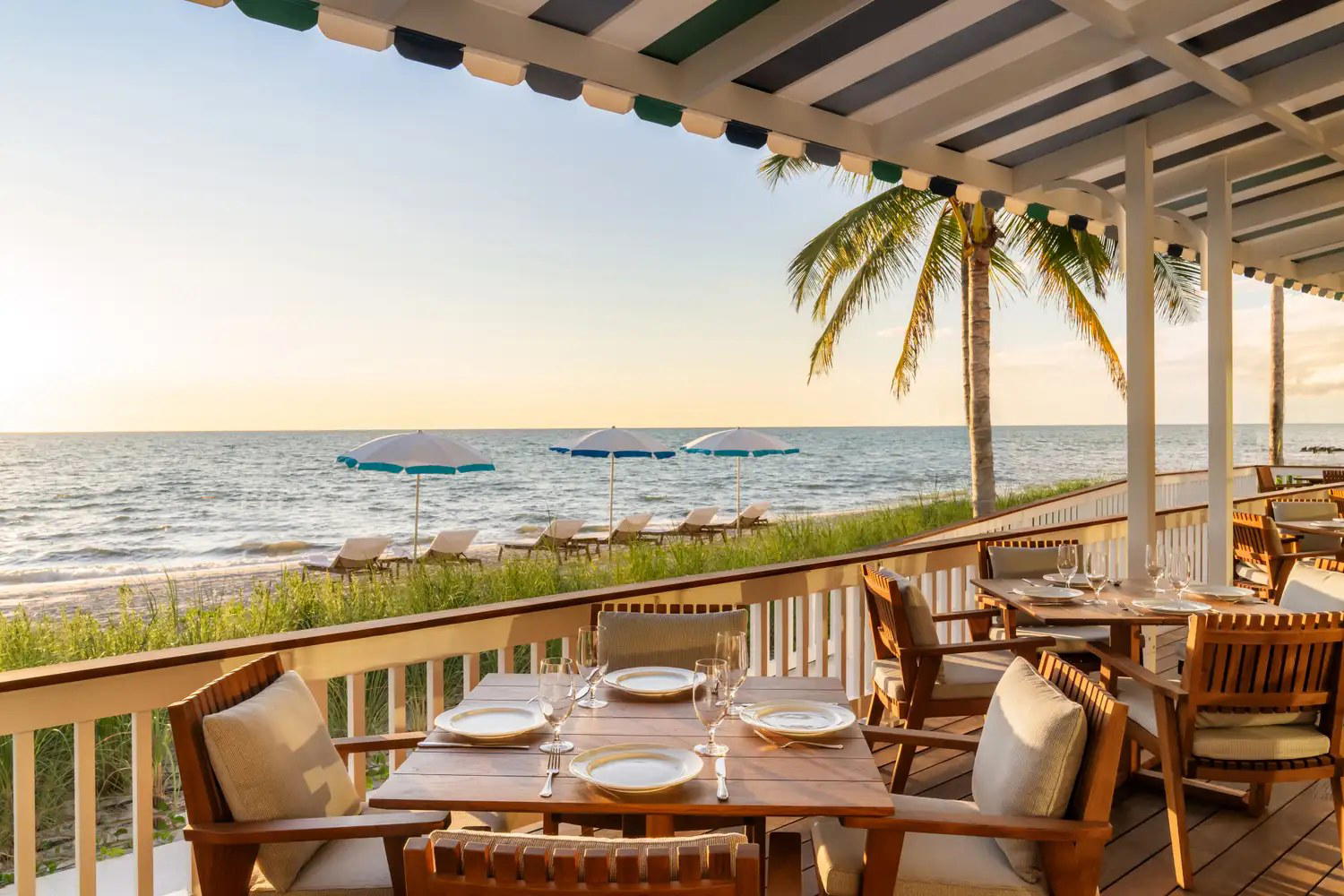
Public space deserves the same scrutiny. Naples hotels can lose character when every room feels sealed off from the climate, or when outdoor areas are decorative rather than usable. The stronger local properties make shade, air movement, and seating feel intentional. A lobby should not need to mimic a city club to feel serious. In this city, hospitality design is often judged in the smaller decisions: where guests wait before dinner, whether arrival feels calm during weekend traffic, how breakfast spaces handle morning light, and whether the pool or terrace functions as part of the daily rhythm rather than a brochure photograph.
That absence shifts attention to the surrounding dining scene. Naples has a restaurant culture shaped by affluent seasonal residents, seafood demand, steakhouses, polished Italian-American dining, and resort restaurants serving guests who prefer convenience to cross-town logistics. For broader planning, Our full Naples restaurants guide is the more useful companion than any unsupported claim about an in-house table.
How Naples Hotel Fits a Broader Travel Pattern
Travelers who choose Naples often want comfort without the intensity of larger resort cities. The city works well for a trip built around morning beach time, golf or tennis, lunch near Fifth Avenue South or Third Street South, and evenings that end earlier than in Miami. The hotel decision should therefore be linked to itinerary shape. A property near dining and shopping suits guests who dislike driving after dinner. A resort closer to the Gulf suits travelers who prioritize pool and beach time. A quieter inland base may suit those using Naples as a launching point for the Everglades, Marco Island, or regional family visits.
It is a more reasonable fit for travelers comparing Naples options on location, availability, or a specific rate found through their booking channel, provided they verify the practical details directly. That is not a criticism of the property; it is the appropriate editorial posture when a hotel’s public data is limited.
Compared with remote American retreats such as Amangiri in Canyon Point, Troutbeck in Amenia, SingleThread Farm Inn in Healdsburg, Kona Village, A Rosewood Resort in Kailua Kona, and Sage Lodge in Pray, Naples is less about immersion in wilderness or farm-country ritual. Its luxury is civic and coastal: good roads, manicured districts, private clubs, restaurants, and weather. Compared with newer urban luxury such as Raffles Boston in Boston, it places less emphasis on vertical city energy and more on horizontal ease.
That makes direct confirmation essential for arrival instructions, cancellation terms, parking, resort fees, pet policy, accessibility needs, and any restaurant or spa access. In Naples, this matters more during the winter and spring high season, when hotel demand, dinner reservations, tee times, and beach-adjacent traffic all tighten at once.
Price should also be handled carefully. Without a listed range, the property cannot be placed in a defined tier against resort peers. Naples accommodation can swing sharply by season, weekday versus weekend, and proximity to the Gulf. A rate that looks sensible in late summer can carry a different implication in February. Travelers comparing value should look beyond nightly price and check inclusions: parking, breakfast, resort fees, beach transport, cancellation windows, and taxes can change the real cost of a stay.
For city-wide context, Our full Naples hotels guide is the broader hotel map. Drinking and evening planning are better handled through Our full Naples bars guide, while regional wine interests can be placed through Our full Naples wineries guide. For guided activities, cultural programming, or outdoor planning, Our full Naples experiences guide gives the wider framework. The point is not to turn the hotel into an all-purpose answer; in Naples, the stronger trips come from matching the property to the day’s rhythm.
Design Comparisons Beyond Florida
Hôtel de Paris Monte-Carlo in Monte Carlo operates in a civic stage set of casino culture, formal dining, and Mediterranean high society. Badrutt's Palace Hotel in St. Moritz belongs to the alpine palace tradition, where winter sport and social ritual shape the property’s identity. Aman Venice in Venice uses palazzo architecture and canal geography as part of the stay. Those hotels are architecture-led in ways that can be named, documented, and compared.
Naples Hotel, by contrast, should be evaluated on verified basics first. Does the room category match the trip’s purpose? Is the location convenient for the restaurants, beaches, or family plans on the itinerary? Are fees and cancellation terms clear? Is the hotel design calm enough to make downtime feel like part of the trip rather than a pause between activities? Those questions are not glamorous, but in Naples they are the right ones. The city’s hospitality culture is built around comfort that works across several days, not a single lobby reveal.
In Context
Comparable venues nearby, for context on price, style, and recognition.
| Venue | Price | Awards | Notes |
|---|---|---|---|
| Naples HotelThis venue (the venue you are viewing) | Not listed | Not listed | Not listed |
| LaPlaya Beach & Golf Resort | $300–500 | Virtuoso Luxury Hotel Partner | Gulf Shore, Luxury beachfront resort combining contemporary comfort with classic elegance, positioned as a premier Gulf Coast destination. |
| Naples Grande Beach Resort | Not listed | Virtuoso Luxury Hotel Partner | Naples, Luxury beachfront resort with sophisticated amenities and event spaces. |
| Naples Beach Club, A Four Seasons Resort | Not listed | Star Wine List · AHEAD Awards AHEAD Americas Resort Shortlist | Naples Beach, Modern coastal luxury resort blending barefoot elegance with sophisticated Four Seasons service. |
| The Escalante | Not listed | Star Wine List | Old Naples, Standalone bungalows with private patios in a lush tropical garden oasis. |
| Wait n’ Rest | Not listed | Not listed | Concourse H, Contemporary airport hospitality concept combining capsule hotel efficiency with upscale amenities. |
Continue exploring
More in Naples
Hotels in Naples
All hotels in Naples →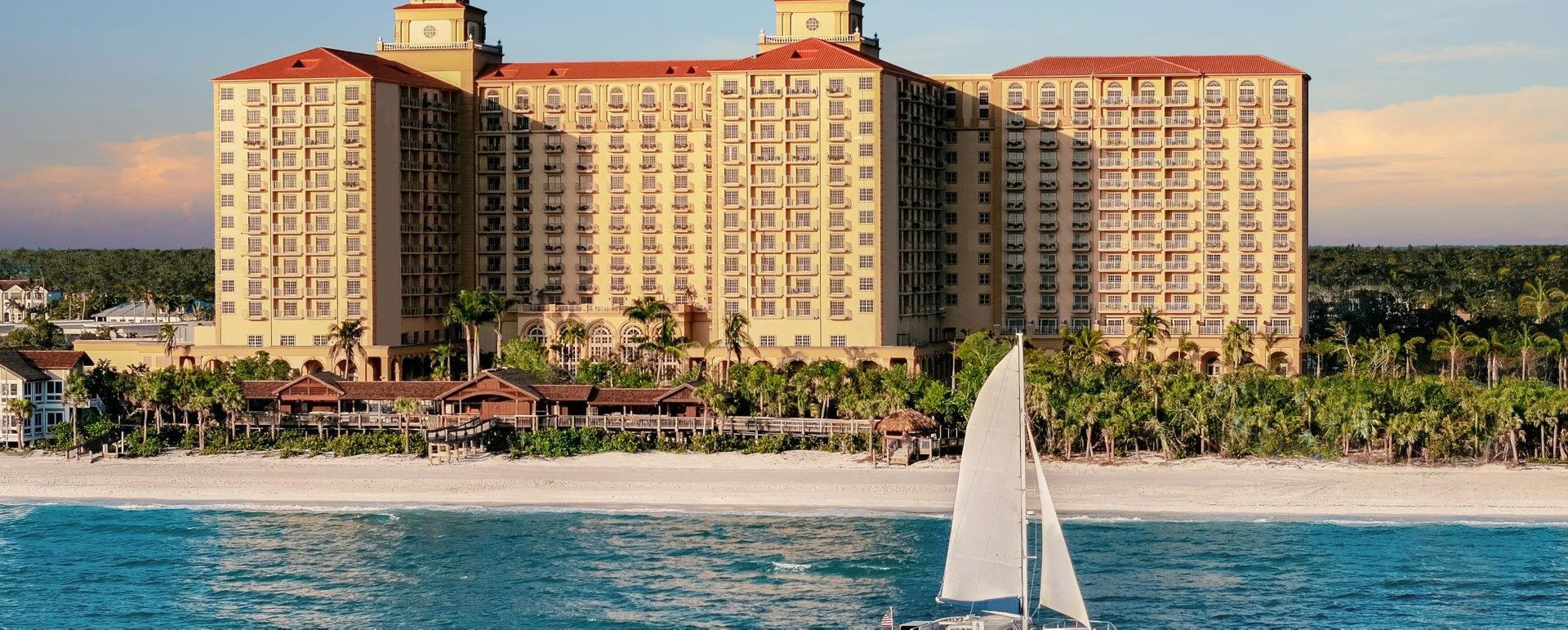
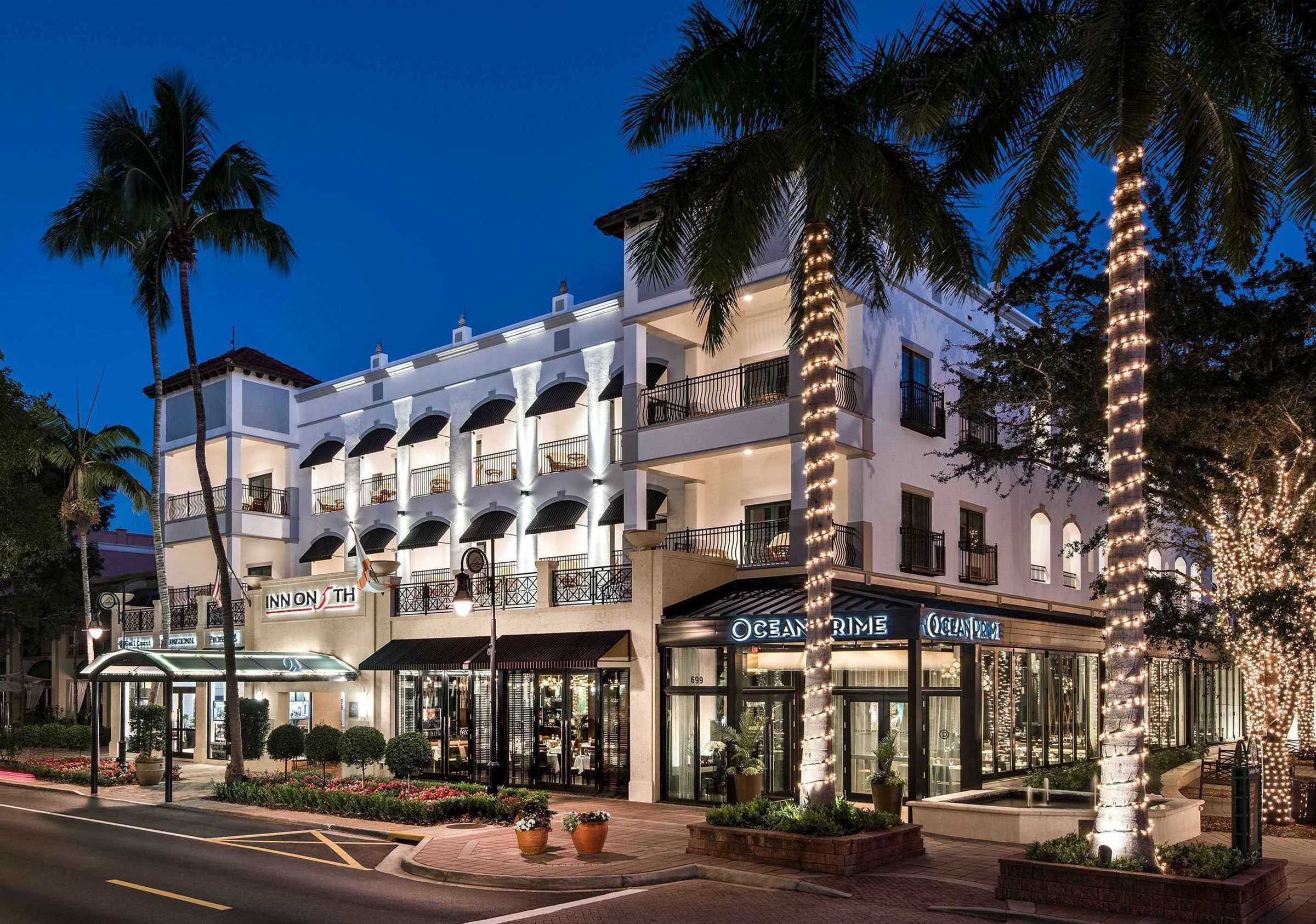
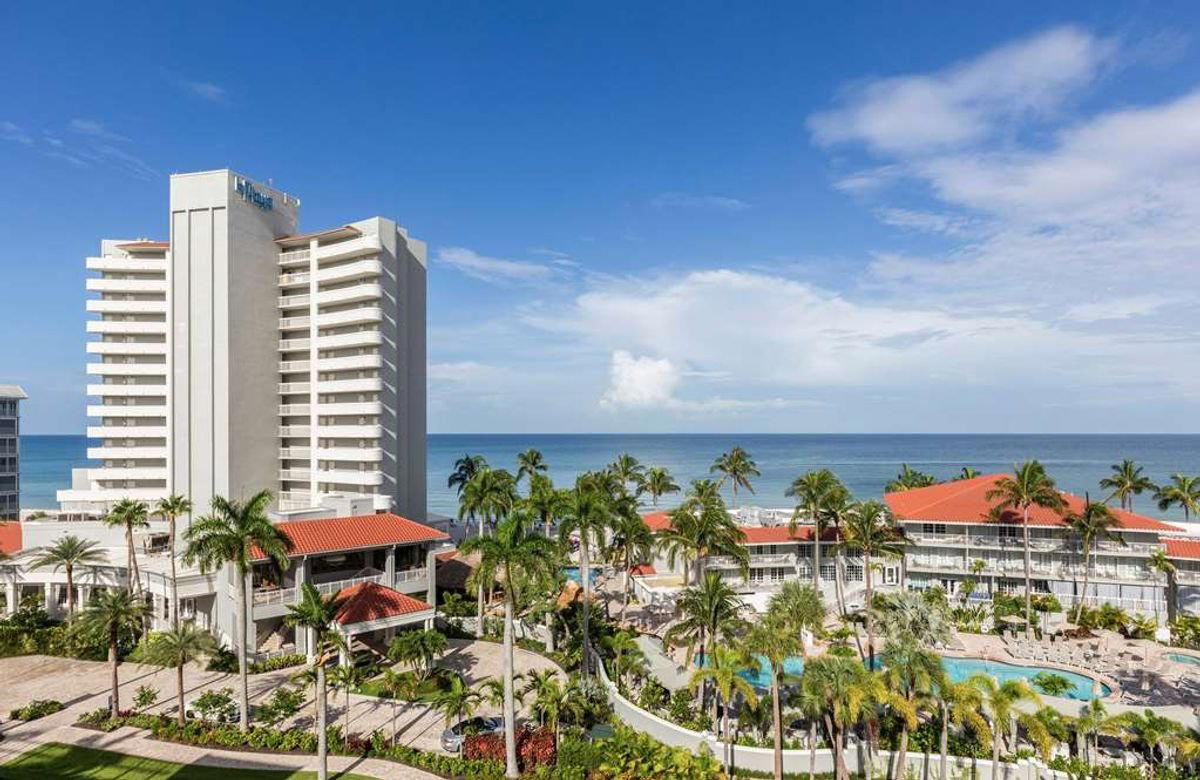
Bars in Naples
Browse all →
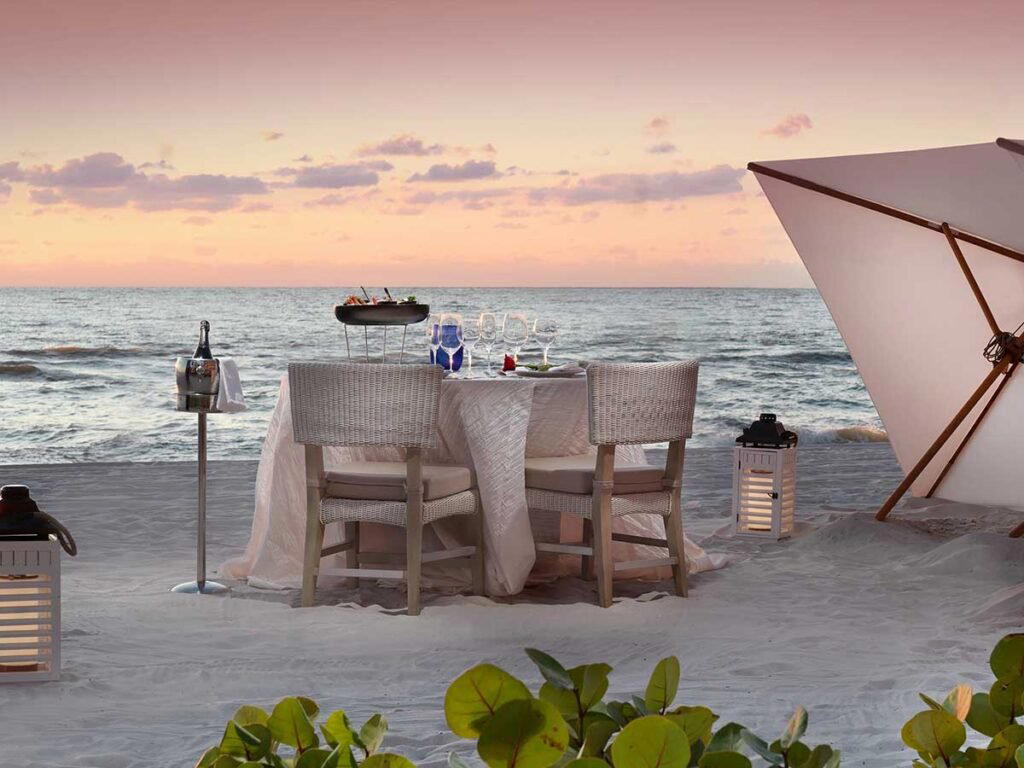
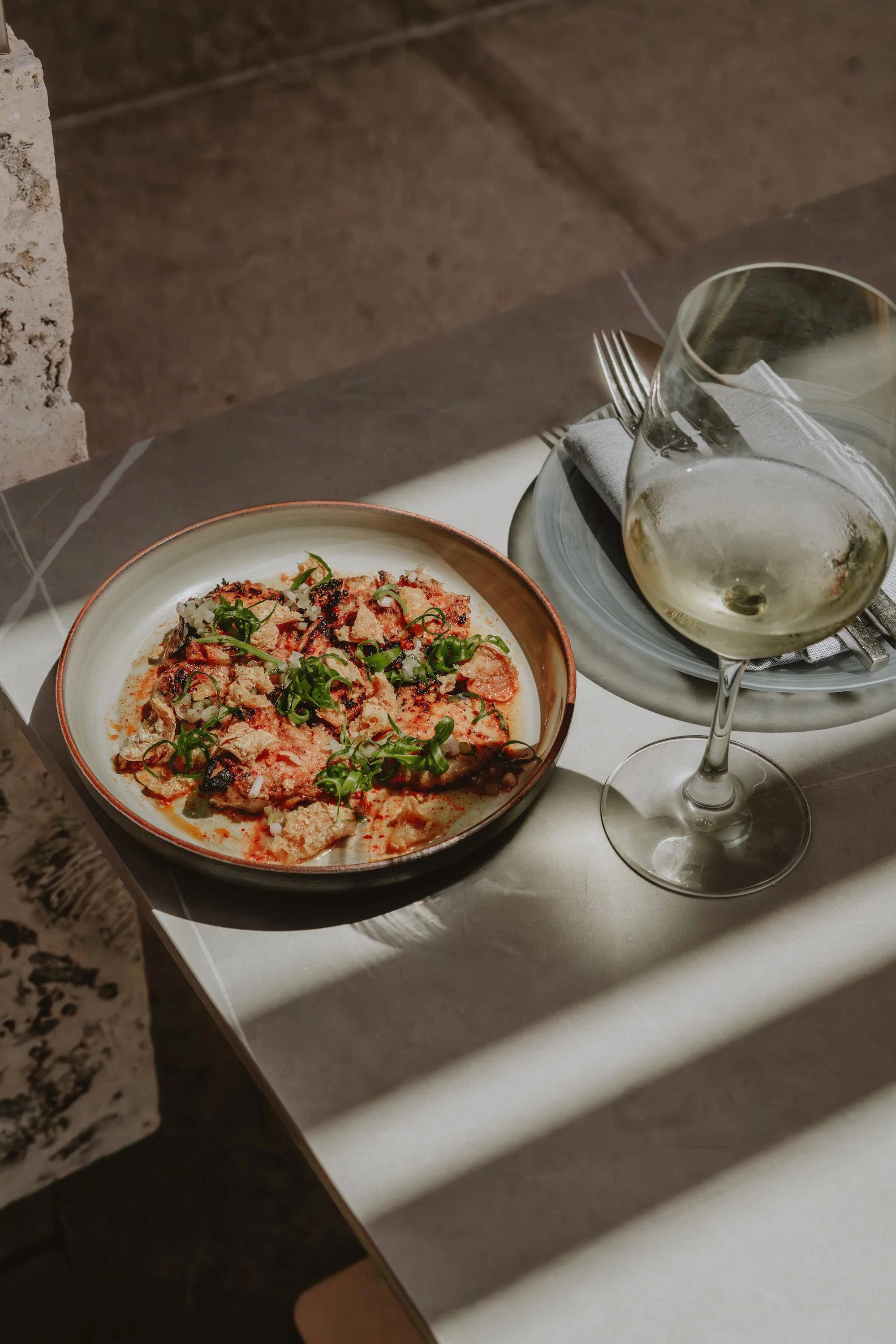
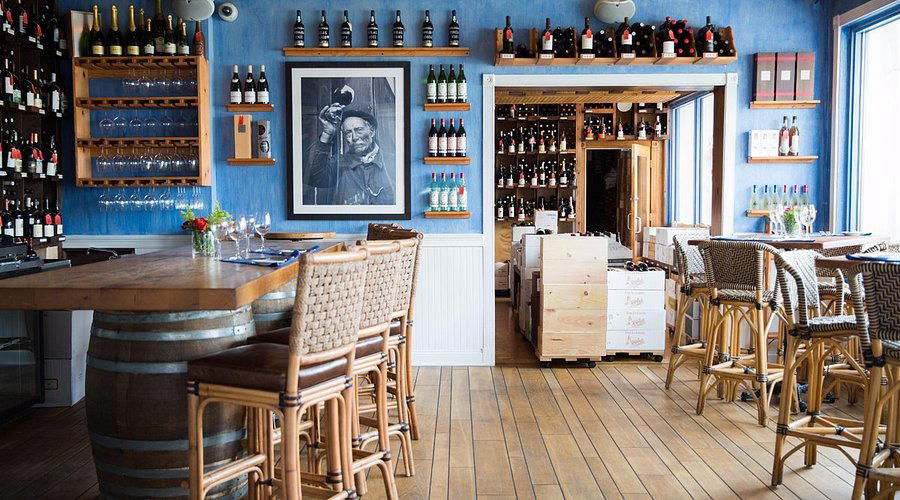
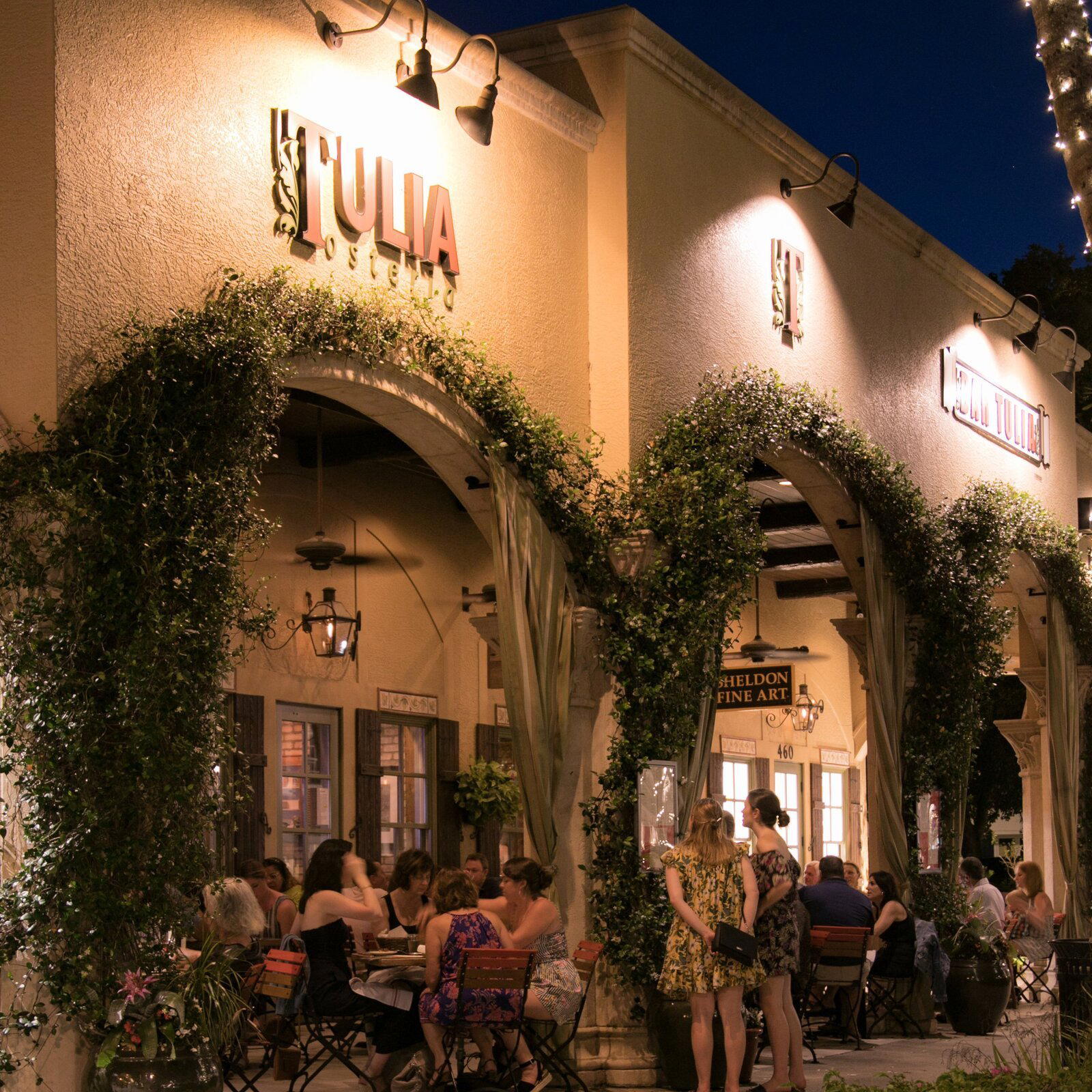
Details
- Classic
- Cozy
- Rustic
- Weekend Escape
- Romantic Getaway
- Anniversary
- Group Retreat
- Historic Building
- Wi Fi
- Restaurant
- Bar
- Street Scene
A preserved late‑19th‑century brick inn with period decor that showcases the building’s history while adding modern comforts, creating a cozy, slightly rustic small‑town atmosphere that appeals both to history buffs and paranormal‑curious guests.