Osteria Tulia


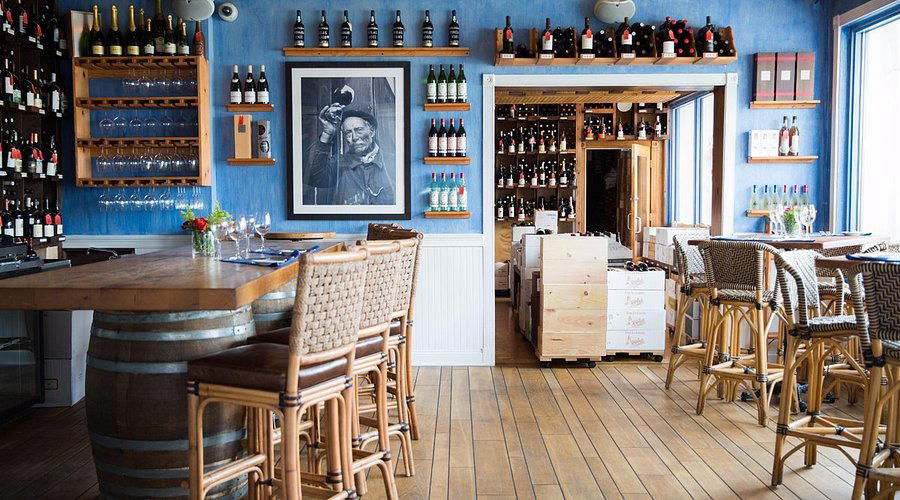
Osteria Tulia, on Fifth Avenue South in Naples, Florida, earns its Star Wine List White Star recognition through a wine program that punches well above the resort-town norm. The osteria format positions it inside a broader Italian dining tradition where the glass and the plate carry equal weight, placing it in a different competitive tier from the surrounding Fifth Avenue corridor.
Pearl is the En Primeur Club membership app — saves, bookings, and concierge access live there. Same editors, same standards.
- Address
- 466 5th Ave S, Naples, FL 34102
- Phone
- (239) 213-2073
- Website
- osteriatulia.com
 Saves & bookings on Pearl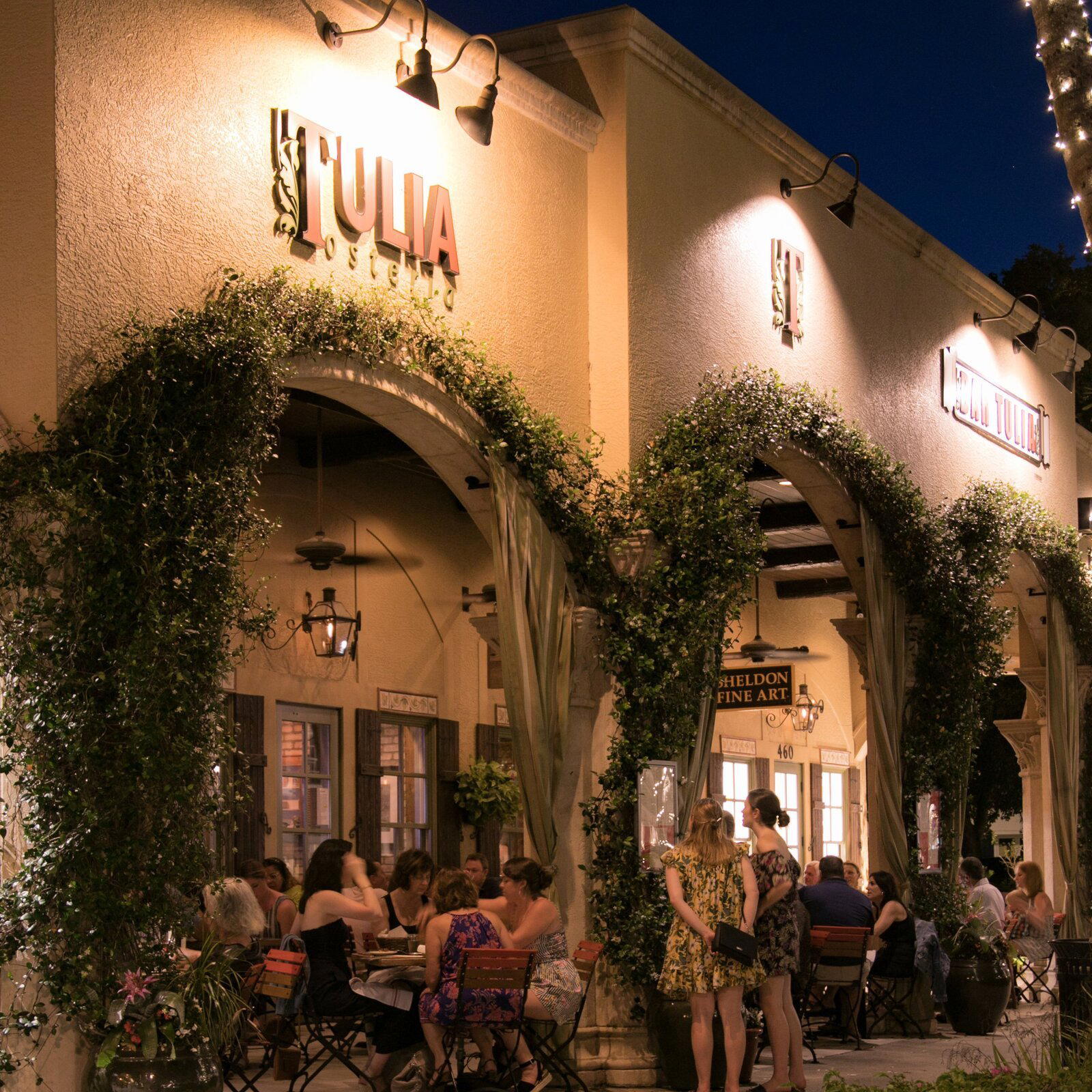
Fifth Avenue South and the Italian Osteria Tradition
The stretch of Fifth Avenue South in Naples, Florida operates as the city's primary dining corridor, a street where the pressure to be broadly appealing is constant and the default register is safe. Against that backdrop, the osteria model is a considered choice. In Italy, the osteria sits between the trattoria and the ristorante in formality, historically defined less by white tablecloths and more by a serious relationship with wine and produce. Osteria Tulia, at 466 Fifth Avenue South, brings that framework to a market that doesn't always reward it. The White Star designation from Star Wine List, awarded in May 2025, confirms that the wine program here is operating at a level the platform considers worth singling out.
Where Ingredient Sourcing Shapes the Format
The osteria tradition is, at its core, an ingredient-first tradition. Where the ristorante builds identity around technique and presentation, the osteria's authority comes from the quality of what it sources and the restraint with which it treats those materials. In southern Italian cooking, where the canon runs from Campanian tomatoes and buffalo mozzarella to cured fish from the Tyrrhenian coast, ingredient provenance is the primary carrier of flavour. Transplanting that logic to Southwest Florida creates an interesting editorial question: what does an osteria become when its sourcing geography shifts?
Florida's Gulf Coast is not without serious produce. The state's warm winters support year-round agriculture, and Gulf seafood, grouper, stone crab, snook, is among the most regionally specific protein available in American dining. The osteria framework, applied here, implies a kitchen that looks at what the local season and local water offer and then interprets it through an Italian structural lens rather than importing identity wholesale. That approach places Osteria Tulia in a different tier from the red-sauce Italian restaurants that dominate most American coastal markets. For context, the Italian dining spectrum in the original Naples runs from neighbourhood pizza at houses like 50 Kalò and 50 Kalò di Ciro Salvo up through contemporary creative formats at Palazzo Petrucci. The osteria occupies the middle register of that spectrum: unpretentious in atmosphere, serious in product.
The Wine Program and What a White Star Signals
Star Wine List's White Star is a peer-reviewed recognition for wine programs that demonstrate genuine depth, curation, and coherence. It is not a volume award, a restaurant with a thousand-bottle list can fail to earn it, while a tighter, more intelligently assembled selection will. In the Florida Gulf Coast market, White Star recognition is not common. Most hotel dining rooms and resort-adjacent restaurants in the Naples, Florida area treat wine as a revenue line rather than an editorial statement. The White Star at Osteria Tulia places it in a smaller comparable set: restaurants where the sommelier or wine buyer is making decisions that would hold up to scrutiny from a serious wine audience.
For the Italian osteria tradition, this is structurally appropriate. The osteria format evolved partly as a place where wine was stored and served, the food existing to complement the glass rather than the other way around. A strong wine program is not an add-on to an osteria, it is definitional. In that sense, the White Star recognition is less a bonus credential and more a confirmation that the original format premise is being honored. Among the broader Italian-influenced dining scene in the US, wine-serious Italian restaurants occupy a specific niche. Properties like Le Bernardin in New York City demonstrate that wine program seriousness can coexist with any cuisine tradition when the commitment is structural rather than decorative.
Naples, Florida's Dining Position in 2025
Naples, Florida has spent the last decade building a restaurant scene that increasingly competes with Miami and Palm Beach for serious dining attention. The city's demographics, a resident base with high disposable income and significant travel experience, have driven demand for restaurants that operate at a higher level of specificity than the resort-town baseline. Contemporary fine dining properties like George Restaurant now operate at price points and ambition levels that would not look out of place in Chicago or San Francisco. Against that backdrop, Osteria Tulia's Italian-focused identity and wine program depth read as a coherent market position: specific enough to attract a loyal audience, legible enough that first-time visitors can place it immediately.
The comparison set for an osteria with White Star wine recognition and a serious sourcing ethos in this market extends beyond Naples, Florida. It is the broader cohort of regionally serious, wine-integrated Italian restaurants across American fine dining, places where the glass and the plate are designed together rather than in separate operational silos. That cohort includes destination properties at the level of Single Thread Farm in Healdsburg and, internationally, operations like Alain Ducasse at the Louis XV in Monte Carlo, where wine program architecture is as considered as the kitchen output. Osteria Tulia is not operating at those price tiers, but its White Star recognition places it in the same philosophical tradition.
For visitors making a broader Naples, Florida dining itinerary, Veritas offers Campanian-focused programming for comparison, while 177 Toledo operates in the Italian contemporary register.
Planning Your Visit
Osteria Tulia sits at 466 Fifth Avenue South, in the heart of Naples, Florida's main dining corridor. The Fifth Avenue South address means it is walkable from most of the city's central hotels and accessible without a car for guests staying downtown. Reservations are recommended, particularly during the winter season.
At-a-Glance Comparison
Comparable venues nearby, for context on price, style, and recognition.
| Venue | Cuisine | Price | Awards | Notes |
|---|---|---|---|---|
| Osteria TuliaThis venue — the venue you are viewing | Rustic Italian Osteria | $$$ | ||
| Vergina Restaurant | Modern Italian Mediterranean | $$$ | , | Old Naples |
| Capri Fish House | Fresh Gulf Seafood | $$ | , | Isles of Capri |
| Campiello | Rustic Contemporary Italian | $$$ | , | Old Naples |
| Watermark Grille | American Steakhouse & Seafood | $$$ | , | North Naples |
| Chops City Grill | American Steakhouse with Wagyu & Sushi | $$$$ | , | Old Naples |







At a Glance
- Rustic
- Cozy
- Elegant
- Intimate
- Date Night
- Special Occasion
- Family
- Open Kitchen
- Extensive Wine List
- Craft Cocktails
- Local Sourcing
- Street Scene
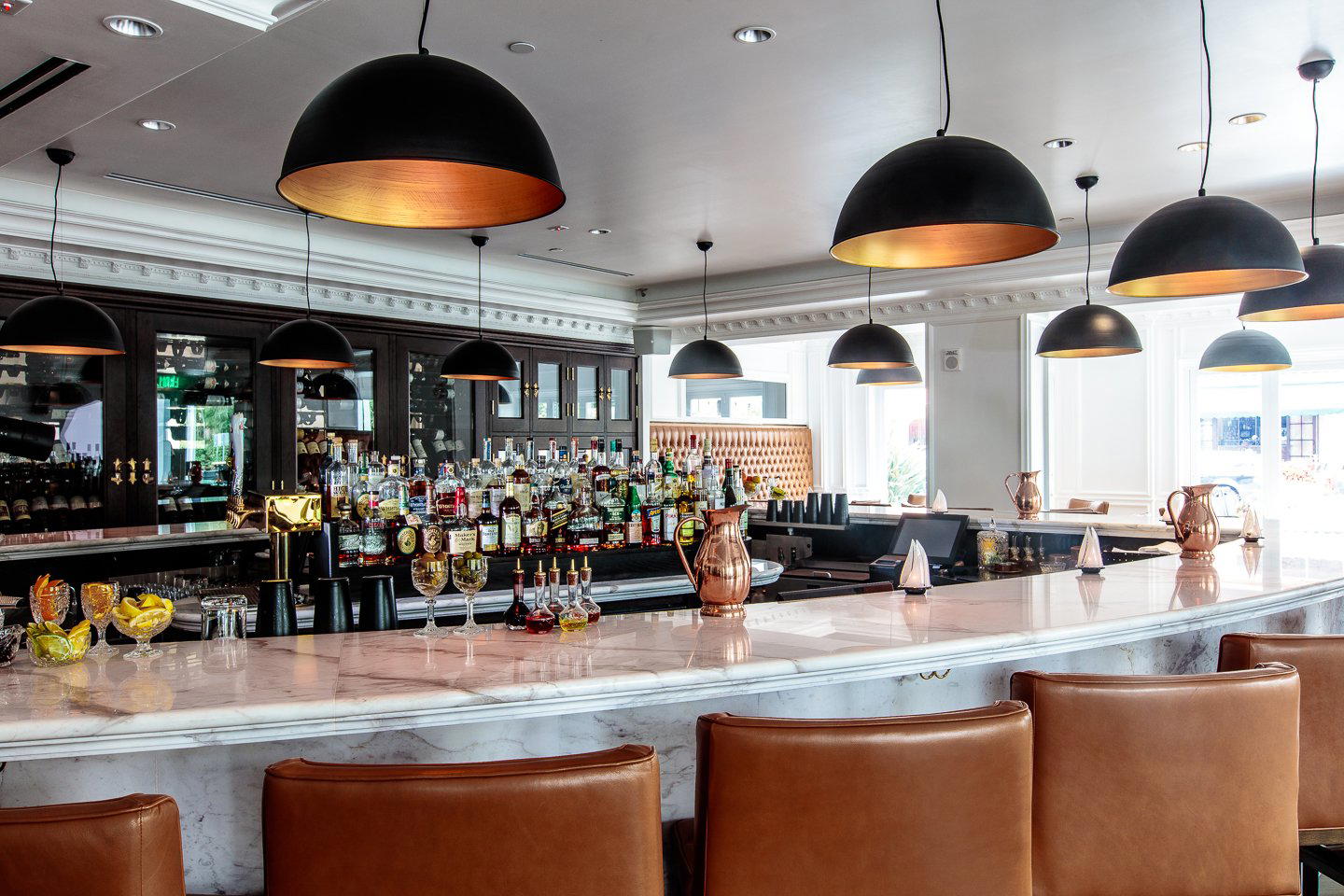
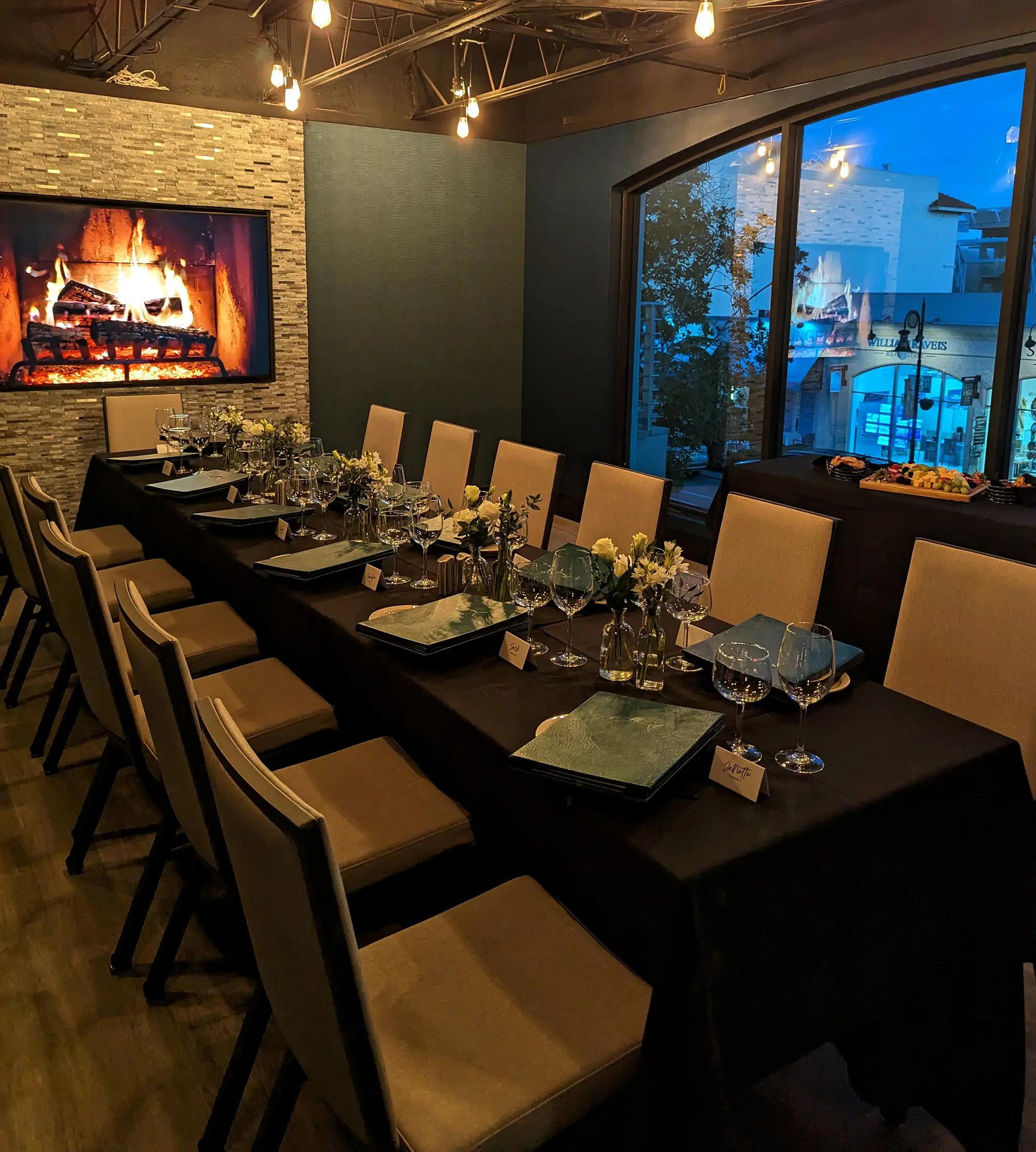
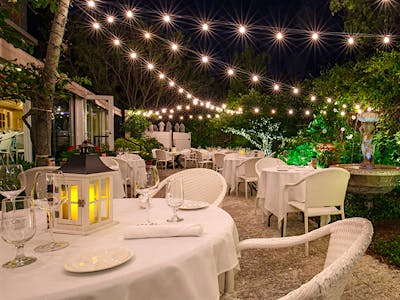
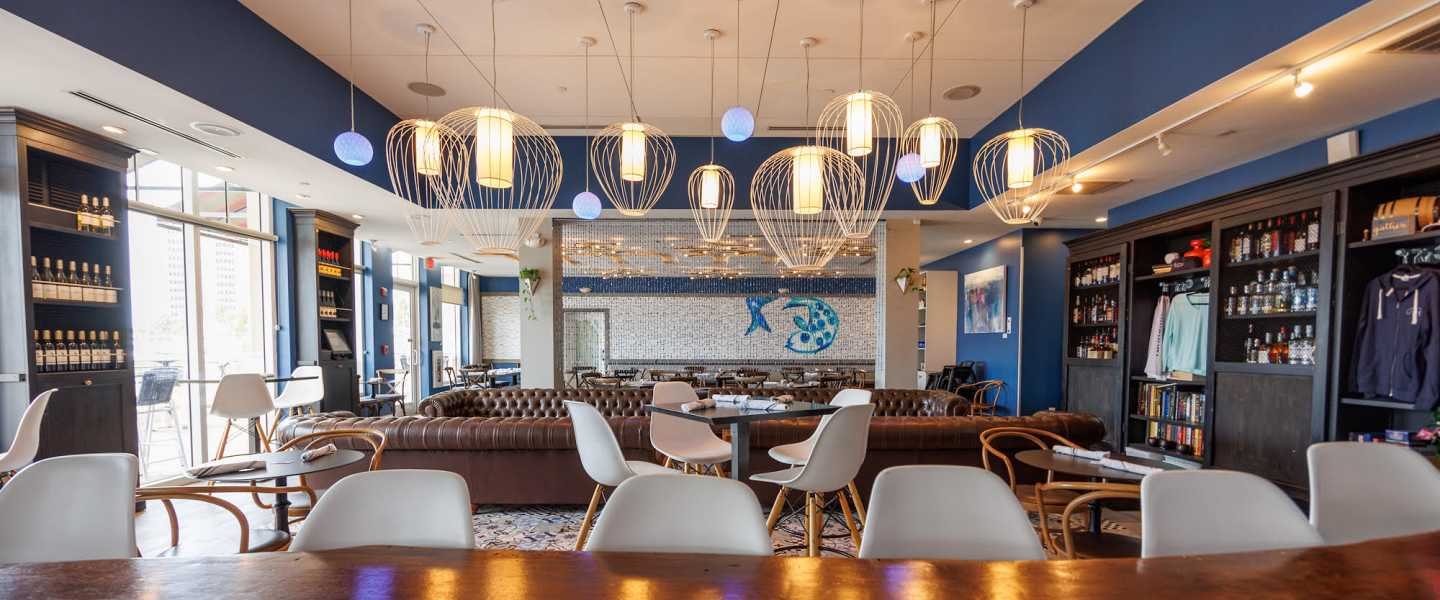
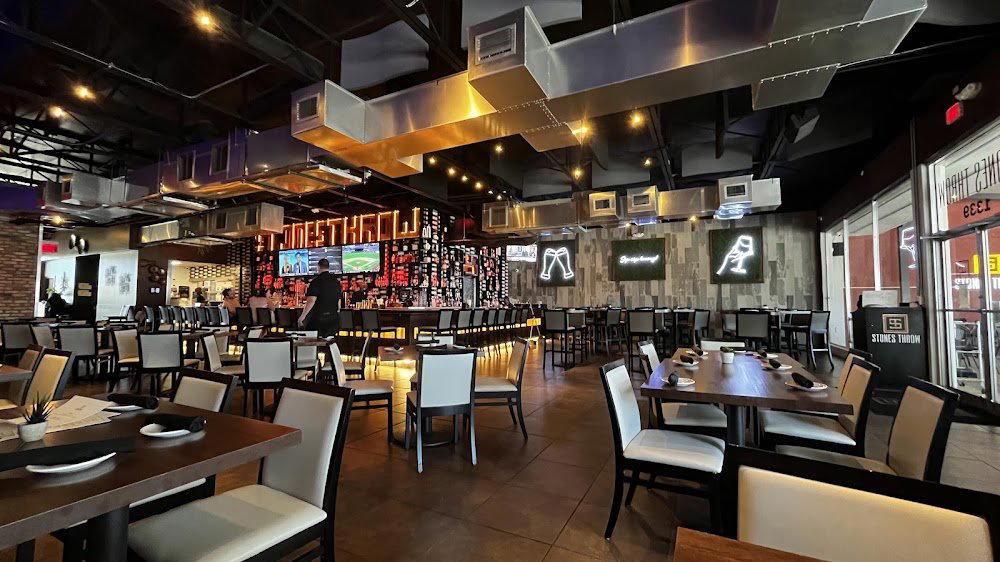
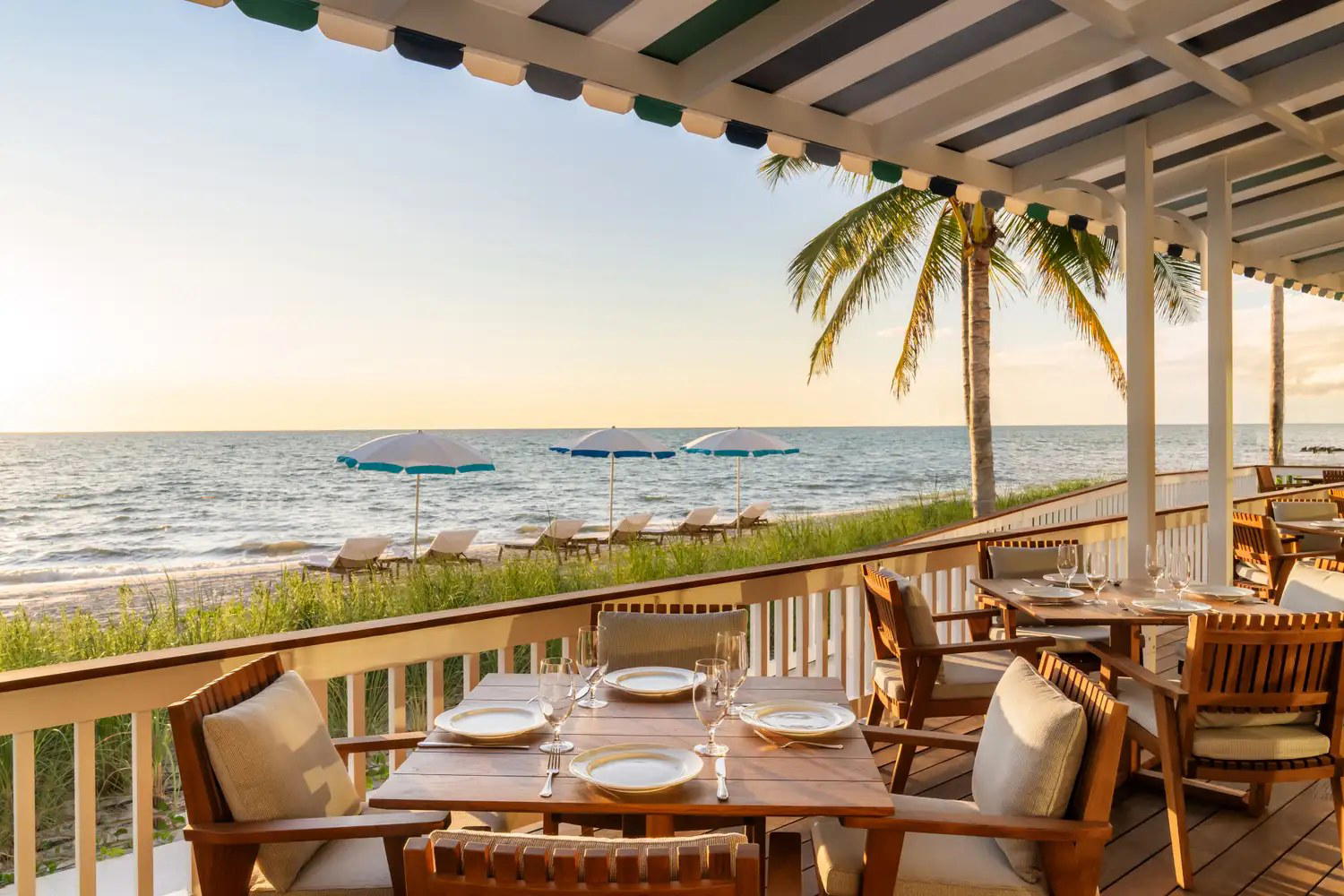
Cozy and convivial atmosphere evoking a restored Italian farmhouse, with pleasant outdoor patio seating on 5th Avenue that's less noisy than indoors.