Lion Sands River Lodge
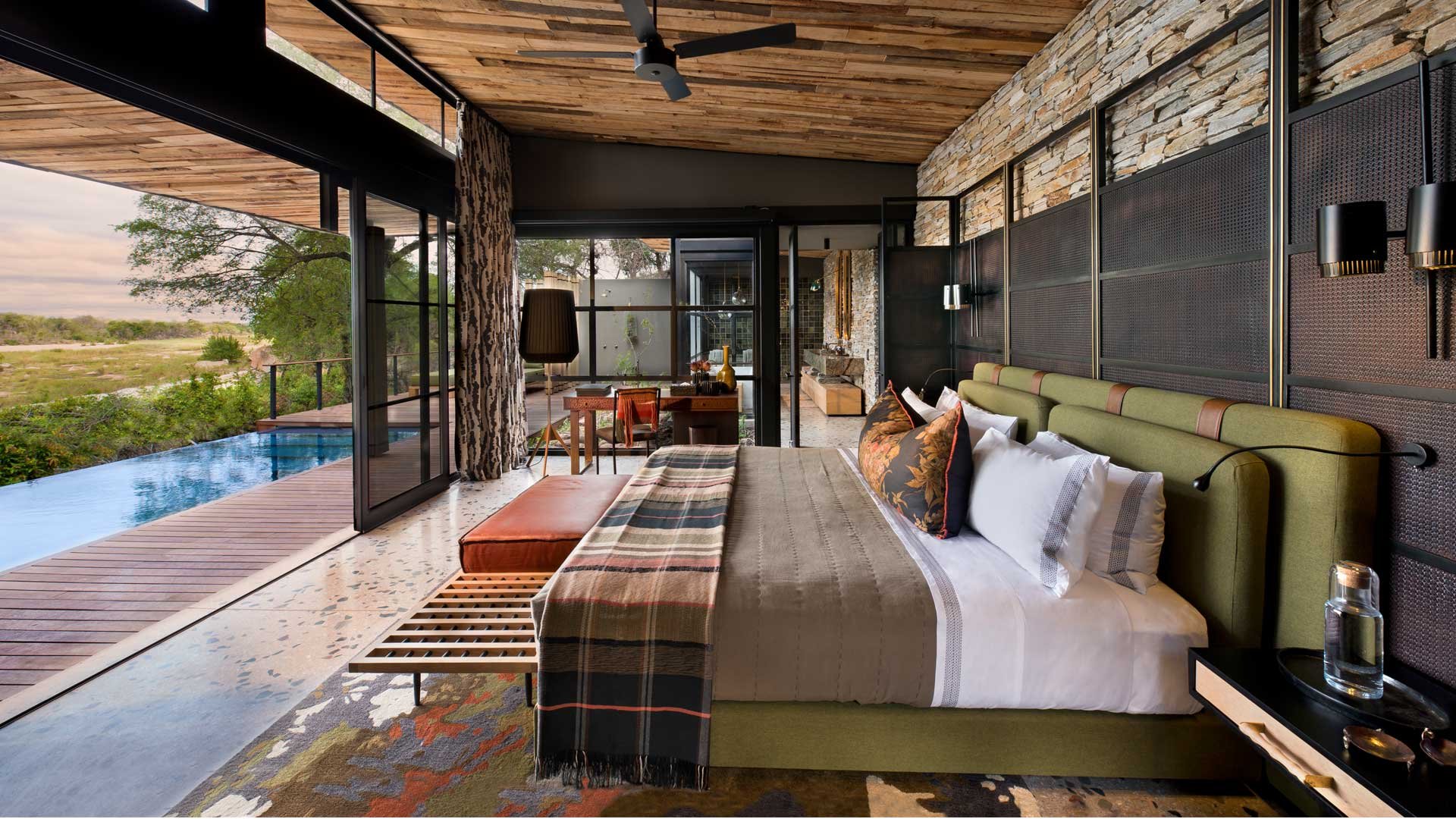
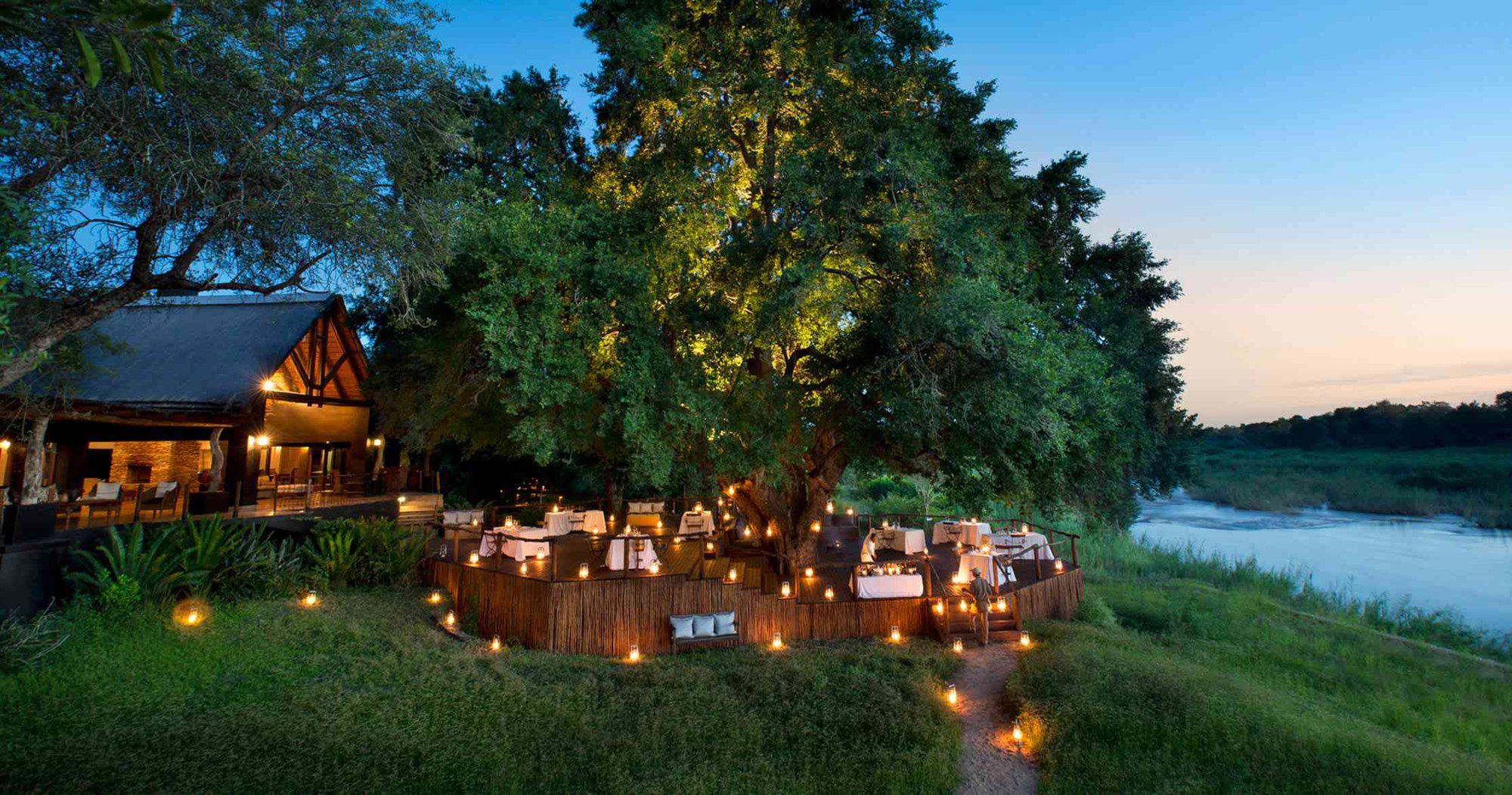
Positioned on the border between Sabi Sand Game Reserve and Kruger National Park, Lion Sands River Lodge offers 18 rooms across four lodges and two private villas, with rates from $2,827. The property's singular location along the Sabie River places guests inside one of southern Africa's most biodiverse corridors, with guided game drives, treehouse accommodations, and pre-arranged dining on the reserve grounds.
Pearl is the En Primeur Club membership app — saves, bookings, and concierge access live there. Same editors, same standards.
- Address
- 2GHJ+3F, Sabie Park, 2160
- Phone
- +27 13 735 5000
- Website
- more.co.za
- Directions
- Get directions
 Saves & bookings on Pearl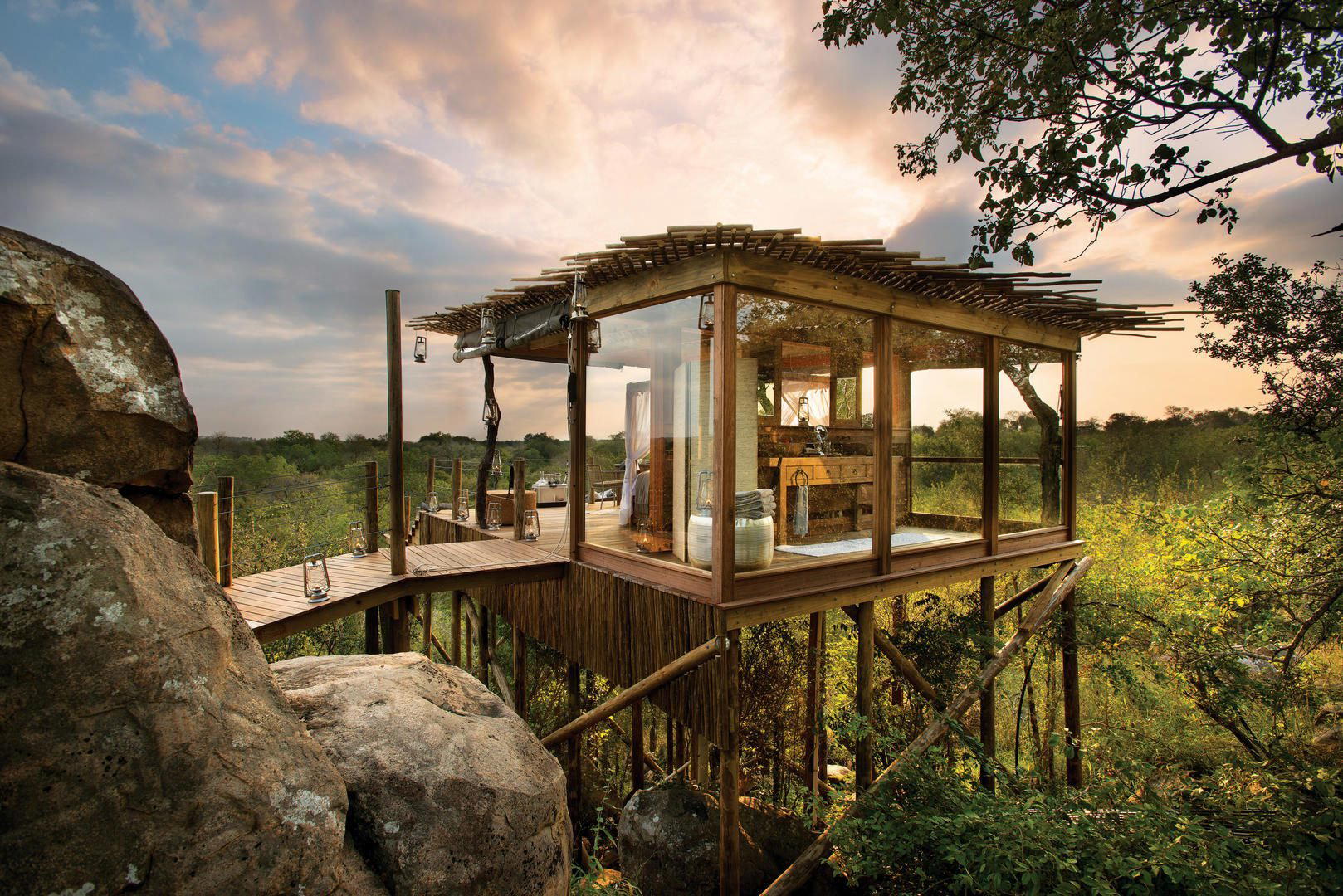
Between Two Reserves: What Lion Sands River Lodge's Position Means in Practice
The geography of premium safari accommodation in South Africa's greater Kruger region shapes the guest experience before anyone even unpacks a bag. Most lodges operate either within Sabi Sand or adjacent to Kruger, with fenced boundaries and managed access points defining what animals can be tracked and how. Lion Sands River Lodge occupies a rarer configuration: it sits on the strip between Sabi Sand Game Reserve and Kruger National Park proper, a position that grants access to unfenced wilderness on both sides of the Sabie River. In practice, that means game drive ranges are broader and the possibility of encountering animals that move freely between the two reserves is substantially higher than at lodges confined to a single concession.
This dual-access geography places Lion Sands River Lodge in a specific competitive tier. Among Sabi Sand properties, the comparison set includes addresses like Cheetah Plains Private Game Reserve and Singita Sabi Sand, both of which command similar price brackets and offer private concession advantages. What distinguishes the River Lodge within that set is scale and structural variety: 18 rooms spread across four lodge configurations and two private villas, with treehouse structures available as a supplementary experience. It occupies a distinct position in premium Sabi Sand accommodation in terms of capacity, while aligning with the top tier on price, starting at $1,200 per night.
The Service Logic of a Remote Wilderness Property
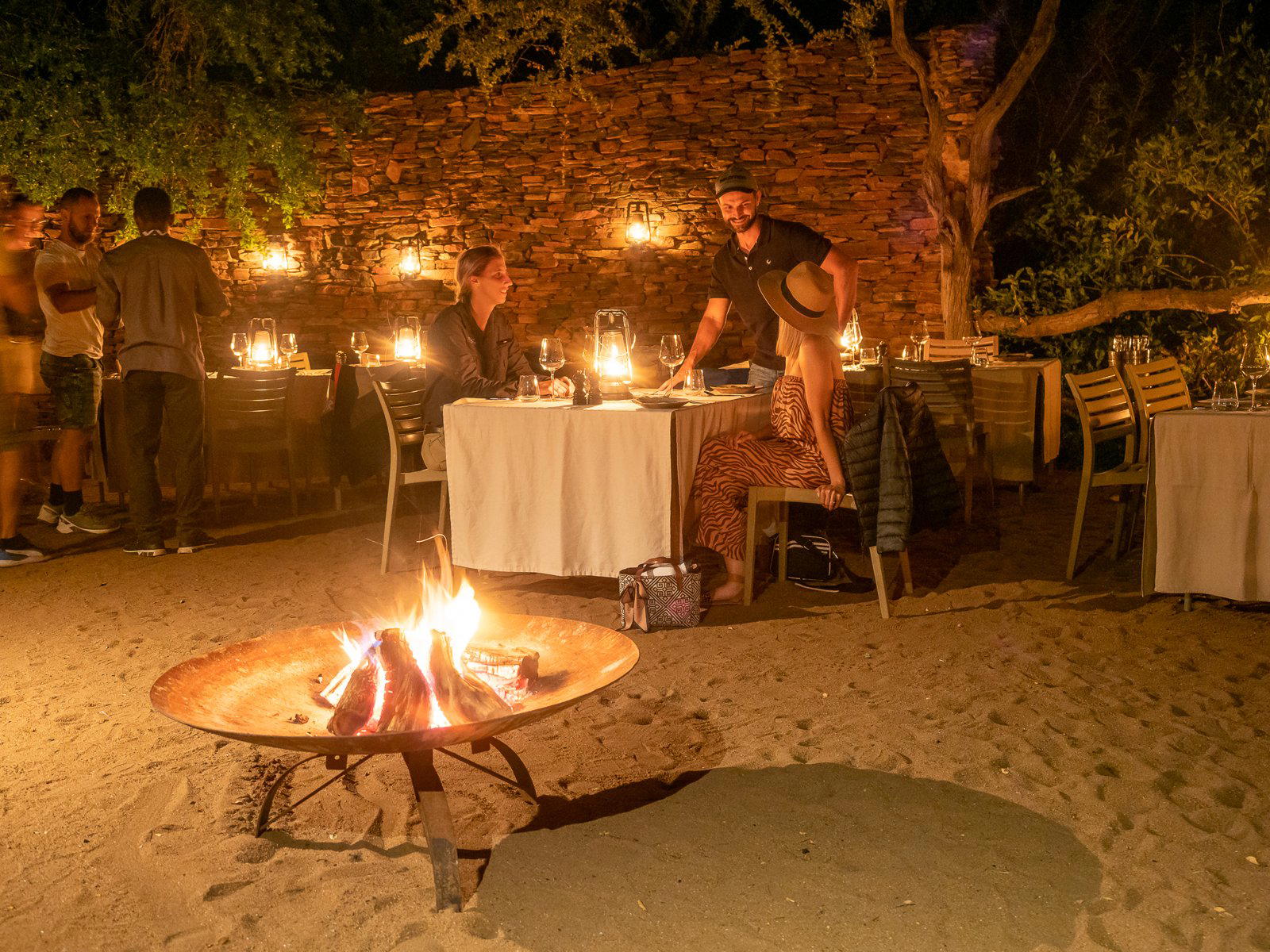
In high-end safari hospitality, the organizing principle of service is anticipation rather than reaction. Guests are not browsing a menu at the table or selecting activities from a lobby board; the rhythm of the stay is constructed in advance, built around wildlife movement patterns, personal preferences gathered before arrival, and the operational requirements of a remote reserve environment. At Lion Sands River Lodge, meals are arranged with the kitchen ahead of time, a format that allows the property to serve elaborate dining experiences on the reserve grounds rather than in a conventional restaurant setting. The logistics of plating a serious meal outdoors, with wildlife as a proximate presence, require coordination that starts well before the meal itself.
This model of pre-arranged experience runs through the property's wider offering. Guided game drives operate on the premise of minimal human contact with the animals, a guiding philosophy common across Sabi Sand lodges that prioritizes behavioral observation over proximity staging. Wellness and spa treatments sit alongside the core safari program, though the treehouse structures available for reservation represent one discussed aspect of the non-game-drive experience. These refined structures, positioned above the reserve's grassland, function as an observational format in their own right, detaching the guest from ground-level lodge infrastructure and placing them inside the ambient sounds and sightlines of the bush.
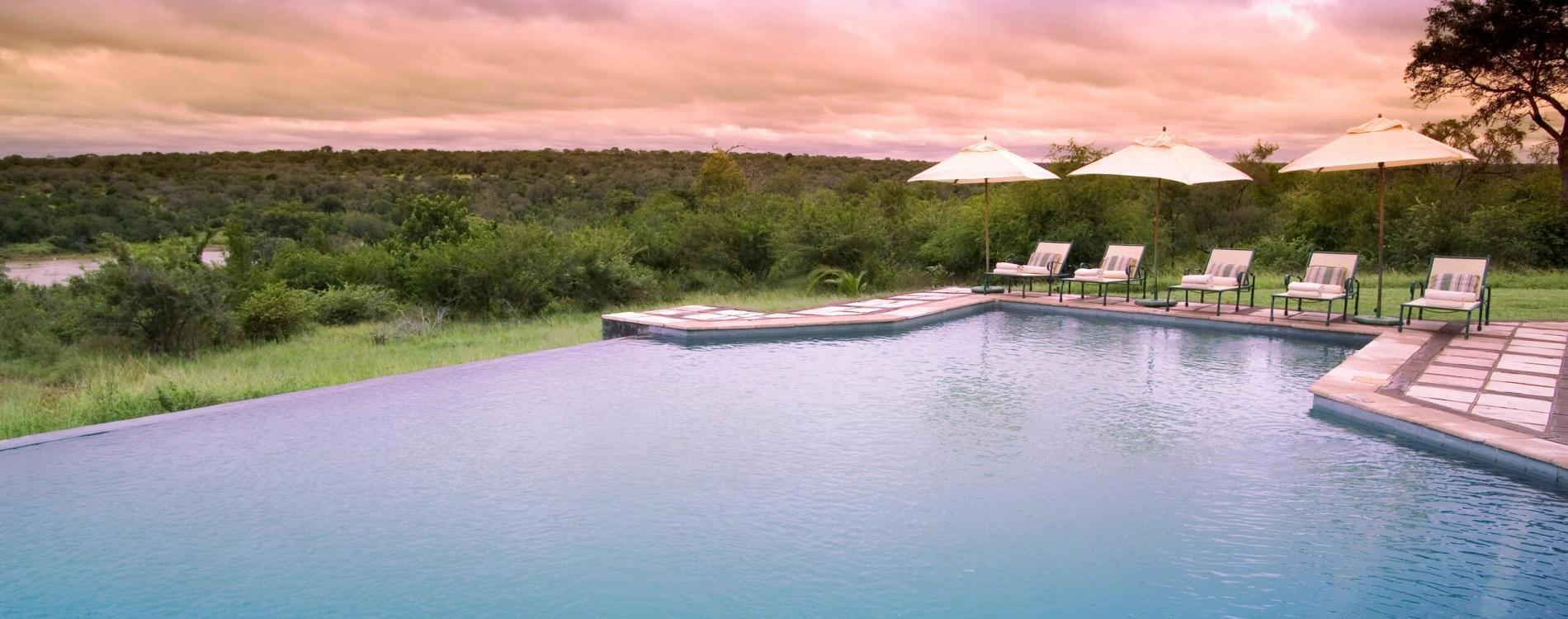
For context, this kind of layered service architecture, where every element is pre-coordinated and the guest's principal role is to be present rather than to plan on the fly, is the standard operating model across the Sabi Sand's upper tier. What distinguishes one property from another within that framework is execution depth and spatial drama. The Sabie River setting provides the latter reliably, with views that shift significantly depending on season and water level.
Four Lodges, Two Villas: Understanding the Property's Structure
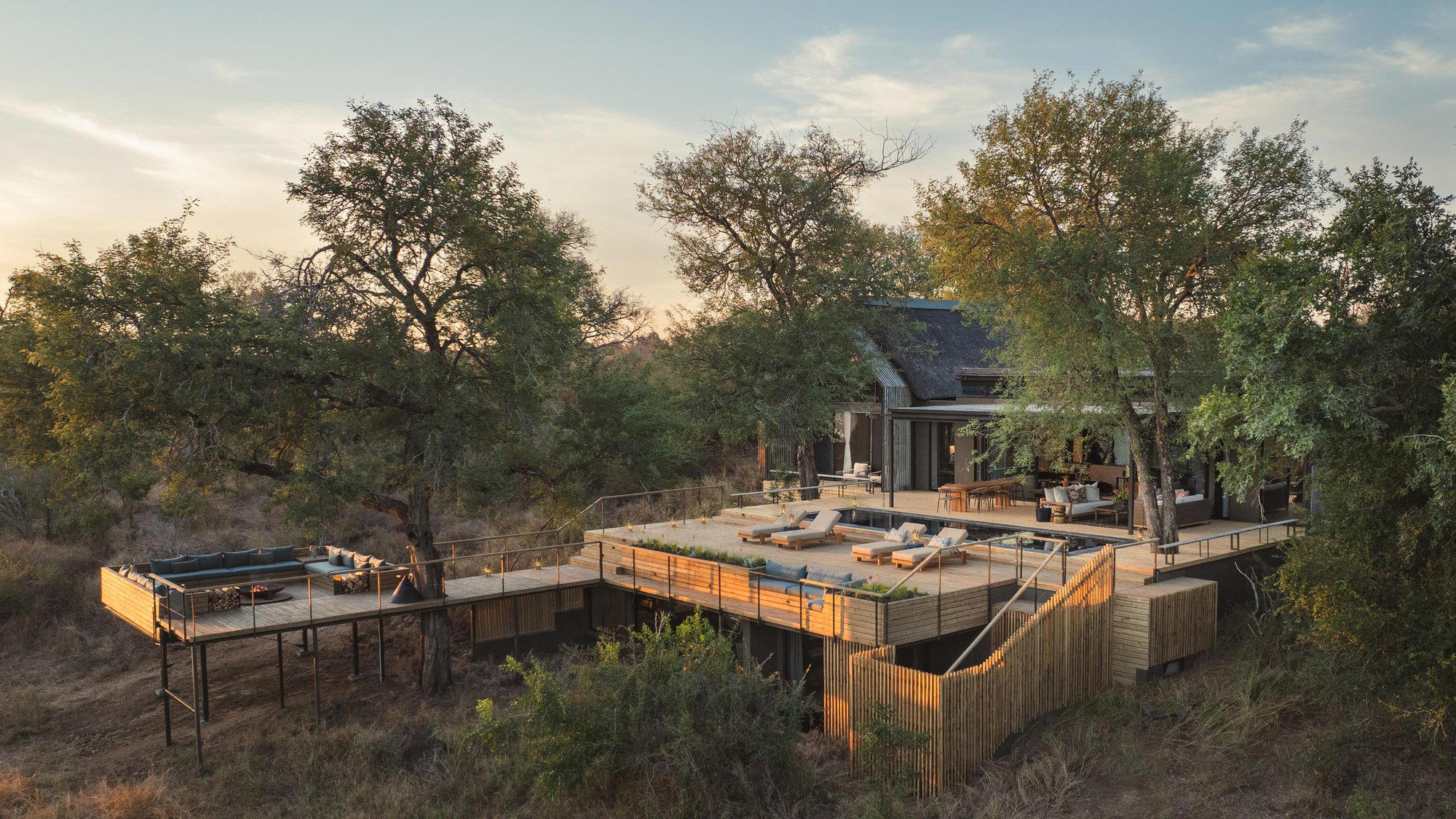
The 18-room count at the hotel is distributed across four distinct modern lodge formats, with two private villas available for guests seeking full-property exclusivity or family-group configurations. This structural arrangement matters when booking: the experience of staying in one lodge sub-unit will differ from another in terms of proximity to the river, distance from shared facilities, and the density of other guests in immediate view.
The private villa format sits at one end of the spectrum, offering the kind of self-contained isolation that properties like andBeyond Phinda Private Game Reserve or Makanyane Safari Lodge offer as their primary format. At the hotel, the villas are one configuration within a broader property, which means guests selecting the villa option should confirm what shared infrastructure remains accessible and what is private to their booking.
Treehouse reservation option is a structural element worth understanding separately. These function as a specific experience format, reservable by guests staying in the lodge rooms, providing an overnight or extended session in a refined structure above the grassland. The demand for this format suggests it functions as a genuine differentiator within the River Lodge experience rather than a supplementary amenity.
Positioning Lion Sands in the Broader South African Luxury Safari Context
South Africa's premium safari market has consolidated around a small number of reserve ecosystems, with Sabi Sand carrying the strongest track record for big-five sightings in private-concession conditions. The price tier at which the hotel operates, from $1,200 per night, places it in direct comparison with the Sabi Sand's most recognized addresses. Singita's Kruger National Park properties sit in a similar bracket across the fence. Properties further afield, including Abelana River Lodge near Phalaborwa or African Flair Boutique Safari Lodge in Limpopo, operate at lower price points with different access configurations.
For travelers combining a Sabi Sand stay with time in Cape Town or Johannesburg, the logistical chain typically runs through O.R. Tambo International Airport and then a light aircraft transfer to a Sabi Sand airstrip. Urban bookends might include city properties like African Pride Melrose Arch in Johannesburg or, for Cape Town arrivals, options ranging from Mount Nelson, A Belmond Hotel to Hyatt Regency Cape Town. Wine-focused extensions into the Winelands might include Clouds Estate in Stellenbosch or Akademie Street Boutique Hotel in Franschhoek. Further afield, ! Xaus Lodge in the Kalahari offers a contrasting ecosystem for travelers building a multi-region South Africa itinerary.
See our full Sabi Sand Game Reserve guide for a broader map of how the hotel sits within the reserve's range of accommodation options, from andBeyond Kirkman's Kamp near Skukuza to andBeyond Ngala Safari Lodge near Hoedspruit and the full range of concession styles available across this corridor.
Planning a Stay
Rates at the hotel start at $1,200 per night. Guests should confirm the specific inclusions when booking. The property's 18-room count across four lodge formats means there is genuine variation in what a stay looks and feels like depending on which unit is selected. Travelers prioritizing seclusion should review the private villa configuration; those prioritizing the treehouse experience should confirm availability as part of the booking process, as reservations for those structures are separate from room allocation. The dry winter months, broadly June through October, are a strong time for game viewing, when vegetation thins and animals concentrate around water sources including the Sabie River that runs through the property.
Cuisine-First Comparison
Comparable venues nearby, for context on price, style, and recognition.
| Venue | Cuisine | Price | Awards | Notes |
|---|---|---|---|---|
| Lion Sands River LodgeThis venue — the venue you are viewing | Luxury safari lodge blending contemporary South African design with authentic bush atmosphere | $$$$ | Michelin 1 Key | Not listed |
| Singita - Singita Sabi Sand | Contemporary safari luxury blending antiques with modern canvas-and-glass suites suspended over the river. | $$$$ | 5-Star | Sabi Sand Game Reserve |
| Cheetah Plains Private Game Reserve | Exclusive-use private safari villas in the African bushveld | $$$$ | 5-Star | Sabi Sand Game Reserve |
| Lion Sands Game Reserve | Ultra-luxury safari lodge with private riverside villas | $$$$ | 5-Star | Sabi Sand Game Reserve |
| Park Hyatt Johannesburg | Colonial heritage mansion reimagined as a contemporary luxury boutique hotel with curated art and tailored experiences. | $$$$ | Michelin 1 Key | Melrose Estate |
| GweGwe Beach Lodge | High-end boutique lodge inspired by local Mpondo traditions, blending into the Wild Coast wilderness. | $$$$ | Michelin 1 Key | Mkambati Nature Reserve |
Continue exploring
More in Sabi Sand Game Reserve
Hotels in Sabi Sand Game Reserve
Browse all →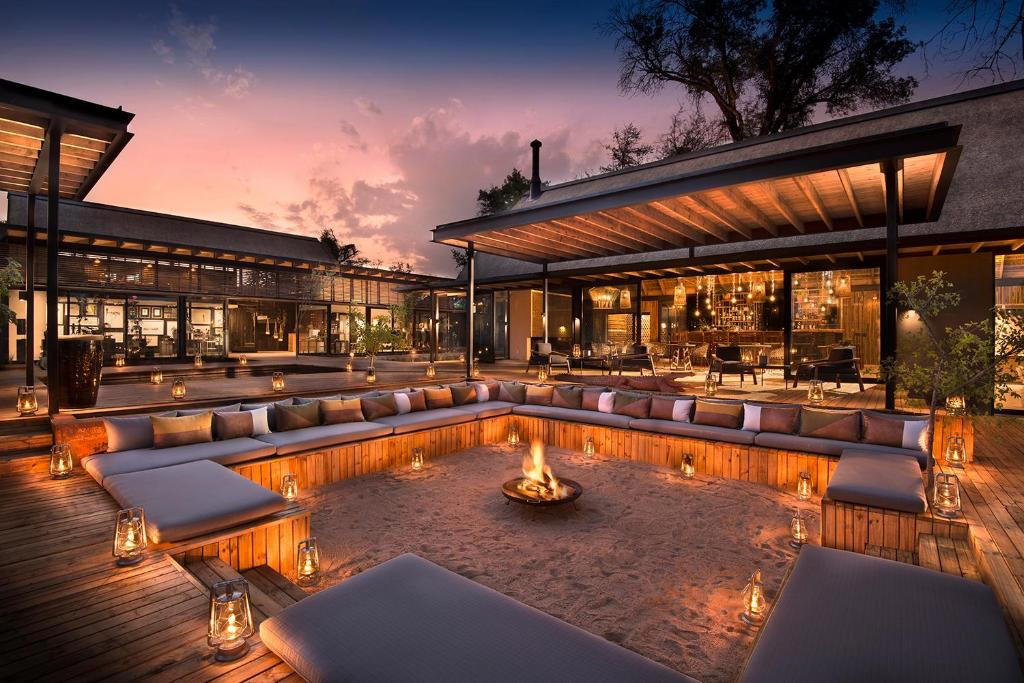
Bars in Sabi Sand Game Reserve
Browse all →
Restaurants in Sabi Sand Game Reserve
Browse all →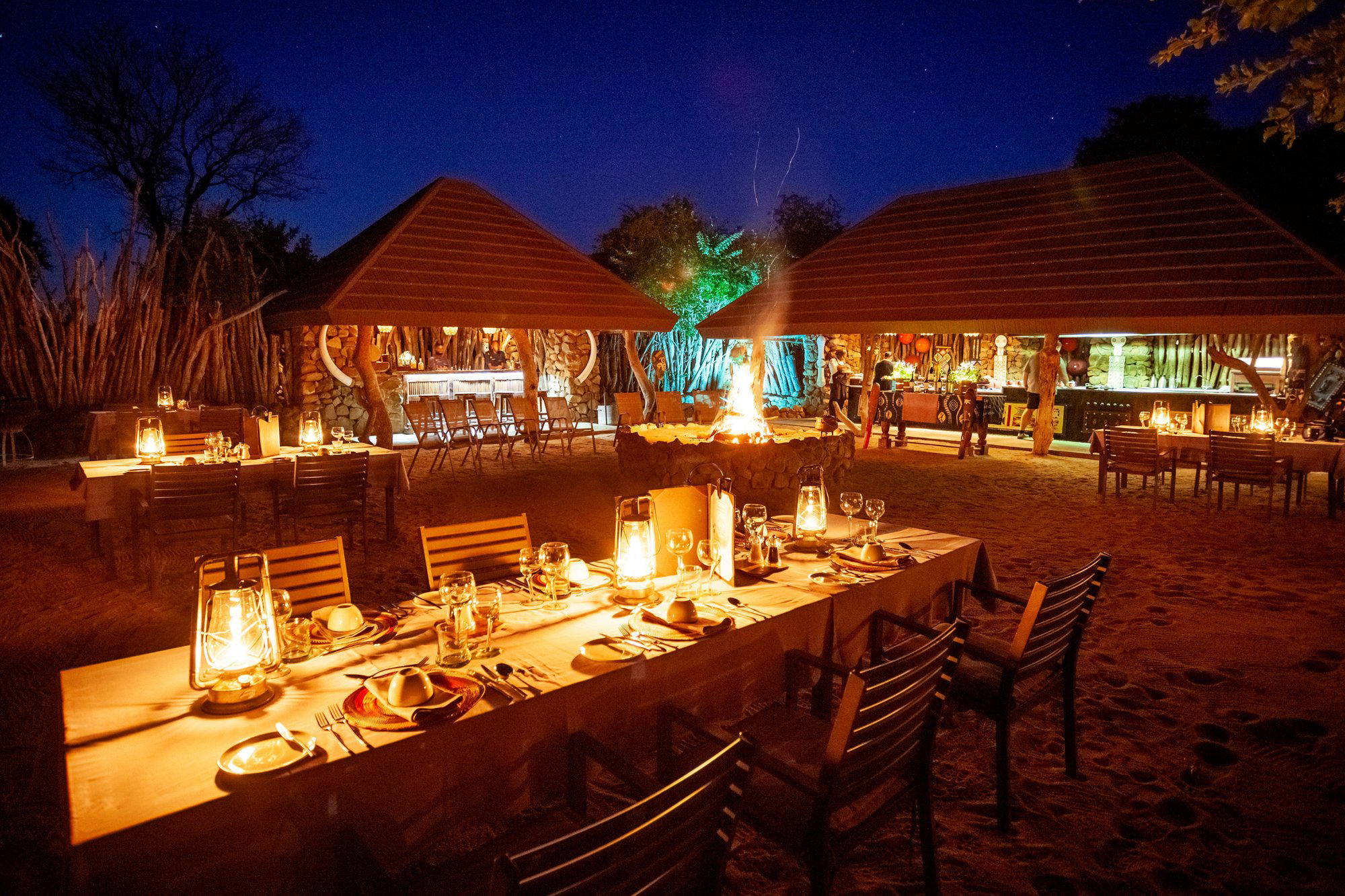
At a Glance
- Romantic
- Scenic
- Elegant
- Intimate
- Sophisticated
- Ornate
- Honeymoon
- Romantic Getaway
- Family Vacation
- Anniversary
- Weekend Escape
- Panoramic View
- Pool
- Spa
- Fitness Center
- Wi Fi
- Room Service
- Concierge
- Waterfront
- Pool
- Spa
- Fitness Center
- Wi Fi
- Room Service
- Concierge
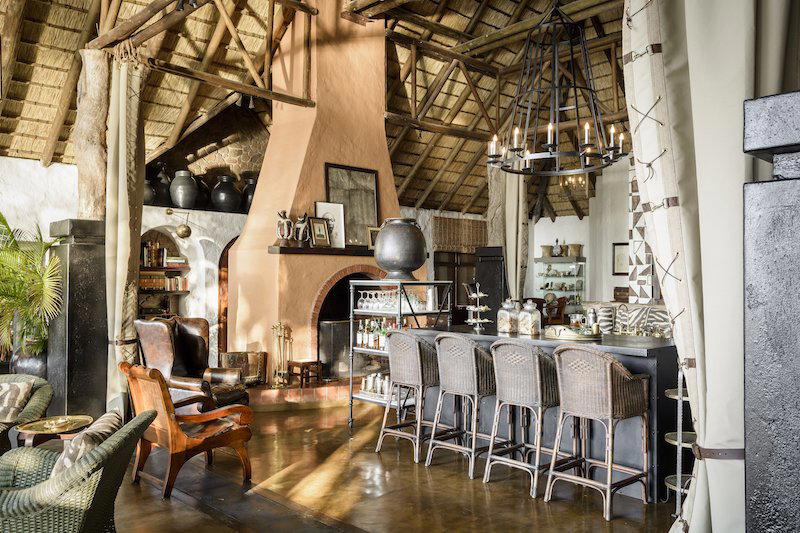
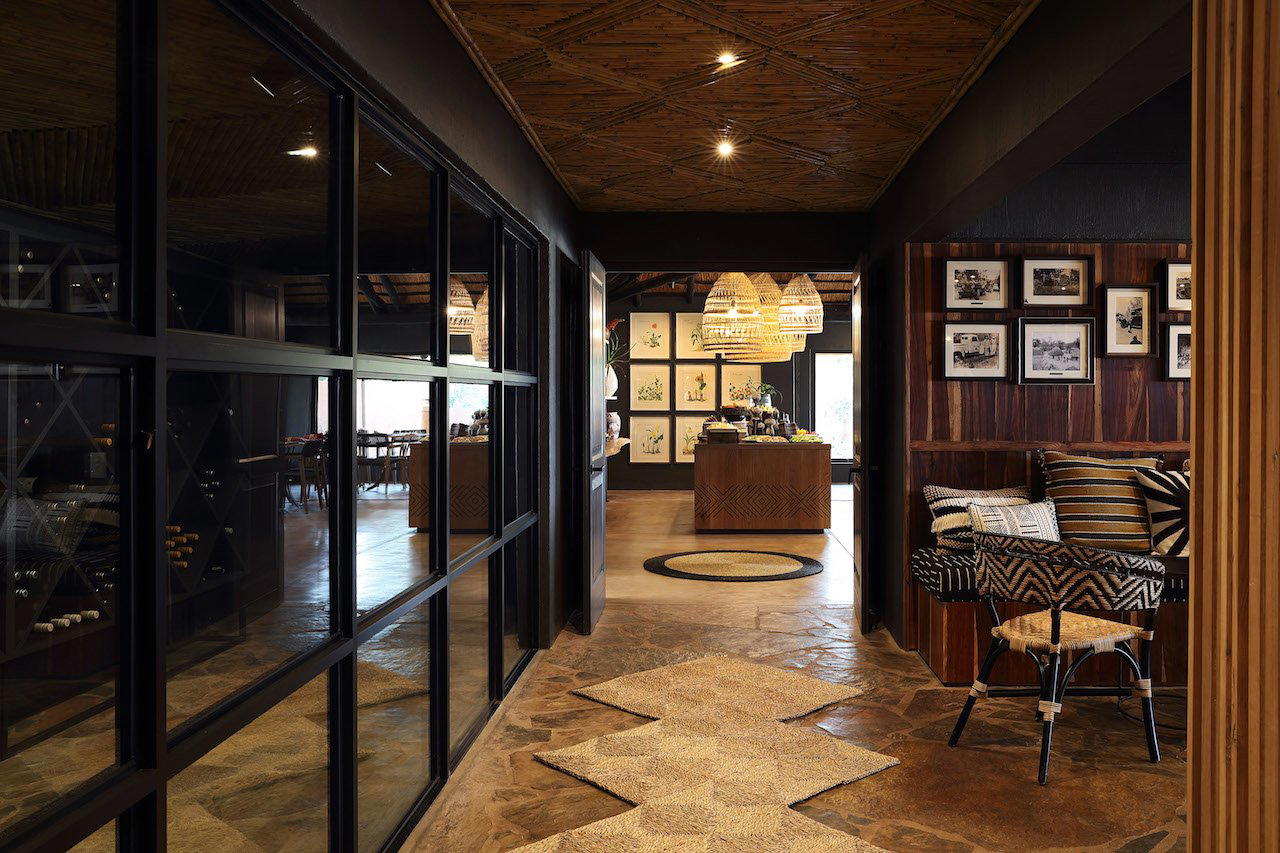
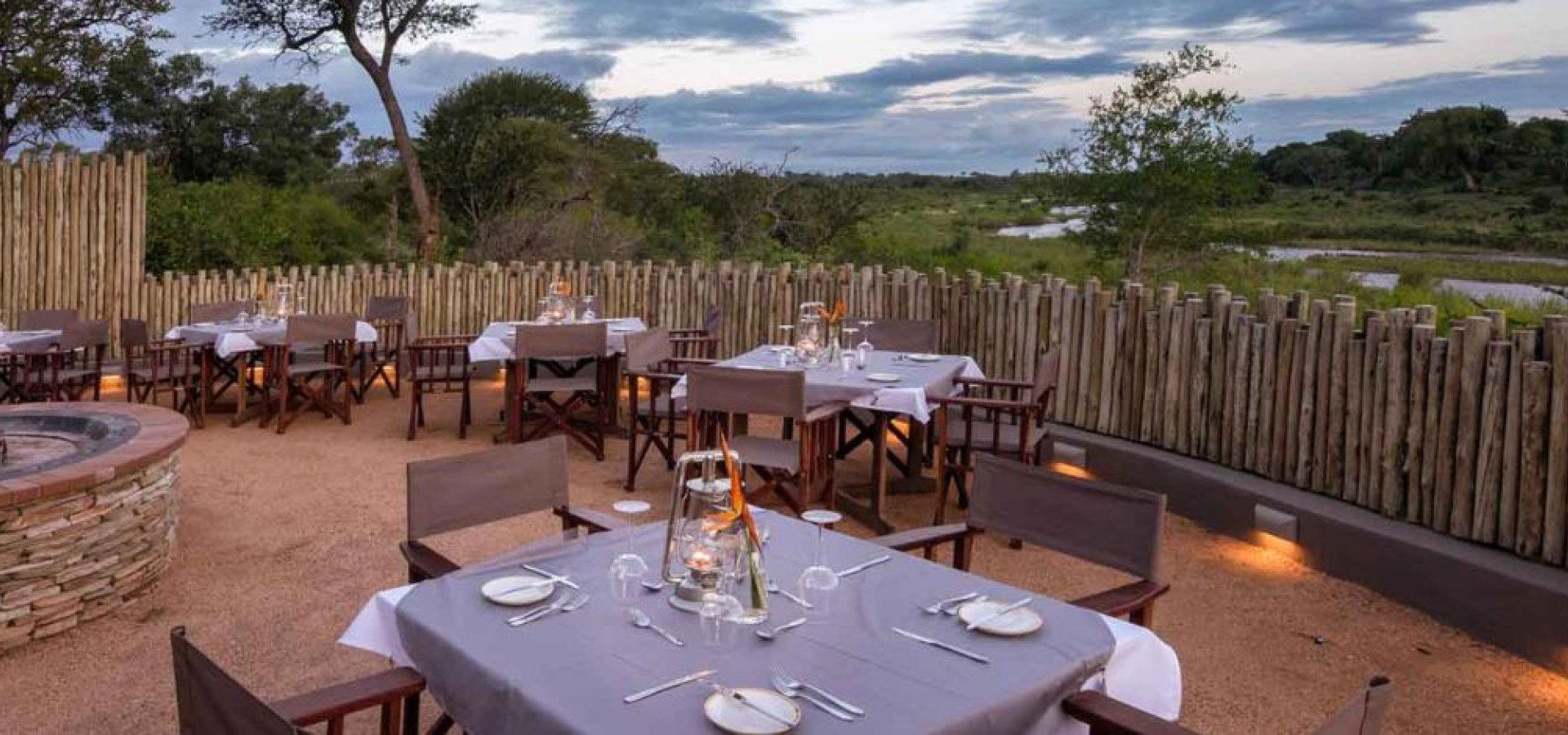
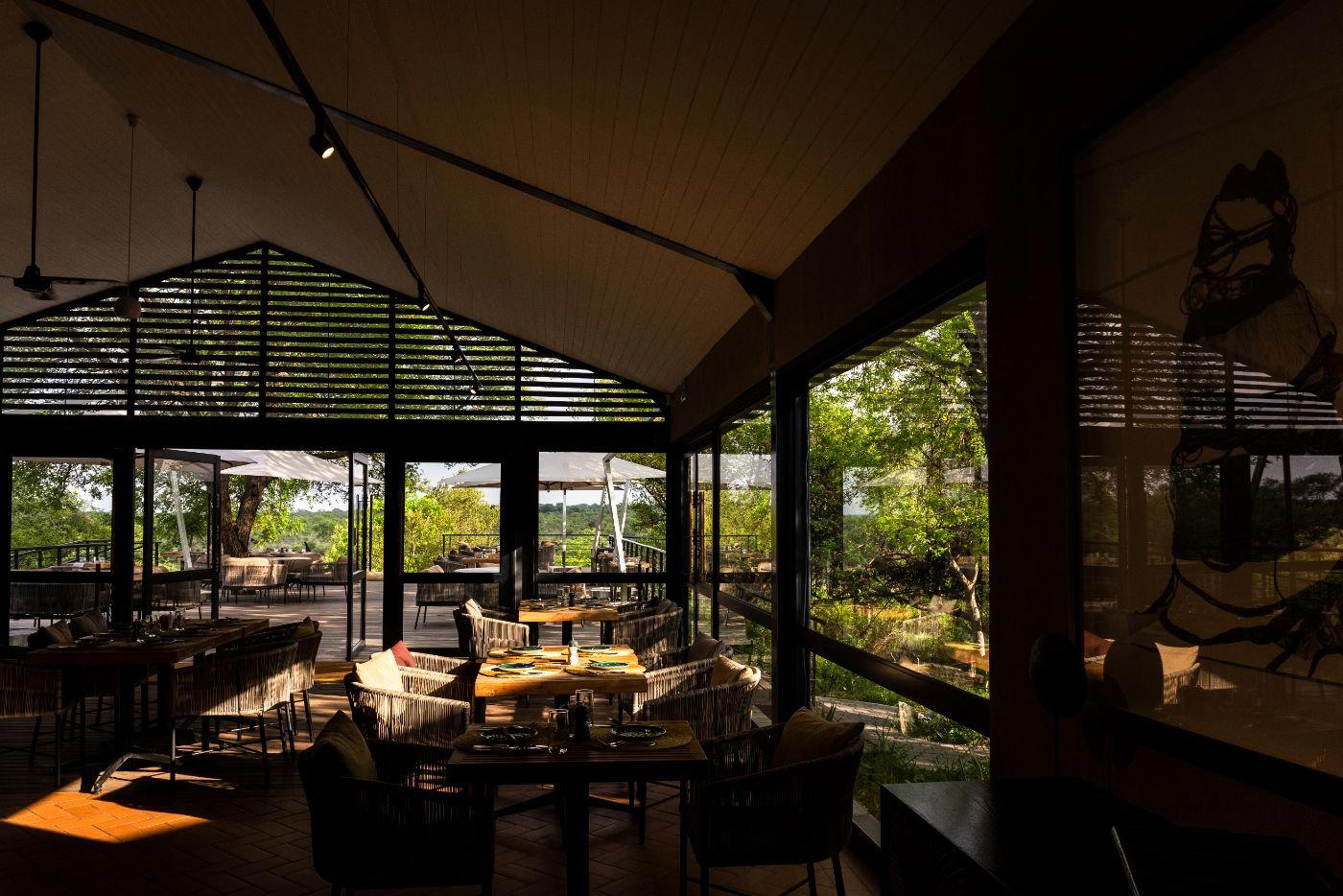
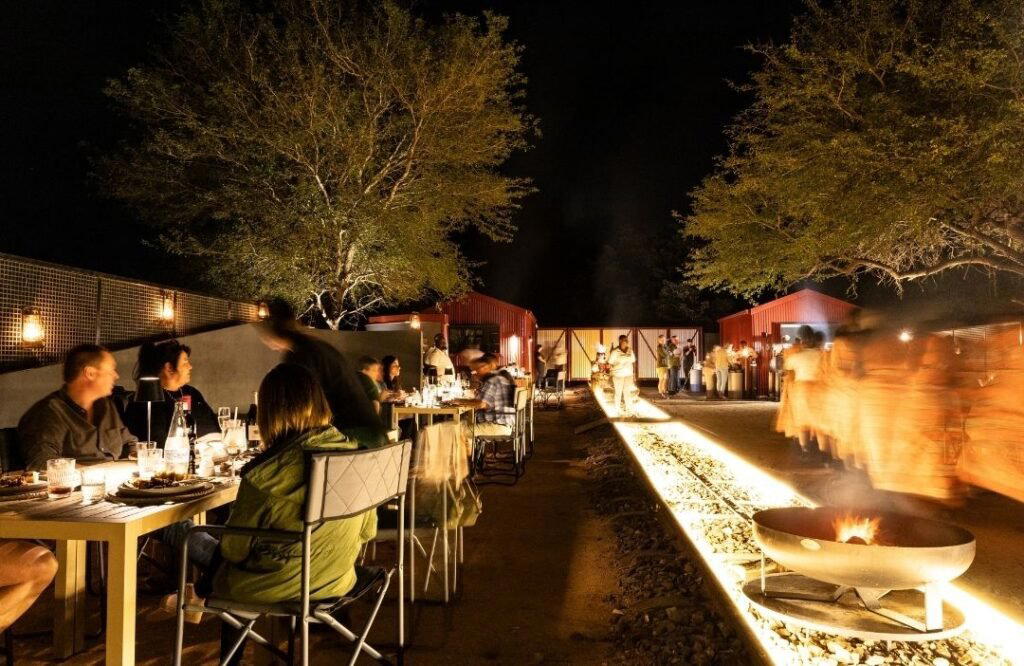
Tranquil bushveld atmosphere with open-air lounges, river views from wooden decks, cozy fireplaces, and starlit boma dinners amid ancient trees.