Google: 4.5 · 540 reviews

Le Roch Hotel & Spa occupies a quietly authoritative address at 28 Rue Saint-Roch in Paris's 1st arrondissement, positioned between the Tuileries and the Opéra quarter. The property sits in the design-led, limited-key tier of Parisian boutique hotels, where atmosphere and spatial restraint matter more than brand scale. For travellers who want proximity to the city's most concentrated dining and drinking without the noise of the main boulevards, the address makes a considered case.
 Discover on Pearl
Pearl is the En Primeur Club membership app — saves, bookings, and concierge access live there. Same editors, same standards.
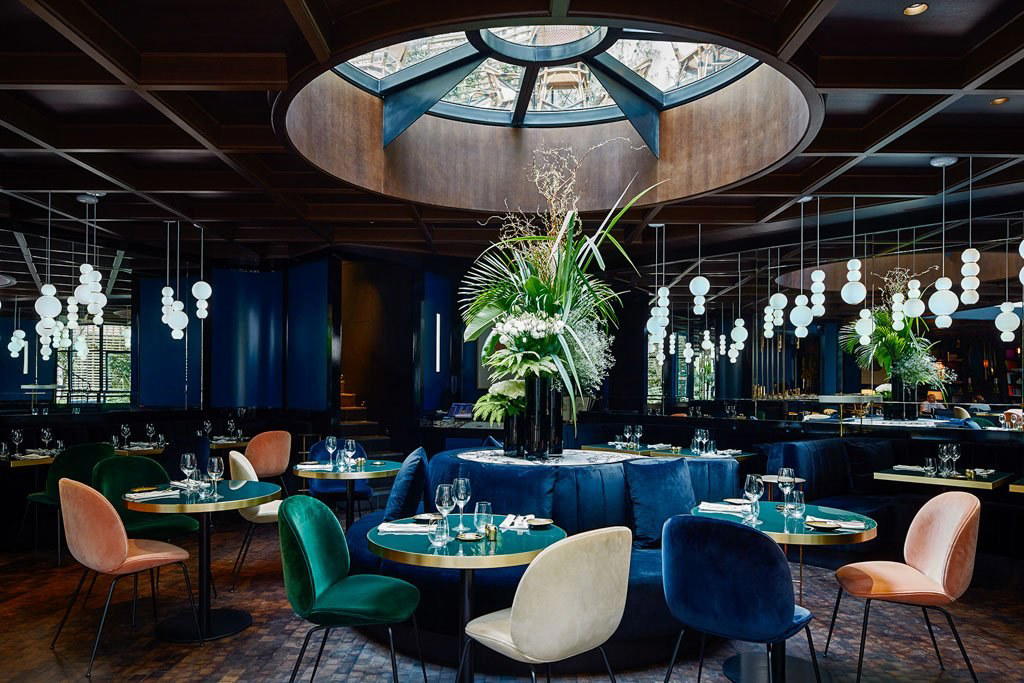
The Address Before the Hotel
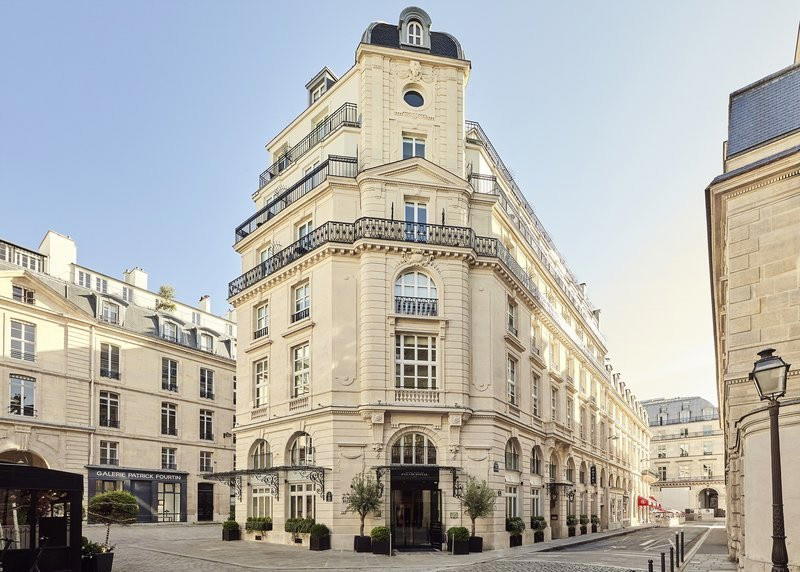
Rue Saint-Roch runs parallel to the Rue de Rivoli at the point where the 1st arrondissement thins into something more residential and less touristed. The Palais-Royal garden is a short walk north; the Tuileries open up to the south. This particular corridor has long attracted the kind of Paris hotel that trades on location precision rather than lobby spectacle — the understanding being that guests already know which side of the city they want to be on and have chosen accordingly. Le Roch Hotel & Spa settles into that logic. The building reads from the street as contained and deliberate, which is consistent with how boutique properties in this tier present themselves across the city's central arrondissements.
The Ritual of Arrival in a Boutique Paris Hotel
In the broader category of Parisian boutique hotels, arrival is itself a studied sequence. The scale is intentional: fewer rooms means the front-of-house team can engage rather than process, and the absence of a grand lobby atrium is a design position, not a limitation. Paris's design-led independents — the tier Le Roch occupies , typically apply this philosophy across common spaces, treating the bar, the sitting areas, and the transitions between them as moments of continuity rather than separate amenities stacked for a brochure. The dining ritual, in this context, starts before you sit down. It begins in the way the property reads when you walk in from a grey November afternoon on the Rue Saint-Roch.
That adjacency to the 1st arrondissement's bar and restaurant scene matters practically. The area around the Palais-Royal has become one of the more concentrated pockets of serious drinking in Paris. Danico operates a technically focused cocktail program in this radius, while Candelaria pulls from a taco-and-mezcal format that has made it one of the more referenced bars in the city for the past decade. Bar Nouveau adds another point of reference for the neighbourhood's current drinking culture. Guests staying at a hotel on the Rue Saint-Roch are within walking distance of all of it , which, in a city where arrondissement positioning defines your evening's range, is a meaningful logistical fact.
Where Le Roch Sits in the Parisian Hotel Market
Paris's hotel market has stratified sharply over the past fifteen years. At the leading, the grandes maisons , the Ritz, the Crillon, the Bristol , occupy a price tier that is effectively a luxury product category of its own. Below that, a second tier of international five-star chains holds the business-travel and conventional luxury segment. The more interesting movement has been in the design-led independent tier, where smaller properties compete on spatial character, neighbourhood authenticity, and the kind of service granularity that large operations structurally cannot deliver.
Le Roch positions itself in that independent tier. The spa designation places it at the upper end of the boutique category , this is not a compact urban hotel with a treatment room appended to it, but a property that takes wellness as part of its offering, which affects both its positioning and its guest profile. Properties in this tier in Paris typically attract travellers who have done the grandes maisons and are now interested in a different register: less ceremony, more atmosphere, a location that feels chosen rather than defaulted to. See our full Paris restaurants and bars guide for broader context on how the city's hospitality scene is currently organised.
The Pacing of a Day Around the 1st Arrondissement
The dining and drinking ritual around this part of Paris has a particular rhythm. Lunch in the 1st tends to be efficient , the area draws a mix of culture tourists moving between the Louvre and the Musée de l'Orangerie and a professional class that lunch-breaks quickly. The more considered meals happen later. Paris's central arrondissements do not rush dinner; tables turn slowly and the expectation is that you are staying for the duration of the menu, not moving on.
For guests at a hotel on the Rue Saint-Roch, the practical range extends comfortably into the 2nd arrondissement for late-evening drinking. Buddha Bar sits within reasonable reach for those who want a different register entirely , larger-format, more theatrical. The spread across the Right Bank in this area is wide enough that an itinerary built around the hotel's address can cover serious restaurants, technically focused cocktail bars, and casual wine destinations within a single evening's walk.
For travellers coming from or comparing notes with other French cities, the bar culture shifts considerably across the country. Papa Doble in Montpellier, Madame Pang in Bordeaux, and Bar Fouquet's in Cannes each anchor the premium drinking tier in their respective cities in ways that feel distinct from Paris's more densely layered scene. International travellers moving through French cities might also note comparison points as far afield as Bar Leather Apron in Honolulu, where the specialist cocktail format operates with comparable seriousness but an entirely different set of cultural references.
The Spa in Context
The addition of a spa to a boutique Paris hotel is less common than in resort or destination properties, and its presence here is a differentiator within the independent tier. Paris's hotel spa offerings tend to cluster at the leading of the market, in the grandes maisons. A boutique property with genuine spa infrastructure occupies a distinct position: it appeals to a guest who wants the neighbourhood intimacy of an independent hotel but is unwilling to surrender the decompression that a treatment space allows. For travellers arriving from long-haul or moving through a dense itinerary, that combination is functional rather than aspirational.
Smaller French bars and hospitality venues in more regional settings , Crapule in Vannes, Josie par Rosette in Clichy, and L'Esprit Libre in Horbourg Wihr , represent the distributed energy of France's hospitality scene beyond the capital. Staying in Paris's 1st arrondissement keeps you at the centre of that network while giving you access to the full range the city concentrates in a relatively small geographic area.
Know Before You Go
- Address: 28 Rue Saint-Roch, 75001 Paris, France
- Arrondissement: 1st , between the Tuileries and the Palais-Royal
- Category: Boutique hotel with spa; design-led independent tier
- Nearest Metro: Tuileries (Line 1) or Pyramides (Lines 7, 14) , both within a short walk of the Rue Saint-Roch address
- Booking: Contact details not listed; search directly by property name for current availability and rates
- Price range: Not confirmed in current data; consistent with upper-boutique Paris positioning
- Spa: On-site , confirm availability and treatment booking at the time of reservation
Recognition Snapshot
Comparable venues for orientation, based on our database fields.
| Venue | Awards | Cuisine | Notes |
|---|---|---|---|
| Le Roch Hotel & Spa | This venue | ||
| Bar Nouveau | World's 50 Best | ||
| Buddha Bar | World's 50 Best | ||
| Candelaria | World's 50 Best | ||
| Danico | World's 50 Best | ||
| Harry's Bar | World's 50 Best |
Continue exploring
More in Paris
Hotels in Paris
Browse all →

Bars in Paris
Browse all →
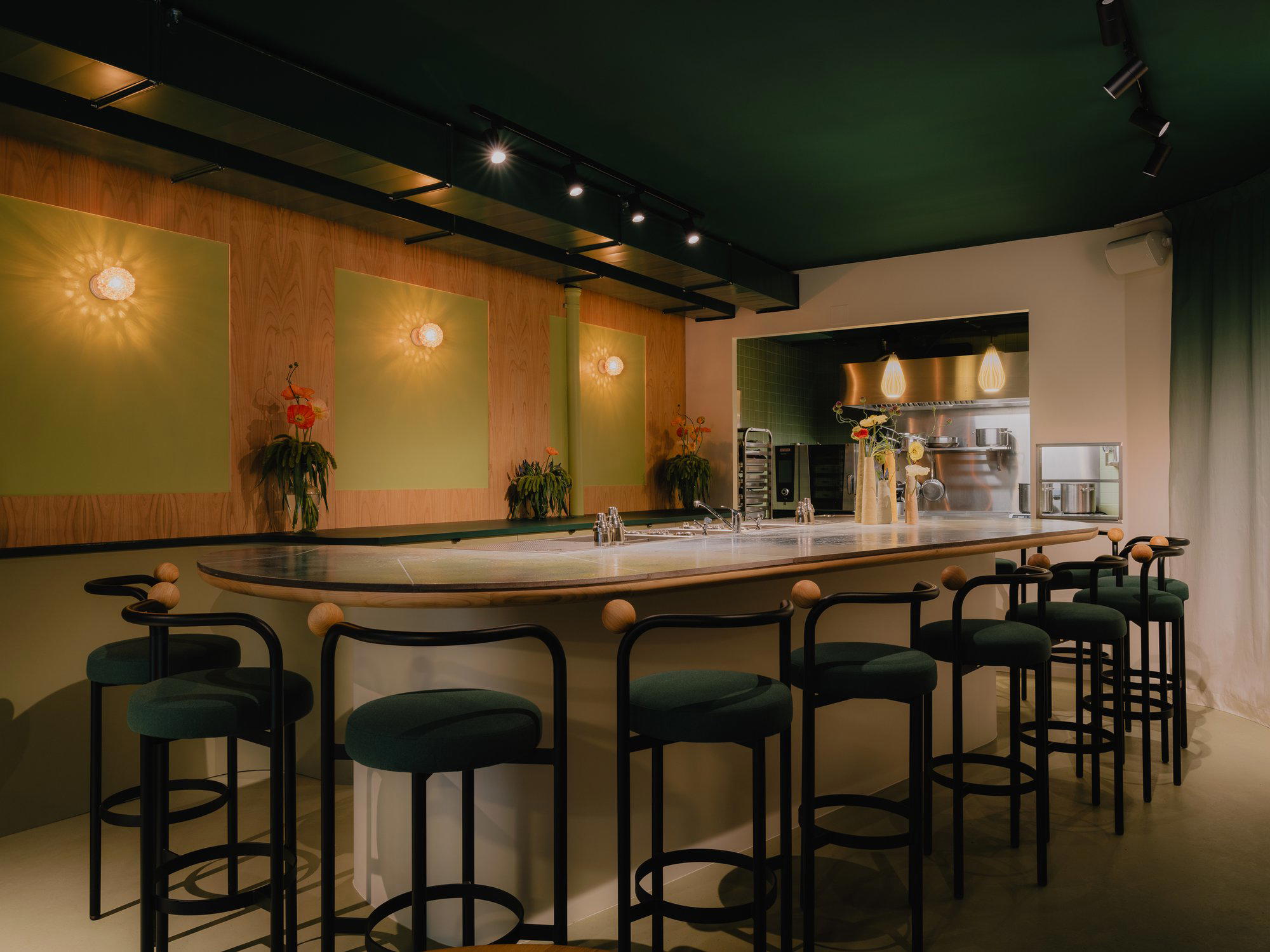
Restaurants in Paris
Browse all →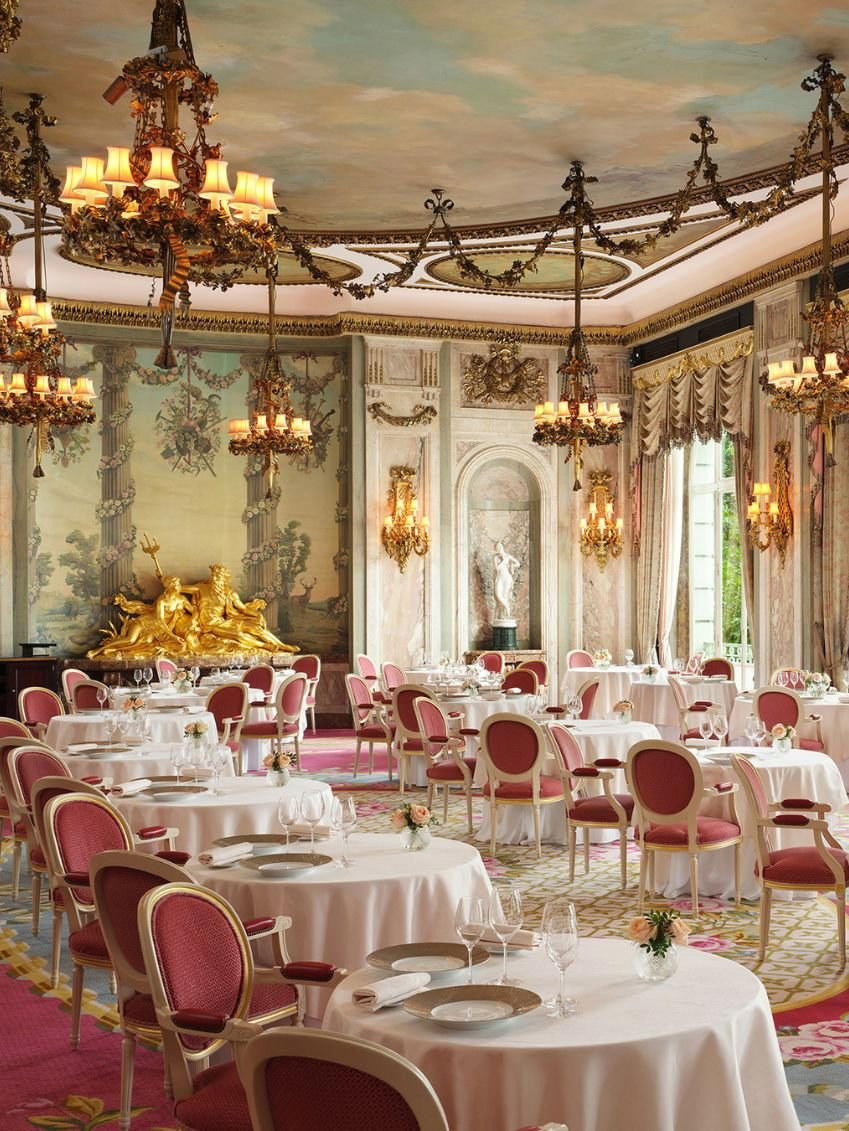
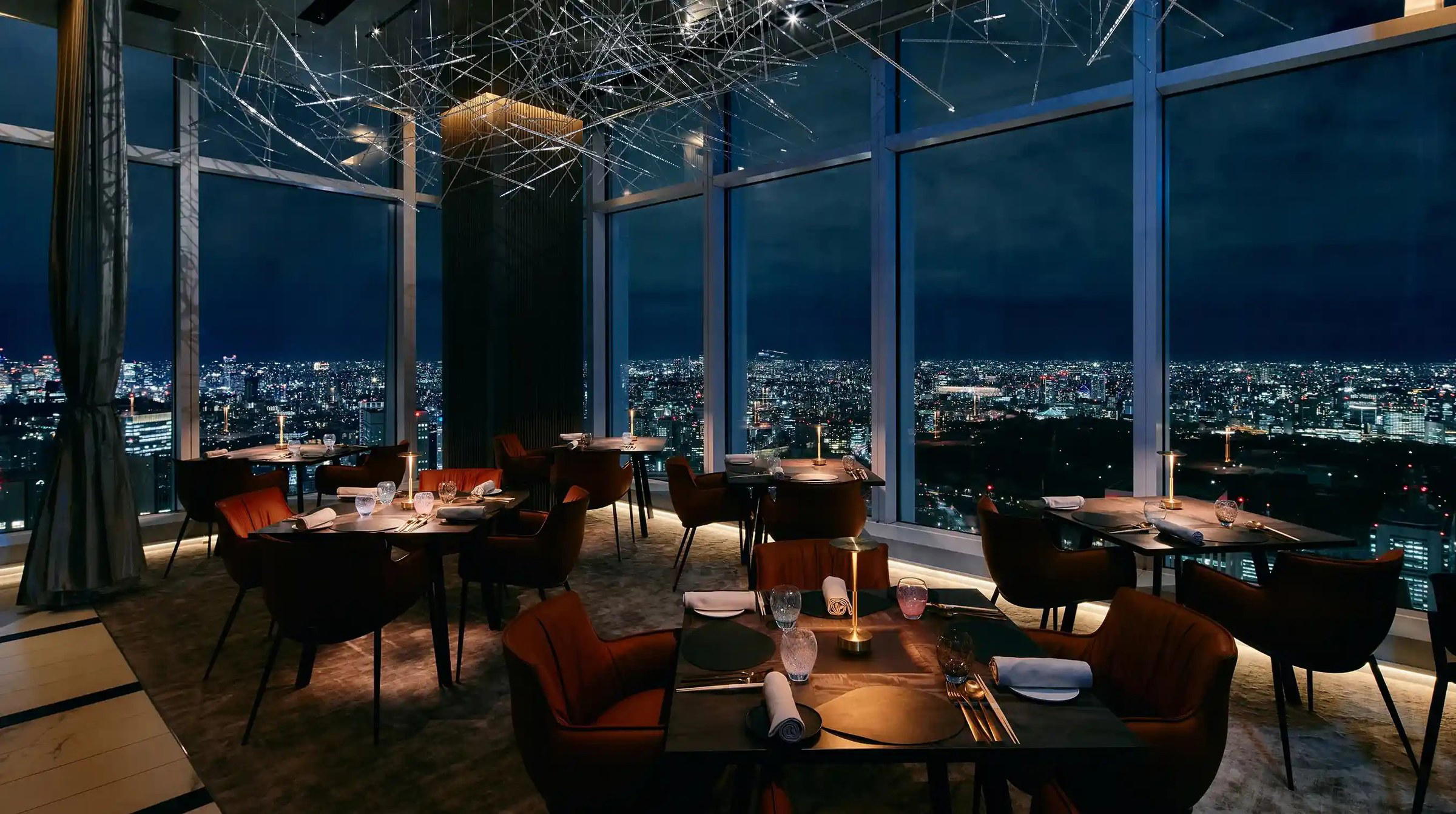
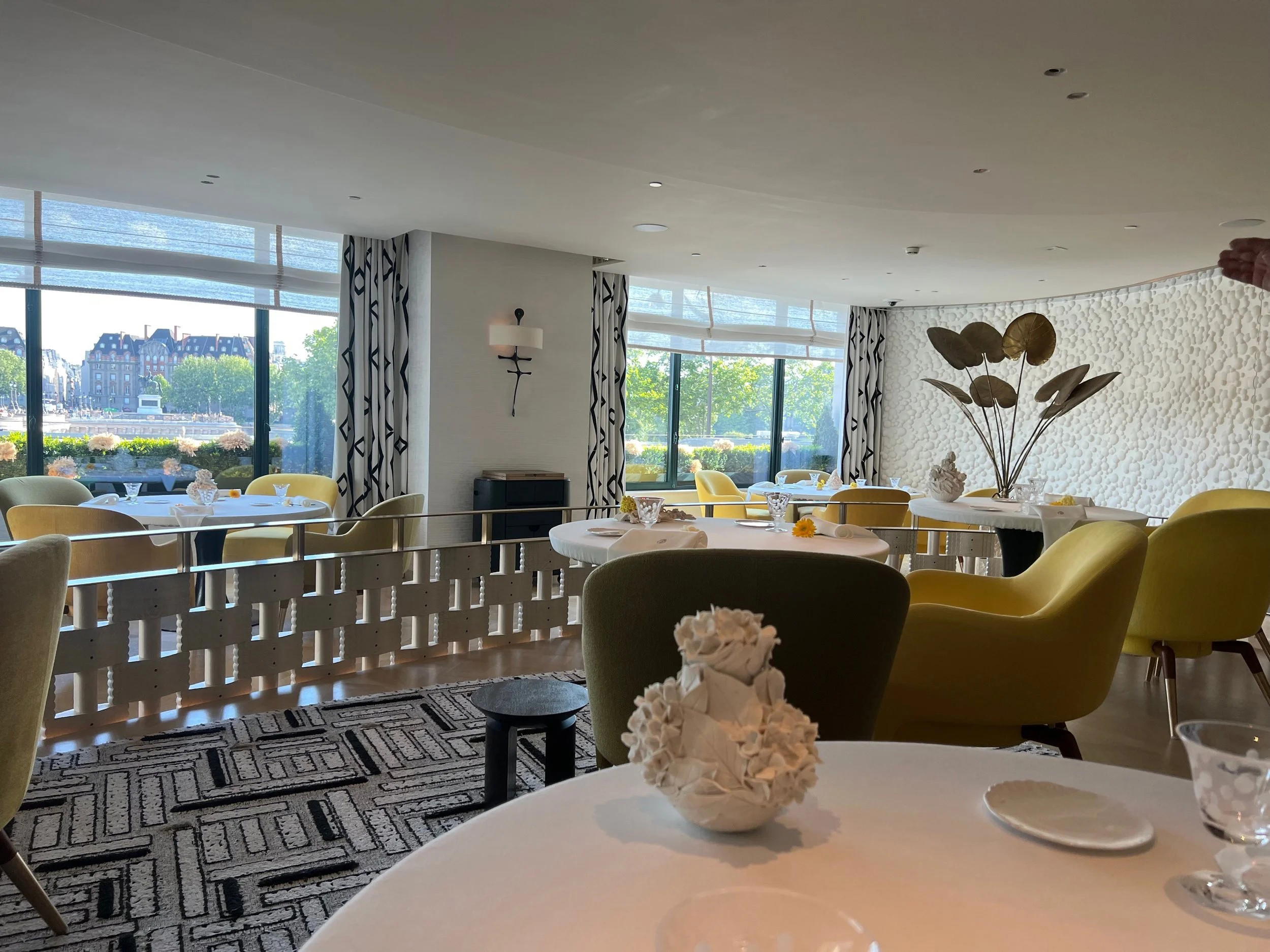

At a Glance
- Elegant
- Sophisticated
- Intimate
- Cozy
- Date Night
- After Work
- Casual Hangout
- Courtyard
- Hotel Bar
- Design Destination
- Garden
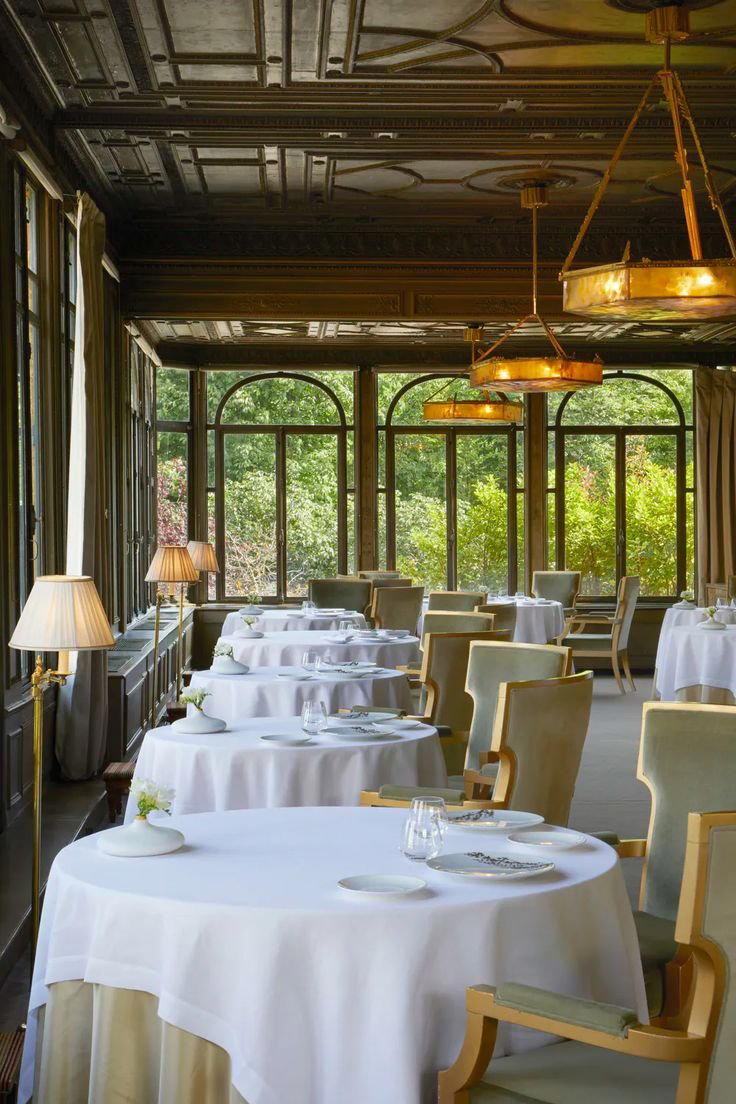
Warm and welcoming with plush sofas by a roaring fireplace, soft lighting in lounge areas, and a chic casual vibe enriched by designer interiors in jewel tones.