Le Prieuré Baumanière

Relais Chateaux Award
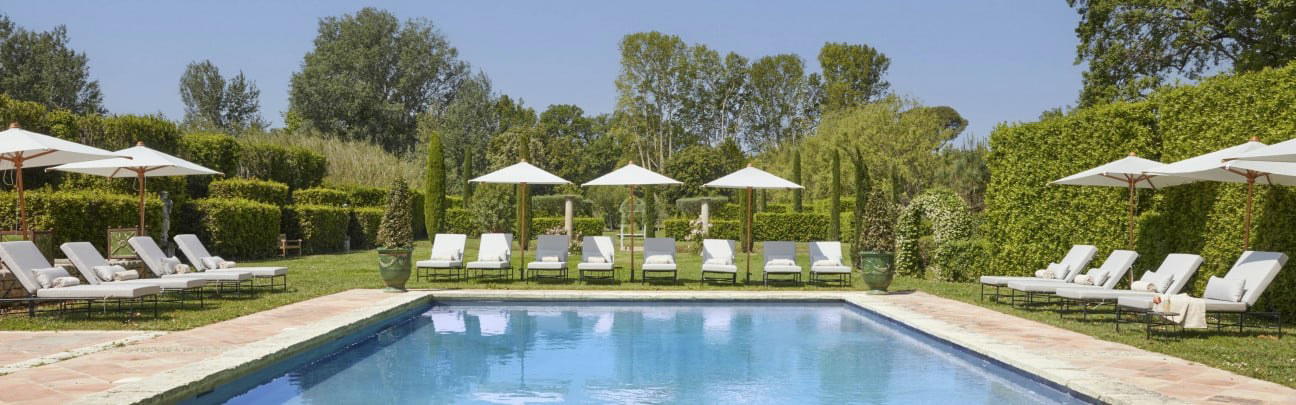
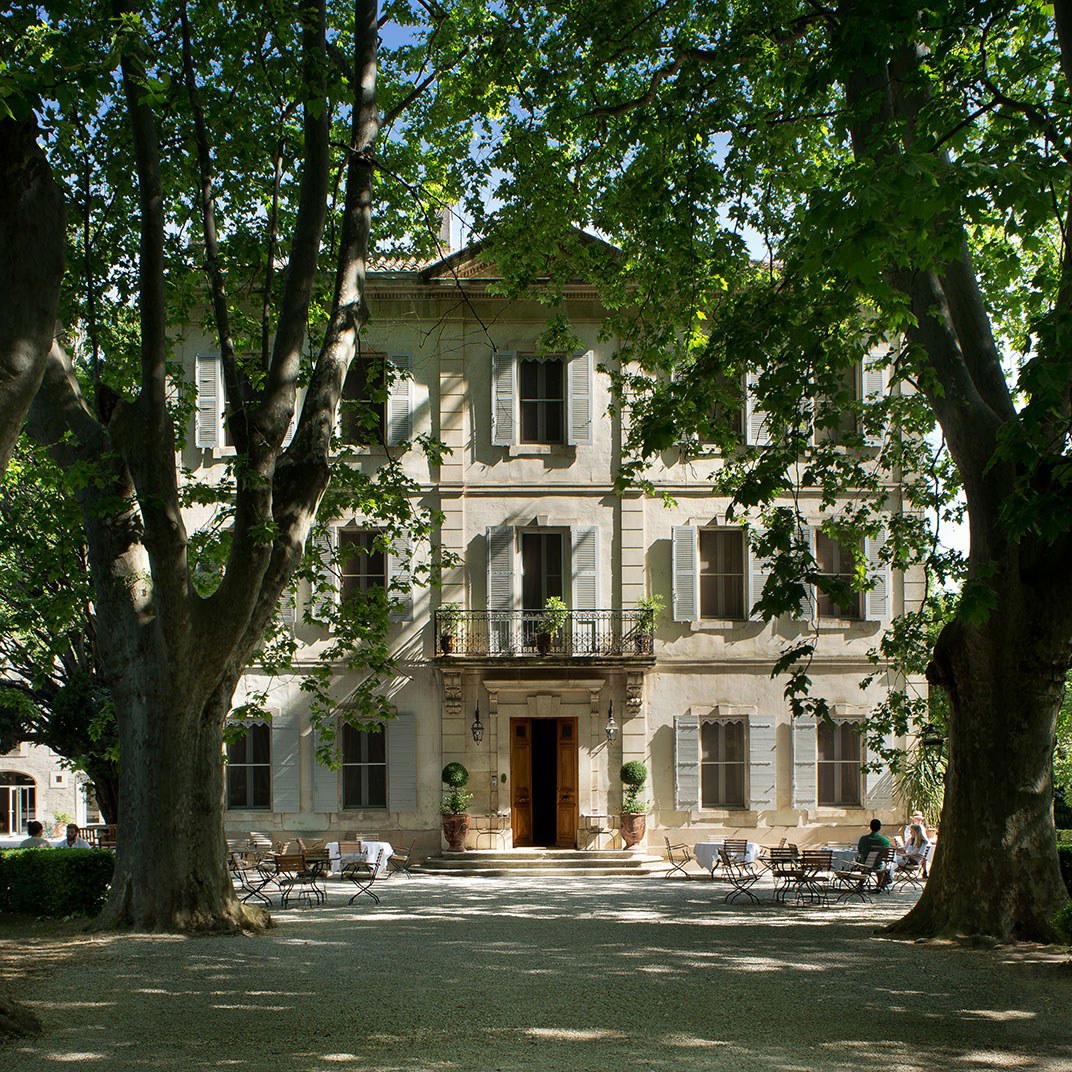
Le Prieuré Baumanière is a Villeneuve lez Avignon address where former-convent architecture, garden quiet and regional cooking do the heavy lifting. The draw is not spectacle but proportion: old stone, contemporary rooms, wisteria and a menu that reads through nearby Nîmes and the Costières rather than through generic Provençal shorthand.

Pearl is the En Primeur Club membership app, where members save venues, book tables and use the concierge.
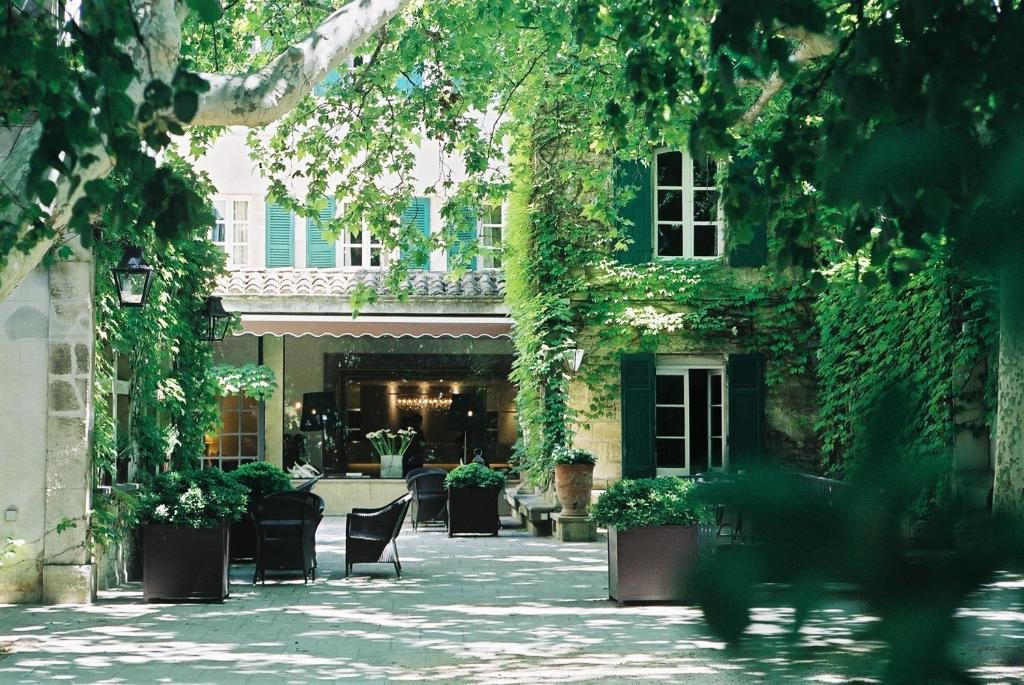
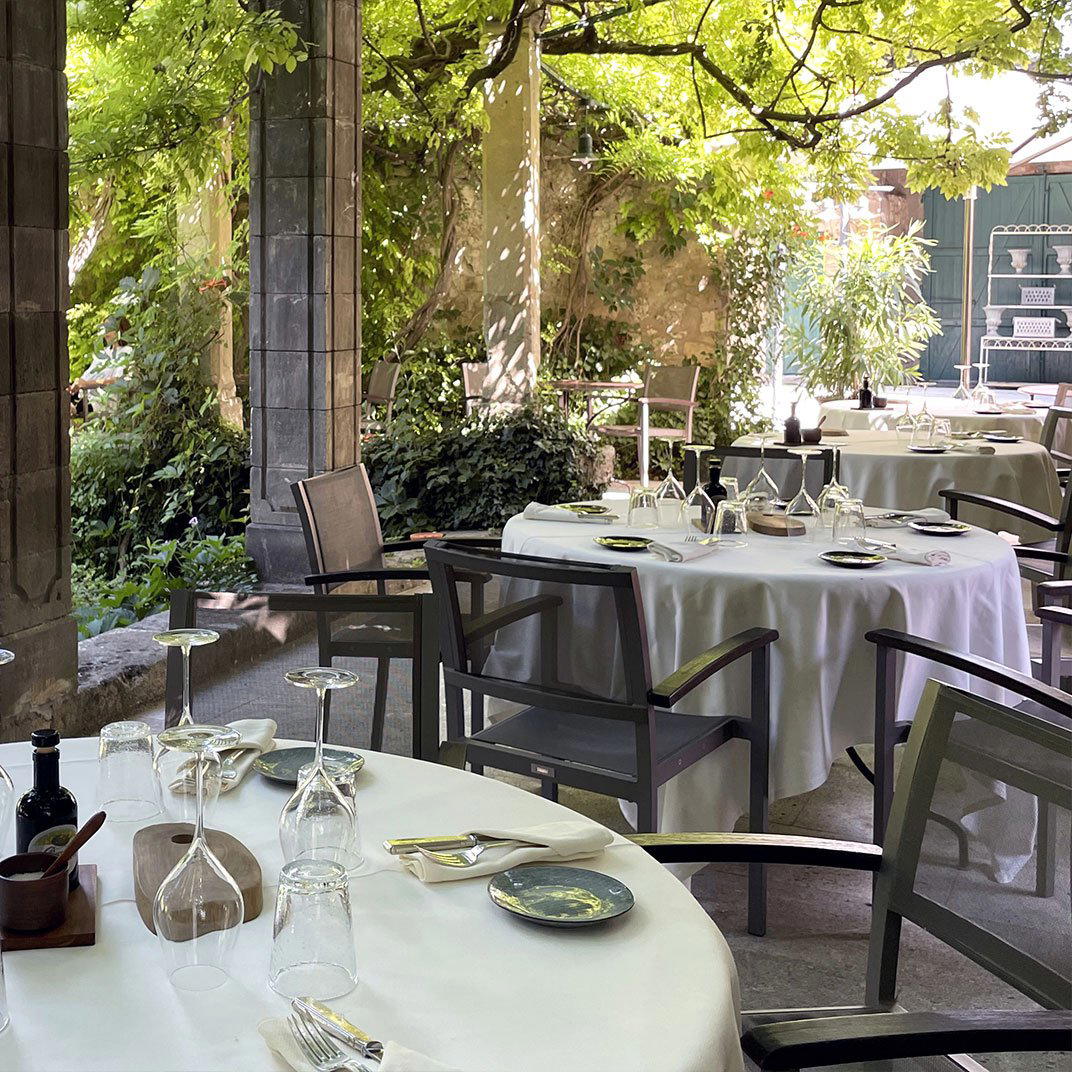
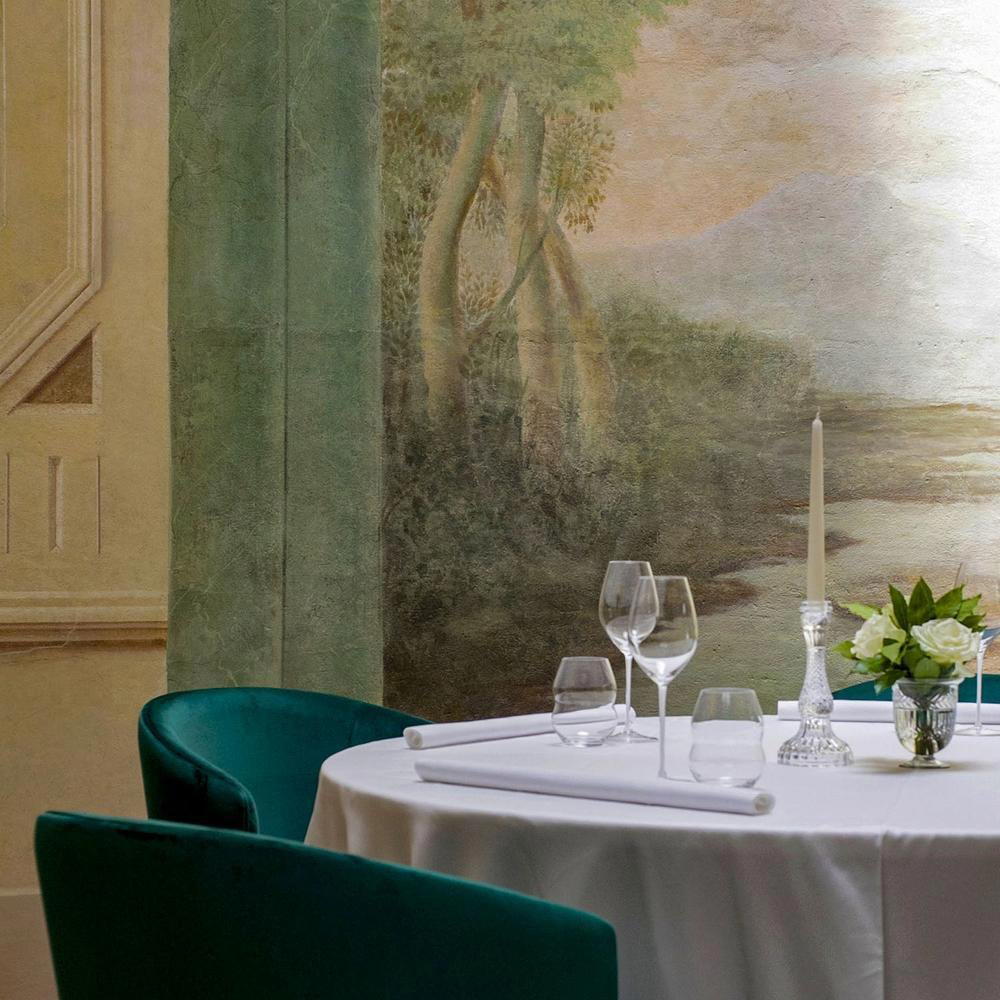
Approach Villeneuve lez Avignon and the first argument is architectural rather than culinary: this side of the Rhône has a quieter register than Avignon proper, with medieval lanes, ecclesiastical stone and a slower rhythm around the old village fabric. Le Prieuré Baumanière belongs to that grammar. Its former-convent setting, cottage garden and trailing wisteria place the meal inside a built environment where silence is part of the composition, not an afterthought.
That matters in this corner of southern France. Around Avignon, hospitality often trades on grand Provençal imagery: ochre villages, market produce, courtyard dining, the inheritance of religious and aristocratic buildings. The stronger addresses avoid turning those elements into stage dressing. Here, the more persuasive reading is design restraint: contemporary rooms set against ancient structure, garden softness against stone, and a dining room that frames regional cooking without competing with it.
Former-convent calm shapes the meal before the menu does
The regional luxury hotel-restaurant model in Provence has a familiar split. Some properties lean into resort theatre; others draw power from enclosure, shade and historic volume. This address sits in the second camp. The former convent setting gives the experience a monastic cadence, while the garden introduces the less formal side of southern French hospitality: wisteria, seasonal planting, and the sense that lunch or dinner is tied to weather as much as to service choreography.
Jean-André and Geneviève Charial, associated with Baumanière properties in Les Baux-de-Provence, give the Villeneuve lez Avignon house a clear regional lineage. That credential is useful because Baumanière carries weight in Provence, but it should be read as context rather than celebrity gloss. The more interesting point is how the property uses heritage: not as museum preservation, and not as maximalist renovation, but as a dialogue between contemporary accommodation and an older religious shell.
For readers mapping a southern France itinerary, the comparison is not only with restaurants across the river. It is also with converted abbeys, bastides and village houses that turn architecture into the central luxury signal. France has many examples of this mode, from Abbaye de la Bussière in La Bussière-sur-Ouche to Abbaye de La Celle in La Celle and Abbaye Des Vaux de Cernay in Cernay-la-ville. The difference in Villeneuve lez Avignon is scale of feeling: less destination theatre, more enclosed village quiet.
Regional cooking, read through Nîmes and the Costières
The menu’s strongest signal is geographical specificity. Duck foie gras with Gariguette strawberries from Nîmes and pot-roasted Costières wood pigeon with fresh sage point to a kitchen working from nearby references rather than broad Mediterranean cliché. Nîmes brings market identity and fruit specificity; the Costières, often discussed through wine and landscape, gives the pigeon dish a local frame. These details make the cuisine intelligible as part of the lower Rhône rather than simply “Provence” as a mood.
That distinction matters because the region can flatten quickly in travel writing. Lavender, rosé and sunshine are easy shorthand; the better dining rooms show the map in smaller increments. Villeneuve lez Avignon sits close enough to Avignon to share its visitor economy, but it reads differently on the plate when the references pull toward Nîmes, the Costières and garden herbs. The cooking described here is not trying to detach itself from place. It uses place as structure.
For a broader read on the city’s dining context, start with Our full Villeneuve lez Avignon restaurants guide, then place the meal against the area’s hotel and leisure fabric through Our full Villeneuve lez Avignon hotels guide, Our full Villeneuve lez Avignon bars guide, Our full Villeneuve lez Avignon wineries guide and Our full Villeneuve lez Avignon experiences guide. Those categories matter here because the address is not just a table; it belongs to the way visitors assemble Avignon, the Rhône and Provence into a few highly selective days.
Where it fits in the French design-hotel tradition
Le Prieuré Baumanière is better understood beside other French properties where architecture defines the stay before amenities do. In Paris, 25hours Terminus Nord in Paris makes its point through urban railway energy; in Alsace, 48° Nord in Breitenbach, 5 Terres - MGallery in Strasbourg and 5 Terres Hôtel & Spa in Barr work through different forms of regional materiality. On the Atlantic side, 70 Hectares & l'Océan - Fontenille Collection in Seignosse reads through coastal scale rather than cloistered calm.
The Mediterranean and mountain references shift again: A MANDRIA DI MURTOLI in Sartène, A Piattatella in Monticello, A Pignata in Levie and A Speranza in Bonifacio show how Corsican properties often make landscape and remoteness central. In Provence and the Riviera orbit, Airelles Gordes, La Bastide in French Riviera, Airelles Saint-Tropez Château de la Messardière in Saint-Tropez and Airelles Val d'Isère in Val-d'Isère operate at a grander register. Villeneuve lez Avignon offers a quieter counterpoint.
The useful planning lens is temperament. If the trip calls for village scale, historic walls and regional cooking anchored by named local produce, this address makes sense. If the brief is nightlife, high-volume resort energy or a dining room built around spectacle, the fit is weaker. The appeal lies in proportion: architecture that slows the pace, a garden that softens the formality, and a menu that keeps the Rhône’s southern edge in view.
For readers building a longer France file, the contrast extends beyond Provence: Académie in Lyon and Alchimy in Albi speak to urban heritage in different keys, while more far-flung references such as! Xaus Lodge in Dawid Kruiper. Here Baa Atoll Maldives in Baa Atoll and "Róże i Zen" Apartamenty. Pokoje Gościnne in Torun underline the same editorial truth: serious hospitality begins with a precise sense of place, not a generic luxury vocabulary.
Comparison Snapshot
Comparable venues by cuisine and price in the same metro.
| Venue | Cuisine | Price | Awards | Notes |
|---|---|---|---|---|
| Le Prieuré BaumanièreThis venue (the venue you are viewing) | Historic luxury hotel in a converted religious property with a strong gourmet-dining identity. | $300–500 | Relais Chateaux Award | Not listed |
| La Co(o)rniche | Contemporary luxury boutique hotel housed in a restored 1930s neo-Basque hunting lodge, reimagined by designer Philippe Starck with minimalist white interiors and authentic period details. | $500–750 | 1 Michelin Key | Pyla-sur-Mer |
| Villa-des-Prés | Contemporary Parisian luxury boutique hotel housed in a post-Haussmann 1911 apartment building, designed as a private mansion with character and discretion. | Not listed | 1 Michelin Key | Saint-Germain-des-Prés |
| Jules César | Former Carmelite convent renovated into a luxury historic hotel with cloistered gardens and pool. | $200–300 | Michelin Selected | historic center |
| Le Petit Nice-Passedat | Intimate seaside Relais & Châteaux villa combining luxury hospitality with a flagship gastronomic restaurant. | $300–500 | Relais Chateaux Award | 7th arrondissement |
| Villa La Tosca | Historic luxury villa blending Arcachonnaise and Italian architecture with modern comforts | $200–300 | Michelin Selected | Lanton |
Recognition history
Dated appearances from independent guides and award organizations, with the underlying list record or original source where available.
Relais Chateaux Award
Relais Chateaux
Continue exploring
More in Villeneuve-lès-Avignon
Hotels in Villeneuve-lès-Avignon
All hotels in Villeneuve-lès-Avignon →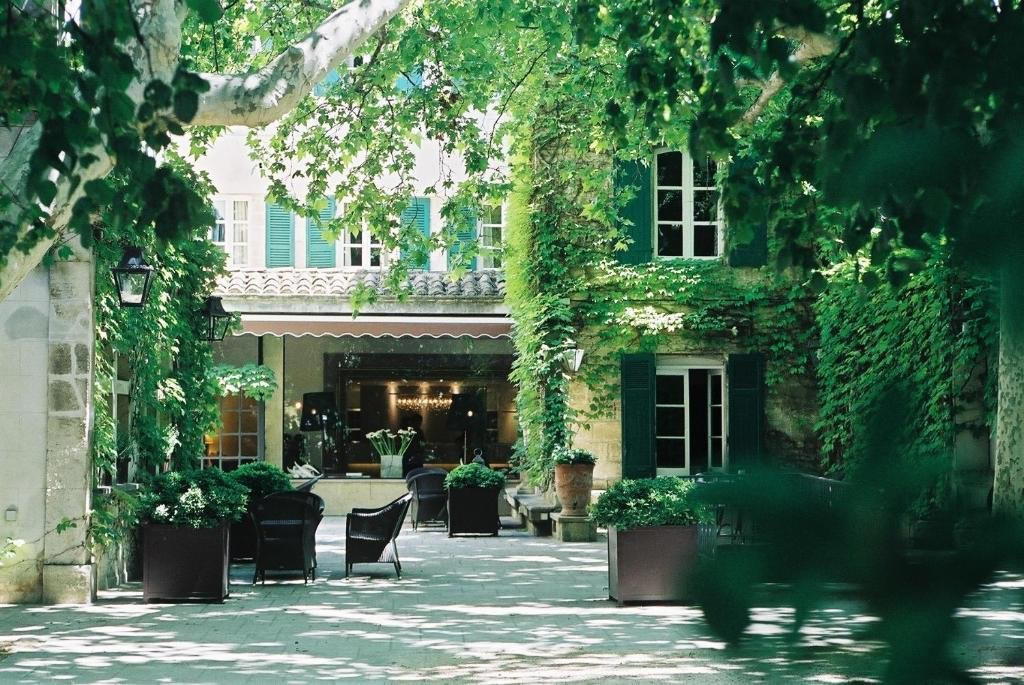
Bars in Villeneuve-lès-Avignon
Browse all →

Details
- Quiet
- Elegant
- Romantic
- Sophisticated
- Historic
- Romantic Getaway
- Anniversary
- Weekend Escape
- Destination Wedding
- Business Trip
- Historic Building
- Garden
- Private Dining
- Wi Fi
- Pool
- Restaurant
- Concierge
- Room Service
- Bar
- Parking
- Elevator
- Air Conditioning
- Garden
- Street Scene
- Elevator
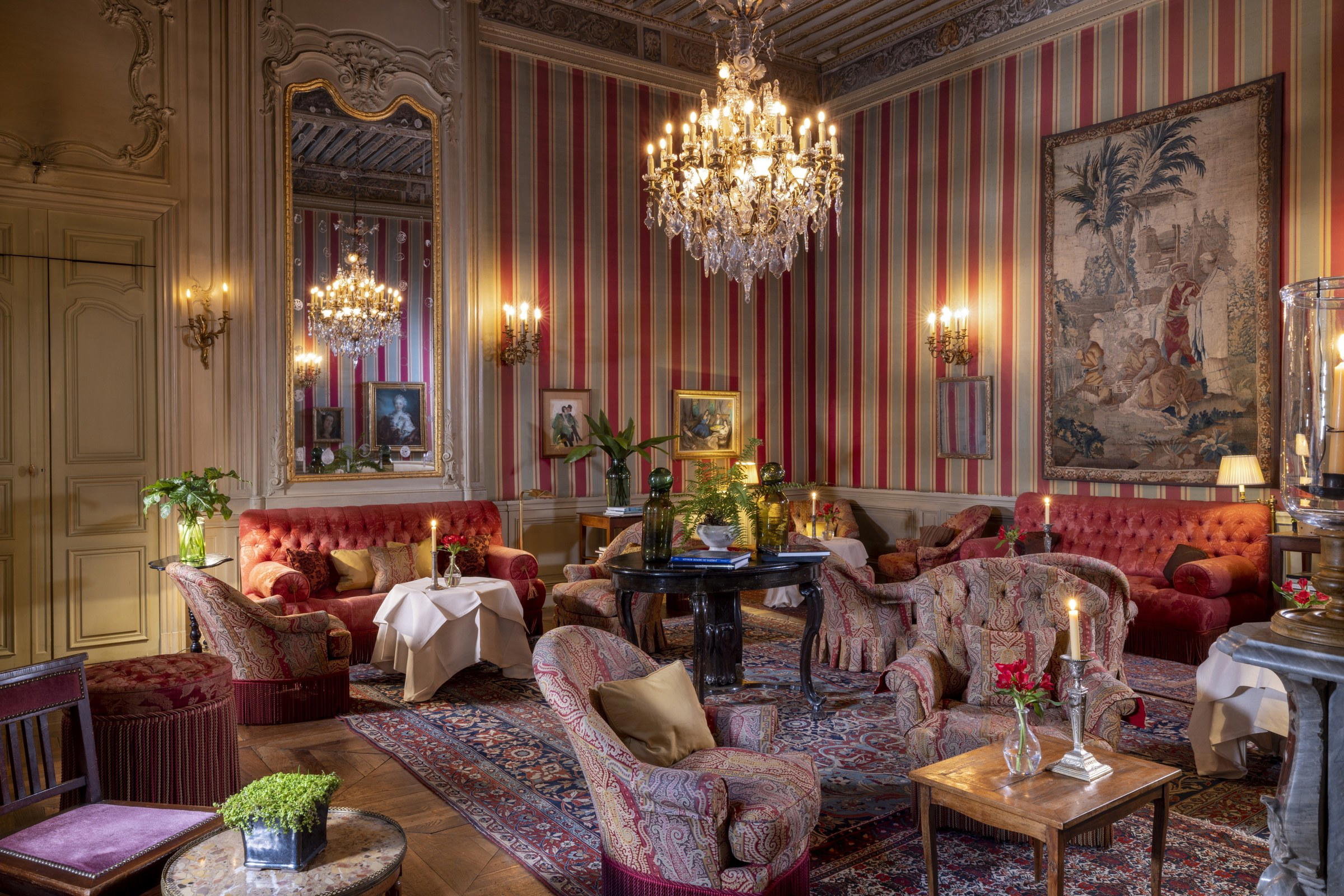
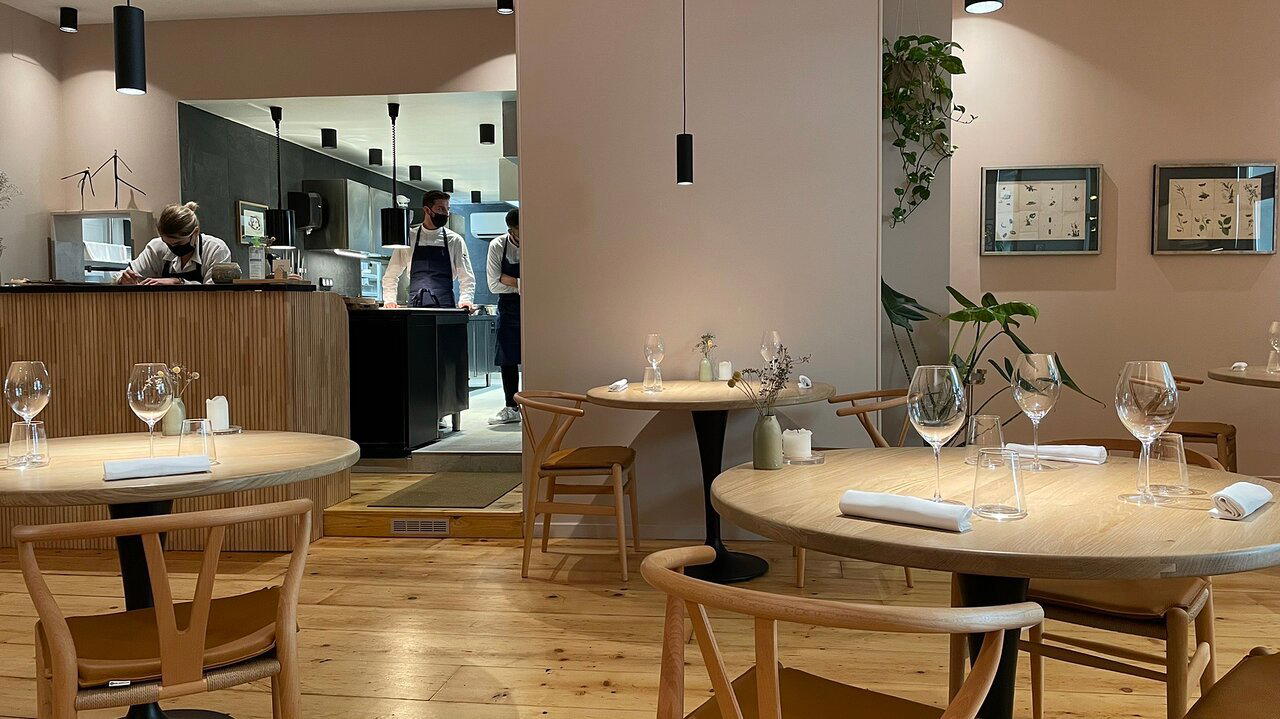
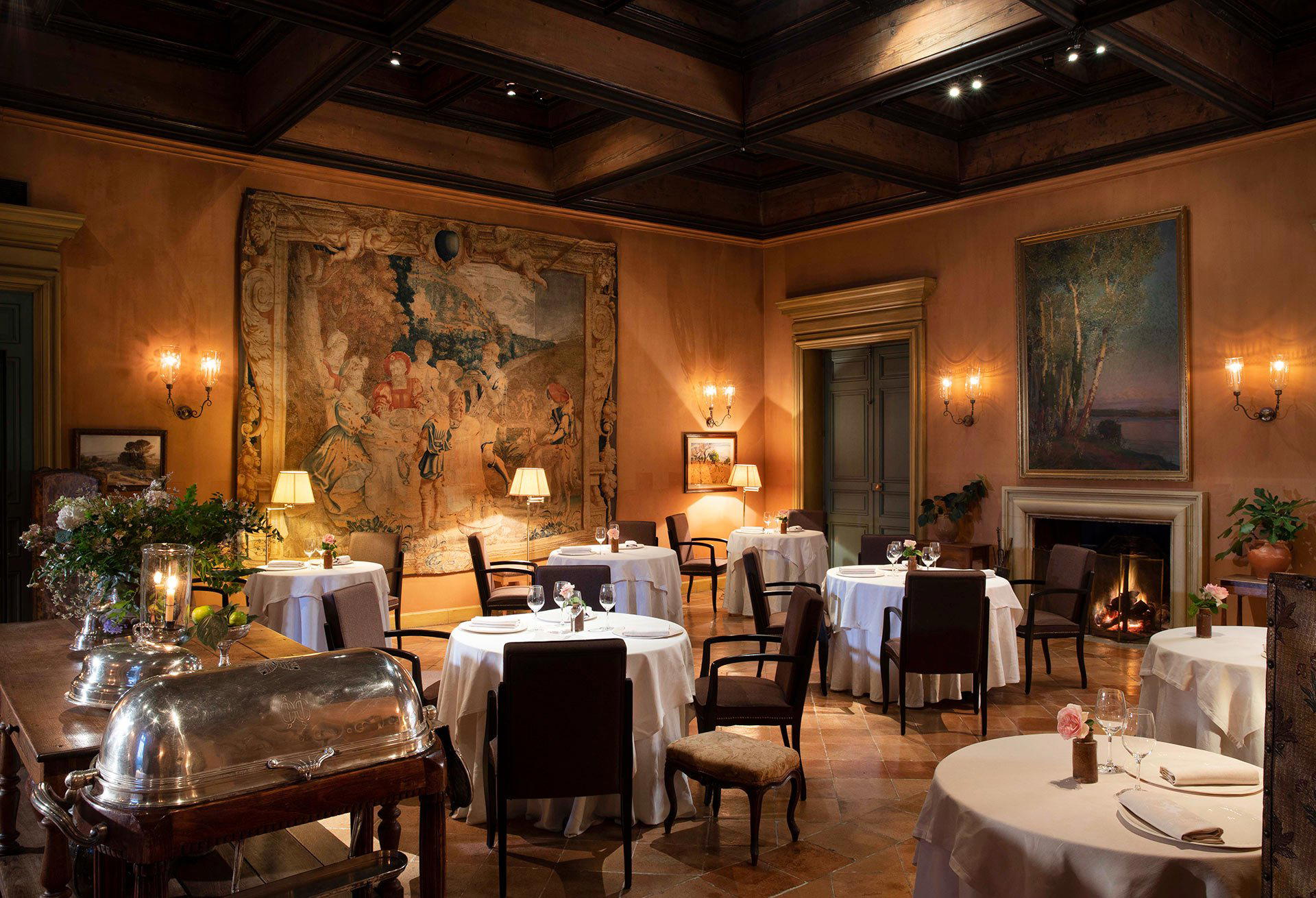
Calm, refined, and secluded, with a blend of historic stonework, Provençal character, and contemporary elegance that guests describe as peaceful and charming.