Kempinski Saigon River
Kempinski Saigon River sits in Ho Chi Minh City’s luxury-hotel conversation at a moment when the city’s hospitality scene is being judged as much by its restaurants and bars as by rooms. Public venue data does not list awards, room categories, price, chef, or dining outlets, so the useful reading is comparative: river-positioned luxury, city access, and how the property may fit a food-led Saigon stay.

Pearl is the En Primeur Club membership app — saves, bookings, and concierge access live there. Same editors, same standards.
- Address
- Ho Chi Minh City, Vietnam
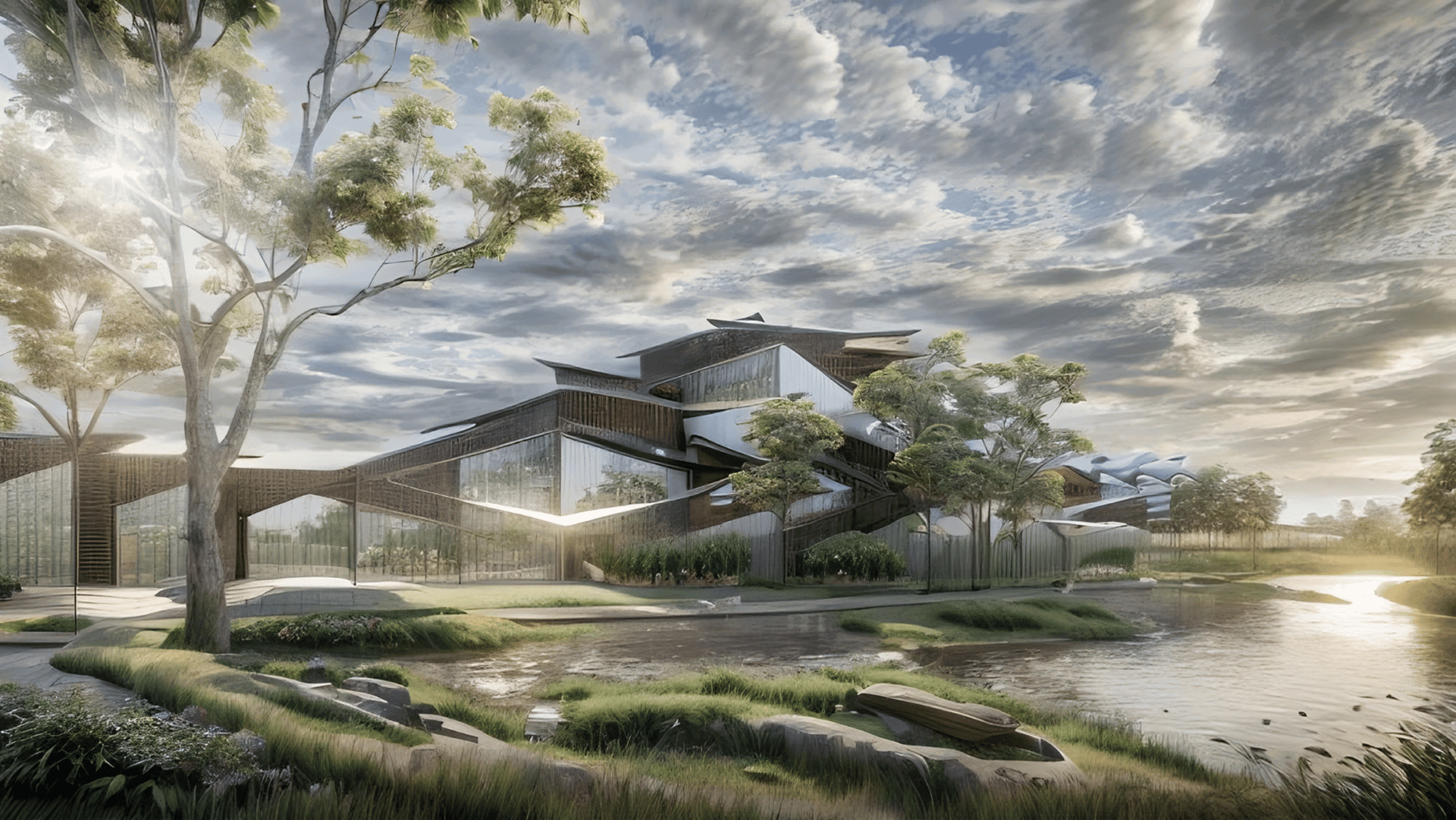
River-facing luxury in a city that eats late
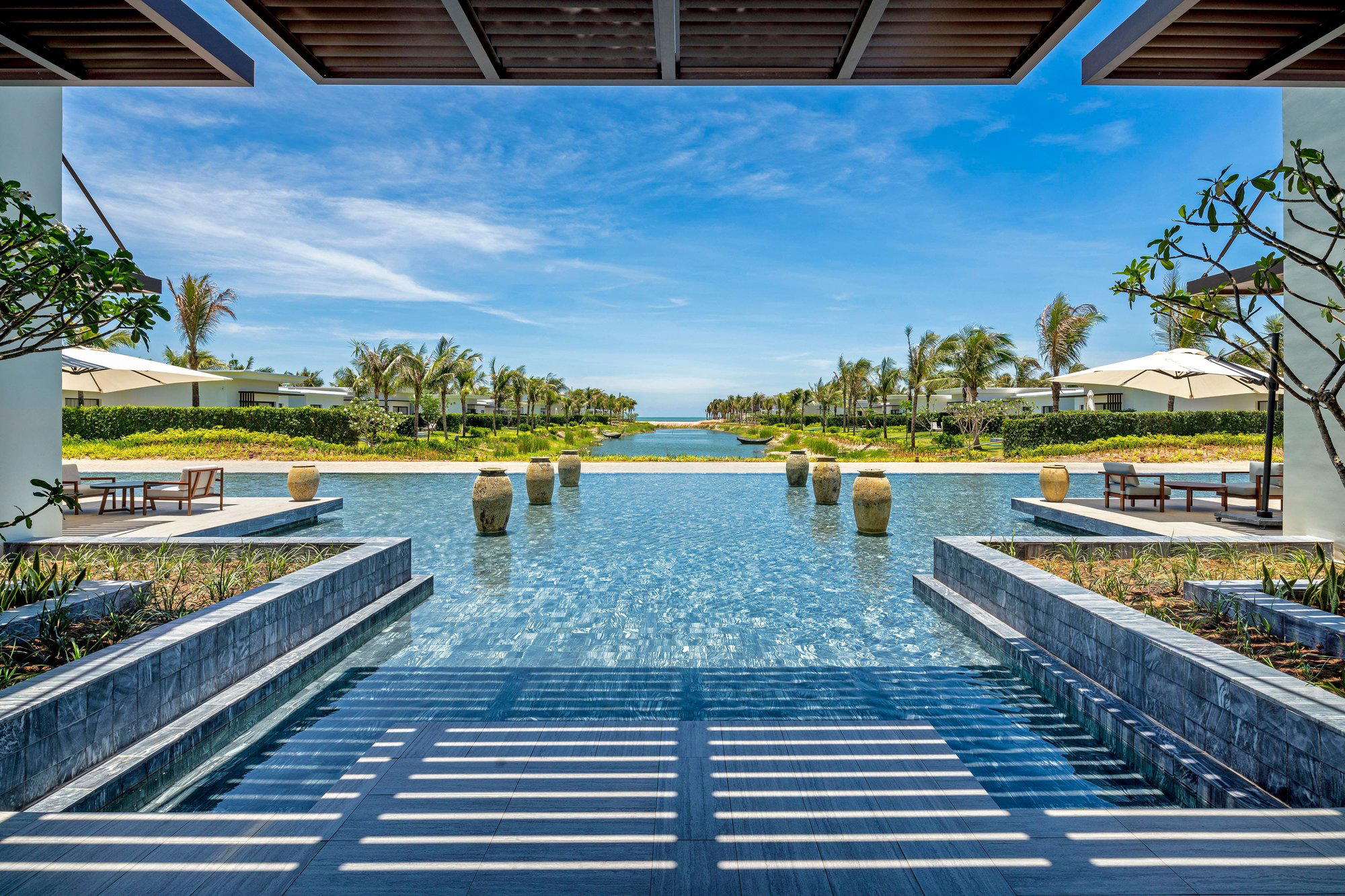
Approaching a hotel on the Saigon River changes the tempo of Ho Chi Minh City. The city’s central rhythm is usually motorbike noise, coffee stools, office towers, late dinners, and the humid pause before a storm. A river setting pulls the gaze away from street frontage and toward water, which matters in a city where luxury hotels have long competed through address, lobby volume, rooftop drinking, and proximity to District 1 commerce. Kempinski Saigon River enters that conversation with a name that signals two things before any room key is issued: an international luxury frame and a relationship with the river rather than only the downtown grid.
For a food-led traveler, that positioning is not cosmetic. Ho Chi Minh City’s hotel scene has been shifting from room-first accommodation into all-day hospitality: breakfast as a social signal, afternoon coffee as a local ritual, cocktail bars as business rooms after dark, and restaurants expected to hold their own against independent dining rooms. That absence should be read plainly. It means the property cannot be assessed through named dining credentials in the way a traveler might assess a hotel with a Michelin-noted restaurant, a public chef partnership, or a clearly published bar programme.
What can be assessed is the category it is trying to occupy. Ho Chi Minh City has several hotel archetypes: heritage addresses near Dong Khoi and the Opera House, serviced apartment-style stays aimed at longer business trips, design-led boutique hotels in quieter urban pockets, and river or resort-inflected properties that sell breathing room inside a dense city. Kempinski Saigon River belongs to the last conversation by implication of its name, and that makes the dining question sharper. A river hotel has to decide whether food and drink are destination-led, resort-led, or mainly supportive of rooms. Until public outlet data is available, travelers should treat the dining programme as a planning question rather than an assumed strength.
The dining-programme test in Ho Chi Minh City
Saigon is a demanding city for hotel dining because the independent scene is unusually strong at both ends of the market. A guest can move from a streetside bowl of noodle soup to a tasting-menu room, a natural-wine bar, or a serious cocktail counter without the formality that defines luxury dining in some capitals. That creates a high bar for hotels. It is not enough to have a breakfast room, a lobby lounge, and an all-day venue; the stronger hotel programmes give guests a reason to stay in for one meal without feeling they have missed the city outside.
The practical comparison is useful. Caravelle Saigon Hotel sits in the heritage-core conversation, where location and established city history do much of the work. Fusion Original Saigon Centre speaks more to the mall-connected, contemporary downtown stay. Bach Suites Saigon occupies a smaller-scale city-hotel lane. Against those peers, Kempinski Saigon River reads as a different proposition: less about immediate street immersion, more about a controlled base where restaurants and bars need to justify time spent on property.
That distinction matters because Ho Chi Minh City dining is neighbourhood-specific. District 1 gives visitors the concentration: hotels, rooftop bars, Japanese counters, Vietnamese tasting rooms, colonial-era streets, and late-night cocktail dens. Thao Dien, across the river in District 2, has developed a separate identity around expatriate households, villas, cafés, wine bars, and softer-paced dining. Cholon brings Chinese-Vietnamese food culture into the picture through markets, temples, and banquet traditions. A hotel with river identity can feel either connected or removed depending on transport time, bridge access, and the strength of its own food-and-drink offer. Travelers should check the exact location before building restaurant plans.
There is a simple editorial rule for hotel restaurants: if the chef, concept, awards, or signature format is central to the proposition, those details usually appear in public-facing materials. In the available record here, cuisine type, chef name, awards, price range, hours, and booking method are all unavailable. That does not mean the dining will be weak. The safer reading is that Kempinski Saigon River is a luxury-hotel prospect whose dining identity needs verification at the point of planning.
For comparison, travelers using Ho Chi Minh City as a dining base should keep independent restaurants and bars in the itinerary rather than relying only on any hotel programme. EP Club’s city pages are useful for this: Our full Ho Chi Minh City restaurants guide maps the restaurant conversation, while Our full Ho Chi Minh City bars guide covers the drinking side. Hotel guests with broader travel time can also scan Our full Ho Chi Minh City experiences guide and, for category context, Our full Ho Chi Minh City wineries guide.
How it compares with Saigon's hotel set
The city’s hotel market rewards different priorities. A first-time visitor who wants to walk between museums, cafés, bars, and shopping will often gravitate toward central District 1. A repeat visitor may prefer Thao Dien for space, quieter restaurants, and a residential rhythm. A business traveler may choose a tower-connected hotel for access and predictability. A leisure traveler pairing Saigon with a beach or mountain resort may want a hotel that softens the city without cutting it off entirely.
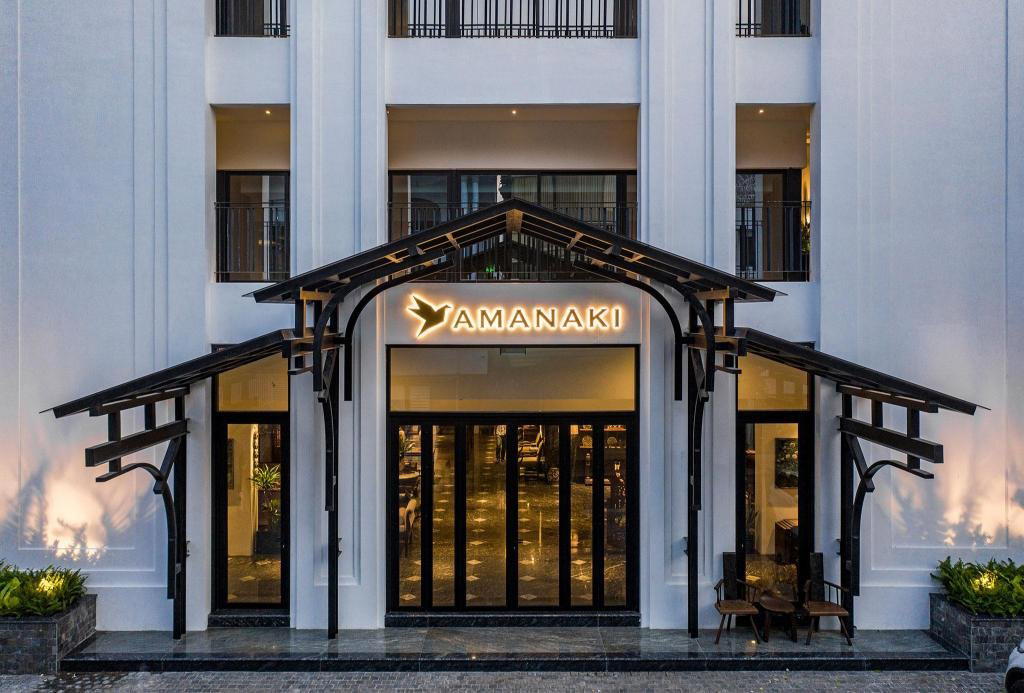
In that matrix, Kempinski Saigon River appears suited to travelers who want a composed base rather than constant street contact. The name’s river cue places expectation on views, arrival sequence, and a slower breakfast-to-evening arc. Amanaki Saigon Boutique Hotel and Amanaki Thao Dien suggest boutique and neighbourhood-led alternatives. Amaya Saigon Boutique Hotel, Anima Saigon Boutique - Vietnamese Contemporary Art Hotel, and Garden Plaza Saigon point to other forms of city accommodation where scale, design language, and location may matter more than a formal luxury brand signal.
The broader Vietnam hotel comparison is also instructive. Coastal and resort properties such as Amanoi in Vinh Hy, Banyan Tree Lăng Cô in Lăng Cô, Asteria Mui Ne Resort in Phan Thiet, The Anam Mui Ne in Mui Ne, and L’Azure Resort & Spa in Phu Quoc are judged through resort logic: beach access, length of stay, spa time, and in-house dining depth. Urban properties such as Capella Hanoi in Hanoi, GM Premium Hotel in Hoan Kiem, and Hotel Royal Gallery Hoi An in Hoi An face a different test: how well the hotel frames the city outside. A Saigon river hotel sits between those poles. It cannot behave only like a resort, because the city is the point; it cannot behave only like a downtown crash pad, because the river setting implies more ceremony.
Planning a stay around food, bars, and city movement
Plan the stay around confirmed logistics, not assumptions. That makes pre-arrival verification the sensible move, especially for travelers who care about dining. Ask directly about restaurant formats, breakfast inclusion, bar opening hours, last seating times, and whether outside guests can use dining outlets. If a tasting menu, chef collaboration, or riverfront bar is part of the appeal, request current information before committing to a room.
Timing also affects the experience. Ho Chi Minh City is warm year-round, with a rainy season that often brings heavy late-day showers. That pattern shapes dining plans: river-facing drinks may depend on weather, traffic can stretch before dinner, and indoor tables carry more value during sudden rain. The city’s strongest evenings often involve two-part planning, with an early Vietnamese meal or tasting-menu reservation followed by a cocktail stop. A hotel bar can be useful at the end of that route, but only if hours and access are confirmed.
For travelers building a larger itinerary, Saigon pairs well with other Vietnamese regions precisely because the city is food-dense and fast-moving. A few nights here can precede a quieter resort stay in Vinh Hy, Lăng Cô, Mui Ne, Phu Quoc, or the northern mountains around properties such as Garrya Mu Cang Chai in Lao Cai Province. Internationally, the relevant comparison is not palace grandeur alone, though Hôtel de Paris Monte-Carlo in Monte Carlo and Badrutt's Palace Hotel in St. Moritz show how historic luxury hotels use restaurants and bars as cultural anchors. A newer urban luxury stay is closer in spirit to the question raised by The Fifth Avenue Hotel in New York City: does the property create a dining identity that belongs to the city, rather than merely serving guests upstairs?
For a citywide hotel comparison, start with Our full Ho Chi Minh City hotels guide. Use it to decide whether a river-positioned luxury stay, a District 1 base, or a Thao Dien address better matches the trip. The right answer depends less on star language and more on how the day will be spent: early meetings, late dinners, cocktail routes, gallery visits, or a slower hotel-centered stay.
How It Compares
Comparable venues nearby, for context on price, style, and recognition.
| Venue | Cuisine | Price | Awards | Notes |
|---|---|---|---|---|
| Kempinski Saigon RiverThis venue — the venue you are viewing | Luxury waterfront hideaway integrated into a larger eco-urban riverfront development outside Ho Chi Minh City. | Not listed | Not listed | Not listed |
| Vinpearl Landmark 81, Autograph Collection | luxury skyscraper hotel in Vietnam's tallest building | $100–200 | Michelin Selected | Vinhomes Central Park |
| Caravelle Saigon Hotel | Historic luxury urban hotel blending Vietnamese heritage with modern amenities | Not listed | World Luxury Hotel Awards WLHA Country Winner | Quan 1 |
| Sofitel Saigon Plaza | Luxury urban hotel blending French and Vietnamese aesthetics | $100–200 | World Luxury Hotel Awards WLHA Regional Winner | Quan 1 |
| Bach Suites Saigon | Contemporary colonial-inspired boutique hotel | Not listed | Michelin Selected · Design Hotels Member | Quan 3 |
| Essensia Sky and Parkway Saigon WorldHotels Residences | Luxury branded residences blending hotel-style full-service living with resort-inspired wellness facilities in an urban South Saigon setting. | Not listed | Not listed | South Saigon / Nguyen Huu Tho Boulevard, Nha Be |
Continue exploring
More in Ho Chi Minh City
Hotels in Ho Chi Minh City
Browse all →
Bars in Ho Chi Minh City
Browse all →
Details
- Scenic
- Quiet
- Elegant
- Modern
- Sophisticated
- Ornate
- Romantic Getaway
- Wellness Retreat
- Weekend Escape
- Anniversary
- Group Retreat
- Destination Wedding
- Waterfront
- Destination Spa
- Design Destination
- Panoramic View
- Garden
- Private Dining
- Spa
- Waterfront
- Garden
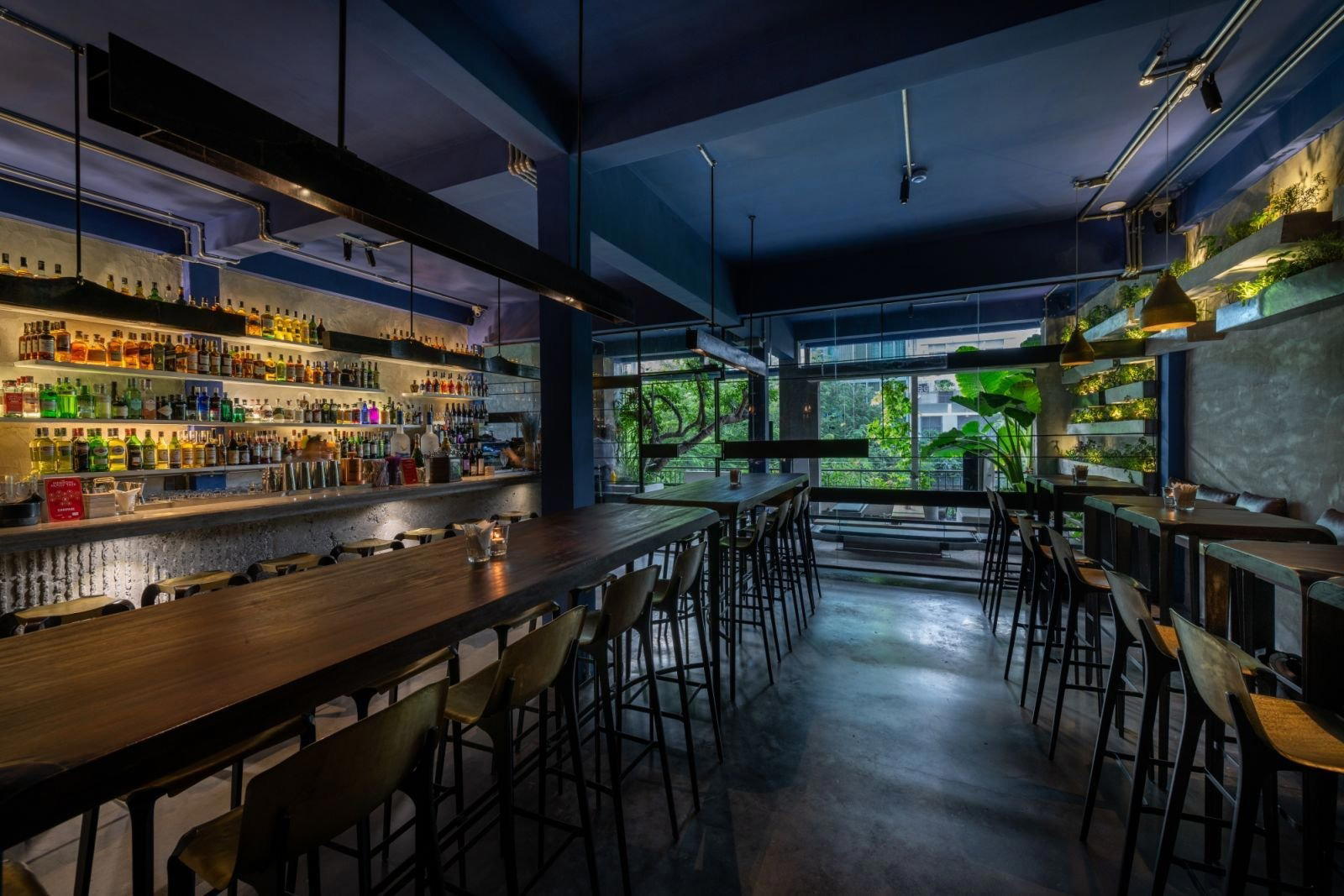
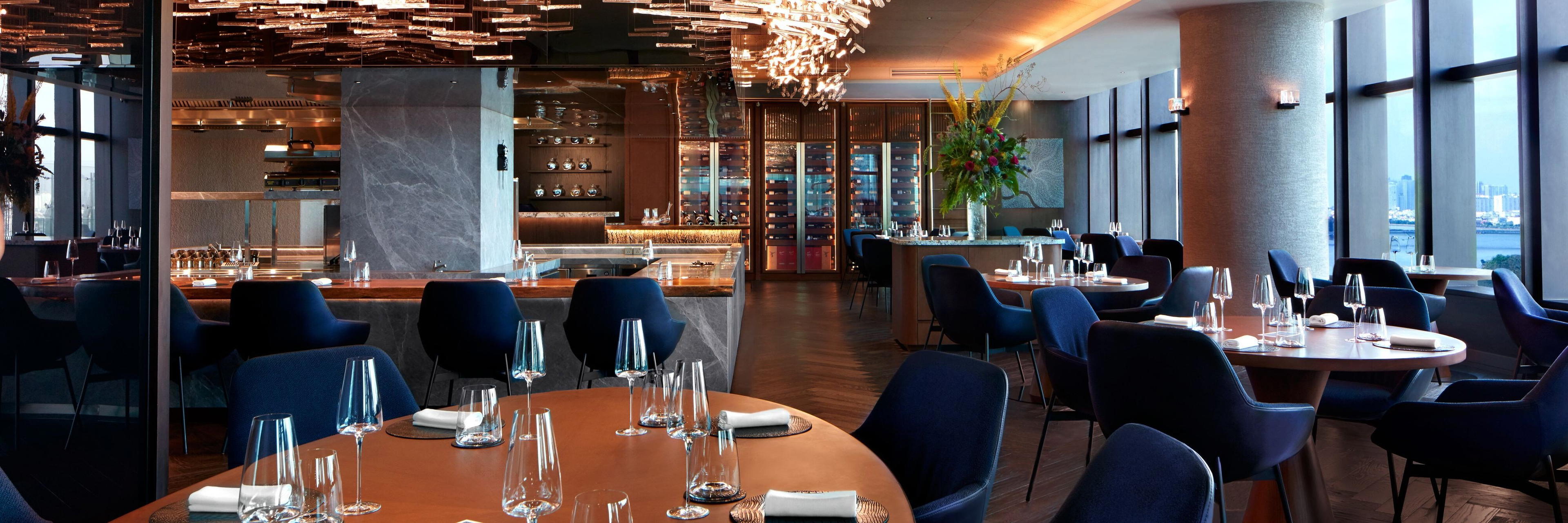
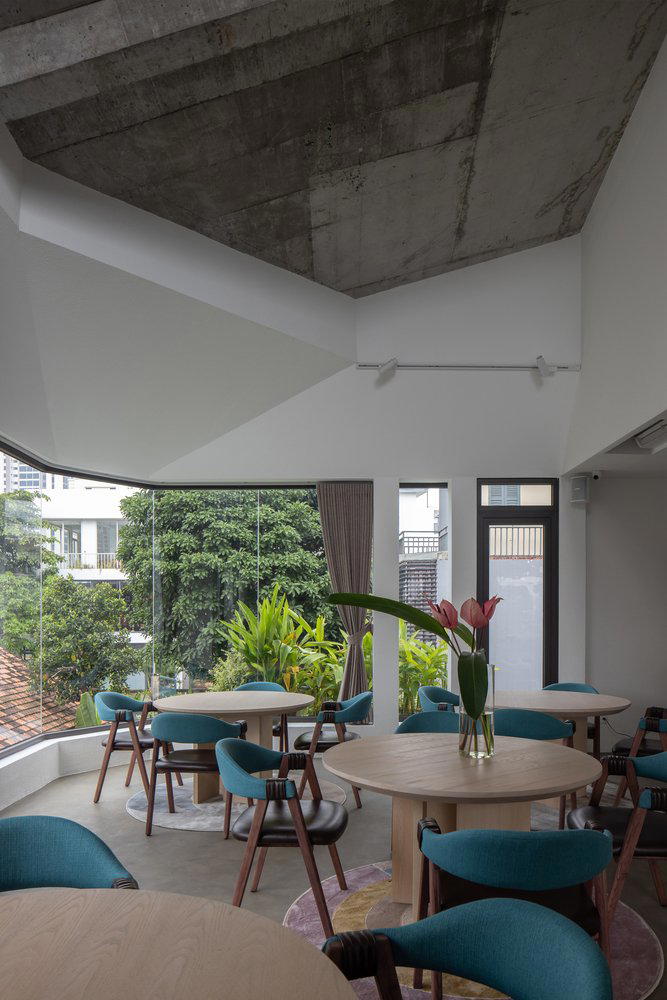
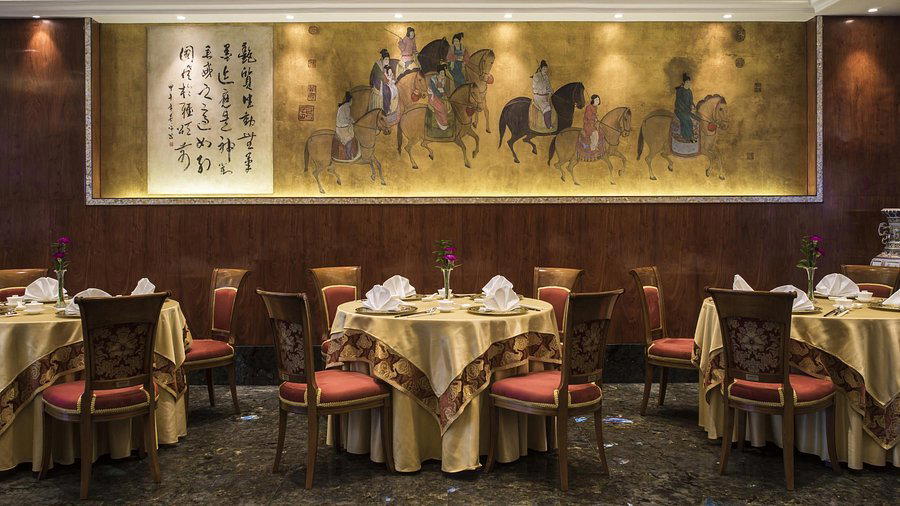
Tranquil and nature-focused, with contemporary luxury architecture echoing rice paddies and riverside homes, abundant river views and a resort-like, secluded atmosphere rather than an urban city hotel feel.