Essensia Sky and Parkway Saigon WorldHotels Residences
Essensia Sky and Parkway Saigon WorldHotels Residences belongs to Ho Chi Minh City’s apartment-hotel conversation rather than the colonial grand-hotel script.

Pearl is the En Primeur Club membership app — saves, bookings, and concierge access live there. Same editors, same standards.
- Address
- Ho Chi Minh City, Vietnam
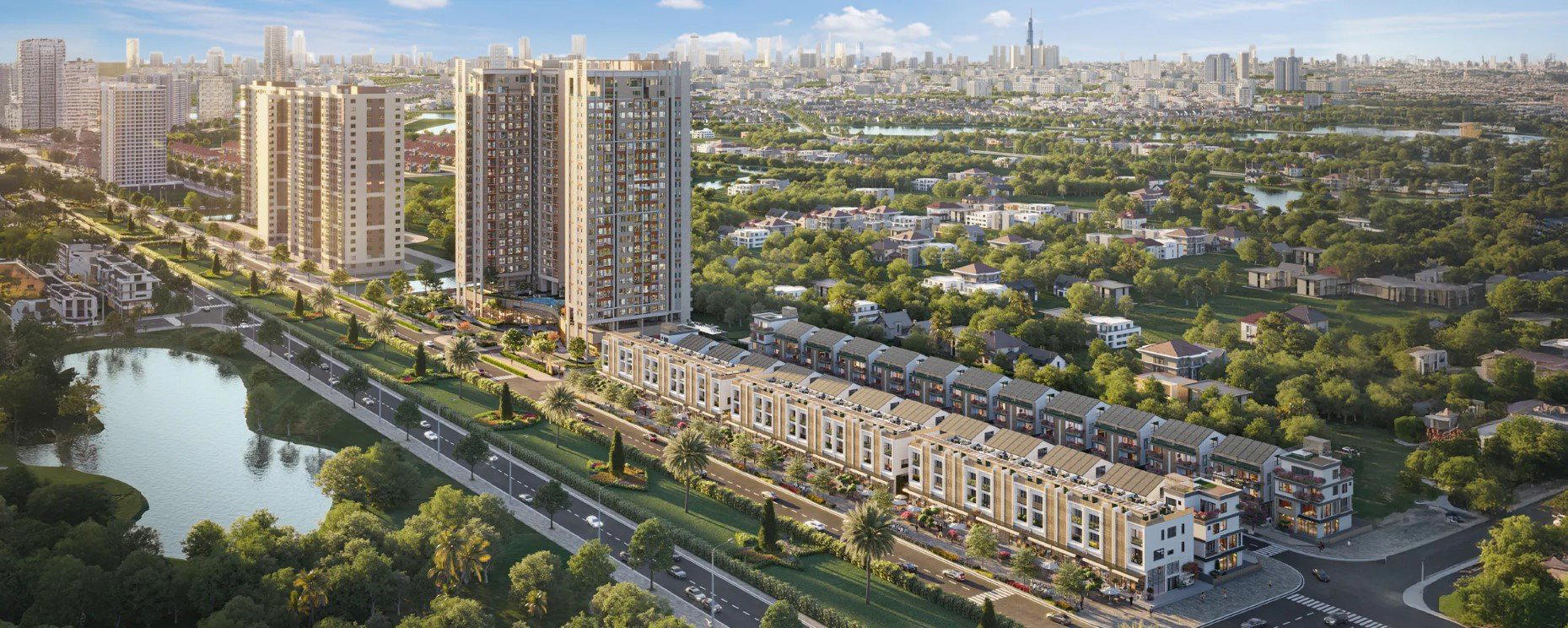
Saigon's vertical hotel question
Ho Chi Minh City announces itself in layers: glass towers above motorbike traffic, apartment blocks beside coffee counters, and serviced residences folded into districts that work from early breakfast through late-night rides home. That vertical rhythm matters for any reading of Essensia Sky and Parkway Saigon WorldHotels Residences, because the name points less toward the old Saigon hotel mythology of lobbies, chandeliers, and colonial-era addresses, and more toward the city’s newer accommodation pattern: longer-stay comfort, residential scale, and a preference for height, privacy, and city access over theatrical arrival.
The useful comparison in Ho Chi Minh City is not only between luxury and mid-market. It is between formats. Classic central hotels trade on established addresses and service depth. Boutique properties compress design into a smaller footprint. Apartment-style residences answer a different demand: guests who need living space, kitchen-adjacent convenience, laundry logic, and a base that can function for several days rather than a single night. Essensia Sky and Parkway Saigon WorldHotels Residences sits in that conversation, though the public record supplied here does not list a star rating, price range, room categories, awards, restaurant, chef, address, phone number, or website.
That absence of published detail is not a reason to overstate the property. It is a reason to read it carefully. In a city where hospitality information can range from deeply documented to thinly listed, the sharper traveller separates what is known from what is assumed. The known facts are narrow: the property is in Ho Chi Minh City, Vietnam, and carries the WorldHotels Residences naming convention. The unknowns are commercially meaningful: nightly rate, service scope, room mix, booking channel, operating hours for any amenities, and whether the property has formal recognition from hotel guides or awards bodies. EP Club’s reading, therefore, is architectural and typological rather than promotional.
Architecture, residence culture, and the Saigon hotel map
Why the residence format matters here
Saigon’s accommodation market rewards mobility. Business travellers often move between District 1 meetings, river-adjacent developments, airport corridors, and residential districts with expanding dining scenes. Leisure travellers tend to split time between museums, markets, cafés, bars, and day trips, which makes the hotel less a sealed resort environment than a logistical instrument. Residence-style hotels are built for that use pattern. They prioritise usable floor plans, repeatable comfort, and a sense of temporary address over the ceremonial qualities associated with landmark hotels.
In design terms, that usually means judging the property less by spectacle and more by how well the building supports daily life: lift flow, room proportions, storage, work surfaces, sound control, natural light, and the relationship between private rooms and shared facilities. The broader point remains useful: in Ho Chi Minh City, a residence hotel competes by making a dense city easier to inhabit.
The difference between a hotel room and a city base
A conventional hotel room often assumes a guest will spend limited time inside. A residence product assumes the opposite may happen: morning work calls, quiet afternoons between appointments, a late return after dinner, and the need for space to reset. That difference changes the design priorities. The strongest residence properties do not rely on decorative excess; they succeed when the plan feels coherent after three nights. Corridors, lobby transitions, room lighting, and service access become part of the guest experience, not background details.
For travellers comparing Saigon options, the question is not whether a residence is inherently better than a boutique hotel or a grande dame address. The question is trip shape. A two-night cultural itinerary may favour a compact central hotel with a strong lobby and immediate access to restaurants. A week of work, medical appointments, family travel, or relocation scouting may make the residence format more persuasive. Essensia Sky and Parkway Saigon WorldHotels Residences should be assessed against that second use case unless updated data proves a different emphasis.
Where it sits among Ho Chi Minh City stays
Ho Chi Minh City’s hotel scene does not read as a single category. Caravelle Saigon Hotel belongs to the established central-hotel tradition, where address, institutional memory, and full-service expectations shape the stay. Bach Suites Saigon offers a smaller-scale urban alternative, while Fusion Original Saigon Centre reflects the mixed-use, retail-linked direction of contemporary city lodging. Against those models, a residence-branded property asks a different question: how much independence does the guest want?
The boutique side of the city adds another layer. Amanaki Saigon Boutique Hotel, Amanaki Thao Dien, Amaya Saigon Boutique Hotel, and Anima Saigon Boutique - Vietnamese Contemporary Art Hotel indicate how design, neighbourhood identity, and scale now matter in Saigon as much as conventional star categories. Garden Plaza Saigon adds another reference point for travellers mapping the city by purpose rather than prestige.
Design-led does not always mean decorative
The phrase design hotel is often misused to mean photogenic. In Saigon, the stronger design conversation is practical: how architecture responds to heat, traffic, density, and the blurred line between work and leisure. A hotel can be visually restrained and still be design-led if its circulation, room planning, and urban access are intelligent. Conversely, a visually loud property can fail if it treats the city as scenery rather than a working condition.
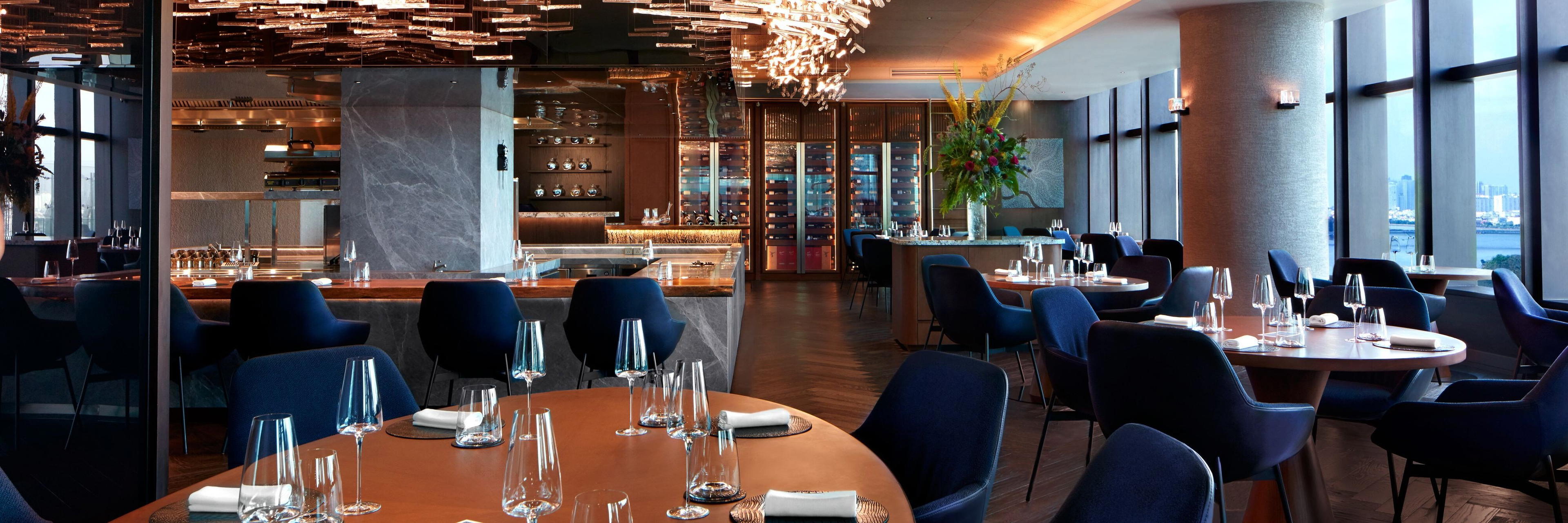
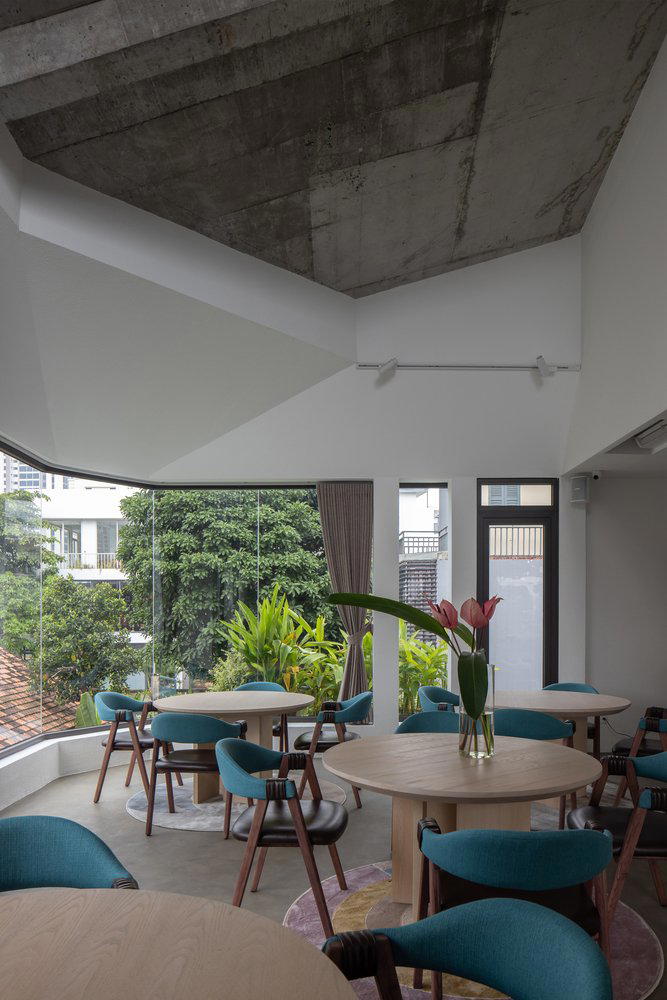
That distinction is important for Essensia Sky and Parkway Saigon WorldHotels Residences because no verified style description is supplied. The editorially responsible stance is to avoid inventing an aesthetic. The name suggests a residence format with a skyline or high-rise implication, but suggestion is not evidence. Travellers should examine current official images, floor plans where available, and recent guest documentation before drawing conclusions about materials, views, or room atmosphere.
Dining, bars, and the wider city experience
The hotel is only one part of a Saigon stay
Ho Chi Minh City rewards guests who treat the hotel as a base rather than the entire itinerary. The city’s dining culture runs from precise modern Vietnamese kitchens to regional cooking, French-influenced patisserie, Japanese counters, seafood houses, and café culture shaped by both street life and air-conditioned refuge. The better planning move is to read the city around it.
For meal planning, Our full Ho Chi Minh City restaurants guide is the relevant companion rather than an assumed in-house restaurant narrative. For late evenings, Our full Ho Chi Minh City bars guide gives a sharper view of how cocktail rooms, hotel bars, and neighbourhood drinking rooms divide the city after dark. Travellers building a fuller cultural schedule can also use Our full Ho Chi Minh City experiences guide, while wine-focused readers should note that Our full Ho Chi Minh City wineries guide is a category reference rather than a claim that urban Saigon operates like a vineyard region.
How to compare it with other Vietnamese hotel formats
Vietnam’s hotel scene stretches far beyond Saigon, and that national spread helps clarify the city’s residence niche. Amanoi in Vinh Hy belongs to the coastal retreat category, where landscape, privacy, and resort programming drive the stay. Banyan Tree Lăng Cô in Lăng Cô is part of the destination-resort grammar, while Hotel Royal Gallery Hoi An in Hoi An sits in a heritage-city context. Asteria Mui Ne Resort in Phan Thiet, The Anam Mui Ne in Mui Ne, and L’Azure Resort & Spa in Phu Quoc show how beach and island hotels are judged by completely different criteria.
City hotels in Hanoi and the northern mountains make the contrast even clearer. Capella Hanoi in Hanoi is read through theatrical design and capital-city positioning. GM Premium Hotel in Hoan Kiem belongs to the compact old-quarter city-stay conversation. Garrya Mu Cang Chai in Lao Cai Province points toward upland retreat culture. Saigon’s residence hotels should not be judged by resort criteria. Their value is measured by urban function.
Planning notes for Essensia Sky and Parkway Saigon WorldHotels Residences
What is known, and what needs confirmation
It does not provide an address, telephone number, website, price range, star rating, room count, awards, booking method, dress code, chef, cuisine type, or hours. That is a significant planning limitation, especially for travellers comparing refundable rates, arrival logistics, family requirements, late check-in, or serviced-apartment amenities.
Before committing to any stay, confirm the exact location through an official listing or a trusted booking platform, then check whether the room type includes the residence features that matter for the trip: work area, washing facilities, kitchenette, separate living space, bedding configuration, and lift access. Price should be compared against central hotels and serviced residences for the same dates, not against beach resorts or boutique art hotels in other cities. If the trip is appointment-heavy, location will matter more than decorative identity. If the trip is leisure-led, proximity to dining, bars, and cultural stops may outweigh floor area.
Who should consider it
This property is most intelligible for travellers who want a Saigon base with residence logic: longer stays, work travel, relocation scouting, families needing more space, or guests who prefer a less ceremonious relationship with the hotel. It is a weaker fit for travellers who require documented awards, published culinary credentials, a known chef, or a clearly described design pedigree before choosing a property. In those cases, Our full Ho Chi Minh City hotels guide offers a wider comparison across the city’s better-documented options.
International comparisons can be useful if they remain disciplined. The Fifth Avenue Hotel in New York City, Hôtel de Paris Monte-Carlo in Monte Carlo, and Badrutt's Palace Hotel in St. Moritz are not functional peers for a Saigon residence product. They are useful as counterexamples: hotels where history, ceremony, and destination status dominate the reading. Essensia Sky and Parkway Saigon WorldHotels Residences belongs to a more pragmatic urban category, where the test is whether the building makes Ho Chi Minh City easier to use.
Reputation & Price
Comparable venues nearby, for context on price, style, and recognition.
| Venue | Price | Awards | Notes |
|---|---|---|---|
| Essensia Sky and Parkway Saigon WorldHotels ResidencesThis venue — the venue you are viewing | Not listed | Not listed | Not listed |
| Mia Saigon – Luxury Boutique Hotel | $100–200 | 1 Michelin Key | District 2, Luxury boutique riverside sanctuary blending French Indochine with modern luxury. |
| Sofitel Saigon Plaza | $100–200 | World Luxury Hotel Awards WLHA Regional Winner | Quan 1, Luxury urban hotel blending French and Vietnamese aesthetics |
| Amanaki Thao Dien | $100–200 | Star Wine List · World Luxury Hotel Awards WLHA Country Winner | Quan 2, Contemporary boutique blending Polynesian hospitality with modern Vietnamese elegance |
| Silverland Mây Hotel | $1–100 | World Luxury Hotel Awards WLHA Country Winner | Quan 1, Blends modern elegance with Vietnamese heritage in a central urban setting. |
| The Myst Dong Khoi Hotel | $100–200 | Michelin Selected · World Luxury Hotel Awards WLHA Country Winner | Quan 1, Contemporary luxury boutique hotel curated by Silverland Hospitality, merging vintage Vietnamese design elements with modern minimalist aesthetics. |
Continue exploring
More in Ho Chi Minh City
Hotels in Ho Chi Minh City
Browse all →
Bars in Ho Chi Minh City
Browse all →
Details
- Modern
- Sophisticated
- Ornate
- Elegant
- Scenic
- Well Known
- Wellness Retreat
- Family Vacation
- Weekend Escape
- Group Retreat
- Celebration
- Business Trip
- Private Villa
- Destination Spa
- Garden
- Design Destination
- Panoramic View
- Concierge
- Spa
- Fitness Center
- Room Service
- Business Center
- Garden
A contemporary, resort-like urban enclave with sophisticated interiors, lush landscaped green spaces, and a tranquil onsen clubhouse that emphasizes calm, wellness-focused luxury living.