Kempinski Floating Palace
Kempinski Floating Palace sits inside Dubai’s appetite for hospitality concepts that treat architecture, arrival and dining as one integrated statement. Published venue data does not list restaurants, chefs, awards, prices or booking channels, so the useful reading is contextual: compare it with Dubai’s established resort hotels and plan only after confirming current facilities directly through official channels.

Pearl is the En Primeur Club membership app, where members save venues, book tables and use the concierge.
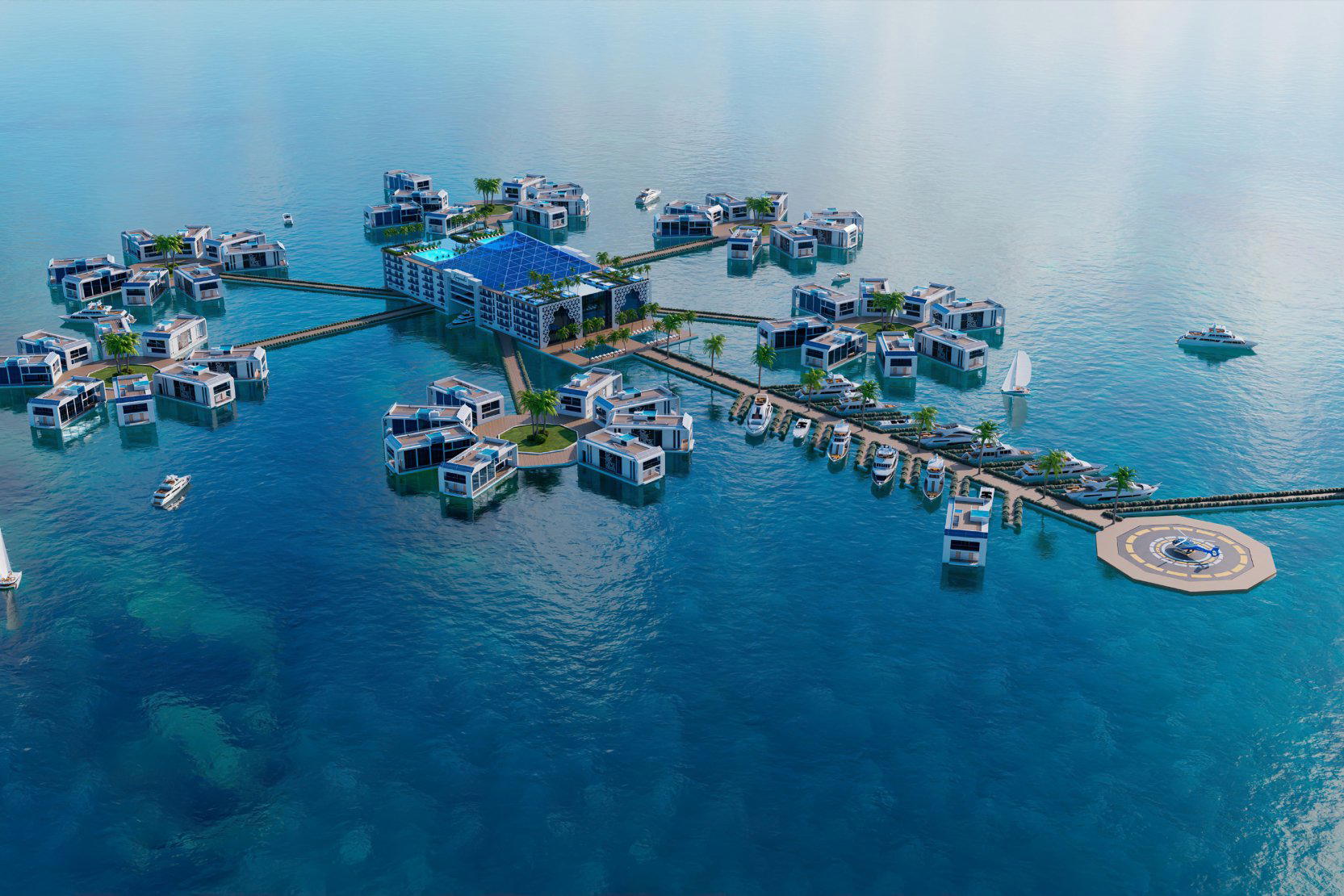
Arrival by water, in a city that makes spectacle part of hospitality
Dubai has trained hotel guests to expect arrival as theatre: porte-cochères with choreographed service, skyline-facing terraces, beach clubs that run like restaurants, and lobbies designed as public stages rather than private thresholds. A floating palace concept belongs to that same local instinct, but shifts the setting from land reclamation and beachfront scale to waterborne hospitality. The point is not only where a guest sleeps. In Dubai, the hotel is often a dining district, a bar circuit, a meeting place and an architectural claim in one address.
Kempinski Floating Palace enters a city where the hotel dining programme carries unusual weight. In older resort markets, restaurants inside hotels can feel secondary to rooms. In Dubai, the opposite often applies. The city’s luxury hotels compete through chef partnerships, terrace design, marina access, brunch formats, late-service bars and private-event capacity. That makes a floating hotel concept especially dependent on its food and beverage structure: guests will judge the idea not just by suites or views, but by how well the restaurants and bars handle rhythm, privacy, weather and water access.
That absence matters. For a conventional hotel, missing details can be inconvenient; for a floating property in Dubai, they shape the entire planning question. The prudent reader should treat the concept as a hospitality project that requires current verification rather than as a fully documented stay with fixed public details.
Dubai's hotel restaurants have become the city's dining infrastructure
Dubai’s serious dining conversation is inseparable from hotels. Independent restaurants exist across the city, but many high-spend rooms, chef-led counters and polished bars sit inside hospitality compounds, especially along the coast, in Business Bay, Downtown, Jumeirah and Palm Jumeirah. The reason is practical as much as cultural: hotels provide licensing, valet systems, sea views, international reservation channels and all-day demand from residents and visitors. For a floating palace format, that hotel-restaurant relationship becomes even more pronounced because the property must create its own internal ecosystem.
That ecosystem has local precedent. Atlantis The Royal shows how a Dubai hotel can operate as a culinary campus, with restaurants and bars serving as headline reasons to visit beyond the rooms. Jumeirah Marsa Al Arab sits in another coastal luxury register, where architectural identity, marina culture and dining compete for attention. The Lana represents the urban-luxury side of the same pattern, linking hotel status to design, restaurants and a high-spend social audience rather than beach scale alone.
Land-based resorts can spread dining across pools, gardens, promenades and towers. A property on water has to make circulation, service routes and guest flow feel effortless within a more constrained envelope. If the dining programme is formal, it needs control and ceremony. If it is social, it needs enough energy to avoid feeling like a private yacht lounge with hotel signage. If it is family-oriented, it must solve access and flexibility.
What a floating dining programme has to solve
A hotel on water faces a different dining brief from a tower hotel or desert resort. Breakfast has to run with the precision of a luxury property, because water access reduces tolerance for improvisation. Lunch has to manage heat and glare for much of the year. Dinner has to justify staying on property when Dubai offers a dense field of hotel restaurants within a short drive of major coastal districts. Bars need wind protection, acoustic control and seating that works after sunset rather than only for photographs.
This is where Dubai’s climate becomes a dining factor. From late autumn through early spring, outdoor terraces and waterfront seating become commercial assets. In peak summer, indoor comfort, shaded arrivals and efficient transfers matter more. A floating property therefore needs a seasonal operating model: open-air romance in cooler months, climate-managed assurance when humidity rises. The safer reading is to judge the property through questions: how many dining rooms operate year-round, which spaces are enclosed, and whether outside guests can dine without staying overnight.
Dubai also rewards hotels that understand different meal occasions. The city’s dining week is not built around a single prime-time dinner slot. Business lunches, family weekend meals, late-night lounges, beach-club afternoons and celebratory tasting menus all carry value. A floating palace concept can be persuasive if its restaurants are designed for several of those occasions, not only for resident guests.
How it compares with Dubai's established hotel circuits
The useful comparison is not only with other novelty-led concepts, but with hotels that have already taught Dubai guests what to expect from a complete hospitality address. Address Beach Resort sits in the JBR and Bluewaters orbit, where beach, skyline and social dining overlap. Address Creek Harbour works a different register, drawing on water views and proximity to a newer urban district. Address Downtown belongs to the mall, fountain and Burj Khalifa circuit, where hotel restaurants benefit from constant visitor movement.
A floating property cannot rely on walk-by energy in the same way. It needs intentionality. Guests and diners have to decide to go there, which raises the bar for clarity. What is the signature meal period? Is the draw a chef-led restaurant, a bar, a private dining format, a marina arrival, or the novelty of the setting? In Dubai’s luxury market, novelty expires quickly unless the food, service and access remain disciplined. The city has seen enough ambitious hotel openings for residents to distinguish design theatre from a dining room with repeat value.
In Dubai, premium hotel dining can range from accessible hotel brasseries to high-spend tasting menus and imported chef concepts. That distinction matters: brand heritage can frame expectations, but current property details determine planning.
The wider UAE context: water, desert and destination hotels
The UAE’s luxury hotel map is more varied than Dubai’s skyline suggests. Coastal resorts, desert retreats and island properties each ask guests to accept a different rhythm. Anantara Sir Bani Yas Island Al Yamm Villa Resort in Abu Dhabi and Anantara Sir Bani Yas Island Al Sahel Villa Resort in Sir Bani Yas Island make remoteness part of the stay. Anantara Qasr al Sarab Desert Resort in Liwa Desert and Telal Resort Al Ain in Al Ain use the desert as the organising principle. Anantara Santorini Abu Dhabi Retreat in Ghantoot works the coastal-retreat angle between emirates.
Dubai’s floating concept belongs to that broader move toward destination formats, but with a city-hotel twist. A desert resort can ask guests to stay put because isolation is part of the contract. A floating hotel in Dubai sits near a city with deep restaurant choice, so it cannot rely solely on separation. Its restaurants and bars need to feel worth the controlled access. That is the difference between a destination hotel and a hotel that happens to be difficult to reach.
Other emirates show how setting can define expectations. Al Badayer Retreat by Sharjah Collection in Sharjah uses desert heritage and lower-density scale. Mövenpick Resort Al Marjan Island in Ras al Khaimah sits within the northern emirates’ beach-resort growth. Fairmont Ajman in Ajman reflects the family-beach resort model. Bateen Liwa Resort in Mzeer Ah points back to desert retreat logic. Kempinski Floating Palace is closer to Dubai’s appetite for spectacle, but it will be judged by the same practical standards: access, dining consistency, climate management and service clarity.
Where dining research should sit in the itinerary
Travellers planning around food should treat this property as one part of a wider Dubai dining map rather than the whole answer. Our full Dubai restaurants guide is the stronger starting point for confirmed restaurant-led decisions, while Our full Dubai bars guide helps separate hotel lounges from cocktail programmes with their own identity. Our full Dubai wineries guide is less central for a city without a conventional wine-country structure, but it may be useful for readers comparing regional beverage content.
Dubai also has a growing appetite for hotels that import global confidence. The comparison is not limited to the Gulf. The Fifth Avenue Hotel in New York City, Hôtel de Paris Monte-Carlo in Monte Carlo and Badrutt's Palace Hotel in St. Moritz show different versions of the grand hotel as social infrastructure. Dubai’s version is newer, faster and more food-and-beverage driven. A floating palace concept fits that ambition, but the practical traveller should wait for confirmed restaurant and bar specifics before building an evening around it.
Planning notes: what to verify before committing
Because the record does not publish an address, phone number, website, prices, hours, star rating, room categories, dress code or booking method, planning should begin with verification through official and current channels. That is not a minor administrative point. For a water-based hotel concept, access details affect every meal and stay decision: transfer point, arrival time, luggage handling, weather protocols, restaurant eligibility for non-residents, and whether private events restrict public dining. In Dubai, where premium hotels can change restaurant line-ups and opening schedules during soft-launch periods, current confirmation is more valuable than assumptions.
Timing also deserves attention. Cooler months bring stronger demand for waterfront dining across the city, especially from November through March. Ramadan, major trade fairs, New Year’s Eve and high-season weekends can alter availability and pricing across Dubai’s hotel market. Travellers comparing a city stay may also weigh more conventional addresses such as 25hours Hotel Dubai One Central, where the urban location suits DIFC, Downtown and exhibition itineraries, or Address Beach Resort Fujairah when the priority shifts toward a quieter coastal break outside Dubai’s main hotel circuit.
Room choice cannot be assessed from the record because no room types are provided. The smarter approach is to match the stay to the operating reality: if the property offers water-facing categories, restaurant proximity, transfer convenience or private outdoor space, those details would change the value equation. Until those specifics are published, the decision should be based on confirmed facilities rather than the romance of the concept.
How It Compares
Comparable venues nearby, for context on price, style, and recognition.
| Venue | Cuisine | Price | Awards | Notes |
|---|---|---|---|---|
| Kempinski Floating PalaceThis venue (the venue you are viewing) | Ultra-luxury floating resort palace anchored off an exclusive Dubai beach, blending superyacht living with a full-service five-star hotel. | Not listed | Not listed | Not listed |
| SLS Dubai Hotel & Residences | Contemporary luxury serviced apartments and hotel rooms with sleek interiors and private balconies | $300–500 | La Liste Top Hotels | Jaddaf |
| Palace Dubai Creek Harbour | Waterfront luxury hotel with modern Arabesque twist and palatial hospitality. | Not listed | Star Wine List · Forbes 4-Star | Ras Al Khor |
| Ciel Dubai Marina | Architectural landmark redefining luxury hospitality with innovative design and superlative height. | Not listed | Not listed | Dubai Marina |
| Bvlgari Resort Dubai | Mediterranean luxury resort on private island | Not listed | 2 Michelin Keys · La Liste Top Hotels | Jumeira |
| One&Only Royal Mirage | Luxurious Arabian palace resort with three distinct wings: Arabian Court, Palace, and Residence. | Not listed | Michelin Selected · La Liste Top Hotels | Al Sufouh 2 |
Continue exploring
More in Dubai
Hotels in Dubai
All hotels in Dubai →
Bars in Dubai
All bars in Dubai →
Details
- Ornate
- Sophisticated
- Modern
- Scenic
- Well Known
- Romantic Getaway
- Anniversary
- Celebration
- Destination Wedding
- Weekend Escape
- Waterfront
- Private Villa
- Infinity Pool
- Panoramic View
- Pool
- Spa
- Fitness Center
- Restaurant
- Bar
- Valet Parking
- Concierge
- Business Center
- Waterfront
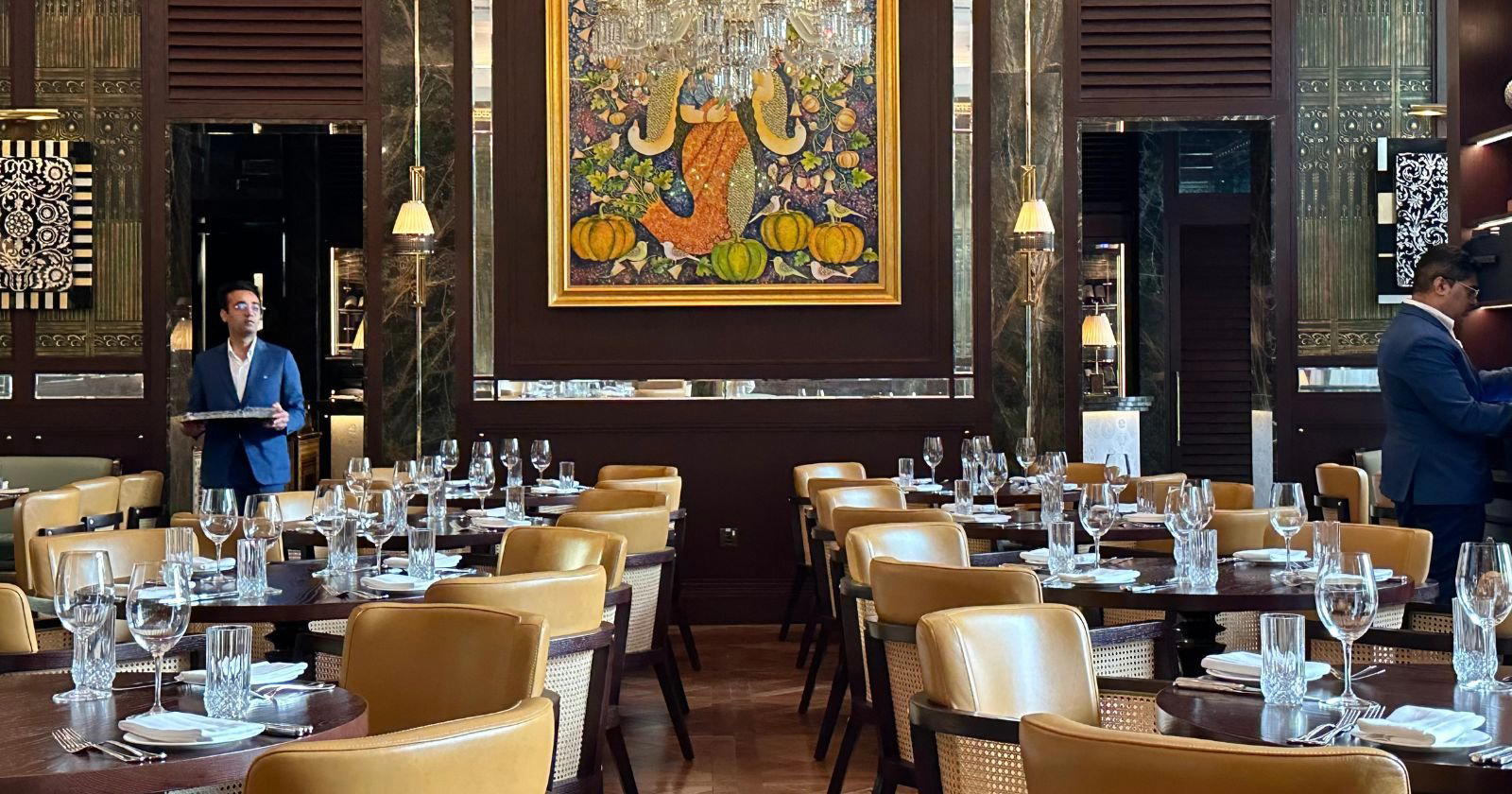
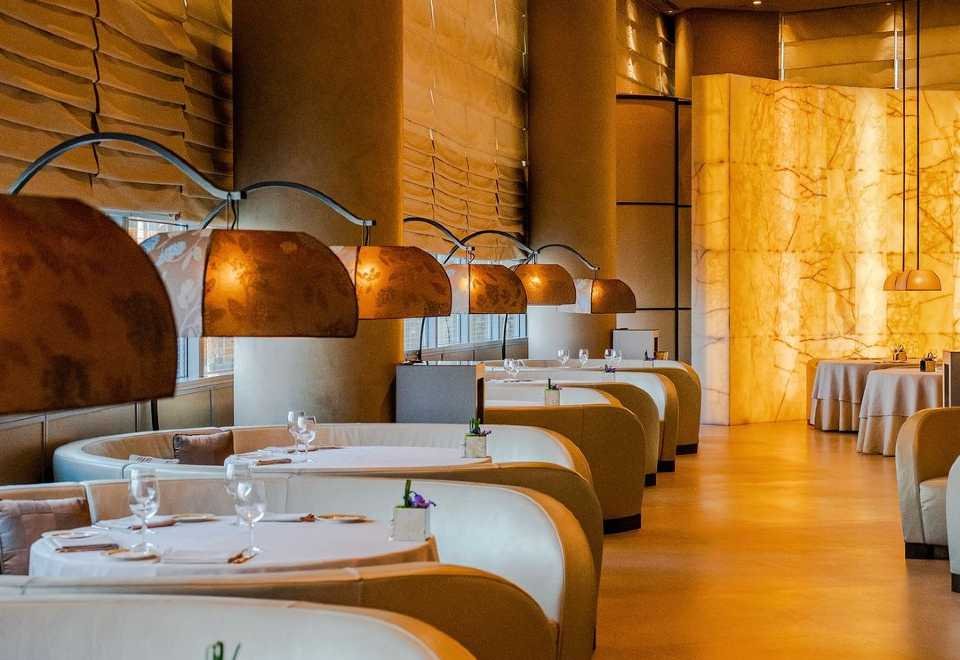
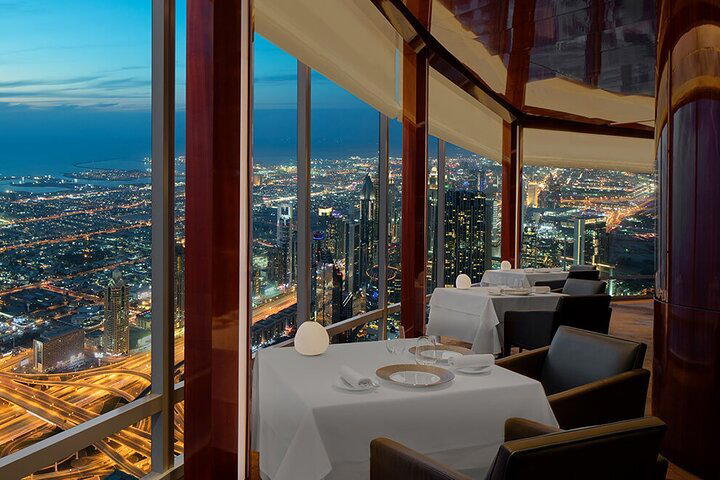
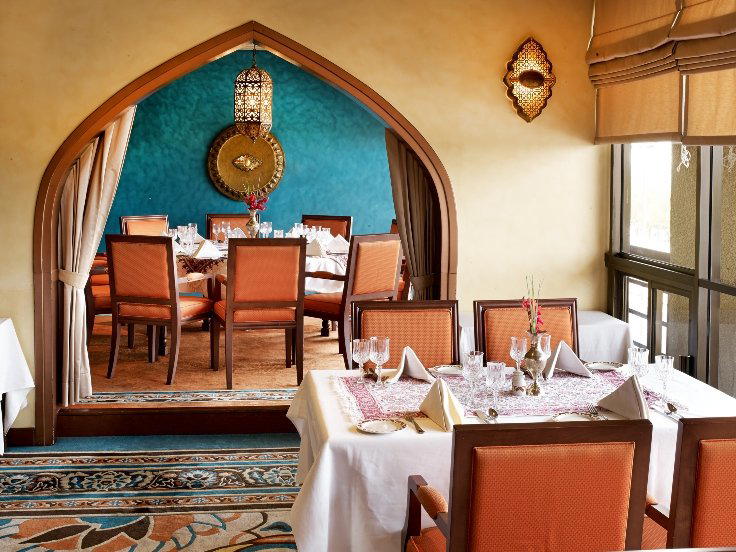
Ornate and highly exclusive, with a futuristic floating-palace concept, glass pyramid centerpiece, yacht access, and a strong sense of arrival by speedboat or helipad.