Tenuta Le Tre Virtù

A Michelin Selected agriturismo in the Mugello hills north of Florence, Tenuta Le Tre Virtù sits at Via di Lucigliano in Scarperia e San Piero, a corner of Tuscany that trades Chianti's wine-trail crowds for working farmland, medieval fortresses, and a quieter register of rural hospitality. The property earns its Michelin recognition within a category that rewards physical character and authentic local rootedness over branded polish.
Pearl is the En Primeur Club membership app — saves, bookings, and concierge access live there. Same editors, same standards.
- Address
- Via di Lucigliano,13, Scarperia e San Piero, Italy
- Phone
- 3440944605
- Directions
- Get directions
 Saves & bookings on Pearl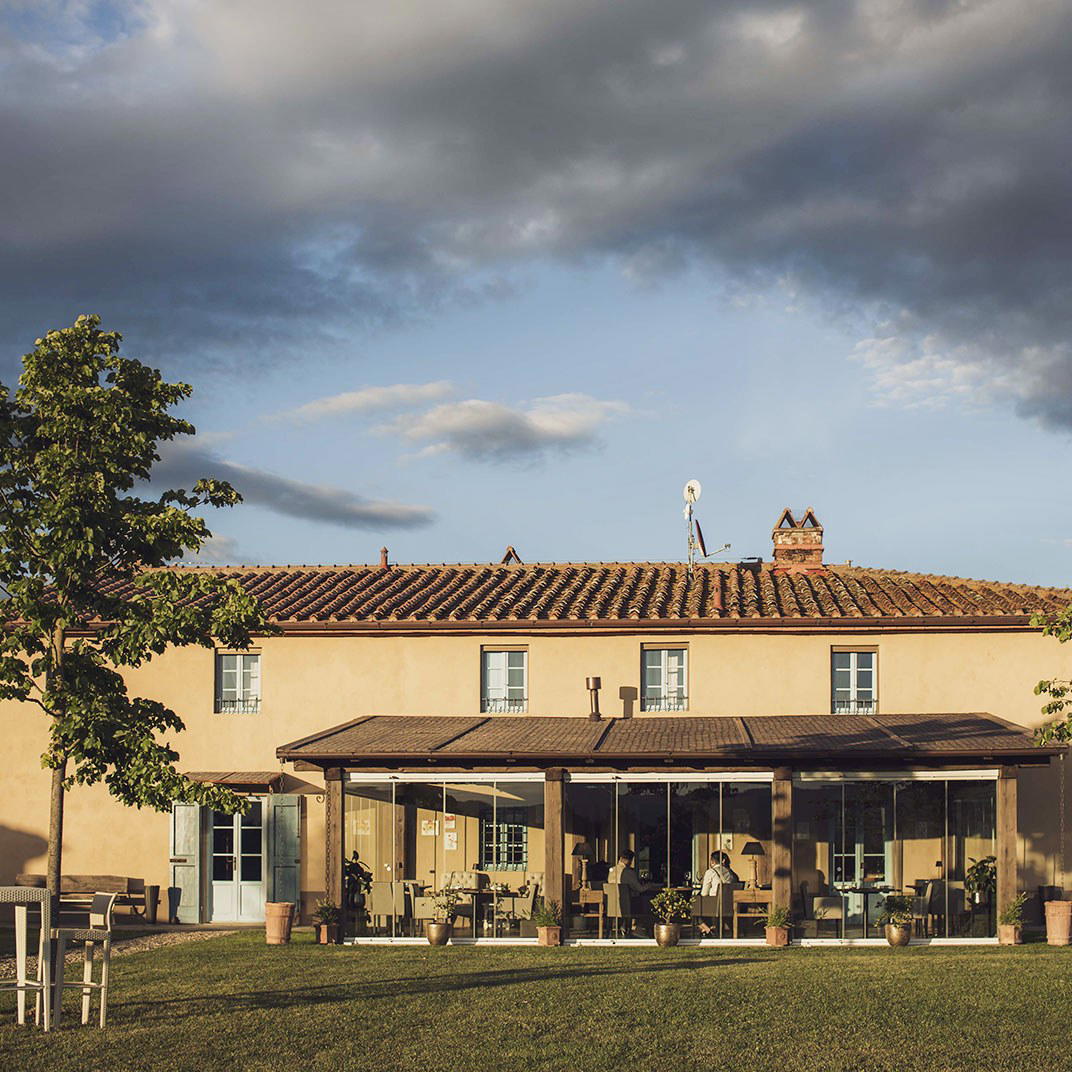
Stone, Silence, and the Mugello Hills
The road into Scarperia e San Piero climbs through a Tuscany that most visitors bypass entirely. Where the Chianti Classico corridor draws its well-worn trail of wine tourists and the Florentine periphery absorbs weekend escapers, the Mugello sits apart: a broad valley framed by Apennine ridgelines, crossed by the old road to Bologna, and anchored by a medieval borgo whose 14th-century Palazzo dei Vicari still watches over the main piazza. It is a working agricultural zone, not a scenery-managed one, and the properties that carry hospitality credentials here tend to earn them through physical fabric rather than lifestyle branding.
Tenuta Le Tre Virtù, addressed at Via di Lucigliano 13, sits within this tradition. The Michelin Guide recognised it in its 2025 Selected Hotels list, a category that distinguishes properties on character, comfort, and local authenticity rather than service-staff ratios or amenity checklists. That distinction places it in a specific tier: not the branded estate with an international reservation platform and a spa directory, but the kind of property where the built environment and its agricultural context do most of the editorial work.
The Architecture of a Tenuta
The word tenuta carries specific weight in Italian rural property language. It denotes a working estate: land held together under a single management, typically combining agricultural production with residential structures accumulated over generations. The buildings of a tenuta are not designed to a single aesthetic moment but rather accreted, a farmhouse core extended by outbuildings, a loggia added when the harvest required storage, a courtyard closed in over decades. The result is an architecture of necessity that reads, from the outside, as character.
In the Mugello, that architectural logic plays out against a backdrop of pietra serena, the blue-grey sandstone quarried from these hills and used in Florentine Renaissance buildings from Brunelleschi forward. Properties that preserve this material vocabulary carry a visual coherence that newer construction rarely achieves. The combination of stone walls, terracotta rooflines, and the particular quality of Apennine light (cooler and more diffuse than coastal Tuscany) gives the area's estates a physical register distinct from the sun-bleached farmhouses of the Val d'Orcia or the cypress-lined approaches of the Crete Senesi.
Both share a commitment to historical fabric over contemporary interpolation, an approach that Michelin's Selected designation consistently rewards across its Italian hotel coverage.
Scarperia e San Piero as a Base
The municipality covers two historic centres. Scarperia itself is the blade-making town, its cutlery craft dates to the 15th century and still produces working knives sold from ateliers along the main street. San Piero a Sieve, a few kilometres south, sits closer to the Mugello's valley floor and the Autodromo Internazionale del Mugello, which hosts MotoGP and Superbike rounds each year and draws a different traveller entirely from the agriturismo circuit. The two populations rarely overlap, which keeps the agricultural accommodation market quieter and more local-facing than comparable zones in Chianti or the Maremma.
Florence lies approximately 30 kilometres south via the SS65, the old Via Bolognese, making a day trip into the city logistically feasible without the hotel prices or street noise that come with a central Florentine address. Travellers who want both the city and the countryside in a single itinerary often find the Mugello positioning more practical than it first appears.
The Mugello's other draw is seasonal specificity. Spring brings the Apennine wildflower sequences and the first asparagus from the valley farms. Autumn layers in chestnut harvest, truffle hunting in the surrounding woodland, and the particular amber quality of October light on stone. These are not marketing constructs but genuine agricultural rhythms that a working tenuta would observe regardless of its hospitality function. Guests who time arrivals around them get a different experience from the summer peak, when the Autodromo crowd and general Tuscan touring season push occupancy across the region.
Where Le Tre Virtù Sits in the Regional Picture
Italy's agriturismo classification runs from converted-barn basics to properties that compete directly with boutique hotel pricing. The Michelin Selected designation for 2025 places Tenuta Le Tre Virtù in the credentialled middle of that range: a property with enough physical and hospitality merit to earn independent recognition, but operating within a rural tenuta format rather than a full-service resort. That positioning is actually the harder brief to execute well. Large estates can absorb investment in facilities; small rural properties with Michelin attention earn it almost entirely through the quality of the built environment and how guests experience daily life within it.
Across Italy, the properties that Michelin consistently elevates in this category share certain traits: buildings with genuine historical continuity rather than period simulation, grounds that function as productive landscape rather than decorative backdrop, and a hospitality approach calibrated to the place rather than imported from an international brand playbook. Bellevue Hotel & Spa in Cogne and Castel Fragsburg in Merano illustrate the same pattern in alpine contexts: properties where the architecture and setting are the primary offering, with service structured to support rather than overshadow them.
Planning a Stay
Via di Lucigliano 13 places the property on a rural road in the commune of Scarperia e San Piero, accessible from the A1 motorway via the Barberino di Mugello exit or from Florence directly on the SS65. Guests travelling beyond the Mugello might use the stay as an anchor for a broader Tuscan circuit: Il Pellicano in Porto Ercole to the south, Borgo Egnazia in Savelletri di Fasano further afield, or the Umbrian countryside via Castello di Reschio across the regional boundary.
The Mugello sits in a quieter register than any of those, which is precisely the point.
Quick Comparison
Comparable venues nearby, for context on price, style, and recognition.
| Venue | Cuisine | Price | Awards | Notes |
|---|---|---|---|---|
| Tenuta Le Tre VirtùThis venue — the venue you are viewing | Restored 17th-century stone farmhouse transformed into luxury agriturismo with contemporary comfort and rustic authenticity. | $$$$ | 5-Star | Not listed |
| The Pantheon Iconic, Autograph Collection | Modern luxury boutique in historic Roman palazzo | $$$$ | 5-Star | Piazza Navona & the Pantheon |
| Baglio Oneto | Historic wine resort in a restored 18th-century baglio with noble Sicilian heritage. | $$$$ | 5-Star | Marsala |
| Corso 281 Luxury Suites | 18th-century palazzo restored into luxury suites | $$$$ | 5-Star | Trevi |
| Hotel Splendide Royal Roma | Restored 19th-century noble palace blending historical grandeur with modern luxury | $$$$ | 5-Star | Ludovisi |
| Oasyhotel | Contemporary eco-luxury lodge with sustainable design principles, featuring air-conditioning-free lodges with underfloor heating and recyclable amenities. | $$$$ | 5-Star | San Marcello Piteglio |
Recognition history
Dated appearances from independent guides and award organizations, with the underlying list record or original source where available.
Michelin Selected
Michelin
Continue exploring
More in Scarperia e San Piero
Hotels in Scarperia e San Piero
Browse all →
Bars in Scarperia e San Piero
Browse all →
Restaurants in Scarperia e San Piero
Browse all →

At a Glance
- Romantic
- Quiet
- Elegant
- Scenic
- Rustic
- Sophisticated
- Romantic Getaway
- Honeymoon
- Anniversary
- Weekend Escape
- Wellness Retreat
- Infinity Pool
- Garden
- Terrace
- Historic Building
- Panoramic View
- Golf Course
- Private Dining
- Destination Spa
- Wi Fi
- Pool
- Restaurant
- Bar
- Garden
- Golf Course
- EV Charging
- Concierge
- Garden
- Vineyard
- Mountain
- Wi Fi
- Pool
- Restaurant
- Bar
- Garden
- Golf Course
- EV Charging
- Concierge
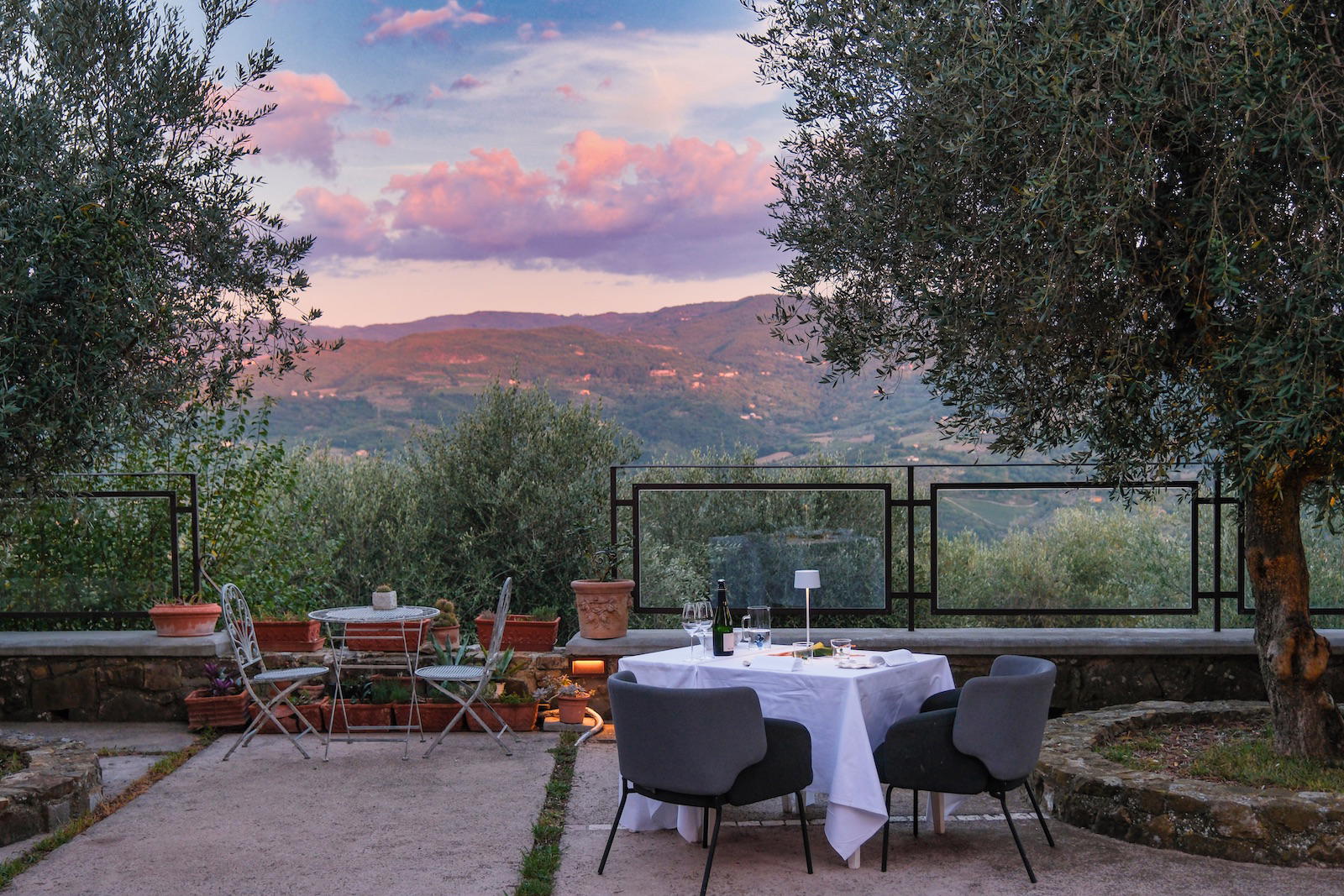
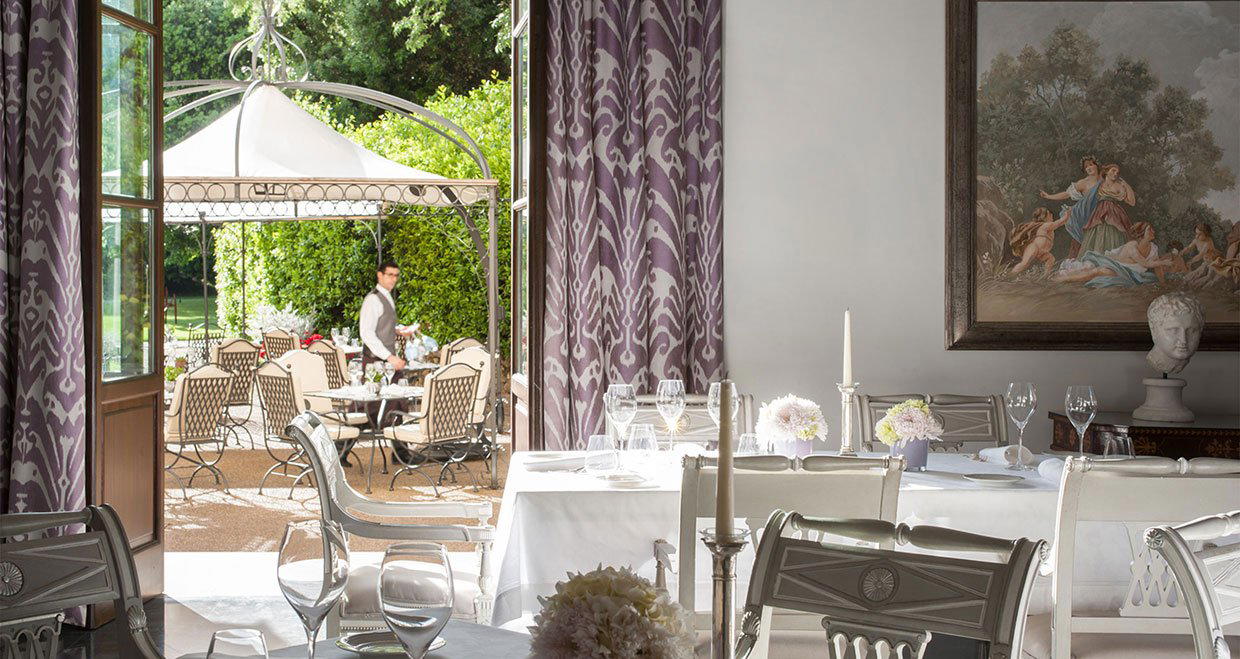
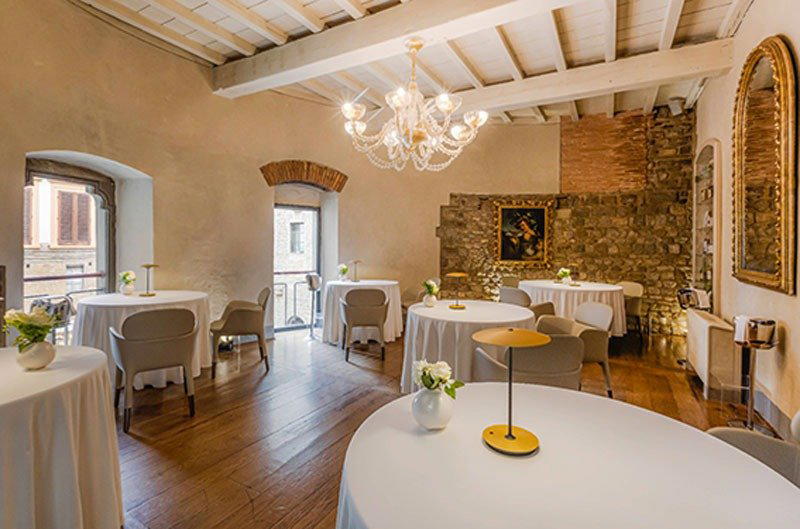
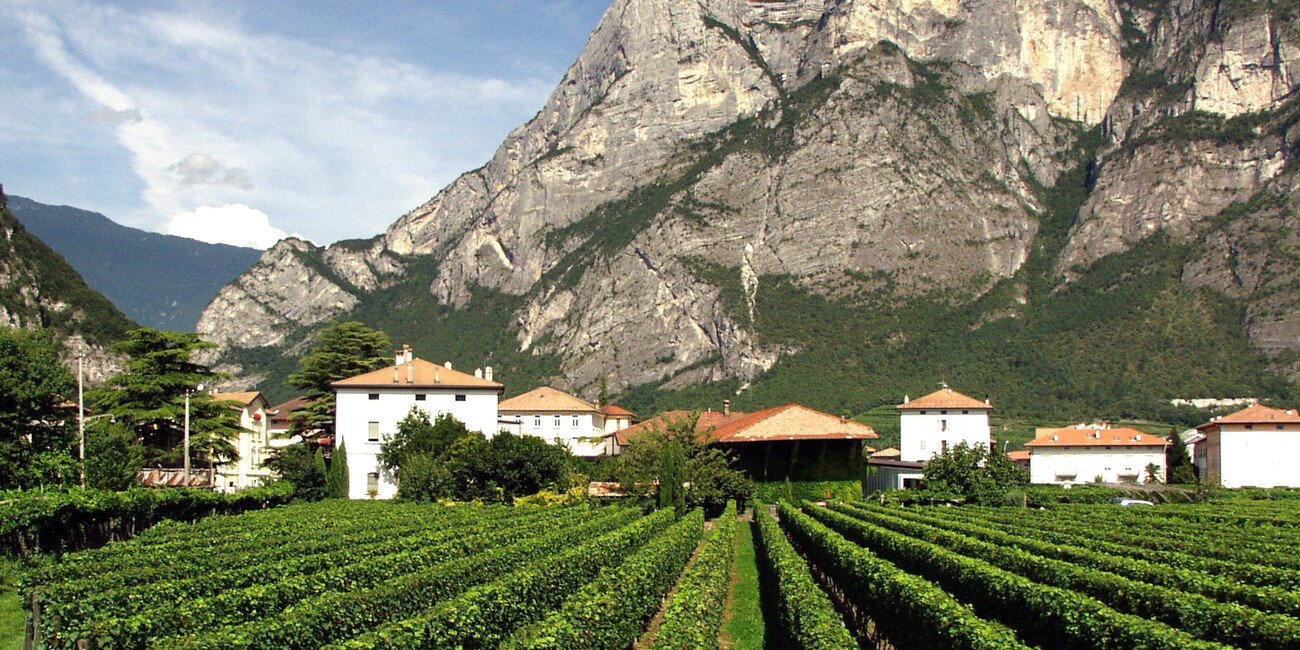
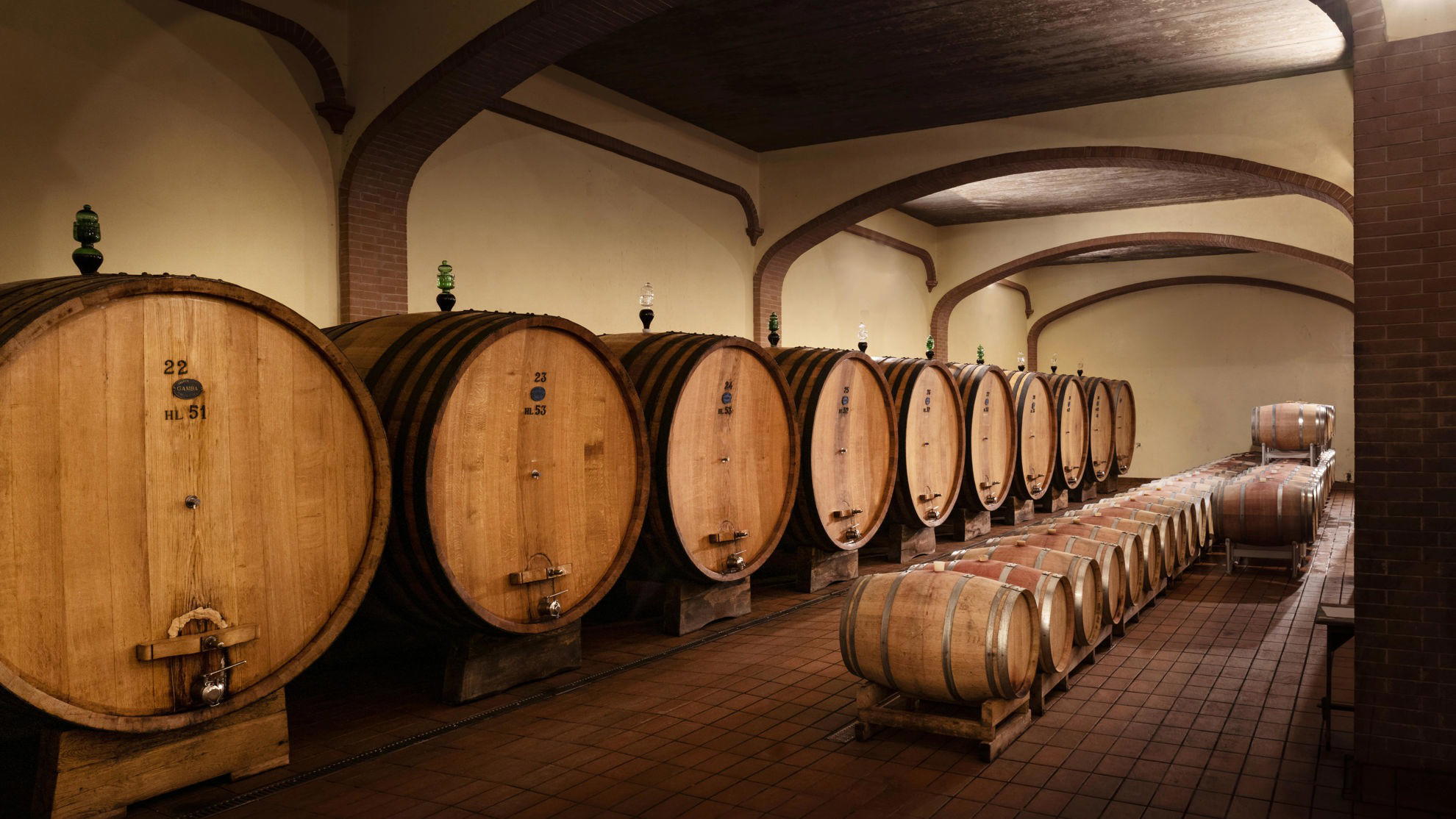
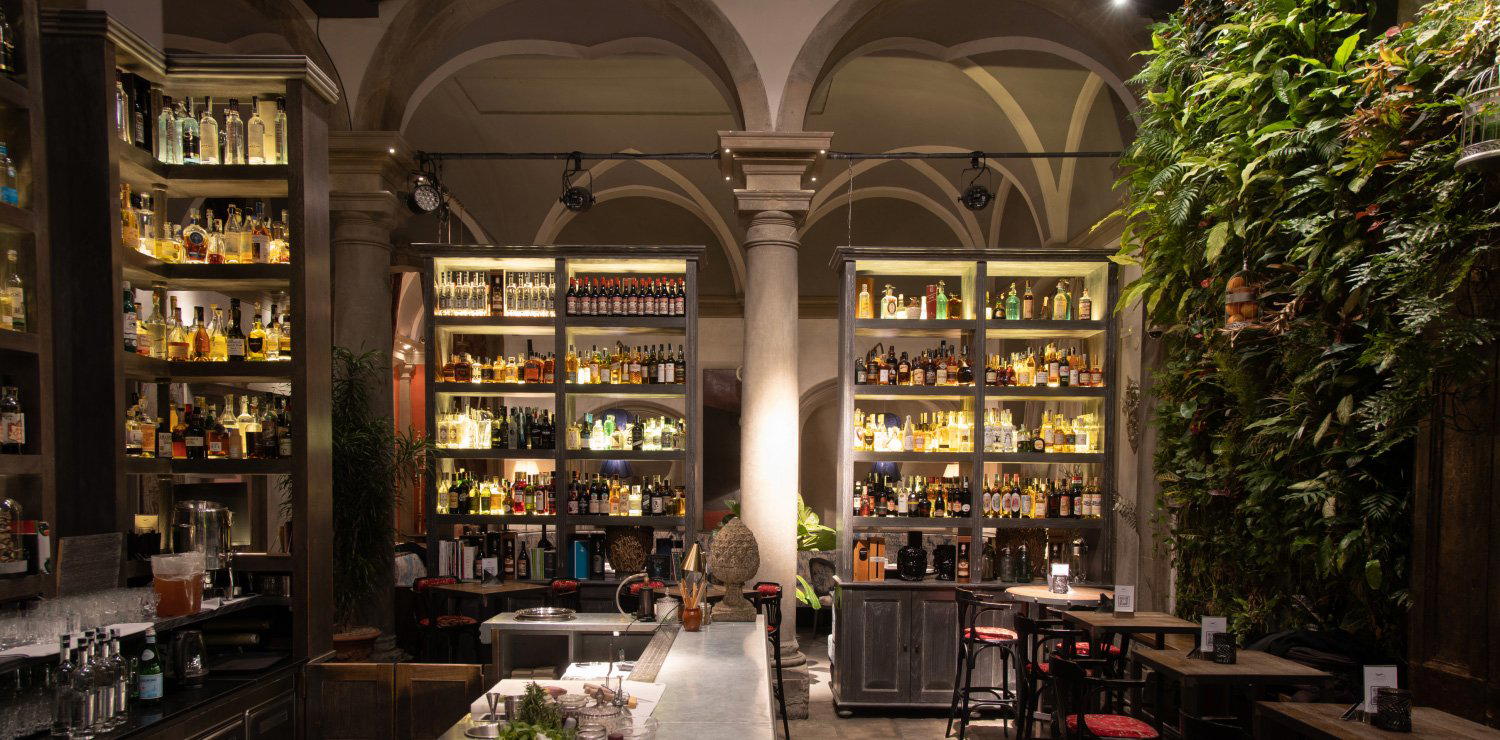
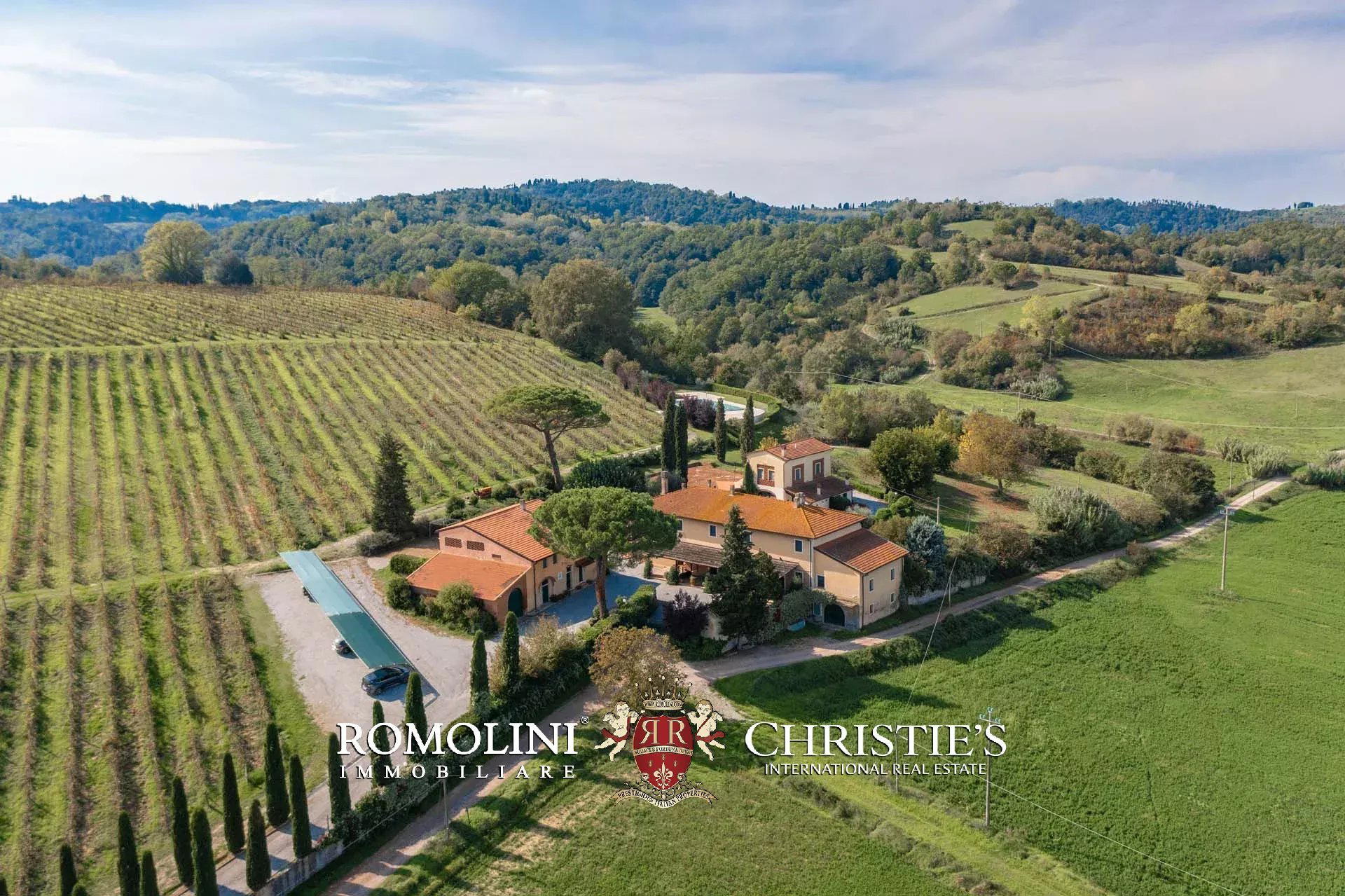
Serene countryside retreat with warm, sophisticated lighting throughout restored stone farmhouse; peaceful solarium and infinity pool overlooking Tuscan hills create tranquil, intimate atmosphere.