Iberostar Waves Miami Beach
Iberostar Waves Miami Beach sits inside a Miami Beach hotel market where food and drink are part of the stay, not an afterthought.

Pearl is the En Primeur Club membership app — saves, bookings, and concierge access live there. Same editors, same standards.
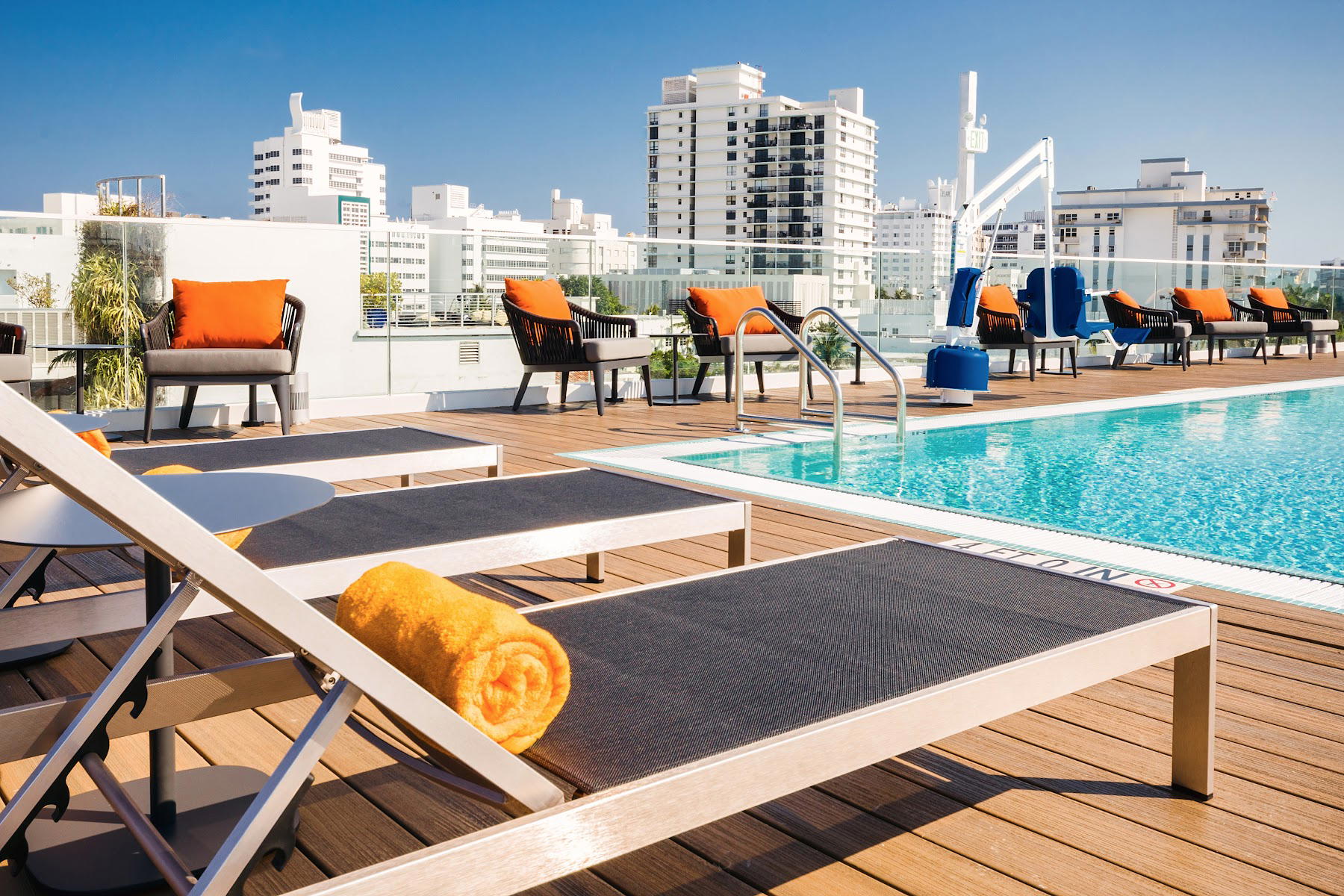
Arrival in a hotel dining city
Miami Beach announces itself through heat, light, lobby air-conditioning, and the steady choreography of guests moving between pool decks, beach paths, breakfast rooms, and late-evening bars. Hotel dining here carries a different responsibility from restaurant dining in a colder, denser city. It has to work across the whole day: coffee before the beach, lunch that does not derail an afternoon, drinks that can absorb groups, and dinner that competes with a city full of independent restaurants. Iberostar Waves Miami Beach belongs to that practical, resort-adjacent category, where the dining programme is judged less by theatrical tasting-menu ambition than by how coherently it supports the rhythm of a Miami Beach stay.
The public record supplied for Iberostar Waves Miami Beach does not list a chef, cuisine type, price range, awards, seat count, dress code, website, phone number, or opening hours. That absence matters editorially. In Miami Beach, hotel restaurants with Michelin recognition, named chef partnerships, or formal reservation policies tend to publish those signals clearly because they define the property’s competitive set. The safer expectation is an in-house hospitality programme built around convenience, daylight, beach access, and social ease.
That is not a weak position in Miami Beach. The city’s hotel market has long split between spectacle properties, wellness-led resorts, design-heavy stays, and serviceable beach bases with enough food and drink infrastructure to keep a day intact. The more useful comparison is not between Iberostar Waves Miami Beach and a starred dining room, but between this property and other Miami Beach hotels where the restaurant and bar offering shapes the stay. EP Club readers comparing nearby options should keep AC Hotel Miami Beach, Andaz Miami Beach, Cadillac Hotel & Beach Club, Autograph Collection, and COMO Metropolitan Miami Beach in the same working conversation.
The dining programme matters more than the room count
Miami Beach has made hotel dining unusually visible because guests often use hotels as all-day territory rather than just sleeping quarters. Breakfast rooms become planning rooms. Pool bars become afternoon anchors. Lobby bars become pre-dinner staging areas before South Beach, Mid-Beach, Surfside, or the mainland. In that context, the dining programme is not a decorative amenity; it determines how much friction a stay carries. A hotel can have handsome rooms and still feel awkward if the food and drink options do not match the pace of the day.
Iberostar Waves Miami Beach should be read through that lens. What can be said is broader and useful: a Miami Beach hotel without a published fine-dining credential competes on reliability, access, and timing. The core questions are practical. Is breakfast easy before the beach? Is there a bar or casual outlet that can take pressure off dinner planning? Does the property make sense for travellers who expect to eat some meals outside the hotel and use in-house options when convenience matters?
This is where comparison clarifies the choice. At one end of the regional spectrum, properties such as Four Seasons at The Surf Club in Surfside operate in a higher-touch coastal luxury bracket, where dining has a stronger role in the property’s identity. At the other end, lifestyle and beach hotels in Miami Beach tend to work as bases: they provide enough food and drink structure to support a stay while encouraging guests to use the city. That distinction helps set expectations before arrival.
Miami Beach hotel food is shaped by geography
The city’s dining pattern is unusually dependent on where a guest is staying. South Beach encourages movement: bar-hopping, late dinners, and short rides between hotels and independent restaurants. Mid-Beach and Collins Avenue properties often feel more self-contained, particularly for travellers who want beach time to dominate the schedule. North Beach and Surfside skew quieter, while Fisher Island occupies its own club-like orbit. The same restaurant concept can feel different depending on whether it is attached to a resort pool, a historic hotel lobby, or a street-facing dining room.
Without an address, it would be careless to claim walking distances, nearby landmarks, or precise neighbourhood advantages. The more defensible guidance is to treat the hotel as part of Miami Beach’s broader coastal hospitality circuit and confirm exact location before building dinner plans around it. For a dining-led trip, the hotel should be mapped against Our full Miami Beach restaurants guide, then paired with Our full Miami Beach bars guide if late drinks are part of the plan.
Carillon Miami Wellness Resort pulls the conversation toward wellness and longer-stay restoration. Casa Cañita sits in a more culinary-named register, at least in how it is presented to searchers. Delano carries the weight of Miami Beach hotel culture as a design reference point. Fisher Island Club belongs to a more private resort-club category. The practical value of Iberostar Waves Miami Beach depends on where a traveller wants to sit along that spectrum: social beach base, wellness retreat, design hotel, or destination dining hotel.
How to judge the food and drink without inflated claims
The absence of listed awards can be useful. It stops the conversation from drifting into false prestige and pushes attention back to the mechanics of hospitality. In a hotel like this, the dining programme should be assessed by format discipline. A strong beach-hotel programme does not need to imitate a tasting room. It needs to make breakfast timing sane, keep lunch informal, offer drinks that match the climate, and give guests enough flexibility to split meals between the property and the city.
Miami Beach also rewards restraint in planning. Many visitors over-schedule dinners, then underestimate how much the beach, traffic, weather, and late nights change appetite. A hotel with convenient in-house food and drink can save a trip from becoming a sequence of rideshare receipts. That is the case for family stays, group travel, and short weekends when the cost of crossing the city for every meal starts to feel inefficient. For travellers using Iberostar Waves Miami Beach as a base, the sensible strategy is to leave some meals unassigned and reserve only the meals that carry genuine intent.
For a broader dining itinerary, EP Club’s Miami Beach ecosystem is the stronger tool than any single hotel page. Use Our full Miami Beach hotels guide to compare property types, Our full Miami Beach experiences guide for culture and daytime structure, and Our full Miami Beach wineries guide for wine-related coverage where relevant. Miami Beach is not a winery destination in the way Napa or Burgundy is, but wine lists, hotel bars, and restaurant cellar choices still shape premium travel decisions.
Where it fits among American hotel dining trends
Across the United States, hotel dining has moved away from the old model of a single generic restaurant hidden near the lobby. The stronger properties now use food and drink as a positioning device. Some bring in chef partners. Some build around wellness and low-intervention cooking. Some operate clubby bars with members-style energy. Others keep the programme simple and put the emphasis on location, access, and daily usability.
That distinction becomes clearer when compared with hotels where the dining or design identity is more documented. The Fifth Avenue Hotel in New York City belongs to a dense urban hotel market where restaurants compete with the city around them at every meal. The Beverly Hills Hotel in Los Angeles carries a long social history tied to Los Angeles dining rooms and hotel rituals. SingleThread Farm Inn in Healdsburg is anchored by a clearly defined restaurant-led identity. Amangiri in Canyon Point uses remoteness and architecture to make the property itself the centre of the itinerary.
Miami Beach asks for a different reading. A property does not need to dominate the entire trip because the city supplies restaurants, bars, clubs, beach clubs, galleries, and neighbourhood shifts in close succession. The more valuable question is whether the hotel gives a traveller enough structure to enjoy the city without turning every meal into a project.
Planning a stay around meals
That is especially true for arrival-night dinners, early departures, holiday weekends, and group meals. Miami Beach demand fluctuates sharply around winter high season, major art and design weeks, spring travel periods, and long weekends. A casual assumption that hotel food will be available at any hour can become expensive if the kitchen, bar, or preferred outlet is operating on a limited schedule.
The practical approach is to separate meals by consequence. Breakfast can often be treated as flexible, subject to confirmation at check-in. Lunch can depend on beach plans and weather. Dinner deserves more structure, especially if the group has dietary needs, children, or a fixed evening schedule. If a traveller wants a restaurant-led trip, Iberostar Waves Miami Beach should be paired with reserved meals elsewhere in Miami Beach rather than expected to carry every culinary moment. If the priority is a low-friction beach stay, the in-house programme may be enough for casual meals while the city supplies a smaller number of planned dinners.
For travellers who compare across destinations, Miami Beach sits between city-hotel intensity and resort self-containment. Raffles Boston in Boston belongs to a vertical city-hotel model, where dining competes with a compact restaurant scene. Kona Village, A Rosewood Resort in Kailua Kona demands more on-property planning because of geography. Sage Lodge in Pray and Troutbeck in Amenia show how rural or semi-rural hotels can make dining central by necessity. Miami Beach gives guests more external choice, which makes a flexible hotel dining setup more acceptable.
The international comparison
European grand hotels often define dining through ceremony: formal rooms, cellar depth, and a long continuity of service. Hôtel de Paris Monte-Carlo in Monte Carlo, Badrutt's Palace Hotel in St. Moritz, and Aman Venice in Venice sit in markets where dining is part of heritage, ritual, and social theatre. Miami Beach is more immediate. The day starts in swimwear, moves through sun and salt, and often ends in a dining room that is as much about tempo as formality.
That cultural difference is useful when placing Iberostar Waves Miami Beach. The property should not be judged by palace-hotel codes unless it claims that category with evidence. It belongs to a beach-city context where the successful dining programme reduces friction and lets guests decide when to stay in and when to go out. In Miami Beach, that can be a persuasive proposition. The city has enough independent restaurants to reward curiosity, but hotel infrastructure still matters every morning and every late return.
In Context
Comparable venues nearby, for context on price, style, and recognition.
| Venue | Price | Awards | Notes |
|---|---|---|---|
| Iberostar Waves Miami BeachThis venue — the venue you are viewing | $100–200 | Not listed | Not listed |
| Local House | $100–200 | Not listed | South of Fifth, Boutique Art Deco beach house |
| Royal Palm South Beach | $200–300 | Not listed | South Beach, Large oceanfront South Beach resort blending classic Art Deco heritage with contemporary design and social, event-friendly spaces. |
| Iberostar Waves Berkeley Shore | $200–300 | Not listed | South Beach, Boutique Art Deco hotel in a renovated 1940 building with a contemporary, upscale feel steps from the beach. |
| AC Hotel Miami Beach | Not listed | Not listed | Mid-Beach, Contemporary European-inspired lifestyle hotel with minimalist design. |
| Lennox Miami Beach | Not listed | Small Luxury Hotels of the World Member | Historic District, Modernist Art Deco boutique with preserved historic façade and contemporary interiors |
Continue exploring
More in Miami Beach
Hotels in Miami Beach
All hotels in Miami Beach →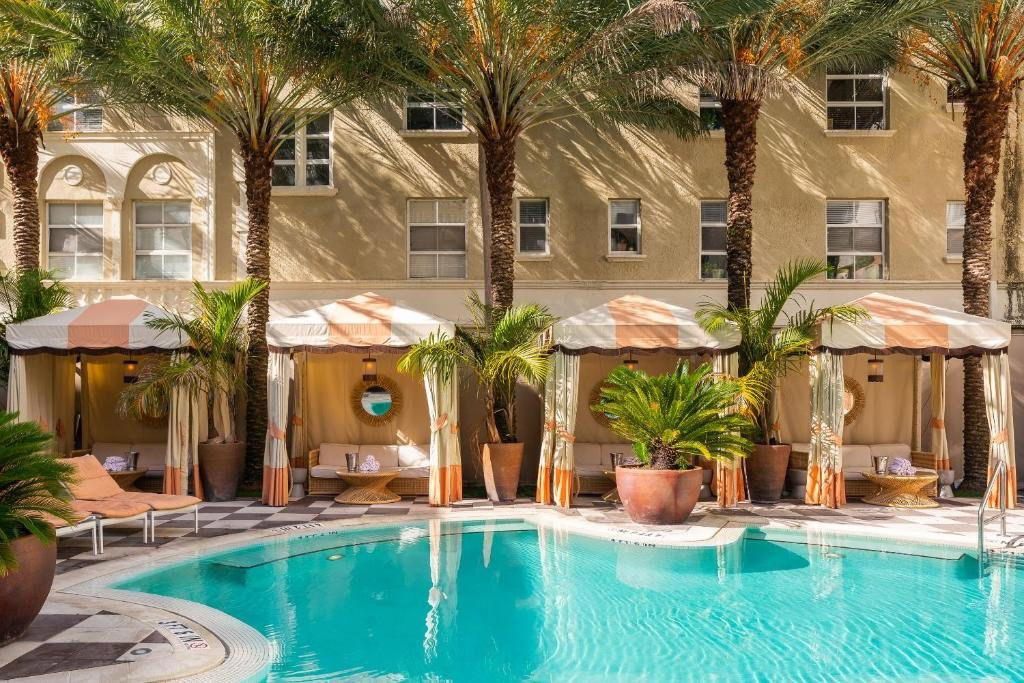
Details
- Modern
- Trendy
- Scenic
- Elegant
- Family Vacation
- Weekend Escape
- Romantic Getaway
- Business Trip
- Group Retreat
- Beachfront
- Waterfront
- Terrace
- Garden
- Design Destination
- Wi Fi
- Pool
- Fitness Center
- Concierge
- Business Center
- Valet Parking
- Beach Access
- Room Service
- Waterfront
- Street Scene
- Garden
- Wheelchair Accessible
- Elevator
- Step Free Entrance
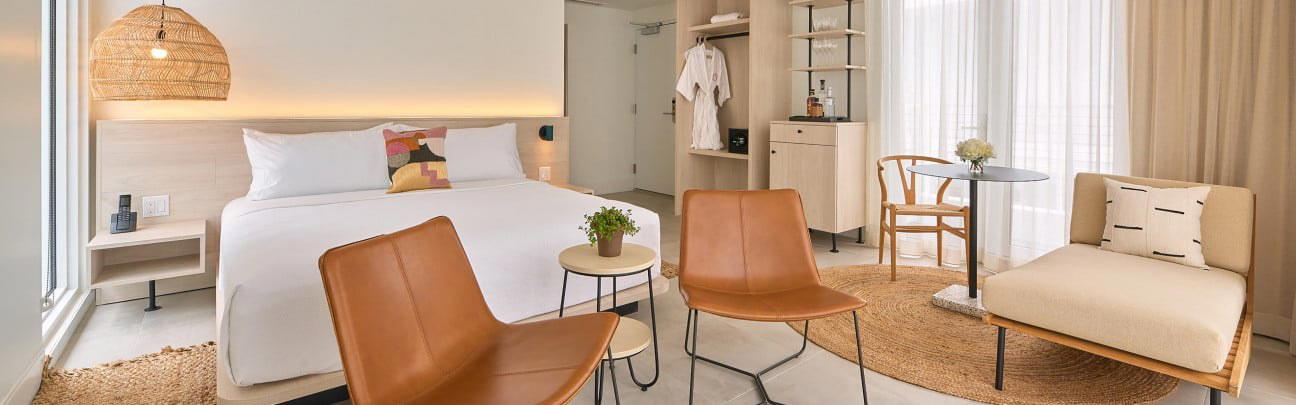
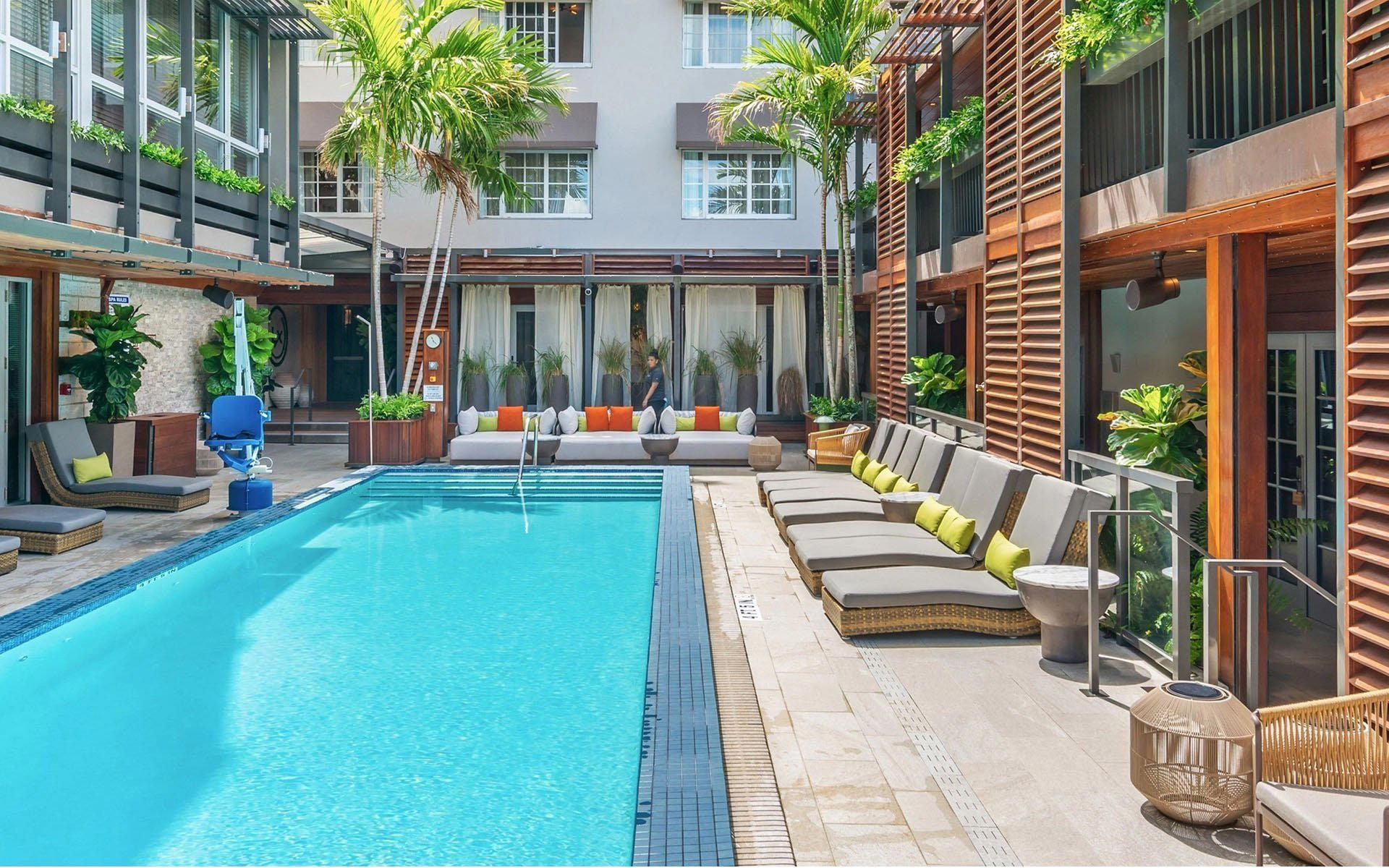
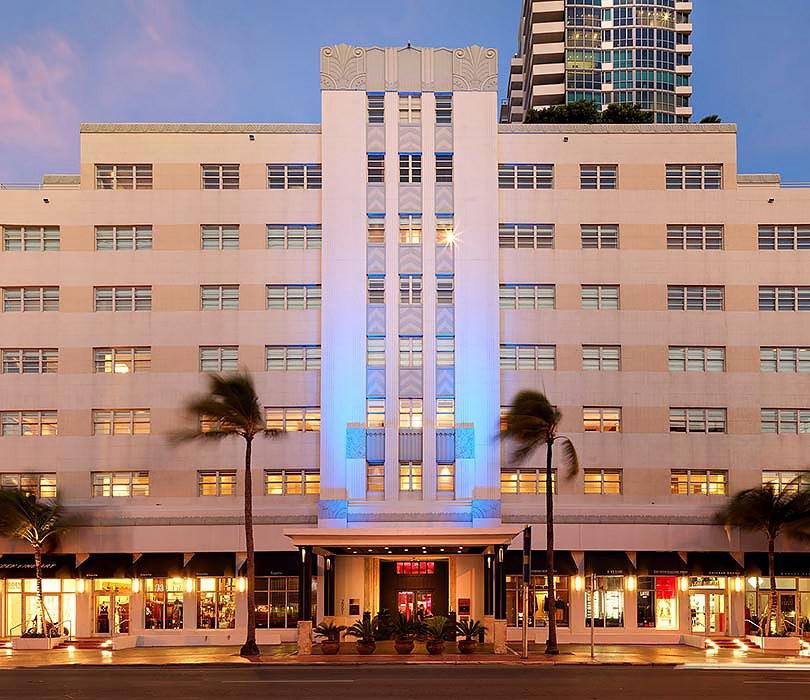
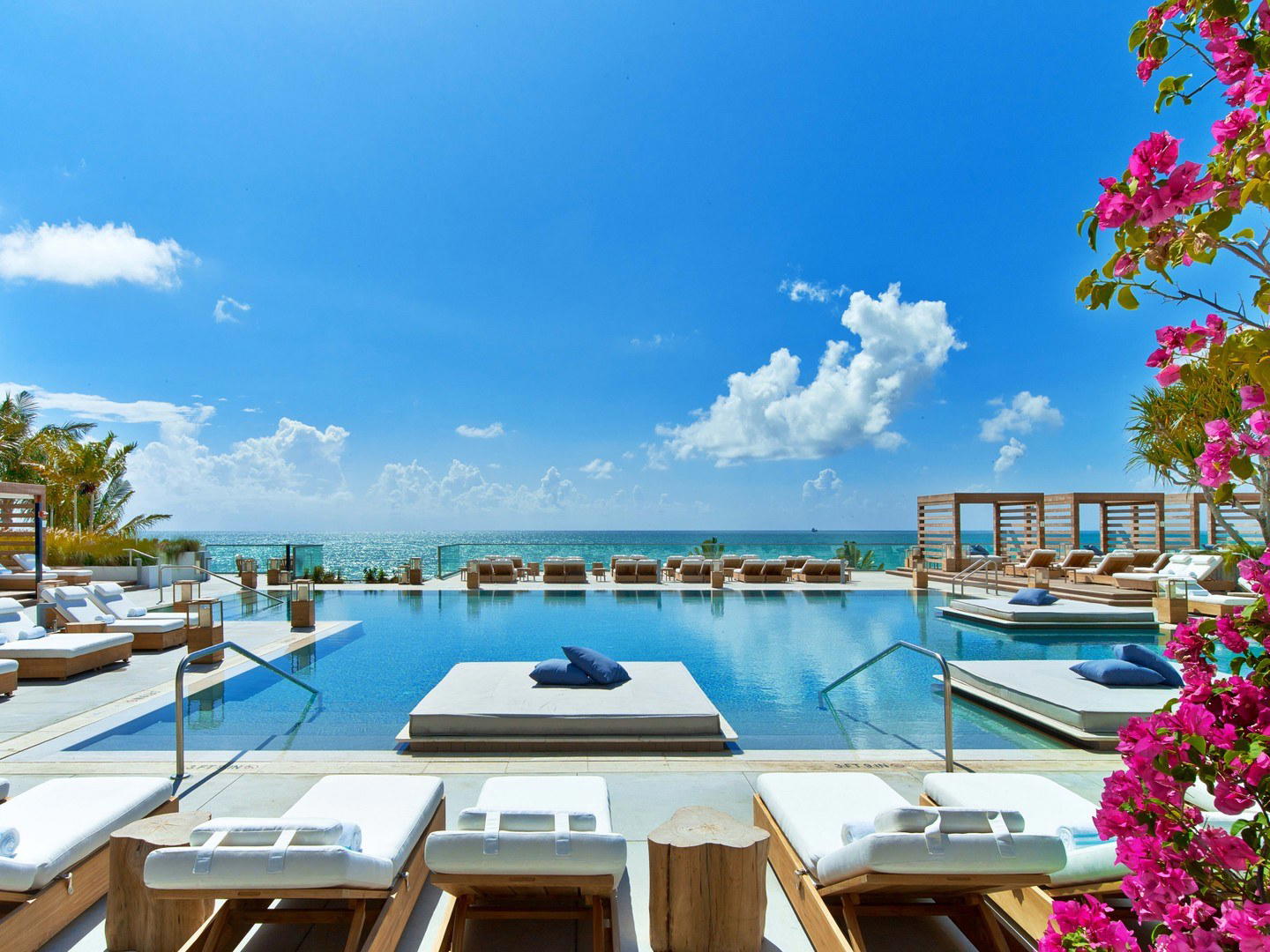
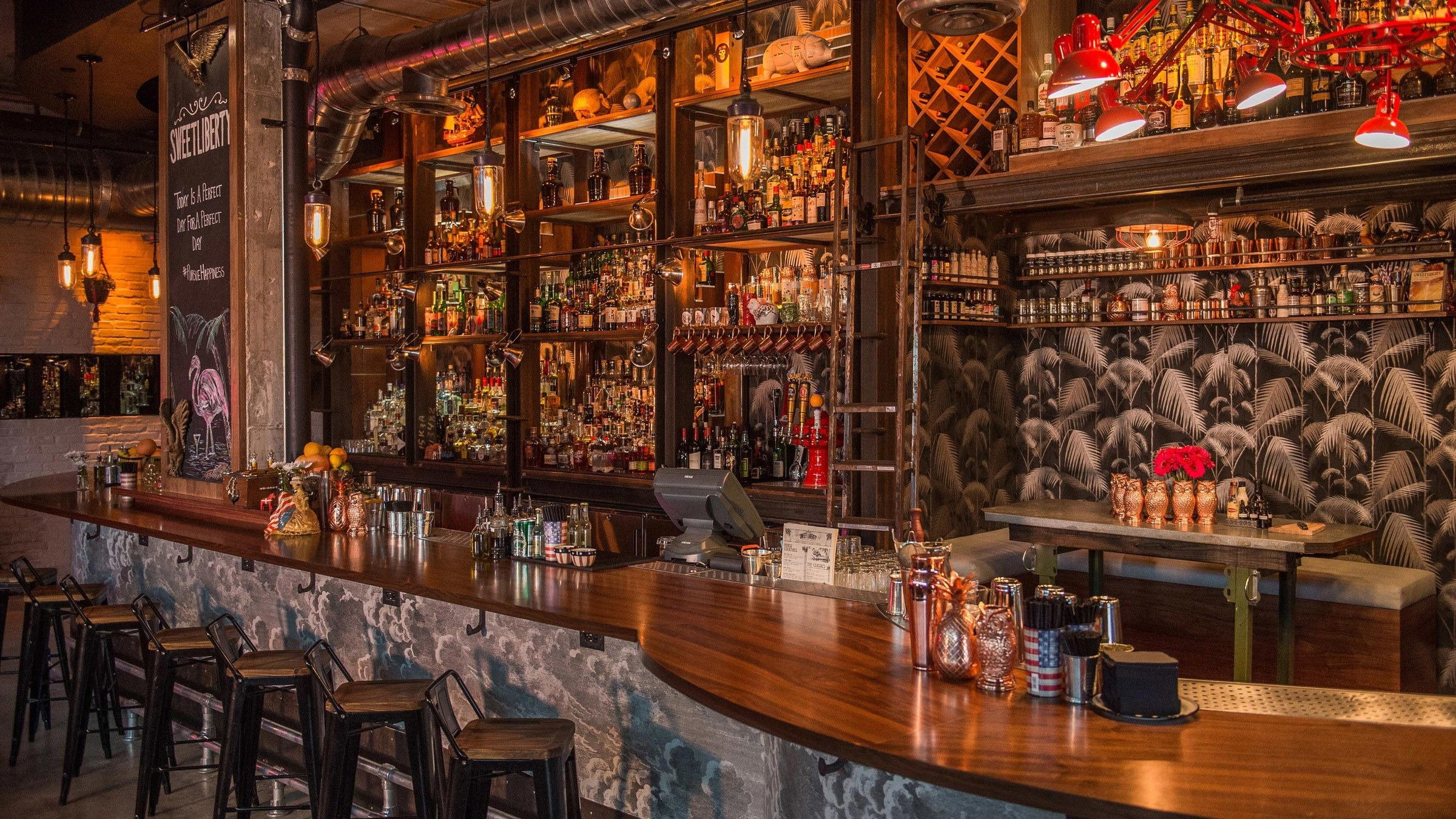
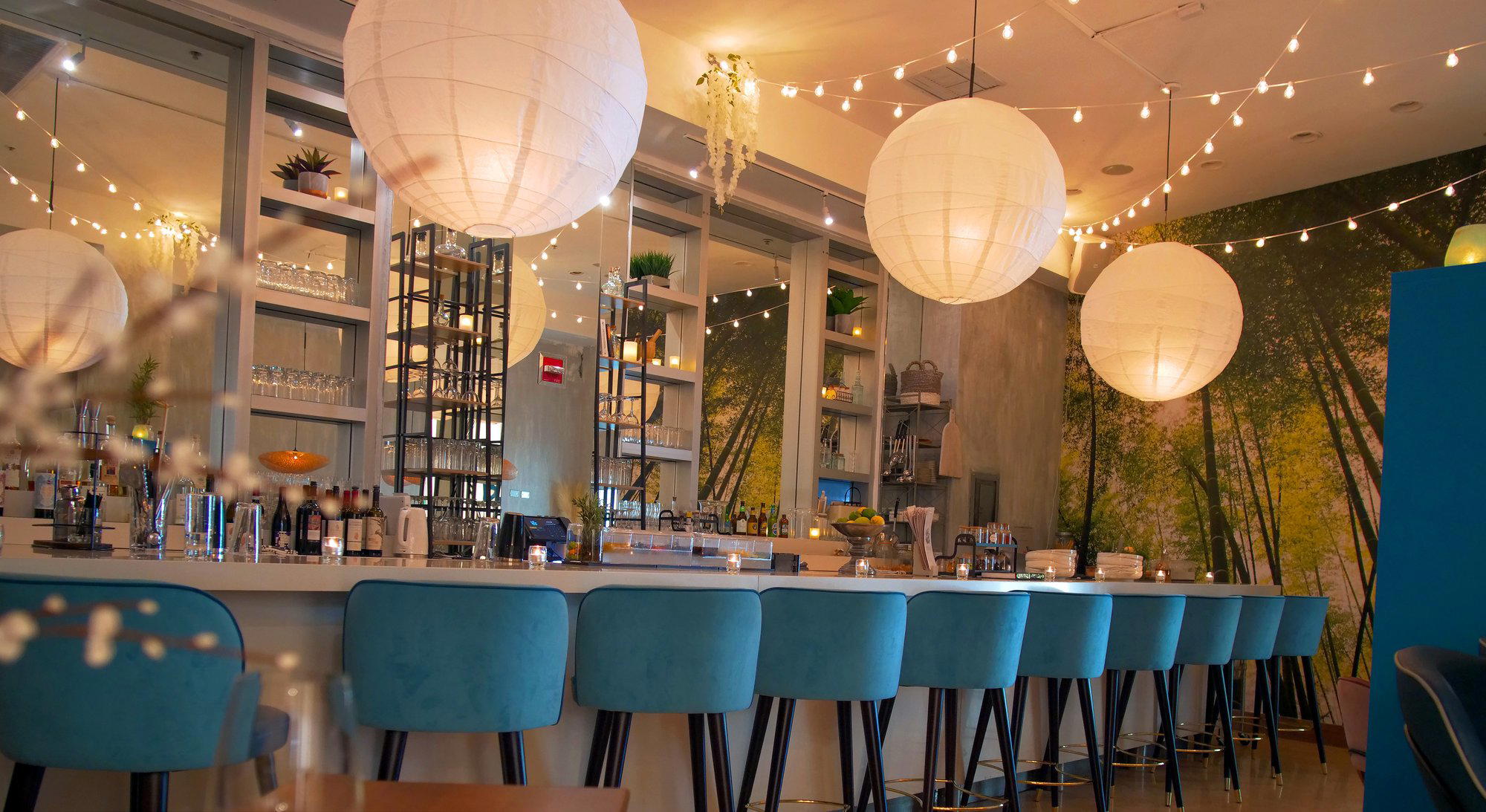
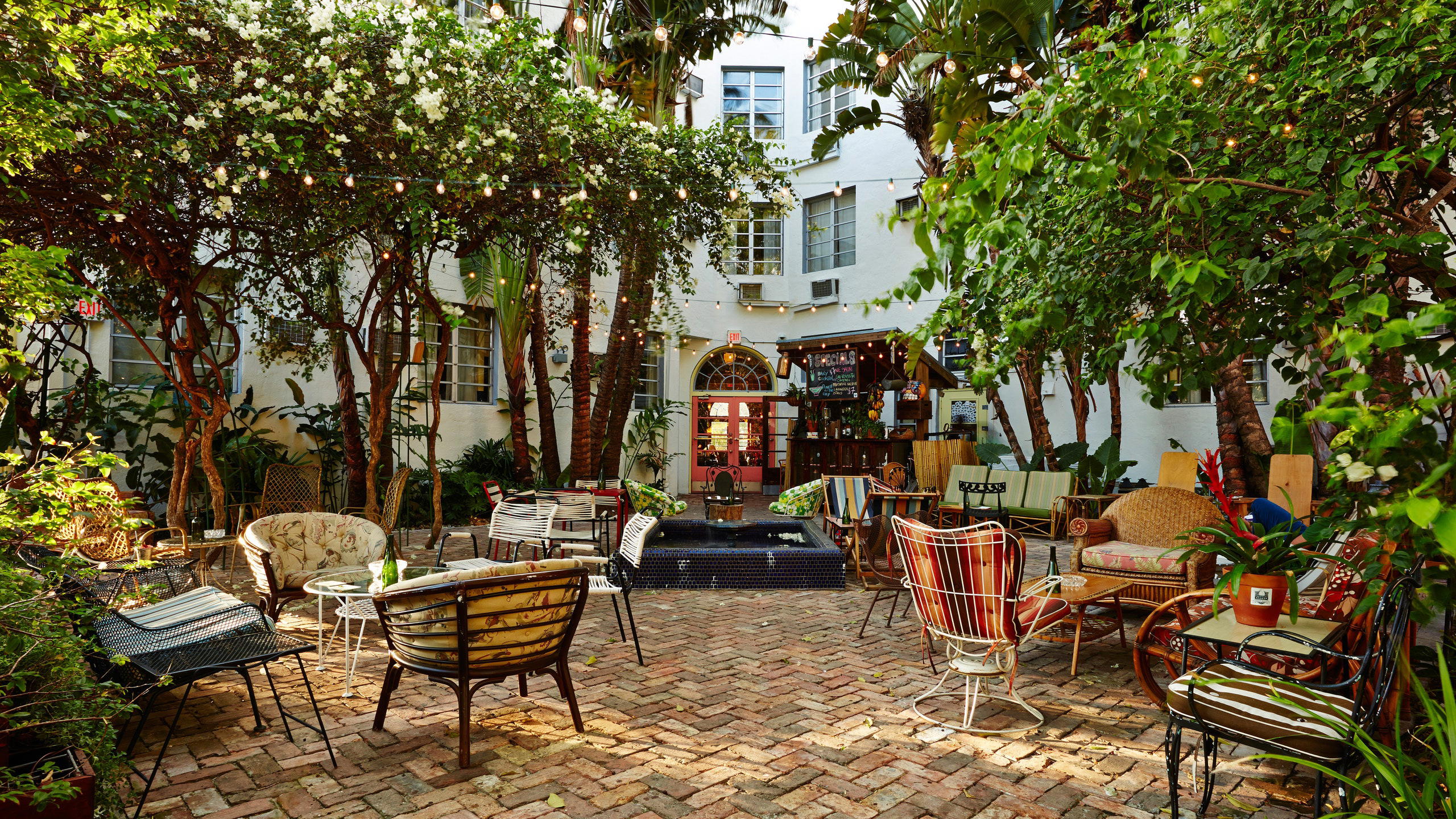
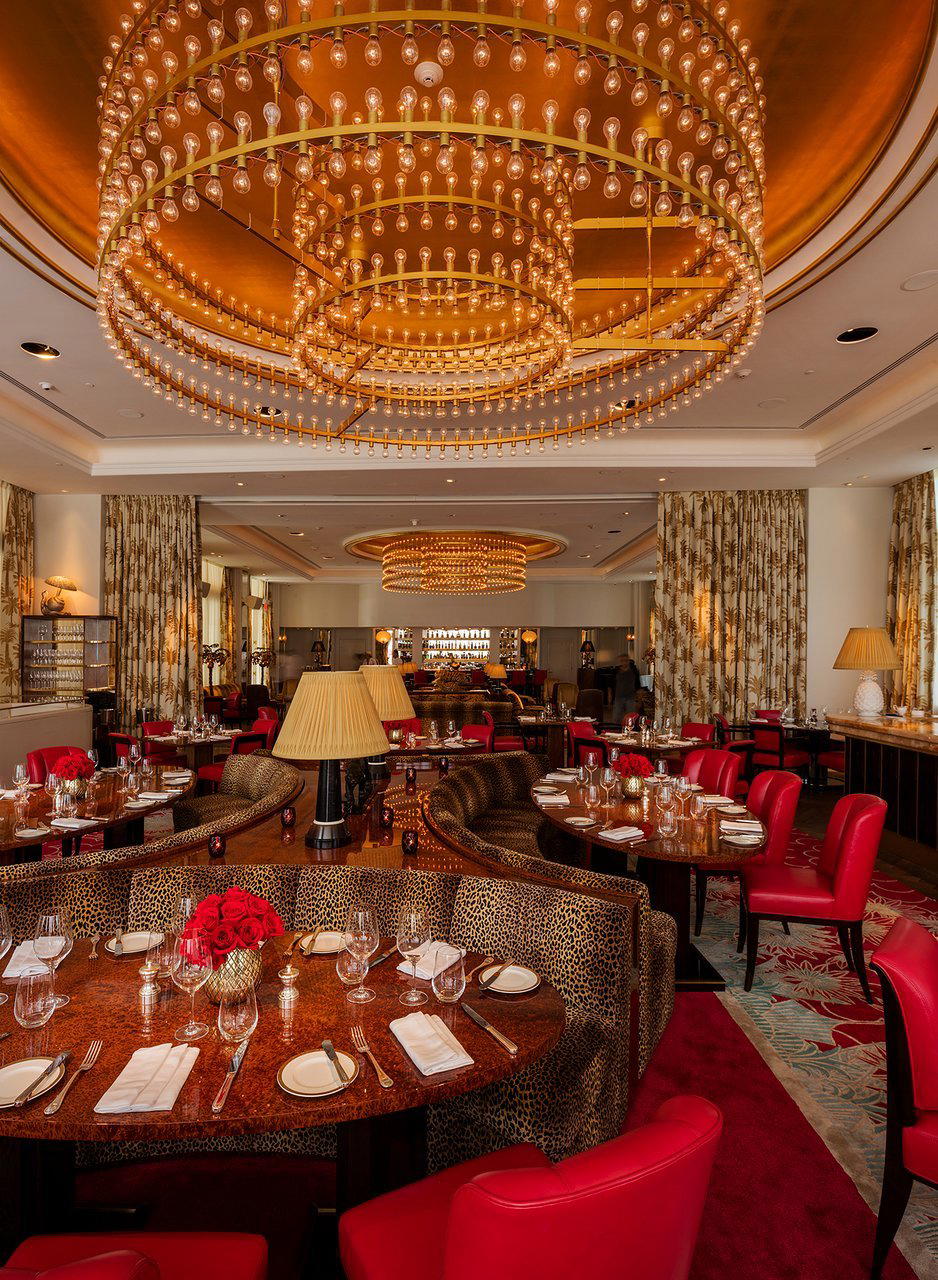
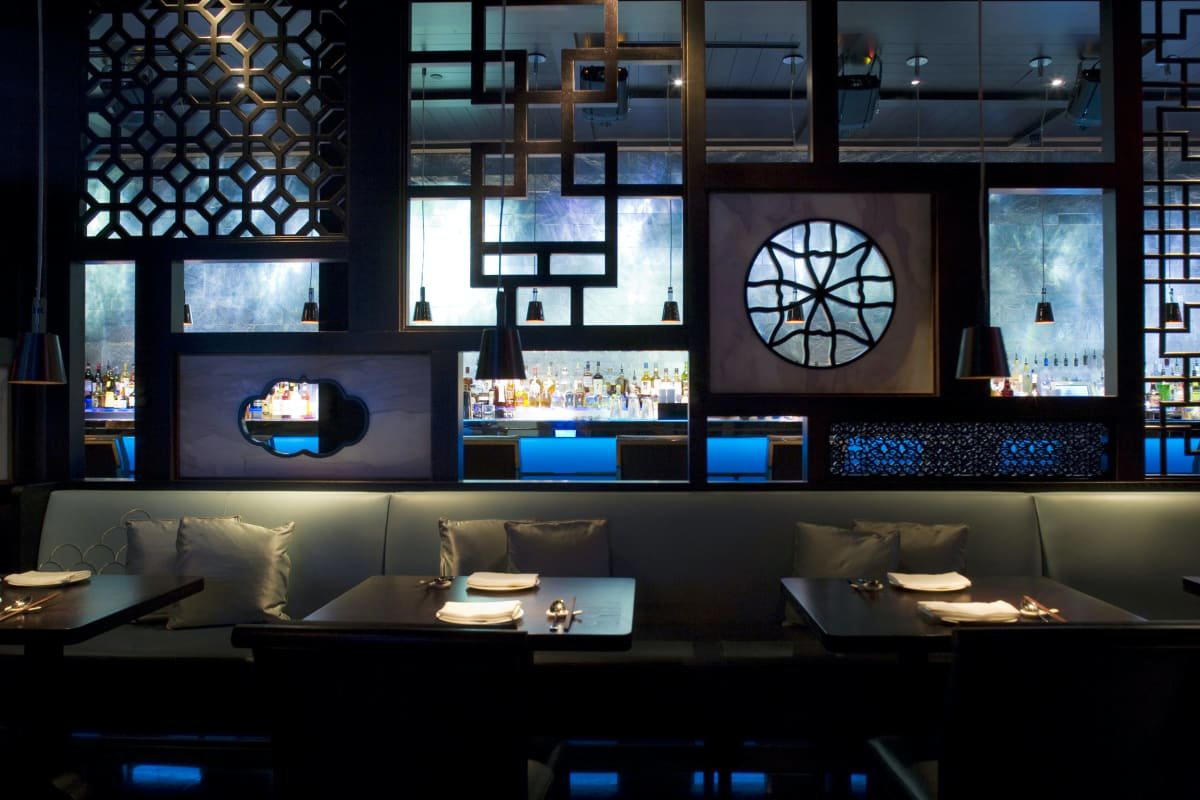
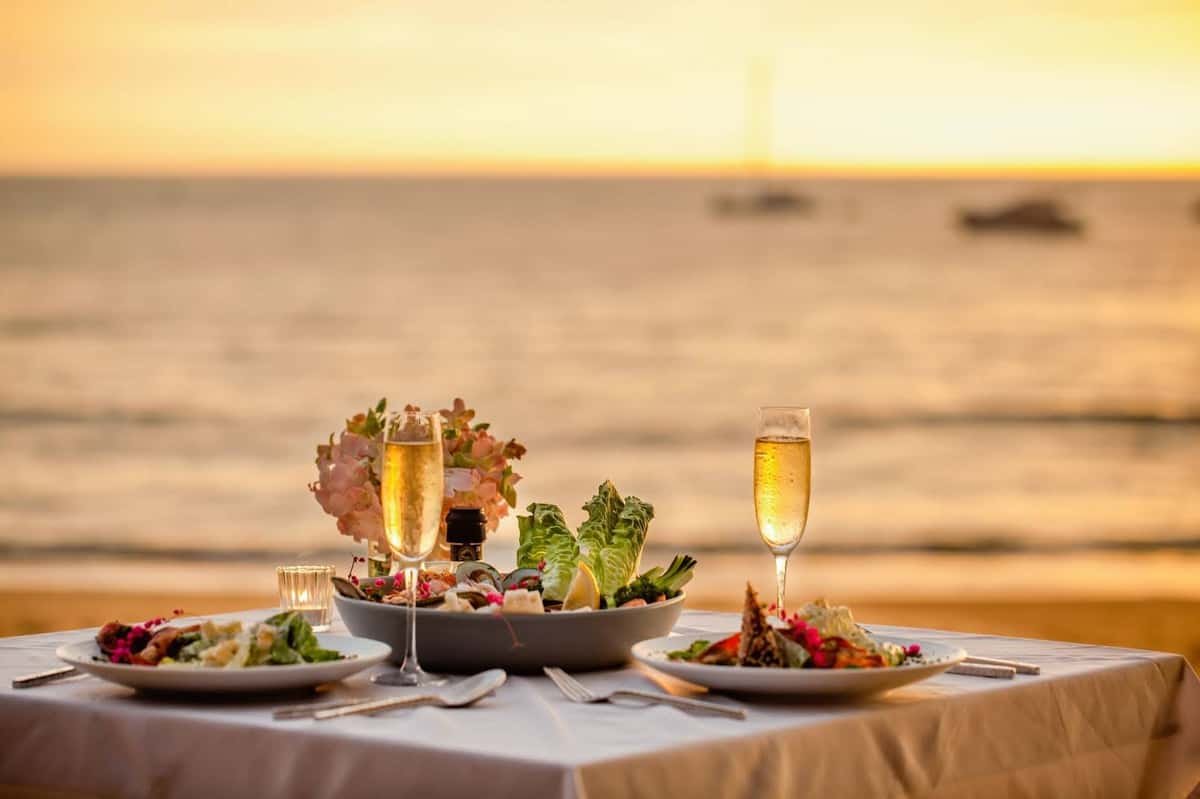
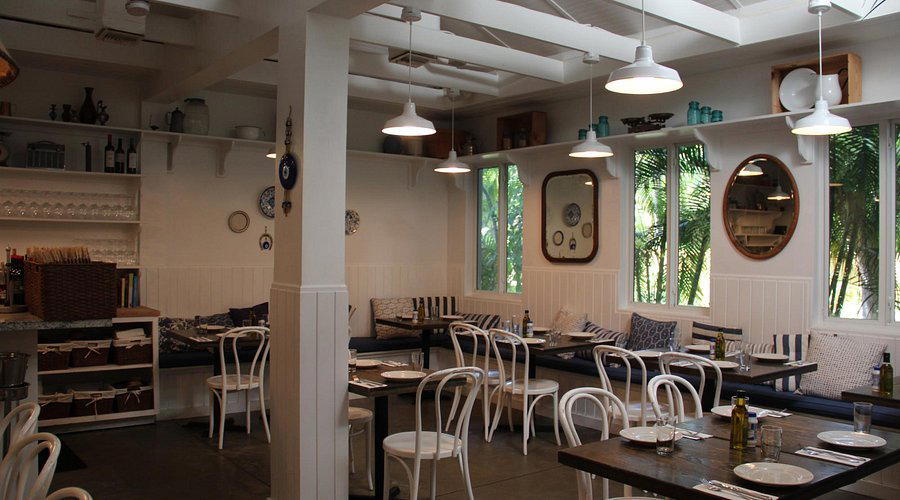
Lively South Beach atmosphere with bright, contemporary interiors, neutral tones accented by local artwork, a calm inner courtyard, and an overall relaxed but stylish beachfront resort feel.