Casa Cañita
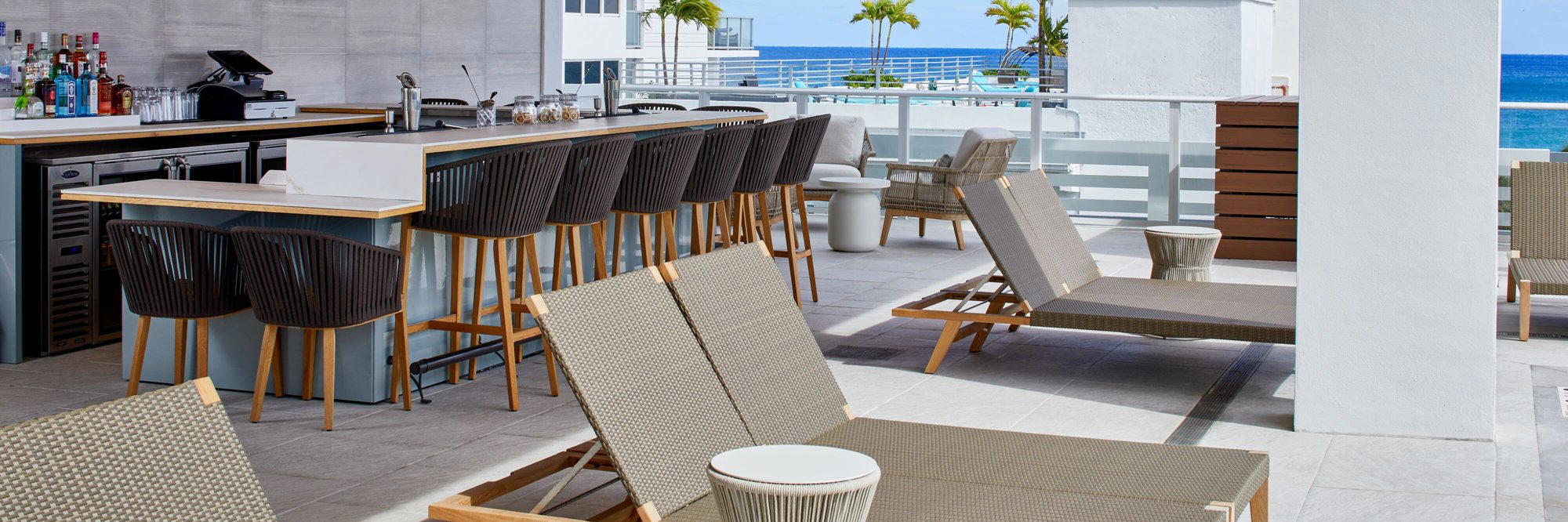
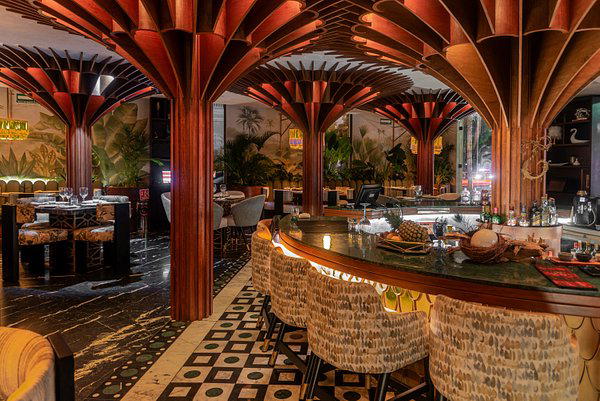
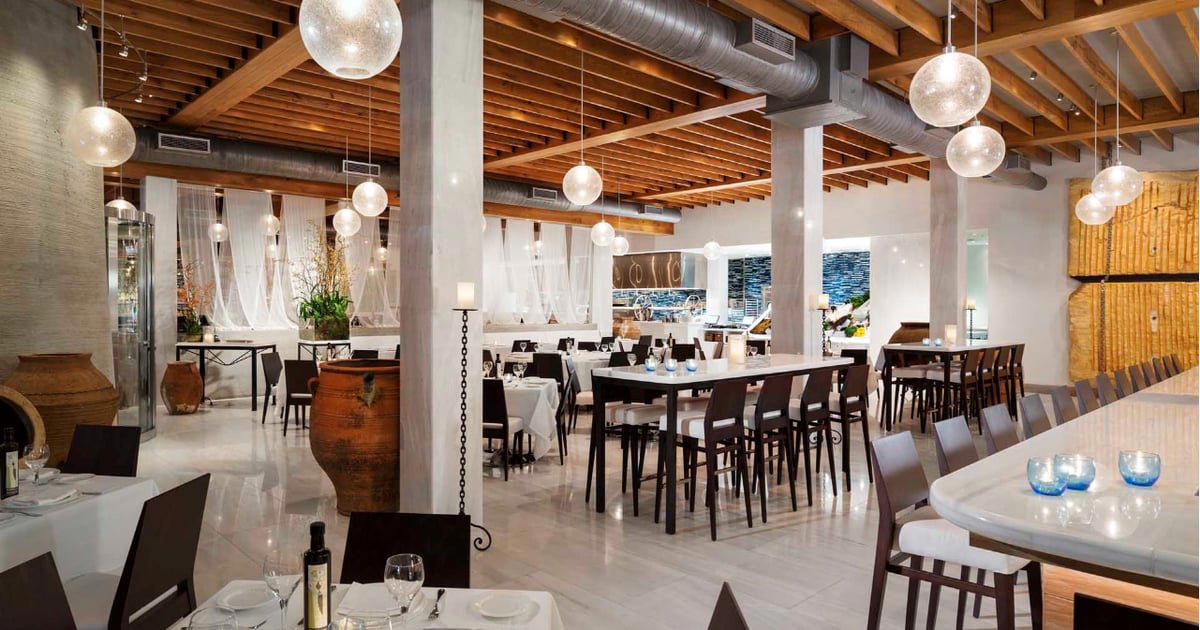
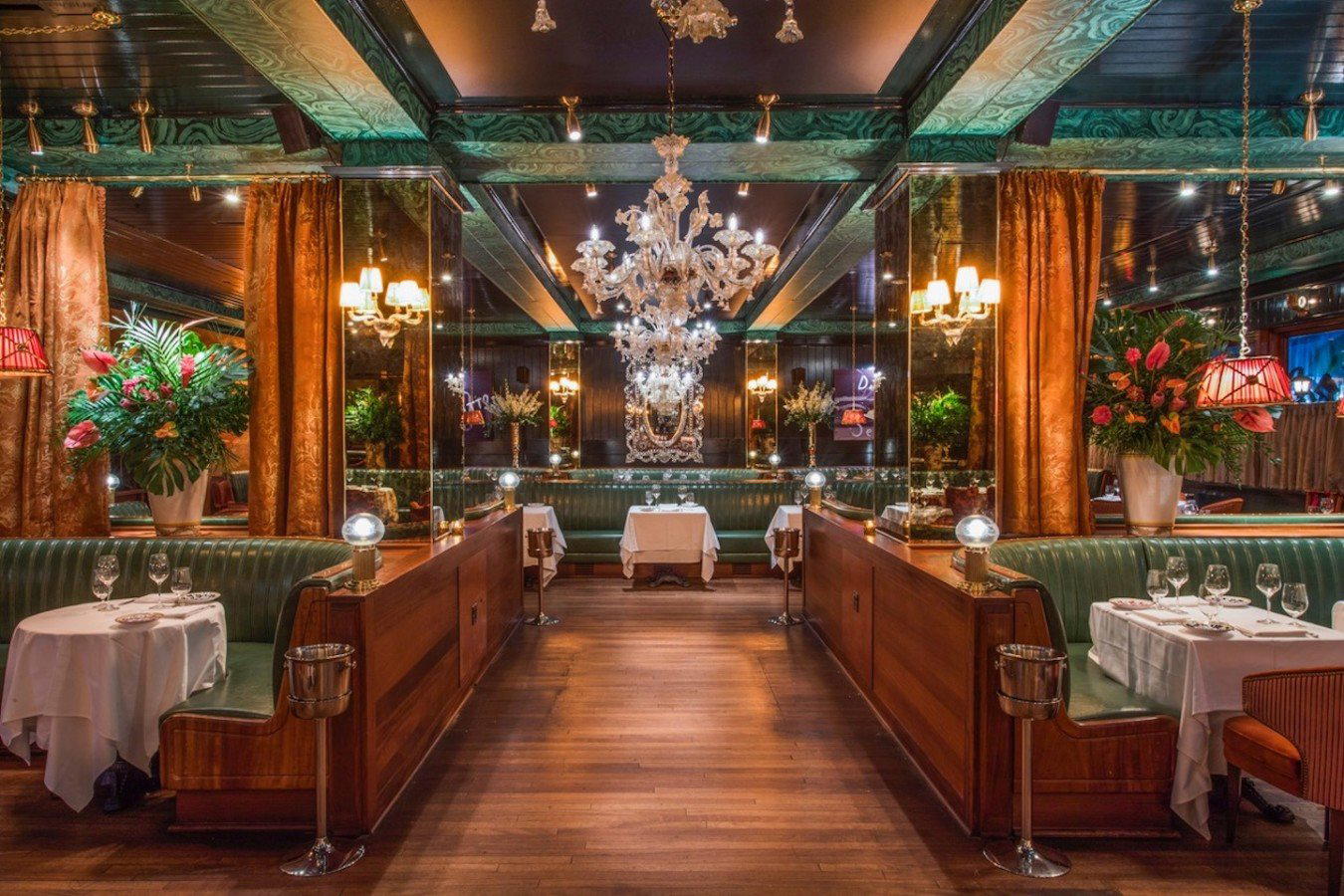
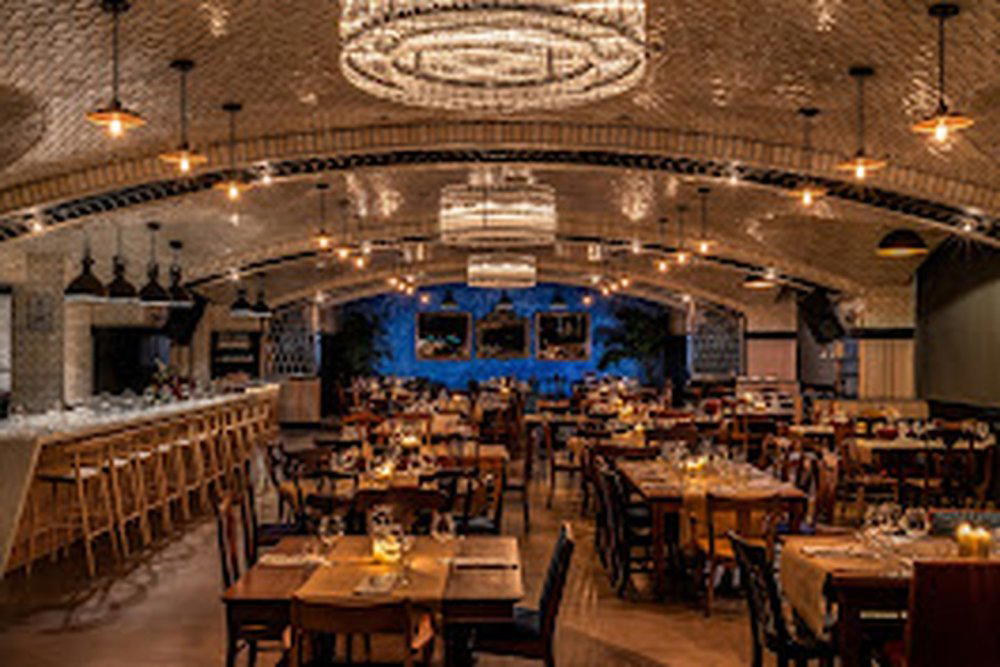
Casa Cañita brings a warmly detailed, Latin-inflected sensibility to Miami Beach's dining scene, where the physical space does as much work as the kitchen. Set against a city that has long used design as a competitive differentiator, the restaurant occupies a particular niche: intimate in scale, considered in its aesthetic, and positioned for an audience that treats the room itself as part of the meal.

Pearl is the En Primeur Club membership app — saves, bookings, and concierge access live there. Same editors, same standards.
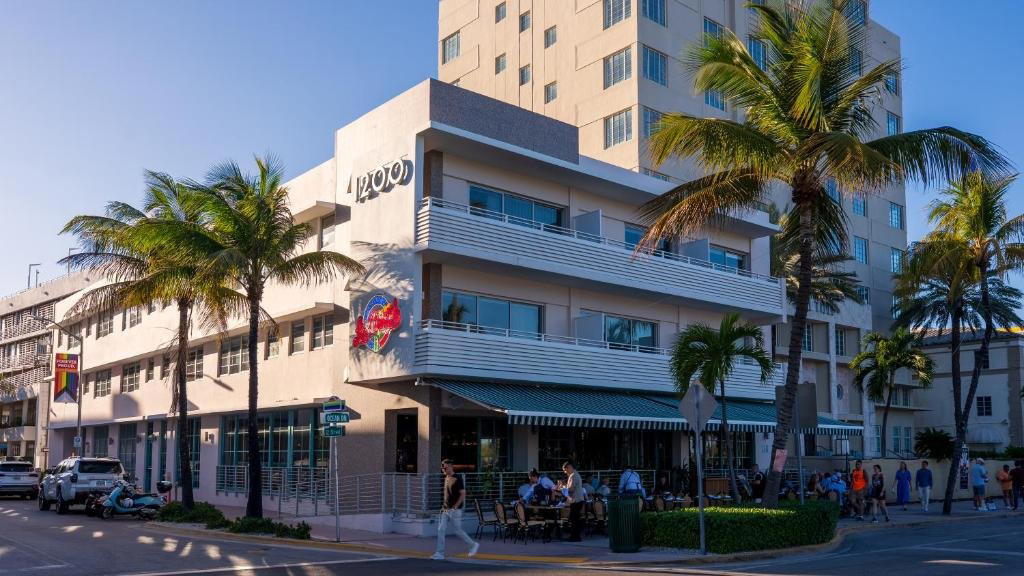
The Room Before the Menu
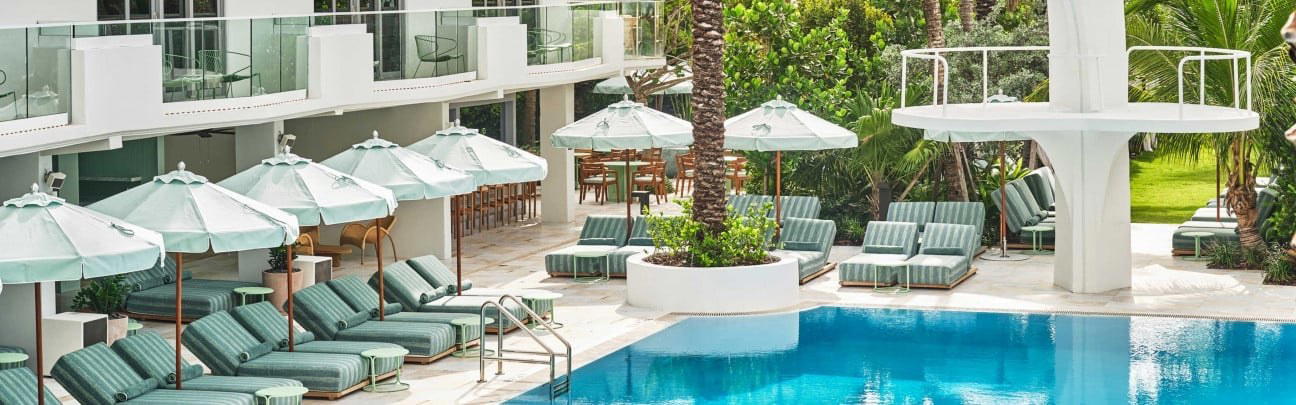
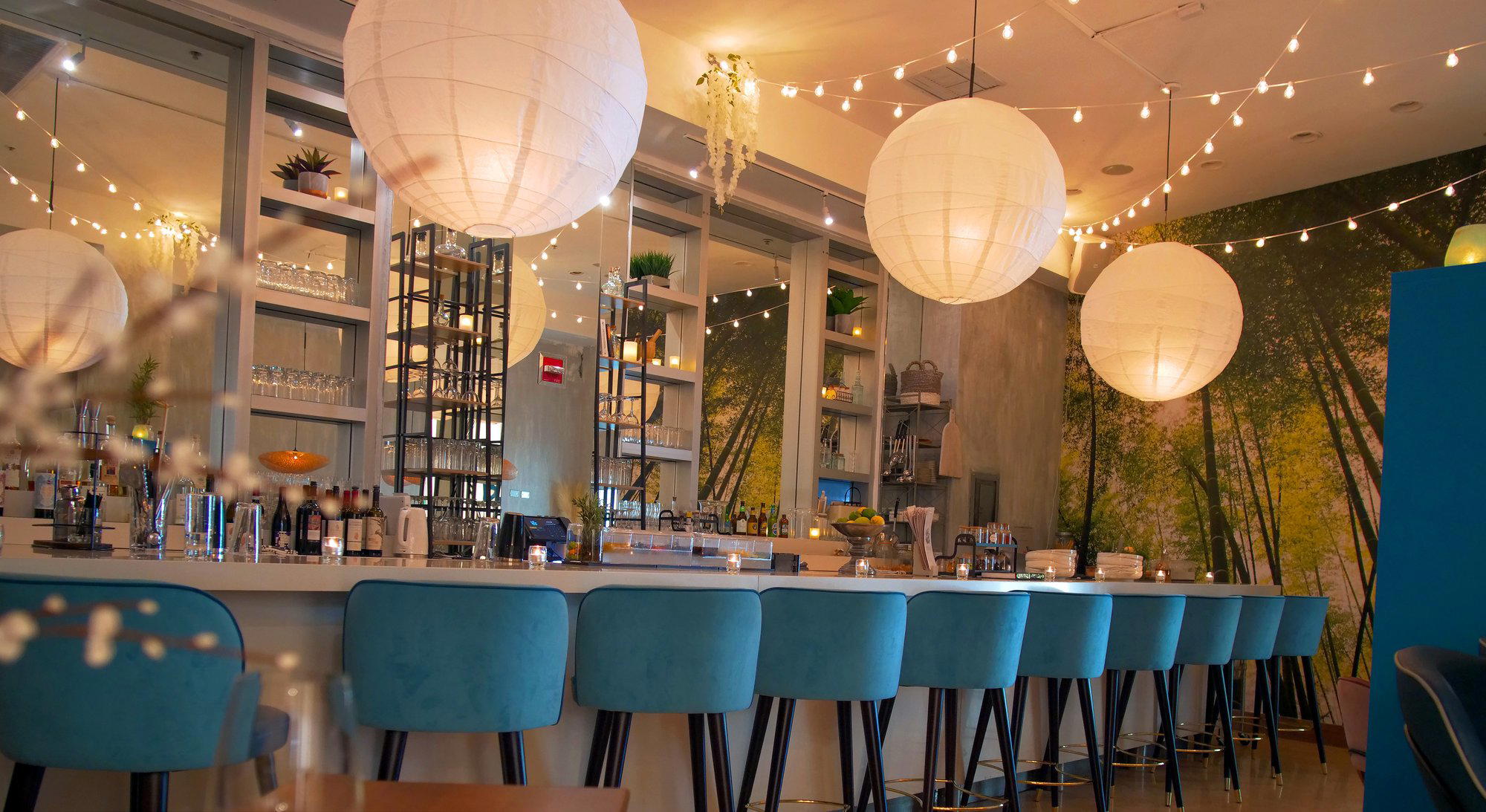
Miami Beach has long understood that a restaurant's physical environment is not merely backdrop — it is argument. The city's most durable dining addresses tend to make a spatial claim first and a culinary one second, and the interiors that age leading are those built around a coherent design logic rather than a momentary trend. Casa Cañita reads within that tradition. The name itself signals a register: small, domestic, warm — the diminutive form suggesting something more personal in scale than the splashy boulevard operations that define much of South Beach's commercial strip.
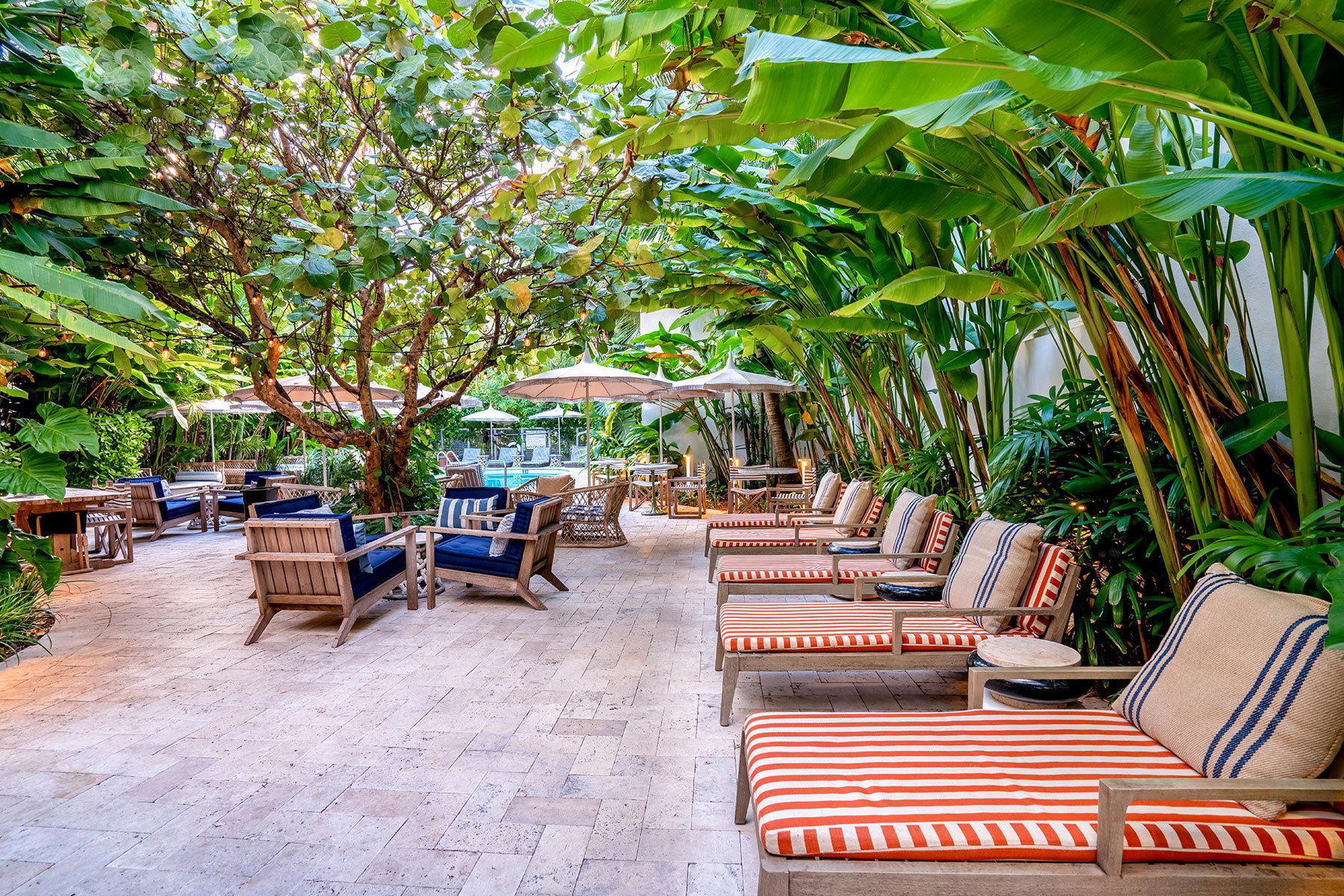
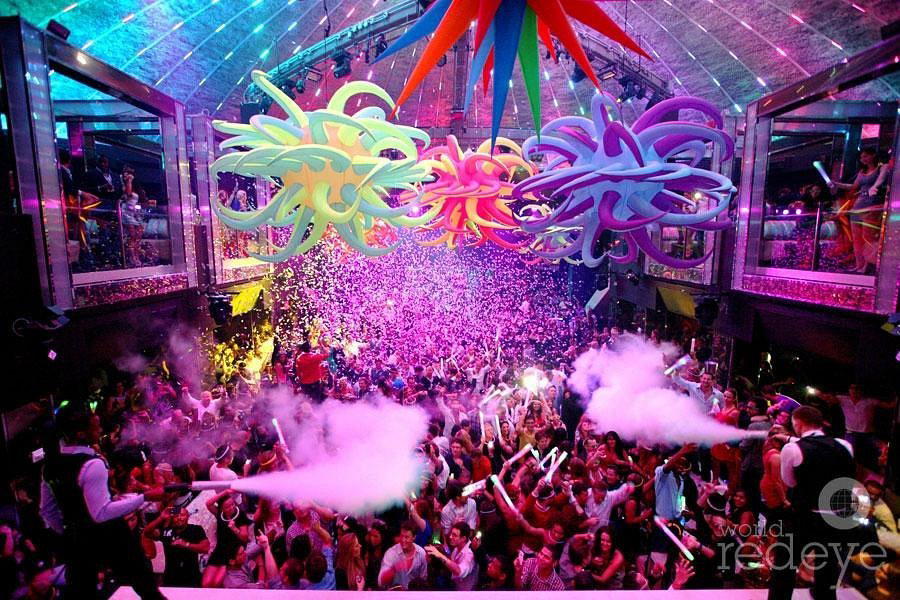
That domestic warmth is a deliberate counter-position. Where many Miami Beach venues compete on volume, spectacle, and table-turn velocity, a space that leans into intimacy is making a considered bet about its audience. The Latin American residential aesthetic implied by the name, cañita referencing the reed or cane, a material with deep roots in vernacular Caribbean and Central American architecture, places the room in a specific design lineage, one that prioritises texture, natural material, and human scale over the polished-concrete-and-neon grammar that still dominates much of the neighbourhood.
Design as Context: Where Casa Cañita Sits in Miami Beach
Miami Beach's design identity is layered and often contradictory. The Art Deco corridor along Ocean Drive belongs to a preservation story that is more about tourism infrastructure than lived dining culture. North of that, the design conversation has grown more sophisticated, particularly as hotels in the mid-Beach and North Beach zones have moved toward the kind of locally inflected, materials-led approach that characterises properties like the Found Miami Beach and the Andaz Miami Beach. Restaurants that open alongside or adjacent to that hotel design movement tend to inherit its sensibility: an interest in tactile materials, considered lighting, and spatial proportion that rewards slow occupancy rather than rapid throughput.
The competitive set for a venue like Casa Cañita does not map neatly onto price tier or cuisine category. It maps onto spatial philosophy. Properties such as the COMO Metropolitan Miami Beach and the Delano have built identities around interior coherence, and the dining addresses that thrive in their orbit tend to share that discipline. At the other end of the scale, the Fisher Island Club represents the apex of the private, low-capacity model, where exclusivity is structural rather than marketing. Casa Cañita operates somewhere in the middle of that spectrum: accessible enough to draw a varied dinner crowd, intimate enough to resist the noise-as-energy logic that drives larger operations.
Latin Inflection in a City That Does Latin Well
Miami Beach's relationship with Latin American cuisine is longstanding and competitive. The city draws from Cuban, Colombian, Venezuelan, Argentine, and broader Caribbean traditions, and the dining scene reflects that plurality. Within that context, a venue that foregrounds a specific Latin residential aesthetic, rather than the louder, more performative versions of the cuisine that tend to dominate South Beach, is making a pointed editorial choice. It is positioning against the ceviche-tower-and-mojito category, not within it.
That positioning connects to a broader shift visible across premium urban dining in the United States. Latin American cooking, particularly at the finer-grained regional level, has moved from its former role as affordable casual dining into a tier where ingredients, technique, and spatial context receive the same scrutiny applied to European fine dining. Cities like New York have seen this shift accelerate through venues that treat Latin American culinary traditions with the same rigour as French or Japanese kitchens. Miami Beach, with its deep demographic and cultural connections to Latin America, is a natural home for that evolution, and a space designed around warmth and domestic intimacy, rather than spectacle, fits the register of that tier.
For travellers who want to anchor their stay near this kind of dining, the Cadillac Hotel and Beach Club and the AC Hotel Miami Beach both offer proximity to the mid-Beach dining corridor without the scale penalties of larger resort properties. Further afield, the Carillon Miami Wellness Resort in North Beach represents a distinct pacing, longer stays, slower days, that pairs well with the kind of venue that rewards lingering rather than rushing.
Placement Within the Wider Premium Travel Circuit
Casa Cañita makes most sense to a visitor who is building a Miami Beach stay around specific spatial and culinary experiences rather than checking a list of well-publicised addresses. That visitor profile overlaps with the audience for properties like the Four Seasons at The Surf Club in Surfside, which sits just north of Miami Beach and represents a comparable philosophy of quiet authority over visible display, or travellers who elsewhere favour addresses such as Troutbeck in Amenia, Post Ranch Inn in Big Sur, or Meadowood Napa Valley, all venues where the physical environment and culinary intention are in close alignment.
Internationally, the sensibility connects to properties like Aman Venice or Hôtel de Paris Monte-Carlo, where the room itself carries weight in the overall experience equation. These are not direct comparisons in style or geography, but they share an underlying logic: the physical environment is part of the value proposition, not a neutral container for the food or drink.
Planning Notes
Given the limited publicly available data on Casa Cañita at time of writing, direct booking and operational details are best confirmed through current local listings or the venue directly. Miami Beach dining in general follows a pattern where peak reservation demand concentrates on Thursday through Saturday evenings; visiting on a Sunday or Monday typically yields more relaxed service and better table availability across the neighbourhood. For a fuller picture of what the Miami Beach dining scene currently offers across cuisine types and price tiers, the EP Club Miami Beach guide provides a comparative overview. Travellers combining a stay at properties such as the Little Palm Island Resort and Spa with a Miami Beach extension, or those routing through from the Canyon Ranch Tucson circuit, will find the venue's register a comfortable step-down from resort formality without sacrificing the spatial quality they are accustomed to.
In Context: Similar Options
Comparable venues nearby, for context on price, style, and recognition.
| Venue | Cuisine | Price | Awards | Notes |
|---|---|---|---|---|
| Casa CañitaThis venue — the venue you are viewing | Chic boutique oceanfront in historic Art Deco building | $300–500 | Not listed | Not listed |
| South Beach Hotel | Hotel | Not listed | Not listed | South Beach |
| Soho Beach House | Hotel | Not listed | Michelin Selected · Vogue 2026 Vogue Best Hotels in Miami | Mid-Beach |
| The Roof at Esme Hotel | Spanish-Mediterranean boutique luxury with bohemian grandeur and carnival-inspired interiors. | Not listed | Not listed | Española Way, Miami Beach |
| the goodtime hotel, Miami Beach, a Tribute Portfolio Hotel | Design-forward lifestyle hotel with playful sophistication and Miami energy. | Not listed | Not listed | South Beach |
| The Villa Casa Casuarina At The Former Versace Mansion | Luxury boutique hotel in a historic Mediterranean Revival mansion formerly owned by Gianni Versace. | Not listed | Michelin Selected | South Beach |
Continue exploring
More in Miami Beach
Hotels in Miami Beach
All hotels in Miami Beach →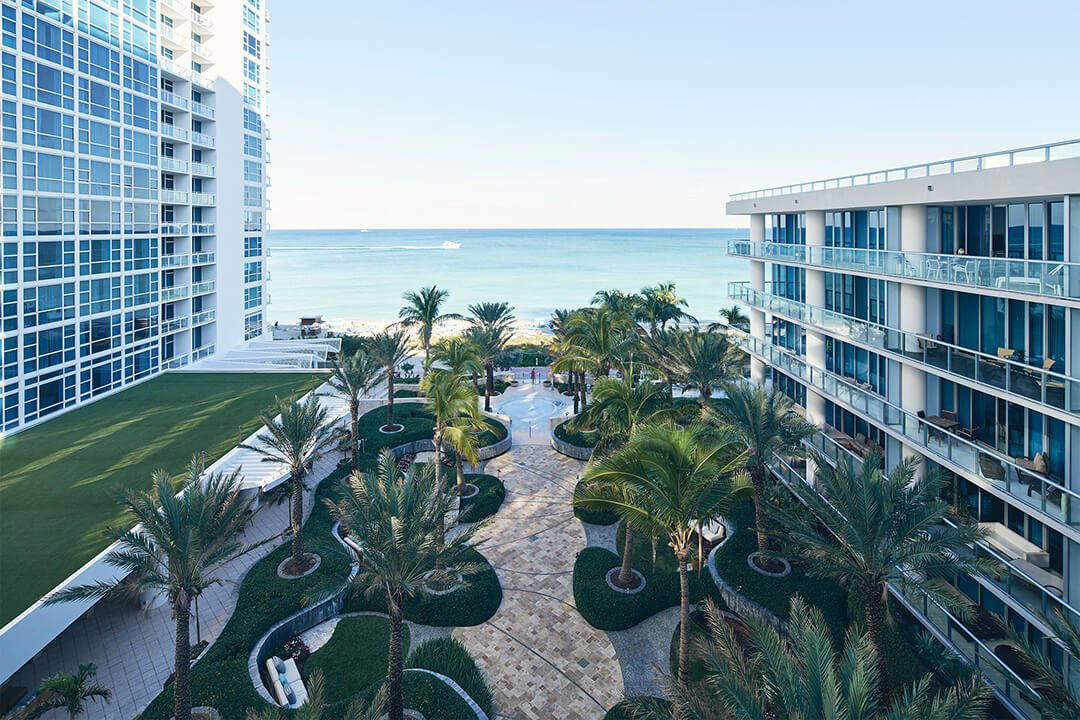
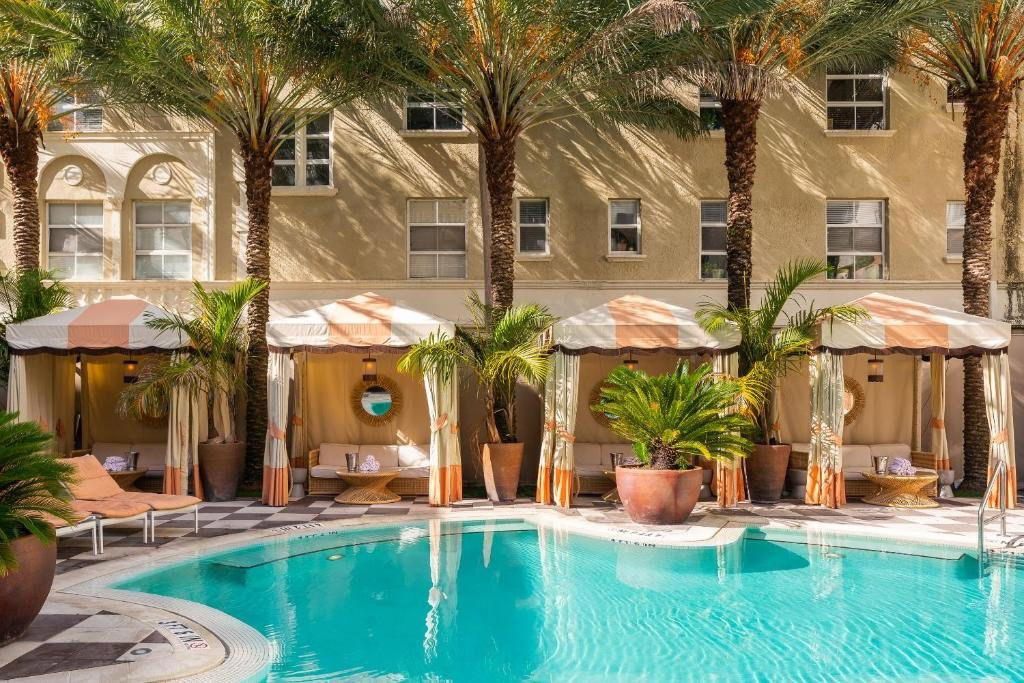
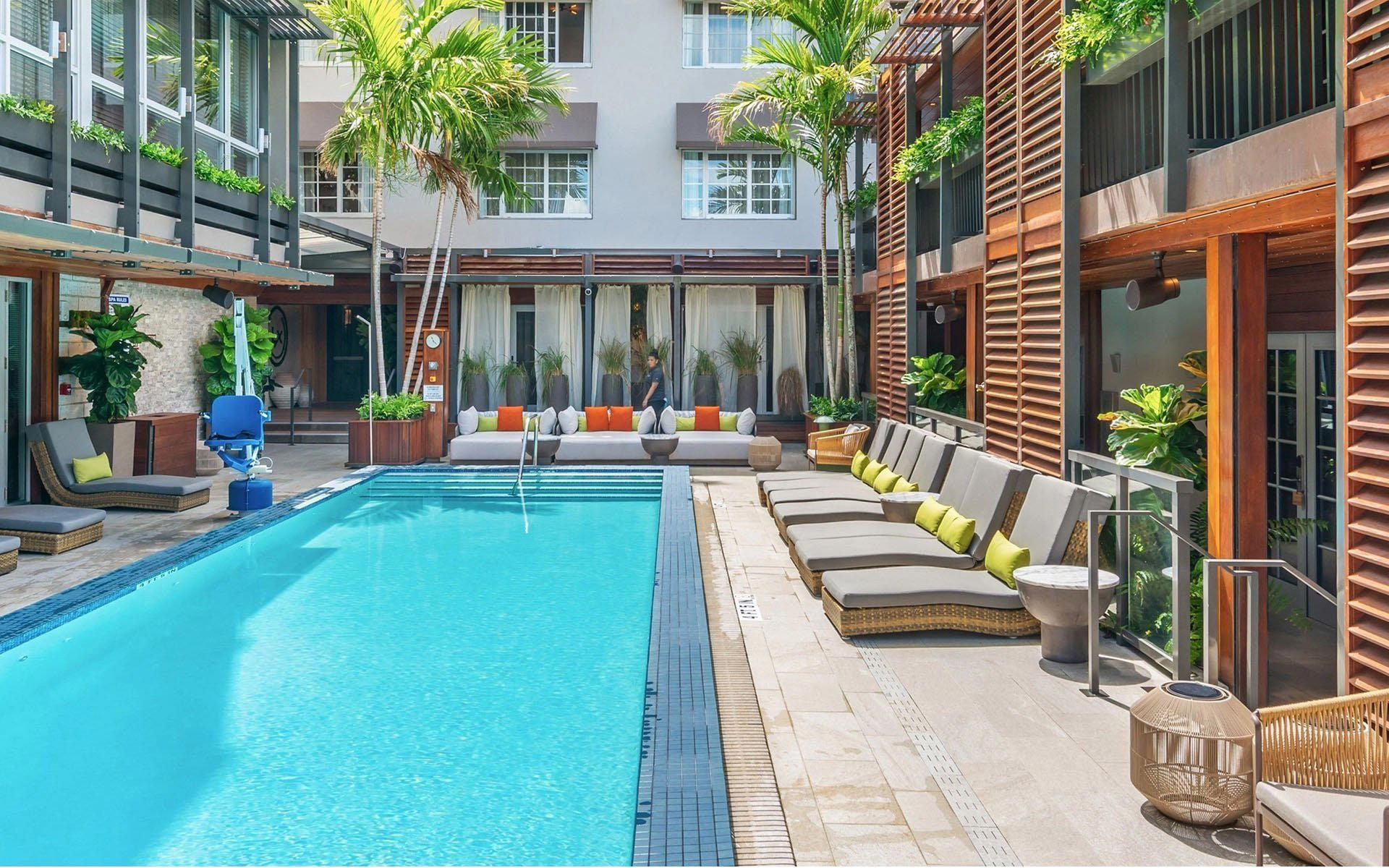
Details
- Trendy
- Elegant
- Romantic
- Romantic Getaway
- Weekend Escape
- Beachfront
- Restaurant
- Beach Access
- Waterfront
Tropical maximalist style with bold colors, lush greenery, tropical prints, plush velvet bedding, and retro appliances evoking Caribbean ease.