FIVE Zurich
FIVE Zurich belongs to a Zurich hotel conversation shaped by design signals as much as old-family service rituals.

Pearl is the En Primeur Club membership app — saves, bookings, and concierge access live there. Same editors, same standards.
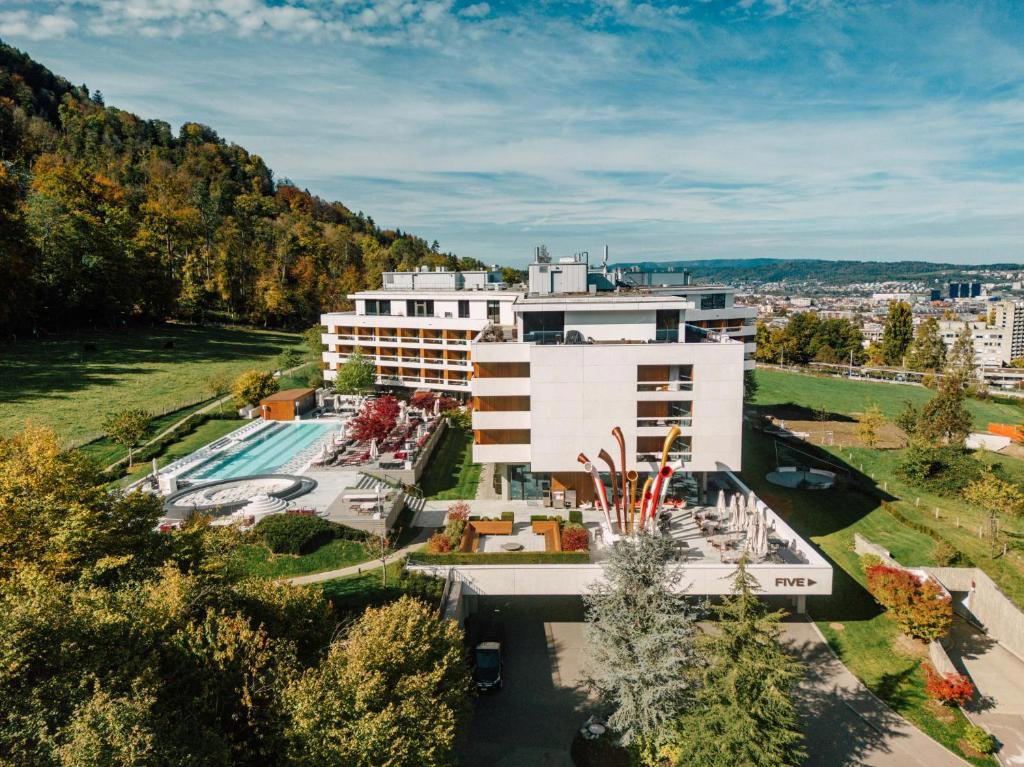
Zurich's design-hotel question
Zurich hotel arrivals tend to announce themselves quietly: polished stone, clean sightlines, a lobby calibrated for banking-hour discretion rather than theatrical entrance. That restraint is part of the city’s hospitality grammar. The interesting question around FIVE Zurich is not whether it can out-grand the lakefront palaces or out-history the Old Town conversions; it is how a contemporary, design-led address fits into a city where luxury has long been expressed through privacy, precision, and institutional calm.
That matters. In Zurich, where hotel choice often turns on location, room category, dining access, and service culture, missing data changes the editorial conclusion. FIVE Zurich can be discussed as part of the city’s wider hotel scene, but not treated here as an inspected property with confirmed amenities or a priced recommendation.
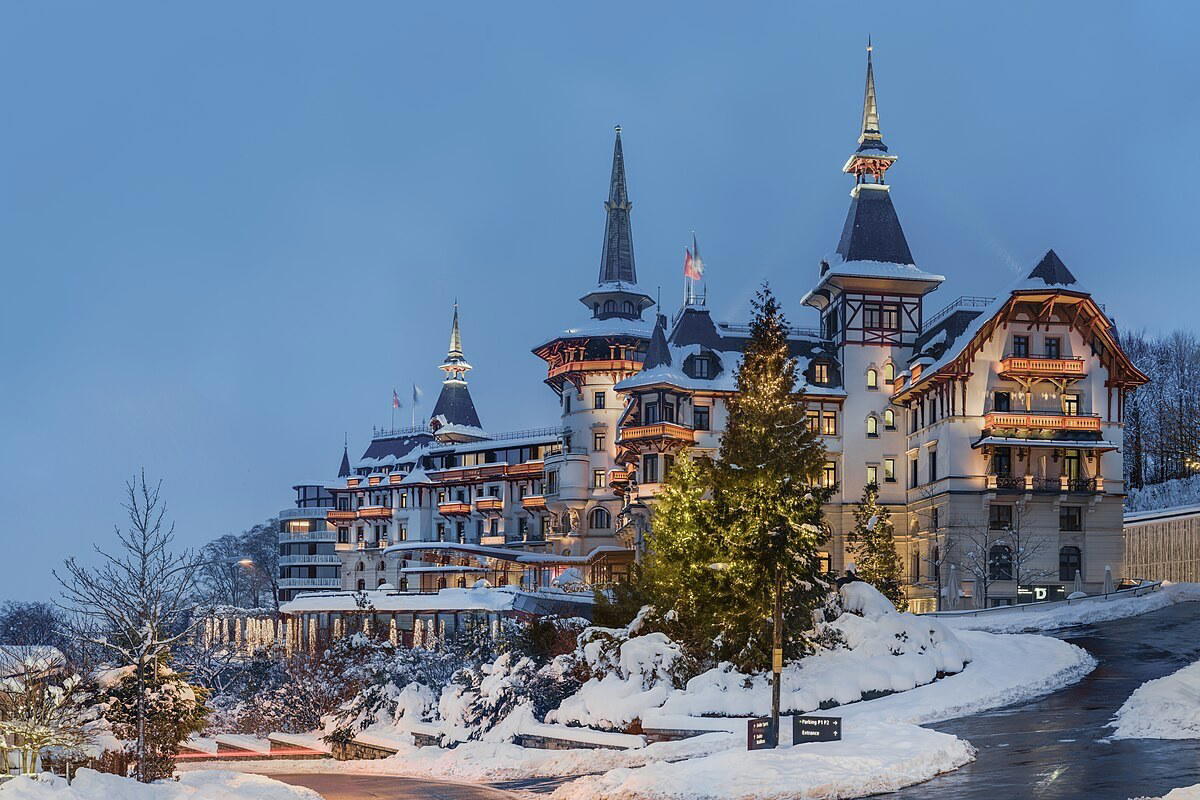
Zurich’s premium hotel market divides into several clear lanes. The lakefront heritage tier is anchored by properties such as Baur au Lac and La Réserve Eden au Lac Zurich, where address, continuity, and formal service carry much of the value. The hill-and-resort register is represented by The Dolder Grand, which changes the rhythm by pulling the stay away from the centre. The historic urban-conversion lane is better read through Widder Hotel, where architectural layering is part of the point. A design-forward address in Zurich has to be judged against those groups, not in isolation.
Design is the competitive language here
In cities with long-established grand hotels, newer lifestyle properties often compete through atmosphere rather than ceremony. That does not mean less serious hospitality; it means a different hierarchy of cues. The lobby, lighting, circulation, bar energy, guest mix, and room planning become the evidence. Zurich is a demanding setting for that model because the city is not naturally forgiving of empty drama. Design has to earn its place beside Swiss functionalism, lakefront formality, and the quieter codes of private wealth.
FIVE Zurich’s useful editorial frame is therefore architectural and atmospheric rather than culinary or award-led. Without those signals, the stronger reading is category-based: this is a property to compare with Zurich’s contemporary and lifestyle-leaning hotels before comparing it with the city’s old guard.
That distinction helps prevent a common planning mistake. A traveller choosing between Zurich hotels is not simply choosing a bed; they are choosing a version of the city. Around Bahnhofstrasse and the lake, the tempo is private-banker Zurich, with proximity to galleries, luxury retail, and formal dining. In the Langstrasse and Zürich West orbit, the city loosens into late bars, younger restaurants, and repurposed industrial fabric. Addresses such as 25hours Hotel Zürich Langstrasse and 25hours Hotel Zürich West make that point clearly: design hotels in Zurich often communicate through neighbourhood energy as much as room finishes.
There is also a smaller, quieter city-hotel lane. Alma Hotel and Ambassador Zurich Hotel represent a more compact scale of stay, where location and ease may matter more than a dramatic public-room sequence. FIVE Zurich should be read against this whole field. If the priority is design identity, ask how the public spaces function throughout the day. If the priority is classic Zurich access, compare confirmed address and transport details before committing.
How Zurich's hotel culture shapes the stay
Zurich rewards specificity. The city is compact, but the feel changes quickly between the lake, the Old Town, Langstrasse, Zürich West, and the hills. A hotel slightly outside a preferred district can still work well if transport links and taxi timing are known; without a confirmed address in the record, that assessment cannot be made responsibly here. For planning, that is the first practical filter: establish the exact location before weighing dining, nightlife, or museum access.
The second filter is formality. Zurich can read conservative from the outside, yet its hospitality range is broad. The traditional luxury hotels tend to maintain a composed, appointment-driven rhythm: breakfast rooms, concierges, polished arrivals, and a guest profile accustomed to discretion. Lifestyle hotels usually trade some of that ceremony for social spaces, music, design contrast, and a less rigid lobby culture.
Dining adds another layer. Zurich is not a late-night city in the same manner as Berlin or Madrid, and hotel restaurants can matter more than travellers expect, especially on Sundays, during trade-fair periods, or in winter when moving across town becomes less appealing. For a wider read on the city’s tables, use Our full Zürich restaurants guide; for drinks, compare with Our full Zürich bars guide.
That separation is not a weakness; it is sound Zurich planning. Many strong stays in the city are built by pairing the right hotel mood with independent dining and bar choices. A guest can sleep in a design-led property, eat in a more formal room by the lake, and finish in a sharper bar district. The city’s scale supports that kind of editing, provided the hotel location is known in advance.
Positioned against Zurich's established names
The clearest way to read FIVE Zurich is through peer comparison. If the desired stay is grand, institutional, and lake-adjacent, Zurich has addresses with more immediately legible heritage credentials. If the desired stay is quieter, older, and architectural in a historic sense, Old Town hotels will make a stronger case. If the desired stay is contemporary, social, and design-conscious, then a property like this becomes more relevant, provided the confirmed room product and service level match the trip.
This is where awards and ratings normally sharpen the field. A Michelin key, Forbes rating, national hotel award, or documented design prize can move a property from attractive option to evidenced recommendation. EP Club’s broader Zurich hotel coverage is therefore the better comparison set: start with Our full Zürich hotels guide, then decide whether the trip calls for lakefront ceremony, neighbourhood energy, spa-and-resort distance, or a design-led urban base.
Switzerland’s luxury hotel culture also complicates the comparison. Zurich properties do not only compete with other Zurich addresses; they sit in a national field that includes alpine palaces, medical-wellness resorts, lakeside grandees, and revived city landmarks. For travellers building a larger Swiss itinerary, compare the city stay against Badrutt's Palace Hotel in St. Moritz, Grand Resort Bad Ragaz in Bad Ragaz, Hotel Les Trois Rois in Basel, and The Woodward in Geneva. Those comparisons help clarify whether Zurich is the design-and-dining chapter of the trip or simply the efficient arrival point.
The national field widens further with mountain and lake addresses such as The Alpina Gstaad in Gstaad, Bürgenstock Resort in Bürgenstock, Hotel Bellevue Palace Bern in Bern, Mandarin Oriental Palace, Luzern in Lucerne, and The Chedi Andermatt in Andermatt. Zurich’s role is different: less resort theatre, more urban efficiency, sharper dining logistics, and a design conversation that has to live inside a working financial city.
Planning a stay with incomplete public data
The practical position is simple: confirm the fundamentals before treating FIVE Zurich as the centre of a Zurich itinerary. The current record does not list address, website, phone, nightly rate, category structure, check-in rules, booking method, or cancellation terms. Those are not minor omissions in a city where location can determine whether a stay feels easy or inconvenient. Use the hotel’s official channels or a trusted travel adviser for current rates and room-category differences, then compare the confirmed details with the trip’s priorities.
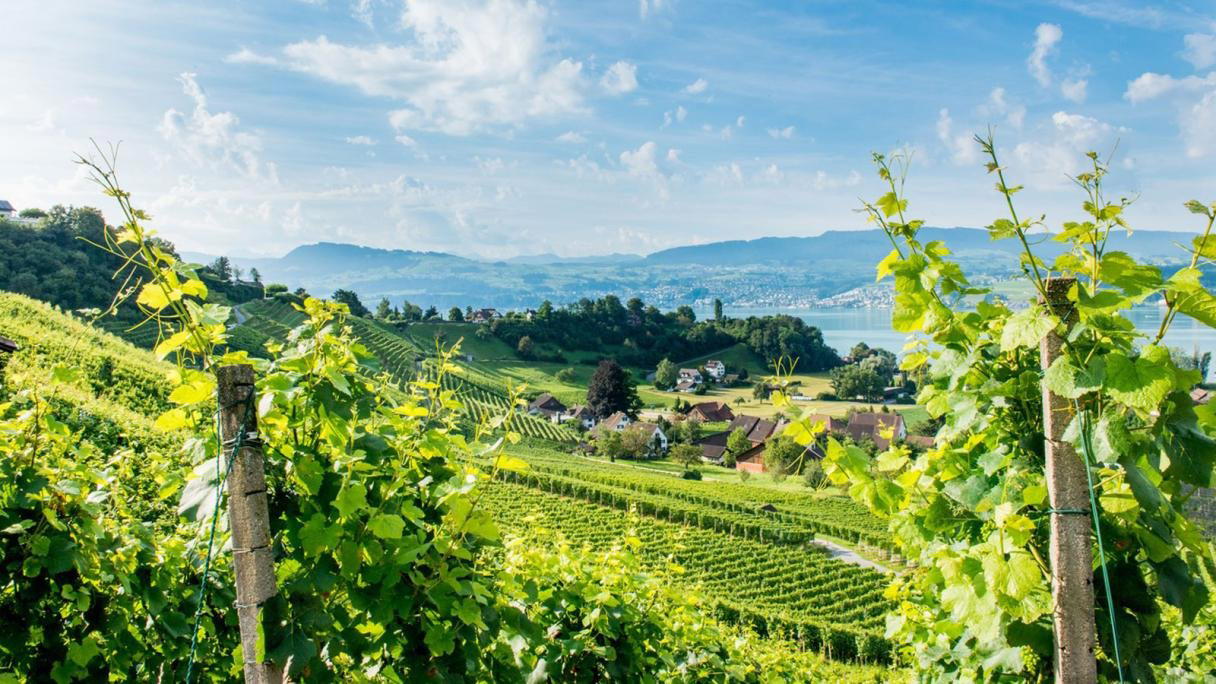
For a weekend built around dining, location and transport should come before room aesthetics. Zurich’s restaurant scene is spread across lakefront rooms, Old Town addresses, neighbourhood bistros, and more contemporary pockets; Our full Zürich restaurants guide gives the broader map. For a drinking-focused itinerary, cross-check bar access through Our full Zürich bars guide. For cultural programming, private formats, or city experiences, use Our full Zürich experiences guide. Wine travellers should be aware that Zurich is not a classic winery-base city in the way Lavaux or parts of Valais are; for the local index, see Our full Zürich wineries guide.
Room choice requires the same discipline. In design-led hotels, the right category often turns on three variables: view, noise exposure, and bathroom layout. Ask for floor position, outlook, bed configuration, and whether the room sits near public spaces or late-operating venues. Those questions are more useful than chasing a category label without confirmed specifications.
International comparisons can also help calibrate expectations. A design-led city hotel in Zurich will not necessarily behave like a New York lifestyle property or a Mediterranean palace hotel. Compare the urban-design register with The Fifth Avenue Hotel in New York City, the European grand-hotel register with Hôtel de Paris Monte-Carlo in Monte Carlo, and the historic palazzo model with Aman Venice in Venice. Zurich’s version of luxury is usually cooler, cleaner, and more operationally exacting.
Editorial verdict
FIVE Zurich is a hotel to approach through design intent and city fit rather than inherited prestige. That absence is itself useful: travellers should treat it as a contemporary Zurich candidate requiring verification, not as an automatic substitute for the city’s documented grand hotels.
The strongest case is for travellers who want Zurich to feel current rather than ceremonial. The weaker case is for travellers who need a fully evidenced luxury file before booking: awards, room details, rate tier, restaurant information, and location data are not present here. In a city where the hotel decision can shape every meal, meeting, and evening plan, that difference matters.
Comparable venues nearby, for context on price, style, and recognition.
| Venue | Cuisine | Price | Awards | Notes |
|---|---|---|---|---|
| FIVE ZurichThis venue — the venue you are viewing | High-energy luxury lifestyle city resort with a strong party and dining focus set on the Uetliberg hillside. | $$$$ | 5-Star | Not listed |
| Mandarin Oriental Savoy, Zurich | Luxury boutique hotel blending historic 1838 architecture with contemporary design; positioned as a prestigious old-town mainstay on Paradeplatz. | $$$$ | 5-Star | Enge |
| Storchen Zürich | Historic boutique luxury | $$$$ | 5-Star | Enge |
| Hotel Atlantis by Giardino | Contemporary luxury resort blending 1960s modernist architecture with refined 2015 renovation; urban retreat positioned as design destination with Mediterranean-style hospitality. | $$$$ | 5-Star | Friesenberg |
| The Home Hotel Zürich | Contemporary urban design hotel inspired by Dada movement and Zurich's creative energy. | $$$$ | 4-Star | Albisgutli |
| Kameha Grand Zürich | Lifestyle hotel with Swiss-inspired themed interiors | $$$$ | 5-Star | Seebach |
Continue exploring
More in Zürich
Hotels in Zürich
Browse all →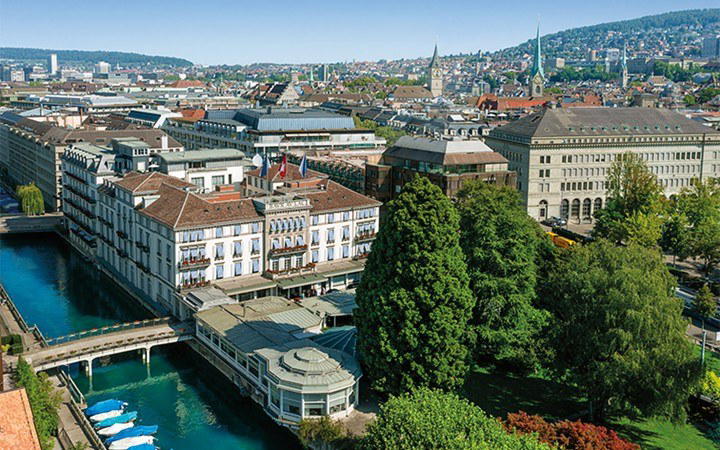
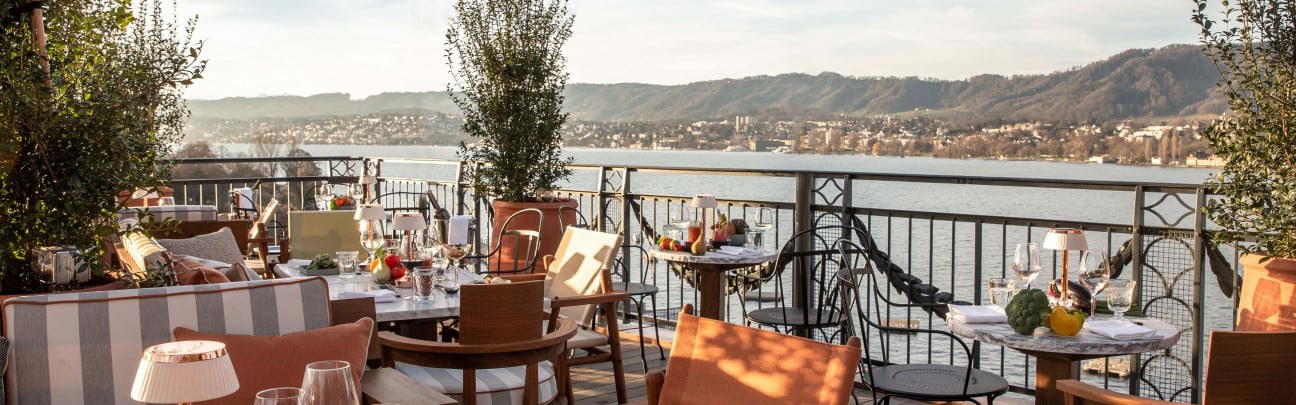
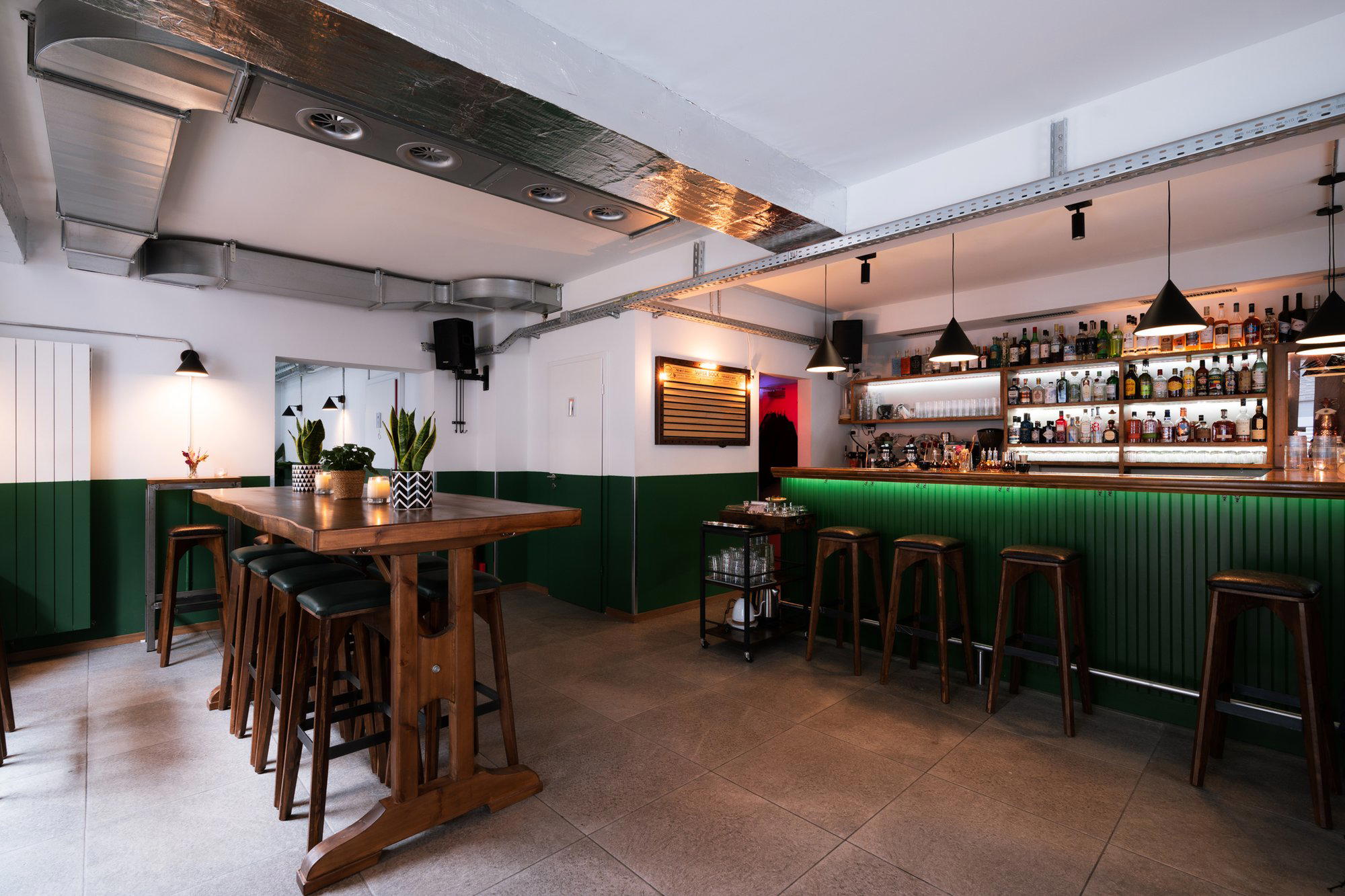
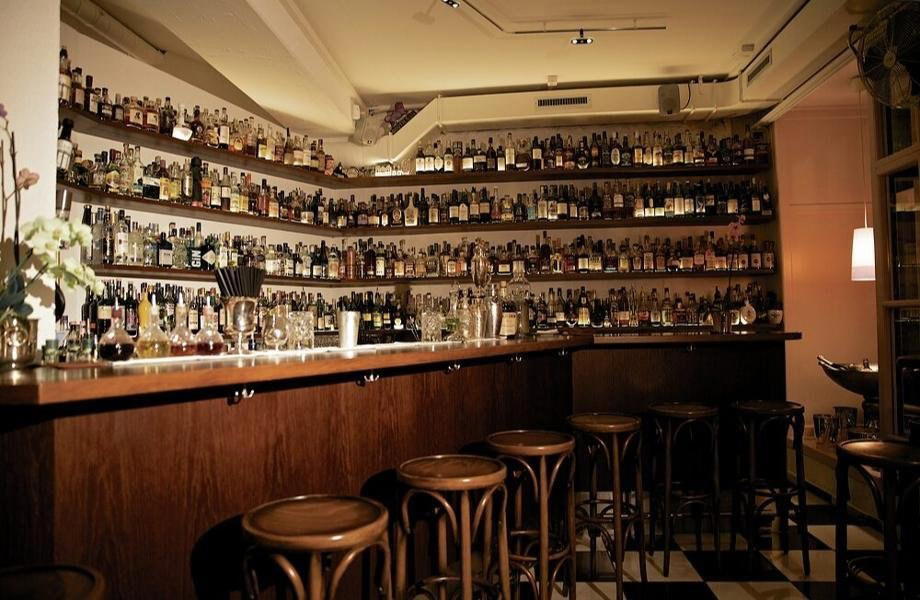
Bars in Zürich
Browse all →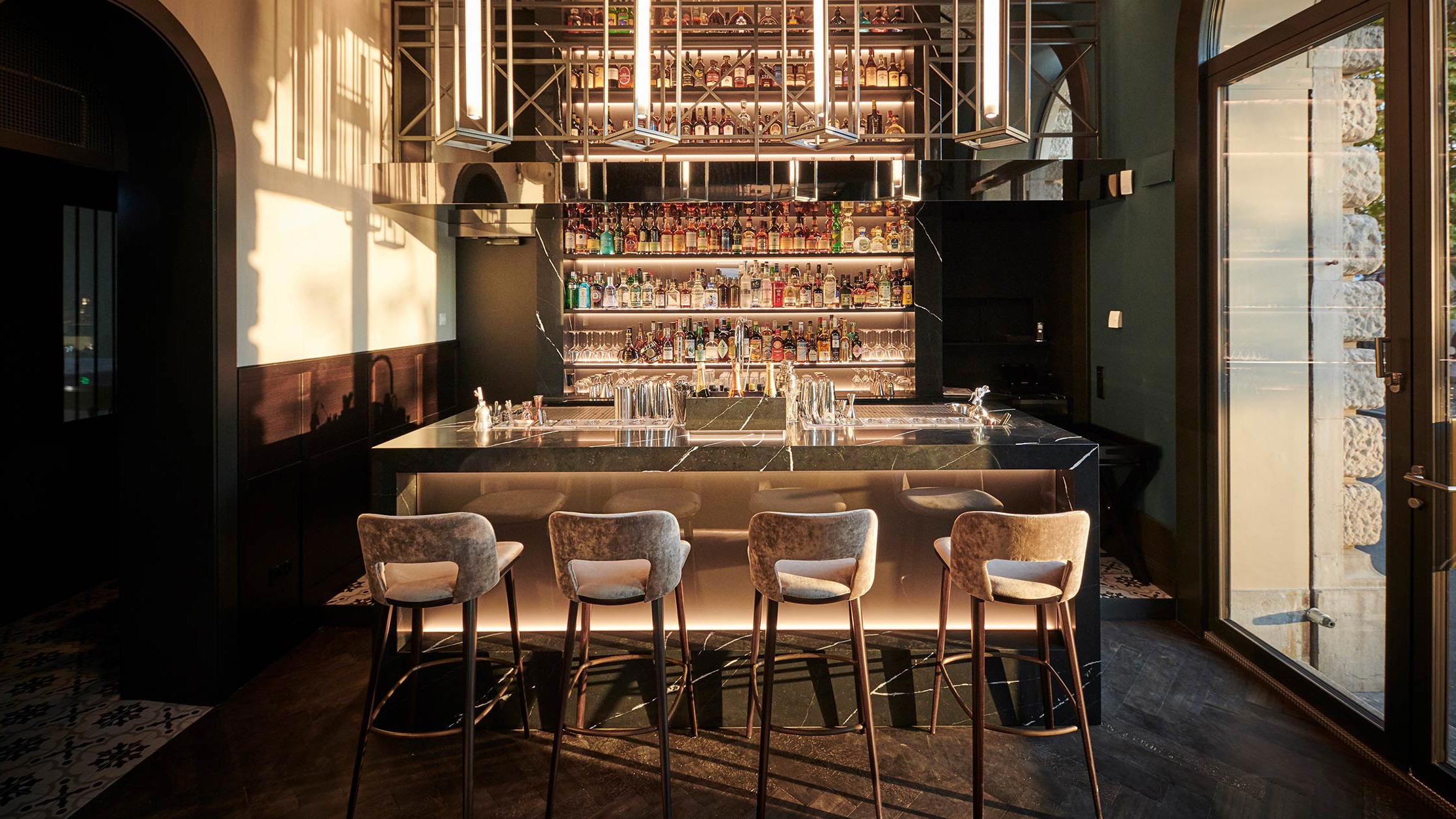
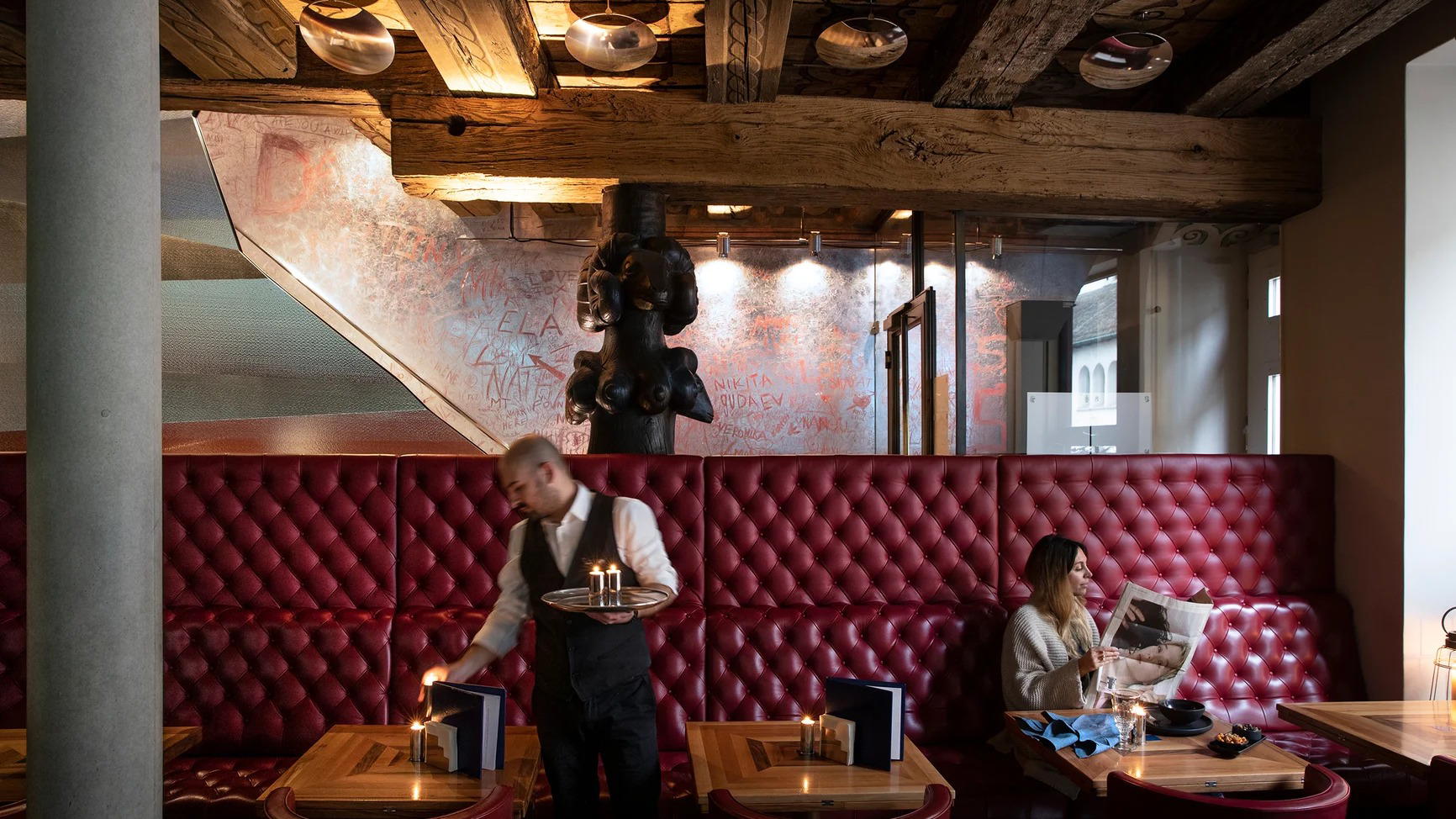
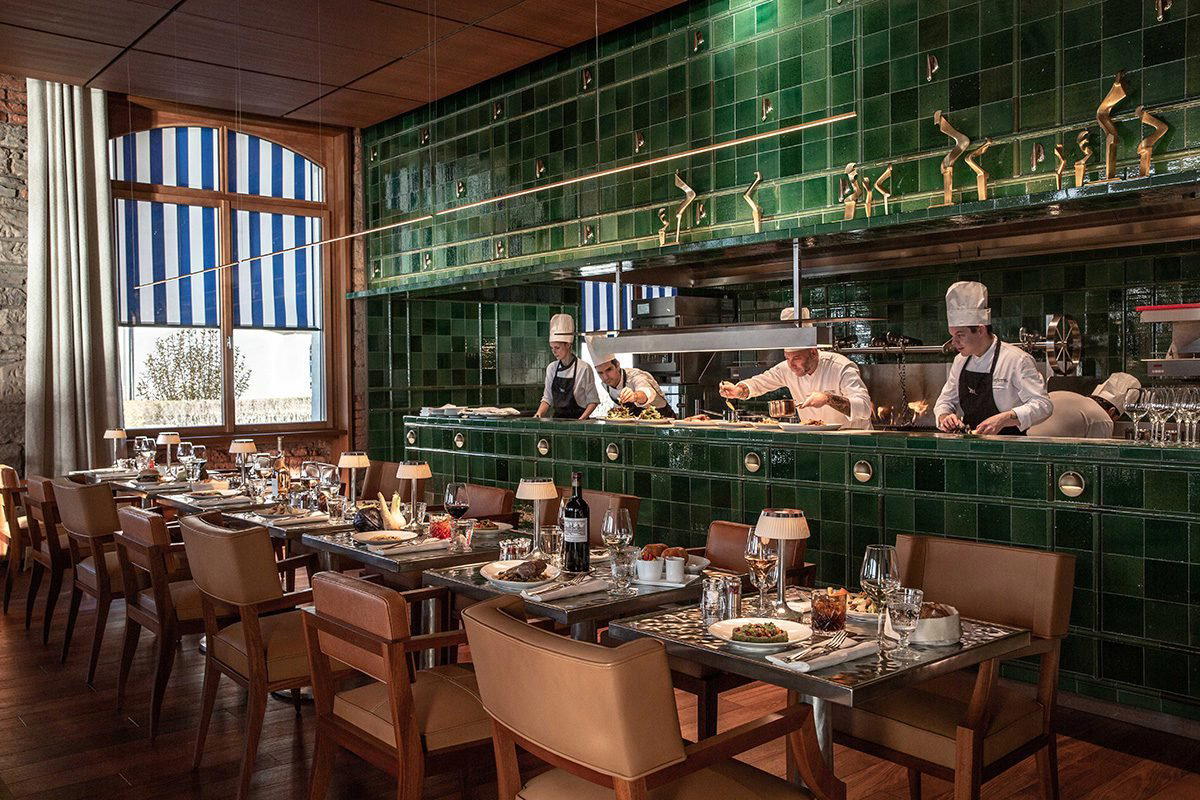
Restaurants in Zürich
Browse all →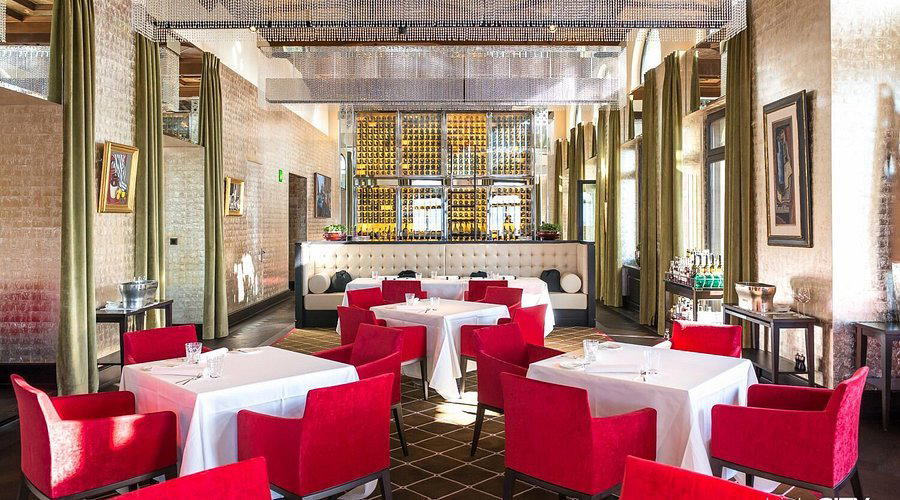

At a Glance
- Trendy
- Lively
- Modern
- Energetic
- Ornate
- Well Known
- Weekend Escape
- Celebration
- Group Retreat
- Romantic Getaway
- Family Vacation
- Destination Wedding
- Rooftop Pool
- Destination Spa
- Garden
- Terrace
- Design Destination
- Panoramic View
- Historic Building
- Private Dining
- Wi Fi
- Pool
- Spa
- Fitness Center
- Room Service
- Concierge
- Business Center
- Valet Parking
- Skyline
- Mountain
- Garden
- Wi Fi
- Pool
- Spa
- Fitness Center
- Room Service
- Concierge
- Business Center
- Valet Parking
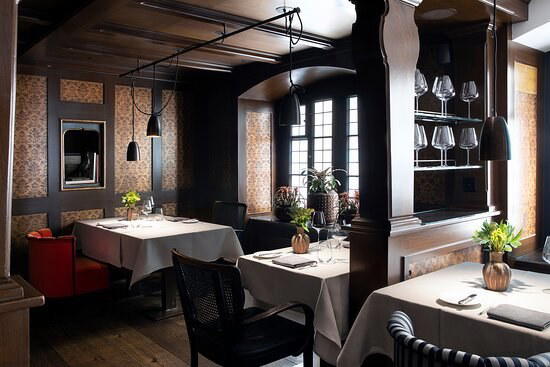
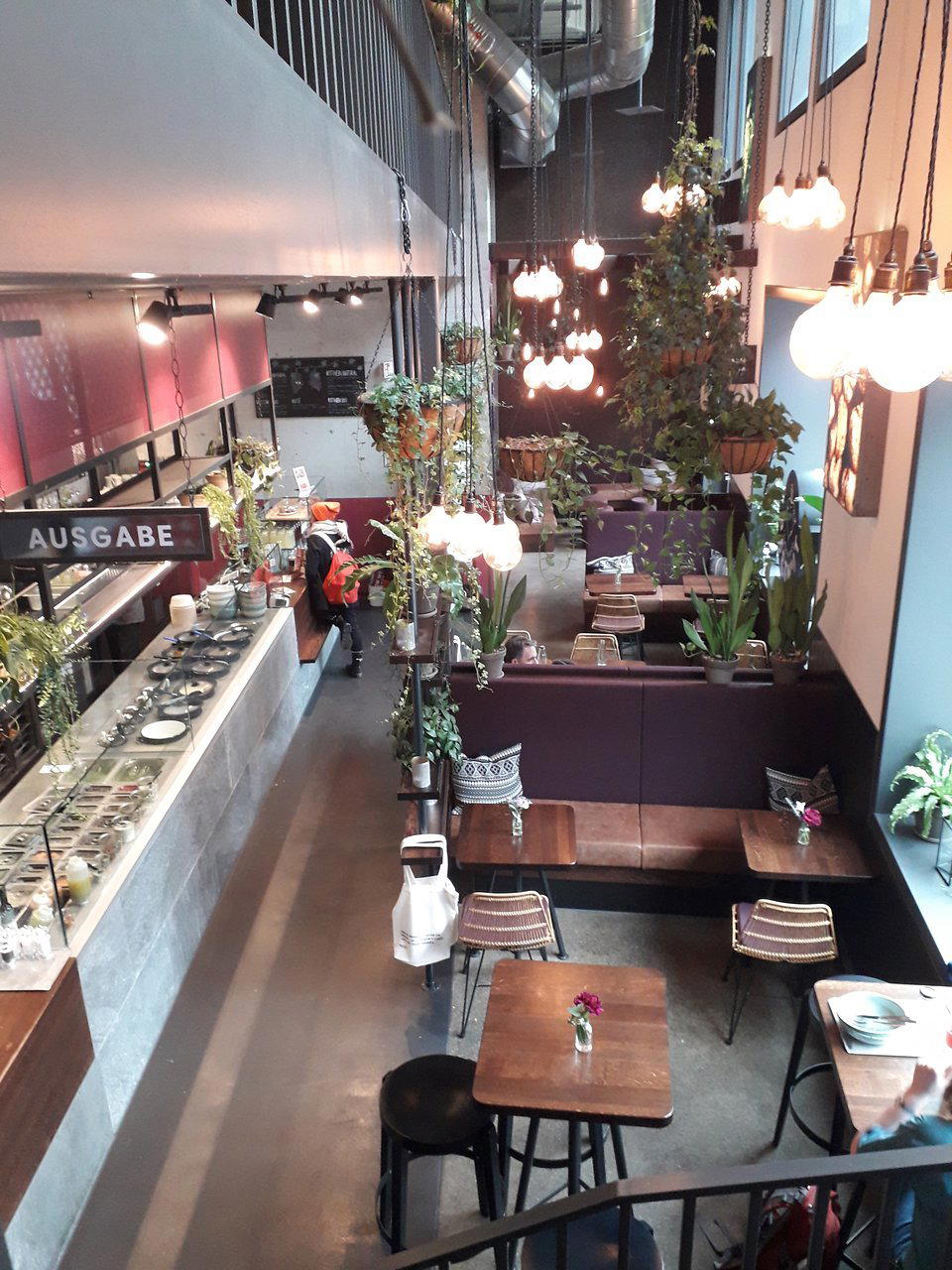
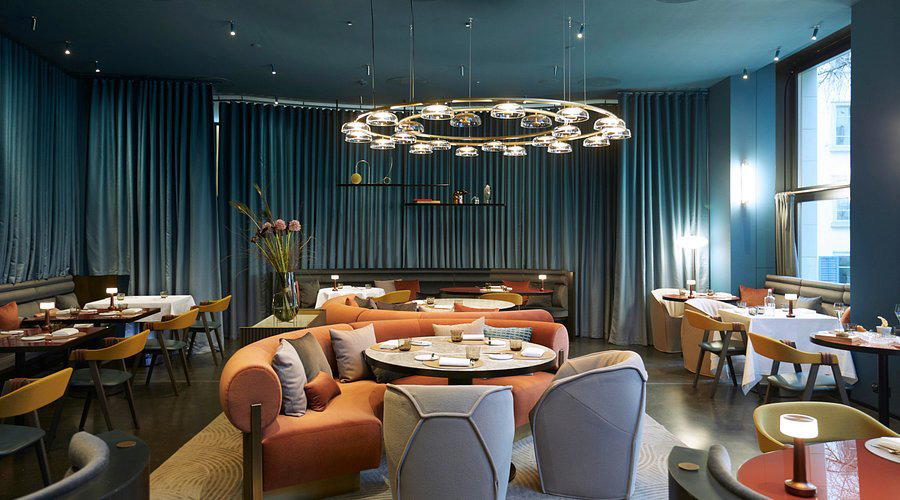
High-energy lifestyle resort atmosphere with lively art installations, music-focused design elements, and glamorous pool and rooftop scenes balanced by tranquil forest and city views.