Ultima Gstaad

1 Michelin Key
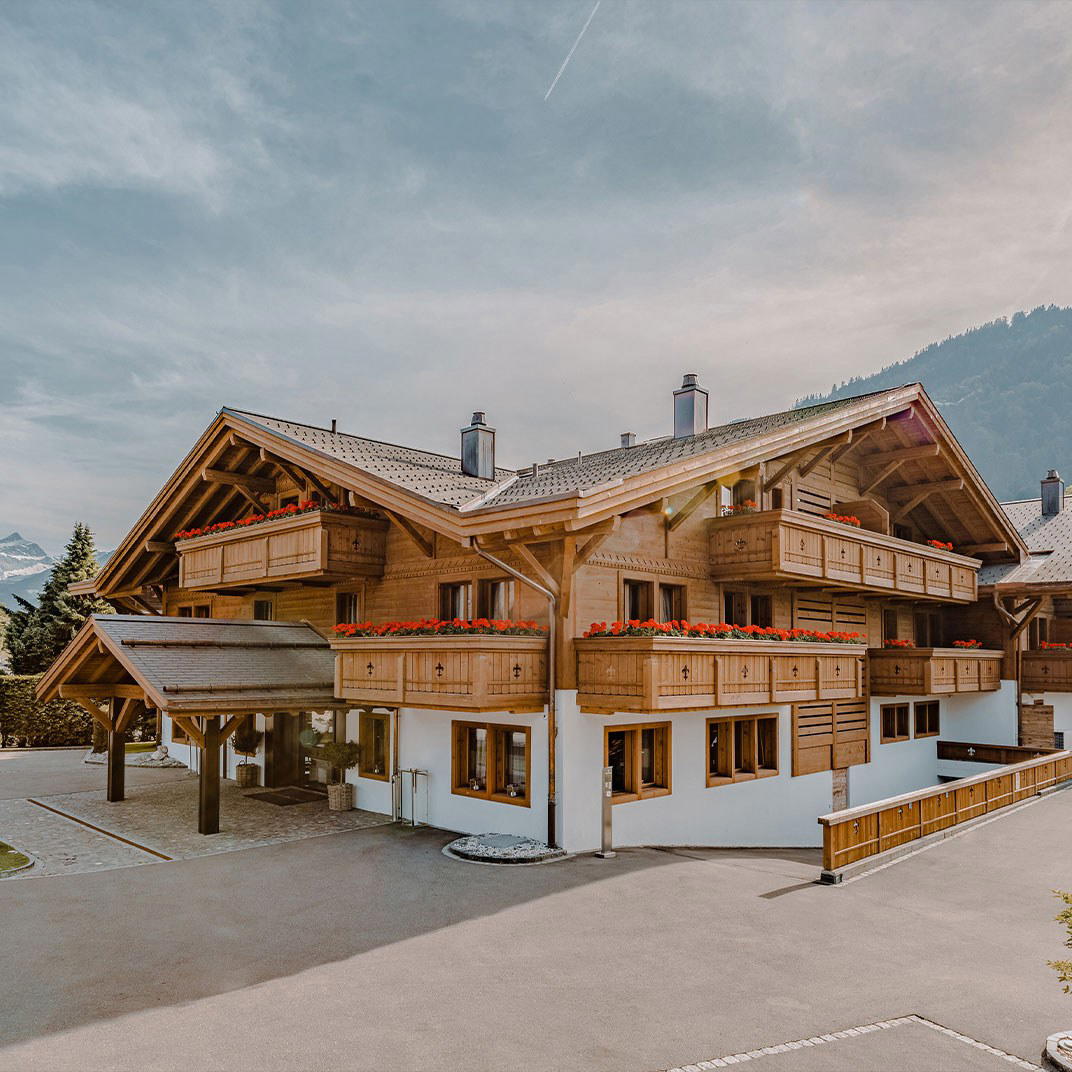
Ultima Gstaad holds a Michelin Key (2025), placing it among the recognized addresses in Switzerland's most rarefied Alpine resort. The property sits on Gsteigstrasse in the heart of the village, operating within the upper tier of Gstaad's small-group and private-chalet hotel category. It suits travelers who want a contained, design-attentive base with verifiable standing rather than a large-footprint resort property.

Pearl is the En Primeur Club membership app, where members save venues, book tables and use the concierge.
Where Ultima Gstaad Sits in the Village's Hotel Order
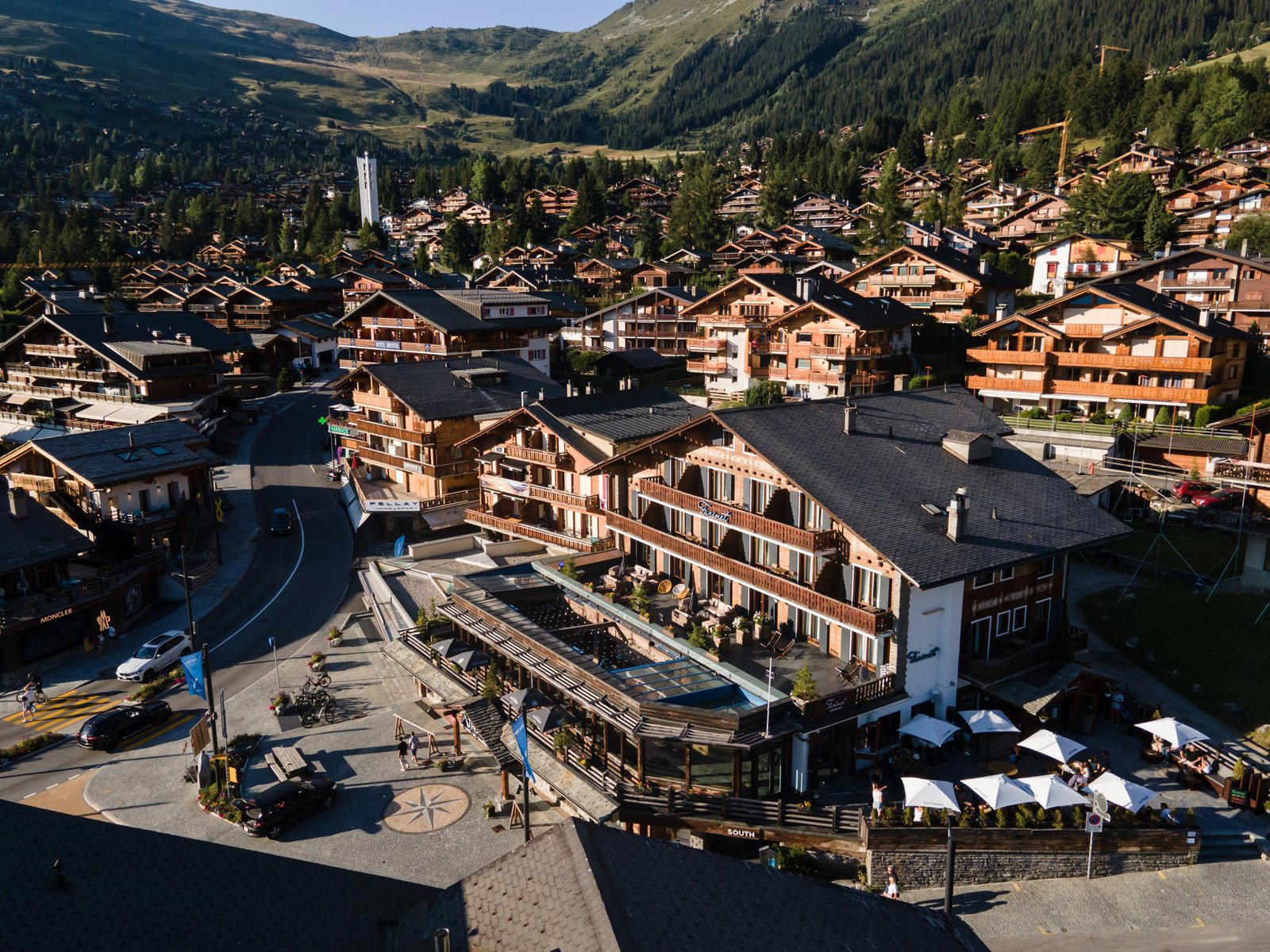
Gstaad has always maintained a deliberately small hotel market. The village limits development, which means the competitive set is narrow and well-defined: a handful of grand institutions, a clutch of mid-century stalwarts, and a growing tier of smaller, design-led properties that compete on intimacy rather than scale. Ultima Gstaad belongs to that last group. At Gsteigstrasse 70, it occupies a position in the village that places it within walking distance of the pedestrian zone without depositing guests on the main commercial strip itself.
The 2025 Michelin Key award is the clearest third-party signal of where this property stands. The Michelin hotel programme, which launched formally in 2024 and expanded its Swiss coverage in 2025, uses its Key designations to recognize properties with a coherent hospitality identity, not simply comfort at a price point. A single Key places Ultima Gstaad in company with other Swiss addresses that have earned similar recognition, including properties across the country that range from lakeside grand hotels to Alpine design retreats. Within Gstaad specifically, that designation gives the property a credential that separates it from unlisted competitors in the same size and price tier.
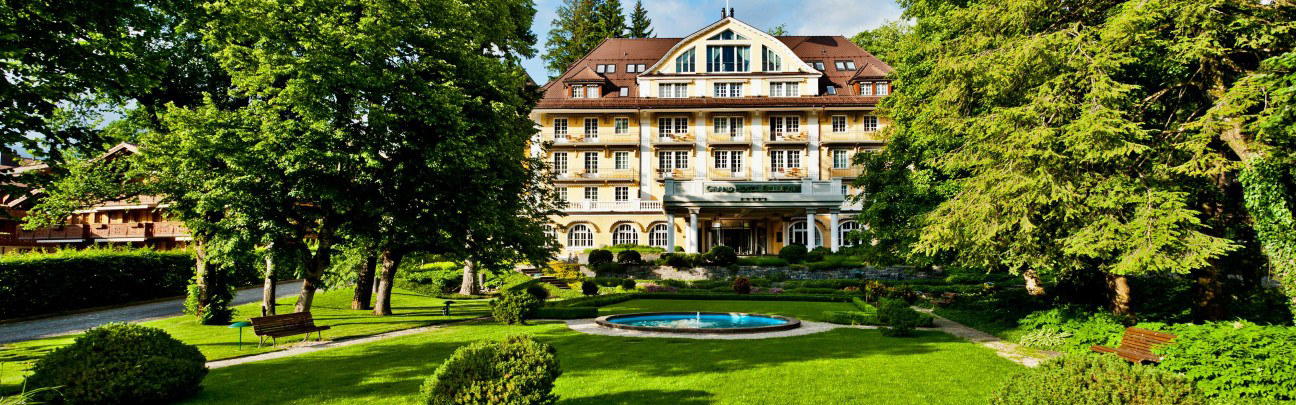
For comparative context, Gstaad's larger flagship properties The Alpina Gstaad, Gstaad Palace, and Le Grand Bellevue, operate with larger room counts, full-scale spa infrastructure, and multi-outlet dining programmes. Ultima Gstaad competes in a different register: the contained, high-service format that prioritizes ratio of staff to guests over breadth of amenity. Park Gstaad and Hotel Olden also occupy mid-scale positions in the village, though with distinct historic identities. Huus Gstaad and Hotel Spitzhorn round out the tier of properties that approach hospitality from a more contemporary angle.
The Dining Framework at a Property of This Scale
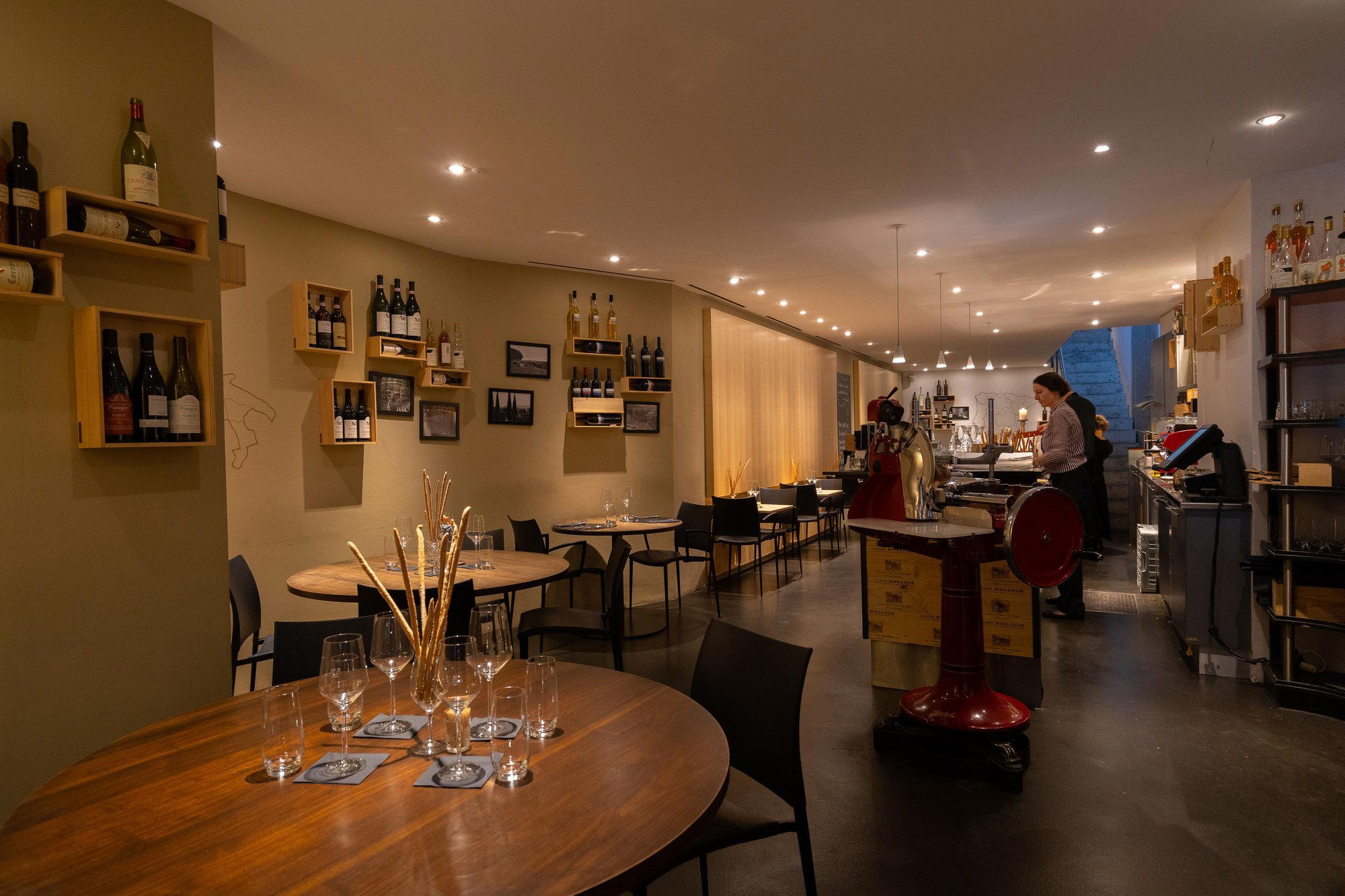
Smaller luxury hotels in Alpine Switzerland face a specific challenge with food and beverage: they lack the volume to sustain a multi-outlet dining structure, but their guests expect a standard of eating that reflects the property's positioning. The response that has worked at this scale, across comparable Alpine properties from Andermatt to Zermatt, is to build a single coherent dining room with a focused programme rather than attempting the breadth of a larger resort.
The Michelin Key assessment considers the full guest experience, which at properties of this type necessarily includes the quality and consistency of in-house dining. A property earning that recognition without a named culinary partnership or celebrity-chef arrangement signals that its food programme operates with internal discipline, sourcing, kitchen leadership, and menu coherence held to a standard that a Michelin assessor would find credible. That is a different signal than a property that earns recognition primarily through its spa, its design, or its service culture alone.
For guests arriving from larger Swiss hotel programmes, whether Grand Resort Bad Ragaz with its multi-Michelin-starred restaurant cluster, or Bürgenstock Resort with its full conference and wellness infrastructure, Ultima Gstaad represents a deliberate step down in operational scale with no necessary step down in quality signal.
Gstaad in the Context of Swiss Alpine Hospitality
Switzerland's Alpine hotel market operates on a seasonal rhythm that Gstaad embodies more visibly than most resorts. The winter season, running roughly from December through March, brings the primary demand wave. Summer has grown in relevance as European travelers seek altitude escapes from city heat, but the calibration of most Gstaad properties still skews toward snow-season occupancy. A Michelin Key property operating in that environment must maintain consistency across the full operating calendar, which is a more demanding test than a year-round urban hotel faces.
Gstaad's positioning within Switzerland's luxury hotel geography is also worth placing correctly. It sits in the Bernese Oberland, which gives it a different character from the Engadin properties around St. Moritz, anchored by addresses like Badrutt's Palace Hotel. Where St. Moritz leans into its jet-set historical identity and its lake-and-mountain drama, Gstaad maintains a more contained village scale. The architecture is chalet-register rather than grand palace, and the social culture is less overtly performative. For guests who find St. Moritz's display culture tiring, Gstaad provides a credible alternative that is no less expensive but considerably less crowded at the apex.
Travelers moving through Switzerland's broader hotel network will find useful points of comparison in Hotel Les Trois Rois in Basel, The Woodward in Geneva, Baur au Lac in Zürich, and Mandarin Oriental Palace, Luzern, all operating at or near the best of their respective city markets. Against those urban references, Ultima Gstaad provides the Michelin-recognized standard in a resort format rather than a city-centre one. The Chedi Andermatt and Matterhorn FOCUS in Zermatt serve as the closest structural comparators: smaller-format Alpine properties with design ambitions and recognized standing. Victoria-Jungfrau Grand Hotel & Spa in Interlaken and Hotel Villa Honegg in Ennetbürgen extend the Bernese Oberland comparison set further.
For those planning a broader Switzerland itinerary, Hotel Bellevue Palace Bern sits less than two hours north by train and provides a logical urban bookend to an Alpine stay. Further afield, Castello del Sole in Ascona offers a southern Swiss counterpoint for those extending a trip toward Italian Switzerland.
Planning a Stay
Gstaad's primary access point is the Montreux–Oberland–Bernois railway, the MOB line, which connects from Montreux on the Lake Geneva shoreline and delivers guests directly to the village station. Journey time from Montreux runs approximately two hours. From Zürich, the standard routing connects via Bern and Zweisimmen, with total journey time around three hours depending on connections. The village itself is compact enough that a car is unnecessary once arrived, though guests arriving with ski equipment typically prefer road access or a transfer service.
Peak winter booking windows for Gstaad's recognized properties typically open three to six months ahead for the Christmas-to-New-Year period, which carries a material premium over standard winter-season rates. February school holidays across France, Germany, and Switzerland create a secondary demand spike. Summer bookings are generally more accessible, though the trend toward Alpine summer travel has tightened availability at smaller properties in recent years. Guests with flexibility in travel dates will find the shoulder periods of early January and late February offer the most favorable conditions relative to demand. See our full Gstaad restaurants guide for additional context on the village's dining options beyond hotel programmes.
International travelers arriving from outside Europe may find useful reference points in how other Michelin-recognized properties operate in comparable resort formats globally. Miiro The Mansard represents a further option in the Gstaad accommodation set for those comparing smaller-scale properties side by side. For those cross-referencing against international luxury hotel standards, Hôtel de Paris Monte-Carlo, Aman Venice, and The Fifth Avenue Hotel in New York City provide reference points in their own markets for the design-attentive, smaller-footprint approach that Ultima Gstaad represents in the Alpine context.
Cost Snapshot
Comparable venues nearby, for context on price, style, and recognition.
| Venue | Price | Awards | Notes |
|---|---|---|---|
| Ultima GstaadThis venue (the venue you are viewing) | $1,000–1,500 | 1 Michelin Key | Not listed |
| Huus Gstaad | $300–500 | Michelin Selected | Saanen, Classic Alpine chalet with modern high-tech design |
| Hotel Olden | Not listed | Michelin Selected | Promenade, traditional chalet-style boutique |
| Miiro The Mansard | $750–1,000 | 1 Michelin Key · Mr & Mrs Smith Seal of Approval | Gstaad Promenade, Contemporary alternative to grand five-star Alpine palaces; relaxed yet refined boutique hotel built by Swiss craftsmen. |
| Hotel Spitzhorn | $300–500 | Michelin Selected | Saanen, Modern alpine chalet with 4-star infrastructure in a 5-star setting |
| Gstaad Palace | Not listed | 2 Michelin Keys · La Liste Top Hotels | Gstaad, Castle-like luxury palace with alpine elegance |
Recognition history
Dated appearances from independent guides and award organizations, with the underlying list record or original source where available.
Michelin 1 Key
Michelin
Full recognition history (2 entries)
Michelin 1 Key
Michelin
Continue exploring
More in Gstaad
Hotels in Gstaad
All hotels in Gstaad →
Bars in Gstaad
Browse all →


Details
- Elegant
- Scenic
- Cozy
- Sophisticated
- Ornate
- Romantic Getaway
- Wellness Retreat
- Weekend Escape
- Ski In Ski Out
- Panoramic View
- Private Dining
- Spa
- Pool
- Fitness Center
- Room Service
- Concierge
- Wi Fi
- Valet Parking
- Mountain
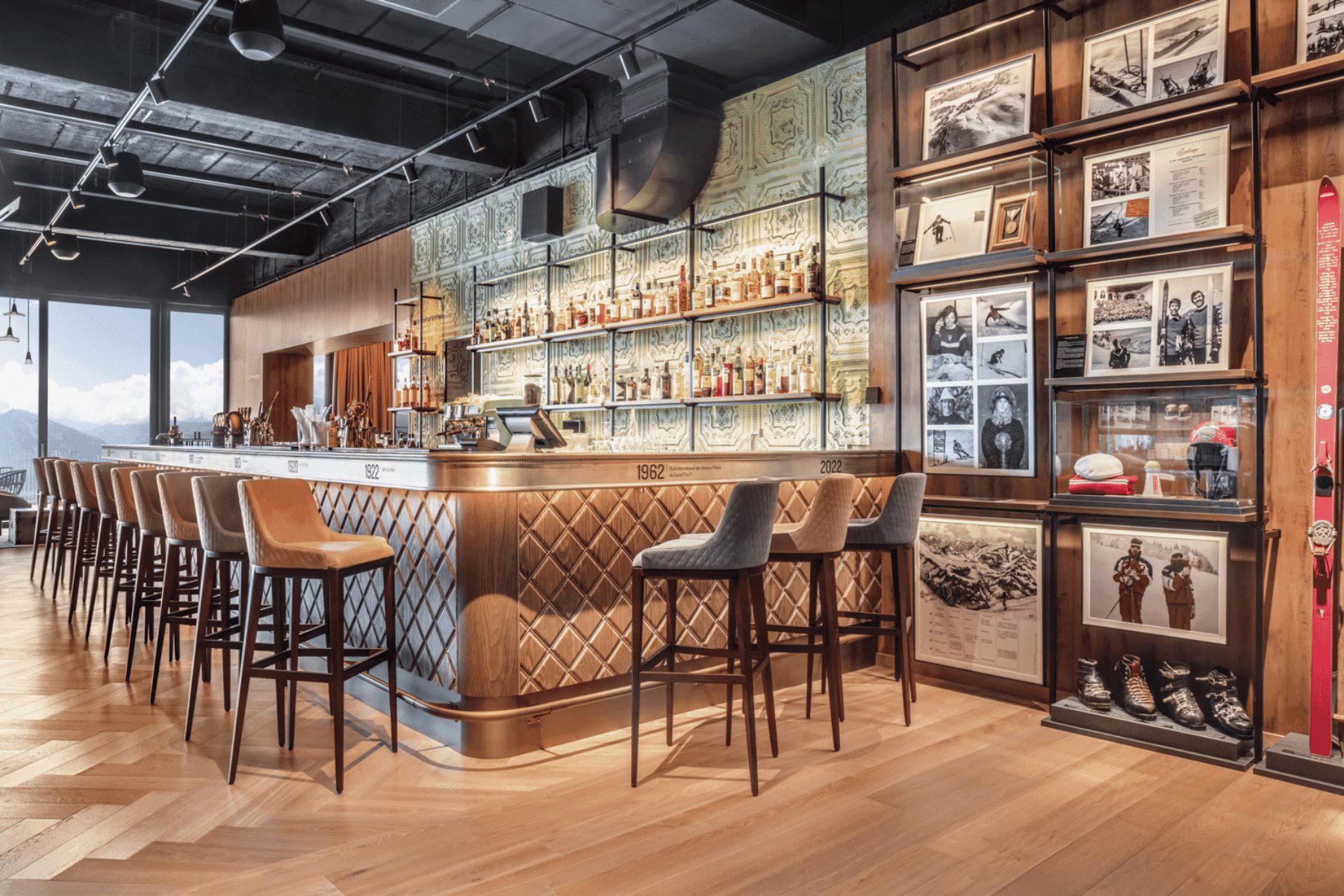
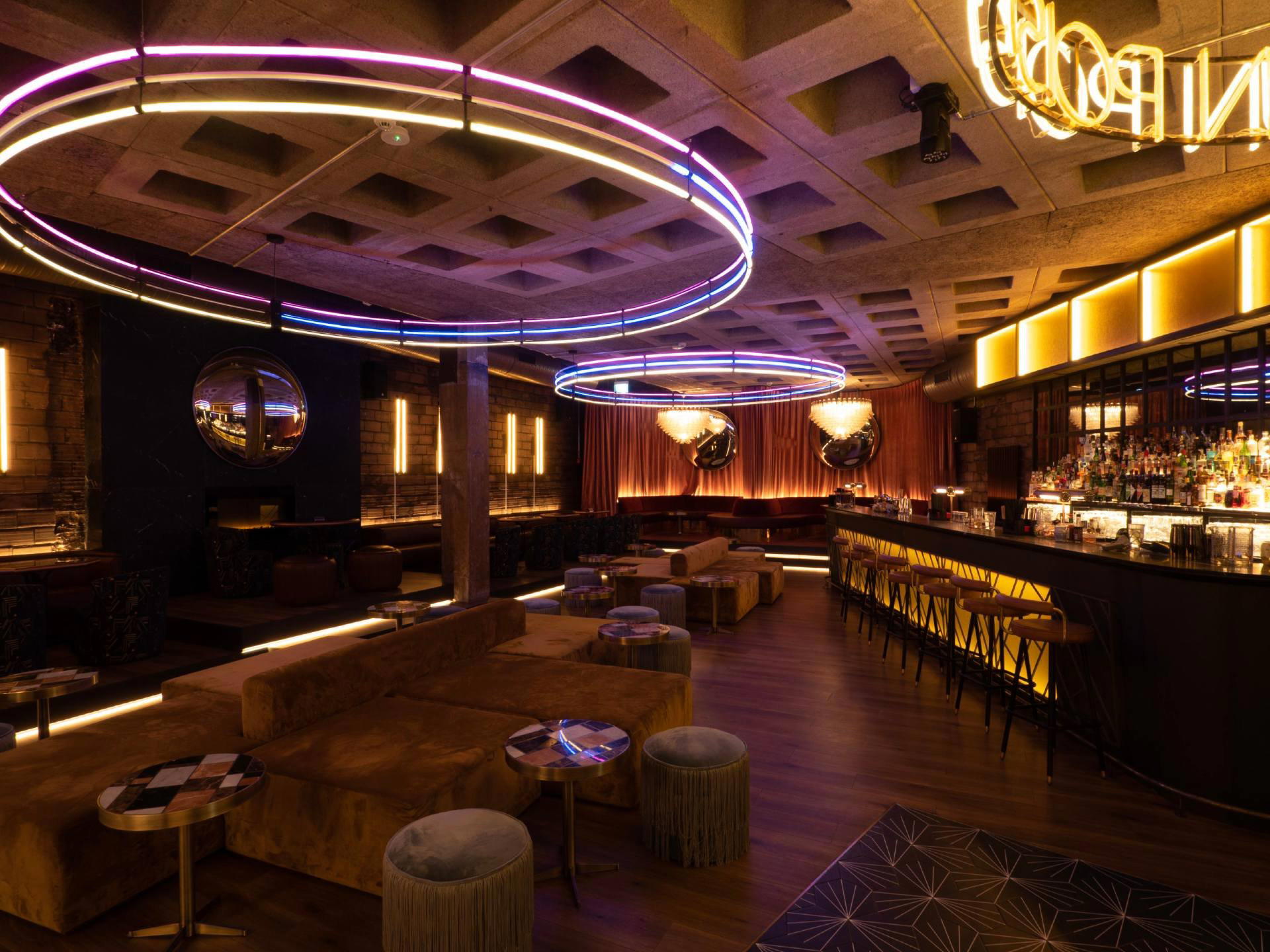
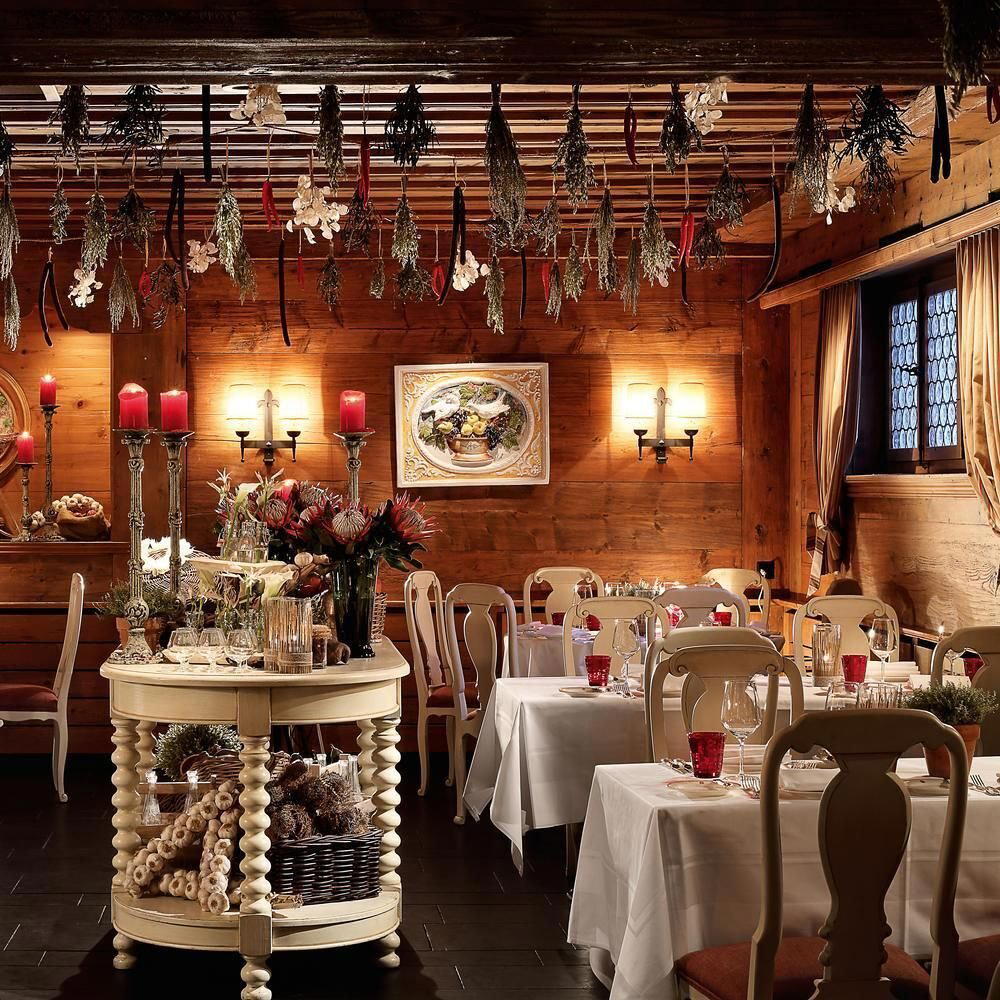
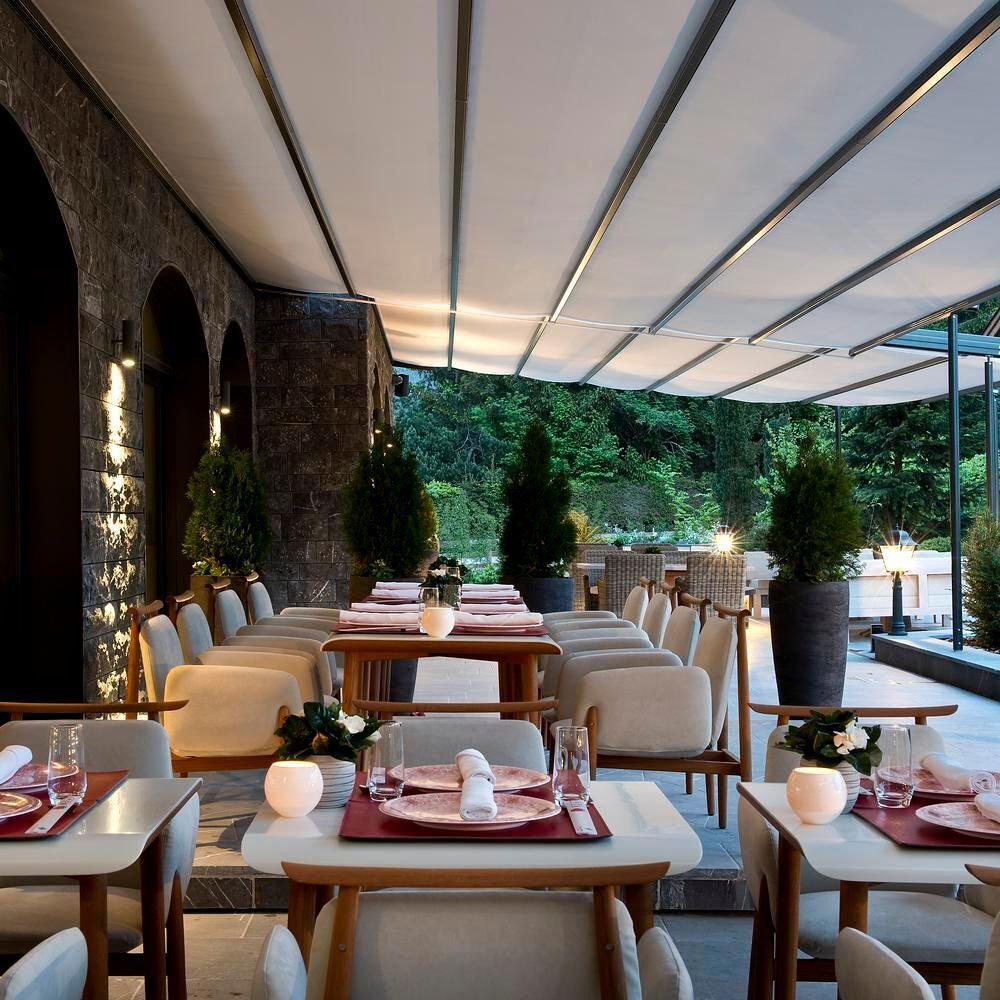
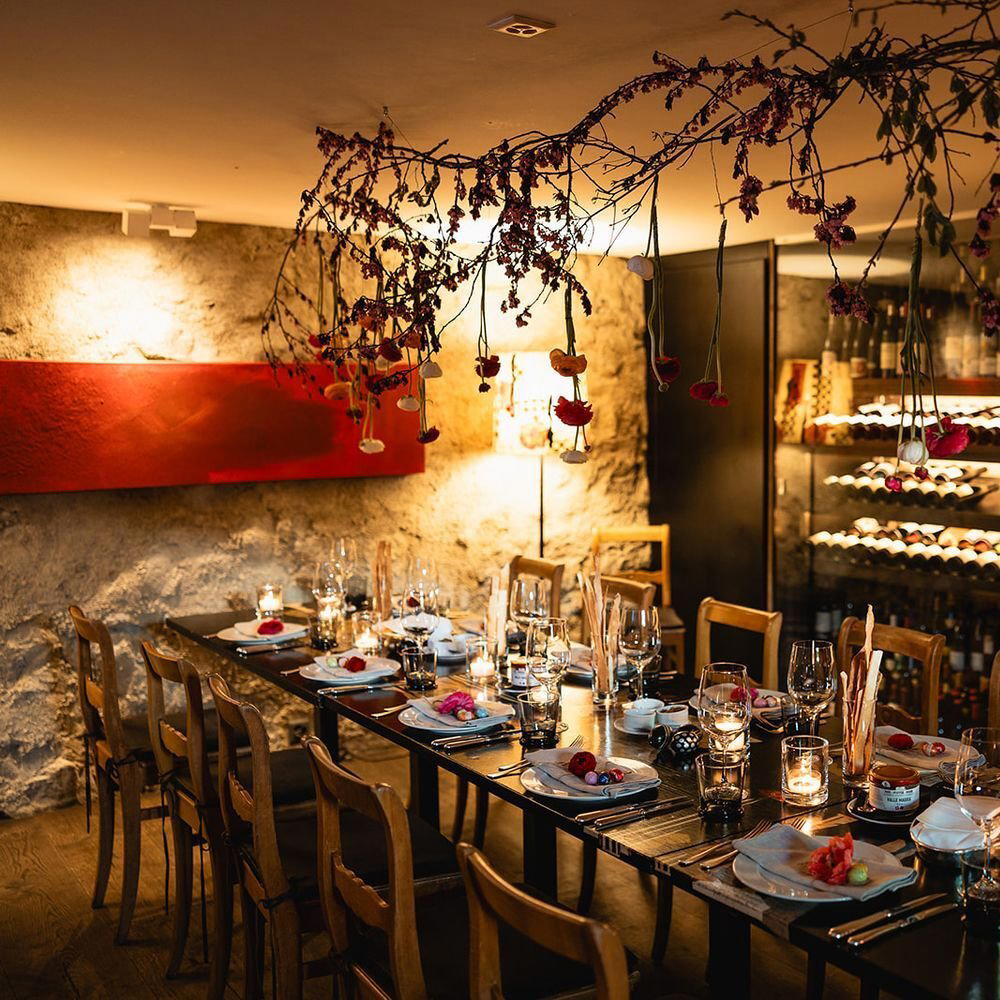
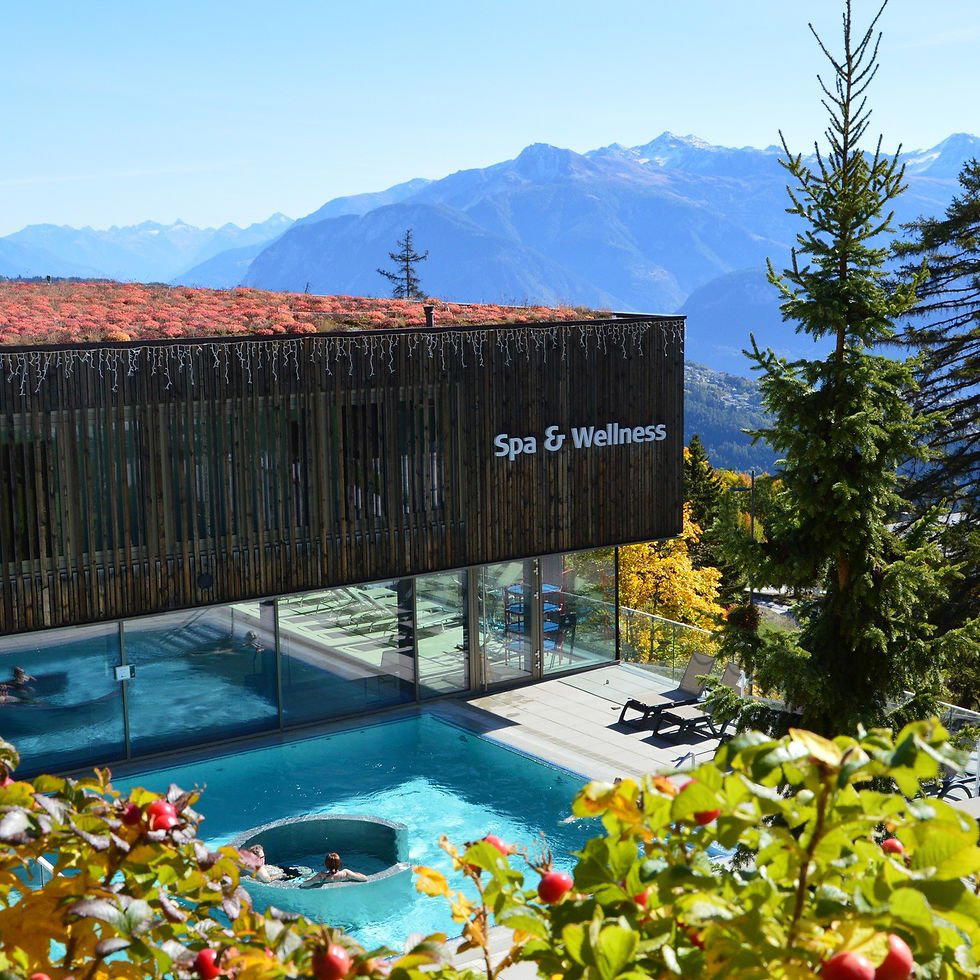
Cozy fire-warmed sitting rooms with contemporary art, ornate marble bathrooms, and inspiring mountain views create a refined, welcoming alpine retreat.